Author

Henry Lucas

Browsing

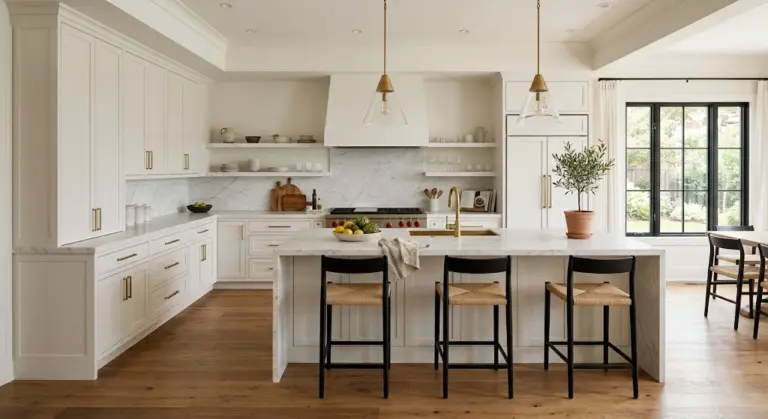
For several years now, the kitchen has been at the center of a radical transformation. Once considered a purely functional space, today it has become an environment where aesthetics play a central role and visual satisfaction can no longer be overlooked.

This is why—especially if this room hasn’t been updated for a long time—it may be worth considering a restyling. The best way to approach it? Paying close attention to current trends.

The new face of stainless steel

Stainless steel plays a key role among the materials that dominate kitchen design, and the reason is easy to understand: it is a solution that perfectly combines durability and hygiene.

Originally introduced into domestic settings from professional kitchens, it will continue to be a leading choice in 2026, with one important difference compared to the past.

What are we talking about? The increasingly widespread trend of pairing it with wood, creating a synergy that immediately conveys warmth and a welcoming atmosphere.

Farewell to neutral colors

For now, it’s time to say goodbye to kitchens dominated by neutral colors: current trends highlight chromatic choices that until recently were considered bold.

A few examples? Marble in shades hovering between red, brown, and deep earthy tones. These aesthetic options have been at the center of designers’ attention for several years now.

To see this clearly, just think of the popularity of kitchens by brands such as Boffi, among the first furniture companies to definitively shift the focus away from practicality as the sole criterion for kitchen design, embracing instead a refined and, in its own way, irreverent aesthetic (today we are used to seeing monolithic kitchen systems in colors like black, but it wasn’t always this way).

Wood? Yes, but with contrast!

The year 2026 marks the decline—after many years of widespread and virtually unquestioned popularity—of the minimalist mood in kitchen design.

A clear sign that this style is no longer among the preferred options for furnishing the kitchen is the growing popularity of wooden details where contrast between different wood species takes center stage.

Appliances in the spotlight

Continuing our journey through the trends already shaping kitchen design choices, it’s impossible not to mention the growing focus on appliances that are not only technologically advanced but also visually appealing.

From vintage-inspired freestanding refrigerators to stainless steel cooktops with a strong aesthetic impact, there is no shortage of options to combine innovation and beauty within a space that pulses with creative energy and a desire to share special moments with loved ones.

A nod to the bar

An increasingly relevant kitchen trend involves creating an area within the space that recalls the atmosphere of a bar.

From snack counters—ideally featuring a top made from refined materials such as marble, preferably in unusual colors like light blue—to the choice of designer coffee machines, there are countless ways to recreate, within the home, the ultimate place of conviviality.

Jewel tones

This year, the kitchen will be dominated by colors inspired by the world of jewelry.

From the timeless appeal of gold to shades such as rust and brown, a wide range of hues has now replaced neutral tones within kitchen interiors.

There’s nothing surprising about this: the kitchen is an intimate, creative space that should reflect as closely as possible the personality of those who bring it to life and inhabit it every day.

Handcrafted details

In the kitchens of 2026, handcrafted details of all kinds will be more present than ever—from tiles to wall decorations within niches, which become striking focal points regardless of the overall style chosen for the space.

Want to sell your home faster and for more money?

Every homeowner wants to sell their house quickly and for the highest price possible. The problem is sellers often overlook a huge opportunity staring them right in the face.

Here’s the secret…

Clean homes sell FAST. They appeal to buyers emotionally the second they walk through the front door. And in a hyper competitive real estate market, first impressions are EVERYTHING.

That’s why many savvy sellers are hiring professional cleaning companies before listing.

In this article you’ll learn:

  1. Why Pre-Listing Cleans Are So Powerful
  2. How a Clean Home Influences Buyers Emotionally
  3. Which Areas of Your Home Are Most Important
  4. Why Professional Cleaning Leads to Higher Offers

Why Pre-Listing Cleans Are So Powerful

Pre-listing cleaning simply means having your home professionally cleaned before listing.

So what’s the big deal?

Home sellers should care about pre-listing cleaning because real estate agents feel strongly about it. A recent NAR report revealed that 88% of REALTORS recommend cleaning the ENTIRE home pre-listing. That ranked right up there with decluttering and enhancing curb appeal.

Buyers typically find homes online. They’ll scroll through pages of listings before choosing which homes to actually visit. If your place looks dingy or dirty in photos, it’s doomed. No buyer will want to see it in person.

Professional cleaning companies like Karla Maids Cleaning Services specialise in preparing properties for sale. They know which rooms influence buyers most. And how to deep clean every nook and cranny.

Don’t confuse professional pre-listing cleaning with your DIY sweeps and tidy-ups. Professional cleaners have experience, products and tools you don’t. They’ll reach spaces you probably never will.

Why a Clean Home Matters to Buyers Emotionally

You might be wondering…

Why would buyers care about a clean home?

Emotionally.

When potential buyers walk into a immaculate property, they feel it. They can envision themselves living there. There are no distractions like dirty countertops, dusty floors or greasy appliances. All buyers see are their furniture and belongings in that space.

The National Association of Realtors found that 82% of buyers’ agents said staging helped buyers imagine themselves in the home. A clean home is the first step to creating that visualisation.

Keep reading for more science-backed reasons why buyers love clean homes:

  • Filthy Homes suggest NEGLECT. Messy homes make buyers assume owners ignored maintenance and care. Buyers worry about what problems they can’t see. Hidden issues become bigger selling obstacles with each grout speck and dust particle.
  • Cleanliness Equals ATTENTION. Buyers equate clean homes with owners who cared for the property. Showings become about the features and attributes, not struggling to ignore messy decor.
  • Buyers ASSOCIATE a sparkling home with good condition. Focus shifts from what buyers DON’T like to how much they LOVE the home.

Keep in mind, buyers form these opinions quickly. Research shows buyers create first impressions in UNDER ONE MINUTE of entering a home. Your pre-listing clean will set the stage for those first few seconds.

Another cool fact…

If your home looks well maintained, buyers are prepared to PAY MORE for it. To them, a clean home equals less risk. That means stronger offers and less negotiating just because your home looked good.

Which Areas of Your Home Are Most Important

Every square inch of your home represents an opportunity to woo buyers. But try to focus where matters most.

Just because you deep clean your floors doesn’t mean you should ignore the bathroom. You get the idea.

Inside the Kitchen Wins

Buyers will spend more time in the kitchen than any other room. Dirty appliances, grimy walls and grease covered countertops scream NEGLECT. Invest time and energy into the kitchen. Have cleaners scrub the insides of your oven and fridge, too.

The Bathrooms Are Close Second

Who wants to think about showering in a dirty bathroom? Whether it’s the toilet, tub or countertops. Scum, mould and grout stains leave buyers feeling disgusted. Professional cleaners can eliminate bathroom dirty.

Don’t forget about:

  • Floors (Everyone walks on them)
  • Windows and Mirrors
  • Lighting & Fans
  • Baseboards
  • Carpets and Furniture

Oh and kitchens and bathrooms aren’t the only rooms that matter. Entryways, living rooms and primary bedrooms are just as important. Buyers look at these rooms and see places to live, play and sleep. They better shine!

And finally, smells matter too. You could scrub your entire home from floor-to-ceiling and still turn buyers off with funky smells. Pet odours, food smells and even that “new home smell” can be taken care of.

How Cleaning Influences Sale Price

You may be thinking…

Does cleaning my home before listing REALLY increase my sale price?

Definitely.

Staged and cleaned homes perform better than average on the market. According to The Real Estate Staging Association, staged homes sell 23 days on average. Compare that to non-staged homes which sit for 184 DAYS on average.

Who wants to pay those carrying costs?

Not only will your home sell faster by cleaning it. You’ll also sell it for more money. Studies show homes that are cleaned and staged sell for 5-15% MORE than homes that aren’t prepared.

Back to our $400,000 example house:

You could sell your home for $20,000 to $60,000 MORE by simply cleaning and staging it. And professional cleaning costs a lot less money than that.

See how easy it is to justify professional cleaning?

  • Cleaning Costs << Increase Selling Price
  • Lowers Days on Market
  • Limits Price Reductions
  • Creates More Motivated Offers

Wrapping It Up: Why You Should Care About Pre Listing Cleans

If you’re going to invest in one thing to sell your home… make it cleaning!

Don’t waste money on silly expenses that don’t move the needle. Cleaning is proven to help you sell your home quicker and for more money.

Remember:

Clean Homes Sell Faster

Which translates to…

More Buyers

And that means…

Higher Sale Prices

Buyers make emotional decisions first, then justify them with logic later. If they fall in love with your home the second they walk in, there’s a good chance they won’t let logic talk them out of it.

Emotions lead to offers. And if you have more offers, you’re far more likely to get the sale price you want.

Let’s face it. The real estate market is more competitive than ever. Don’t put your sale at risk by skipping professional pre-listing cleaning.

Ready to greenify your living space WITHOUT spending all your savings?

Environmentally friendly sustainable home decor options have exploded in recent years. But why now? The answer is simple.

Changing up your living space can greatly impact both the planet and your pocketbook.

…and you don’t have to change EVERYTHING to make a difference.

In fact, you can start small. Baby steps if you will.

One easy swap at a time.

Here’s what you’ll learn:

  • Why environmentally friendly home decor is worth it
  • Small changes with big impact
  • How to shop for eco-friendly materials
  • Budget-friendly tips for going green at home

Let’s jump in!

Why Going Eco-Friendly is Worth It

Making your home “green” is more than just a trend.

In fact, it’s becoming a lifestyle. And for good reason.

Everything in your home….paint colors, furniture, finishes….has an environmental impact.

Even the things you don’t see like the chemicals in fabric upholstery or wood finishing products.

But here’s the good news…

Consumers are taking notice.

A recent survey by PwC reported 8 out of 10 consumers are willing to spend more on products made using sustainable methods.

People are becoming more aware of how their purchases impact the planet.

And that’s a great thing!

When you make sustainable swaps around the house you’re investing in…

  • Healthier air quality for your family
  • Higher quality pieces that last longer
  • A reduced carbon footprint during manufacturing + disposal

Wood finishing products are just one area that has come a long way. Brands like www.rmpfinishes.com are creating non toxic wood finishing products that protect your furniture + the environment. Look for low VOC wood stains and finishes to keep harmful chemicals out of your home.

Small DIY Projects that Help the Environment

You don’t have to tear down your walls and start from scratch to make eco-friendly improvements.

Here are some easy places to start. Pick one project and try it out!

As you get comfortable, move on to the next.

#1 Swap out synthetic textiles for natural fabrics

Cotton, linen, and hemp are all better options than polyester when it comes to bedding, curtains, upholstery, and more. Natural fibers are typically gentler on the environment because they are biodegradable + often made with fewer chemicals.

#2 Shop for furniture made from reclaimed wood

Reclaimed wood furniture is a great way to give old wood a second life. Not only is reclaimed wood more durable and beautiful than new wood, but it also prevents usable materials from entering landfills.

#3 Swap traditional finishes for eco-friendly alternatives

The stains + finishes you use on wood furniture can contain harmful VOCs (volatile organic compounds). These chemicals off-gas into your home’s air slowly poisoning your family. They also runoff into water systems damaging the environment. By switching to low VOC or better yet ZERO VOC finishes + stains you’ll protect your family + the earth.

#4 Hang some plants on your walls

Who doesn’t love plants? They naturally filter toxins out of the air creating a healthier space for your family. Indoor plants are also a gorgeous accessory. Decorate with plants.

How to Shop for Eco Friendly Materials (+Avoid Greenwashing)

As more companies jump on the sustainable bandwagon, it can be hard to know what’s legit + what’s “greenwashing.”

Greenwashing is when a company gives a false impression of their environmental practices.

You’ve probably seen things advertised as “all natural” that aren’t quite.

So how do you weed out the BS and find real sustainable products?

Look for any certifications. Certifications like FSC (Forest Stewardship Council) ensure your wood was harvested in an environmentally friendly way.

Check ingredients. Sustainable companies should have no problem sharing what goes into their products. If they won’t tell you what’s in that wooden furniture polish or fabric softener, that’s not a real sustainable brand.

Do your research. Look up the company’s environmental policy. Do they use green energy? Do they recycle old product containers?

Check for low-VOC or zero-VOC labels. Painting your walls? Furniture? Look for VOC free paint + wood finishing products. VOCs are chemicals found in most paints + finishes. They off-gas into the air causing illness.

When in doubt, don’t buy it.

Stick to finding sustainable swaps for things you already need to buy.

That way you can ensure you’re buying from a brand that aligns with your values.

5 Budget Friendly Tips for Going Green

Here’s a fun fact.

Decorating your home in an eco-friendly way doesn’t have to be expensive.

Check out these tips that won’t break the bank.

Buy secondhand first. Hit up thrift stores, estate sales, and look online for gently used furniture. This is the greenest thing you can do when furnishing your home.

Do it yourself. That dresser you scored at a garage sale? Some elbow grease and a non-toxic finish could make it brand new again. Give old furniture new life with a fun DIY project.

Invest in quality. Buy less, buy well. A few high-quality pieces that will stand the test of time are better than cheap furniture that will fall apart. Practice mindfulness when buying new pieces.

Upcycle what you have. Can that glass jar be a vase? Could that old worn blanket become some pillow covers? Get creative. There are tons of fun tutorials online for repurposing furniture and decor.

Focus on your bedroom and kitchen. If you’re looking to save some cash, start with your bedroom and kitchen. These are the rooms you spend most of your time in so you want them to be as toxin-free as possible.

How Going Green at Home Impacts the World

When you upgrade your living space using sustainable materials you’re doing more than just decorating your house.

You are creating a better world.

Okay, that sounded really cheesy. But stick with it.

Every time you buy an eco-friendly product, you’re casting a vote for the kind of world you want to live in.

That vote impacts manufacturers, distributors, and everyone in between.

Companies are listening + responding to consumers who care about sustainability.

In fact, a recent GlobeScan study found 49% of Americans purchased at least one environmentally friendly product last month. The number of Americans buying sustainable products is growing each year.

Buying sustainable = a better world for everyone.

Not to mention when you make one sustainable swap, that sparks something inside you. Maybe you start paying more attention to labels. Maybe you talk to your friends about it.

Before you know it, your small swap has the potential to create a chain reaction.

Like refinishing that old coffee table with non-toxic products. Maybe your neighbors see it + want some tips. Perhaps a friend stops over and asks where you got your shelves? Reclaimed wood shelves from Hobby Lobby. Bam! You just planted another seed.

That’s how change happens.

Small by small.

HOME-Ecology Wrap Up

Changing your entire home to use non-toxic products overnight is overwhelming. AND it’s not realistic.

Start small and focus on one room or one swap at a time.

Here’s your quick eco-friendly home decor cheat sheet:

  • Look for natural, non-toxic materials first
  • Shop secondhand and upcycle what you already own
  • Invest in high-quality pieces that will last
  • Research companies to make sure they walk the walk
  • Focus on high traffic rooms in your home

Remember, little changes equal BIG impact.

Your home can be beautiful, healthy, and eco-friendly all at the same time.

JPAR Real Estate is America’s fastest-growing 100% commission brokerage with over 3,500 agents nationwide. Reviews highlight competitive commission structures, strong technology platforms, and agent-focused support, though experiences vary between franchise locations.

You’re looking at JPAR Real Estate and wondering if it’s the right fit. Smart move to check reviews first.

JPAR calls itself America’s fastest-growing 100% commission real estate brokerage, but what do the people working there actually say? Let’s look at what agents and clients share about their experiences.

Understanding JPAR Real Estate

Before we get into reviews, here’s what you need to know. JPAR started as an independent Texas brokerage before franchising in 2019. Now they operate in multiple states across the country.

The company built its reputation around a simple idea: give agents better commission splits and the tools they need to succeed. They offer a full-service brokerage with capped transaction fees, which means you keep more of what you earn after hitting certain thresholds.

The brokerage has over 3,500 agents spread across the United States. They’re not the biggest name in real estate, but they’re growing fast.

What Agents Say About Commission Structure

Here’s where JPAR gets attention. Their commission model differs from traditional brokerages.

Each JPAR office offers a 100% commission plan where agents pay a transaction fee for every closed transaction. Translation: you’re not splitting commissions with the brokerage on every deal.

In 2024, JPAR reduced its cap fees from 23 to 16 sides, bringing annual transaction fees to less than $10,000. That’s a big change for agents who close multiple deals per year.

Agent reviews on this point are mostly positive. One agent noted that not having a commission split puts significantly more money back in their pocket. Another mentioned the fees are fair and provide good value.

But there’s a catch. Some agents found the flat transaction fees became a financial burden, especially when they weren’t closing deals consistently. The 100% commission model works great when you’re busy. When deals slow down, those fees can add up quickly.

Technology and Tools Review

JPAR invests heavily in technology. The brokerage provides industry-leading tech including websites, CRM systems, transaction management, and financial tools all connected in one platform.

Their mobile app gets positive reviews, with users noting it has more accurate availability than Zillow and REALTOR.com. The app connects directly to MLS data, which helps agents and clients see real-time listings.

One agent praised the platform for providing each person with tremendous opportunity through various support tools. The technology seems designed to help agents work independently without constant broker involvement.

However, not every franchise location delivers the same tech experience. Some agents complained that technology rarely works as it should, suggesting that tech quality might vary depending on your specific office or franchise location.

Training and Support Feedback

This area gets mixed reviews depending on where you work.

JPAR offers over 100 live training sessions monthly plus pre-recorded training libraries. They also run a mentorship program for new agents and coaching for experienced ones. Support is available seven days per week.

Several agents mentioned the company provides ample training when you’re interested and has great broker support. The leadership gets credit for being accessible and willing to help with questions.

But here’s where it gets tricky. New agents found the training is primarily online and you have to go looking for it. If you’re expecting hand-holding, this might not be your place.

A few reviews mentioned no help from managing brokers and lack of in-person support. The experience seems heavily dependent on which franchise you join and who runs your local office.

One positive review highlighted that agents help other agents, creating a supportive team atmosphere. The collaborative culture exists, but you might need to seek it out rather than having it handed to you.

Client Experience Reviews

Client reviews focus mostly on individual agents rather than the brokerage itself.

Clients praised agents for great communication, willingness to work with their schedules, and being honest and dependable. One client’s home sold over asking price in under 24 hours, which speaks to agent competence.

Multiple clients mentioned their JPAR agents helped them navigate competitive offers and find their dream homes. The agents seem to deliver on customer service when properly motivated.

The brokerage structure means your experience depends entirely on your specific agent. JPAR provides tools and support, but the agent quality varies just like any other brokerage.

Office and Company Culture

JPAR offices feature beautiful decor, conference rooms, private offices, open workspaces, free coffee, and fast WiFi at no extra charge. They want offices where agents feel comfortable bringing clients.

Reviews described a positive environment with supportive management that respects agent independence. 92% of employees would recommend working at JPAR to a friend, according to aggregated Glassdoor data.

However, some agents noted limited physical presence from JPAR at their local offices. Support exists online, but if you prefer face-to-face interaction, your mileage may vary.

The company earned recognition for culture. JPAR appeared on Franchise Business Review’s Culture100 list for 2024, suggesting they’re doing something right with company culture at the corporate level.

Productivity Standards

JPAR isn’t for everyone. Most JPAR offices enforce productivity standards to ensure agents meet their full potential.

One agent mentioned needing at least six transactions per year, which became difficult during slow markets. If you’re part-time or just starting out, these requirements might feel like pressure.

The company takes this seriously. If you struggle, they offer mentorship, growth teams, traditional teams, and one-on-one coaching. They claim they’ll work with you to achieve success if you want it.

But let’s be real—productivity standards mean JPAR expects results. Some new agents felt this brokerage isn’t the right place if you’re just starting out, especially if you need time to build your client base.

Lead Generation Experience

This is a critical point for any agent evaluating a brokerage.

JPAR provides several lead options including OpCity and buyer-seller lead generation through customizable agent websites and landing pages. They also offer free company leads and referral programs.

Their focus is teaching agents how to generate their own leads and keep 100% of the money. They provide tools for newsletters, email campaigns, property alerts, landing pages, and SMS lead capture.

The reality? You need your own lead generation systems. JPAR gives you tools, but you’re responsible for filling your pipeline. This works great for experienced agents who know how to market themselves. New agents might struggle without a steady stream of company-provided leads.

Red Flags and Concerns

No brokerage is perfect. Here are issues that came up in reviews.

Some agents reported the brokerage sells client and agent personal information to third parties. That’s a serious privacy concern worth investigating before you join.

Initial startup fees run around $400, which doesn’t cover errors and omissions insurance. Some agents felt pressured to pay additional fees after already paying for pre-licensing courses.

Management quality varies significantly. Some locations have fantastic leadership. Others struggle with managers who are more focused on themselves than supporting agents.

Fee structures and policies can change. Some agents weren’t happy with how new fees were rolled out, suggesting communication about changes could be better.

Who JPAR Works Best For

Based on reviews, JPAR fits certain types of agents better than others.

You’ll probably thrive at JPAR if you’re self-motivated, already have a client base or marketing skills, close multiple deals per year, prefer working independently, and appreciate keeping more of your commission.

You might struggle if you’re brand new to real estate, need extensive hand-holding and training, rely on company-provided leads, work part-time or close fewer deals, or prefer traditional brokerage structures with in-person support.

One agent summarized it well, saying if you love real estate and work hard, you will be successful with this company. The keyword is “work hard.” JPAR provides tools and favorable economics, but you need to bring the hustle.

Overall Verdict from Reviews

JPAR Real Estate gets mostly positive reviews from agents who fit their model. Employees rate JPAR 4.4 out of 5 stars on Glassdoor, which is solid.

The commission structure genuinely saves agents money compared to traditional splits. The technology platform provides modern tools. Support exists when you need it. The company culture emphasizes agent success.

The downsides? Inconsistency between franchise locations, productivity requirements that might stress newer agents, and limited hand-holding for those who need it.

Your success at JPAR depends largely on your work ethic, existing skills, and which specific office you join. Research your local franchise, talk to agents already there, and make sure the culture and support match what you need.

The bottom line is this: JPAR offers a competitive model for productive, independent agents. If that’s you, the reviews suggest you’ll find value here. If you need more structure and support, consider looking elsewhere or plan to invest heavily in your own education and systems.

Check out your local JPAR office, ask tough questions about support and fees, and see if their model aligns with your business goals. The reviews show it works well for some agents and less well for others. Know yourself and choose accordingly.

In the ever-evolving world of interior design, bathrooms have become sanctuaries of comfort, style, and functionality. One trend that has steadily gained traction in contemporary homes is the clear glass enclosure. Whether it’s a shower, partition, or an entire bathroom, these transparent barriers serve more purposes than simply holding water back. Let’s explore why clear glass enclosures are transforming the landscape of modern bathrooms.

The Allure of Clear Glass

Aesthetic Appeal

One of the most compelling reasons for choosing clear glass enclosures is their ability to enhance the visual appeal of a space. Unlike traditional opaque materials, clear glass opens up the area, making it feel larger and more inviting. A well-placed glass enclosure can act as a focal point, reflecting light and creating a sense of openness that is particularly beneficial in smaller bathrooms.

Imagine stepping into a bathroom where the natural light pours in, illuminating every corner, thanks to the transparent surfaces. This is not just about looks; it’s a psychological effect as well. Bright, open spaces can promote relaxation and reduce feelings of confinement, allowing for a more enjoyable bathing experience.

Seamless Integration

Clear glass enclosures seamlessly fit into various design schemes, from minimalist to opulent styles. They effortlessly integrate with other materials such as wood, tile, and stone, complementing the overall aesthetic of the bathroom. In a rustic setting, for instance, clear glass can provide a stunning contrast against rough-hewn wood, while in a modern design, it enhances sleek surfaces and geometric lines.

For homeowners looking to elevate their bathroom, investing in premium glass doors for your shower offers an exceptional blend of style and utility. These doors not only add a modern touch but also promote easy cleaning and maintenance.

Functional Advantages

Easy Maintenance

One of the most frustrating aspects of bathroom upkeep is the recurring need for intensive cleaning. Traditional shower curtains or frosted glass can accumulate soap scum and mildew, requiring frequent replacement or scrubbing. In contrast, clear glass enclosures are surprisingly easy to maintain.

High-quality glass is often treated with special coatings that resist water spots and staining. A simple wipe-down with a squeegee or a non-abrasive cleaner is usually enough to keep them looking pristine. This durability not only enhances the longevity of your bathroom fixtures but also reduces the overall maintenance burden.

Maximizing Natural Light

As mentioned earlier, clear glass enclosures allow natural light to fill the space, but the benefits go beyond aesthetics. Increased natural light can elevate your mood and contribute to a healthier living environment. Properly illuminated bathrooms also reduce reliance on artificial lighting, which is not only more energy-efficient but can also create a more soothing atmosphere.

In addition, homes with optimized natural light can often command higher resale values. Prospective buyers frequently seek out spaces that feel open and airy, making your investment in clear glass enclosures potentially advantageous for future property sales.

Safety Considerations

Strength and Durability

When people think of glass, they might envision fragility. However, modern advancements in glass technology have led to the creation of tempered glass that is both safe and durable. Tempered glass is significantly stronger than regular glass and, in the event of breakage, shatters into small, blunt pieces rather than sharp shards. This feature makes it a safer choice, particularly in high-traffic areas like bathrooms where moisture can often lead to slips and falls.

Code Compliance

When installing clear glass enclosures, it’s important to ensure compliance with local building codes. Many jurisdictions outline specific safety standards that glass installations must meet, including thickness and framing requirements. Consulting with experienced contractors can ensure that your new enclosures not only look fantastic but are also up to code.

Design Flexibility

Customization

Clear glass enclosures offer immense flexibility for customization. Homeowners can choose from various thicknesses, tints, and finishes to create a look that aligns with their unique style preferences. From frameless designs that underscore a modern aesthetic to more traditional framed versions, the possibilities are endless.

Moreover, custom designs can cater to the specific dimensions and layouts of your bathroom. This makes clear glass enclosures an excellent choice for unusual spaces where standard solutions might fall short.

Complementing Existing Decor

Another advantage of clear glass enclosures is their ability to enhance existing decor. Whether your bathroom features vintage tiles, artistic murals, or contemporary fixtures, a glass enclosure can provide a timeless frame that doesn’t detract from other design elements. Its transparency enables you to appreciate the full value of your interiors while serving a functional purpose.

Conclusion

Clear glass enclosures have undeniably emerged as a cornerstone of modern bathroom design. Their aesthetic benefits, functional advantages, and safety features combine to create a perfect solution for homeowners looking to enhance their spaces. Whether you’re dreaming of a spa-like retreat or just looking to revamp your existing bathroom, consider the transformative power of clear glass.

As homeowners increasingly seek design solutions that prioritize beauty and efficiency, it’s clear that the evolution of bathroom aesthetics is closely tied to innovations in materials like tempered glass. By embracing clear glass enclosures, you’re not just making a stylistic choice; you’re investing in a future of comfort, safety, and visual delight.

In today’s fast-paced world, where living spaces seem to shrink while our needs continue to grow, clever storage solutions have become essential. One such solution is the ottoman bed, a versatile piece that fuses style with functionality. In this article, we will explore how to effectively utilize ottoman bed storage, transforming your bedroom into an organized haven without compromising on taste or style.

Understanding Ottoman Beds

Ottoman beds are designed with a hidden compartment beneath the mattress, allowing you to store everything from linens to seasonal clothing. The mechanism is easy to operate; a liftable mattress reveals ample storage space that can be utilized in various ways.

Interestingly, ottoman bed styles for modern bedrooms have evolved significantly, catering to diverse aesthetic preferences while maintaining their functionality. For anyone looking to upgrade their sleeping space, exploring different designs can inspire fresh ideas for your bedroom layout. Check out various ottoman bed styles here to see what could potentially fit into your space!

Maximizing Storage Space

  1. Organizing Seasonal Items

One of the most effective uses of ottoman bed storage is for seasonal items. Think of winter blankets, heavy coats, or summer clothing. Storing these items in your ottoman bed ensures they remain easily accessible but out of sight. When the seasons change, a quick lift of the mattress is all it takes to swap out items, making it seamless to manage your wardrobe.

  1. Linen and Bedding Storage

Bedding can quickly accumulate and take over your bedroom space. Instead of letting it clutter drawers or the closet, tidy it away in the ottoman’s compartment. Consider using storage bins or vacuum-sealed bags to keep different sets organized, allowing for easy swapping between seasons. This not only creates a cleaner appearance but also helps maintain the freshness of your linens.

  1. Using Dividers for Small Items

If you frequently store smaller items—such as books, magazines, or craft supplies—investing in dividers can help keep everything organized within the ottoman storage space. Custom dividers can also assist in categorizing items, ensuring you find what you need without rummaging through everything. This small addition transforms your ottoman bed into an organized treasure chest.

Aesthetic Considerations

  1. Choosing the Right Style

As mentioned earlier, ottoman beds come in various styles that can complement any bedroom aesthetic. Whether your bedroom leans towards minimalism, bohemian, or a more traditional look, selecting an ottoman bed that aligns with your design will elevate the room’s overall appearance. A sleek, modern ottoman might serve as a statement piece, while a plush, upholstered model could add coziness to your space.

  1. Color Coordination

When selecting an ottoman bed, consider the color and fabric. Opt for a shade that works harmoniously with existing decor, creating a cohesive look. A bold color can infuse personality, while neutral tones offer versatility. Fabrics such as velvet lend a touch of elegance, while durable materials like faux leather provide longevity and a modern aesthetic.

  1. Accessorizing the Top

The top of your ottoman bed can also serve as a functional surface, often doubling as space for decorative pillows, throws, or books. This blend of storage and aesthetic appeal can create a curated look that enhances your bedroom while maintaining practicality. Positioning a nice book or a plant can evoke a sense of tranquility, making your space inviting.

Practical Tips for Use

  1. Seasonal Rotation

Managing your ottoman storage becomes much easier with a seasonal rotation system. At the start of each season, take a moment to examine what’s inside. Remove items you don’t need and replace them with seasonal essentials. This will keep your storage space from becoming cluttered and ensure you’re always prepared for whatever the season throws at you.

  1. Regular Cleaning

Beyond organization, regular cleaning of your ottoman bed’s storage is crucial. Dust and allergens can accumulate in hidden spaces, so it’s wise to occasionally wipe down the interior. Practicing this habit not only promotes a healthier living environment but also allows you to assess what you truly need in your ottoman storage.

  1. Labeling System

For those storing diverse items, a labeling system can work wonders. Simple labels on bins can save you time and energy, making it easier to sort through contents without frustration. By creating a system—perhaps by category or season—you turn an even greater corner when it comes to keeping your bedroom under control.

Conclusion: Embrace the Possibilities

Incorporating an ottoman bed into your bedroom setup not only optimizes storage but also enriches your aesthetic experience. With the right planning and organization, this space-saving solution can transform any bedroom into a stylish and functional sanctuary. Whether you are storing seasonal items or linens, adopting the aforementioned strategies can enhance your living space significantly.

By exploring various ottoman bed styles for modern bedrooms, like those mentioned earlier, you can find the perfect piece that mirrors your taste while meeting your storage needs. Ultimately, the versatility of ottoman beds makes them a valuable addition to any home, ensuring that you don’t have to sacrifice style for practicality. So, why not take the plunge and elevate your sleeping space today?

Blocked drains are one of those household nuisances that most people tend to put off addressing. Perhaps it’s the inconvenience of scheduling a repair, or, more commonly, the belief that the issue might resolve itself. However, leaving a blocked drain untreated can lead to a myriad of complications that often escalate from minor inconvenience to significant problems. Let’s explore what can happen if you ignore that pesky blockage and how to manage such a scenario effectively.

The Immediate Consequences of a Blocked Drain

A blocked drain might start small—perhaps you notice that water is draining slowly from your kitchen sink, or there’s an unpleasant odor wafting from your bathroom. While these signs might seem minor, they are indicative of underlying issues that won’t simply resolve themselves. When you neglect to address a blocked drain, here are some immediate risks you might face:

Water Damage

One of the most pressing concerns with a blocked drain is potential water damage. Stagnant water can overflow, causing damage to floors, cabinetry, and even electrical systems. Over time, this can lead to costly repairs and may even affect the structural integrity of your home.

Health Hazards

Standing water and blocked drains can serve as breeding grounds for bacteria and mold. This poses a serious health risk not only to you but also to your family and pets. If you or a family member has pre-existing health conditions, the risks increase manifold.

Pest Attraction

A blocked drain can attract pests like insects, rodents, and even larger wildlife looking for a stagnant water source. Once pests deem your home a suitable environment, you may have much larger issues to contend with.

The Long-term Effects of Ignoring a Blocked Drain

While the immediate consequences of a blocked drain are alarming enough, ignoring the issue can lead to further complications down the line.

Increased Repair Costs

Initially, the cost of dealing with a blocked drain may seem manageable, particularly if you opt for DIY methods. However, as issues like water damage or pest infestations arise, the costs for repairs can snowball dramatically. Engaging professionals early on may save you significant expense in the long run. If you’re seeking solutions, there are many fast fixes for household sink issues that can help. A quick internet search can provide numerous resources tailored to your location and specific concerns.

Structural Damage

Over time, untreated blockages can lead to more severe plumbing issues, including burst pipes or sewer backups. The significant repair work involved can be extremely costly and time-consuming, often requiring extensive renovations.

Compromised Plumbing Systems

Regular symptoms of blocked drains may indicate that there are larger issues at play within your plumbing system. For example, a blockage may lead to increased pressure and strain on your plumbing, eventually compromising the integrity of your entire system.

Signs It’s Time to Take Action

If you suspect a blocked drain but aren’t yet experiencing the worst-case scenarios, there are some classic signs that signal it’s time to take immediate action.

Slow Draining

If your sink or tub is draining slowly, it’s essential to address the issue. Over time, even minor slow drainage can worsen and lead to a complete blockage.

Unpleasant Odors

Bad smells often indicate decay or stagnation. If you notice foul odors emanating from your sinks or drains, consider it a red flag that should not be ignored.

Gurgling Noises

Hearing gurgling sounds when you flush your toilet or run the sink could suggest that air is being trapped in the plumbing, which often points to a blockage.

Water Backups

This is the most alarming sign of a blocked drain. If water is backing up in your sink or bathtub, it’s crucial to act immediately. Not only is this a significant inconvenience, but it can also lead to the issues discussed previously.

Quick Troubleshooting and When to Call for Professional Help

If you encounter any signs of a blocked drain, there are a few steps you might take as initial troubleshooting. Here’s a brief rundown of some easy options.

  • Boiling Water: Pour boiling water down the drain to dissolve soap scum, grease, or organic material.
  • Vinegar and Baking Soda: This combination can create a natural bubbling reaction that may help dislodge minor clogs.
  • Plumber’s Snake: If you have one, a plumber’s snake can be an effective tool for removing deeper blockages.

Despite these quick fixes, some situations are best left to professionals. If your efforts yield little to no results, it’s time to consult a plumbing expert. They have the tools and expertise to diagnose and rectify the problem effectively.

Conclusion

Leaving a blocked drain untreated may appear manageable in the short term, but the long-term risks are far more significant. From health concerns to extensive repair costs, the consequences of inaction can affect your home and your family more than you may realize. Don’t hesitate to take action when faced with plumbing troubles; a proactive approach can save you a great deal of stress, time, and money. Remember, addressing issues like a blocked drain today can prevent major headaches in the future, allowing you to enjoy peace of mind in your living space.

Choosing the right shower access for your home is more than a simple aesthetic decision; it can greatly influence your daily routine, the feel of your bathroom, and even your overall home value. With a wide range of styles and configurations available, understanding how to select products that align with your vision—and practical space requirements—is crucial. This guide will walk you through essential considerations when selecting your shower access options.

Understanding Your Space

Before diving into specific designs and materials, assessing your bathroom layout is the first step. Consider the following:

  • Space Measurements: Take accurate measurements of your shower area, including height, width, and depth. This will guide your selection, ensuring that your chosen access fits seamlessly into your space.
  • Existing Plumbing: If you’re renovating, note the location of existing plumbing fixtures. This can help streamline the installation process and may even inform your decisions regarding shower type.
  • Natural Light: The placement of your bathroom window can affect your choice. Glass shower doors, especially minimalist glass shower door designs, can enhance natural light flow, making the space appear larger and more inviting.

Types of Shower Access

  1. Shower Curtains

Shower curtains are the traditional option and offer flexibility in a variety of designs, colors, and materials.

  • Pros:

◦ Economical

◦ Easy to change and maintain

◦ Available in countless styles

  • Cons:

◦ Can accumulate mold and mildew

◦  Less durable than doors

  1. Shower Doors

For those seeking a more polished look, shower doors provide both functionality and elegance. With various styles available, you can choose what best suits your bathroom’s aesthetics and your lifestyle.

Frameless vs. Framed

  • Frameless Doors: These are often made entirely of glass, making them a popular choice for a modern, expansive feel. They work beautifully with minimalist glass shower door designs by creating a seamless look.
  • Framed Doors: With metal framing, these provide extra support and are usually more economical. However, they can occupy space visually, which might not align with your minimalist goals.
  1. Bi-Fold and Sliding Doors

If space is at a premium in your bathroom, consider bi-fold or sliding options. These doors don’t require extra room to swing open, making them ideal for smaller spaces.

  • Pros:

◦Space-saving designs

◦Easy to use

  • Cons:

◦ Tracks can become dirty and require maintenance

Materials Matter

When selecting shower access, the material is a key consideration. Glass doors, for example, can vary in thickness and finish:

  • Clear Glass: Offers an open feel and is great for showcasing beautiful tile work.
  • Frosted Glass: Provides more privacy, though it can sometimes limit the perception of space.
  • Tempered Glass: This is more durable and safer, as it shatters in small, less dangerous pieces.

Setting a Budget

Deciding on your budget early in the process can help narrow down your options. Shower curtains are typically the most economical choice, while custom glass doors can reach higher price points.

Keep in mind the long-term investment benefits of choosing higher-quality materials. Glass doors, for example, may require an upfront expense but offer enhanced durability and aesthetic appeal that can boost your home’s value.

Consider Your Lifestyle

Finally, think about your lifestyle and the functionality you need from your shower access:

  • Do you have young children or pets?
  • Are you a fan of long, leisurely baths or quick showers?

Understanding your routines can help determine if you need a shower curtain that’s easily replaceable or a durable glass door that meets the demands of daily life.

Maintenance and Care

Regardless of your choice, consider the maintenance involved. Glass doors will require regular cleaning to prevent soap scum and water spots, especially if you live in an area with hard water. On the other hand, shower curtains may need to be replaced frequently but could be machine washable depending on the material.

Tips for Care:

  • For glass, consider investing in a squeegee to remove water after each use.
  • Use mildew-resistant shower liners for curtains.
  • Regularly check seals and hinges on doors for wear.

Conclusion

Selecting the right shower access involves a careful blend of practicality, aesthetics, and personal lifestyle. By taking your space, measurement, aesthetic preferences, and maintenance needs into account, you can find a solution that not only fits well into your home but enhances your overall bathing experience. Whether you lean toward a classic curtain or a modern glass design, the options are abundant, making it easier than ever to create your perfect bathing oasis.

As you navigate the many choices, make sure to weigh the benefits of every option thoughtfully and don’t hesitate to seek inspiration from various design shows, magazines, or online resources, ensuring you find a solution that complements both your space and lifestyle.

In today’s environmentally conscious landscape, selecting the right insulation is crucial—not only to maintain energy efficiency but also to enhance comfort in your home or workspace. With numerous materials and types available, making the right choice can feel overwhelming. So, how can you simplify the decision-making process and ensure that you select insulation that truly delivers?

Understanding Insulation Basics

First, it’s important to grasp what insulation does. Its primary role is to minimize heat transfer, which means keeping the warm air inside during winter and the cool air inside during summer. Understanding how insulation achieves this varies with materials and techniques.

Types of Insulation Materials

There are several insulation types, often categorized by how they are installed and the materials used:

  • Fiberglass Insulation: Possibly the most common type, fiberglass is made from fine glass fibers. It’s available in batts, rolls, or loose-fill forms.
  • Foam Board Insulation: Rigid and efficient, foam board can provide higher R-values per inch than many other materials.
  • Spray Foam Insulation: Great for irregular spaces, spray foam expands upon application, filling gaps and providing excellent air sealing.
  • Cellulose Insulation: Made from recycled paper, cellulose is an eco-friendly option that also resists pests and rodents.
  • Mineral Wool (Rock Wool): This non-combustible product offers superior soundproofing in addition to insulation.

To see how it all fits together and view the full range of insulation materials. Understanding the unique properties of each option is pivotal when determining which insulation best suits your needs.

Assessing Your Needs

Before diving into product selection, consider the specific needs of your space. Different factors come into play, including the climate in your area, your building type, and your budget.

Climate Considerations

  • Cold Climates: If you’re in an area with long winters, consider materials with a high R-value (the measure of thermal resistance). Products like spray foam or fiberglass batts are effective in preventing heat loss.
  • Hot Climates: In warmer regions, reflective insulation, such as radiant barriers, can be beneficial to reduce heat gain.

Building Type

  • New Builds: If you’re constructing a new home, you have more flexibility in choosing insulation types. This is a chance to consider various options and talk through them with contractors.
  • Renovations: For existing structures, consider the ease of installation and compatibility with your current system. For example, blown-in cellulose works well for retrofitting.

Budget

Insulation can vary widely in cost. While cheaper options may seem appealing upfront, it’s essential to consider long-term energy savings achieved through effective insulation. Investing in quality materials can pay off in reduced energy bills.

Installation Considerations

Selecting the right insulation isn’t just about the material—it’s also about ensuring it’s installed correctly. Poor installation can lead to gaps, air leaks, and reduced efficiency, negating the benefits of your chosen product.

DIY vs. Professional Installation

  • DIY Projects: If you have a moderate level of comfort with home improvement tasks, some insulation types, like batts or rolls, can be relatively easy to install.
  • Professional Help: For more complex materials, such as spray foam, it’s usually best to enlist the help of professionals. They have the equipment and expertise to ensure a tight seal and correct application.

Avoiding Common Mistakes

  • Ignoring Air Leaks: Before adding insulation, seal any gaps around windows, doors, and pipes.
  • Choosing the Wrong R-Value: Make sure the R-value aligns with your climate zone and building regulations.

Evaluate Additional Features

When selecting insulation, consider if you want added benefits such as soundproofing, fire resistance, or eco-friendliness. These extra features can contribute significantly to the overall comfort and safety of your space.

  • Soundproofing: If noise is a concern, materials like mineral wool, which can absorb sound waves, may be beneficial.
  • Fire Resistance: Materials like fiberglass and mineral wool are known for their excellent fire resistance.
  • Eco-Friendliness: Insulation made from recycled materials or with low volatile organic compounds (VOCs) can contribute to a healthier indoor environment.

Long-Term Performance and Maintenance

Choosing insulation isn’t a one-time decision. It’s essential to assess how well your insulation performs over time.

  • Regular Checks: Periodically inspect the insulation, especially in areas like the attic or crawl space, to ensure it hasn’t settled or been compromised.
  • Energy Bills: Keep an eye on your utility expenses. A sudden spike may indicate insulation issues, prompting further investigation.

Conclusion

Choosing the right insulation can lead to significant benefits in energy efficiency, comfort, and even property value. By understanding the types, assessing climate conditions, considering installation options, and evaluating additional features, you can make an informed decision.

In the quest for effective insulation, remember that the initial choice sets the stage for your home or workspace’s long-term performance. Take the time to explore and research, ensuring that you select materials that align with your goals for efficiency, comfort, and sustainability. The landscape of insulation materials is vast, but with careful consideration, you can find the perfect match to suit your needs.

As the winter chill sets in, creating a warm, cozy environment in your home can quickly become a priority. However, balancing comfort with rising energy costs can often feel like a daunting task. Fortunately, there are numerous strategies you can adopt to keep your space toasty without shredding your wallet. Here’s a look at some effective ways to maximize warmth while minimizing your heating bills.

Understand Your Heating System

The first step to an efficient heating strategy is understanding your current system. Whether it’s a central heating unit, a boiler, or space heaters, knowing how your system works can help you use it more effectively. If you’re using radiators for heat, consider whether they’re doing their job efficiently.

Efficient double-convector heating solutions often stand out as an excellent option for homeowners. These types of radiators offer greater heat output and efficiency. Not only do they heat up quicker, but they also help maintain warmth longer, making them a smart choice in the colder months.

By understanding the specific features of your heating system, you can make informed decisions about maintenance and usage. For instance, ensuring that your radiators are bled of air and free of clogs can considerably enhance their efficiency.

Insulation: The Unsung Hero

The role of insulation in keeping your home warm cannot be overstated. Proper insulation acts as a barrier to heat loss, allowing your heating system to work less hard. Here’s where to focus your attention:

1   Attic and Roof: A significant amount of heat escapes from the top of your home. If it hasn’t been done recently, consider adding or upgrading attic insulation.

2   Walls: Insulated walls help by creating a thermal barrier. If your walls are not insulated, it could be a worthy investment.

3   Windows and Doors: Gaps in windows and doors can be a major source of drafts. Weather stripping or caulking can seal these gaps and help retain heat.

Optimize Heating Practices

Once your heating system is in place and your insulation is up to par, it’s time to think about how you use your heating. Some simple adjustments can yield significant savings:

  • Thermostat Settings: Lowering your thermostat by just a couple of degrees can reduce heating costs substantially over time. Consider setting your thermostat to 68°F (20°C) while you’re home and lowering it when you’re away.
  • Zoning Your Heating: If possible, heat only the rooms that are in use. Zoning systems allow for more precise control over different areas of your home, potentially leading to savings on your energy bill.

Embrace the Power of Alternative Heating

In addition to your primary heating system, there are various alternative heating sources that can keep your home warm:

  • Space Heaters: These can be an effective solution for heating singular rooms without turning on the whole system. However, be sure to use them safely and effectively.
  • Fireplaces and Wood Stoves: If you have a fireplace or wood stove, using it occasionally can supplement your heating and create a lovely ambiance.
  • Radiant Floor Heating: Although more of a long-term investment, radiant floor heating can distribute warmth evenly and efficiently.

Smart Energy Habits

Adopting smart energy habits can further help in keeping your bills down while ensuring your home remains comfortable:

  • Layer Up: Instead of cranking up the heat, consider wearing warm clothing and using blankets. A cozy sweater and thermal socks can go a long way.
  • Limit Heat Loss: Close curtains at night to keep warmth in and open them during the day to let sunlight warm your home naturally.
  • Regular Maintenance: Schedule routine check-ups and maintenance for your heating system to ensure it’s running optimally. A well-maintained system operates more efficiently and can prolong its lifespan.

Consider Renewable Energy Options

Though it may require a higher upfront investment, integrating renewable energy sources like solar panels can significantly offset heating costs in the long run. By harnessing energy from the sun, you can power your heating system and reduce reliance on fossil fuels, creating a more sustainable home while keeping expenses down.

Conclusion

Managing heating during the winter months is all about balance. By understanding your heating system, investing in insulation, optimizing your practices, and incorporating smart energy habits, you can enjoy a warm home without incurring exorbitant bills. Additionally, exploring solutions like efficient double-convector heating solutions can effectively upgrade your home’s heat output.

Taking the steps discussed can lead to a more comfortable living space while keeping your energy costs in check. Winter should be a time for coziness, not for worries about your energy bills. With the right strategies in place, you can enjoy both warmth and savings this season.