
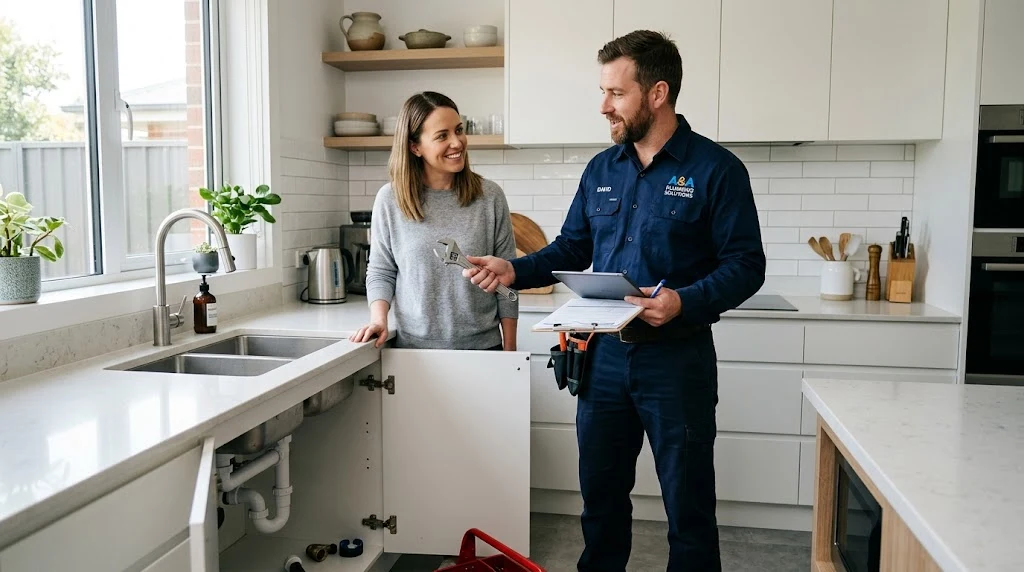
Before hiring a plumber, ask about their license, insurance, experience, and whether they provide a written estimate. Confirm if they pull permits, offer a workmanship warranty, and how they charge — flat rate or hourly. These questions help you avoid costly mistakes and hire someone you can trust.
Hiring the wrong plumber can turn a simple leak into an expensive nightmare. You might end up with shoddy work, surprise charges, or damage that costs more to fix than the original problem. The good news? A few smart questions upfront can protect you from all of that.
Whether you’re dealing with a dripping faucet, a burst pipe, or a full bathroom remodel, knowing what to ask before you hire gives you real control. Here’s everything you need to cover before anyone touches your pipes.
Are You Licensed and Insured?
This is the first question you should ask — no exceptions. A licensed plumber has gone through proper training, passed state exams, and met the requirements set by local authorities. Most states require plumbers to be licensed, which means they have met certain industry standards and carry the knowledge and skills to do the job right.
Insurance matters just as much. Only work with a plumber who carries liability insurance and workman’s comp. This is a trade where things can go wrong, and if they do, it’s often costly. If something goes wrong with an uninsured plumber, you may end up paying to fix the problem yourself.
Ask to see proof of both. A trustworthy plumber will hand over that information without hesitation. If someone gets defensive or makes excuses, that’s a red flag worth taking seriously.
How Much Experience Do You Have With This Type of Job?
Not all plumbing problems are the same. A clogged drain is a different job from re-piping a whole house. Some plumbers specialize in areas such as pipe repair, installation, or water heaters, and their expertise can be especially useful depending on what you need done.
Ask how long they’ve been in the trade and whether they’ve handled your specific issue before. You want someone who has seen your kind of problem more than once. A plumber who has only ever done basic drain work may struggle with a complex water heater installation.
Experience also affects how accurate their time estimates are. The more experience a qualified plumber has, the better they can estimate how long a repair will take — especially when pipes are easy to access. That directly affects your final bill.
Can You Give Me a Written Estimate?
Never agree to any plumbing work without a written estimate in hand. Verbal quotes are easy to forget or change after the fact. A written document protects you if the price suddenly “goes up” once the work is done.
Ask the plumber for an itemized estimate of the job so you know exactly what you’re paying for. Compare quotes from different plumbers, but keep in mind that the cheapest option may not always be the best when it comes to quality.
Get at least two or three quotes before you decide. If one plumber is significantly cheaper than everyone else, ask why. Sometimes it means they’re cutting corners on materials or skipping steps they shouldn’t skip.
Do You Charge a Flat Rate or by the Hour?
How a plumber charges can make a big difference to your total cost. Some charge a flat rate per job, which means you know the price upfront. Others charge by the hour, which can get expensive if the job takes longer than expected.
Ask whether the quote includes both labor and materials. If not, find out how much those will cost separately. Hidden material costs are one of the most common reasons homeowners end up with bills far higher than the original estimate.
Also ask what happens if the job runs into complications. Does the price change? Who decides? Getting clear answers to these questions before work starts saves a lot of awkward conversations later.
Do You Pull the Necessary Permits?
This one surprises a lot of homeowners, but it’s critical. Certain plumbing jobs — especially those connected to the city sewer system or involving major installations — require permits and inspections. Jobs with the potential to cause harm to the city sewer system or people require permits and inspections to ensure the work is completed to code. Ask whether the plumber will obtain those permits.
If a plumber skips permits to save time or money, it can create serious problems for you down the road. When you go to sell your home, unpermitted work can delay or kill a sale. It can also void your homeowner’s insurance in some cases.
A professional plumber knows which jobs need permits and handles that process as part of the job. If someone tells you permits aren’t necessary for a major project, get a second opinion before you proceed.
Do You Offer a Warranty on Your Work?
Quality plumbers stand behind what they do. Ask about warranties or satisfaction guarantees — these show the company’s confidence in their services and commitment to long-term solutions.
A good workmanship warranty means that if something fails or leaks because of how the work was done, the plumber comes back to fix it at no extra charge. Most contractors are willing to make repairs or replacements for any problems directly related to the initial issue or service provided for a minimum of 30 days after the work is complete.
Ask for that warranty in writing. Verbal promises mean nothing when you’re standing in a flooded bathroom two weeks after the repair. Get the terms, the duration, and what exactly it covers on paper before the plumber picks up a wrench.
Can You Provide References or Reviews?
A plumber’s reputation tells you more than their sales pitch ever will. Ask for references from past customers, and take a few minutes to actually check them. Ask for a list of satisfied customer references and check them out before you hire the plumbing professional.
Beyond personal references, look at online reviews on Google or the Better Business Bureau. Pay attention to how the company responds to negative reviews. A business that dismisses complaints or gets defensive says a lot about how they treat customers when things go wrong.
Scrutinize their portfolio for specific examples of past jobs, and seek out reviews from previous customers to get a realistic picture of what working with them looks like. One or two bad reviews in a sea of positive ones is normal. A pattern of complaints about overcharging or unfinished work is a different story.
What Are Your Emergency and After-Hours Policies?
Pipes don’t care what time it is. A burst pipe at 11 PM needs attention fast, and you want to know ahead of time whether your plumber will show up.
Check whether the plumber provides 24/7 emergency services and how quickly they can realistically respond to a call-out. Immediate response in a plumbing emergency can prevent extensive damage and costly repairs.
Ask what their after-hours rates look like too. Emergency calls often carry a premium charge, and that’s fair — but you should know that number before you’re in a panic at midnight. Some companies are upfront about it. Others surprise you with it on the invoice.
How Will You Leave My Home When the Job Is Done?
This sounds like a small thing, but it matters. Plumbing work can be messy — torn-up floors, open walls, water marks, debris. A professional leaves your home the way they found it.
There shouldn’t be any exposed pipes, debris piles, or muddy footprints left behind when the job is complete. Ask upfront who is responsible for cleanup and what that includes. If you need to patch drywall or repaint after they leave, know that before work starts so you can budget for it.
What Payment Methods Do You Accept — and When Is Payment Due?
Get clear on payment before the first tool comes out of the van. Ask about checks, digital payments, and credit cards, and be clear on when they expect payment.
Avoid any plumber who asks for full payment upfront. A reasonable deposit — usually around 10–30% — is normal for larger jobs. The rest should be due when the work is finished and you’re satisfied with the results.
If a plumber pressures you to pay everything before the job is done, that’s a warning sign. Legitimate professionals are confident enough in their work to collect payment after you’ve seen the results.
Trust Your Gut
All the right answers to all the right questions still matter less if something feels off. A good plumber communicates clearly, respects your time, and treats your home like it’s their own. They answer your questions patiently and don’t make you feel like you’re asking too much.
Take your time choosing. A little extra effort before you hire saves real money and real stress later on. The best plumber for your home isn’t always the first one who calls back — it’s the one who earns your trust before they walk through the door.

Comments are closed.