
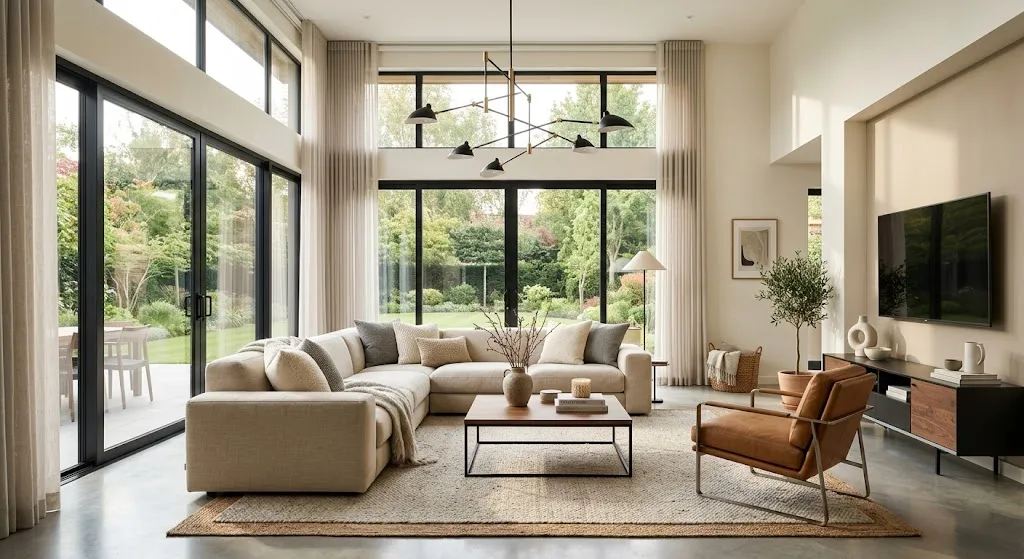
Contemporary interior design combines minimalism, texture, and function to create spaces that feel both modern and deeply livable — here is everything you need to know.
What Is Contemporary Interior Design and Why It Works

Contemporary interior design is one of the most searched and misunderstood styles in home decor today. It blends clean lines, neutral palettes, natural materials, and purposeful furnishings to create spaces that feel open, calm, and current. This guide helps homeowners, renters, and decorators understand what contemporary design truly means, how to apply it room by room, and what it costs to pull off well. Whether you are starting from scratch or refreshing a single room, this approach delivers results that last.
Contemporary vs. Modern Design: Know the Difference

Many people use these two terms as if they mean the same thing. They do not.
Modern design refers to a specific era, roughly the early to mid-20th century. It draws from the Bauhaus movement and Scandinavian minimalism. It favors warm woods, organic shapes, and a strict commitment to function over decoration.
Contemporary design is fluid. It reflects what is happening in design right now. It borrows from modern aesthetics but also incorporates current trends, new materials, and evolving tastes. That makes it more adaptable and more exciting to work with.
| Feature | Modern Design | Contemporary Design |
|---|---|---|
| Time Period | Early to mid-1900s | Present day, evolving |
| Color Palette | Warm neutrals, earth tones | Cool neutrals, bold accents |
| Materials | Wood, leather, wool | Glass, steel, concrete, fabric |
| Furniture | Low-profile, organic forms | Sleek, structured, geometric |
| Flexibility | Fixed to an era | Always current and adaptable |
Core Elements That Define Contemporary Style
Getting contemporary design right means understanding its foundational principles. These are not rules you follow blindly. They are tools you use with intention.
The most important elements include:
- Clean lines and geometric shapes in furniture and architecture
- Neutral base colors like white, gray, taupe, and charcoal
- Bold accent pieces in black, navy, forest green, or rust
- Natural textures such as linen, jute, stone, and raw wood
- Open floor plans that encourage flow and light
- Minimal clutter with every object serving a visual or functional purpose
- Statement lighting including pendant lights, track systems, and sculptural floor lamps
- Mixed materials combining metal, glass, fabric, and concrete in a single room
These elements work together to create spaces that feel intentional rather than accidental.
How to Choose a Contemporary Color Palette
Color is where many decorators go wrong. Contemporary interiors do not require you to strip all warmth from a room. They ask you to be disciplined with your choices.
Start with a neutral foundation. White walls, greige cabinetry, or a warm gray floor create a canvas that lets your furniture and art breathe.
Then layer in one or two accent colors. Dusty rose, muted olive, or deep teal all work beautifully in contemporary spaces without overwhelming the eye.
Finish with black or dark charcoal as your grounding tone. Use it in lamp bases, cabinet hardware, picture frames, or thin furniture legs. This creates visual anchors throughout the room.
Avoid mixing more than three distinct colors in one room. More than that and the space begins to feel scattered rather than styled.
Best Materials for Contemporary Interiors
Material selection separates a truly polished contemporary space from one that just looks like a furniture catalog. The best contemporary interiors layer different textures and finishes intentionally.
Top materials used in contemporary design:
- Concrete for floors, countertops, and feature walls
- Brushed steel or matte black metal for fixtures and furniture frames
- Tempered glass for coffee tables, shelving, and partitions
- Natural stone like marble or slate for kitchen and bathroom surfaces
- Linen and boucle fabrics for sofas, chairs, and cushions
- Engineered hardwood in wide plank formats for flooring
- Ceramic and porcelain tiles with large format sizing for a seamless look
The key is contrast. Pair a rough concrete wall with a soft boucle sofa. Set a polished marble countertop against flat matte cabinetry. These opposites create visual interest without chaos.
Room-by-Room Contemporary Design Guide
Each room in your home has its own demands. Here is how to apply contemporary principles space by space.
Living Room: Focus on a low-profile sofa in a solid neutral, a geometric coffee table, and one bold piece of art. Keep the floor as open as possible. Use a large area rug to define the seating zone.
Kitchen: Go with flat-front cabinetry in white, gray, or navy. Choose quartz or concrete countertops. Install undermount sinks and handleless drawer systems. Integrated appliances keep the look seamless and uninterrupted.
Bedroom: Strip the room back to essentials. A platform bed, two matching nightstands, and a single pendant light on each side. Use textured bedding in natural fibers. Avoid ornate headboards or fussy drapery.
Bathroom: Large format tiles in white or light gray, a floating vanity, frameless glass shower enclosures, and matte black or brushed gold hardware. Keep accessories to a minimum.
Home Office: A clean desk with cable management, a quality task chair, and built-in shelving with closed storage keeps the room functional and visually calm.
Lighting in Contemporary Interior Design
Lighting is often the last thing homeowners think about and the first thing designers focus on. In contemporary interiors, lighting does two jobs. It provides function and it provides form.
Use a layered lighting plan in every room:
- Ambient lighting as your base layer, usually recessed ceiling fixtures or a central pendant
- Task lighting for work areas, reading nooks, and kitchen prep zones
- Accent lighting to highlight art, architectural details, or decorative objects
LED technology has transformed contemporary lighting. Warm white LEDs at 2700K to 3000K feel inviting without being harsh. Dimmer switches on every circuit give you full control over mood and atmosphere.
Statement pendant lights over kitchen islands or dining tables are one of the fastest ways to elevate a contemporary space. Look for sculptural shapes in matte black, brushed brass, or smoked glass.
How Much Does Contemporary Interior Design Cost
Budget is a real concern for most homeowners. Contemporary design does not have to be expensive, but quality materials and thoughtful planning do carry a cost.
| Room | Budget Range | Key Investment |
|---|---|---|
| Living Room | $3,000 to $12,000 | Sofa, rug, lighting, art |
| Kitchen | $8,000 to $40,000 | Cabinetry, countertops, appliances |
| Bedroom | $2,500 to $8,000 | Bed frame, bedding, lighting |
| Bathroom | $5,000 to $20,000 | Tiles, vanity, fixtures |
| Home Office | $1,500 to $6,000 | Desk, chair, storage, lighting |
The biggest cost drivers are always cabinetry, countertops, and flooring. If your budget is tight, prioritize these three and use more affordable choices for decor and textiles.
Common Mistakes to Avoid in Contemporary Spaces
Even experienced decorators make these errors. Knowing them ahead of time saves you money and frustration.
- Over-decorating: Too many objects destroy the clean aesthetic contemporary design depends on
- Choosing the wrong scale: Furniture that is too small for a large room looks accidental rather than styled
- Ignoring texture: All-smooth surfaces create a cold, sterile look that feels uncomfortable
- Poor lighting planning: A single overhead fixture is never enough
- Mixing too many styles: Contemporary works best when it is allowed to be consistent
- Neglecting the floor: Flooring is the largest surface in any room and deserves your best investment
- Skipping the edit: After furnishing a room, remove three things. The space will almost always improve
FAQs About Contemporary Interior Design
What is the difference between contemporary and minimalist design?
Contemporary design allows for more layers, texture, and accent colors than minimalism. Minimalism is strictly about reduction. Contemporary is about purposeful curation with a current aesthetic sensibility.
Can contemporary interior design work in an older home?
Yes. Contemporary design adapts well to older architecture. Paint, updated fixtures, new flooring, and streamlined furniture can modernize any space regardless of the building’s age.
What colors are used most in contemporary interiors?
Neutral tones like white, gray, taupe, and greige dominate. Accents often include:
- Deep navy or teal
- Matte black
- Warm terracotta or rust
- Forest green or sage
Is contemporary design the same every year?
No. It evolves constantly with new materials, emerging trends, and changing cultural tastes. That is what separates it from fixed historical design movements.
How do I start a contemporary interior design project?
Begin by decluttering completely. Then select your neutral base color, choose one flooring material, and build your furniture around a single focal point in each room. Add lighting last and layer it thoughtfully.
Does contemporary design suit small apartments?
Absolutely. Its emphasis on open space, clean lines, and minimal furniture makes it ideal for smaller homes. Light colors and smart storage amplify the feeling of space significantly.
What is the most important investment in contemporary design?
Lighting and flooring consistently deliver the highest impact per dollar spent. Both are foundational elements that affect how every other element in a room looks and feels.
Is Contemporary Interior Design Worth It in 2026?
Contemporary interior design is worth every bit of effort and investment you put into it. It creates homes that feel calm, functional, and visually cohesive without chasing trends that fade within a season.
The style rewards discipline and intention. When you choose quality over quantity, texture over pattern, and function alongside beauty, the results feel timeless rather than dated.
Start with one room. Apply the principles consistently. Let the space breathe and edit ruthlessly. Once you see the difference a truly considered contemporary space makes to how you feel at home, there is no going back.


Comments are closed.