
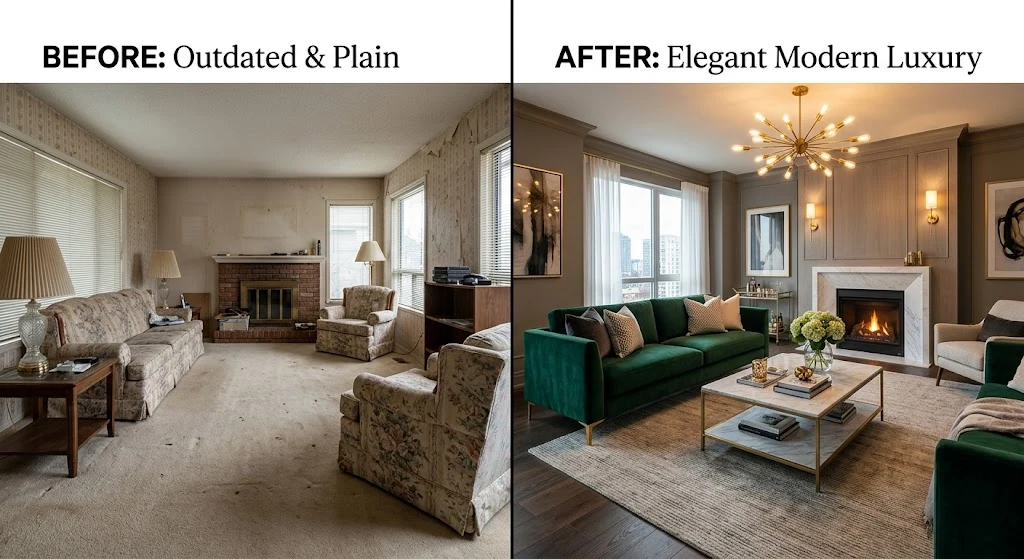
Luxury room makeovers are no longer just for the wealthy — learn exactly how to achieve a designer-quality transformation in any room, at any budget.
Luxury room makeovers have become one of the most searched home improvement topics in 2026. Whether you are updating a dated living room, reimagining a master bedroom, or converting a plain space into something extraordinary, a well-planned makeover delivers lasting value. This guide covers everything homeowners, renters, and decorators need to know — from design strategies and material choices to real cost figures and expert techniques.
Quick Overview: Luxury Room Makeover Snapshot
| Factor | Details |
|---|---|
| Average Cost Range | $2,500 to $75,000+ depending on room and scope |
| Most Impactful Changes | Paint, lighting, flooring, furniture, and window treatments |
| Popular Design Styles | Modern glam, transitional, contemporary, Art Deco revival |
| Typical Project Duration | 1 day (refresh) to 8 weeks (full renovation) |
| Best ROI Rooms | Primary bedroom, living room, home office |
| Key Materials | Marble, velvet, brass, natural wood, linen, statement tile |
| DIY vs. Professional | Mix of both — design often DIY, execution often professional |
What Luxury Room Makeovers Actually Mean
A luxury room makeover is not simply about spending a lot of money. It is about making intentional, high-quality choices that transform how a space looks, feels, and functions. The term covers everything from a full structural renovation to a strategic refresh using premium materials and designer-level details.
The difference between a standard update and a luxury transformation comes down to three things: quality of materials, attention to proportion, and cohesion across every element. A room can feel genuinely luxurious with a $5,000 budget if every dollar is placed with purpose.
Luxury also means permanence. These are not trendy changes that date quickly. The goal is to create a space that feels timeless, comfortable, and elevated for years to come.
Best Approaches for Luxury Room Makeovers
Not every room needs the same strategy. The right approach depends on your starting point, budget, and desired outcome. Here are the most effective methods professionals recommend:
- The Full Gut Renovation: Removes everything down to the walls and starts fresh. Best for rooms with poor layout, outdated plumbing, or structural issues. Highest cost but maximum transformation.
- The Designer Refresh: Keeps the structure but replaces key elements — flooring, lighting, window treatments, and furniture. Often delivers 80% of the visual impact at 40% of the cost.
- The Statement Piece Strategy: Anchors the room around one showstopper element, such as a custom headboard, a book-matched marble wall, or a bespoke chandelier. Everything else supports that focal point.
- The Layered Luxury Method: Builds the room in phases — starting with a neutral, high-quality base and adding texture, color, and personality over time. Great for homeowners who want to spread the cost.
- The Material Upgrade Approach: Swaps out builder-grade materials for premium alternatives. Replacing laminate with wide-plank white oak, standard switches with brushed brass hardware, or hollow doors with solid-core wood doors creates an immediate uplift in perceived quality.
Each of these methods works. The smartest homeowners often combine two or three of them within a single project.
Step-by-Step Guide to a Luxury Room Makeover
A successful makeover follows a clear sequence. Skipping steps leads to wasted money and disappointing results.
- Define the vision first. Gather reference images from design platforms and identify three consistent themes in what you love. This prevents expensive mid-project changes.
- Audit what stays and what goes. Walk through the room and mark every item as keep, update, or replace. Be ruthless about pieces that undermine the overall direction.
- Address the bones before the beauty. Fix any structural issues, uneven floors, cracked walls, or faulty electrical. No amount of styling compensates for underlying problems.
- Paint the room. Use a premium zero-VOC paint in a designer-approved shade. Stick to one wall color and use a slightly lighter or slightly deeper version for trim. This alone transforms any space.
- Upgrade the lighting. Swap flat overhead fixtures for layered lighting — a statement ceiling light, task lamps, and accent lighting. Use warm white bulbs between 2700K and 3000K for a rich, inviting atmosphere.
- Lay the new flooring or treat existing floors. Engineered hardwood, large-format porcelain tile, or a high-pile area rug over refinished floors all signal quality instantly.
- Select and place anchor furniture. Choose one or two investment pieces built from solid materials. Scale matters — oversized furniture in a small room kills the luxury feel.
- Add textiles and window treatments. Floor-to-ceiling curtains in linen, velvet, or silk-blend fabrics add height and drama. Layer throw pillows and blankets in complementary textures.
- Style with intention. Use the rule of three when grouping decor. Limit accessories to items with personal meaning or visual power. Clear clutter completely before photographing or presenting the space.
- Do a final walkthrough at night. Luxury rooms must look as good in artificial light as they do in daylight. Adjust lamp placement and dimmer settings until the room feels right at every hour.
Cost Breakdown and Budget Planning
Understanding where money goes in a luxury room makeover helps you prioritize spending and avoid overpaying.
- Paint and preparation: $200 to $800 for professional-grade paint and labor in an average room
- Lighting upgrades: $500 to $5,000, depending on fixture quality and complexity of installation
- Flooring: $8 to $20 per square foot for engineered hardwood; $12 to $35 per square foot installed for premium tile
- Window treatments: $300 to $3,000 per window for custom curtains or motorized shades
- Furniture: The widest range — a single quality sofa can run from $1,500 to $12,000; invest most here
- Art and accessories: Budget 10 to 15% of the total project cost for finishing touches
- Professional design consultation: $150 to $500 per hour or a flat project rate of $2,000 to $8,000
Money-saving strategies that do not sacrifice quality:
- Purchase floor samples from luxury furniture showrooms at 40 to 70% off retail
- Use semi-custom cabinetry instead of fully custom for kitchens and built-ins
- Shop lighting from contract suppliers rather than retail stores
- Splurge on items you touch daily — handles, faucets, bedding — and save on background elements
- Refinish existing solid-wood furniture rather than replacing it entirely
Common Mistakes to Avoid in Room Makeovers
Even experienced decorators fall into these traps. Knowing them in advance saves significant time and money.
- Choosing paint color first. Paint should come after you select flooring and major fabrics, not before. Paint is the easiest thing to adjust.
- Buying furniture that is the wrong scale. A room full of oversized pieces feels cramped. A room full of small pieces feels cheap. Measure twice and tape out floor space before ordering.
- Ignoring the ceiling. The ceiling is the fifth wall. Leaving it flat white in a luxury room is a missed opportunity. A tray ceiling, subtle wallpaper, or even a matte designer color changes everything.
- Over-lighting or under-lighting. A single overhead fixture creates a flat, institutional look. Too many lights create chaos. Aim for three to four light sources at different heights.
- Buying everything from one retailer. Luxury rooms look collected and curated, not coordinated. Mix price points, eras, and sources intentionally.
- Skipping the rug. Hard flooring without a rug feels cold and unfinished. A rug defines zones, adds warmth, and is one of the highest-impact investments in any room.
- Rushing the final styling phase. Most homeowners finish the big purchases and stop. The final 10% — styling, art placement, book stacking, fresh florals — makes the entire project look complete.
Pro Tips and Expert Advice
These insights separate average room updates from spaces that stop people in their tracks.
- Design around a scent. Luxury hotels spend heavily on ambient scent. A high-quality candle or diffuser in a signature fragrance makes a room feel considered in a way that visuals alone cannot achieve.
- Use odd numbers in groupings. Three books, five candles, seven objects on a shelf — odd-numbered arrangements read as more dynamic and less staged.
- Add one antique or vintage piece. A single item with history and patina makes everything around it feel more authentic and less showroom-perfect.
- Invest in blackout and thermal lining for window treatments. This adds practical value while making curtains hang better and feel heavier, which reads as more luxurious.
- Treat all four walls equally. Accent walls are largely outdated in high-end design. A unified wall treatment — whether paint, paneling, or wallpaper — signals confidence and intention.
- Hire a professional photographer once the room is complete. Seeing your space through a camera lens reveals things you miss in person and helps you refine any elements that do not land.
Luxury Room Makeovers and Long-Term Home Value
A well-executed luxury room makeover does more than improve daily life — it directly affects resale value. According to real estate professionals, a thoughtfully designed primary bedroom or living room can increase a home’s perceived value by 5 to 15% and speed up sale time significantly.
Premium materials age better than budget alternatives. Solid hardwood floors, stone countertops, and solid-core interior doors maintain their appeal for decades without needing replacement. This makes the upfront investment genuinely economical over time.
Beyond resale, luxury rooms improve quality of life in measurable ways. Better lighting reduces eye strain. Quality bedding improves sleep. Thoughtful acoustics — achieved through rugs, curtains, and upholstered furniture — reduce noise fatigue. These improvements compound quietly in the background of everyday living, making a luxury makeover one of the highest-return investments a homeowner can make.
FAQs About Luxury Room Makeovers
What is the most cost-effective luxury room makeover?
The bedroom delivers the best combination of impact and return. Upgrading bedding to 400-thread-count Egyptian cotton, adding a statement headboard, improving lighting, and repainting creates a genuinely luxurious atmosphere for under $3,000 in most homes. It is a room you use daily, so the quality pays off immediately.
How long does a luxury room makeover typically take?
Timeline depends heavily on scope. A designer refresh with no structural work takes one to four weeks, including delivery times for furniture. A full renovation with new flooring, lighting, and custom built-ins typically runs six to twelve weeks. Custom furniture and window treatments add four to eight weeks of lead time on their own.
Can I achieve a luxury look without hiring a designer?
Yes, but it requires discipline. Study rooms you admire and identify recurring principles — limited color palettes, quality over quantity, layered lighting, and mixed textures. Follow the 60-30-10 color rule: 60% dominant color, 30% secondary, 10% accent. When in doubt, buy less and buy better.
What design styles work best for luxury room makeovers?
The most enduring options include:
- Contemporary: Clean lines, neutral palette, high-quality materials
- Modern Glam: Metallic accents, velvet upholstery, statement lighting
- Transitional: Blends classic and modern for a timeless, livable look
- Japandi: Japanese minimalism meets Scandinavian warmth — exceptionally luxurious without excess
What single change has the biggest luxury impact?
Lighting is the most transformative single change in any room. Replacing a standard ceiling fixture with a sculptural chandelier or pendant, adding dimmable lamps, and switching to warm-toned bulbs can make a room feel completely different without changing anything else. It is also one of the most affordable upgrades relative to its visual impact.
Is a Luxury Room Makeover Worth It in 2026?
Every room in your home has the potential to feel genuinely elevated. Luxury room makeovers in 2026 are more accessible than ever, with premium materials available at wider price points and design knowledge more democratized than any point in history.
The key is intention — knowing what you want, understanding what creates the feeling of luxury, and spending where it truly matters. Whether your budget is $3,000 or $30,000, the principles remain the same. Start with the best version of a plan, execute it in the right order, and your space will reward you every single day.


Comments are closed.