
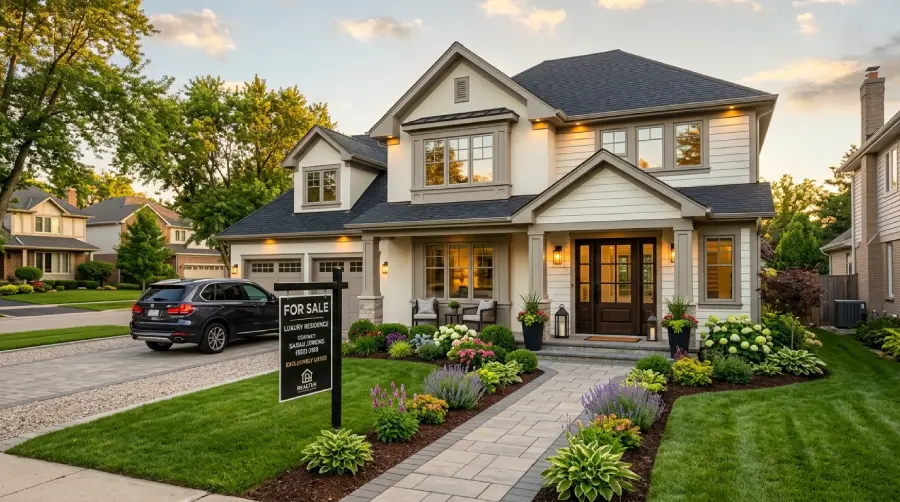
Selling a home often comes with one big question: should you renovate before putting it on the market? While improvements can make a property more attractive, not every renovation delivers a strong return. Some upgrades help buyers see the full potential of a home, while others may cost more than they add to the final sale price.
The key is to focus on changes that improve presentation, remove obvious objections, and appeal to the widest possible range of buyers. Before spending heavily, it is worth understanding which updates are likely to add real value and which may simply delay your move.
Why Renovating Before Selling Needs Careful Planning
Renovation decisions should be guided by your property type, local market, buyer expectations, and budget. While finding a home builder for a full refurbishment may be worthwhile for a tired home in a competitive area, but for many sellers, smaller improvements can be more effective.
Estate agents can provide useful insight into what buyers in your area are currently looking for. Speaking with local property professionals such as Shortland Home can help sellers understand whether a renovation is likely to support a better sale price or whether a quicker, simpler preparation strategy would make more sense.
What Adds Real Value Before Selling?
Fresh Paint and Neutral Décor
One of the simplest ways to improve a home before selling is repainting tired walls. Neutral colours help rooms feel brighter, cleaner, and easier for buyers to imagine as their own.
This does not mean your home has to feel plain. Soft whites, warm neutrals, and light greys can create a fresh backdrop while allowing features such as flooring, fireplaces, or garden views to stand out.
A fresh coat of paint is usually more affordable than major renovation work and can make a strong first impression in photos and viewings.
Kitchen Improvements Without a Full Replacement
The kitchen is often one of the most important rooms for buyers, but a complete new kitchen is not always necessary before selling. In some cases, smaller updates can create a much better return.
Consider:
- Replacing dated cabinet handles
- Painting or refreshing cupboard doors
- Updating splashbacks
- Fitting modern taps
- Improving lighting
- Deep cleaning worktops, appliances, and grout
A clean, functional, and well-presented kitchen can reassure buyers that the home has been cared for, even if they may choose to update it later.
Bathroom Refreshes That Improve Cleanliness
Bathrooms can quickly make a property feel dated if they look worn or poorly maintained. However, like kitchens, they do not always need full replacement.
Simple improvements may include:
- Replacing mouldy sealant
- Regrouting tiles
- Fitting a new shower screen
- Updating taps or mirrors
- Improving ventilation
- Adding fresh towels and simple staging
Buyers are often put off by signs of damp, mould, or poor maintenance. A bathroom that feels clean and fresh can make a big difference.
Kerb Appeal and First Impressions
The outside of your home sets the tone before buyers step through the door. A neglected exterior can make people assume the inside has also been poorly maintained.
Focus on:
- Cleaning windows
- Painting the front door if needed
- Tidying the garden
- Cutting lawns and trimming hedges
- Clearing pathways
- Replacing broken outdoor lights
- Removing bins or clutter from view
These improvements are often affordable but can have a strong impact on viewings and property photography.
Repairs That Matter More Than Style
Fixing Obvious Defects
Before investing in decorative upgrades, deal with visible issues that could worry buyers. Small defects can suggest larger hidden problems, even when they are easy to fix.
Common examples include:
- Leaking taps
- Loose handles
- Cracked tiles
- Damaged skirting boards
- Sticking doors
- Broken light fittings
- Peeling paint
- Poorly fitted flooring
These repairs may not feel exciting, but they help create confidence. A well-maintained property can feel more valuable than one with unfinished jobs in every room.
Addressing Damp and Structural Concerns
Some problems should not be ignored. Damp patches, roof leaks, serious cracks, and electrical issues can affect buyer confidence and may also appear in surveys.
If you know about a significant issue, get professional advice before listing the property. In some cases, fixing the problem can make the sale smoother. In others, it may be better to price the home honestly and let the buyer take on the work.
Renovations That May Not Be Worth It
Highly Personal Design Choices
Bold colours, luxury finishes, unusual layouts, or very specific décor choices may not appeal to every buyer. When selling, the aim is not to create your dream home. It is to help buyers imagine theirs.
A high-end renovation can be risky if the buyer would have chosen a different style. Neutral, practical upgrades usually appeal to a wider audience.
Major Extensions Without Clear Return
Extensions can add space and value, but they also require time, planning, and significant investment. If you are renovating purely to sell, a large extension may not provide enough return to justify the cost and disruption.
Before committing, compare the likely post-renovation value with similar homes already on the market. If the numbers do not clearly work, it may be better to sell the property as it is.
How to Decide What to Do Before Selling
Compare Cost Against Likely Gain
Every improvement should be measured against its potential impact. Ask whether the work will increase the sale price, attract more buyers, reduce negotiation pressure, or help the property sell faster.
If the answer is unclear, avoid overspending.
Think Like a Buyer
Walk through your home as if seeing it for the first time. Notice smells, clutter, lighting, repairs, storage, and room flow. Buyers often respond emotionally within minutes, so presentation matters.
Decluttering, cleaning, and staging can sometimes add more perceived value than expensive renovations.
FAQ
Should I renovate my house before selling?
It depends on the condition of your home, your local market, and the likely return. Small updates and essential repairs are often worthwhile, while major renovations should be carefully assessed before spending.
What home improvements add the most value before selling?
Fresh paint, improved kerb appeal, kitchen refreshes, bathroom updates, and visible repairs often provide strong value because they improve first impressions without excessive cost.
Is it worth replacing a kitchen before selling?
Not always. A full kitchen replacement can be expensive, and buyers may prefer to choose their own design. Smaller updates, such as new handles, lighting, or a deep clean, may be more cost-effective.
Should I fix problems before listing my home?
Visible defects should usually be repaired where possible. Serious issues such as damp, roof problems, or electrical concerns should be assessed professionally before deciding whether to fix them or reflect them in the asking price.
Can decorating help a house sell faster?
Yes. Neutral decorating, good lighting, decluttering, and clean presentation can make a home more appealing in photos and viewings, which may help attract more interest.
Conclusion
Renovating before selling can be worthwhile, but only when the improvements are practical, cost-effective, and aligned with buyer expectations. Fresh paint, clean bathrooms, kitchen refreshes, kerb appeal, and essential repairs often add more real value than expensive personal upgrades. By focusing on presentation, condition, and market appeal, sellers can make their home more attractive without overspending before the sale.


Comments are closed.