
Buying a home is one of the largest financial decisions most people will ever make. Yet in fast-moving markets, buyers often feel pushed to act quickly, sometimes before they have a full picture of what they are purchasing.
The pressure to move fast can lead to corners being cut, and that is where costly mistakes tend to happen. Taking the time to conduct proper due diligence before committing to a purchase is one of the most practical ways buyers can protect themselves.
Why Buyers Are Feeling More Pressure
Property markets in many parts of the world have become increasingly competitive over the past several years. Limited housing supply, rising demand, and the fear of missing out on a good property have all contributed to faster purchasing decisions. Buyers are often weighing up multiple options at once, attending inspections on weekends and submitting offers within days.
That kind of pace can work against careful decision-making. When stock is low and competition is high, there is a real temptation to skip steps that might otherwise feel routine. Due diligence is often the first thing to be pushed aside when timelines get tight.
Hidden Issues Can Lead to Unexpected Costs
Properties can look perfectly sound on the surface while concealing problems that only become apparent after settlement. Structural defects, water damage, and substandard renovation work are among the more common issues buyers discover once they have already moved in. By that point, the cost of repairs falls entirely on the new owner.
Pest activity is another area that often goes unnoticed without a formal inspection. Termite damage in particular can affect structural timber in ways that are not visible to the untrained eye. The expense of addressing an established termite problem can run well into the thousands.
Ongoing maintenance concerns are worth factoring in as well. An ageing roof, deteriorating plumbing, or outdated electrical work may not be defects in the traditional sense, but they represent future costs that a buyer should be aware of before making an offer. Knowing what a property actually needs gives buyers a clearer picture of the true purchase price.
Why Building Inspections Remain an Important Part of Due Diligence
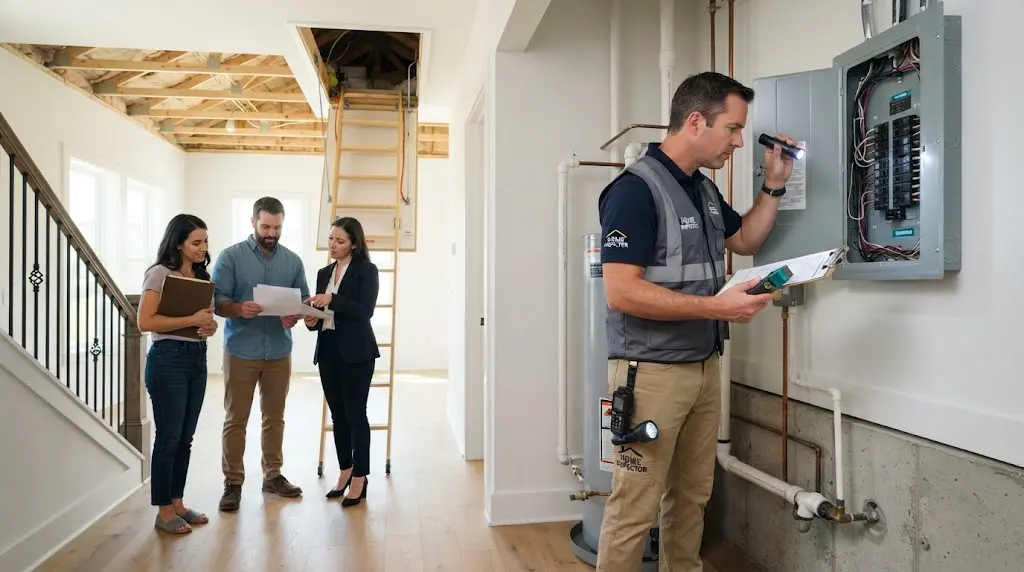
A building inspection gives buyers factual information about a property’s condition before they commit. Rather than relying on visual impressions during an open home, buyers get a detailed account of what is actually present, what needs attention, and what may require further investigation. That information is useful whether a buyer proceeds with the purchase or decides to walk away.
For those who do proceed, an inspection report can help with budgeting. Knowing about a repair before settlement means a buyer can plan for it, negotiate on price, or go in with realistic expectations. Resources from Inscope Inspections outline what buyers may expect when arranging a building inspection, which can help with planning ahead.
Inspections also provide a degree of confidence that is hard to put a value on. Buying a property without understanding its condition is a significant financial risk. Having that information in hand before signing anything puts the buyer in a much stronger position.
Making Informed Decisions Before You Buy
Purchasing a property is a serious financial commitment, and the decisions made during the buying process can have long-term consequences. Skipping due diligence to save time or money upfront can lead to far greater costs down the track.
A building inspection is not a guarantee against every possible issue, but it does give buyers a clearer understanding of what they are taking on. In a market where prices are high, and competition is strong, that clarity is worth having before any contracts are signed.


Comments are closed.