
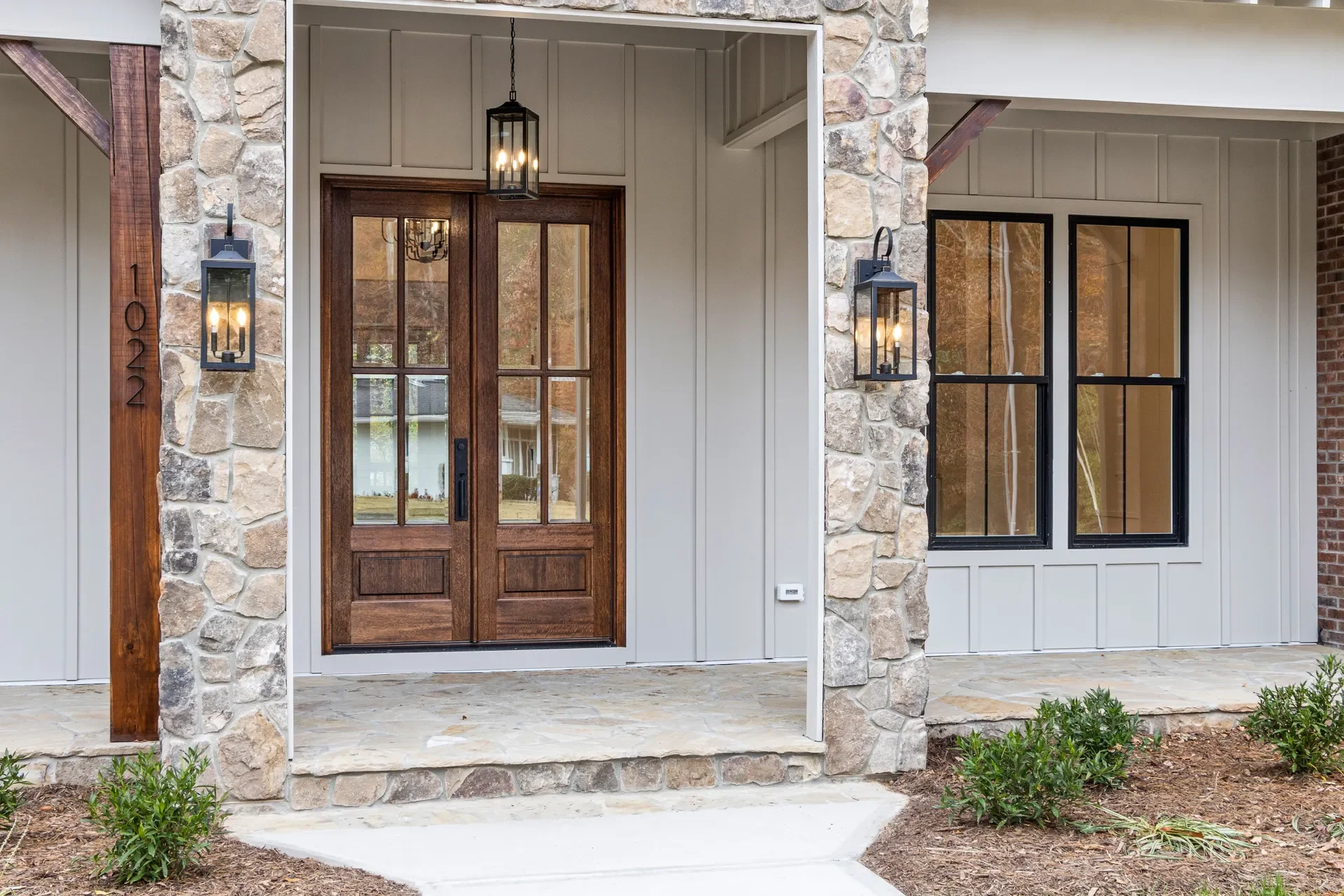
If you are weighing up a new-build vs existing home in 2026, neither wins on every measure. A new-build usually costs more upfront, but it should be cheaper to heat and comes with a warranty. An existing home is usually cheaper to buy and often offers more space and character, but it can bring higher energy bills and repair costs. The better value depends on how long you plan to stay, how much work you will take on, and what the ongoing charges look like — not just the asking price.
The price gap: new-builds cost more on average
In England, the average new-build sold for £367,065 in June 2026, versus £288,714 for an existing resold property — £78,351, or about 27%, more. That was the latest reliable new-build breakdown in the August 2026 UK House Price Index release.
Handle that 27% with care: it compares averages across all new-builds and all resales, not the same house bought new and second-hand. In London, the average new-build in June 2026 (£475,340) was actually below the existing average (£554,928), while in the North East it was well above (£284,885 versus £160,824) — so always compare similar homes in the same neighbourhood. For context, the average UK price overall was £272,188 in June 2026, up 2.0% annually (ONS/HM Land Registry). Developer incentives, such as deposit or legal-fee contributions, can narrow the effective gap, but they are not the same as a lower price.
Energy efficiency: the new-build’s strongest card
This is where new-builds pull clearly ahead. The Home Builders Federation (HBF) and Octopus Energy’s Watt a Save report (February 2026) found 87% of new-builds rated A or B, versus only 5% of existing homes; just 3% of new-builds were D or lower, against 41% of existing homes.
That gap shows up in bills. For a typical 90-square-metre home, the report puts annual energy costs at £1,574 for an A- or B-rated home, £1,995 for a D-rated home and £2,192 for an F- or G-rated home — so a D-rated home costs about £421 a year more to run than an A- or B-rated home, and an F- or G-rated home about £618 a year more.

For existing-home buyers, the other side of the coin is retrofit: the same report gives indicative costs of £1,000–£4,000 for basic insulation, £12,000–£50,000 for major insulation including new windows and doors, and £5,000–£10,000 for solar panels. A lower purchase price is not the whole cost. The Affordability Calculator can help you test different prices and deposits.
Snagging and build quality: new does not mean flawless
A brand-new home is not automatically perfect. The HBF’s National New Homes Customer Satisfaction Survey (March 2025) found 93.7% of new-build buyers reported problems to their builder after moving in, and over a quarter reported more than 15 snags. Most are minor, but getting them fixed takes persistence — so consider an independent snagging inspection before completion.
The protection that does come with a new-build is a structural warranty. NHBC Buildmark, the best-known example, is a 10-year policy: a two-year builder warranty period, then eight years of insurance cover against physical damage from defects in specified parts of the home. Cover narrows after the first two years, so read the wording. An existing home has no such warranty, but a survey can reveal damp, roof problems or old wiring before you commit.
Running costs: energy savings versus estate charges
Energy is only part of running costs. Ask about service and estate management charges before reserving: flats commonly carry service charges, while freehold houses on managed estates may pay an annual estate charge for private roads and open spaces the council has not adopted. The Competition and Markets Authority’s 2024 report found 80% of new homes sold by the eleven largest UK housebuilders in 2021–22 were subject to private estate management charges, averaging £350 a year — not a cap, as charges vary and can rise.
Existing homes rarely carry a new estate charge, though older boilers and maintenance backlogs add up. Add all running costs together before judging: a £421-a-year energy saving looks less impressive alongside several hundred pounds a year in estate charges. The Moving Costs Calculator can help you budget for the move itself.
Resale value: will the premium hold?
Qualitatively, the risk is that part of the original premium narrows on resale, particularly in the first few years, when buyers compare the home with other resales rather than new plots. That does not mean it loses value outright — in a rising market it can still sell for more than was paid.
Energy ratings may support resale: Cambridge University research cited in the HBF report suggests new homes built to modern standards can attract a 5% to 6% premium over similar existing properties — a research estimate, not a guarantee. Existing homes are priced by the resale market from day one, so there is no premium to unwind, and they may offer established streets and larger plots.
The Your First Home factor — for first-time buyers only
One factor applies to new-builds only. The government’s Your First Home scheme, announced on 26 September 2026, is expected to support 2.5% deposits backed by 20% government equity loans for first-time buyers purchasing a new-build property from a developer signed up to the scheme, in England only. The government says the loans will have an initial interest-free period and that buyers could save hundreds of pounds per month compared with a 95% mortgage.
Important caveat: the household income cap and local property price caps are still to be confirmed, with full details due from the Chancellor at the Budget on 28 October 2026. This article was written on Budget day, before the Budget statement, so no Budget outcome is claimed here — do not reserve on the assumption of a particular cap or start date until the confirmed rules are published. Existing homes are not eligible as announced. See the UK Home Buyers Toolkit for what has been announced so far.
The verdict

On energy and early running costs, the new-build wins clearly (£1,574 a year for an A- or B-rated home, a 10-year warranty structure, no immediate renovation bill). On purchase price and proven location, the existing home usually wins (the England average was £78,351 lower in June 2026, with no premium to unwind).
So the best value is personal. Stay long-term, value low bills and a warranty, and buy on an estate with modest charges — and, for first-time buyers, if the confirmed Your First Home rules work for you — and a new-build can justify its premium. Want more space for your money, an established area and no estate charge? An existing home that already rates well for energy, or that you can afford to improve, may be smarter. Either way, compare like with like locally, add up full running costs, and check the small print.
Frequently Asked Questions
Is a new-build always more expensive than an existing home?
Not always. In England in June 2026 new-builds averaged about 27% more (£367,065 versus £288,714), but in London the average new-build was cheaper. Compare similar homes locally.
Are new-builds really cheaper to run?
On energy, usually: £1,574 a year for a typical A- or B-rated home versus £1,995 for a D-rated home (HBF/Octopus Energy). But add any service or estate charges.
Do new-builds lose value when you resell?
They can lose part of their premium, especially in the first few years, when compared with second-hand homes rather than new plots — not the same as losing money overall in a rising market.
Can I use the Your First Home scheme on an existing home?
No, as announced. It is for first-time buyers buying a new-build in England from a signed-up developer, with caps still to be confirmed at the Budget on 28 October 2026.

Comments are closed.