A hidden door bookshelf is one of the most exciting upgrades you can add to your home. It looks like a normal bookshelf, but it secretly opens into another room. Some people use it for a home office, a mini bar, a storage room, or just for fun.
The good news? You don’t need to be a master carpenter to install one. With proper planning, the right tools, and a prefabricated kit, many homeowners can install a hidden door bookshelf themselves.
In this guide, you’ll learn how to install a hidden door bookshelf step by step, written in simple English that’s easy to understand.
What Is a Hidden Door Bookshelf?
A hidden door bookshelf is a bookshelf that also works as a door. When closed, it blends into the wall and looks like regular shelving. When opened, it reveals a hidden space behind it.
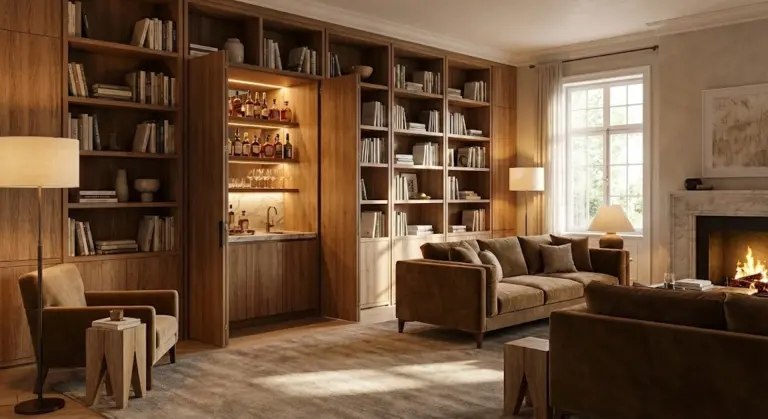
See how a hidden door bookshelf blends seamlessly into the room while hiding a secret space.
Why Homeowners Love Hidden Door Bookshelves
They save space
They look stylish and unique
They add privacy
They create a “wow” factor in any room
Some people install them for practical reasons, while others just love the mystery and design.
Types of Hidden Door Bookshelves
Pivot doors swing open while sliding doors glide along a track – choose the style that suits your space.
Before starting, it’s important to understand your options.
1. Prefabricated Hidden Door Kits (Best for DIY)
These kits come with:
Prebuilt bookshelf
Door frame
Hinges or pivot system
Installation instructions
✅ Best choice for beginners
2. Custom-Built Hidden Doors
Made by carpenters
Fully customized size and design
❌ Expensive and time-consuming
3. Pivot vs Sliding Hidden Doors
Pivot doors: Swing open like a door (most common)
Sliding doors: Slide sideways on a track (modern look)
For most homes, pivot-style prefabricated kits are the easiest and safest option.
Planning Before Installation
Good planning makes the installation easier and safer.
Choosing the Right Location
Pick a wall that:
Has enough space for the bookshelf
Does not block walking paths
Can support the weight of the unit
Is not full of plumbing or electrical lines
⚠️ Important:
If you’re cutting a new opening, always check if the wall is load-bearing. A structural engineer or contractor can confirm this.
Tools and Materials You’ll Need
Tools
Tape measure
Pencil
Long level
Drill / driver
Impact driver
Hammer
Chisel
Oscillating tool
Framing square
Circular saw
Finish nailer
HEPA shop vacuum
Non-contact electrical tester
Materials
Hidden door bookshelf kit
2×4 lumber
Long wood screws (#10, 3-inch)
Drywall screws
Wood shims
Wood glue
Finish nails (15-gauge)
Door threshold
Oscillating blades (wood & drywall)
Do You Need to Frame a Door Opening?
If your wall already has a door opening, you can skip this section.
If not, framing is required — and this is the most serious part of the project.
⚠️ If the wall is load-bearing, hire a professional.
Never allow kids to play behind the door unsupervised
Pros and Cons of Hidden Door Bookshelves
Pros
Saves space
Looks stylish
Adds privacy
Increases home value
Cons
Installation takes time
Heavy weight if overloaded
Framing may require professionals
Frequently Asked Questions (FAQs)
Is a hidden door bookshelf expensive?
Prefab kits usually cost $1,000–$4,000, depending on size and quality.
Can I install it myself?
Yes, if the wall is not load-bearing and you follow instructions carefully.
How much weight can it hold?
Most kits support normal books and décor, but always check the manufacturer’s limits.
Do hidden doors squeak?
Not if installed correctly and maintained regularly.
Can I add a lock?
Yes, many kits support hidden locks and magnetic latches.
Final Thoughts
A hidden door bookshelf is more than just a door — it’s a statement piece. With careful planning, proper tools, and patience, you can create a secret space that looks amazing and works smoothly.
If you’re confident with DIY projects, a prefabricated kit makes installation much easier. But if framing or structural work feels risky, hiring a professional is always the safer choice.
Done right, a hidden door bookshelf adds beauty, mystery, and value to your home.
Carlos Beltrán House stands as a symbol of success for one of baseball’s most celebrated switch-hitters. The former New York Mets star and World Series champion built an impressive career that translated into equally impressive real estate holdings. His primary residence in Rye, New York, reflects the taste and achievements of a player who spent 20 seasons in Major League Baseball. The property showcases what happens when athletic excellence meets financial wisdom. Beltrán’s home isn’t just a place to live—it’s a statement about reaching the top of your game and staying there. The house sits in one of Westchester County’s most desirable areas, where privacy meets prestige.
Who is Carlos Beltrán?
Carlos Beltrán is a Puerto Rican-born baseball legend who played for seven teams during his MLB career from 1998 to 2017. He earned nine All-Star selections and won three Gold Glove Awards while establishing himself as one of the game’s premier center fielders. His career statistics include 435 home runs and 1,587 RBIs, numbers that put him in conversations about the Hall of Fame.
Beyond the diamond, Beltrán built substantial wealth through his baseball contracts and smart investments. His net worth sits at approximately $80 million, accumulated through player contracts that totaled over $275 million during his career. He owns multiple properties across the United States and Puerto Rico, with his primary residence being the stunning estate in Rye, New York. The former player also maintains a home in Puerto Rico, staying connected to his roots.
His car collection includes several luxury vehicles, though he keeps details about his automotive preferences relatively private. Unlike some athletes who flaunt their wealth, Beltrán takes a more measured approach to displaying his success. He doesn’t own a yacht or private jet, preferring to focus his resources on real estate and family investments.
Kansas City Royals, Houston Astros, New York Mets, San Francisco Giants, St. Louis Cardinals, New York Yankees, Texas Rangers
Net Worth
$80 million
Primary Residence
Rye, New York
Other Properties
Puerto Rico
Career Earnings
$275+ million
Major Awards
9× All-Star, 3× Gold Glove, 2× Silver Slugger
Total Homes Owned
2+ properties
Luxury Vehicles
Multiple (specific details private)
Where Does Carlos Beltrán Live Now?
Carlos Beltrán currently resides in Rye, New York, a wealthy suburban city in Westchester County. The location puts him about 30 miles northeast of Manhattan, offering the perfect balance between accessibility to New York City and suburban tranquility. Rye has long been a favorite among successful athletes, business executives, and entertainment industry figures who want proximity to the city without the chaos.
The community offers excellent schools, low crime rates, and a strong sense of privacy that celebrities value. Beltrán chose this area during his playing days with the New York Mets, and he’s maintained his residence there even after retirement. The town’s waterfront location along Long Island Sound provides beautiful views and recreational opportunities. His family enjoys the area’s parks, beaches, and country clubs while maintaining a relatively normal lifestyle despite his fame.
He splits his time between Rye and Puerto Rico, where he maintains connections to his homeland. The New York property serves as his primary residence, especially during baseball season when he works as a special advisor to MLB teams. His choice to stay in the area after retirement shows his genuine affection for the community and the lifestyle it offers.
Carlos Beltrán House
Carlos Beltrán House represents the culmination of a successful baseball career and smart financial decisions. The property sits on multiple acres in one of Rye’s most exclusive neighborhoods, offering privacy and luxury in equal measure. He purchased the estate during his tenure with the New York Mets, when he was earning substantial annual salaries and looking to establish roots in the area.
The home reflects traditional New England architecture with modern updates throughout. It’s designed for both family living and entertaining, with spaces that accommodate large gatherings while maintaining intimate areas for daily life. The property showcases attention to detail that you’d expect from someone who spent his career focusing on perfection in every aspect of his game.
Beltrán worked with architects and designers to create a space that honored the area’s historic character while incorporating contemporary amenities. The result is a home that feels timeless rather than trendy. It doesn’t scream for attention like some celebrity mansions—instead, it speaks quietly about success achieved through dedication and hard work.
The grounds include mature landscaping that provides natural privacy screens from neighbors and passing traffic. The outdoor spaces were designed for year-round enjoyment, with areas that work during New York’s cold winters and spaces that shine during summer months. The property feels more like a private compound than just a house, giving the family space to spread out and enjoy different activities.
1. Where Is Carlos Beltrán House?
Carlos Beltrán House sits in Rye, New York, specifically in a gated community that offers additional security and privacy. The exact address remains private, as is common with high-profile residents, but the property is located in an area known for multi-million dollar estates. Rye itself is a small city of about 16,000 residents in Westchester County.
The location provides easy access to Interstate 95 and the Metro-North Railroad, making trips to Manhattan simple when needed. The neighborhood sits just minutes from downtown Rye, where boutique shops and restaurants line the streets. Long Island Sound is nearby, offering boating and beach access during warmer months.
The area around his home includes other substantial properties owned by business leaders, athletes, and entertainment figures. The community values discretion, which means residents can go about their daily lives without constant attention. Local zoning laws require large lot sizes, ensuring that homes aren’t crowded together and that each property maintains significant green space.
Schools in the area rank among the best in New York State, which was likely a factor in Beltrán’s decision to settle there. The Rye City School District serves the community, offering programs that prepare students for top colleges and universities. The neighborhood also sits near several private school options for families who prefer that route.
2. Features of Carlos Beltrán House
Carlos Beltrán House spans approximately 8,000 square feet of living space across multiple levels. The architectural style blends Colonial Revival elements with contemporary touches, creating a look that feels both classic and current. The exterior features traditional brick and stone work, with large windows that bring natural light into every room.
The main level includes formal living and dining rooms, a chef’s kitchen with professional-grade appliances, and a family room that opens to the backyard. The kitchen features custom cabinetry, marble countertops, and a large center island that serves as both a work space and casual dining area. High ceilings throughout the first floor create an open, airy feeling that makes the spaces feel even larger than they are.
The second floor houses the primary bedroom suite and additional bedrooms for family members. The primary suite includes a sitting area, walk-in closets, and a spa-like bathroom with both a soaking tub and separate shower. The bedroom overlooks the backyard, providing peaceful views of the landscaped grounds.
A finished lower level adds significant living space, with areas dedicated to entertainment and recreation. The basement level stays cool during summer months and provides spaces where the family can relax away from the main living areas. The architectural design ensures that even the lower level receives natural light through strategic window placement.
The property sits on roughly 2 acres of land, giving the family substantial outdoor space. The lot size is larger than typical for the area, which adds to the property’s value and appeal. Professional landscaping maintains the grounds year-round, with seasonal plantings that keep the property looking fresh in every season.
4. House Amenities
Carlos Beltrán House includes a home theater with stadium seating and professional audio-visual equipment. The property features a climate-controlled wine cellar, home gym with modern fitness equipment, and a home office with built-in shelving and desk space. Outside, there’s a heated swimming pool with spa, multiple patio areas for dining and relaxation, outdoor kitchen with grill and bar seating, and a sport court for basketball and other activities. The home also includes a four-car garage with additional storage space.
5. Neighborhood Area
The neighborhood surrounding Carlos Beltrán House ranks among the most desirable in Westchester County. Properties in this area typically sell for between $3 million and $10 million, depending on size, condition, and specific location. The community maintains strict standards for property maintenance, ensuring that all homes contribute to the area’s upscale appearance.
Residents enjoy access to several country clubs, yacht clubs, and beach clubs in the immediate area. The Rye Golf Club and Westchester Country Club are both nearby, offering world-class golf courses and social activities. These clubs provide networking opportunities and recreational activities for members.
The downtown Rye area sits just a few minutes away, with shops, restaurants, and services that cater to the community’s affluent residents. Local businesses include boutiques, home furnishing stores, and specialty food markets. The area also has several highly-rated restaurants that range from casual to fine dining.
Safety is a major selling point for the neighborhood. Rye consistently ranks as one of the safest cities in New York, with low crime rates across all categories. The local police department maintains a strong presence, and the community itself watches out for suspicious activity. Many properties, including Beltrán’s, have additional private security systems.
Nature preserves and parks dot the area, providing trails for walking, running, and cycling. The city maintains these spaces carefully, ensuring they remain clean and accessible year-round. Long Island Sound offers additional recreational opportunities, from sailing to fishing to simply enjoying waterfront views.
Market Value
Category
Details
Year Built
2005
Year Purchased
2007
Purchase Price
$3.8 million
Current Estimated Value
$4.5 million
Property Type
Single-family residence
Lot Size
Approximately 2 acres
Living Space
8,000 square feet
Bedrooms
6
Bathrooms
6.5
Property Tax (Annual)
Approximately $65,000
Carlos Beltrán Real Estate Portfolio
Carlos Beltrán maintains a relatively focused real estate portfolio compared to some athletes. His primary holding remains the Rye, New York property, which has appreciated steadily since his purchase in 2007. The home’s value increased from $3.8 million to approximately $4.5 million, reflecting both property improvements and the strong Westchester County market.
He owns a second home in Puerto Rico, located in the Dorado area. This property sits in a gated community popular with other Puerto Rican athletes and celebrities. The home is smaller than his New York residence, around 4,500 square feet, and features ocean views. He uses this property during the off-season and for family visits to the island.
During his playing career, Beltrán owned properties in other cities where he played, including Houston and St. Louis. He sold these homes after leaving those teams, choosing not to maintain vacation properties in multiple locations. This approach kept his real estate portfolio manageable and focused on places where he actually spent significant time.
His childhood home in Manatí, Puerto Rico, was a modest structure where he grew up with his family. After achieving success in baseball, he purchased a larger home for his parents in Puerto Rico, ensuring they could live comfortably. This property remains in the family, though Beltrán doesn’t own it directly.
The former player takes a conservative approach to real estate investing. Rather than buying properties as investments to flip or rent, he focuses on homes his family will actually use. This strategy has worked well, as both his primary properties have appreciated while providing comfortable living spaces.
He previously rented apartments in New York City during his playing days with the Mets and Yankees. These temporary accommodations allowed him to stay close to the stadiums during the season without committing to additional property purchases. After retirement, he sold the rentals and consolidated his living arrangements to just the two primary homes.
Conclusion
Carlos Beltrán House in Rye, New York, stands as proof of what dedication and talent can achieve. The $4.5 million property reflects the success of a 20-year baseball career while providing a comfortable, private home for his family. The choice to settle in Westchester County shows his commitment to balancing accessibility with tranquility. His real estate decisions mirror his approach to baseball—focused, disciplined, and smart. The home serves as more than just a residence. It’s where a baseball legend built a life beyond the game, creating a legacy that extends past statistics and awards.
The HP41 Alpine pellet stove by ComfortBilt heats up to 2,200 square feet with 80% efficiency, features a 52-pound hopper, auto-ignition, and remote control. This EPA-certified unit produces 32,155 BTUs while keeping fuel costs manageable.
Why Choose the HP41 Alpine Pellet Stove
Rising heating bills push homeowners to search for better options. The HP41 Alpine by ComfortBilt offers a middle ground between budget models and premium stoves. This unit sits right in the sweet spot for people who want reliable heat without spending thousands extra.
The stove heats spaces up to 2,200 square feet and produces 32,155 BTUs. That’s enough power for most medium-sized homes, cabins, or open-concept living areas. You won’t need to layer up in sweaters or huddle around space heaters when this stove runs properly.
ComfortBilt built the Alpine series as their value line. You get solid construction and modern features at a lower price than their premium models. The HP41 has an efficiency rating of 80%, which means less wasted fuel and lower monthly costs compared to older stoves.
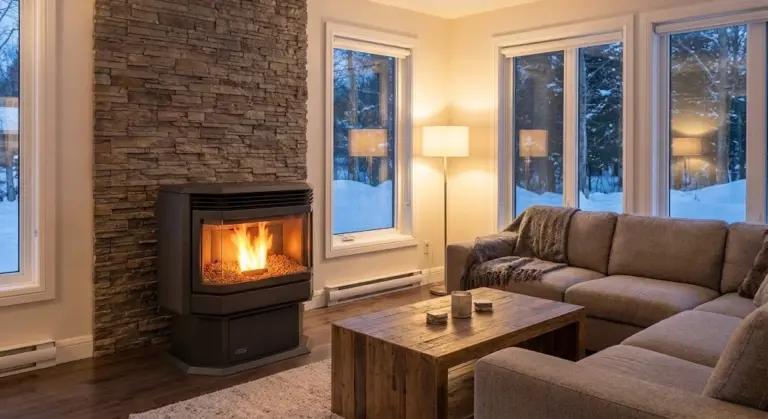
Features like a large hopper and one-touch ignition make daily use simple
What Makes This Stove Stand Out
The HP41 Alpine comes with several features that make daily use simpler. A 52-pound hopper with a large fill lid opening allows easy pellet loading. You won’t struggle to pour bags or worry about spilling pellets everywhere.
Starting the fire takes seconds, not minutes. The one-touch ignition ignites pellets automatically and delivers heat within minutes. No more fiddling with matches or waiting forever for warmth.
Remote control operation means you don’t need to walk across the room every time you want to adjust the temperature. You can change heat levels from your couch while watching TV or working from home.
The removable ash pan insert tray makes cleaning and maintenance simple. Cleanup takes just a few minutes instead of becoming an all-day project. Regular maintenance keeps your stove running efficiently and prevents problems down the road.
Proper installation and spacing ensure safe and efficient operation
Physical Specs and Installation
The stove measures 34.5 inches tall, 18.5 inches wide, and 23 inches deep. This compact size fits well in most living spaces without dominating the room. The unit weighs 206 pounds, so you’ll need help moving it into position.
Installation requires professional help in most cases. You need proper venting to the outside using three-inch or four-inch vent pipe. Your installer will verify all safety clearances from walls and combustible materials.
Back walls must be 10 inches from stove rear corners, 2 inches from stove back, and side walls need 24 inches clearance. These measurements protect your home and ensure safe operation. Don’t skip this step or try to squeeze the stove into tight spaces.
The stove needs standard electrical power. A dedicated 15-amp breaker powers the ignition system, control board, and blowers. Make sure you have an accessible outlet near your installation location.
Maintains consistent temperatures even in cold outdoor conditions
Real-World Performance
One homeowner in southern New York shared detailed results after switching to the HP41. Their previous gas bill was $845 per month, even while keeping the house uncomfortably cold. After installing the HP41, they saved over $500 monthly on heating costs.
Temperature control works well across different weather conditions. In mild 45-degree weather, the stove easily maintained 76 degrees indoors on low settings. When temperatures dropped to 17 degrees outside, the unit kept indoor temps around 65 degrees on level four out of five settings.
Pellet consumption varies based on heat settings and outside temperature. Some users report burning through two bags per day on higher settings. You can adjust feed rates to manage fuel use better. The manual mode lets you fine-tune these settings for your specific needs.
Noise levels compare to a window air conditioner when the main blower runs. Most people get used to this background sound quickly. If you’re sensitive to noise, you might want to adjust blower speeds during quiet activities.
The large hopper reduces refill frequency and makes fuel management easier
Fuel Costs and Availability
In the Northeast, pellet prices range from $7.50 to $10 per 40-pound bag. Local availability varies, so check suppliers in your area before buying the stove. Some users save money by purchasing pellets by the pallet instead of individual bags.
Not all pellets burn the same way. Some brands burn longer while others produce more heat. Ash production also differs between manufacturers. Try different locally available brands to find what works best in your HP41.
The 52-pound hopper gives you flexibility in refilling frequency. On lower settings, you can go longer between fills. Higher heat levels require more frequent attention. Plan your pellet storage based on how you’ll use the stove.
Maintenance Requirements
Regular cleaning keeps the HP41 running efficiently. The burn pot where pellets ignite needs frequent cleaning to prevent ash buildup. This takes just a few minutes but makes a big difference in performance.
Don’t wait until the ash tray is completely full. Ash accumulates not just in the removable ash pan, but also around the edges and underneath. Thorough cleaning prevents airflow restrictions.
Many pellet stoves have removable heat shields or ceiling components that collect ash deposits. These areas often get overlooked but need regular attention. Check your manual for all the spots that need cleaning.
The external vent requires periodic inspection. Even a small amount of ash buildup can affect performance. Check door gaskets for wear and replace them when damaged. Leaky gaskets allow air in and reduce combustion efficiency.
Annual professional servicing is recommended. Technicians inspect internal components, clean exhaust passages, and verify safe operation. This preventive maintenance catches small problems before they become expensive repairs.
How It Compares to Other Alpine Models
ComfortBilt makes three Alpine models with different capabilities. The HP40 is the smallest unit. It heats up to 1,500 square feet with 26,224 BTUs and has a 25-pound hopper. This works well for smaller spaces like cabins or sunrooms but lacks the power for full-home heating.
The HP41 provides balanced performance for medium-sized homes. With 2,200 square feet of coverage and a 52-pound hopper, it handles most residential heating needs. The 80% efficiency rating offers good fuel economy without premium pricing.
The HP42 leads the series in efficiency at 87.5%, heats up to 2,800 square feet, produces 42,370 BTUs, and features a 120-pound hopper. If you have a larger home or want maximum efficiency, the HP42 might be worth the extra cost.
Customer Feedback and Reviews
Users praise several aspects of the HP41. Common praise includes the stove’s heating power, quick ignition, and remote control convenience. People appreciate not having to manually light the stove or constantly adjust settings.
The hopper capacity gets positive mentions. Users appreciate the 52-pound hopper capacity, which reduces refill frequency compared to smaller models. This matters most during cold snaps when you’re running the stove continuously.
Some concerns pop up in reviews. Pellet consumption on higher settings can be significant. Users mention burning through two or more bags daily when running the stove hard. Adjusting feed rates and heat levels helps manage this issue.
Build quality meets expectations for the price point. The Alpine series focuses on value rather than premium materials, but construction proves adequate for residential use. You’re not getting the heaviest steel or fanciest finishes, but the stove does its job reliably.
Pricing and Value
The regular price is $2,199, with sales often bringing it down to $1,799. This positions the HP41 between budget models and high-end stoves. You get EPA certification and decent efficiency without paying premium prices.
Installation costs vary based on your location and existing setup. Budget for professional installation unless you have experience with pellet stoves. Venting materials, hearth pads, and electrical work add to the total cost.
With monthly savings of $500, the stove pays for itself in approximately 1.5 heating seasons. This calculation assumes you’re replacing expensive gas or electric heat. Your actual payback period depends on current heating costs and pellet prices in your area.
Additional Considerations
Pellet stoves produce drier air than traditional heating systems. A humidifier may be necessary to maintain comfortable humidity levels, aiming for 35-40% rather than letting it drop to 25%. Dry air causes discomfort and can damage wood furniture and flooring.
Room size and layout affect performance. Cathedral ceilings and open floor plans require more heating capacity. Poor insulation means the stove works harder to maintain comfortable temperatures. Assess your home’s heat loss before deciding on this model.
Local building codes may require specific installation methods or permits. Check with your local building department before purchasing. Some areas have restrictions on pellet stove installations.
Storage space for pellets matters more than you might think. A winter’s supply of pellets takes up significant room. Plan where you’ll store bags and how you’ll keep them dry.
Is the HP41 Alpine Right for You
This stove works well for homeowners with medium-sized spaces who want reliable heat without spending a fortune. The 2,200 square foot capacity fits most homes, and the 52-pound hopper means you won’t spend all day refilling.
You should be comfortable with regular maintenance. Cleaning takes time but isn’t difficult. If you hate maintenance tasks, pellet stoves might not be your best choice.
Check pellet availability and pricing in your area before buying. If local suppliers are limited or prices are high, the fuel savings might not be as impressive. Talk to neighbors who use pellet stoves to learn about local supply chains.
The HP41 Alpine offers solid value for people ready to handle the learning curve. You’ll need to experiment with settings and maintenance routines. Once you figure out what works for your home, this stove can deliver years of reliable, cost-effective heat.
Ready to make the switch? Research local pellet suppliers, get installation quotes, and calculate your potential savings before making your final decision.
WIC stands for Walk-In Closet on house floor plans. It refers to a spacious storage area you can physically enter and move around in, designed for organizing clothes, shoes, and accessories with proper hanging space and shelving.
You’re scrolling through house listings online and keep seeing “WIC” pop up on floor plans. What does it mean? Should you care?
The answer is simple. WIC stands for walk-in closet, and yes, you should absolutely care. This three-letter abbreviation represents one of the most wanted features in modern homes, and understanding it can help you make smarter decisions whether you’re buying, selling, or just dreaming about your next renovation.
What Exactly Is a Walk-In Closet
A walk-in closet is a spacious storage area designed to be entered, offering ample room for hanging clothes, shelves, and often even a dressing area. Think of it as your own personal boutique right inside your bedroom.
Unlike regular closets where you stand outside and reach in, walk-in closets give you space to step inside and see everything at once. You can turn around, organize your outfits, and actually get dressed in there if you want to.
The difference matters more than you might think. Regular closets force you to dig through cramped spaces, squinting at clothes bunched together. Walk-in closets let you spread out, see your options clearly, and start your day without the frustration of hunting for that one shirt.
Walk-in closets give you room to move, unlike cramped standard closets
How Big Does a Walk-In Closet Need to Be
The minimum walk-in closet size is 5 x 5 feet, which gives you just enough room to turn around. That’s the absolute smallest you can go and still call it a walk-in.
For storage for one person, minimum dimensions of about 4-by-5 feet may be adequate. But here’s the catch—if you’re thinking about resale value, you need to think bigger.
For two people, you’ll usually want walk-in closet dimensions that at least match the average size of 7-by-10 feet. This gives you enough space for double-sided storage and a comfortable walkway down the middle.
Why does depth matter? If you plan to have hanging rods in your walk-in closet, plan for a 24-inch depth to accommodate the hangers. You want enough space so the edges of the clothes don’t rub against the wall as they hang. That’s not just about preventing wrinkles—it’s about making the closet actually functional for daily use.
Even a 5×5 feet WIC provides enough room to turn around comfortably
Different Walk-In Closet Layouts That Work
Walk-in closets come in different configurations, and each one works better for certain spaces and needs.
The single-sided layout puts all your storage along one wall. Single-sided layouts are usually 4-5 feet deep and occupy about 24 inches of that depth for storage. This design works great when you don’t have much width to work with but still want more than a standard closet offers.
Parallel or double-sided layouts feature two walls with storage running parallel to each other, separated by a central walking aisle. This is probably what most people picture when they think “walk-in closet.” You walk down the middle with clothes and shelves on both sides.
L-shaped walk-in closets maximize space by utilizing two adjoining walls that meet in a corner. These work well in oddly shaped rooms where you’re trying to make the most of every square foot.
For those with serious space and a bigger budget, an island-shaped walk-in closet offers the luxury of a central island used as a bench, seat, storage fixture, dresser, or work surface. This is where walk-in closets start feeling less like storage and more like a room of their own.
Even a 5×5 feet WIC provides enough room to turn around comfortably
Why Walk-In Closets Matter for Your Home’s Value
Here’s where things get interesting for homeowners. Walk-in closets aren’t just convenient—they’re financial assets.
A custom closet can offer a return on investment of an estimated 50 to 60%. That’s real money when you’re talking about home improvements. While it won’t match a kitchen remodel’s ROI, it costs significantly less to install.
USA Today, when referencing data from the National Association of Realtors, suggests that 60% of homebuyers will pay more for a home with a custom closet. Six out of ten buyers are willing to spend extra money just because your home has better closet organization. That’s a massive percentage in real estate terms.
According to the National Association of Home Builders, over 90% of new homes now include at least one walk-in closet. If nine out of ten new homes have this feature, your older home without one is at a serious disadvantage.
What does this mean in real dollars? Homeowners can expect to recoup around 56% of their investment, adding at least $2,000 to their property value. Some markets see even better returns depending on local demand.
What Makes Walk-In Closets So Appealing to Buyers
Real estate agents will tell you that storage ranks at the top of buyer wish lists. But walk-in closets offer something beyond just storage space.
Walk-in closets make a home feel more high-end, even if the rest of the space is modest. It’s about perceived luxury. Walking into a well-organized closet triggers the same feeling you get in upscale boutiques. That emotional response matters when buyers are deciding between similar homes.
Homes with walk-in closets in the master bedroom sell faster and for high prices than comparable homes. The keyword here is “faster.” In real estate, time on market costs money. A home that sits for months loses negotiating power.
The practical benefits stack up too. When your closet is organized and accessible, you save time every single morning. You can see what you own. You’re not wrestling with hangers or digging through piles. These daily conveniences add up to a better quality of life.
What to Put in Your Walk-In Closet
The beauty of walk-in closets is how customizable they are. You’re not stuck with whatever builder-grade wire shelving came with the house.
Start with hanging rods at two different heights. For half height, the average height is 3ft 6ins, and for full height the average height is 5ft 6ins. This lets you hang shirts and folded pants up top while dresses and coats get the full-height space below.
Shelving is your friend. Aim for 6-7 inches between shelves for women’s shoes and about 12 inches between shelves for folded garments. These measurements keep everything visible without wasting vertical space.
Drawers work great for smaller items that would get lost on shelves. Think accessories, undergarments, jewelry, and folded t-shirts. Pull-out drawers make everything easier to access than stacking things in boxes.
If you want to get dressed in your walk-in closet you’ll need a minimum space of 4 x 3ft for a small bench or seating area. Being able to sit down while putting on shoes transforms the space from storage into a genuine dressing room.
Common Mistakes People Make with Walk-In Closets
The biggest mistake? Trying to cram too much storage into too little space. Just because you have a walk-in doesn’t mean you should fill every inch with rods and shelves.
A minimum of 60 centimeters (24 inches) of clearance between two opposing shelves or rods is required to move comfortably. If you can’t turn around or move freely, you’ve defeated the entire purpose of having a walk-in.
Another problem is ignoring lighting. A closet where you can’t see your clothes properly is basically useless. You need bright, even lighting that shows true colors. Nobody wants to get to work and realize their navy pants are actually black.
Over-customization hurts resale value. Features like dedicated shoe walls or ultra-niche layouts may not appeal to the average buyer. Your collection of 200 pairs of sneakers is uniquely yours. The next owner might need that space for something completely different.
Materials matter for longevity. Solid wood is a top choice that will last a lifetime and can withstand heavy loads, although it is more expensive. Cheaper materials might save money now but need replacement sooner.
Walk-In Closets in Small Homes
You don’t need a mansion to have a walk-in closet. Even modest homes can squeeze one in with smart planning.
The absolute minimum size for a walk-in closet is 5 feet by 5 feet. That’s only 25 square feet—about the size of a small bathroom. Many homes have underutilized spaces that could work.
Even though a 4 x 4 walk-in is technically possible, it may not be the most functional for a closet that gets regular use, and it will ultimately be more of a “step-in” closet than an actual walk-in. There’s a difference between technically qualifying and actually being useful.
The key is using vertical space. Floor-to-ceiling storage multiplies your capacity without eating up more floor space. Wall-mounted systems work better than freestanding furniture in tight quarters.
Understanding WIC on Floor Plans
When you’re house hunting, seeing “WIC” on floor plans tells you several things instantly.
First, the home has dedicated storage space beyond basic closets. Second, the master bedroom likely has enough square footage to accommodate this feature without feeling cramped. Third, the builder or previous owner prioritized organization and modern amenities.
Often shorter than simple acronyms, these pithy snippets pepper “for sale” listings and advertising. Real estate has its own language, and WIC is one of the most valuable abbreviations to understand.
Some floor plans show WIC dimensions, which helps you visualize whether your current wardrobe will fit. Others just label the space. Either way, it’s worth asking for measurements during home tours.
Is a Walk-In Closet Worth the Investment
The question isn’t whether walk-in closets are nice to have. Everyone agrees they are. The real question is whether adding one makes financial sense for your situation.
According to 2025 data from HomeAdvisor, a walk-in closet installation averages $5,000 to $7,500. That’s not pocket change, but it’s far less than most major renovations.
The return on investment ranges a bit, with homeowners able to recoup at least 50% of the cost. Unlike purely cosmetic upgrades, walk-in closets add functional value that buyers recognize and appreciate.
The decision depends on your plans. If you’re selling within a year or two, adding a walk-in closet makes sense in most markets. Buyers are used to seeing TV shows with homes boasting well-curated, custom-built solutions. Your home needs to compete with those expectations.
If you’re staying long-term, the return on investment becomes about daily quality of life rather than resale dollars. Reducing morning stress and simplifying your routine has value that’s harder to measure but just as real.
The Future of Walk-In Closets
Walk-in closets have gone from luxury extras to expected features in a single generation. That trend shows no signs of reversing.
House Digest did a survey and found that walk-ins are by far the preferred type of closet, with 79% of participants selecting that over reach-in closets, armoires, Italian closets, and wardrobes. When four out of five people prefer one type of closet, builders and developers pay attention.
New construction almost universally includes walk-in closets in master bedrooms. Older homes without them face a choice—add them through renovation or accept lower market appeal.
The good news is that a quality closet system can recoup about 50-70% of its cost in resale value, though exact ROI can vary based on location and market trends. Even in softer markets, walk-in closets retain value better than many upgrades.
Your Next Steps
Now you know what WIC means in house floor plans and why it matters. Whether you’re shopping for homes, planning renovations, or just curious about real estate terminology, this knowledge helps you make informed decisions.
If you’re buying, prioritize homes with walk-in closets or space to add them. If you’re selling, consider whether adding one could justify a higher asking price and faster sale. If you’re staying put, think about whether converting existing space into a walk-in closet would improve your daily life enough to justify the investment.
Walk-in closets aren’t just about storing clothes. They’re about starting each day organized, ending it without clutter stress, and building long-term home value. That’s worth understanding, whether you’re reading floor plans today or planning your dream home for tomorrow.
Le Collectionist offers handpicked luxury chalets in Méribel with ski-in/ski-out access, private pools, jacuzzis, and concierge services. Properties range from €10,750 to €142,860 per week in the heart of the Three Valleys.
Why Choose Le Collectionist for Your Méribel Stay
Picture yourself waking up in a stunning Alpine chalet, surrounded by snow-capped peaks and pristine powder. You step onto your private terrace, coffee in hand, and watch the sun paint the mountains gold. This isn’t just a dream—it’s what Le Collectionist delivers at their luxury chalets in Méribel.
Since 2013, Le Collectionist has built its reputation on one simple promise: creating the best possible experience when you rent a luxury home with friends or family. Their Méribel collection sits in the heart of Les Trois Vallées, the world’s largest ski area, giving you access to 600 kilometers of slopes without compromising on comfort or style.
What sets Le Collectionist apart? Every single property goes through strict vetting for quality, design, and location. You’re not scrolling through random listings. You’re choosing from a curated collection where each chalet meets the highest standards. The company pairs these exceptional homes with concierge services that handle everything from airport transfers to private ski instructors, creating a seamless experience from booking to checkout.
Cozy and modern chalet living room with panoramic snowy mountain views.
Location: The Heart of the Three Valleys
Méribel isn’t just another ski resort. It’s your gateway to the Three Valleys, which spans eight resorts and offers more skiing than you could cover in a single season. The resort sits at different altitudes, from Méribel Les Allues at 1,100 meters to Méribel Mottaret at 1,750 meters, giving you options based on your skiing style and preferences.
The central location means you can ski to Courchevel using the Saulire Express gondola or head toward Val Thorens via the Côte Brune chairlift. You have 180 lifts and 335 marked runs at your fingertips. Whether you want gentle green slopes for beginners or challenging black runs for experts, everything is accessible from your chalet doorstep.
Founded in 1938 by Scottish Major Peter Lindsay, Méribel maintains its traditional Savoyard character. You’ll see wood and stone buildings with slanted slate roofs—a deliberate architectural choice that preserves the Alpine village charm. This attention to authenticity means your luxury chalet fits naturally into the mountain landscape rather than sticking out like a modern eyesore.
Swim or relax in a private heated pool and jacuzzi at a Méribel chalet.
The Chalet Collection: From Cozy to Spectacular
Le Collectionist’s Méribel properties range dramatically in size and price, ensuring there’s something for every group. You’ll find chalets accommodating 10 to 18 guests, with 5 to 8 bedrooms, starting from €10,750 per week and reaching up to €142,860 for the most exclusive properties during peak season.
Take Chalet Auguste, for example. This property sleeps 18 guests in 8 bedrooms and sits just 500 meters from shops and ski slopes. The panoramic mountain views inspire the kind of peace you can’t find in a hotel. Or consider Chalet Nashoba, which offers 6 bedrooms for 15 guests in a serene setting that captures the true Alpine atmosphere.
Each chalet comes with features you’d expect from a five-star property. Private heated pools let you swim while watching snow fall. Jacuzzis soothe tired muscles after a day on the slopes. Many properties offer ski-in/ski-out access, meaning you literally walk out your door onto the pistes. No shuttles. No hassle. Just immediate access to some of the world’s best skiing.
The interiors blend traditional Alpine design with modern luxury. Think exposed wooden beams and stone fireplaces paired with contemporary furnishings and high-end appliances. You get the cozy mountain cabin feeling without sacrificing any creature comforts.
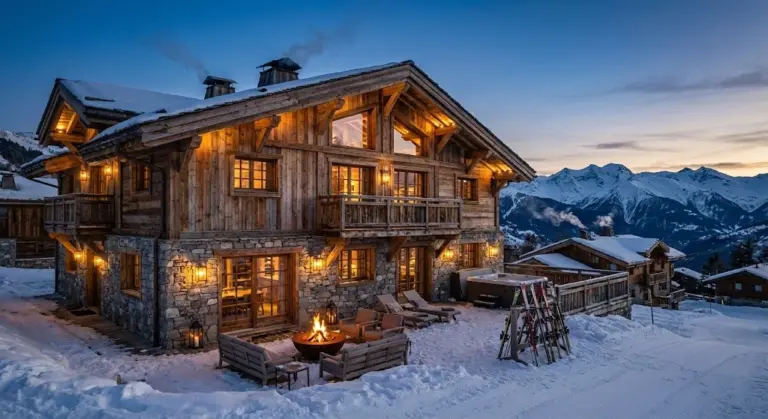
Step out of your chalet directly onto the slopes in Méribel.
Services That Make the Difference
Here’s where Le Collectionist truly shines. You’re not just renting a property—you’re getting a complete experience. The concierge team works with you before and during your stay to arrange everything you need.
Want a private ski instructor to show you Méribel’s secret slopes? Done. Need in-chalet massages after pushing yourself on the black runs? They’ll arrange it. Fancy a pop-up bar with an expert mixologist for a special evening? Consider it handled. The team knows the area intimately and can open doors that guidebooks never mention.
Transportation becomes effortless. The nearest airport is Chambéry, about an hour away, with good connections from Geneva, Grenoble, and Lyon. Le Collectionist arranges private transfers, so you’re not wrestling with rental cars on mountain roads. Prefer the train? Moutiers station sits just an hour from Méribel, and your concierge will coordinate your pickup.
Daily housekeeping, private chefs preparing authentic Savoyard meals, wine tastings, helicopter tours—if you can imagine it, they can probably arrange it. This level of personalized service transforms a ski vacation into something genuinely memorable.
What You Can Expect on the Slopes
The skiing in Méribel deserves its reputation. You have 150 kilometers of pistes in the Méribel valley alone, with 50% graded green or blue for beginners and families. The remaining runs challenge intermediate and expert skiers with varied terrain that includes everything from wide cruisers to technical couloirs.
Méribel Mottaret sits higher at 1,750 meters, offering snow-sure skiing and quick access to the Three Valleys network. The Mont Vallon area reaches 2,952 meters and provides challenging off-piste terrain in stunning alpine surroundings. Meanwhile, the Altiport forest offers tree skiing when visibility drops lower on the mountain.
The resort caters brilliantly to families. The Yéti Park gives young beginners a safe space to learn, with Himalayan-themed games making the learning process fun. More advanced kids and teens can test their skills at the Méribel-Mottaret Snow Park. Free buses run throughout the resort, making it easy to get around even if your chalet isn’t ski-in/ski-out.
For experts, the off-piste opportunities are exceptional. The Combe Vallon offers a thrilling 1-kilometer descent with reliable snow all season. The GoPro Couloir provides a challenging test piece. Guide services help you find fresh powder and navigate the terrain safely.
Beyond Skiing: Summer in the Mountains
While winter draws the crowds, summer in Méribel reveals a different side of the Alps. From July to August, the snow melts away to expose verdant landscapes perfect for hiking and mountain biking. The Vanoise National Park becomes accessible, offering trails through protected wilderness where you might spot chamois, marmots, ibex, or even eagles.
Activities expand beyond hiking. Paragliding lets you soar above the valleys. White-water rafting and canyoning provide adrenaline rushes on a different medium. The area’s natural beauty shines under summer sun, and Le Collectionist’s chalets work just as well for warm-weather escapes as they do for winter skiing.
Many properties feature heated pools that make perfect sense in summer. Imagine swimming with mountain views, then hiking to a mountain restaurant for lunch, and returning to your private chalet for dinner on the terrace. The concierge team arranges summer activities with the same attention to detail they bring to winter stays.
Booking Process and What to Know
Le Collectionist makes booking straightforward. Browse their collection online or speak with an advisor who can guide you toward properties that match your needs. Once you select a chalet and confirm availability with the owner, you sign a contract and pay a deposit within three business days. The remaining balance comes due two months before your arrival.
You’ll also pay a security deposit to cover potential damage—the amount varies by property and appears in your rental contract. Tourist taxes aren’t included in the quoted prices, so factor those into your budget. Your advisor can provide the complete breakdown before you commit.
The company operates on transparency. Prices vary significantly based on season and demand. Peak weeks during Christmas, New Year’s, and February half-term command premium rates. January often offers better value, with the same spectacular skiing and fewer crowds.
Making Your Decision
Choosing Le Collectionist for your Méribel vacation means prioritizing quality and service. You’re paying more than you would for a standard rental, but you’re getting properties that have passed rigorous selection criteria and services that genuinely enhance your experience.
The company serves high-net-worth individuals who value privacy, exclusivity, and personalized attention. If you want a luxury ski vacation where someone else handles the details while you focus on enjoying time with family or friends, this model delivers.
The reviews speak for themselves. Guests consistently praise the property quality, the responsiveness of the concierge teams, and the seamless experience from start to finish. The company has built a reputation for reliability in the luxury travel market, with a focus on creating memories rather than just providing accommodation.
Whether you’re planning a multi-generational family gathering, a celebration with friends, or a couples’ retreat with several other couples, Le Collectionist’s Méribel chalets provide the setting for an unforgettable Alpine experience. The combination of world-class skiing, stunning properties, and exceptional service creates something special—the kind of vacation you’ll talk about for years to come.
Modular sofas offer customizable seating that adapts to your lifestyle. Individual sections connect and rearrange for endless layouts—from L-shapes to U-configurations. They maximize space while adding contemporary style to any room.
Your living room deserves furniture that works as hard as you do. Modular sofas provide customization and versatility, making them perfect for modern homes. These pieces aren’t just trendy—they’re practical solutions that grow with your life.
Think about it. Your space changes. Your needs shift. But traditional furniture stays stuck in one spot, locked into the same shape forever. That’s where modular design wins.
What Makes Modular Sofas Different
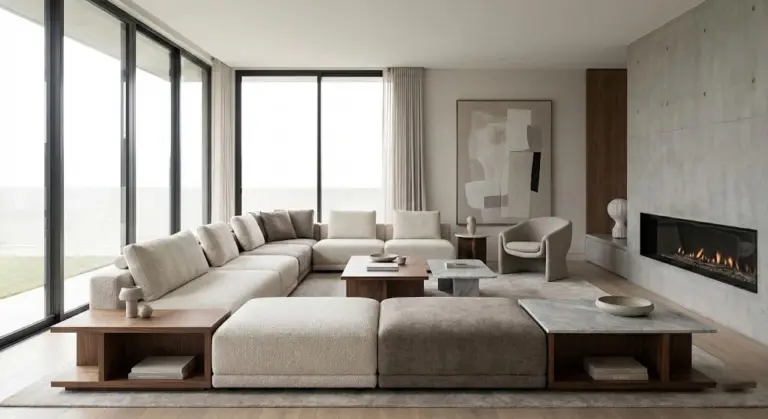
Modular sofas consist of individual pieces that can be rearranged easily
Unlike traditional couches, modular sofas are made up of individual seating units that can be rearranged as needed. Each piece connects to form your perfect setup. You can start small and add sections later. Move into a bigger place? Just clip on extra modules. Hosting more guests? Rearrange the layout in minutes.
The sleek design comes from clean lines and low profiles. Low-profile furniture creates a sense of openness and space with clean lines and understated elegance. Your room feels bigger, more breathable. No bulky arms eating up precious square footage.
Materials matter too. Today’s modular sofas feature textured chenille, boucle, and performance fabrics wrapped around kiln-dried wood frames. You get style plus durability. The pieces stand up to real life—kids, pets, daily lounging.
Creating Zones in Open Spaces
One of the biggest challenges in open-plan design is defining zones within the space. Your modular sofa can act as a natural divider. Position the back toward your dining area. The living space becomes distinct without building walls.
Placing the sofa with its back to the dining area helps separate spaces without blocking natural light. You maintain that airy, open feel while creating clear functional areas. Light flows through, but your zones stay defined.
An L-shaped configuration works wonders in corners. The L-shape makes the most of a corner and creates a cozy, social seating zone without crowding the space. You frame the room naturally, inviting conversation and togetherness.
For bigger spaces, try a U-shape setup. The U-shape provides maximum seating capacity and creates a cozy conversation hub, perfect for families who love movie nights or friends who gather often. Everyone gets a comfortable spot with a clear view of the action.
Modular sofas help define zones without blocking light
Smart Layout Ideas That Work
Measure before you commit. Measure your living room dimensions, including doorways and hallways. Those measurements tell you what configurations fit your space. Don’t guess—know.
Leave at least 30 inches of walking space between the sofa and other furniture. Traffic flow matters. People need room to move comfortably without squeezing past corners or bumping into coffee tables.
Want a minimalist vibe? Go for a straight line setup by arranging modules side-by-side. This works beautifully in narrow rooms or when you prefer simple, uncluttered aesthetics. Add texture through throws and pillows to prevent the look from feeling too stark.
Pushing your sofa against the wall opens up floor space. This living room design technique gives you more usable floor area for movement or other furniture. Studio apartment? This layout becomes your best friend.
Color Choices That Define Your Space
Warm, natural tones dominate 2025 sofa palettes, offering versatility and timeless appeal. Camel, clay, and beige create serene backdrops that pair with almost anything. These shades ground your space while staying neutral enough to shift your accent colors seasonally.
Green tones offer a sense of serenity and connect us to the outdoors. Sage, olive, and moss bring nature inside. They work in both modern and traditional settings, adding depth without overwhelming your room.
Shell and sand beige hues are understated yet never dull and seamlessly transition from classic to contemporary aesthetics. Want a safe bet that still looks fresh? Beige tones deliver. They’re simple to style, simple to maintain, and they age beautifully.
Feeling bold? Emerald green adds luxury and depth while terracotta brings warmth. These statement colors become focal points. Balance them with neutral rugs, light walls, and natural wood accents.
Deep navy offers richness without the heaviness of black. Deep navy serves as a rich, modern alternative to basic neutrals. It pairs wonderfully with brass fixtures, white trim, and pops of mustard or coral.
Fabric Selection for Real Life
Choose easy-to-clean materials and stain-resistant fabrics if you have kids or pets. Performance fabrics resist spills and wipe clean with minimal fuss. You get style without the stress of constant worry.
Velvet brings texture and visual interest. Velvet sofas add richness and sophistication. The fabric catches light differently throughout the day, creating depth and dimension. Just remember—velvet shows every handprint, so it works best in adult spaces.
Boucle continues trending for good reason. Boucle fabric provides a textural, sculptural look while feeling invitingly soft. The nubby texture hides minor wear better than smooth fabrics, making it practical for busy households.
Linen provides a fresh, natural touch for a relaxed atmosphere. It breathes well, feels cool in summer, and develops a beautiful lived-in character over time. Yes, it wrinkles—but that’s part of the appeal in casual, beachy, or farmhouse settings.
Styling Your Modular Setup
Keep accessories light and use decor that also has a purpose. Don’t pile on decorative pillows just because you can. Choose a few in coordinating colors and textures. Each one should feel intentional.
Try pairing a raw linen cushion with a glossy velvet one, or a bold geometric print with a solid color. Mixing textures adds visual interest without clutter. Your sofa becomes more than just seating—it becomes a design statement.
A textured throw casually draped over the sofa adds softness, while a rug anchors the entire seating area. These layers create warmth and personality. They pull your whole setup together into one cohesive look.
Round coffee tables complement modular sofas beautifully. Pair a curved sectional with a round coffee table to complete the organic look. The curves flow together, softening your space and improving traffic patterns around the furniture.
Side tables or floor lamps placed at the outer edges provide balance. Add a side table or floor lamp to the outer edge for balance and accessibility. You get functional lighting right where you need it, plus visual weight that keeps your arrangement from feeling lopsided.
Making It Work in Small Apartments
Modular designs ship in smaller boxes, making delivery and setup a breeze. If you’ve ever tried wrestling a traditional sectional through a narrow stairwell, you know this matters. Separate pieces fit through tight spaces that full sofas can’t navigate.
Modular pieces enable dynamic zone creation—reading nooks, lounging corners, impromptu beds. Your studio apartment becomes multifunctional. By day, you arrange pieces for workspace and living. By night, you transform them into sleeping quarters for guests.
Small apartments work well with 2-3 seat modular configurations with ottomans. Don’t overdo it. You need breathing room. A compact setup gives you seating without swallowing your entire floor plan.
Storage ottomans add hidden functionality. Storage ottomans are perfect for keeping your living room clutter-free. Stash blankets, remotes, books, or whatever needs hiding. Your space stays organized while your ottoman pulls double duty as extra seating or a footrest.
Connecting Modules and Maintaining Quality
Each component connects via zinc alligator clips on the underside in many modern systems. The clips keep sections together during use but release easily when you want to reconfigure. No tools required. Just click and go.
High-quality modular sofas are designed for durability, with sturdy connectors and replaceable sections. This extends their lifespan. One worn cushion? Replace just that piece instead of buying a whole new sofa.
Regular maintenance keeps your investment looking fresh. Vacuum regularly to keep fabrics looking their best. Flip and rotate cushions to even out wear patterns. Address spills immediately before they set.
For deeper cleaning, check your fabric care tag. Some performance fabrics allow machine washing of removable covers. Others require professional cleaning. Know what you bought so you can care for it properly.
Growing With Your Lifestyle
Modular sofas expand by adding extra modules when you move to a larger space. Start with what fits now. Purchase additional sections later as your needs change or your budget allows. Your furniture investment grows incrementally.
Separate pieces into individual chairs when needed. Break up your sofa into smaller groups to better suit gatherings or to define separate areas. Hosting a workshop? Create conversation clusters. Holiday dinner? Spread seating throughout your home.
The modular design allows you to add or remove sections as required, adapting the sofa to different room sizes. Moving day becomes easier. Downsizing? Remove sections and use them elsewhere or sell them. Upsizing? Add on without replacing everything.
Why This Trend Stays Strong
HGTV reports that 72% of homeowners now prefer moveable furniture. People want flexibility built into their homes. Static furniture feels limiting when life changes constantly.
Modular furnishings are driving 33% higher space efficiency in urban apartments compared to traditional setups. Every square foot counts in cities. Furniture that adapts beats furniture that just sits there.
The environmental angle matters too. Modular pieces can be easily disassembled and repurposed, reducing waste. You’re not tossing entire sofas into landfills when you move or redecorate. Individual sections find new life in different configurations or rooms.
Making Your Choice
Start by thinking through your actual needs. How many people typically sit in your living room? Do you host often or live quietly? Medium living rooms work well with 4-6 seat sectionals with a chaise lounge. Match your size to your reality, not your aspirations.
Consider your design goals. Neutral colors create calm backdrops while natural fabrics add warmth. Do you want your sofa to blend in or stand out? Both approaches work—just be clear on which you prefer.
Think about long-term plans. A modular sofa may cost the same or slightly more upfront but saves money long-term. The flexibility and durability offset the initial investment. You’re buying furniture that adapts instead of becoming obsolete.
Your living space should work for you, not against you. Sleek modular sofas deliver flexibility, style, and smart design. They handle real life while looking effortlessly put together. Whether you’re working with a tiny apartment or a spacious family room, these adaptable pieces create the comfortable, functional space you deserve.
Economy home decor helps you create beautiful living spaces on a budget through thrift store finds, DIY projects, and smart shopping. You can achieve high-end looks using paint, creativity, and repurposed items without spending thousands of dollars on new furniture.
What Economy Home Decor Really Means
Economy home decor teaches people to design their living spaces economically yet retain charming, fabulous aesthetics. It’s not about making your home look cheap. It’s about making smart choices that let you express your personal style without emptying your bank account.
You don’t need designer furniture or expensive accessories to create a space you love. What you need is creativity, patience, and the willingness to see potential where others see worn-out items. A scratched dresser becomes a statement piece with fresh paint. An old brass lamp transforms into something modern with a good cleaning and new shade.
Creating a stunning and inviting home doesn’t require a bottomless bank account. The most charming spaces often come together through resourcefulness and clever thinking rather than massive spending.
Simple furniture makeovers can completely transform old pieces
Hunt for Treasures at Thrift Stores
Thrift stores, flea markets, and online marketplaces are treasure troves waiting to be discovered. These aren’t just places to find cheap stuff. They’re goldmines for unique pieces with character and history.
The secret to successful thrift shopping is patience and vision. Don’t walk in expecting to find exactly what you want immediately. Keep an open mind. That dingy wooden table might be perfect after sanding and staining. Those outdated chairs could become a matching set with coordinated paint.
You can find quality furniture for a fraction of retail prices at secondhand stores. A $10 filing cabinet can become chic office storage. A $25 table can get a complete makeover in under an hour with just painter’s tape and creativity.
Check Facebook Marketplace, Craigslist, and local estate sales regularly. The best finds go quickly, so staying connected to these sources helps you grab deals before others do.
Give Old Furniture New Life
Furniture makeovers are the backbone of economy home decor. You’d be amazed what paint and new hardware can do for tired pieces.
Start with solid wood furniture from thrift stores. These pieces were built to last and just need some attention. Sand down the surface to remove old finish. Apply a fresh coat of paint in a color that matches your style. Swap out old knobs and handles for modern hardware.
Repurposing is one of the most budget-friendly and sustainable ways to decorate. A dresser missing drawers becomes a TV console with added shelves. A vintage card catalog transforms into a stunning coffee table. Even a baby crib can be repurposed into something entirely new.
Two-tone furniture creates instant visual interest. Paint the base one color and stain the top another. Or add wallpaper to the back of a bookshelf for a high-end custom look. These simple touches make secondhand pieces look intentional and expensive.
Master DIY Projects That Impress
DIY projects put you in control of your home’s aesthetic. You choose colors, textures, and scale. This approach saves money while giving you exactly what you want.
Wall updates make huge differences without huge costs. Peel-and-stick wallpaper, slat panels, and even faux molding can create bold accent walls without the mess or cost of traditional renovations. A painted feature wall in a light color brightens dark spaces and makes them feel finished.
Create your own artwork instead of buying expensive pieces. Use canvas boards from craft stores and experiment with abstract designs. You don’t need professional skills. Just have fun with paint, stencils, or even geometric patterns. Frame family photos or printed art for a gallery wall that costs almost nothing.
Lighting can completely change a room’s ambiance. Replace outdated fixtures with budget-friendly modern options. String lights and candles establish cozy atmospheres at low prices. You can even DIY lampshades using fabric and glue.
Shop Your Own House First
One of the easiest and totally free ways to refresh your home is by simply moving things around. Before spending money, look at what you already own.
Pull a lamp from the bedroom into the living room. Swap vases between rooms. Restyle your shelves, coffee table, or mantel with pieces you already have. When items move to new spots, you notice them again. They feel fresh and interesting.
Rotate your decor seasonally. Pack away half of your currently displayed items. In six months, swap what’s out with what you stored. Seeing items after a break makes them feel new again. This gives your home a fresh vibe without spending a single dollar.
Decluttering and simplifying almost always give an instant upgrade to a space. Put away extra throw pillows, blankets, and accessories. Less clutter makes rooms look more intentional and polished.
Choose Multi-Purpose Furniture
When decorating a home on a budget, multifunctionality is your best friend. Look for pieces that serve multiple purposes. A sofa bed hosts overnight guests. A storage ottoman hides clutter while providing extra seating. A dining table doubles as a desk during the day.
Multi-purpose furniture saves money and space. You’re buying fewer items overall, and each piece works harder for you. This approach is especially smart for small apartments or homes where every square foot matters.
Consider furniture with built-in storage. Beds with drawers underneath keep bedrooms organized. Coffee tables with shelves display books and magazines. Benches with lift-up seats store shoes and accessories.
Add Personality With Small Updates
Small changes often create the biggest impact. Replace plain cabinet handles with unique ones from thrift stores or paint existing ones for a fresh look. Colorful ceramic knobs instantly upgrade kitchen drawers for under $20.
Throw pillows are easy ways to add color and texture. Mix and match colors and textures, and blend different groupings. You don’t need to buy all new pillows either. Just grab crisp new pillow covers that fit your existing inserts.
Textiles refresh spaces quickly. New towels, curtains, and rugs change the whole feel of a room. Look for these items at discount stores like HomeGoods or during clearance sales at major retailers. Neutral colors work year-round, while seasonal patterns let you switch things up affordably.
Mirrors make small spaces feel larger and reflect light to brighten rooms. You can find affordable mirrors at discount stores or thrift shops. Hang them strategically across from windows to maximize natural light.
Use Nature as Free Decor
A simple walk in the park or the woods can yield some inspiration for seasonal decorations. Vases with fresh green leaves in spring. Small flower bouquets in summer. Bowls filled with pine cones, nuts, and seed pods in fall. These natural elements add beauty without costing anything.
Branches in tall vases create dramatic statements. Potted plants bring life and color to any room. Even a collection of interesting stones or shells displayed in glass jars becomes art.
Nature provides endless free materials for wreaths, centerpieces, and arrangements. Pay attention to what’s growing and changing in your area. Bring those elements inside to connect your home with the seasons.
Paint Your Way to Transformation
Any room can receive a modern update through application of light-toned neutral paint like white, gray, and beige. Paint is the most cost-effective way to completely change a space.
A single can of paint refreshes entire rooms. Choose neutral colors as your base. These shades make spaces feel larger and brighter. They also work with any decor style you might adopt later.
Don’t limit paint to walls. Paint furniture, picture frames, plant pots, and accessories. A coat of spray paint updates brass fixtures to brushed nickel. Chalkboard paint turns cabinet doors into message centers.
Test paint colors before committing. Buy sample sizes and paint large swatches on your walls. Live with them for a few days to see how they look in different lighting. This prevents expensive mistakes.
Create Budget-Friendly Rental Updates
There are tons of rental friendly decor tips that allow you to personalize your space without losing your security deposit. Command strips and hooks hang art, mirrors, and lightweight shelving without damaging walls.
Peel-and-stick wallpaper comes in countless patterns and textures. Use it to create accent walls, line shelves, or even cover ugly countertops. It removes cleanly when you move out.
Removable backsplash tiles update kitchens temporarily. Tension rods hold curtains without drilling holes. Area rugs cover worn flooring. These solutions let renters enjoy beautiful spaces without permanent changes.
Focus on High-Impact Areas
Prioritize the areas of your home that need the most help and will get you the most bang for your buck. Start with spaces you use most often or that guests see first.
Entryways make important first impressions. A fresh coat of paint, new doormat, and organized shoe storage set the tone for your entire home. These updates cost very little but make guests feel welcome immediately.
Living rooms get the most use in many homes. Focus budget here on comfortable seating and good lighting. Everything else can be simple and minimal.
Bathrooms benefit from small upgrades. Proudly display crisp white, fluffy towels like the kind you would find in a fancy hotel or spa. This immediately makes the space feel more upscale. Add ribbon details to basic towels with a sewing machine for custom touches.
Build Collections Over Time
Buy items that you are going to use for multiple seasons. Milk glass, enamelware, and copper all have timeless neutral palettes. These items work for different holidays and seasons because you can decorate them accordingly.
Don’t feel pressured to finish decorating your home all at once. Build collections slowly. Pick up one special piece each month. This approach spreads costs over time and lets you be selective about what you bring home.
Quality matters more than quantity. One beautiful piece you love beats ten mediocre items you settled for. Wait for the right pieces even if it takes longer.
Learn From Free Resources
The internet offers endless inspiration and tutorials for economy home decor. Pinterest provides unlimited ideas for every room and style. YouTube has step-by-step videos for any DIY project you want to try.
Design blogs share real transformations with detailed instructions. Many include supply lists and cost breakdowns so you know exactly what you need.
Using vintage looking prints, they were able to make this old TV cart look like a high end furniture store piece. Decoupage is a well-kept secret of professional furniture flippers. You can increase value and visual appeal of almost any piece by working in thoughtful decoupage designs.
Join online communities focused on budget decorating. Share your projects and get feedback. Ask questions when you’re stuck. These groups offer support and encouragement as you develop your skills.
Make Your Home Look Expensive
The goal isn’t just saving money. It’s creating a space that looks and feels expensive without the expensive price tag.
Keep spaces clutter-free and clean. This alone makes homes look more polished and intentional. Organize what you display carefully rather than cramming every surface with stuff.
Pay attention to architectural details you already have. Architectural details such as crown molding, wooden beams, hardwood floors, built-in bookshelves, and mosaic-tile backsplashes are all worth focusing on. Keep them clean and make them focal points rather than competing with expensive artwork or furniture.
Coordinate colors throughout your space. Choose a color palette and stick with it. This creates flow between rooms and makes your home feel designed rather than random.
Good lighting transforms everything. Layer lighting with overhead fixtures, table lamps, and accent lights. Well-lit rooms always look better than dim ones.
Start Small and Build Confidence
Start with one project, see it through to completion, and then move on to the next. This approach keeps things manageable and ensures you stay within budget.
Begin with simple projects that build your skills. Paint a small side table before tackling a large dresser. Make one pillow cover before sewing curtains. Success with small projects gives you confidence for bigger ones.
Celebrate each completed project. Each finished piece brings you closer to the home you envision. Take before and after photos to see your progress.
Don’t let perfectionism stop you from starting. Your first attempts might not turn out exactly as planned. That’s okay. You’ll improve with practice. The beauty of economy home decor is that low-cost materials mean low-cost mistakes.
Your Home, Your Budget, Your Style
Economy home decor proves beautiful living spaces are within everyone’s reach. You don’t need unlimited funds to create a home you love. You need creativity, patience, and willingness to try new things.
Start by assessing what you have. Shop your own house before spending money elsewhere. When you do buy, choose thrift stores and secondhand markets over retail. Learn basic DIY skills that let you transform inexpensive finds into custom pieces.
Remember that decorating is a process, not a destination. Your home will continue changing as your life changes. Enjoy the journey of creating spaces that reflect who you are and how you want to live.
The most important thing is making your house feel like home. Whether you spend $50 or $5000, what matters is creating a space where you feel comfortable, happy, and yourself. Economy home decor makes that possible for everyone.
Finishing a basement in Colorado Springs costs between $60 and $105 per square foot in 2025. Most projects require permits from Pikes Peak Regional Building Department and take six to twelve weeks to complete, depending on size and complexity.
That dusty basement sitting beneath your home right now? It’s not just wasted space collecting old boxes and forgotten holiday decorations. It’s actually one of the smartest investments you can make in your Colorado Springs home. Whether you’re dreaming of a cozy family room, an extra bedroom for guests, or even a home gym where you can finally stick to those New Year’s resolutions, finishing your basement can make it happen.
But before you grab a hammer and start tearing down walls, you need to understand what you’re getting into. How much will it really cost? What permits do you need? And how long will your home be turned into a construction zone? Let’s walk through everything you need to know about basement finishing in Colorado Springs so you can plan your project with confidence.
Understanding Basement Finishing Costs in Colorado Springs
Money talk isn’t always fun, but it’s absolutely necessary when you’re planning a major home improvement project. The good news is that basement finishing costs in Colorado Springs are pretty predictable once you understand the factors that drive the price.
In 2025, you’re looking at spending somewhere between sixty and one hundred five dollars per square foot to finish your basement. That’s a pretty wide range, right? The final number depends on what you want to create down there. Think of it like ordering at a restaurant. You can get a satisfying meal for twenty bucks, or you can go for the full five-course dining experience that costs considerably more.
For a typical thousand-square-foot basement, most homeowners spend between sixty thousand and ninety thousand dollars for a complete finish. If you’re working with a smaller six hundred square foot space, your total investment might fall somewhere between thirty-five thousand and fifty thousand dollars. On the flip side, if you’ve got a sprawling fifteen hundred square foot basement, you could be looking at ninety thousand dollars or more.
What makes the price jump around so much? Several things actually. The size of your basement is the obvious one. Bigger spaces need more materials, more labor hours, and more time to complete. But the real cost drivers are the features you choose to include.
Adding a bathroom to your basement is one of the priciest upgrades you can make. Running plumbing lines, installing fixtures, and ensuring everything meets code requirements can add anywhere from eight thousand to twenty thousand dollars to your project. The same goes for a wet bar or kitchenette. These additions bring convenience and serious wow factor, but they also bring serious plumbing costs.
Your material choices make a huge difference too. Going with luxury vinyl plank flooring instead of carpet might save you two to three dollars per square foot. Choosing a standard fiberglass tub over a custom tiled shower can save you one to two thousand dollars. These decisions add up quickly, so it’s worth sitting down with your contractor to understand where you can save money without sacrificing the quality and functionality you want.
The current condition of your basement also plays a role. If your basement has some existing framing or partial finishing from a previous owner, you’ll spend less than someone starting from scratch with bare concrete walls and exposed ceiling joists. However, if you need to address moisture issues, install a sump pump, or fix structural problems before finishing can begin, those costs need to factor into your budget too.
Basement finishing transforms unused space into functional living areas
Navigating the Permit Process
Here’s something many homeowners don’t realize until they start planning their basement project. In Colorado Springs, you absolutely need permits to finish your basement. No exceptions. Even though nobody can see the work from the street, the city takes basement finishing seriously because safety is on the line.
The Pikes Peak Regional Building Department handles all permits for Colorado Springs. They want to make sure your finished basement meets current building codes, protects your family, and doesn’t create hazards down the road. Think of permits as your insurance policy that the work is done right.
Before any work begins, you or your contractor need to submit detailed plans to the building department. These plans need to be drawn to a specific scale, showing every room, every window, and every fixture you plan to install. The plans must include dimensions, the location of your furnace and water heater, where your stairs are, and which rooms will be used for what purpose.
Getting your permit isn’t just about submitting paperwork and paying a fee. The building department will review your plans to make sure everything complies with local codes. They’ll check that you have proper ceiling heights, adequate emergency exits, and appropriate electrical and plumbing systems. Most basement plans can be reviewed and approved the same day if everything is in order, but plan for possible delays if your plans need revisions.
The permit costs themselves typically run between one thousand and three thousand dollars, depending on the scope of your project. That might seem like a lot, but consider what you’re getting. The permit process ensures your basement is safe, which protects your family and maintains your home’s value. Plus, when you eventually sell your home, having permitted work shows buyers that everything was done properly.
Once construction starts, you’ll need to schedule inspections at various stages. Inspectors will check your rough framing, electrical work, plumbing installations, and mechanical systems before you can cover anything up with drywall. Finally, there’s a final inspection to make sure everything meets code before you can officially use your new space.
Here’s an important tip. If you’re hiring a contractor, make sure they handle the permit process for you. Experienced basement finishing contractors in Colorado Springs know the local codes inside and out. They understand what the inspectors are looking for, and they can navigate the process smoothly. Trying to DIY the permit process when you’re not familiar with building codes is asking for headaches and delays.
One critical requirement you need to know about is emergency egress. Any bedroom in your basement must have a proper escape route in case of fire. That usually means installing an egress window that’s large enough for someone to climb through and a window well that allows safe exit. These requirements aren’t suggestions. They’re absolute must-haves that inspectors will verify.
Planning your basement finishing budget helps control renovation costs
Timeline Expectations for Your Basement Project
So you’ve got your budget figured out and you understand the permit requirements. Now comes the question everyone asks next. How long is this going to take?
Most basement finishing projects in Colorado Springs take somewhere between six and twelve weeks from start to finish. That’s about two to three months of construction happening in your home. Some smaller, simpler projects might wrap up in as little as four to six weeks, while larger, more complex basements with multiple bathrooms, kitchens, and custom features can stretch beyond twelve weeks.
The timeline breaks down into several distinct phases. First comes the design and planning phase, which can take two to six weeks. During this time, you’re working with your contractor to finalize the layout, select materials, and create the detailed plans needed for permits. Don’t rush this phase. Getting the design right from the start saves you from expensive changes later.
Next is the permit review process, which adds another two to eight weeks to your timeline before construction even begins. The wait time depends on how busy the building department is and whether your plans need any revisions. Patience here pays off because starting work without permits can result in fines and having to tear out finished work for inspections.
Once permits are in hand and construction begins, the actual building phase typically takes six to ten weeks for an average-sized basement. The first couple weeks involve framing the walls, running electrical wiring and plumbing lines, and installing HVAC ductwork. These rough-in stages require inspections before you can move forward.
After passing rough-in inspections, the drywall goes up. This takes about one to two weeks because the drywall needs time to dry between taping, mudding, and sanding. Once the walls are finished, flooring installation, painting, trim work, and fixture installation bring your basement to life over the next two to three weeks.
Several factors can extend your timeline. Custom features like built-in shelving, specialty cabinetry, or unique tile work take extra time. Waiting for subcontractors to become available can add days or even weeks to the schedule. And if inspections reveal issues that need correcting, you’ll need to address those before moving forward.
Weather rarely affects indoor basement finishing work, but material delivery delays can happen, especially if you’re ordering custom items. Supply chain issues that plagued construction during recent years have improved, but it’s still smart to order materials early and have backup options in mind.
Communication with your contractor is crucial for keeping your project on schedule. Make all your material selections before construction begins. Changing your mind about flooring or paint colors halfway through the project means delays and potentially extra costs. A good contractor will walk you through all these decisions upfront so construction can flow smoothly.
Making Your Basement Dreams a Reality
Finishing your basement in Colorado Springs is more than just a construction project. It’s an opportunity to create space that transforms how your family lives. Whether you need room for a growing family, want to add value before selling, or simply want to stop wasting all that square footage below your feet, a finished basement delivers.
The investment is significant, but so are the returns. Most homeowners recoup seventy to eighty percent of their basement finishing costs when they sell their home. More importantly, you get to enjoy that extra living space for however long you own the home. That playroom for your kids, that home office where you can actually focus, or that guest suite where visiting relatives can stay comfortably are worth every penny.
Success comes down to proper planning, working with experienced contractors who know Colorado Springs building codes, and having realistic expectations about costs and timelines. Take your time during the design phase. Don’t cut corners on important features like moisture control and emergency egress. And remember that the cheapest bid isn’t always the best value if it means subpar work or endless delays.
Your basement has incredible potential. With the right planning, proper permits, and realistic timeline expectations, you can transform that dark, cluttered space into the room you’ve always wanted. The journey from concrete walls to finished living space takes a few months and a meaningful investment, but the result is a home that works better for your family and holds greater value for years to come.
Winter is usually seen as a slow and dull time for selling a home. Gardens are bare, days are shorter, and the weather is cold. But what many homeowners don’t realize is that winter can actually boost the value of certain homes.
When temperatures drop and heating bills rise, buyers start looking for comfort, warmth, and efficiency. Features that may feel “nice to have” in summer suddenly become must-haves in winter. According to property experts, the right winter-friendly features can add up to £20,000 to a home’s asking price.
In this article, we’ll explore five home features that add the most value in winter, explain why buyers love them, and show how sellers can use winter to their advantage. Whether you are planning to sell or buy, this guide will help you understand how seasonality affects home prices.
Why Winter Can Be a Smart Time to Sell a Home
Many people think spring and summer are the best seasons to sell. While that can be true for gardens and outdoor spaces, winter creates a very different emotional response.
During winter:
Buyers worry more about heating costs
Comfort and warmth become top priorities
Energy efficiency matters more than outdoor looks
In fact, winter is one of the busiest times for online property searches. Many buyers start the new year with fresh plans and strong motivation to move.
Instead of picturing barbecues and patios, winter buyers imagine:
This is where the right features can make a big difference.
How This Research Was Measured
Property experts and estate agents were asked how much more they would market homes with certain features in winter compared to other seasons.
The estimates are based on:
An average 3-bedroom home
A typical asking price of £324,000
Real buyer behaviour during colder months
The result shows that some features become much more valuable in winter, adding thousands of pounds to the asking price.
Quick Overview: Winter Features That Add the Most Value
Home Feature
Estimated Value Added (£)
Percentage Increase
Wood-burning fireplace
£4,568
1.41%
Quality insulation
£4,536
1.40%
Underfloor heating
£3,985
1.23%
Energy-efficient upgrades
£3,402
1.05%
AGA-style range cooker
£3,337
1.03%
Total Potential Boost
~£19,800
~6%
1. A Traditional Wood-Burning Fireplace (+£4,568)
There are few things more inviting than a real fire on a cold winter day. A wood-burning fireplace instantly makes a home feel warm, cosy, and welcoming.
Why Buyers Love It
Creates a strong emotional connection
Makes rooms feel comfortable and relaxing
Suggests lower heating costs
Around 38% of buyers say they would pay more for a home with a traditional fireplace.
Practical Benefits
A wood burner can reduce heating bills by around 10%, which is very attractive when energy costs are high.
Seller Tip
If you’re selling in winter:
Light the fire before viewings
Keep the room warm but not too hot
Make it the focus of the living space
A lit fireplace can turn a “maybe” buyer into a serious one.
2. Quality Insulation (+£4,536)
Insulation may not look exciting, but in winter, it becomes one of the most important features in a home.
Why It Matters So Much
Keeps heat inside
Reduces energy bills
Improves comfort in every room
Only about half of UK homes have an EPC rating of C or higher. This makes well-insulated homes stand out.
Buyer Mindset in Winter
When buyers feel cold during a viewing, they quickly lose interest. A well-insulated home feels solid, efficient, and future-proof.
Seller Tip
Make sure buyers know:
Loft and wall insulation details
EPC rating
Any recent upgrades
Think of insulation as the invisible hero of winter home sales.
3. Underfloor Heating (+£3,985)
Underfloor heating is one of those features buyers don’t always expect — but once they feel it, they love it.
Why It Feels Like Luxury
Warm floors on cold mornings
Even heat across the room
No bulky radiators
It’s especially popular in kitchens, bathrooms, and open-plan living areas.
Energy Efficiency Bonus
Underfloor heating can use about 12% less energy than traditional radiators because it runs at lower temperatures.
Seller Tip
Turn it on before viewings
Let buyers feel the warmth underfoot
Encourage shoes-off viewings if possible
That first warm step can be very convincing.
4. Energy-Efficient Upgrades (+£3,402)
This includes features like:
Double or triple glazing
Modern boilers
Smart heating controls
Why Buyers Care More in Winter
Heating bills are top of mind during colder months. Buyers want reassurance that the home won’t be expensive to run.
Around 41% of buyers say they would pay extra for a home with good energy efficiency.
Peace of Mind
Energy-efficient homes feel:
Safer financially
More modern
Better prepared for the future
Seller Tip
Highlight:
Boiler age and efficiency
Window quality
Average winter energy costs
Clear information builds trust.
5. An AGA-Style Range Cooker (+£3,337)
An AGA is more than just an oven. In winter, it becomes the heart of the home.
Emotional Appeal
Constant warmth
Traditional country-style charm
A strong sense of lifestyle
Around 26% of buyers say they would pay more for a home with an AGA-style cooker.
Why It Works in Winter
The kitchen is where people gather when it’s cold outside. An AGA adds warmth, smell, and atmosphere.
Seller Tip
Bake something before viewings
Keep the kitchen warm and inviting
Let buyers imagine family life there
Smell and warmth are powerful selling tools.
What Buyers Should Look for in Winter
If you’re buying a home in winter, this season can actually work in your favor.
Advantages for Buyers
Fewer competing buyers
More honest viewings (you see real heating performance)
Stronger negotiation power
Smart Winter Buying Tips
Check how warm rooms feel naturally
Ask about heating costs
Look at EPC ratings carefully
Pay attention to draughts and insulation
Winter shows a home at its most honest.
Why Seasonality Matters in Property Value
Homes don’t just have features — they have moments. The same house can feel very different depending on the time of year.
A fireplace in summer may be ignored. In winter, it becomes a dream feature.
Estate agents often say:
Homes don’t just sell on logic — they sell on emotion.
Winter is when comfort and security matter most.
Final Thoughts: Is Winter the Right Time to Sell?
Winter selling isn’t for every home. But if your property has the right features, it can be a golden opportunity.
Best Homes to Sell in Winter
Well-insulated homes
Energy-efficient properties
Homes with fireplaces or underfloor heating
Cosy, well-presented interiors
Potential Reward
With the right preparation, winter-friendly homes can achieve up to £20,000 more than expected.
Finding a rental home in the UK that fits your budget has not been easy over the past few years. Rents kept rising fast, and many people struggled to afford even basic homes. But in 2026, there is finally some good news for renters.
The UK rental market is starting to calm down. Rent prices are still rising, but much more slowly than before. This change is helping renters find better options without stretching their budgets too much.
In this guide, we’ll explore the cheapest places to rent in the UK in 2026, including regions, cities, and local districts. We’ll also explain why rents are changing, what this means for renters, and where you can find the best value for money this year.
Why the UK Rental Market Is Slowing Down in 2026
For several years, rent prices increased quickly because there were too many renters and not enough homes. In 2026, this gap is getting smaller.
Here’s what’s happening:
Rental demand has dropped by around 20% compared to last year
Average rent growth is now just 2.2%, the slowest in four years
As of December 2025, the average UK rent is £1,320 per month, or about £18,840 per year.
What This Means for Renters
This slowdown gives renters:
More choice
Less competition
Better chances to negotiate rent
More affordable areas opening up outside big cities
Average Rent Prices Across UK Regions in 2026
Rent prices still vary a lot depending on where you live. Northern regions remain the most affordable, while southern regions and London stay expensive.
Average Monthly Rent by Region
Region
Average Rent (pcm)
Annual Growth (%)
Annual Increase (£)
North East
£760
4.5%
£30
Northern Ireland
£854
11.0%
£80
Yorkshire and the Humber
£869
1.8%
£20
Scotland
£882
1.7%
£10
East Midlands
£923
1.9%
£20
Wales
£945
2.4%
£20
North West
£955
3.2%
£30
West Midlands
£986
1.7%
£20
South West
£1,149
3.0%
£30
East of England
£1,263
2.5%
£30
South East
£1,397
2.1%
£30
London
£2,224
1.6%
£40
Key Takeaway
The North East is the cheapest region to rent in the UK, while London remains almost twice as expensive as any other region.
10 Cheapest Cities to Rent a Home in the UK (2026)
If you’re open to moving cities, you can save a lot of money. Many affordable cities also offer good transport links, jobs, and a lower cost of living.
Cheapest Cities by Average Rent
City
Average Rent (pcm)
Annual Growth (%)
Annual Increase (£)
Burnley
£652
3.9%
£20
Sunderland
£661
3.3%
£20
Hull
£674
5.6%
£40
Middlesbrough
£674
-0.5%
£0
Grimsby
£683
3.1%
£20
Doncaster
£745
5.6%
£40
Aberdeen
£746
2.5%
£20
Barnsley
£747
6.1%
£40
Blackpool
£752
2.7%
£20
Huddersfield
£771
4.3%
£30
Why These Cities Are Cheaper
Lower living costs
Fewer people competing for homes
Good links to larger nearby cities
Growing interest from remote workers
Cheapest Districts to Rent by Region in 2026
Sometimes, you don’t need to move far. Choosing a cheaper local authority within your region can save hundreds of pounds per year.
1. North East – The Cheapest UK Region
The North East continues to offer the lowest rents in the country. Coastal towns and historic areas make it even more attractive.
Local Authority
Average Rent (pcm)
Growth (%)
Increase (£)
Hartlepool
£578
2.7%
£20
County Durham
£632
4.7%
£30
Redcar and Cleveland
£634
0.8%
£10
Why choose the North East?
Low rents, sea views, countryside, and improving job markets.
2. Scotland – Affordable but Rising
Scotland offers good value, but cheaper areas are seeing faster rent increases.
Local Authority
Average Rent (pcm)
Growth (%)
Increase (£)
East Ayrshire
£602
7.7%
£40
Dumfries and Galloway
£615
6.6%
£40
Angus
£670
3.1%
£20
Many renters are moving out of Glasgow, which is pushing up rents in nearby areas.
3. Yorkshire and the Humber – Great Value Cities
Hull remains one of the most affordable cities in England, with strong cultural growth.
Local Authority
Average Rent (pcm)
Growth (%)
Increase (£)
Kingston-upon-Hull
£674
5.6%
£40
North East Lincolnshire
£683
3.1%
£20
North Lincolnshire
£694
7.2%
£50
4. East Midlands – Growing and Affordable
This region is becoming popular with logistics workers and remote professionals.
Local Authority
Average Rent (pcm)
Growth (%)
Increase (£)
East Lindsey
£704
5.3%
£40
Bassetlaw
£753
4.7%
£30
Bolsover
£761
5.4%
£40
5. Wales – Best Value in the Valleys
Mid and South Wales offer affordable rents with beautiful landscapes.
Local Authority
Average Rent (pcm)
Growth (%)
Increase (£)
Powys
£677
6.0%
£40
Blaenau Gwent
£696
3.0%
£20
Merthyr Tydfil
£730
3.1%
£20
6. North West – Cheap but Rising Fast
Rents are still low, but demand is growing.
Local Authority
Average Rent (pcm)
Growth (%)
Increase (£)
Burnley
£642
3.5%
£20
Allerdale
£666
9.9%
£60
Pendle
£668
4.1%
£30
7. West Midlands – Affordable Commuter Areas
Great for people working in Birmingham.
Local Authority
Average Rent (pcm)
Growth (%)
Increase (£)
Stoke-on-Trent
£752
3.8%
£30
Staffordshire Moorlands
£788
5.7%
£40
East Staffordshire
£830
6.6%
£50
8. South West – Budget Coastal Options
Still expensive overall, but some areas remain affordable.
Local Authority
Average Rent (pcm)
Growth (%)
Increase (£)
North Devon
£827
5.6%
£40
Torridge
£829
4.0%
£30
West Devon
£873
10.1%
£80
9. East of England – Hidden Bargains
Local Authority
Average Rent (pcm)
Growth (%)
Increase (£)
Waveney
£811
2.5%
£20
Great Yarmouth
£834
3.6%
£30
Fenland
£856
2.0%
£20
10. South East – Cheapest Options Near London
Local Authority
Average Rent (pcm)
Growth (%)
Increase (£)
Isle of Wight
£951
2.4%
£20
Thanet
£1,021
2.1%
£20
Dover
£1,055
0.0%
£0
11. London – Cheapest Boroughs (Relatively)
Local Authority
Average Rent (pcm)
Growth (%)
Increase (£)
Croydon
£1,617
2.1%
£30
Sutton
£1,628
2.9%
£50
Bexley
£1,638
4.7%
£70
Final Thoughts: Where Should You Rent in 2026?
Renting in the UK is still expensive, but 2026 offers more hope than recent years. Rent growth is slowing, and affordable areas are easier to find.
Best Choices in 2026
Best overall value: North East & Yorkshire
Best cities: Burnley, Hull, Sunderland
Best commuter areas: Stoke-on-Trent, Thanet
Best for coastal living: Hartlepool, Waveney, North Devon