
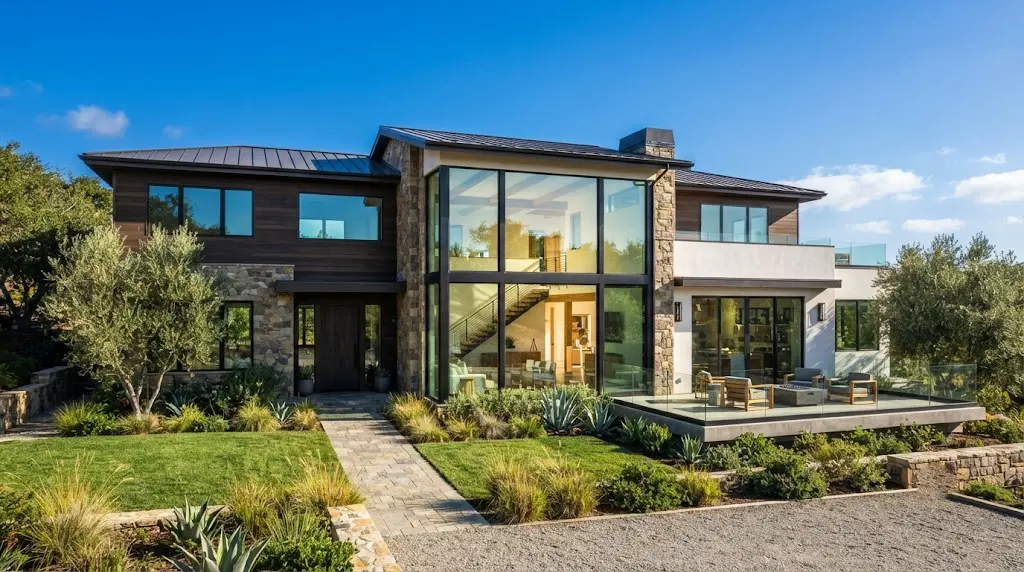
The best windows for home use depend on your budget and climate. Vinyl windows offer the best value for most homeowners, costing $250 to $900 installed. Fiberglass windows cost more but last 40 to 50 years. Wood windows give the richest look but need regular upkeep.
New windows change how a home feels. They cut down on drafts, lower your energy bills, and make every room brighter. But walk into any home improvement store and you’ll face a wall of choices. Vinyl, wood, fiberglass, aluminum — each one promises something different.
This guide breaks down what actually matters when you pick windows for your house. You’ll learn what each material does well, what it costs, and how to match a window to your climate and budget. By the end, you’ll know exactly what to ask for when you call a contractor.
What Makes a Window the Right Choice for Your Home

There’s no single “best” window for every house. The right pick depends on four things: your budget, your climate, how long you plan to stay in the home, and how much upkeep you’re willing to handle.
A window frame does more than hold the glass in place. It affects insulation, noise control, and how much your house shifts in temperature swings. The glass itself matters too. Double-pane and triple-pane glass with a low-E coating block heat transfer far better than older single-pane designs.
Think about your own priorities before you shop. A young family planning to move in five years has different needs than a retiree settling into a forever home. Your answer to that question shapes almost every other decision on this list.
Vinyl Windows: The Budget-Friendly Favorite
Vinyl windows dominate the replacement market, and the reason is simple. They cost less upfront and need almost no maintenance. You never have to paint them, and they hold up well against moisture and rot.
Installed vinyl windows typically run between $255 and $1,050 per window, though most homeowners land closer to the middle of that range. A 2025 homeowner survey found the average vinyl window came in around $558 per window, which puts it well below most other materials on this list.
Vinyl also holds its value at resale. Industry cost-versus-value data shows vinyl window replacement recoups about 76% of its cost when you sell your home, making it one of the stronger returns among common home upgrades.
The tradeoff comes down to looks and lifespan. Vinyl frames typically last 20 to 35 years, shorter than fiberglass or well-maintained wood. Color options are more limited too, since dark vinyl can absorb heat and warp over time. If your budget is tight and you want a set-it-and-forget-it window, vinyl is hard to beat.
Fiberglass Windows: Built for the Long Haul
Fiberglass sits a step above vinyl in both price and performance. The material expands and contracts at nearly the same rate as glass, which keeps seals tighter through hot summers and cold winters. That stability adds up to a longer lifespan, often 40 to 50 years with proper care.
Installed fiberglass windows generally cost between $1,100 and $2,200 or more per window depending on your region and the brand you choose. Some sources place the range a bit lower, closer to $500 to $1,500 per window installed, so it pays to get a few local quotes before you commit.
Fiberglass also gives you more design freedom than vinyl. Manufacturers can mold it to look like real wood grain and paint it in nearly any color you want. Because fiberglass is stronger by weight than vinyl, builders can use thinner frames while keeping the same strength, which means more glass and more natural light in every window.
The one downside is upkeep. Fiberglass frames usually ship with a painted finish that can fade or chip over the years. Repainting every seven to ten years keeps them looking sharp, though that’s still far less work than a wood frame demands.
Wood Windows: Classic Style With a Price
Nothing quite matches the warmth of real wood. Architects and designers still reach for it in historic homes and custom builds because the grain and texture can’t be copied by any synthetic material. If curb appeal and authenticity top your list, wood is the clear winner.
That beauty comes at a cost. Wood windows run $600 to $1,400 per window installed, roughly 50% to 100% more than vinyl. Multiply that across a whole house of fifteen or twenty windows, and the price difference adds up fast.
Maintenance is the bigger long-term expense. Over a 30-year span, wood windows can add $1,500 to $4,500 per window in paint, stain, and sealant costs. Skip that upkeep and moisture will eventually take its toll on the frame.
For homeowners who love the wood look but not the maintenance schedule, clad wood windows offer a middle ground. These have a real wood interior paired with an exterior shell of aluminum, fiberglass, or vinyl that shrugs off rain and sun. Clad options typically run $700 to $1,300 installed, giving you much of wood’s charm without the constant repainting.
Aluminum Windows: Strength Without the Bulk
Aluminum windows don’t get talked about as often, but they earn their place in specific situations. The metal is strong enough to support very large panes of glass with a slim frame, which makes aluminum a favorite for modern homes with big picture windows or sliding doors.
Aluminum also resists warping, cracking, and pests in a way that wood never will. It holds up especially well in humid or coastal climates where wood would rot and vinyl might soften in the heat.
The catch is energy efficiency. Metal conducts heat and cold far more than vinyl or fiberglass, so aluminum frames need a thermal break, a strip of insulating material built into the frame, to perform well in colder regions. Without it, you’ll feel the temperature difference right at the glass edge.
Understanding Energy Efficiency Ratings
Once you’ve picked a frame material, the glass and its coatings matter just as much. Look for windows with a low-E coating, which reflects heat while still letting light through. Paired with double or triple panes filled with argon gas, this combination keeps your home’s temperature steady year-round.
ENERGY STAR certification is your simplest checkpoint. Certified windows meet strict standards for heat loss and heat gain based on your specific climate zone, so a window rated for Minnesota winters won’t carry the same specs as one built for Arizona summers.
One thing worth knowing before you buy: as of early 2026, there is no federal tax credit for new windows. The Energy Efficient Home Improvement Credit expired at the end of 2025. Some states still offer their own rebate programs, so check with your local energy office before you assume you’re on your own for the full cost.
Picking the Right Window Style for Each Room
Material is only half the decision. Style affects how a window opens, how much air it lets in, and how it looks from the street. Double-hung windows remain the most common choice for bedrooms and living rooms because both sashes slide up and down, making them easy to clean from inside.
Casement windows crank outward like a door and seal tighter than double-hung styles, which makes them a strong pick for energy efficiency. Sliding windows work well over kitchen sinks or in tight spaces where a crank-out design would get in the way. Bay and bow windows add depth and extra light to a room, often becoming the visual centerpiece of a living space.
Match the style to the room’s function rather than picking one design for the entire house. A kitchen near a walkway might call for a slider, while a home office could benefit from a casement window that lets in a strong cross breeze.
Budgeting for a Full Window Replacement
Whole-house window replacement adds up quickly once you multiply per-window costs by fifteen or twenty openings. A modest home with vinyl windows might spend $4,000 to $15,000 total, while a larger home going with fiberglass or wood could easily reach $20,000 to $40,000 or more.
Installation labor typically adds $150 to $350 per window on top of material costs, regardless of which frame you choose. Get at least three quotes from local contractors before signing anything, since labor rates vary widely by region and season.
Don’t assume the cheapest quote is the best deal. A low bid sometimes skips proper insulation around the frame or uses lower-grade glass, both of which will cost you more in energy bills down the road.
Signs Your Windows Need Replacing
You don’t need to guess when it’s time for new windows. Drafts near the frame even when the window is shut, foggy glass between panes, and windows that stick or won’t stay open are all clear signals. Rising energy bills without any change in your usage habits often point back to failing seals too.
Condensation on the inside of the glass during cold months usually means the insulating gas between panes has leaked out. Once that happens, the window loses much of its efficiency, and repair rarely restores full performance.
If you notice two or three of these signs at once, start collecting quotes. Waiting longer usually means higher energy costs stacking up in the meantime.
Making Your Final Decision
There’s no universal winner in the window material debate. Vinyl gives you the best value for most homeowners on a normal timeline. Fiberglass rewards those who plan to stay put for decades or live somewhere with extreme weather. Wood delivers unmatched style for those willing to keep up with maintenance, and aluminum earns its spot in modern designs with oversized glass.
Start by figuring out how long you’ll live in your current home and how much time you want to spend on upkeep. That single answer narrows your options faster than any spec sheet. From there, get local quotes, compare warranties, and choose the window that fits both your house and your budget for years to come.


Comments are closed.