
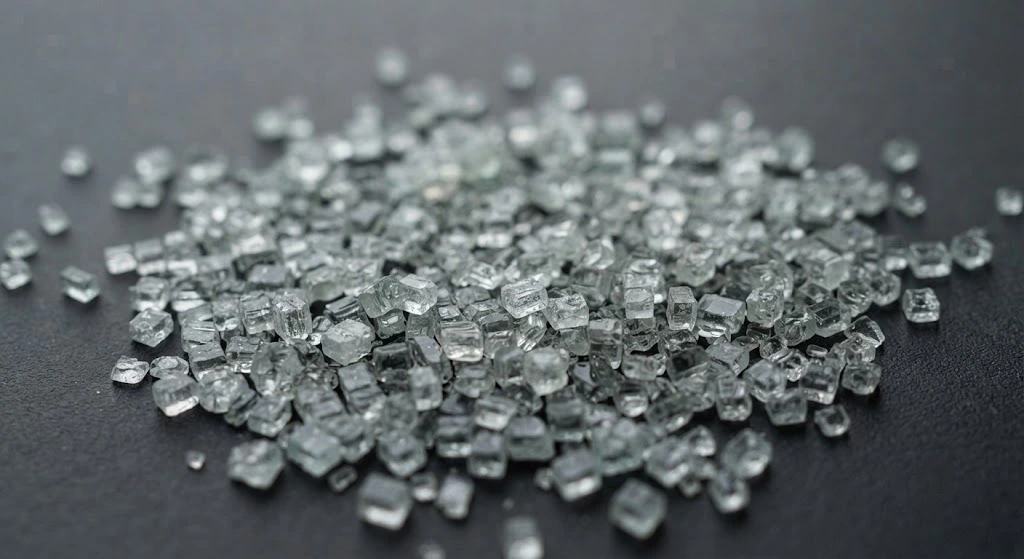
Tempered glass is a type of safety glass made stronger through a heating and rapid cooling process. It’s four to five times stronger than regular glass and breaks into small, blunt pieces instead of sharp shards. You’ll find it in windows, shower doors, phone screens, car windows, and appliances.
You’ve probably touched tempered glass today without even knowing it. It’s in your phone screen, your car windshield, your oven door, maybe even your shower enclosure. This material is everywhere, but most people never stop to ask what makes it different from the glass in a regular window pane.
Here’s the short version. Tempered glass is regular glass that’s been heated up and then cooled down fast. That process changes its internal structure completely. The result is glass that’s stronger, safer, and better at handling heat than the standard stuff.
Let’s break down exactly what tempered glass is, how it’s made, and why it shows up in so many places around your home and daily life.
What Does Tempered Glass Mean
Tempered glass is a type of safety glass that goes through a heat treatment process to boost its strength. Manufacturers also call it toughened glass. Either name refers to the same product: glass that’s been engineered to resist breaking and, when it does break, to do so in a way that won’t hurt you.
The magic happens through something called thermal tempering. Regular glass, known as annealed glass, cools slowly and evenly after it’s made. Tempered glass takes a different path. It gets heated to a high temperature and then blasted with cold air very quickly. This uneven cooling is exactly what gives tempered glass its special properties.
The outside of the glass cools first and hardens into place. The inside stays warmer a bit longer and keeps trying to contract. This creates a tug of war inside the glass. The outer surfaces end up under compression, and the inner layers end up under tension. That internal stress is the secret behind everything tempered glass can do.
How Tempered Glass Is Made
The process starts with a sheet of ordinary annealed glass cut to the right size and shape. Any edge work, like grinding or drilling holes, needs to happen before tempering begins. Once the glass is tempered, you can’t cut, drill, or resize it anymore. Trying to do so will just cause it to shatter.
The glass then goes into a furnace and heats up to around 700 degrees Celsius. That’s hot enough to soften the glass without melting it. Workers watch the temperature closely because getting it wrong at this stage ruins the whole batch.
After heating, the glass comes out and gets hit with jets of cold air from every direction at once. This step is called quenching, and it happens fast. The rapid cooling locks in that compression-tension structure we talked about earlier. Once the glass cools completely, the tempering is done, and the glass is ready to use.
Key Properties of Tempered Glass
Tempered glass isn’t harder than regular glass, and it’s not more scratch-resistant either. What changes is its toughness, meaning how much force it can absorb before breaking. Tempered glass is typically four to five times stronger than the same thickness of annealed glass.
That strength comes from the compression on the surface. Cracks usually start at tiny flaws on a glass surface, and compressed surfaces resist those cracks from forming in the first place. You need a lot more force to damage tempered glass than you would with standard glass of the same size.
Thermal resistance is another standout property. Tempered glass can handle sudden temperature swings much better than annealed glass. Regular glass can crack if one side gets hot while the other stays cool, which is a real risk near ovens, fireplaces, or direct sunlight. Tempered glass shrugs off these temperature differences without cracking.
Then there’s the safety factor, which is really the whole point of tempering in the first place. When tempered glass finally does break, it doesn’t shatter into long, sharp shards like a broken window. Instead, it crumbles into small, blunt chunks that look almost like rock salt. Those pieces are far less likely to cut you compared to jagged glass shards.
Tempered glass also holds up well over time. It doesn’t weaken with age the way some materials do. As long as the edges stay undamaged and it’s installed correctly, tempered glass can last for decades without losing its strength or safety properties.
Where You’ll Find Tempered Glass

Cars rely heavily on tempered glass for side and rear windows. If a window breaks in an accident, those small blunt pieces are much safer for passengers than sharp shards flying around the cabin. Windshields work a bit differently since they use laminated glass, but the rest of a car’s windows are almost always tempered.
Your kitchen is full of tempered glass too. Oven doors need to handle intense heat without cracking, so tempered glass is the natural choice. Microwave windows, stovetop panels, and refrigerator shelves all use it for the same reason. Cookware brands also temper glass bakeware so it can go straight from the fridge to a hot oven.
Bathrooms are another common spot. Shower doors and enclosures take a beating from moisture, temperature changes, and the occasional bump. Tempered glass handles all of that while still looking clean and modern. It’s become the standard choice for frameless shower designs in particular.
Buildings and homes use tempered glass constantly for safety reasons. Building codes in many places actually require it for doors, large windows near floors, railings, and other spots where people might come into contact with the glass. You’ll see it in storefronts, office partitions, skylights, and stair railings. Architects like it because it holds up under structural stress while still letting light through.
Your phone screen is probably tempered glass too, or at least a version of it. Many smartphone screens use a chemically strengthened glass that works on similar principles to thermal tempering, giving you a screen that resists cracks from everyday drops and scratches.
Furniture makers also turn to tempered glass for tabletops, shelving units, and cabinet doors. It handles daily wear and tear better than regular glass and won’t turn into a hazard if something heavy knocks it over. Solar panel manufacturers use it too, since it protects the panel underneath while standing up to years of outdoor weather.
Tempered Glass Versus Regular Glass
The difference comes down to how each type breaks. Annealed glass shatters into large, jagged pieces with edges sharp enough to cause serious cuts. Tempered glass breaks into small, rounded chunks that are far less dangerous to be around.
Strength is the other big difference. Tempered glass can absorb far more impact before it breaks compared to the same thickness of annealed glass. This makes it a better fit anywhere people are likely to bump into the glass or where it needs to support weight.
One tradeoff worth knowing is that tempered glass can’t be cut or modified after tempering. Annealed glass can be cut to custom sizes at almost any point. If you need a custom shape, that work has to happen before the tempering process, not after.
How to Tell If Glass Is Tempered
Manufacturers usually stamp a small logo or marking in one corner of tempered glass panels. This mark, sometimes called a bug, confirms the glass went through certified tempering. It’s often etched into the corner and can be hard to spot unless you’re looking for it directly.
You can also check the manufacturer’s specs or ask the installer directly, especially for something like a shower door or window where safety matters. If you’re ever unsure, a professional glass installer can tell you what type of glass you’re dealing with just by inspecting it closely.
Final Thoughts
Tempered glass earns its spot in so many products because it solves a real problem. Regular glass breaks into dangerous shards, and tempered glass doesn’t. That single difference, paired with its added strength and heat resistance, explains why you’ll find it in your car, your kitchen, your bathroom, and probably your pocket.
Next time you look at your phone screen or step into a glass shower, you’ll know exactly what’s protecting you and why it was built that way.


Comments are closed.