
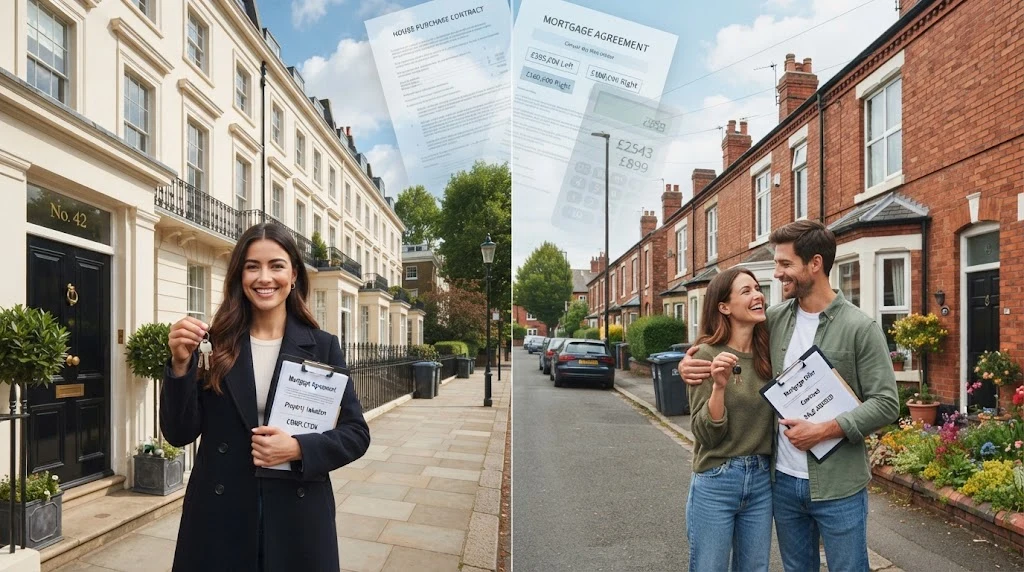
Stamp Duty Land Tax (SDLT) is a tax paid when buying property in England above certain price thresholds. London buyers pay more because average property prices are much higher than in other regions. Nearly 80% of first-time buyers in London pay stamp duty, compared with fewer than 10% in many parts of Northern England, where homes are more likely to fall below the tax-free threshold.
Buying a home in England involves more than saving for a deposit. Buyers also need to budget for legal fees, surveys, mortgage costs, and stamp duty. While stamp duty applies across England, its impact is far from equal.
For many first-time buyers in Northern England, stamp duty is not a concern because house prices remain below the tax-free threshold. In London and parts of Southern England, however, rising property prices mean thousands of buyers must pay a significant tax bill before they can collect the keys to their new home.
Recent housing market data shows that nearly 8 in 10 first-time buyers in London now pay stamp duty, while fewer than 1 in 10 buyers in many northern regions face the same cost. This difference highlights how regional house prices have changed the way stamp duty affects buyers across the country.
Key Takeaways
| Finding | Details |
|---|---|
| London buyers pay the most | Nearly 80% of first-time buyers in London pay stamp duty. |
| Northern buyers pay less | Most first-time buyers in Northern England buy below the tax-free threshold. |
| Southern England is most affected | Around half of first-time buyers in the South East and East of England pay stamp duty. |
| Home movers face higher costs | Existing homeowners usually pay stamp duty regardless of where they live. |
| House prices matter | Higher property values increase both the number of buyers paying tax and the amount they owe. |
What Is Stamp Duty?
Stamp Duty Land Tax (SDLT) is a tax paid when purchasing residential property in England and Northern Ireland above certain price thresholds.
The amount you pay depends on several factors, including:
- The property’s purchase price
- Whether you’re a first-time buyer
- Whether you’re replacing your main home
- Whether you’re buying an additional property
Unlike a mortgage deposit, stamp duty must usually be paid shortly after completing the purchase. Buyers need to budget for this cost well before moving day.
Why Location Makes Such a Big Difference
Stamp duty rules are the same across England, but house prices are not.
The biggest factor determining whether a buyer pays stamp duty is the price of the property. Areas with lower house prices naturally have fewer buyers crossing the tax threshold.
For example, buyers in cities across Northern England often purchase homes below the first-time buyer relief limit. As a result, many pay no stamp duty at all.
In contrast, buyers in London regularly purchase homes well above the threshold, making stamp duty an unavoidable part of the buying process.
First-Time Buyers Benefit from Tax Relief
One of the biggest advantages available to first-time buyers is stamp duty relief.
Under the current rules, first-time buyers purchasing homes worth up to £300,000 pay no stamp duty. This helps reduce the upfront cost of buying a first home.
However, this relief becomes less useful in areas where average house prices exceed £300,000. That’s exactly what has happened across much of Southern England.
As property prices have increased over the past decade, more buyers now find themselves above the relief threshold even when purchasing modest homes.
Why London Buyers Are Hit the Hardest
London remains England’s most expensive housing market.
With average first-time buyer property prices approaching £475,000, most buyers exceed the tax-free threshold by a considerable margin.
This means:
- Nearly 80% of first-time buyers pay stamp duty.
- The typical tax bill is around £8,750.
- Buyers must save this money in addition to their deposit and moving costs.
For many households, this creates another financial hurdle before completing their purchase.
Instead of spending that money on renovations, furniture, or emergency savings, buyers must allocate it toward tax.
Southern England Is Reaching a Tipping Point
London is not the only region where buyers face rising stamp duty costs.
In the South East and East of England, around half of first-time buyers now pay stamp duty because average house prices have climbed beyond the relief threshold.
This trend reflects years of property price growth rather than changes to buyers’ incomes.
As homes become more expensive, more people are drawn into paying stamp duty even if tax rates remain unchanged.
First-Time Buyer Stamp Duty by Region
| Region | Buyers Paying Stamp Duty |
|---|---|
| North East | 2.1% |
| Yorkshire & Humber | 3.8% |
| North West | 6.2% |
| West Midlands | 9.3% |
| East Midlands | 12.2% |
| South West | 21.2% |
| South East | 51.0% |
| East of England | 52.0% |
| London | 79.7% |
The regional differences are striking.
In the North East, almost every first-time buyer purchases below the relief threshold. In London, however, paying stamp duty has become the norm rather than the exception.
Why Northern Buyers Pay Less
The lower rate of stamp duty in Northern England is not due to different tax rules. Instead, it reflects more affordable housing.
Many first-time buyers in regions such as Yorkshire, the North East, and the North West can still purchase homes below £300,000.
This allows them to avoid stamp duty altogether and direct more of their savings toward their deposit, moving costs, or home improvements.
Lower upfront costs can also make it easier for buyers to enter the housing market sooner.
House Prices Continue to Shape Tax Bills
Every increase in house prices pushes more buyers closer to the stamp duty threshold.
In regions where prices have grown steadily over several years, buyers who previously paid no tax may now face bills worth several thousand pounds.
This phenomenon affects affordability even if mortgage rates remain stable.
For many households, saving an extra £5,000 to £10,000 can delay buying a home by months or even years.
Stamp Duty Is Only One Part of Buying Costs
While stamp duty often receives the most attention, it is only one of several expenses involved in purchasing a property.
Buyers should also budget for:
- Mortgage arrangement fees
- Solicitor or conveyancing charges
- Property surveys
- Valuation fees
- Removal costs
- Home insurance
- Initial repairs and decorating
When combined, these costs can add thousands of pounds to the total amount required before moving into a new home.
Stamp Duty Is Almost Unavoidable for Home Movers
While first-time buyers receive valuable tax relief, existing homeowners face a very different situation.
Anyone selling their current home and purchasing another property is generally subject to the standard Stamp Duty Land Tax (SDLT) rates. As a result, stamp duty becomes an expected part of moving costs rather than an occasional expense.
Recent housing market data shows that more than four out of five home movers pay stamp duty in every English region except the North East. In Southern England, the proportion is even higher, with almost every home mover paying the tax.
Southern Homeowners Face the Largest Bills
The amount paid by home movers varies significantly depending on where they buy.
In Northern England, the average stamp duty bill remains relatively modest because property prices are lower. Home movers in Yorkshire and the North West typically pay around £2,200.
The picture changes dramatically in Southern England.
In the South East, the average stamp duty bill for a home mover is around £11,250. In London, where the typical home mover purchases a property worth around £600,000, the average tax bill reaches £20,000.
For many families, this represents one of the largest upfront costs associated with moving home.
Regional Comparison for Home Movers
| Region | Home Movers Paying Stamp Duty | Typical Stamp Duty Bill |
|---|---|---|
| North East | 63.5% | £1,500 |
| Yorkshire & Humber | 82.8% | £2,200 |
| North West | 84.0% | £2,200 |
| West Midlands | 90.4% | £3,250 |
| East Midlands | 91.5% | £3,000 |
| South West | 92.5% | £5,000 |
| South East | 96.6% | £11,250 |
| East of England | 96.4% | £10,000 |
| London | 99.1% | £20,000 |
These figures highlight how property values influence the cost of moving. The same tax rules apply nationwide, but buyers in more expensive markets pay considerably more because they purchase higher-priced homes.
How Stamp Duty Can Slow the Housing Market
Stamp duty does more than increase buying costs. It can also influence how often people move.
When moving home becomes more expensive, many homeowners decide to stay where they are for longer. Instead of upgrading to a larger property or downsizing after retirement, they postpone their plans because the additional tax makes moving less affordable.
This creates a ripple effect across the housing market.
Fewer homeowners moving means fewer existing properties become available for sale. That reduces the number of homes first-time buyers can choose from, making it harder for new buyers to enter the market.
Housing experts often describe this as a “gridlock” effect because activity slows across the entire property chain.
The Impact of Fiscal Drag
Another factor increasing stamp duty costs is something economists call fiscal drag.
Fiscal drag occurs when tax thresholds remain unchanged while property prices continue to rise.
The current threshold where the 5% stamp duty rate begins for home movers has remained in place for many years. During that time, house prices have increased across much of England.
As a result, buyers are paying more tax even though the tax rates themselves have not changed.
If the thresholds had risen alongside average property prices, many buyers would now face significantly lower stamp duty bills.
Current Stamp Duty Rules for First-Time Buyers
Understanding the current thresholds can help buyers estimate their costs before making an offer.
If the property costs up to £300,000
Eligible first-time buyers pay no stamp duty.
If the property costs more than £300,000
Stamp duty is charged only on the amount above the £300,000 threshold, provided the purchase qualifies for first-time buyer relief.
Be aware of higher-priced purchases
Once a property exceeds the qualifying limit for first-time buyer relief, different stamp duty rules apply. Buyers considering more expensive homes should calculate their total tax bill before agreeing on a purchase price.
Stamp Duty Tips for Buyers
Although stamp duty cannot usually be avoided, buyers can prepare for it with careful planning.
Some practical tips include:
- Calculate stamp duty before viewing properties.
- Include the tax in your overall moving budget.
- Keep additional savings for legal fees and unexpected costs.
- Speak with your mortgage adviser about your total cash requirement.
- Avoid stretching your budget to the absolute maximum purchase price.
Planning ahead can help prevent financial surprises shortly before completion.
Why Regional Differences Are Likely to Continue
Property prices remain the biggest factor affecting stamp duty payments.
Unless house prices fall significantly or tax thresholds are adjusted, buyers in London and Southern England will continue to pay much higher stamp duty than buyers elsewhere in England.
This difference reflects regional affordability rather than regional tax policy.
As long as average house prices remain well above the first-time buyer relief threshold in London, a large proportion of buyers there will continue to face substantial tax bills.
What This Means for First-Time Buyers
For buyers entering the housing market, stamp duty is one more cost that must be planned for alongside deposits, mortgage fees, and moving expenses.
Those purchasing in Northern England are generally in a stronger position because more homes remain below the tax-free threshold.
In contrast, buyers in London and parts of Southern England often need to save thousands of pounds in addition to their deposit before they can complete their purchase.
Understanding these regional differences can help buyers set realistic budgets and avoid unexpected costs during the home-buying process.
Conclusion
Stamp duty affects buyers across England, but its impact is far from equal. While most first-time buyers in Northern England pay little or no stamp duty thanks to lower house prices, many buyers in London and Southern England face substantial tax bills before they can complete their purchase.
The figures show that regional house prices, rather than different tax rules, are driving these differences. As more areas see property values rise above the current relief thresholds, an increasing number of buyers are being drawn into paying stamp duty.
For home movers, the challenge is even greater. Without the relief available to first-time buyers, stamp duty has become an almost unavoidable cost that can add thousands—or even tens of thousands—of pounds to the price of moving.
Before making an offer on any property, buyers should calculate their likely stamp duty bill, include it in their overall budget, and seek professional financial or legal advice where necessary. Proper planning can make the buying process smoother and reduce the risk of unexpected costs at completion.


Comments are closed.