
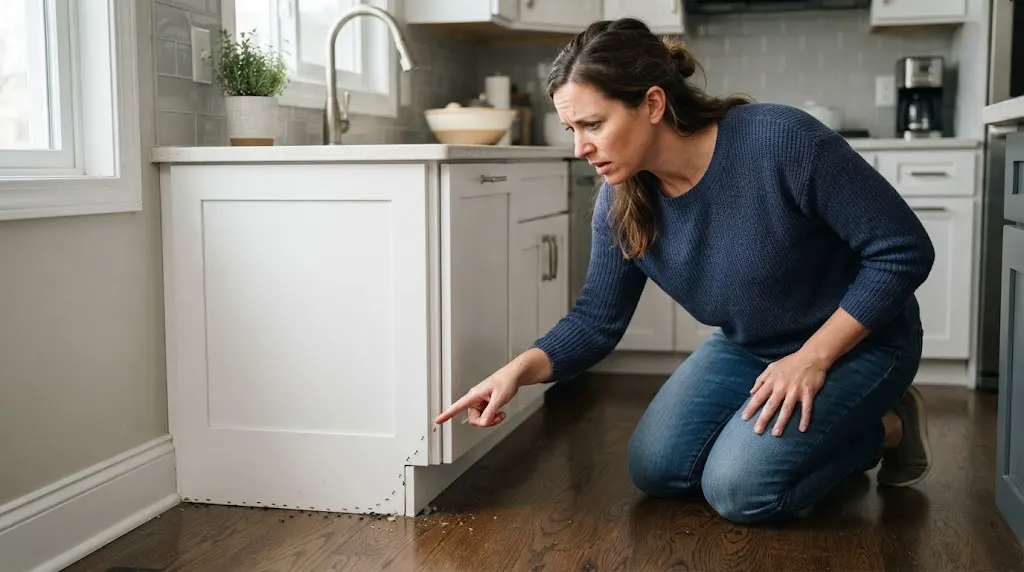
The biggest pest control mistakes homeowners make are ignoring early signs, misidentifying the pest, using the wrong product, and waiting too long to call a professional. Each mistake gives pests more time to spread, which turns a cheap fix into an expensive repair bill later.
Pests never announce themselves politely. One day you spot a single ant near the sink, and a few weeks later you’re dealing with a trail that stretches across the kitchen floor. Most homeowners don’t lose money because they ignored pests completely. They lose money because they handled the problem the wrong way, at the wrong time, with the wrong tools.
This article walks through the mistakes that quietly drain wallets, and why a professional visit early on usually costs far less than fixing the damage later.
Ignoring the Early Warning Signs
A few droppings behind the pantry. A faint scratching sound at night. A musty smell in the basement that wasn’t there last month. These small clues feel easy to brush off, especially when life is busy and nothing looks urgent yet.
Pests don’t wait for a convenient time to multiply. A single pair of mice can produce dozens of offspring within a few months. Termites can chew through structural wood for years before anyone notices sagging floors or hollow-sounding beams. By the time the damage becomes obvious, the fix is no longer simple.
Catching these signs early is the cheapest form of pest control there is. It costs nothing but attention.
Guessing at the Pest Instead of Identifying It
Not all bugs are the same, even when they look similar. Carpenter ants and termites, for example, get mixed up constantly, yet they call for completely different treatments. One recent industry study found that most people who try to treat pests on their own misidentify the species, which means they end up fighting the wrong battle from the start.
Treating a termite problem like an ant problem doesn’t just waste a spray bottle. It buys the actual pest more time to spread through your walls while you deal with the wrong enemy. Every week spent guessing is a week the real infestation grows.
If you’re not sure what you’re looking at, a photo and a quick call to a pest control company can save you from treating the wrong target entirely.
Grabbing the Wrong Product Off the Shelf
Store shelves are full of sprays, foggers, and traps promising fast results. Most of these products are built for general use, not for a specific infestation hiding behind your baseboards or inside your attic insulation. They kill what they touch on the surface, but they rarely reach the nest, colony, or breeding area where the real problem lives.
This creates a frustrating cycle. You spray, some pests die, and the rest simply move deeper into the house or become harder to kill the next time. Homeowners often repeat this cycle for months, buying product after product, before finally calling a professional anyway. By then, they’ve spent more on failed attempts than a single expert visit would have cost.
Professional treatments use tools and formulas matched to the exact pest and its hiding spots. That precision is exactly what a general store-bought spray can’t offer.
Treating Symptoms Instead of the Source
Killing the pests you can see feels productive, but it rarely solves anything if the source stays untouched. A trail of ants usually leads back to a colony you can’t see. A few cockroaches under the stove often point to a much larger group living inside the walls.
Focusing only on what’s visible means the problem keeps coming back, again and again, no matter how many times you clean it up. Homeowners end up spending money on repeat treatments for the same issue instead of solving it once. This is one of the most common reasons DIY pest control fails to hold long term.
A proper inspection traces the problem to where it actually starts. That’s the difference between a one-time fix and a recurring headache.
Overusing Chemicals in a Rush to Fix Things
When a spray doesn’t work right away, it’s tempting to apply more, mix products together, or spray areas that don’t actually need it. This approach can backfire fast. Overapplying pesticides or combining products that aren’t meant to mix can create health risks for your family and pets, and it can also stain surfaces or damage materials in your home.
Pest control chemicals are designed to work at specific concentrations and application rates. Going beyond those limits doesn’t make the treatment more effective. It just increases the risk of exposure, property damage, and cleanup costs you didn’t plan for.
Licensed technicians know exactly how much product a space needs and how to apply it safely. That training is part of what you’re actually paying for.
Skipping the Inspection Step
Many homeowners jump straight to treatment without ever confirming the full scope of the problem. They see pests in one room and assume that’s where it ends, without checking the attic, crawl space, or areas behind large appliances.
Pests rarely stay confined to one spot. An inspection maps out every entry point, nesting area, and vulnerable zone in the house before any treatment begins. Skipping this step means you might treat one room thoroughly while the infestation quietly continues somewhere else.
Most professional pest control companies offer inspections at little or no cost. It’s one of the easiest ways to avoid paying twice for the same problem.
Sealing Entry Points the Wrong Way, or Not at All
Cracks around windows, gaps under doors, and small openings near pipes are easy entry points for pests. Some homeowners never seal them. Others seal them with the wrong material, like caulk that rodents can chew through in minutes.
Every unsealed gap is basically an open invitation. You can treat the inside of your home as often as you like, but new pests will keep finding their way back in through the same opening. This turns pest control into an endless cycle instead of a solved problem.
Professionals know which materials actually hold up against different pests, whether that’s steel wool for rodents or specific sealants for insects. Getting this step right the first time saves you from repeating the whole process later.
Waiting Too Long to Call a Professional
This might be the costliest mistake of all. Homeowners often try DIY methods for weeks or months, hoping the next product will finally work. Meanwhile, the infestation keeps growing in the background, out of sight.
By the time a professional gets involved, the job is no longer a simple treatment. It can now include structural repairs, replacing damaged insulation, or dealing with resistant pest populations that have learned to survive weak treatments. What could have been a straightforward, affordable visit turns into a much larger project with a much larger bill.
Calling early doesn’t just solve the pest problem faster. It protects your home from the damage that pests cause while you wait.
What Professional Treatment Actually Saves You
A professional visit isn’t just about killing pests you can see. Technicians use treatments designed to keep working for weeks after the visit, not just for a day or two. They carry insurance that protects your home if anything goes wrong during treatment, something a bottle of store-bought spray will never offer.
They also know how to read the signs correctly the first time, which means less guessing and fewer wasted treatments. That combination of precision, safety, and lasting results is exactly why professional pest control tends to cost less overall than a string of DIY attempts.
The Real Cost Comparison
A single spray bottle might cost twenty dollars. A professional visit might cost closer to a hundred and fifty. On paper, DIY looks cheaper. But that comparison only holds up if the DIY treatment actually works.
In practice, many homeowners spend months buying product after product, watching the infestation grow the entire time. Termite damage alone can run into the thousands once it’s allowed to spread unchecked. A pest problem caught and treated early almost always costs less than one that’s left to grow for months before anyone calls for help.
The cheapest pest control isn’t the least expensive product on the shelf. It’s the treatment that actually solves the problem the first time.
Small mistakes with pests rarely stay small. Watching for early signs, getting the right identification, and calling a professional before the problem spreads are the choices that protect both your home and your wallet.

Comments are closed.