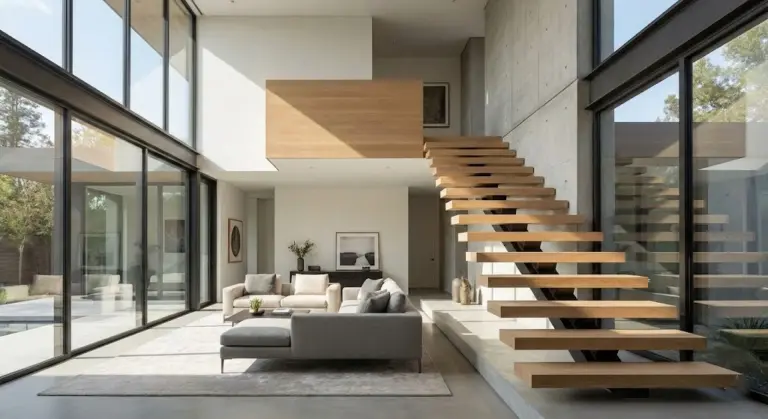
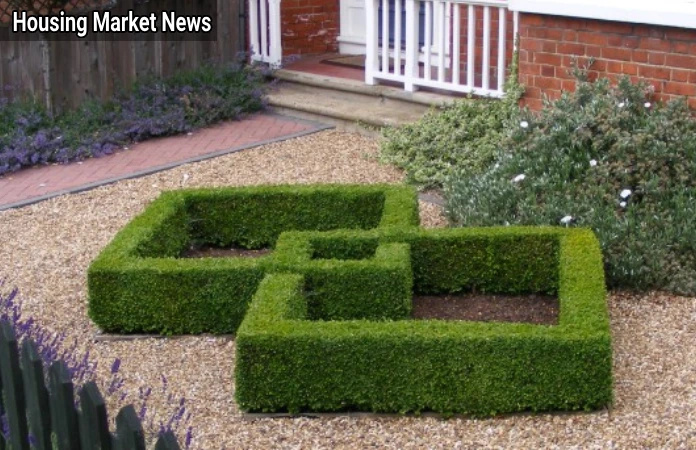
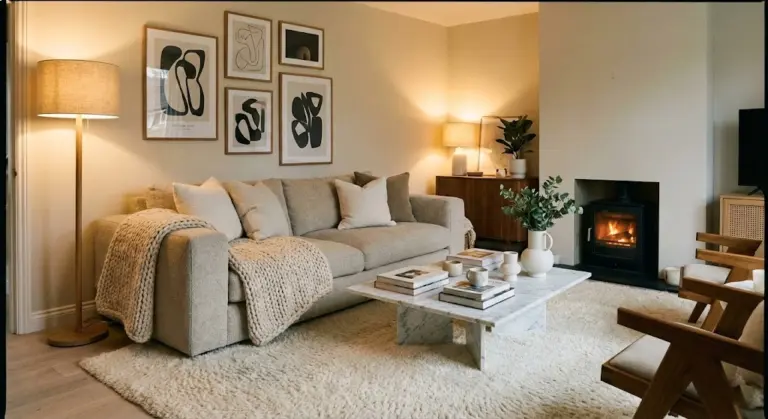
Buying real estate to live in or as an investment is one of the most rewarding things you can ever do. It means providing a stable home and financial environment for yourself and your family. However, while rewarding, it can also be stressful, whether you’re buying your first home or fourth. That’s why it’s so important to have these professionals by your side:
A Buyer’s Advocate
A buyer’s advocate, or a real estate agent who represents buyers, is a valuable expert to rely on during your property journey. They solely represent your interests and help you find, evaluate, and buy a property. They also handle everything from research and negotiations through to the paperwork to help you secure the best terms and price.
A buyer’s advocate saves time and effort by handling the time-consuming research and viewings, and reduces stress by simplifying complex transactions and managing the details. Many of the best can also find ‘hidden’ gems through their contacts and connections. When you’re short on time and knowledge, there is undoubtedly great value in aligning yourself with a buyer’s advocate.
A Real Estate Lawyer
A significant sum of money changes hands during a property transaction. Even during housing market lows, residential properties can still cost hundreds of thousands of dollars. Therefore, legal expertise is critical. As soon as you start shopping for a new property, enlist the services of a real estate lawyer.
They will review all contracts, manage the title search of the property you’re intending to buy to make sure there are no liens or disputes, and handle the closing process. They are integral to a smooth sales process.
Mortgage Broker
Unless you’re paying cash for a property, you’ll likely be seeking a home loan or construction loan to complete your real estate transaction. For a smoother funding process, it makes sense to work with a mortgage broker.
These experts can help you understand your borrowing capacity, assist with the preapproval process, and secure the best possible rates and loan terms through lenders. They also act as an intermediary between you and the lender, saving you time and stress.
A Home or Building Inspector
A property can look fine at a glance, but that doesn’t mean that it is. It can hide several costly problems that cause significant grief and financial stress later on. That’s why engaging a building inspector is essential.
They will conduct a professional home inspection to assess the physical condition of the property you wish to purchase. This process involves inspecting the structure, roof, foundation, plumbing, electrical, and HVAC systems. Their job is to identify issues or hidden defects and bring them to your attention so you can make a well-informed decision about the purchase.
An Insurance Agent
Whether you’re buying a home for yourself or as an investment, you want to protect it at all costs. Don’t underestimate the importance of meeting with an insurance agent to secure appropriate coverage. Comprehensive insurance policies provide protection for fire, theft, natural disasters, and other events.
Whether you’re buying a house for the first time or are a seasoned professional, it pays to involve as many industry professionals as possible. At a minimum, don’t underestimate the value of a buyer’s advocate, a lawyer, an insurance agent, a mortgage broker, and a building inspector to guide you to a successful property purchase. They can save significant time and stress.
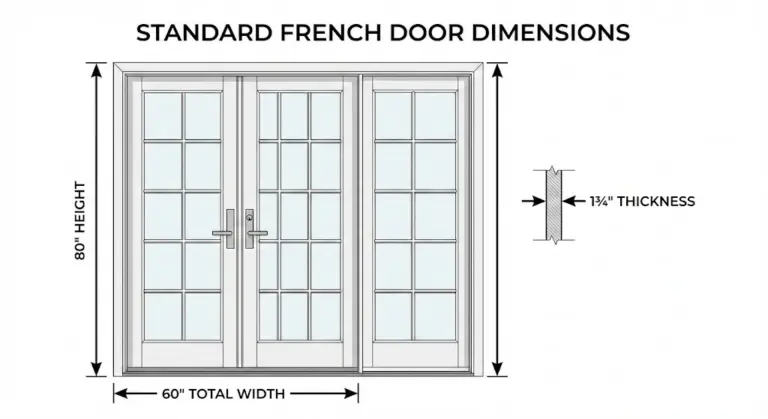
Standard French doors are 80 inches tall and come in widths of 36, 48, and 60 inches. For double doors, each panel typically measures 36 inches wide, creating a 72-inch total opening with 1¾-inch thickness.
French doors bring natural light and classic charm into your home. Whether you’re connecting your living room to a patio or adding style between rooms, understanding the right size matters. Getting the measurements wrong can lead to installation headaches and costly returns.
This guide walks you through everything you need to know about French door dimensions. You’ll learn standard sizes, how to measure your space, and what to consider before buying.
What Are the Standard French Door Dimensions?
French doors typically stand 80 inches tall, matching standard interior door heights. Common heights include 80, 84, 92½, and 96 inches for spaces with higher ceilings.
The width changes based on whether you want single or double doors. Single French doors work well for smaller spaces like closets or pantries. Double French doors create wider openings perfect for patios and main entryways.
Door thickness measures either 1¾ inches or 1 9/16 inches, which affects hardware compatibility and strength.
Single French Door Sizes
Single French doors are ideal for smaller interior spaces like offices and hallways
Single French doors come in widths of 18, 24, 28, 30, 32, and 36 inches. These doors fit tight spaces where you want glass panels but can’t accommodate double doors.
The 32 x 80 inch size has become popular because it meets accessibility requirements. This size provides enough clearance for wheelchairs while adding style to any room.
The most popular single door sizes are 30 x 80 and 36 x 80 inches. These dimensions work for most home offices, bedrooms, and hallways without requiring custom orders.
Double French Door Sizes
Double French doors create wide openings and bring in maximum natural light
Double doors create dramatic entrances and let maximum light through. Common double door widths include 36, 48, 56, 60, 64, and 72 inches for the complete unit.
When manufacturers list double door sizes, they mean the total width when both panels are installed. A 60-inch double door has two 30-inch panels side by side.
Most double door sets range from 60 to 72 inches wide, though narrower pairs around 48 inches and wider setups pushing 96 inches exist. The 60-inch width works best for most exterior applications, giving you enough space to move furniture in and out.
Popular double door combinations include two 24-inch panels totaling 48 inches, two 30-inch panels totaling 60 inches, and two 36-inch panels totaling 72 inches.
Exterior French Door Sizes
Exterior French doors are designed for durability, insulation, and weather resistance
Exterior doors should be at least 60 inches wide to provide sufficient opening for furniture and foot traffic, making 80 x 60 inches the most common exterior size.
Exterior doors face weather, so they need proper sizing for sealing and insulation. Standard exterior French doors have heights of 80 inches and widths ranging from 36 to 72 inches.
For homes with grand entrances or large patios, wider options exist. Exterior French doors measure from 5 to 8 feet wide, with massive houses accommodating doors up to 10 feet in width.
Taller ceiling heights require taller doors to maintain proper proportions. French doors measuring 96 inches or more in height suit rooms with extended ceiling heights.
Interior French Door Sizes
Interior French doors add openness while maintaining room separation
Standard interior French doors measure 80 inches high by 36 inches wide per door, creating an overall 72-inch opening when installed side by side.
Interior doors don’t need the same weather resistance as exterior models. This means you can choose from thinner options and smaller sizes that work in tight spaces.
Interior doors can be as narrow as 30 inches per door, though 36 inches per door is more common and practical. The extra width makes moving through the doorway easier and feels less cramped.
Think about furniture placement before choosing your interior door size. Will you need to move a king bed through the opening? Can the doors swing freely without hitting a couch or table?
Understanding Rough Opening Measurements
Correct rough opening measurements ensure smooth French door installation
The rough opening isn’t the same as your door size. It’s the space cut into your wall before the door frame gets installed.
To calculate the width of a single door, add 2 inches to your measurement. For double doors, multiply the single slab width by 2, then add 2 inches. For height, add 2½ inches to your door measurement.
Here’s an example: if you want a 60 x 80 inch double French door, your rough opening should measure 62 x 82½ inches. This extra space accounts for the frame, shims, and threshold needed for proper installation.
Getting the rough opening right matters. Too small means your door won’t fit. Too large creates gaps that let air through and make installation difficult.
How to Measure for French Doors
Always measure width, height, and depth before ordering French doors
Accurate measurements prevent costly mistakes. You’ll need a tape measure, pen, paper, and possibly a helper for hard-to-reach spots.
Start by clearing the area around your doorway. Remove furniture and decorations that might block your access to the frame.
Measure width across the top, middle, and bottom of the door opening, then use the smallest measurement. Openings aren’t always perfectly square, especially in older homes. Using the smallest width ensures your door will fit.
For height, measure from the floor to the top of the frame on the left and right sides, then use the largest measurement. This approach accounts for uneven floors or settling that happens over time.
Don’t forget depth. Walls are generally 4 to 6 inches deep, but confirm this measurement. Thicker walls need deeper frames to accommodate the full wall depth.
Write everything down. A simple sketch showing where you took each measurement helps you remember the details when ordering.
Factors That Affect Size Selection
Room size plays a big role in door selection. Larger rooms handle bigger doors without feeling cramped. Smaller rooms need smaller doors to maintain proper proportions.
Traffic flow matters too. Doors should open in a direction that doesn’t block walkways or create bottlenecks when people move through your home.
Larger doors let in more natural light, while smaller doors provide more privacy. Think about how each room gets used and what balance works best.
Door swing requires planning. Double doors need more clearance than single doors. Map out the swing area before buying to make sure furniture placement won’t interfere with opening and closing.
Floor condition affects installation. Uneven floors can cause doors to drag or create gaps at the bottom. Measure from multiple floor points to catch any irregularities.
Wall space includes more than just the door opening. Frame, trim, and handles add 1 to 2 inches on each side. Factor this into your measurements to avoid surprises.
Standard vs Custom French Doors
Standard sizes cost less and arrive faster than custom options. Most home improvement stores stock common sizes, making replacement simple if damage occurs.
Standard sizes fit most openings without extensive customization, though custom sizes offer flexibility for unique spaces.
When should you consider custom? Older homes often have non-standard openings. Historic properties built before modern standards might need custom doors to match original dimensions.
Unique architectural features also call for custom work. Arched doorways, unusually tall ceilings, or extra-wide openings may require doors built to specification.
Budget affects this decision too. Custom doors cost significantly more than standard sizes. Installation also takes longer since doors need to be manufactured to your specifications.
Door Thickness and What It Means
The most common French door thickness is 1¾ inches, with 2¼ inches providing extra strength for exterior applications.
Thickness impacts several factors. Thicker doors offer better insulation, which matters for exterior applications. They also provide more stability and resist warping better than thinner options.
Hardware compatibility depends on thickness. Door thickness dictates what hinges and locks can be installed. Make sure your chosen hardware matches your door thickness before buying.
Thicker doors generally last longer and feel more solid when opening and closing. They absorb sound better too, which helps with privacy between rooms.
Materials and Their Impact on Size
French doors come in wood, aluminum, steel, fiberglass, and composite materials. Each material affects weight, durability, and available sizes.
Wood doors are available in thicknesses of 1¾ or 2¼ inches and offer classic appearance with customization options. Wood expands and contracts with humidity, so proper sealing matters for exterior applications.
Aluminum doors are lightweight and weather-resistant. Aluminum typically measures around 1¾ inches thick and works well in modern designs.
Fiberglass provides strength without weight. These doors resist weathering and don’t require as much maintenance as wood options.
Steel offers maximum security and durability for exterior applications. Steel doors handle harsh weather conditions and provide excellent insulation when properly installed.
Common Mistakes to Avoid
Measuring the old door instead of the opening leads to incorrect sizing. Always measure the actual opening in the wall, not the door you’re replacing.
Assuming standard sizes in older homes causes problems because pre-1950s homes often feature non-standard openings. That 36-inch opening might actually measure 35 or 37 inches.
Ignoring furniture placement creates daily frustration. Beautiful doors lose appeal if they swing into your couch or block access to other rooms.
Forgetting about swing clearance means doors that can’t open fully. Make sure nothing blocks the path when doors swing through their full range of motion.
Not accounting for trim and hardware leaves you short on wall space. The door itself plus frame, trim, and handles need more space than just the door slab dimensions.
Final Thoughts on Choosing Your French Door Size
French doors add value and beauty to any home. Getting the size right makes installation smooth and ensures your doors function properly for years.
Start with accurate measurements. Take your time and double-check every number. Consider how you use each space and what size creates the best flow.
Standard sizes work for most situations and save money. Custom sizes solve problems when standard options won’t fit, but come with higher costs and longer wait times.
Think about materials, thickness, and hardware before making your final choice. These factors affect appearance, durability, and how well your doors perform their job.
When in doubt, consult a professional. A door installer can verify measurements and catch potential problems before you order. This small investment prevents expensive mistakes and ensures perfect results.
Atascadero, California offers a small-town feel with 290 sunny days annually, crime rates 34% lower than state average, and proximity to beaches. Housing costs average $717,273, with median household income at $83,951, making it family-friendly but expensive.
Thinking about moving to Atascadero? This Central Coast city sits halfway between Los Angeles and San Francisco, about 18 miles north of San Luis Obispo. With a population just under 30,000 people, it offers something many California cities don’t—a genuine small-town vibe without sacrificing access to bigger city amenities. You’ll find yourself weighing the peaceful lifestyle against some real challenges, especially when it comes to your budget.
Before you pack your bags, you need the complete picture. Every city has its bright spots and rough edges. Atascadero is no different. Let’s walk through what life really looks like here.
The Pleasant Climate You’ll Experience Year-Round
Atascadero’s weather ranks as one of its biggest selling points. You’ll enjoy 290 sunny days each year—that’s 85 more than the national average. The city gets just 21 inches of rain annually, with most of it falling during winter months.
Summer temperatures range from the low 70s to mid-90s Fahrenheit. The hottest month is August, when temperatures peak around 85 degrees. You won’t need heavy winter coats here. Winter temperatures stay mild, rarely dropping below freezing. December averages between 43 and 59 degrees, so you can still spend time outdoors comfortably.
The city sits more inland than coastal neighbors, which means warmer, drier summers. You won’t see snow here. The Mediterranean climate creates perfect conditions for outdoor activities almost every day. Whether you want to hike, golf, or just sit outside with your morning coffee, the weather cooperates.
Understanding the Cost of Living
Here’s where things get tough. Atascadero ranks in the top 20% of most expensive places to live in the United States. The median home price sits at $717,273 as of 2024. That’s nearly double the national median of $412,198.
The good news? Atascadero costs about 10% less than the California state average. You’ll save compared to living in San Luis Obispo, which runs 63.9% higher than the national average. Still, you’re looking at a cost of living that’s 31% above the national average overall.
Your monthly expenses will add up quickly. A one-bedroom apartment rents for about $1,651 per month. A two-bedroom apartment costs around $1,930 monthly. For families needing a four-bedroom house, expect to pay $2,470 each month in rent. The median household income of $83,951 helps offset these costs, but you’ll need to budget carefully.
Property taxes run at 0.7%, which is reasonable. The sales tax rate hits 7.8%. Food and transportation costs also run higher than the national average. You’ll need a car here since public transit options are limited.
Safety and Community Feel
Safety matters when choosing where to live. Atascadero delivers solid numbers in this department. The overall crime rate sits 34.2% lower than the rest of California. You’ll find violent crime rates 41.9% lower than the national average, while property crime runs 23.6% below the national average.
The city has 28 sworn police officers serving the community. Residents report feeling safe walking around at night. Most neighborhoods maintain a family-friendly atmosphere where people know their neighbors. The small-town feel means you’ll start recognizing faces at the grocery store and local coffee shops.
That said, some residents mention seeing homeless individuals in public spaces. A few reviews note occasional car break-ins and property crime in certain areas. Like any city, some neighborhoods prove safer than others. Research specific areas before choosing where to live.
The community hosts regular events that bring people together. Music in the Park happens during summer months at the lake. The Farmers Market runs weekly. You’ll find festivals throughout the year, including the Tamale Festival, Lakeside Wine Festival, and Central Coast Cider Festival.
Schools and Education Options
The Atascadero Unified School District serves the area with 12 schools total and 4,338 students. The district ranks #182 out of school districts in California and earns a B+ overall grade from Niche. Public schools receive above-average ratings overall.
Individual school quality varies. Some schools perform well, while others face challenges. The district ranks 570 out of 1,568 districts in California, suggesting room for improvement. Parents report positive experiences with teacher teams and school communication at some schools, particularly at the middle school level.
Atascadero High School ranks #6,650 nationally and #797 in California. Students can take Advanced Placement courses, with a 27% AP participation rate. About 44% of students qualify for free or reduced-price lunch. Mixed reviews suggest some teachers excel while others struggle.
College options exist nearby. California Polytechnic State University (Cal Poly) sits just 18 miles away in San Luis Obispo. Cuesta College offers community college programs. Laurus College provides vocational training options.
Job Market and Income
Employment opportunities exist both locally and in nearby cities. The median household income of $83,951 sits above the state median of $78,672. About 88.5% of residents hold high school diplomas or higher education. Roughly 33% have bachelor’s degrees or higher.
Top local employers include Atascadero State Hospital, Atascadero Mutual Water Company, and Avila Construction. The Atascadero Chamber of Commerce also employs residents. Many people commute 18 miles to San Luis Obispo for work, where more job opportunities exist.
The unemployment rate stays low, and the area scores an A+ for employment according to some rankings. Your commute time averages 23 minutes one way, which sits below the national average of 26 minutes. Most residents need cars since walkability to work remains limited.
Things to Do and Entertainment
Atascadero offers more activities than you might expect for its size. The Central Coast Zoo (formerly Charles Paddock Zoo) is the only accredited zoo on the Central Coast. You’ll see Malayan tigers, flamingos, red pandas, and spider monkeys among the residents.
Outdoor enthusiasts find plenty to explore. Atascadero Lake Park provides walking paths, paddle boats, and picnic areas. Three Bridges Oak Preserve offers hiking trails through oak forests. Stadium Park features trails for walking and running. The city maintains numerous parks and open spaces perfect for families.
Downtown Atascadero centers around El Camino Real and features historic buildings. The 1918 Italian Renaissance-style City Hall offers free docent-led tours on weekdays. The Sunken Gardens across from City Hall make a beautiful spot for photos. The Printery, built in 1915, sits on the National Register of Historic Places.
Food and drink options include local breweries like Dead Oak Brewery and Tent City Beer Company. Wine tasting rooms serve local vintages. Coffee shops provide casual hangout spots. Restaurants range from Mexican food to seafood to burgers. However, dining variety lags behind bigger cities.
Recreation includes Chalk Mountain Golf Course, miniature golf at Mr. Putter’s Putt-Putt, and axe throwing at The Chop Shop. You can take zipline tours at nearby Margarita Adventures. The beach sits less than 18 miles away when you want ocean views.
The Downsides to Consider
No city is perfect. Atascadero has some real drawbacks you should know about. Shopping options are extremely limited. You’ll find grocery stores and pharmacies, but almost no clothing stores except thrift shops and expensive boutiques. For serious shopping, you’ll drive to San Luis Obispo or Paso Robles.
Entertainment options for teens and young adults remain sparse. The city has one movie theater and limited activities for younger crowds. Students and young professionals often complain about the lack of cafes, study spots, and age-appropriate venues. If you’re used to city nightlife, you’ll feel the difference.
The population skews politically conservative, which some residents find unwelcoming. A few reviews mention that people of color sometimes feel judged or unwelcome in the community. The diversity is limited, with 84.9% of the population identifying as white.
Job opportunities within city limits are restricted. You’ll likely need to commute to nearby cities for career advancement. The city lacks major employers in many professional fields. This works fine if you can work remotely, but it limits options for traditional career paths.
Restaurant variety disappoints some residents. You won’t find the same range of ethnic cuisines or high-end dining found in larger cities. Fast food and chains dominate the food scene. The city needs more diverse restaurant options to satisfy all tastes.
Making Your Decision
Atascadero works best for families seeking a safe, quiet community with good weather and outdoor activities. The lower crime rates and small-town feel appeal to parents raising children. Retirees enjoy the mild climate and slower pace of life. Remote workers can take advantage of the quality of life while earning income from elsewhere.
The city struggles to serve young professionals, singles seeking nightlife, and people who need extensive shopping or dining options. If you’re coming from a major city, the limited entertainment and career options might frustrate you. The high cost of living creates real challenges for first-time homebuyers and renters on modest incomes.
Consider your priorities carefully. If you value sunshine, safety, and community over convenience and variety, Atascadero might suit you well. If you need cultural diversity, extensive amenities, and urban excitement, look elsewhere. The city offers a specific lifestyle that works beautifully for some people and falls short for others.
Visit before you commit. Spend a few days exploring neighborhoods, talking to residents, and experiencing daily life. Check out the schools if you have kids. Drive the commute to nearby cities. Eat at local restaurants. Walk around downtown. Your gut feeling after spending time here will tell you more than any article can.
Atascadero isn’t trying to be San Francisco or Los Angeles. It’s a small Central Coast city with oak-lined streets, friendly neighbors, and access to wine country. Know what you’re getting—both the good and the challenging parts—and you’ll make the right choice for your situation.
Building Dreams Activepropertycare helps homeowners transform properties through expert maintenance, garden care, and home improvement guidance. The platform offers practical solutions for creating and maintaining your dream space with professional support and step-by-step resources.
What Building Dreams Activepropertycare Really Means
Your home represents more than four walls and a roof. It’s where memories happen, where comfort lives, and where your biggest investment sits. Building Dreams Activepropertycare understands this connection. The platform exists to bridge the gap between what your property is now and what it could become.
The name tells the whole story. Every property owner has a vision—a dream of how their space should look and feel. Active Property Care turns those dreams into reality through hands-on maintenance, expert advice, and reliable service. They don’t just fix things. They help you create something better.
The company serves homeowners, landlords, and property managers who want less stress and more results. Whether you own a cozy family home, manage rental properties, or oversee commercial buildings, their team brings solutions that work.
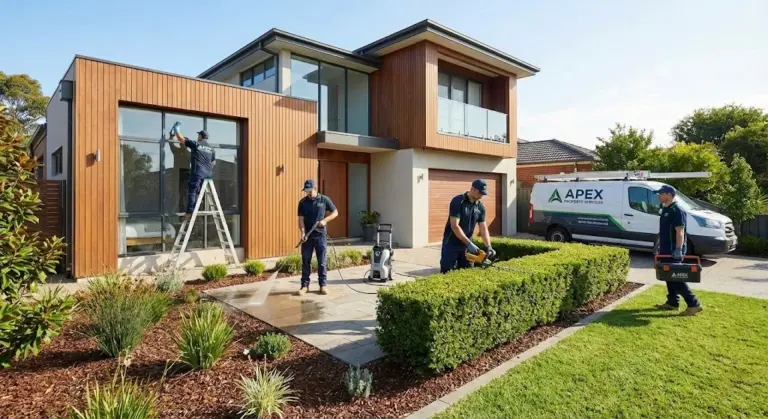
Expert property care turns houses into comfortable, stress-free homes.
How the Platform Transforms Property Care
Active Property Care takes a different approach to maintenance. Most people wait until something breaks. A pipe bursts. Paint peels. The garden dies. Then they scramble to find help. This reactive method costs more money and creates bigger headaches.
The Building Dreams philosophy flips this model. Their system focuses on prevention. Small checks today prevent major repairs tomorrow. A wet patch on the wall caught early saves you from structural damage later. Regular HVAC maintenance keeps your system running for years longer.
The platform adapts to your property’s unique needs. A historic building requires different care than a modern apartment. A rental portfolio faces different challenges than a single family home. Active Property Care customizes every service plan based on your actual situation, not a one-size-fits-all template.
Preventive maintenance helps avoid costly repairs and long-term damage.
Core Services That Build Your Dreams
The maintenance services cover everything from minor fixes to major upgrades. Leaky faucets, broken fixtures, worn flooring—all get handled by trained professionals. The team uses quality materials that last. They understand that cheap fixes today mean expensive problems tomorrow.
From small fixes to major upgrades, professional maintenance keeps properties running smoothly.
Emergency response forms a critical part of their offering. When disaster strikes—a burst pipe, storm damage, electrical failure—you need help fast. Their rapid response team limits downtime and prevents additional damage. For commercial properties and rentals, this quick action protects your income and keeps tenants satisfied.
Garden and landscape care transforms outdoor spaces into beautiful retreats. The experts design gardens that match your climate and lifestyle. They select plants that thrive with minimal maintenance. Sustainable practices like native plants, efficient irrigation systems, and mulching reduce water use and ongoing work.
Interior upgrades breathe new life into tired spaces. Fresh paint, updated flooring, and smart storage solutions make homes feel new again. The team guides you through material choices that balance style with durability. Every improvement aims to increase both comfort and property value.
The Technology Advantage
Modern property care uses technology to work smarter. Smart home devices catch problems before they become emergencies. Leak detectors alert you to water issues immediately. Motion-sensor lights reduce energy costs while improving security. Smart thermostats learn your preferences and save money on heating and cooling.
Active Property Care helps you understand which tech makes sense for your situation. Not every property needs every gadget. The guides explain what’s worth installing and what’s just hype. They show you how to set up systems properly and avoid wasting money on unnecessary features.
Remote monitoring lets you check your property from anywhere. HD cameras with real-time alerts show what’s happening at home while you’re away. Smart locks and automated security systems provide peace of mind. For property managers handling multiple buildings, these tools save countless hours and reduce risk.
Sustainability That Makes Sense
Environmental care doesn’t have to be complicated or expensive. Active Property Care promotes practical green solutions that actually work. Solar panel installations cut energy costs while reducing your carbon footprint. Energy-efficient windows and insulation keep homes comfortable year-round with less heating and cooling.
Water conservation systems make a real difference. Rainwater harvesting supports garden irrigation without tapping municipal supplies. Low-flow fixtures reduce water bills without sacrificing performance. These changes pay for themselves over time while helping the environment.
Material choices matter too. The team recommends durable, low-maintenance options that reduce long-term costs. Vinyl, laminate, and engineered timber floors resist scratches and moisture while staying easy to clean. Quality materials mean fewer replacements and less waste heading to landfills.
Education Through Expert Guides
The Active Property Care website offers more than services. It’s packed with educational resources that help you understand your property better. The guides break down complex topics into simple steps anyone can follow. You don’t need professional training to understand their advice.
Their how-to articles cover common challenges like maintaining HVAC systems, preventing drainage problems, and choosing the right plants for your garden. Each guide includes specific, practical tips you can use immediately. The writing feels like advice from a knowledgeable friend, not a textbook.
The platform teaches you when to DIY and when to call professionals. Some tasks make perfect weekend projects. Others require expertise and specialized tools. Understanding this difference saves you time, money, and frustration. The team shares honest guidance without pushing unnecessary services.
Real Results for Property Owners
Property maintenance protects your investment’s value. Neglected homes lose worth quickly. Deferred maintenance turns into expensive emergency repairs. Tenants leave poorly maintained rentals. Buyers pass on houses that show neglect.
Active Property Care’s preventive approach keeps properties in top condition. Regular inspections catch small issues early. Scheduled maintenance extends the life of major systems like roofs, HVAC units, and plumbing. Well-maintained properties command higher sale prices and attract better tenants.
The peace of mind factor matters too. Knowing your property receives expert care reduces stress. You’re not constantly worrying about what might break next. The team handles details so you can focus on enjoying your space or growing your investment portfolio.
Getting Started Is Simple
Connecting with Active Property Care takes minutes. Their website features clear navigation and easy contact options. You can reach out by phone, email, or through their online form. The team responds quickly with helpful information, not pushy sales tactics.
The initial consultation assesses your property’s current condition and future needs. A team member inspects your space and discusses your goals. Whether you need routine maintenance, specific repairs, or a complete property transformation, they create a customized plan that fits your budget.
Service agreements provide transparency from the start. You know exactly what work will happen, when it will occur, and what it will cost. No surprises, no hidden fees. This honest approach builds trust and long-term relationships.
Why the Building Dreams Approach Works
The name Building Dreams Activepropertycare captures their entire philosophy. Dreams represent your vision—the home or property you imagine. Active means taking steps today to reach that vision. Property care provides the expertise and service to make it happen.
Every project, whether small or large, receives the same attention to detail. The team treats your property like their own. They understand that behind every maintenance task stands a person who cares about their space. That human connection drives their commitment to quality.
Success means more than completing a job. It means seeing the satisfaction on a homeowner’s face when work exceeds expectations. It means helping property managers keep tenants happy. It means supporting your dreams with reliable, professional service.
Moving Forward With Confidence
Building Dreams Activepropertycare offers property owners a better path. Instead of reactive repairs and constant worry, you get proactive care and genuine support. The platform combines professional service, educational resources, and modern technology to protect your investment.
Your property deserves expert attention. Whether you’re maintaining a family home, managing rentals, or overseeing commercial buildings, Active Property Care delivers solutions that work. They help you build the dream space you envision, then keep it looking great for years to come.
The difference between a property and a dream home often comes down to care—consistent, knowledgeable, professional care. That’s exactly what Building Dreams Activepropertycare provides. Your vision, their expertise, real results.
Do you want to maximise the benefits from your solar panels?
There are a few simple steps you can take as a homeowner to ensure that your solar panels are working at optimal performance all year round. And the most important one is keeping them clean.
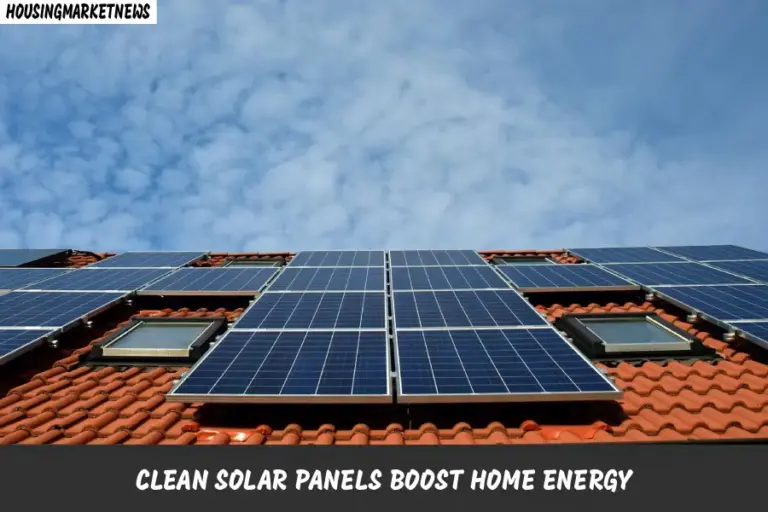
Solar panels generate electricity by turning light from the sun into energy. Clean panels can convert sunlight into more energy which means more savings for you in the long run.
Dirty solar panels are one of the biggest losses for property owners but most are not even aware that this is the case.
This article will give you a clear idea of how clean solar panels lead to increased energy production and how regular cleaning can maximise your savings.
In this article, we’ll cover:
Why Dirty Solar Panels Are Costing You Money
The Real Impact of Soiling on Energy Output
How Regular Cleaning Boosts Your Savings
When to Clean Your Panels
Why Dirty Solar Panels Are Costing You Money
Solar panels are effective at converting sunlight into electricity. The more sunlight your panels can absorb, the more energy they will produce.
But when panels are covered in dust and dirt, this reduces the amount of sunlight they can capture. The buildup of dust, dirt, bird droppings and grime on the surface blocks sunlight from reaching the photovoltaic cells.
This ultimately reduces the amount of energy your solar panels produce. According to the National Renewable Energy Laboratory, soiling on solar panels can cause up to 7% annual energy loss in the United States. This percentage increases significantly in dusty and dirty areas.
This lost energy accumulates and costs commercial property owners and residential property owners with larger systems money. Professional solar panel cleaning in Tamworth can help commercial and residential property owners recoup that lost efficiency and preserve their investment.
The bottom line is that dirty solar panels mean you’re losing money.
The amount of money you are losing is based on every kilowatt-hour of lost production.
The Real Impact of Soiling on Energy Output
But just how much energy is lost due to dirty solar panels?
You might be surprised.
Dirty solar panels can lose anywhere between 5% to 25% of their output, depending on your location, the local weather conditions, and the types of debris that are clogging up your solar panels. In dryer, dustier regions and regions that are more affected by air pollution, you are likely to lose even more efficiency.
Solar panel cleaning services point out that the following are the biggest offenders:
Dust and dirt – which is especially common in drier areas and near building sites.
Bird droppings – as these are hard to wash away naturally.
Pollen – this will build up particularly quickly over spring and summer.
Pollution particles – these are a particular problem in more urban areas.
In fact, even a light film of grime can make a difference. Recent research found that a 5% reduction in light transmission could lead to a 10-25% reduction in energy output. That is a pretty big loss to your performance.
One more thing to point out here.
Soiling is especially bad during long dry periods, typically during the summer months. This is when solar panels should be performing at their peak levels but during those dry periods, daily soiling rates can hit 25%. Yikes.
How Regular Cleaning Boosts Your Savings
Clean solar panels have better performance and it is as simple as that. Homeowners have reported that regular cleaning of their solar panels can lead to a 10-20% increase in output. Over the lifetime of your solar system, this will lead to significant savings in your electricity bills.
Here’s an example.
A 5kW residential solar system that experiences 7% soiling loss is losing the equivalent of approximately $65 per annum in California. If you increase this to a 10kW system with a 10% loss and you’re in a dry month, that amount increases to $189.
The financial gains from ensuring your solar panels are clean aren’t just about energy production.
Extended Panel Lifespan
Dirt and debris will build up on your panels and this will increase the overall temperature of your system. Components degrade more quickly with higher temperatures. Regular solar panel cleaning will help you to maintain optimum operating conditions. It will also help to ensure a longer lifespan for the system as a whole.
Warranty Protection
Solar panel manufacturers typically recommend that you carry out regular maintenance. This is often included as part of their warranty terms. You do not want to get to the end of your warranty period only to find that you’re not covered due to lack of cleaning.
System Monitoring
Monitoring your system and its energy production should be relatively straightforward when your panels are clean. Consistent energy output will mean that you’ll be able to spot genuine problems as and when they arise. If you spot a sudden drop in output, you’ll be able to rule out dirt and dust as an issue and get to the bottom of the problem much quicker.
Easy, right?
When to Clean Your Panels
Regular cleaning is important but you do not necessarily have to be cleaning your solar panels at the same frequency as your neighbours or even the guy down the road.
The correct frequency for panel cleaning depends on a number of factors.
Environmental Conditions
Your location plays an important role. Panels that are in dusty areas, close to building sites, or in high-traffic areas are going to get dirty much more quickly. Areas that are close to the coast are going to have to deal with salt residue. Properties in rural areas are going to have to deal with pollen and agricultural dust.
An average cleaning schedule could be as follows:
Moderate climates with regular rain – Every 6 months
Dusty or polluted environments – Every 3-4 months
Coastal areas – Every 4-6 months
After storms or dust events – Clean as needed
Signs Your Panels Need Cleaning
As well as using a recommended cleaning schedule, keep an eye on your energy production data. Most modern systems are going to come with some sort of monitoring software that allows you to track how much energy is being produced. If you spot:
A gradual decline in energy production
Energy output lower than expected, given the weather conditions
Visible dirt or bird droppings
Your panels are probably in need of a clean.
Rain is your ally. Rain can wash away loose dust but it is not the same as a proper clean. Rain won’t get rid of sticky substances such as bird droppings and tree sap. Mineral deposits in rainwater can also cause streaks that will reduce your efficiency over time.
DIY vs Professional Cleaning
Solar panels that are ground mounted or that are in a location that is easy to access can be a job for a homeowner using some water and a soft brush. Rooftop installations on the other hand, are probably better left to the professionals for health and safety reasons.
Professional solar panel cleaners also have access to tools and the equipment that will make the job much easier for them. It is also less likely that they will damage your solar panels. Pressure washers, abrasive materials and strong chemicals can all damage panels by scratching the surface or breaking seals.
Keep It Simple
Solar panel cleaning doesn’t need to be complicated or time-consuming. A basic maintenance schedule should be all that is needed to ensure that your system is performing at its best and that your investment in renewable energy is protected.
Quick summary:
Dirty solar panels can lose between 5-25% of efficiency.
Regular cleaning can boost output by 10-20%.
You should be cleaning every 3-6 months, depending on the conditions you have around your home or property.
Keep an eye on your energy production to spot any unexpected drops in energy.
Solar panels are designed to last 25-30 years. Regular cleaning will ensure that they continue to provide you with the maximum return on your investment over the lifetime of your system. It’s an investment that will more than pay for itself time and time again in energy savings and extending the life of your equipment.
One home improvement decision that will keep on giving.
Discover 13215 B Devens Ave 90650 in Norwalk, California—a property that perfectly balances suburban peace with city convenience. Located just 17 miles from Los Angeles, this address offers families and professionals quality schools, parks, shopping, and strong community connections.
Finding Your Perfect Home in Norwalk
Have you ever driven through a neighborhood and felt like you’d finally found the place where you could put down roots? That’s exactly the feeling many people get when they discover Norwalk, California, and specifically the area around 13215 B Devens Ave in the 90650 zip code. This isn’t just another address on a street. It’s a gateway to a lifestyle that blends the best of both worlds—peaceful suburban living with easy access to everything Los Angeles has to offer.
When you’re looking for a home, you want more than just four walls and a roof. You want a community where your kids can play safely, where you can grab groceries without fighting traffic for an hour, and where your morning commute doesn’t make you want to pull your hair out. The good news? This Norwalk location checks all those boxes and then some.
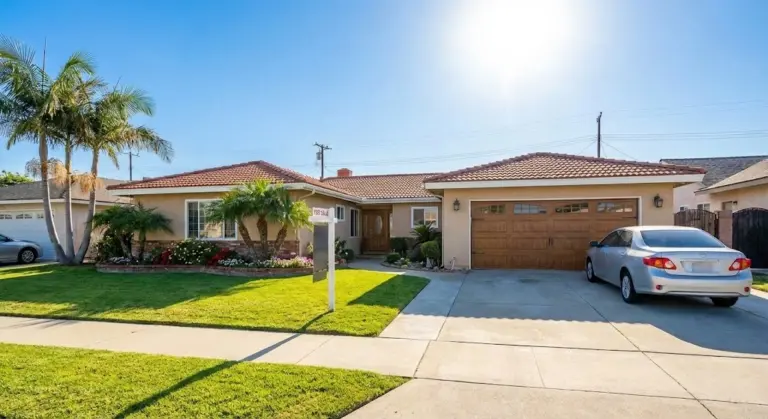
A peaceful Norwalk neighborhood located just minutes from Los Angeles.
What Makes 13215 B Devens Ave Special
Let me paint you a picture of what life looks like at this address. You’re waking up in a home that gives you space to breathe. The property typically offers somewhere between 1,500 and 2,000 square feet of living space, which means you’re not bumping elbows with your family members every time you turn around. Most homes in this area come with three to four bedrooms and at least two bathrooms, giving everyone their own little corner of privacy.
The layout inside is designed with real life in mind. You’ll find built-in wardrobes that actually give you enough storage space, so you’re not playing Tetris with your winter coats every season. The kitchen connects naturally to the living areas, making it easy to cook dinner while keeping an eye on homework or chatting with guests.
But here’s where things get really interesting. The outdoor space at properties like this one isn’t just a tiny patch of grass. We’re talking about a genuine backyard where you can host weekend barbecues, let the kids run around, or finally start that vegetable garden you’ve been dreaming about. The landscaping is well-maintained, giving the whole property that welcoming curb appeal that makes you proud to pull into your driveway.
And let’s talk about parking for a second because anyone who’s lived in Southern California knows this matters. You typically get an attached two-car garage here, which means protection from the elements for your vehicles plus extra storage space for all those things you don’t use every day but can’t quite throw away.
The Norwalk Neighborhood Experience
Now, a house is just a building without a great neighborhood around it, right? Norwalk has been quietly building its reputation as one of those places where families actually want to stay long-term. The city spans about 9.7 square miles and is home to more than 102,000 residents who’ve discovered something special here.
The diversity in this community is one of its greatest strengths. About 77 percent of residents identify as Hispanic or Latino, creating a rich cultural atmosphere that influences everything from the local restaurants to community celebrations. This diversity means your kids grow up understanding different perspectives and traditions, which is honestly one of the best educations they can get.
Safety is always at the top of everyone’s list when choosing a home, and the area around Devens Avenue takes this seriously. The neighborhood benefits from active community watch programs and a visible law enforcement presence. Crime rates here are moderate, and residents work together to keep things that way. It’s the kind of place where neighbors actually know each other’s names.
Schools That Actually Prepare Kids for Life
If you have children or are planning to start a family, the schools around 13215 B Devens Ave deserve serious attention. The Norwalk-La Mirada Unified School District serves this area, and they’ve built a solid reputation for academic excellence and community involvement.
Local elementary options include Moffitt Elementary and Johnston Elementary, both known for dedicated teachers who genuinely care about student success. As kids move up, Los Alisos Middle School offers strong academic programs plus extracurricular activities that help students discover their passions beyond textbooks.
For high school, families have excellent choices including Norwalk High School and John H. Glenn High School. These aren’t just diploma factories. They offer robust academic programs, sports teams, arts programs, and career preparation courses that actually prepare teenagers for real life after graduation.
The student-teacher ratio averages around 13 to 1 in most schools here, which means your child isn’t just another face in an overcrowded classroom. Teachers can provide more individual attention, catch learning gaps early, and nurture talents that might otherwise go unnoticed.
Everything You Need Within Reach
One of the best things about living near 13215 B Devens Ave is how accessible everything is. You’re not isolated in some far-flung suburb where you need to plan a day trip just to buy groceries.
The Norwalk Town Square and Norwalk Marketplace are just a short drive away, giving you access to major retailers, grocery stores, and dining options all in one place. Whether you need to restock the fridge, grab a birthday gift, or just enjoy a meal out without driving across the county, it’s all nearby.
Healthcare access is another huge advantage here. Pioneer Medical Group and PIH Health Hospital are located in the area, providing quality medical care when you need it. There are also numerous urgent care centers, dental offices, and specialized medical practices throughout Norwalk, so you’re never far from professional healthcare services.
For recreation and outdoor activities, Norwalk Park and Sproul Park offer green spaces where families can picnic, play sports, or just enjoy California sunshine. These parks aren’t afterthoughts—they’re well-maintained community spaces with playgrounds, sports fields, and walking paths that locals actually use.
Commuting That Won’t Drive You Crazy
Let’s be honest. In Southern California, your commute can make or break your quality of life. The good news is that 13215 B Devens Ave offers multiple transportation options that give you flexibility.
The Norwalk/Santa Fe Springs Metrolink Station connects directly to downtown Los Angeles and parts of Orange County. This means you can skip the parking hassles and traffic stress by taking the train to work. The Metro Green Line also serves the area, connecting you to LAX airport and other major destinations via their light rail system.
If you’re driving, you have quick access to Interstate 5, Interstate 605, and State Route 91. These freeways create a transportation web that gets you where you need to go. Downtown Los Angeles is about 17 miles away, which typically translates to a manageable commute if you’re working in the city.
Both Los Angeles International Airport and Long Beach Airport are within approximately 30 minutes of driving, making business travel or vacation getaways much more convenient than if you lived farther from major airports.
The Real Estate Picture in Norwalk
Understanding the real estate market helps you make smarter decisions about buying or renting. Norwalk has shown steady property value appreciation over recent years, which tells you people are choosing to invest here and staying for the long haul.
Home prices in the area remain more affordable than flashier neighborhoods like Beverly Hills or Santa Monica, but that doesn’t mean you’re sacrificing quality. You’re getting real value—solid homes in safe neighborhoods with good schools and amenities at prices that won’t require you to sell a kidney.
The median household income in Norwalk sits around 91,000 dollars, and about 45 percent of residents have lived in their homes for more than five years. That stability speaks volumes. People aren’t just passing through Norwalk. They’re putting down roots and building lives here.
For first-time homebuyers, this area presents real opportunity. Property values have been rising steadily, suggesting that buying here could be a sound investment for your future. The combination of affordability and appreciation potential makes neighborhoods like the one around Devens Avenue worth serious consideration.
Rental prices in Norwalk are also more reasonable compared to many parts of Los Angeles County. If you’re not ready to buy yet, you can rent here while you save for a down payment, getting to know the area before making a bigger commitment.
What Daily Life Actually Looks Like
Imagine your typical weekday morning. You wake up in your comfortable bedroom, make breakfast in a kitchen with enough counter space to actually prep food, and get the kids ready for school. The bus stops nearby, or you can drive them to school in just a few minutes.
After the morning routine, you head to work via Metrolink or hop on the freeway for your commute. Evening rolls around, and you’re back home in time to actually see your family. Maybe you throw some burgers on the grill in your backyard while the kids play. Maybe you walk to the nearby park for some fresh air.
Weekends offer even more possibilities. You might explore the local farmers market, check out events at the Norwalk Cultural Arts Center, or take a quick drive to nearby attractions in Los Angeles or Orange County. The location gives you options without forcing you to live in the middle of urban chaos.
The local restaurant scene reflects Norwalk’s diversity. You’ll find authentic Mexican cuisine that rivals anything in Baja, along with Thai restaurants, American classics, and everything in between. Los Compadres and Renu Nakorn Restaurant are local favorites that have earned loyal followings.
Community and Culture
Norwalk isn’t just a place to sleep between work shifts. The city hosts regular community events that bring neighbors together. The 16th of September Fair celebrates Mexican Independence Day with entertainment, food, and festivities. Halloween brings costume contests on the city hall lawn that kids look forward to all year.
The Norwalk Arts and Sports Complex provides affordable fitness options and diverse sports programs for residents of all ages. Whether you’re into basketball, swimming, or just want to hit the gym a few times a week, you have options that won’t break your budget.
The city’s historical roots add character too. Founded in the late 1800s and officially incorporated in 1957, Norwalk has evolved from a dairy farming community to a modern suburban city while maintaining connections to its past. The Hargitt House Museum and Sproul House offer glimpses into local history for anyone interested in understanding where they live.
Shopping and Entertainment
Beyond the basics, Norwalk offers entertainment options that keep life interesting. Golf N’ Stuff provides family fun with mini-golf, arcade games, and go-karts—perfect for birthday parties or just weekend entertainment. The Norwalk Cultural Arts Center enriches the community through art classes and exhibitions at the Mary Paxon Art Gallery.
Cerritos College, located nearby, offers continuing education opportunities and community programs. Whether you’re looking to advance your career, learn a new skill, or just expand your knowledge, having a community college close by adds value.
The presence of over 6,000 businesses in Norwalk means job opportunities exist right in your backyard. You might not need that long commute after all if you find the right opportunity locally.
Why Families Choose This Area
Talk to families who’ve settled around 13215 B Devens Ave, and you’ll hear common themes. They appreciate the space their homes provide without the massive price tags. They love that their kids can walk to friends’ houses or ride bikes around the neighborhood safely. They value being part of a diverse community where different cultures are celebrated rather than just tolerated.
Parents also mention the relief of having good schools within reach. Not having to stress about education quality or drive across town for decent schooling makes daily life significantly easier. The combination of public and private school options gives families choices based on their values and needs.
The property taxes here follow Los Angeles County’s effective rate of about 0.69 percent, which is reasonable compared to some other California locations. Combined with Norwalk’s status as a low property tax community, your ongoing housing costs remain manageable.
Looking Toward the Future
Norwalk continues to evolve and improve. New developments and businesses are moving into the area, suggesting confidence in the city’s future. Infrastructure improvements keep pace with growth, maintaining the quality of life residents expect.
The city government operates under a council-manager system, with regular city council meetings held on the first and third Tuesdays of each month. This structure ensures residents have a voice in decisions affecting their community. Local government here isn’t some distant entity—it’s accessible and responsive to citizen needs.
The city’s vision statement emphasizes being a safe, family-oriented community that continuously improves services. That’s not just marketing speak. You can see it in the maintained parks, the quality of public services, and the attention paid to keeping neighborhoods clean and functional.
Making Your Decision
Choosing where to live ranks among life’s biggest decisions. You’re not just picking a house. You’re choosing where your kids will make memories, where you’ll build friendships, and where you’ll spend countless hours of your life. The area around 13215 B Devens Ave in Norwalk offers a compelling package for anyone seeking that balance between affordability, convenience, and community.
The property itself provides the space and features families need. The neighborhood delivers safety and diversity. The location puts you within reach of jobs, schools, shopping, and entertainment. And the community offers that intangible sense of belonging that transforms a house into a home.
Whether you’re a first-time homebuyer taking that initial step toward ownership, a growing family needing more space, or someone looking to invest in real estate with good appreciation potential, this area deserves your attention. The combination of reasonable prices, solid schools, low crime rates, and strategic location creates real value.
Real estate in Southern California will probably never be described as cheap, but Norwalk offers something increasingly rare: genuine value for your investment. You’re getting quality without paying the premium prices demanded in trendier zip codes that might not actually offer better quality of life.
Taking the Next Step
If you’re seriously considering the area around 13215 B Devens Ave, start by visiting in person. Drive through the neighborhood at different times of day. Stop at local parks and restaurants. Talk to people you meet at coffee shops or the grocery store. Real estate listings and articles can only tell you so much. The feel of a place comes through when you experience it yourself.
Check out upcoming open houses in the area. Walk through available properties and imagine your furniture in the rooms, your family in the backyard, your daily routines playing out in these spaces. Pay attention to natural light, noise levels, and how the spaces flow.
Research the specific schools your children would attend. Many schools welcome prospective parents for tours. Seeing classrooms, meeting administrators, and getting a sense of school culture helps you make informed decisions.
Connect with local real estate agents who specialize in Norwalk properties. They know the market trends, can alert you to new listings before they hit major websites, and can guide you through the buying process with expertise you can’t get from online research alone.
The area around 13215 B Devens Ave in Norwalk, California represents more than just another suburban address. It’s a place where real people live real lives, where kids grow up in safe neighborhoods, where parents build careers without sacrificing family time, and where communities come together. It’s not perfect because nowhere is, but it offers a solid foundation for building the life you want at a price you can actually afford. And in today’s Southern California real estate market, that combination is worth serious consideration.
Floating staircases are self-supported stairs that appear to hang in mid-air without visible support beneath the treads. Hidden stringers, typically steel, attach to walls or floors, creating a sleek design that opens space and allows natural light to flow through your home.
What Makes a Staircase Float
You walk into a modern home and see stairs that seem to defy gravity. Each step hangs in the air with no visible support underneath. That’s the magic of a floating staircase, and it’s not magic at all—it’s smart engineering.
These stairs work through hidden support systems that you can’t see from most angles. A steel beam, called a stringer, hides inside the wall or runs along one side of the stairs. Each tread bolts directly into this hidden framework using strong anchors that can hold thousands of pounds. The result looks impossible, but it’s actually incredibly sturdy.
The design removes the traditional risers—those vertical pieces between each step—which creates that signature floating look. Your eye follows the clean lines straight through the stairs instead of stopping at solid backs. This simple change transforms how light moves through a room and how big your space feels.
Hidden steel stringers create the illusion of stairs floating effortlessly in mid-air.
How These Stairs Change Your Space
Natural light becomes your new best friend when you install floating stairs. Traditional staircases block light and create dark corners in your home. Floating designs let sunshine pour through from top to bottom, brightening rooms that never saw daylight before.
The open design also makes small spaces feel twice as large. You can see through the stairs to the other side, which tricks your brain into perceiving more square footage. Architects love using this effect in compact urban homes where every inch counts.
Your interior suddenly feels modern and clean without doing anything else. The minimalist lines work with almost any style, from industrial lofts to cozy farmhouses. You get a conversation piece that actually serves a practical purpose every single day.
Floating staircases allow natural light to flow freely, making interiors feel brighter and more spacious.
Construction Methods Explained
The most common type uses a single steel beam called a mono stringer. This beam runs down the center or side of the stairs, and each tread attaches to it. The stringer hides inside the wall or gets painted to match, making it nearly invisible.
Double stringer systems use two support beams instead of one. These cost less than mono stringers but don’t create quite the same floating effect. You’ll see two thin lines of support on either side of each step.
True cantilever stairs represent the gold standard of floating design. Each tread bolts directly into a structural wall with no visible stringer at all. These require the strongest walls and the most engineering work, but they create the most dramatic visual impact. Your steps literally shoot out from the wall with nothing underneath them.
Different floating staircase construction methods, including mono stringer and cantilever designs.
Materials That Work Best
Wood remains the most popular choice for floating stair treads. Oak, maple, and walnut offer different looks while providing plenty of strength. Thicker wood (around 2 inches) gives you that solid, architectural feel that makes people stop and stare. The natural warmth of wood softens the modern steel structure underneath.
Glass treads create an ultra-modern statement that lets even more light through your stairs. You’ll need tempered glass at least 32mm thick to meet safety codes. These stairs cost more than wood but create an unforgettable visual effect. Keep cleaning supplies handy though—glass shows every fingerprint.
Metal treads work well for both indoor and outdoor floating stairs. Steel checker plates give you that industrial look, while brushed aluminum offers a lighter, more refined appearance. Metal handles weather better than wood if you’re building exterior stairs.
Concrete treads bring serious weight and permanence to your design. They come in polished or rustic finishes and cost more than wood. The payoff comes in durability—concrete stairs basically last forever and handle heavy traffic without showing wear.
What You’ll Spend
Your basic floating staircase starts around $5,000 for a simple design with standard materials. This gets you a straight flight with wood treads and a basic metal railing. Add $3,000 to $5,000 if you want cable railings, which most people choose for the clean look.
Mid-range projects run $15,000 to $25,000 and include better materials, custom features, and more complex designs. You might add a landing, use exotic wood species, or incorporate glass railings at this price point. The craftsmanship gets noticeably better, and the details really shine.
High-end floating stairs can exceed $30,000 or even hit $40,000 for luxury designs. At this level, you’re getting architectural-grade metal components, custom engineering, and premium materials like Brazilian cherry wood or all-glass construction. Some designers use the rule that floating stairs should cost about 3% of your home’s value—so a $500,000 home might warrant a $15,000 staircase.
Installation labor adds another layer of cost since this isn’t DIY territory. You need specialized contractors who understand the engineering requirements and can work with precision. The installation alone can add $5,000 to $10,000 depending on complexity.
Safety Considerations You Should Know
The open riser design creates the main safety concern. Small children can slip their feet through the gaps between treads, which presents a real injury risk. Many building codes now require that no gap exceeds 4 inches to prevent this problem.
Some designs skip handrails entirely to maintain the floating illusion, but this adds danger. Falls from floating stairs without handrails can cause serious injuries. Smart designs include at least one secure handrail, and many include rails on both sides for maximum safety.
The treads themselves must support at least 300 pounds according to building codes. Quality floating stairs actually support much more—often exceeding 2,000 pounds per tread. The key is hiring engineers who calculate load requirements correctly and contractors who install everything precisely.
Slip resistance matters too, especially on wood or glass treads. Wire-brushed wood provides natural texture for grip. Glass needs special anti-slip coatings or textured surfaces. Some homeowners add LED lights under each tread, which looks amazing and helps you see the steps clearly in dim light.
When Floating Stairs Make Sense
Open-concept homes benefit most from floating staircase designs. If you’ve knocked down walls to create flowing spaces, traditional stairs feel clunky and outdated. Floating stairs match the modern, open aesthetic you’ve already established.
Modern architecture demands modern stairs. If you’re building or renovating with clean lines, large windows, and minimalist finishes, traditional stairs clash with everything else. Floating stairs complete the contemporary look you’re after.
Homes with great natural light should show it off. Why block sunshine with a solid staircase when you could let it pour through to lower levels? If you have floor-to-ceiling windows or skylights, floating stairs help distribute that light throughout your entire home.
When Traditional Stairs Work Better
Families with young children might reconsider floating stairs. Those open risers create legitimate safety hazards for toddlers learning to climb. Traditional closed-riser stairs eliminate the risk of feet slipping through gaps.
Elderly residents or people with balance issues need the security of traditional railings and solid backing. The minimal handrails and open design of floating stairs can feel unstable even when they’re perfectly safe. Perception matters when it comes to confident movement through your home.
Historic homes often look strange with ultra-modern floating stairs. The architectural mismatch stands out in a bad way. Unless you’re doing a dramatic modern renovation, traditional stairs usually fit historic properties better.
Tight budgets push most people toward conventional staircase designs. You can build solid, attractive traditional stairs for $2,000 to $8,000. That same money gets you only the most basic floating staircase. Sometimes the practical choice is the right choice.
Installation Requirements
Your walls need serious structural support before you can install floating stairs. Load-bearing concrete or brick walls work perfectly. Wood-framed walls require reinforcement with steel beams to handle the cantilever forces.
The installation demands precision measurements and professional expertise. Each tread must align perfectly with the others, and every anchor point needs exact placement. Even small errors create safety issues or visual problems that ruin the floating effect.
Building permits and inspections typically come standard with floating staircase projects. Local codes vary, but most areas require engineered drawings and structural approval. The permitting process adds time and paperwork to your project timeline.
Professional installation isn’t optional—it’s mandatory for safety and warranty purposes. Experienced contractors understand the unique challenges of floating stairs and have the specialized tools needed. Expect the installation phase to take longer than traditional stairs due to the precision required.
Maintenance and Longevity
Wood treads need periodic refinishing to maintain their appearance and protect against wear. Plan to reseal or revarnish every few years depending on traffic levels. The good news is that maintenance focuses only on the treads themselves rather than the entire structure.
Glass requires frequent cleaning to stay transparent and beautiful. Every fingerprint shows, and dust collects quickly. Keep glass cleaner handy if you choose this material. The upside is that glass never needs refinishing or structural maintenance.
Metal components generally require the least maintenance. Powder-coated steel resists rust and keeps its finish for years. Stainless steel needs only occasional cleaning. Check connections and bolts annually to ensure everything stays tight and secure.
The hidden support structure typically lasts the lifetime of your home with zero maintenance. Quality steel stringers don’t rot, warp, or deteriorate like wood. This durability represents one of the best long-term benefits of floating staircase design.
Making Your Final Decision
Consider how long you plan to stay in your home. Floating stairs add significant resale value to modern properties, often becoming the signature feature in real estate listings. Buyers pay premium prices for homes with distinctive architectural elements like quality floating stairs.
Think about your daily life and who uses the stairs. Active families with teenagers handle floating stairs just fine. Households with small children or elderly members need to weigh safety concerns more carefully.
Your budget determines what’s realistic for your project. Don’t stretch finances too thin trying to afford floating stairs if traditional options serve you well. Save the splurge for times when the floating design really makes your space work better.
Match the stairs to your overall design vision. If you’re committed to modern aesthetics and open space, floating stairs complete that vision beautifully. If you prefer traditional comfort, there’s no shame in choosing conventional stairs that fit your style.
Floating staircases represent more than just a way to get upstairs—they’re architectural statements that reshape how you experience your home. The right design brings light, space, and modern beauty to everyday movement through your house.
Do you wish you could sip sangria in your garden and feel like you’re basking under the Southern European sun? Then, Mediterranean landscaping is the way to go.
This unique style isn’t just about that warm, effortless aesthetic. It transforms any outdoor space into a low-maintenance, laid-back retreat—perfect for those who don’t want to spend endless hours tending to their plants.
Whether your backyard is a sprawling estate or a cosy little nook, the following tips will help you turn it into your own personal slice of paradise.
The Mediterranean Influence
Picture the sun-soaked hills of Spain, Italy, and Greece, where the landscapes look like they’ve been plucked straight from a postcard. This dazzling seaside ambience has sparked one of the most gorgeous gardening styles out there.
Mother Nature has a rather stern attitude in these parts—think scorching summers, chilly winters, and soil that’s more rock than loose dirt. In response to these rough conditions, a host of resilient plants has risen to the occasion.
With water evaporating rather quickly, only the toughest varieties could thrive there. These include fragrant bay leaves, vibrant lavender, and exuberant olive trees.
This is good news for British gardeners since the weather tends to be quite challenging and unforgiving in the UK as well.
Sure, you have more rain and fewer sweltering heat waves than the Southern lands, but luckily, these adaptable species thrive in colder weather, too.
Designing a coastal-inspired garden isn’t just about replicating a Greek cliffside or an Italian backyard, though. It’s about cherry-picking the most unique parts of this classic aesthetic and giving them a British twist.
This calls for a bit of plant-picking wizardry and some careful planning, which brings us to our next point.
The Right Plant Selection
The right species will add some Mediterranean charm to your garden, without complicating your maintenance routine.
No Mediterranean landscape would be complete without Olive trees. Those silvery leaves dance in the sunlight and cast just the right amount of shade for your siesta vibes.
Then, there’s lavender. This versatile perennial will blanket your yard in purple exuberance and a scent so dreamy it will have bees and butterflies queuing up during the blooming season.
Rosemary is another strong contender. Pulling double duty as a staple kitchen herb and a vivacious shrub, its bold, blue blooms will adorn your garden all year round.
If you need to establish some borders or give your garden more structure, Italian cypress is your answer. It will stand proud amid your flowerbeds, adding even more depth and visual interest to your space.
For ground protection, go with thyme. It releases a tantalising, wafting fragrance and tolerates challenging soil without much fuss.
Whatever your preferences may be, it’s a good idea to mix and match different strains to create a diverse, low-maintenance oasis.
Smart Water Management
The key to a thriving Mediterranean yard lies in smart water use. Start by grouping thirsty specimens together near water sources. As for drought-resistant species, they will do just fine in drier areas.
This simple technique, known as hydrozoning, prevents both waste and plant stress.
For even better results, invest in a drip irrigation system. Unlike those traditional sprinklers that spray water onto the surface, these efficient setups deliver moisture straight to the roots. This makes them more efficient than traditional irrigation methods.
By keeping the leaves dry, they also reduce the chances of fungal diseases taking root during humid weather.
Timing matters just as much as technique here. Set your system to run in the early morning or late evening when the temperatures are at their coolest. That way, the water will soak into the soil rather than evaporate in the midday sun.
If you’re looking to minimise your water consumption even more, use rainfall to irrigate your flora during the summer. Simply place a rain barrel under your downspouts or runoff points to collect it. These nifty containers can store up to hundreds of litres.
For larger areas, consider installing underground storage tanks that can capture significant amounts of rainwater.
This stored water isn’t just free. It’s also better for your vegetation than treated tap water, as it contains natural nutrients and has a balanced pH level.
Creating Structure with Hardscaping
Permanent structures are a fundamental part of that breezy, relaxed mood you’re trying to replicate. Stone pathways, paved terraces, and sturdy walls also provide structural stability, transforming your outdoor area into a fully functional space.
Opt for warm-toned natural stone, textured gravel, and classic terracotta. These materials age beautifully over time, developing a whimsical character that will give your space timeless appeal.
Traditional clay pots and weathered urns are also great additions that bring an authentic touch while providing flexible planting options.
To make your space more usable, local landscapers recommend turning challenging terrain to your advantage by building raised beds. Stone works perfectly for these structures, improving drainage while creating natural-looking slopes.
A rustic bench among your aromatic herbs or a cosy dining area on the gravel terrace would make wonderful additions as well.
It’s also a great idea to incorporate water elements that conserve resources, such as small fountains or shallow basins. In addition to drawing wildlife and helpful insects, the calming sound of running water will amplify the soothing ambience even more.
Hardscaping is a long-term investment, so be prepared to stretch the budget a little. While greenery grows and changes, these structural elements provide enduring beauty and functionality with minimal upkeep.
Maintenance Made Simple
Southern European landscapes have an unadulterated, almost unkempt appearance. For an authentic recreation, allow plants to grow into their natural forms, and step in only to keep the paths clear and maintain their overall shape.
A little pruning late in the spring will encourage fuller, richer growth without over-manicuring your garden.
To keep the plants hydrated and prevent weeds from taking over, cover your flora with a protective layer of mulch once a year. Bark, gravel, or broken shells will do just fine.
When it comes to fertilising, less is more. Mediterranean plants actually prefer lean soil. Too much fertiliser will cause you to work overtime by promoting excessively rapid growth, which defeats the purpose of this inherently laid-back aesthetic.
Instead, focus on improving soil structure with organic matter when you first plant your greenery, and then let nature take its course.
Expert Support
Tackling a Mediterranean-inspired garden is like embarking on a grand backyard adventure. While you can totally do it on your own, a little expert insight can refine and enhance your efforts even more.
Local landscapers possess extensive knowledge about your soil’s unique traits, drainage challenges, and regional regulations. They can spare you a world of frustration and provide clever fixes for any tricky spots or challenges you may encounter.
Even if you’re planning to take a hands-on approach, a quick chat with a specialist during the planning phase can save you from exasperating blunders.
Conclusion
Mediterranean landscaping embraces a relaxed, thoughtful approach—a slow and enjoyable process that gently transforms your garden over time.
Start with a few vivacious, drought-proof plants and some rugged stone paths, and let your imagination roam free, just like the flora you’re cultivating.
With some clever planning and accounting for the surrounding natural conditions, your backyard will shine brighter than a Santorini sunset.
Living room carpet ideas for 2025 focus on warm earth tones, bold patterns, and plush textures. Choose nylon for durability, wool for luxury, or polyester for softness. Consider low-pile for high traffic areas and layered textures for visual interest.
Your living room deserves a carpet that makes you feel good the moment you walk in. The right choice brings warmth, ties your furniture together, and stands up to everything life throws at it. Whether you have kids running around, pets lounging on the floor, or you just want a cozy spot to relax after work, the carpet you pick matters more than you might think.
Carpet is making a serious comeback in 2025. After years of hard flooring taking over, people are craving that soft, warm feeling under their feet again. The newest carpet trends bring together comfort and style in ways that fit real life, not just magazine photos.
Warm Earth Tones Are Taking Over
Forget cold grays and boring beiges. This year is all about colors that make a room feel lived-in and welcoming. Terracotta, sienna, umber, and warm caramel shades are showing up everywhere, and for good reason. These colors bring natural warmth without overwhelming your space.
Warm earth-tone carpets create a cozy and welcoming living room.
Think about how you feel when you walk into a room with rich, earthy carpet. There’s something grounding about these shades that makes a living room feel like home. They work beautifully with cream-colored sofas, wooden furniture, and even bold accent pieces. The best part? They hide dirt and daily wear better than lighter options, which means less stress about keeping them perfect.
Sandy beige tones are still popular, but we’re seeing deeper, more interesting variations. Saffron adds a golden glow to spaces with good natural light. Olive and mossy greens create a calming atmosphere that feels like bringing the outdoors inside. These aren’t trendy colors that you’ll regret in two years—they’re timeless choices that adapt to your changing style.
Bold Patterns Make a Statement
Bold patterned carpets add personality and visual interest.
Plain carpet doesn’t have to be your only option anymore. Geometric patterns, stripes, and abstract designs are giving living rooms serious personality. Striped carpets can actually make your room look bigger by creating visual lines that stretch the space.
Patterns work especially well in smaller living rooms where you want to add interest without painting walls or buying new furniture. A carpet with a subtle geometric design becomes the foundation for your entire room design. You can keep everything else simple and let the floor do the talking.
The trick with patterned carpet is choosing something that matches your lifestyle. If you have a busy household, patterns that mix different tones help hide footprints and vacuum marks. For a more formal living room, consider Persian or Oriental designs that add sophistication and a sense of history to modern spaces.
Material Matters More Than You Think
Choosing the right carpet material affects comfort, durability, and maintenance.
The fiber you choose determines how your carpet looks, feels, and performs over time. Nylon remains the most popular choice for living rooms because it checks all the boxes. It’s tough enough to handle daily foot traffic, bounces back when furniture leaves dents, and resists stains better than most other options. Most nylon carpets come with stain-resistant treatments that make cleanup easier when spills happen.
Polyester offers incredible softness and comes in vibrant colors that stay bright for years. It costs less than nylon but handles moisture really well, making it a smart pick if you’re worried about spills. The downside? It doesn’t bounce back quite as well in high-traffic areas, so it works better in living rooms that don’t see constant action.
Wool brings luxury that synthetic fibers can’t match. It feels amazing under bare feet, regulates temperature naturally, and resists allergens. Wool carpet can last 30 years with proper care. The investment is higher, but many people find the comfort and natural qualities worth every penny. Just know that wool needs more careful cleaning than synthetics.
Triexta represents the newest technology in carpet fibers. It combines the durability of nylon with the stain resistance of polyester. About 37% of triexta comes from corn, making it a more sustainable choice. It’s particularly good for families with kids and pets because it handles the chaos without losing its softness.
Texture Creates Visual Interest
Pile height and style affect both how your carpet looks and how it performs. Low-pile carpet has short, dense fibers that create a flat, modern appearance. It’s the easiest to clean and maintains its look in busy areas. Living rooms with heavy traffic benefit from low-pile options because they don’t show footprints or vacuum marks as obviously.
Carpet texture plays a key role in both appearance and performance.
Medium-pile carpet strikes a balance between comfort and practicality. The fibers are long enough to feel soft but short enough to stay manageable. This works well for most living rooms where you want comfort without constant maintenance. Medium pile handles moderate traffic and regular vacuuming without issues.
Plush, high-pile carpet creates that luxurious, sink-your-toes-in feeling. These carpets use longer fibers that feel incredibly soft. They’re perfect for living rooms where comfort matters more than durability, or where traffic stays light. Just keep in mind that plush carpet shows marks more easily and needs more frequent vacuuming.
Loop pile carpets use uncut fiber loops that create a dense, durable surface. Berber carpets are the most famous loop style, known for holding up to years of use. Cut-and-loop combinations mix different heights to create subtle patterns and textures. These provide good durability while adding visual dimension to your floor.
Layering Adds Depth and Personality
You don’t have to pick just one approach to carpet. Layering an area rug over wall-to-wall carpet creates depth and defines different zones in your living room. This technique lets you experiment with bolder patterns or colors without committing to covering your entire floor.
Layering works particularly well in open-concept spaces where you want to separate your living area from dining or other zones. A textured area rug on top of neutral wall-to-wall carpet adds warmth and creates a clear boundary without walls. You can change the area rug seasonally or as your style evolves, keeping your space fresh without major renovation.
Mix textures when you layer to create the most interesting look. A flat-weave rug over plush carpet, or a shaggy accent rug on low-pile carpet, adds contrast that catches the eye. This approach also lets you protect high-traffic paths while keeping most of your floor covered in softer, more luxurious material.
Smart Color Choices for Real Life
Choosing carpet color involves more than picking your favorite shade. Light colors brighten small living rooms and make spaces feel larger and more open. Cream, light gray, and soft beige create an airy foundation that works with almost any furniture style. These lighter shades do show dirt more quickly though, so they demand regular cleaning.
Dark carpets create cozy, intimate atmospheres that feel particularly good in larger living rooms. Deep navy, chocolate brown, and charcoal gray add sophistication and hide everyday wear beautifully. Dark colors also work well with both light and dark furniture, giving you flexibility as your decor evolves.
Medium tones offer the best of both worlds for most families. Colors like taupe, warm gray, and medium brown hide dirt reasonably well while still keeping rooms bright enough to feel welcoming. These practical shades work in almost any lighting condition and adapt to different decorating styles over time.
Consider Your Household’s Real Needs
Your lifestyle should drive your carpet decisions more than trends or aesthetics alone. Families with young children need stain-resistant, durable options that handle spills and rough play. Nylon or triexta carpets with built-in stain protection make cleanup easier and help your carpet look good longer.
Pet owners face specific challenges with carpet. Look for materials that resist moisture and odors, like polyester or treated nylon. Shorter pile heights work better because they don’t trap pet hair as much and clean more easily. Darker colors or multi-toned patterns camouflage fur between vacuuming sessions.
If you entertain frequently, think about how easy your carpet will be to clean after gatherings. Low-pile carpets handle heavy foot traffic better and show fewer signs of parties and get-togethers. Stain resistance becomes even more important when you regularly have guests and increased chances for spills.
People living alone or in quiet households have more freedom to choose based purely on comfort and aesthetics. Plush, soft carpets that might not survive a busy family work beautifully when traffic stays light. You can also consider lighter colors that create bright, airy spaces without worrying as much about constant cleaning.
Installation Quality Makes the Difference
Even the best carpet won’t perform well without proper installation. Good padding underneath your carpet extends its life significantly and makes it more comfortable to walk on. Padding also improves insulation and reduces noise, which matters in multi-story homes.
Thicker padding doesn’t always mean better quality. The right pad depends on your carpet type and intended use. Dense, firm padding works best under most living room carpets, providing support without being too soft. Your installer can recommend the right combination for your specific carpet choice.
Professional installation costs more upfront but saves money long-term by preventing issues. Improperly installed carpet develops waves, loose edges, and premature wear. The stretching and seaming done during professional installation keeps your carpet looking smooth and tight for years.
Maintain Your Investment
Regular vacuuming is the single most important thing you can do for your carpet. Aim for at least twice a week in living rooms, more if you have pets or kids. Vacuuming removes dirt particles that work their way into fibers and cause wear. It also keeps your carpet looking fresh and maintains its texture.
Address spills immediately for best results. Blot liquids with clean towels instead of rubbing, which can spread stains and damage fibers. Most carpet manufacturers provide specific cleaning instructions, and following them protects your warranty. Keep these guidelines handy for when accidents happen.
Professional deep cleaning once or twice a year removes dirt that regular vacuuming misses. This maintains your carpet’s appearance and extends its lifespan significantly. Many carpet warranties require periodic professional cleaning to remain valid, so keep records of when you have this service done.
Living Room Carpets
Your living room carpet should work for your life, not against it. The trends in 2025 give you more options than ever to find something that’s both practical and beautiful. Warm earth tones create inviting spaces that feel grounded and comfortable. Bold patterns add personality without overwhelming your room. Advanced materials make carpets tougher and easier to maintain than ever before.
Think about how you actually use your living room. Do you need something that can handle kids, pets, and constant activity? Or do you want maximum softness in a quieter space? Your honest assessment of your needs will lead you to the right choice.
Don’t rush the decision. Get samples, lay them out in your living room, and look at them at different times of day. Natural and artificial light can change how colors appear dramatically. Live with samples for a few days before committing. Your carpet will be underfoot for years, so taking time now to choose wisely pays off in daily comfort and satisfaction.
The right carpet transforms your living room from just another space into a place where you genuinely want to spend time. Whether you go bold with pattern, warm with earth tones, or simple with texture, make sure it reflects who you are and supports how you live.
If you are thinking about moving to Northern Virginia, you may have heard about places like Arlington, Alexandria, or Fairfax. But there is one town that many people miss—and that town is Lorton, Virginia.
Lorton is a quiet suburban area in Fairfax County, located about 20 miles south of Washington, D.C. It is becoming more popular because it offers more space, good schools, outdoor parks, and an easier lifestyle compared to busy city areas.
So, is Lorton a good place to live?
This guide will help you understand housing prices, cost of living, schools, transportation, and daily life in Lorton, all in simple and easy English.
Quick Facts About Lorton, Virginia
County: Fairfax County, Virginia
Distance from Washington, D.C.: About 20 miles
Population: Around 22,000
Median Home Price: Mid to high $700,000s
School District: Fairfax County Public Schools
Main Highways: I-95, Route 1, Fairfax County Parkway
Train Service: Virginia Railway Express (VRE)
Special Feature: Amtrak Auto Train to Florida
Where Is Lorton Located?
Lorton is located in southern Fairfax County with easy access to major highways.
Lorton is in the southern part of Fairfax County. It sits just north of the Occoquan River and is close to many major job areas in Northern Virginia.
Nearby locations include:
Fairfax City – about 13 miles north
Alexandria – around 15 miles away
Tysons Corner – about 20 miles north
Arlington – roughly 15 miles northeast
Interstate 95 (I-95) runs straight through Lorton. This highway makes commuting easy but can also get very busy during rush hours.
East vs. West Lorton
West of I-95: Newer homes, planned communities, better amenities
East of I-95: Older homes, industrial areas, and Route 1 businesses
Because of its location, Lorton is close to Fort Belvoir, Alexandria, and Washington, D.C., making it a smart choice for commuters.
What Is the Housing Market Like in Lorton?
Lorton offers townhomes, condos, and spacious single-family homes.
Housing is one of the biggest reasons people move to Lorton.
The median home price in Lorton is usually in the high $700,000s. While this may sound expensive, it is often more affordable than Arlington or Alexandria—and you usually get more space.
Types of Homes in Lorton
Townhomes
Most common home type
Prices range from mid-$400,000s to $1 million
Many are in planned communities with gyms, pools, and parks
Single-Family Homes
Start around $600,000
Can go above $1.5 million
Larger homes are often near water or in newer neighborhoods
Condos and Apartments
More affordable option
Average prices around $350,000–$400,000
Popular near the VRE station
Homes in Lorton usually sell within 30–35 days, so buyers should be ready to act quickly.
Popular Neighborhoods in Lorton
Lorton Station
This is one of the most popular areas. It is close to the VRE train station, making it perfect for commuters. You will find townhomes, shops, restaurants, and walking paths.
Lorton Valley
A planned community with good value homes. It offers parks, playgrounds, and a family-friendly environment.
Laurel Hill Area
Located near parks and golf courses. It has a mix of newer homes and strong community vibes.
Schools in Lorton: A Big Advantage
Lorton is part of Fairfax County Public Schools (FCPS), one of the best school systems in the United States.
Elementary Schools
Students attend schools like:
Gunston Elementary
Laurel Hill Elementary
Silverbrook Elementary
Halley Elementary
Class sizes are reasonable, and most schools have a student-teacher ratio around 15:1.
Middle School
South County Middle School
Serves grades 7–8
Offers advanced academic and arts programs
High School
South County High School
About 2,200 students
Offers AP classes, sports, arts, and career programs
Fairfax County also offers special programs such as:
STEM academies
Language immersion
International Baccalaureate (IB) options
Things to Do in Lorton: Parks and Recreation
Lorton is perfect for people who enjoy outdoor activities.
Mason Neck State Park
This large park is known for hiking trails, kayaking, and spotting bald eagles. It is one of the most beautiful natural areas in Northern Virginia.
Pohick Bay Regional Park
A family favorite with:
Golf course
Water park
Camping areas
Boat launches
Occoquan Regional Park
Offers walking trails, kayaking, batting cages, and river views.
Workhouse Arts Center
Once a prison, now a creative arts campus. It has galleries, classes, events, and live performances.
Laurel Hill Golf Club
One of the best public golf courses in the area and very affordable.
Shopping and Dining in Lorton
Lorton covers basic needs but is not a major shopping destination.
Local Options
Small restaurants and cafes at Lorton Station
Chain stores and grocery shops along Route 1
Nearby Shopping Areas
Springfield Town Center – 15 minutes away
Potomac Mills Mall – 20 minutes away
Old Town Alexandria – dining and waterfront views
Lorton also has a Sunday farmers’ market near the VRE station during warmer months.
Cost of Living in Lorton
Living in Lorton is cheaper than many nearby D.C. suburbs but still higher than the national average.
Main Expenses
Housing
Biggest cost
Property tax rate around 1.14%
Average annual property tax: about $6,000
Transportation
VRE monthly passes can cost up to $400
Driving costs depend on gas and parking
Utilities
Around $150–$250 per month
Includes electricity, gas, and water
Food and Entertainment
Similar to the D.C. area
Slightly expensive but manageable
Transportation and Commuting
Train: Virginia Railway Express (VRE)
Lorton station is on the Fredericksburg Line
45 minutes to Union Station, D.C.
Stops in Alexandria and Crystal City
Driving
20–30 minutes to D.C. without traffic
Rush hour on I-95 can double travel time
Other Transport
Limited bus service
Most residents need a car
Unique Feature: Amtrak Auto Train
Lorton has an Auto Train station, where you can take your car on a train directly to Florida—great for vacations.
Downsides of Living in Lorton
No place is perfect. Some drawbacks include:
Heavy traffic on I-95
Limited nightlife and dining
Car-dependent lifestyle
Some flood-risk areas near water
Ongoing development and construction
Practical Tips Before Moving to Lorton
Visit neighborhoods at different times
Test your commute during rush hour
Check flood zones before buying
Join local Facebook groups
Budget carefully for transportation
Is Lorton the Right Place for You?
Lorton is a great choice if you want:
Good schools
More space for your money
Outdoor activities
A quieter lifestyle near D.C.
It may not be ideal if you want walkable streets, nightlife, or city energy. But for families, commuters, and people who love nature, Lorton offers a balanced and comfortable life.
Final Thoughts
Lorton, Virginia, may not be the most famous town in Fairfax County, but it is one of the most practical. With solid schools, growing neighborhoods, and easy access to Washington, D.C., it continues to attract smart homebuyers and renters.
If you are planning a move to Northern Virginia, Lorton deserves a serious look.