
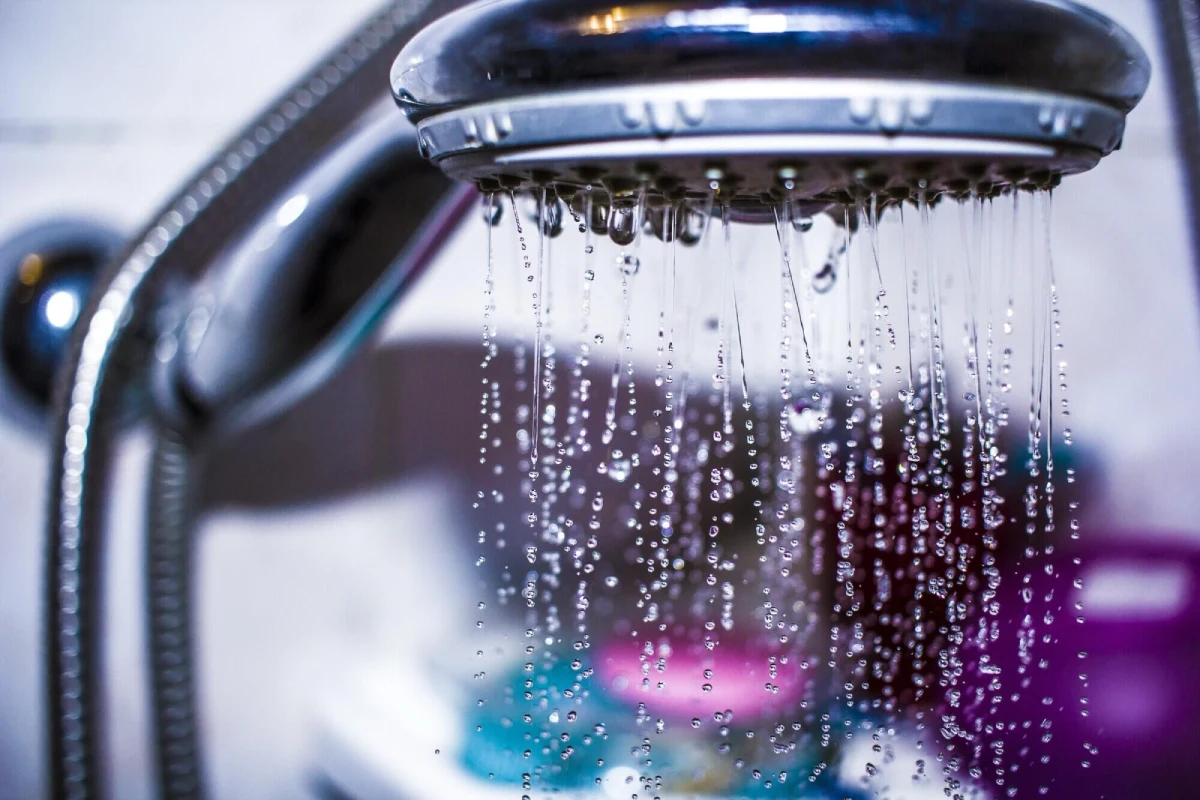
Water heating is a big part of home energy use. It accounts for about 18% of your utility bill. That’s a lot of money!
But there’s good news. New technology is making water heaters more efficient than ever. Energy-efficient water heating solutions can save you money.
They also help the environment. This article explores different types of water heaters.
You’ll learn about tankless, solar, and other options. We’ll also cover installation and smart home integration.
Understanding Water Heating Energy Use
Heating water takes a lot of energy. Traditional tank water heaters keep water hot all day, and this wastes energy. They heat water even when you’re not using it.
This is called standby heat loss. Newer systems are designed to reduce this waste. They heat water only when you need it, and this is much more efficient.
Energy-efficient water heaters come in many forms. Some use electricity more effectively, while others use renewable energy like the sun. Choosing the right one can make a big difference.
It can lower your bills and reduce your carbon footprint. Understanding your options is the first step.
Tankless Water Heaters: On-Demand Hot Water
Tankless water heaters are very popular. They don’t store hot water. Instead, they heat water as you use it. When you turn on a hot water tap, cold water flows through the unit.
A heating element warms the water instantly, and this means you never run out of hot water. It means you don’t waste energy keeping water hot. Tankless heaters come in electric and gas models.
Electric models are often easier to install. They are more efficient in some cases. Gas models can heat more water at once.
They are good for larger homes. Tankless heaters are smaller than traditional tanks. They can be mounted on a wall, and this saves space in your home.
The benefits of tankless water heaters are clear. They use less energy, they provide endless hot water, and they last longer than traditional tanks. According to the U.S. Department of Energy, tankless heaters can be 24-34% more efficient than storage tank models.
Solar Water Heaters: Using the Sun’s Energy
Solar water heaters use the sun to heat water. They are very environmentally friendly. They can also save you a lot of money.
The system includes solar collectors. These are usually installed on your roof. They capture heat from the sun, and this heat is transferred to water in a storage tank.
There are two main types of solar water heaters. Active systems use pumps to circulate water. Passive systems rely on natural convection.
Active systems are more common. They are more efficient. Solar water heaters work well in sunny climates, but they can be used in colder areas.
They often have a backup heating system for cloudy days. The initial cost of a solar water heater is high. But the long-term savings are significant.
You can reduce your water heating bill by 50-80%. The U.S. Department of Energy says solar water heaters pay for themselves over time.
Heat Pump Water Heaters: Moving Heat, Not Creating It
Heat pump water heaters work differently. They don’t generate heat directly. Instead, they move heat from the air to the water, and this is like a refrigerator in reverse.
They use electricity to move heat, not to create it. This makes them very efficient. Heat pump water heaters can be 2-3 times more efficient than standard electric models.
They work best in warm climates. They need a space with enough airflow. They can be installed in basements or garages.
They can also be integrated with your home’s HVAC system. This can improve overall efficiency. They are a great option for homes in mild to warm climates.
Condensing Water Heaters: Maximizing Efficiency
Condensing water heaters are a type of gas water heater. They capture heat that would normally escape, and this heat is used to warm the water. This makes them more efficient than standard gas models.
Condensing water heaters can achieve efficiency ratings over 90%. This is much higher than traditional gas water heaters.
These systems are more complex. They require professional installation. They have a higher upfront cost.
The energy savings can offset this. They are a great choice for homes with high hot water use. They work well in colder climates where gas is common.
Choosing the Right Water Heater for Your Home
Choosing the right water heater depends on several factors. First, consider your home’s energy source. Do you have natural gas or electricity?
Second, consider your hot water needs. How many people live in your home? What are your peak usage times?
Third, consider your budget. Some systems cost more upfront but save money over time. Finally, think about the environment.
Solar and heat pump systems are the greenest options. Many homes also choose a hybrid system. For example, pairing a tankless heater with a solar panel can maximize efficiency.
Exploring options such as Reliable Electric Water Heating Products can help you find the right solution for your home. It’s also important to consider installation costs. Some systems require professional installation, while others can be installed by a skilled homeowner.
Always follow local building codes and regulations. Hiring a licensed plumber is recommended for most installations.
Installation and Maintenance Tips
Proper installation is key to performance. Follow the manufacturer’s instructions carefully. Make sure the unit is sized correctly for your home.
Incorrect sizing can lead to inefficiency. It can also cause premature failure. Regular maintenance is important, and this includes flushing the tank to remove sediment.
It includes checking the anode rod; these simple steps can extend the life of your water heater. They can keep it running efficiently. Annual maintenance is recommended for most systems.
Make the Switch to Energy-Efficient Water Heating
Energy-efficient water heating solutions are a smart investment. They can save you money on your utility bills. They also reduce your environmental impact.
There are many options to choose from. Tankless, solar, heat pump, and smart heaters all offer benefits. Consider your needs and budget.
Research the different types. Choose the one that best fits your home. With the right system, you can enjoy hot water and lower bills.
For more home improvement tips, check out our other articles.

Comments are closed.