
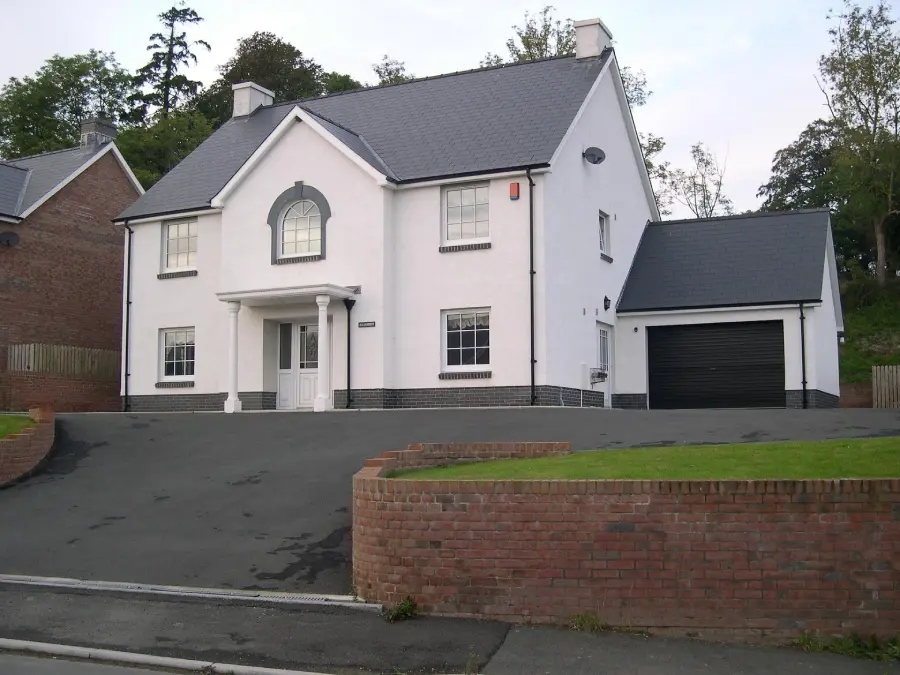
Window selection entails more choices than most homeowners think. Comfort, energy costs, and attractiveness will be impacted for decades by the combination of style, material, glazing specifications, and installer quality. Working with reputable window installers in Clydebank or elsewhere is meaningless if the product itself is not carefully selected. Making the proper choice from the beginning reduces future costs and frustration.
Understanding Window Styles
A window’s practicality and architectural appropriateness are influenced by its shape and function. Casement windows, which open outward and are hinged at the side, are still the most popular option in UK homes. They fit a variety of property styles, from contemporary new construction to Victorian terraces, and they seal and ventilate well.
Period properties are closely linked to sash windows, in which two glazed panels move past one another vertically. In older properties, replacing original sash windows with casement equivalents frequently has an unsettling appearance and may have an impact on planning permission in conservation areas. Like-for-like sash replacement improves thermal performance while maintaining character.
Turn & tilt windows open inward in two different ways, enabling either a complete opening for ventilation or a limited tilt position for ambient circulation without compromising security. These are especially useful on higher floors with restricted access for outside cleaning.
Frame Materials and Their Trade-Offs
For obvious reasons, uPVC frames rule the residential replacement market. When produced to a good standard, they are reasonably priced, need little upkeep, and have good thermal performance. The white frames that formerly characterised the product are no longer the only colour options available; foiled coatings now accurately mimic the grain of wood.
uPVC cannot completely replace the aesthetic qualities of timber frames. The warmth of the material, the depth of painted timber, and the natural wood grain all add to an appearance that is especially appropriate for period properties. Maintenance is the trade-off. In order to prevent degradation, timber frames need to be repainted or restained on a regular basis; uPVC eliminates this long-term requirement.
In modern architecture, where sightlines must be as narrow as possible, aluminium frames provide a thin profile. Thermally broken aluminium, with an insulating layer separating the inner and outer sections of the frame, is suitable for domestic use. Standard aluminium is not suited for inhabited spaces since it transfers cold easily and lacks thermal breaking.
Glazing Options Explained
For the majority of home installs, double glazing is still the typical standard. At a price that fits most budgets, two panes of glass with a gap between them, filled with argon gas and sealed around the perimeter, provide a significant improvement over single glazing.
By adding a second gas-filled cavity and a third pane, triple glazing substantially enhances thermal performance at a price of increased weight and expenditure. The benefit is especially noticeable in very cold climates or highly insulated properties where windows are the primary source of heat loss. There is a slight but noticeable energy-saving difference between high-quality double and triple glazing under typical UK conditions.
Laminated glass improves security and safety by having an inner layer that keeps the pane intact in the event of a break. Instead of breaking into hazardous shards, toughened glass breaks into tiny pieces. Both have particular uses: laminated glass works well in accessible and ground-floor areas where impact resistance and security are crucial.
Glass surfaces with low emissivity coatings reflect heat back into the space instead of letting it radiate outwards. These coatings are standard on high-quality devices and have a significant impact on overall thermal performance while having no noticeable influence on appearance.
What to Ask Before Committing
It’s important to look past the headline price when comparing window quotations. Long-term performance is determined by installation quality just as much as by product specifications. Regardless of their individual quality, poorly fitted frames permit air infiltration at intersections, severely impairing thermal and acoustic performance.
Enquire about the depth of reveal that frames will be set into, how connections with surrounding masonry will be finished, and whether warranty will cover both the product and installation. Reputable installers offer records that prove adherence to building codes and help upcoming property transactions.
Making a Decision That Lasts
Windows that are properly installed and carefully chosen can serve a property for twenty years or longer without requiring a lot of maintenance. When the selection process is rushed in an attempt to get the best deal, the outcome is disappointing for the duration of the process. An outcome worth living with for decades is produced by taking the time to understand the available options, match them to the particular house and its requirements, and choose a qualified installer.
Comments are closed.