Author

Henry Lucas

Browsing

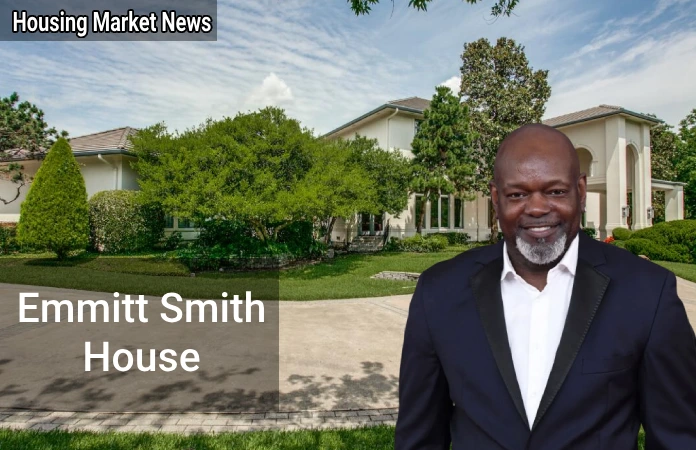
Emmitt Smith, the legendary NFL running back, has made his mark not just on the football field but also in the world of real estate. His stunning Dallas residence is a testament to his success and refined taste. But there’s more to this story than just a fancy house. Let’s dive into the details of Emmitt Smith’s impressive home and explore the life of this football icon. If you’re interested in learning about Misha Collins House be sure to check out this article.

Who is Emmitt Smith?

Emmitt Smith is a name that resonates with football fans across America. He’s not just any former NFL player; he’s a living legend. Smith spent most of his career with the Dallas Cowboys, where he became the NFL’s all-time leading rusher. But his success didn’t stop when he hung up his cleats.

After retiring from football, Smith tackled the business world with the same determination he showed on the field. He’s built an impressive portfolio that includes real estate development, construction, and even a turn on “Dancing with the Stars.” Talk about versatility!

Smith’s net worth is estimated at around $25 million. While that might not put him in the billionaire’s club, it’s certainly enough to afford some pretty sweet digs. And boy, does he have them! His primary residence in Dallas is just the tip of the iceberg when it comes to his real estate holdings.

As for cars, Smith has been known to have a taste for luxury vehicles, though he keeps the details of his collection private. Unlike some celebrities, Smith doesn’t flaunt a yacht or private jet. He seems to prefer investing in solid assets like real estate. Smart move, Emmitt!

Detail Information
Full Name Emmitt James Smith III
Date of Birth May 15, 1969
Place of Birth Pensacola, Florida
Profession Former NFL Player, Entrepreneur
NFL Teams Dallas Cowboys (1990-2002), Arizona Cardinals (2003-2004)
NFL Records All-time leading rusher (18,355 yards)
Super Bowl Wins 3 (XXVII, XXVIII, XXX)
NFL MVP 1993
Pro Bowl Selections 8
Hall of Fame Induction 2010
Net Worth Estimated $25 million
Primary Residence Dallas, Texas
Other Notable Assets Real estate investments, construction company

Where Does Emmitt Smith Live Now?

Emmitt Smith calls Dallas, Texas home, and for good reason. It’s where he made his name as a Dallas Cowboy, and it’s where he’s built his post-NFL life. His house is located in a posh area of Dallas, surrounded by other luxury homes and well-manicured lawns.

The neighborhood is known for its privacy and security, making it a perfect spot for celebrities and successful business people. It’s close enough to the heart of Dallas to enjoy all the city has to offer, but far enough away to provide a peaceful retreat from the hustle and bustle.

Dallas itself is a city that combines Southern charm with modern amenities. It’s got a thriving food scene, world-class museums, and of course, a passionate football culture. For a former Cowboys star like Smith, it’s the perfect place to call home.

Emmitt Smith House

Emmitt Smith’s house is a showstopper, no doubt about it. This isn’t just any old mansion; it’s a carefully designed home that reflects Smith’s taste and success. The house sits on a sprawling lot, giving Smith and his family plenty of room to spread out and enjoy their surroundings.

From the outside, the house is impressive without being ostentatious. It’s got a classic look that fits in with the upscale neighborhood while still standing out as something special. The landscaping is meticulously maintained, with lush green lawns and carefully placed trees and shrubs that provide both beauty and privacy.

Inside, the house is a blend of comfort and luxury. High ceilings and large windows create a sense of space and light throughout the home. The decor is tasteful, with a mix of modern and traditional elements that create a warm, inviting atmosphere.

1. Where Is Emmitt Smith’s House?

Emmitt Smith’s house is located in the prestigious Preston Hollow neighborhood of Dallas, Texas. This area is known for its large lots, beautiful homes, and famous residents. It’s a place where privacy is valued, and neighbors include other sports stars, business tycoons, and even former presidents.

Preston Hollow is about 6 miles north of downtown Dallas, making it convenient for Smith to stay connected to the city where he made his name. The neighborhood is known for its tree-lined streets and spacious properties, giving residents a sense of being in a park-like setting while still being close to urban amenities.

The exact address isn’t public knowledge, and that’s intentional. In Preston Hollow, residents value their privacy, and Smith is no exception. But we can tell you that the house is situated on a generous lot that provides plenty of space between neighbors.

2. Features of Emmitt Smith House

The Emmitt Smith house is a masterpiece of design and comfort. Built in a traditional style, the house blends seamlessly with its upscale surroundings while still making a statement of its own. The exterior features a mix of brick and stone, giving it a solid, timeless appearance.

The house spans approximately 10,000 square feet, providing plenty of room for Smith, his family, and any guests they might entertain. It’s a two-story structure with a symmetrical facade, large windows, and a welcoming front entrance that hints at the luxury within.

Architecturally, the house draws inspiration from classic American designs, with a nod to Southern style. It’s got a pitched roof, dormer windows, and elegant columns that frame the front door. These elements combine to create a home that looks both stately and inviting.

Inside, the layout is designed for both comfort and entertaining. There are spacious formal areas for hosting guests, as well as cozy family spaces for everyday living. High ceilings throughout the house add to the sense of grandeur, while large windows let in plenty of natural light and offer views of the beautifully landscaped grounds.

3. Personal House Touches

When Emmitt Smith bought this house, he didn’t just move in and call it a day. He put his personal stamp on it, making improvements that reflect his taste and lifestyle. Here are five key upgrades Smith made to transform the house into his dream home:

  1. Home Gym: As a former athlete, staying in shape is important to Smith. He added a state-of-the-art home gym equipped with top-of-the-line fitness equipment. It’s like having a personal training facility right at home.
  2. Trophy Room: Smith’s NFL career was legendary, and he needed a special place to display his many awards and memorabilia. He created a custom trophy room that showcases his Super Bowl rings, MVP award, and other accolades.
  3. Outdoor Entertainment Area: Smith expanded the outdoor living space, adding a large patio with a built-in grill and seating area. It’s perfect for those Texas evenings when you want to relax outside with family and friends.
  4. Smart Home Technology: The house got a tech upgrade with the latest smart home features. From automated lighting and climate control to a high-end security system, Smith’s house is now as smart as it is beautiful.
  5. Wine Cellar: For the wine enthusiast in Smith, a custom wine cellar was added to store and showcase his collection. It’s temperature-controlled and beautifully designed, making it a standout feature of the home.

4. House Amenities

The Emmitt Smith house is packed with amenities that make it a true luxury home. Here’s a list of some of the standout features:

  • Gourmet kitchen with top-of-the-line appliances
  • Home theater
  • Swimming pool and spa
  • Multiple fireplaces
  • Library/study
  • Game room
  • Formal dining room
  • Master suite with sitting area and luxury bathroom
  • Guest suites
  • Home office
  • Fitness center
  • Wine cellar
  • Outdoor kitchen and entertainment area
  • Multi-car garage
  • Security system with cameras

5. Neighborhood Area

The Preston Hollow neighborhood where Emmitt Smith’s house is located is one of the most desirable areas in Dallas. It’s known for its large lots, mature trees, and winding roads that give it a secluded, park-like feel. Despite this sense of seclusion, it’s just a short drive from the heart of Dallas.

Residents of Preston Hollow enjoy easy access to some of the best shopping and dining in Dallas. The NorthPark Center, one of the top shopping destinations in the area, is just a few minutes away. For outdoor enthusiasts, the nearby Preston Hollow Park offers green spaces and walking trails.

The neighborhood is also known for its excellent schools, both public and private. This makes it a popular choice for families, including celebrities like Smith who value education and a family-friendly environment.

Security is a top priority in Preston Hollow, with many homes having private security systems and the neighborhood benefiting from increased police patrols. This allows residents like Smith to enjoy their privacy and feel safe in their homes.

Market Value

Detail Information
Build Year 1995
Purchase Year 2009
Purchase Value $4.5 million
Current Estimated Value (2025) $10.5 million

The significant increase in value reflects both the improvements Smith has made to the property and the overall appreciation of real estate in the desirable Preston Hollow neighborhood.

Emmitt Smith’s Real Estate Portfolio

While the Dallas home is Emmitt Smith’s primary residence, it’s not his only real estate holding. Smith has shown a keen interest in real estate investment and development throughout his post-NFL career.

In his hometown of Pensacola, Florida, Smith still owns his childhood home. While it’s not a luxury property like his Dallas residence, it holds sentimental value for the football star. He’s been known to visit occasionally and has contributed to community projects in the area.

Smith has also been involved in commercial real estate development. Through his company, ESmith Legacy, he’s been part of several projects in the Dallas-Fort Worth area. These include mixed-use developments and affordable housing initiatives.

In terms of residential properties, Smith has been relatively private about his holdings. However, it’s known that he’s owned properties in Arizona, where he played for the Cardinals at the end of his NFL career.

While the exact details of all his properties aren’t public knowledge, it’s clear that Smith sees real estate as more than just a place to live. For him, it’s an investment strategy and a way to contribute to community development.

Conclusion

Emmitt Smith’s house in Dallas is more than just a luxury home; it’s a reflection of the success and taste of one of the NFL’s greatest players. From its prime location in Preston Hollow to its impressive amenities and personal touches, the house is a testament to Smith’s achievements both on and off the field.

But what makes this story truly interesting is how it fits into Smith’s larger approach to life after football. He’s not content to rest on his laurels or simply enjoy his wealth. Instead, he’s leveraged his success into new ventures, particularly in real estate development. His home is just one part of a diverse portfolio that shows Smith’s business acumen.

As we’ve explored the Emmitt Smith house, we’ve gotten a glimpse into the life of a sports legend who’s successfully transitioned into the business world. It’s a story of continued growth and smart investments, with a beautiful home at its center.

Whether you’re a football fan, a real estate enthusiast, or just someone who appreciates a success story, there’s something to admire in Emmitt Smith’s approach to life and property. His Dallas home stands as a symbol of his achievements and his ongoing commitment to excellence, both on the field and off.
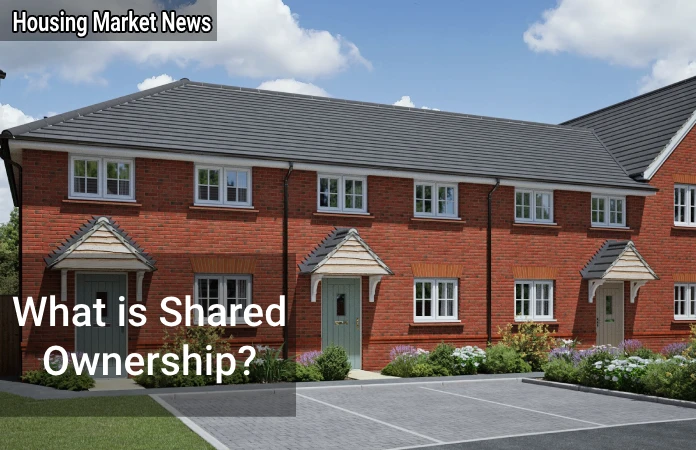

Shared Ownership is a government-backed housing scheme designed to help aspiring homeowners get onto the property ladder when they might otherwise struggle to afford a home outright. This innovative approach to homeownership has gained popularity in recent years, offering a more accessible route to owning property for many first-time buyers and those on lower to middle incomes. If you’re interested in learning about How to Maximize Affordability When Buying a New-Build Home be sure to check out this article.

How Shared Ownership Works

At its core, Shared Ownership allows you to purchase a share of a property while paying rent on the remaining portion. Here’s a breakdown of the key aspects:

  1. Partial ownership: You buy a share of the property, typically between 10% and 75% of its full market value.
  2. Rent payments: You pay a subsidized rent on the portion you don’t own, usually at a rate of 2.75% of the property value per annum.
  3. Mortgage: You’ll need a mortgage for the share you’re buying, with a minimum 5-10% deposit of your share’s value.
  4. Staircasing: Over time, you can increase your ownership share through a process called staircasing, potentially up to 100% ownership.

Shared Ownership homes are offered on long-term leases, providing both flexibility and security. This arrangement allows buyers to enter the property market at a more affordable price point while still enjoying the benefits of homeownership.

Eligibility Criteria

To qualify for Shared Ownership, you must meet certain criteria:

  1. Age requirement: Applicants must be 18 years or older.
  2. Income threshold: Your annual household income must not exceed ÂŁ80,000 (ÂŁ90,000 in London).
  3. First-time buyer or non-homeowner: You cannot own another property at the time of purchase.
  4. Affordability: You must be unable to afford a suitable home on the open market.
  5. Good credit history: You should have a good credit record with no bad debts or county court judgments (CCJs).

Some housing providers or local authorities may have additional requirements, such as a connection to the area where the property is located.

Costs Associated with Shared Ownership

When considering Shared Ownership, it’s important to understand all the costs involved:

  1. Mortgage payments on your share
  2. Rent on the remaining portion
  3. Service charges and ground rent
  4. Utility bills and council tax
  5. Contents insurance
  6. Property maintenance costs
  7. Legal and conveyancing fees

While the initial costs may be higher than renting, the long-term expenses often work out cheaper than paying rent to a private landlord.

Advantages of Shared Ownership

Shared Ownership offers several benefits that make it an attractive option for many:

  1. Lower entry costs: The scheme allows you to purchase a property with a smaller deposit and mortgage, making homeownership more accessible.
  2. Affordability: Monthly repayments can often be lower than renting privately or having an outright mortgage.
  3. Stability: As an owner-occupier, you gain long-term stability without overstretching your finances.
  4. Flexibility: You have the option to increase your ownership share over time through staircasing.
  5. Property ladder entry: It provides a way to get onto the property ladder when you might otherwise be priced out of the market.
  6. Stamp Duty savings: It’s often not necessary to pay Stamp Duty Land Tax on initial purchases.

Disadvantages of Shared Ownership

While Shared Ownership has many advantages, it’s important to consider the potential drawbacks:

  1. Ongoing rent payments: You’ll still need to pay rent on the portion you don’t own, in addition to your mortgage.
  2. Full financial responsibility: Despite only owning a share, you’re liable for all charges associated with the property, including repairs and maintenance.
  3. Restrictions on subletting: Shared Ownership homes cannot be sublet, which may limit flexibility for some buyers.
  4. Limited property selection: The pool of available Shared Ownership properties may be more limited compared to the open market.
  5. Leasehold nature: All Shared Ownership properties are leasehold, which comes with its own set of considerations.

Recent Changes to the Scheme

The government has recently introduced some changes to make Shared Ownership even more accessible:

  1. Minimum initial share reduced to 10% (previously 25%).
  2. Ability to staircase in 1% increments, making it easier to increase ownership over time.
  3. 10-year period where the landlord supports essential repairs, reducing the financial burden on new homeowners.

Comparison with Other Schemes

Shared Ownership is one of several government-backed schemes designed to help people onto the property ladder. It differs from other programs like Help to Buy in terms of deposit requirements, ownership structure, and eligibility criteria. When considering your options, it’s crucial to compare these schemes to determine which best suits your circumstances.

The Buying Process

If you’re interested in pursuing Shared Ownership, here’s a general outline of the process:

  1. Check your eligibility and register with your local Help to Buy agent.
  2. Search for Shared Ownership properties in your desired area.
  3. Arrange a financial assessment to determine what you can afford.
  4. View properties and make an offer on your chosen home.
  5. Once your offer is accepted, appoint a solicitor and apply for a mortgage.
  6. Complete the purchase and move into your new home.

Staircasing: Increasing Your Share

One of the key features of Shared Ownership is the ability to increase your share of the property over time through staircasing. This process allows you to gradually own more of your home as your financial situation improves. Here’s how it works:

  1. You can usually purchase additional shares in increments of 10% or more.
  2. The cost of additional shares is based on the property’s current market value.
  3. As you increase your share, your rent will decrease proportionally.
  4. In most cases, you can staircase up to 100% ownership, at which point you’ll no longer pay rent.

Selling a Shared Ownership Property

If you decide to sell your Shared Ownership home, the process is slightly different from selling a property on the open market:

  1. You’ll need to inform your housing provider of your intention to sell.
  2. The housing provider usually has the right to find a buyer for your home first.
  3. If they can’t find a buyer, you can sell your share on the open market.
  4. The sale price will be based on the current market value of the property.

Is Shared Ownership Right for You?

Deciding whether Shared Ownership is the right choice depends on your individual circumstances. Consider the following:

  1. Your current financial situation and future earning potential
  2. Your long-term housing goals
  3. The property market in your desired area
  4. Your willingness to take on the responsibilities of homeownership
  5. Your ability to afford the combined costs of mortgage, rent, and associated fees

Conclusion

Shared Ownership offers a unique pathway to homeownership for those who might otherwise struggle to enter the property market. By allowing buyers to purchase a share of a property and pay rent on the remainder, it provides an affordable stepping stone to full ownership. While the scheme comes with its own set of considerations and potential drawbacks, for many, it represents a valuable opportunity to gain a foothold on the property ladder.

As with any major financial decision, it’s crucial to thoroughly research and understand all aspects of Shared Ownership before committing. Consult with financial advisors, mortgage specialists, and housing providers to ensure you have a comprehensive understanding of the scheme and how it aligns with your personal circumstances and long-term goals.

With recent changes making the scheme even more accessible, Shared Ownership continues to evolve as an important tool in addressing housing affordability challenges. For those dreaming of homeownership but finding traditional routes out of reach, Shared Ownership may well be the key to unlocking that dream.

Paula Deen, the famous Southern chef and TV personality, has made quite a name for herself in the culinary world. But it’s not just her cooking that’s impressive – her house is pretty amazing too! Let’s take a peek inside Paula Deen house and see what makes it so special. If you’re interested in learning about Richard Petty House, be sure to check out this article.

Paula Deen isn’t just about butter and comfort food. She’s built quite an empire over the years. With a net worth of around $16 million, Paula’s got some serious dough (pun intended!). She’s got a few homes, a yacht, and even her own line of cookware. But her main house? That’s where the real magic happens.

Detail Information
Full Name Paula Ann Hiers Deen
Born January 19, 1947
Birthplace Albany, Georgia, USA
Occupation Celebrity chef, TV personality, restaurateur, author
Net Worth $16 million
Homes Savannah, Georgia (primary residence), Wilmington Island, Georgia
Yacht Yes
Private Jets No
Cars Collection includes a Cadillac

Where Does Paula Deen Live Now?

Paula Deen calls Savannah, Georgia home. It’s a city that’s as rich in history as Paula’s dishes are in flavor. Savannah’s known for its beautiful parks, historic buildings, and Southern charm – just like Paula herself! Her house is nestled in the Wilmington Island area, which is just a hop, skip, and a jump from downtown Savannah. It’s the perfect spot for a Southern cooking queen.

Paula Deen House

Paula’s house isn’t just a house – it’s a Southern dream come true! This place is like something out of a movie, y’all. It’s got that classic Southern charm with a modern twist, just like Paula’s cooking. The house sits on a beautiful piece of land, surrounded by lush greenery and towering oak trees dripping with Spanish moss. It’s the kind of place where you can imagine sipping sweet tea on the porch and watching the world go by.

1. Where Is Paula Deen House?

Paula’s house is located on Wilmington Island, just outside of Savannah, Georgia. It’s a beautiful, secluded spot that gives Paula plenty of privacy while still being close to the hustle and bustle of the city. The island is surrounded by rivers and marshes, giving it a real coastal feel. It’s the perfect setting for a Southern cooking icon like Paula.

2. Features of Paula Deen House

Paula’s house is a real stunner. It’s a sprawling, 14,500-square-foot mansion that screams Southern luxury. The house has a French Caribbean style, with white walls and a red roof that really pops against the green landscape. It’s got lots of big windows to let in all that Georgia sunshine, and plenty of outdoor spaces to enjoy the beautiful weather.

The house has a grand, sweeping staircase that’ll make you feel like you’re in “Gone with the Wind.” There’s also a gourmet kitchen (of course!), multiple living areas, and enough bedrooms to host a small army. The architectural design is all about blending indoor and outdoor living, with lots of French doors and covered porches.

3. Personal House Touches

When Paula bought the house, she didn’t just move in – she made it her own. Here are the top 5 improvements Paula made to really put her stamp on the place:

  1. Kitchen Upgrade: You know Paula had to have a kitchen fit for a queen of Southern cuisine. She installed top-of-the-line appliances and added plenty of counter space for all her cooking adventures.
  2. Outdoor Kitchen: Because one kitchen just isn’t enough! Paula added a fully equipped outdoor kitchen for those beautiful Georgia evenings.
  3. Pool Area: Paula transformed the backyard into a resort-style oasis, complete with a stunning pool and plenty of lounging areas.
  4. Home Theater: For those nights when she’s not in the kitchen, Paula added a cozy home theater for movie nights.
  5. Guest House: Southern hospitality is important to Paula, so she added a guest house to make sure visitors always have a comfortable place to stay.

4. House Amenities

  • Gourmet kitchen with professional-grade appliances
  • Outdoor kitchen and dining area
  • Resort-style pool
  • Home theater
  • Guest house
  • Wine cellar
  • Fitness center
  • Multiple fireplaces
  • Elevator
  • Dock with river access

5. Neighborhood Area

Wilmington Island is a little slice of paradise. It’s a quiet, residential area that’s perfect for someone like Paula who values her privacy. The island is surrounded by the Wilmington River, which means there’s plenty of opportunities for boating and fishing. There are also golf courses nearby for those who like to hit the links.

The area has a real community feel to it. There are local shops and restaurants, and everyone knows everyone. It’s the kind of place where you can borrow a cup of sugar from your neighbor – though in Paula’s case, she’s probably the one lending out the sugar!

Market Value

Detail Information
Build Year 2009
Purchase Year 2006 (land purchase)
Purchase Value $3.75 million (for the land)
Current Estimated Value $8 million

Paula Deen’s Real Estate Portfolio

Paula’s main house on Wilmington Island isn’t her only property. She’s got a few other places that she calls home:

  1. Savannah Beach House: Paula has a beautiful beach house on Tybee Island, just outside of Savannah. It’s a great getaway spot when she wants to feel the sand between her toes.
  2. Childhood Home: While she doesn’t own it anymore, Paula grew up in Albany, Georgia. Her childhood home is still there and has become a bit of a local landmark.
  3. The Lady & Sons Restaurant: While not a home, this Savannah restaurant is where Paula’s empire really began. It’s still going strong today.
  4. Riverbend: This was Paula’s previous home in Savannah. She sold it in 2019 for $8.75 million.

Paula’s real estate choices show that she’s a Georgia girl through and through. Whether it’s her main house on Wilmington Island or her beach getaway on Tybee Island, Paula knows how to live the good life, Southern style!

Conclusion

Paula Deen house is just like her cooking – full of Southern charm and comfort. From its beautiful location on Wilmington Island to its luxurious amenities, it’s clear that Paula knows how to make a house a home. Whether she’s whipping up a feast in her gourmet kitchen or relaxing by the pool, Paula’s house is the perfect backdrop for her Southern lifestyle. It’s a place where good food, good company, and good times come together – just like in Paula’s famous recipes.

Paula Deen’s Savannah mansion showcases Southern luxury with its French Caribbean style, gourmet kitchens, and resort-like amenities. Located on scenic Wilmington Island, this 14,500 sq ft home perfectly reflects the celebrity chef’s warm hospitality and love of coastal Georgia living.

The Own New Rate Reducer is an innovative scheme launched in February 2024 that aims to make homeownership more affordable for buyers of new build properties. This program, created by property finance company Own New, works by allowing homebuyers to access significantly reduced mortgage rates for the initial term of their mortgage, typically 2 to 5 years. If you’re interested in learning about How to Maximize Affordability When Buying a New-Build Home be sure to check out this article.

How the Scheme Works

The Own New Rate Reducer operates through a collaboration between property developers, lenders, and the Own New platform. Here’s a breakdown of the process:

  1. Property Developer Contribution: The developer agrees to contribute 3% or 5% of the purchase price towards the buyer’s mortgage.
  2. Fund Transfer: This contribution is sent to the mortgage lender via Own New, the property finance company managing the scheme.
  3. Interest Offset: The contribution is offset against the mortgage interest, resulting in a lower interest rate for the buyer.
  4. Reduced Monthly Payments: As a result, homebuyers benefit from reduced monthly payments for the initial fixed term of their mortgage.

Key Features and Benefits

The Own New Rate Reducer scheme offers several attractive features for potential homebuyers:

  1. Significantly Reduced Rates: Mortgage rates can be as low as 1.59% for the initial term, with some cases even offering sub-1% rates.
  2. Wide Eligibility: The scheme is available to both first-time buyers and existing homeowners looking to move.
  3. 100% Ownership: Buyers own 100% of their property, unlike some other homebuying assistance schemes.
  4. Lower Monthly Payments: The reduced interest rates translate to lower monthly mortgage payments during the initial term.
  5. Increased Capital Repayment: With lower interest rates, more of the monthly payment goes towards reducing the mortgage principal, allowing buyers to build equity faster.
  6. Minimal Deposit Requirement: In some cases, the scheme can be accessed with as little as a 5% deposit.

Participating Entities

The success of the Own New Rate Reducer scheme relies on the participation of various stakeholders in the property market:

  1. Lenders: Several major lenders have joined the scheme, including Halifax, Virgin Money, Gen H, Furness Building Society, and Perenna.
  2. Developers: Over 60 homebuilders are participating, including well-known names such as Barratt Developments, Persimmon, Taylor Wimpey, Bellway, and Berkeley Homes.
  3. Mortgage Brokers: The scheme can only be accessed through approved Own New mortgage brokers.

Eligibility and Application Process

To be eligible for the Own New Rate Reducer scheme, buyers must be purchasing a new build property from a participating developer. The application process involves the following steps:

  1. Find an eligible property from a participating developer.
  2. Arrange a mortgage through an approved Own New broker.
  3. Go through the usual new build buying process.
  4. Receive a letter of acknowledgment, including a personalized illustration of how the developer’s contribution will be used.

Considerations and Potential Drawbacks

While the Own New Rate Reducer scheme offers significant benefits, there are some factors that potential buyers should consider:

  1. Limited to New Builds: The scheme is only available for new build properties from participating developers, which may limit choices and potentially be more expensive than existing homes.
  2. Future Rate Increases: After the initial fixed-rate period ends, mortgage rates may increase significantly, potentially leading to higher monthly payments.
  3. Restricted Lender Choice: The scheme is currently available through a limited number of lenders, which may restrict options for buyers.
  4. Property Depreciation: New build properties tend to depreciate in value initially, which could affect equity in the short term.

Impact on the Housing Market

The Own New Rate Reducer scheme has the potential to significantly impact the new build housing market:

  1. Increased Affordability: By reducing monthly mortgage payments, the scheme makes new build homes more accessible to a wider range of buyers.
  2. Stimulating New Build Sales: The attractive rates offered through the scheme could drive increased interest in new build properties.
  3. Supporting First-Time Buyers: The scheme provides an additional avenue for first-time buyers to enter the property market with more affordable initial payments.
  4. Encouraging Property Developers: With increased demand for new builds, developers may be incentivized to increase construction, potentially helping to address housing shortages.

Comparison to Other Schemes

The Own New Rate Reducer scheme differs from other homebuying assistance programs in several ways:

  1. Full Ownership: Unlike shared ownership schemes, buyers own 100% of their property from the outset.
  2. No Equity Loan: In contrast to programs like Help to Buy, there’s no equity loan involved, simplifying the ownership structure.
  3. Focus on Interest Rates: Rather than providing deposit assistance, this scheme focuses on reducing ongoing mortgage costs.

Future Outlook

As a relatively new scheme, the Own New Rate Reducer has the potential for growth and evolution:

  1. Expanding Participation: More lenders and developers are expected to join the scheme, providing buyers with a wider range of options.
  2. Potential Adaptations: As the scheme matures, there may be adjustments to its structure or offerings based on market response and buyer needs.
  3. Impact on Mortgage Market: The scheme could influence broader mortgage market trends, potentially encouraging more competitive rates for new build properties.

Conclusion

The Own New Rate Reducer scheme represents an innovative approach to making new build homes more affordable and accessible. By leveraging developer incentives to reduce mortgage rates, it offers significant benefits to buyers, particularly in the initial years of homeownership. However, as with any financial decision, potential buyers should carefully consider their long-term financial situation and seek professional advice to determine if this scheme aligns with their homeownership goals.

As the housing market continues to evolve, schemes like Own New Rate Reducer play a crucial role in addressing affordability challenges and supporting homeownership aspirations. While it’s not a one-size-fits-all solution, for many buyers, it could be the key to unlocking the door to their new home.

Billy Gibbons, the legendary guitarist of ZZ Top, has made quite a name for himself in the music industry. But his success isn’t just limited to his musical talents. With a net worth of around $60 million, Gibbons has amassed an impressive collection of assets, including multiple homes, cars, and even a yacht. But today, we’re going to take a closer look at one of his most prized possessions: his stunning Los Angeles home. If you’re interested in learning about Anthony Davis House be sure to check out this article.

Who is Billy Gibbons?

Billy Gibbons is a rock icon known for his distinctive guitar playing and his role as the lead guitarist of ZZ Top. He’s been rocking the music world for over five decades, and his success has allowed him to live quite the luxurious lifestyle. With his signature long beard and sunglasses, Gibbons has become a recognizable figure both on and off the stage.

Gibbons’ wealth isn’t just tied up in his music. He’s a smart investor and has put his money into various assets. He owns several homes across the United States, each with its own unique charm. His car collection is nothing to scoff at either, with over 20 vintage and custom cars in his garage. And when he’s not cruising on land, he’s sailing the seas in his private yacht.

But it’s not all about material possessions for Gibbons. He’s also known for his philanthropy and love for art. He’s an avid collector of African art and has even collaborated with various artists on custom guitar designs.

Detail Information
Full Name William Frederick Gibbons
Born December 16, 1949
Birthplace Houston, Texas
Occupation Musician, Singer, Songwriter, Actor, Producer
Band ZZ Top
Net Worth $60 million
Cars 20+ vintage and custom cars
Homes Multiple properties across the US
Yacht Yes
Private Jets No confirmed information

Where Does Billy Gibbons Live Now?

Billy Gibbons currently calls Los Angeles, California his home. The City of Angels has been a magnet for musicians and artists for decades, and it’s no surprise that Gibbons chose to settle here. His home is nestled in the hills of Los Angeles, offering breathtaking views of the city below.

The neighborhood where Gibbons resides is known for its privacy and exclusivity. It’s a place where celebrities can escape the hustle and bustle of Hollywood while still being close to the action. The winding roads and lush greenery create a serene atmosphere, perfect for a rock star looking for some peace and quiet between tours.

Billy Gibbons House

Billy Gibbons’ Los Angeles home is a true reflection of the rock star’s unique personality and style. This isn’t just a house; it’s a carefully curated space that showcases Gibbons’ love for music, art, and design. Let’s take a closer look at this impressive property that the ZZ Top guitarist calls home.

1. Where Is Billy Gibbons House?

Billy Gibbons house is located in the exclusive neighborhood of Beverly Hills, Los Angeles. This area is known for its luxury homes and celebrity residents, making it the perfect location for a rock legend like Gibbons. The exact address isn’t public knowledge, which is typical for celebrity homes to maintain privacy and security.

Beverly Hills is more than just a zip code; it’s a lifestyle. The neighborhood is known for its high-end shopping on Rodeo Drive, world-class restaurants, and beautiful parks. It’s also conveniently located near other popular Los Angeles areas like West Hollywood and Bel Air.

For Gibbons, this location offers the best of both worlds. He’s close enough to the music scene and entertainment industry of Hollywood, but far enough away to enjoy some peace and quiet when he’s not on tour or in the recording studio.

2. Features of Billy Gibbons House

Billy Gibbons house is a testament to modern architectural design with a rock ‘n’ roll twist. The property spans over 12,000 square feet, providing plenty of space for Gibbons to live, work, and entertain.

The house’s exterior is a blend of contemporary and Mediterranean styles, with clean lines and a neutral color palette that allows it to blend seamlessly into its hillside setting. Large windows are a prominent feature, allowing natural light to flood the interior spaces and offering stunning views of the Los Angeles skyline.

Inside, the house is a perfect reflection of Gibbons’ eclectic taste. The open floor plan creates a spacious feel, with high ceilings and an abundance of natural light. The interior design is a mix of modern luxury and rock ‘n’ roll edge, with custom furnishings and unique artwork throughout.

One of the standout features of the house is Gibbons’ home studio. As you might expect from a musician of his caliber, this isn’t just any home studio. It’s a state-of-the-art recording space where Gibbons can work on his music whenever inspiration strikes. The studio is equipped with top-of-the-line recording equipment and instruments, including some of Gibbons’ prized guitars.

3. Personal House Touches

Since purchasing the property, Billy Gibbons has made several improvements to make the house truly his own. Here are the top 5 improvements:

  1. Custom Guitar Display Room: Gibbons converted one of the rooms into a dedicated space to showcase his extensive guitar collection. This room features climate-controlled display cases and special lighting to protect and highlight his prized instruments.
  2. Expanded Garage: To accommodate his love for cars, Gibbons expanded the garage to house more of his vintage and custom vehicles. The garage now resembles a high-end showroom more than a typical home garage.
  3. Outdoor Entertainment Area: Gibbons added a large outdoor entertainment area complete with a built-in BBQ, fire pit, and seating area. This space is perfect for hosting friends and fellow musicians for jam sessions under the California sky.
  4. Art Gallery: With his love for African art, Gibbons created a mini art gallery within the house to display his collection. This space features special lighting and display cases to showcase the unique pieces.
  5. Meditation Garden: Surprising to some, Gibbons added a zen-inspired meditation garden. This tranquil space provides a quiet retreat where he can find inspiration or simply relax after a long tour.

4. House Amenities

  • State-of-the-art recording studio
  • Custom guitar display room
  • Expanded multi-car garage
  • Outdoor entertainment area
  • Private art gallery
  • Meditation garden
  • Gourmet kitchen with professional-grade appliances
  • Home theater
  • Wine cellar
  • Fitness center
  • Swimming pool and spa
  • Guest house
  • Library/study
  • Multiple fireplaces
  • Smart home technology system

5. Neighborhood Area

The neighborhood surrounding Billy Gibbons house is as star-studded as you might expect. Beverly Hills is home to numerous celebrities, business moguls, and other high-profile individuals. The area is known for its privacy and security, with many homes hidden behind gates and hedges.

Despite its exclusive nature, the neighborhood has a strong sense of community. There are several parks nearby, including the famous Beverly Gardens Park, which hosts the annual Beverly Hills Art Show. The area also boasts some of the best schools in Los Angeles, making it a popular choice for families.

For dining and shopping, Gibbons doesn’t have to go far. The iconic Rodeo Drive is just a short drive away, offering high-end boutiques and world-class restaurants. For more casual outings, there are plenty of local cafes and shops in the area.

The neighborhood is also conveniently located for a musician like Gibbons. It’s close to several famous music venues and recording studios in Los Angeles, making it easy for him to stay connected to the music scene.

Market Value

Detail Information
Build Year 1992
Purchase Year 2013
Purchase Value $7.2 million
Current Estimated Value $9.95 million

Billy Gibbons’ Real Estate Portfolio

While his Beverly Hills home is his primary residence, Billy Gibbons has owned several properties over the years. Here’s a look at some of the other homes in his real estate portfolio:

  1. Houston, Texas Home: Gibbons still owns a property in his hometown of Houston. This house is more modest compared to his LA home, but it keeps him connected to his roots. The property is located in a quiet suburban area and features a recording studio where Gibbons can work when he’s visiting Texas.
  2. Nashville, Tennessee Condo: Given his ties to the music industry, it’s no surprise that Gibbons has a place in Music City. He owns a luxury condo in downtown Nashville, which he uses when he’s in town for recording sessions or performances.
  3. Palm Springs, California Retreat: Gibbons also owns a vacation home in Palm Springs. This mid-century modern house is perfect for escaping the hustle and bustle of Los Angeles. It features a pool and a spacious outdoor area, ideal for relaxing in the desert sun.
  4. New Orleans, Louisiana Apartment: Reflecting his love for blues music, Gibbons has a small apartment in the French Quarter of New Orleans. This property allows him to immerse himself in the rich musical culture of the city whenever he visits.
  5. Childhood Home (Sold): The house where Gibbons grew up in Houston was sold years ago, but it holds a special place in his heart. It was in this modest suburban home where he first started playing guitar and dreaming of a career in music.

Each of these properties reflects a different aspect of Gibbons’ life and career, from his Texas roots to his love for different music scenes across the country.

Conclusion

Billy Gibbons house in Los Angeles is more than just a place to live; it’s a reflection of his successful career, his passion for music, and his unique personality. From the state-of-the-art recording studio to the custom guitar display room, every aspect of this home speaks to Gibbons’ life as a rock legend.

But it’s not just about luxury and extravagance. The house also shows us a side of Gibbons that fans might not see on stage – a man who appreciates art, enjoys quiet moments in his meditation garden, and values his privacy in the exclusive neighborhood of Beverly Hills.

As Gibbons continues to make music and tour with ZZ Top, his Los Angeles home remains a constant – a place where he can relax, create, and surround himself with the things he loves. It’s a testament to his success and a sanctuary for one of rock’s most enduring icons.

Buying a new-build home can be an exciting prospect, offering the allure of modern design, energy efficiency, and the opportunity to customize your living space. However, the cost of new construction can often be a barrier for many aspiring homeowners. Fortunately, there are numerous strategies and incentives available to maximize affordability and make the dream of owning a new-build home a reality. This article explores various avenues to reduce the financial burden, from leveraging government schemes and builder incentives to considering location and sustainable design. If you’re interested in learning about Bank of England Base Rate Cut To 4.5% be sure to check out this article.

1. Government Schemes and Incentives

Government-backed schemes are designed to assist first-time buyers and those with limited financial resources in getting onto the property ladder. These initiatives can significantly reduce the upfront costs and monthly payments associated with purchasing a new-build home.

  • Lifetime ISA: If you’re between 18 and 40 years old, a Lifetime ISA (Individual Savings Account) can provide a significant boost to your savings. You can contribute up to ÂŁ4,000 each year, and the government will add a 25% bonus, up to a maximum of ÂŁ1,000 per year. This bonus can be used towards the purchase of your first home.
  • Shared Ownership: This scheme allows you to purchase a share of a property, typically between 25% and 75%, and pay rent on the remaining portion. This reduces the initial deposit and mortgage requirements, making homeownership more accessible. Over time, you can increase your ownership share as your financial situation improves.
  • First Homes: The First Homes scheme offers new-build properties at a discount of 30-50% to first-time buyers. Eligibility criteria apply, including income caps and local connections. This scheme can substantially lower the purchase price, making homeownership a more realistic goal.
  • Rent to Buy: This scheme provides an opportunity to rent a new-build property at a reduced rate, typically 20% below market value, for a set period. This allows you to save for a deposit while living in the home, giving you a head start when you’re ready to buy.

2. Builder Incentive Schemes

New-build developers often offer a range of incentives to attract buyers and facilitate sales. These schemes can provide significant cost savings and make purchasing a new home more affordable.

  • Part Exchange: If you already own a home, some developers will offer a part-exchange program. This involves the developer purchasing your existing property, allowing you to use the equity to fund the purchase of your new-build. This eliminates the hassle and expense of selling your home on the open market.
  • Own New Rate Reducer: This innovative scheme allows you to buy a new-build home with a reduced interest rate on your mortgage. The developer provides an incentive that lowers your monthly payments for an initial period, making the mortgage more affordable.
  • Deposit Paid: To help buyers overcome the deposit hurdle, some developers offer to contribute towards your deposit. This can be a cash incentive or a reduction in the purchase price, making it easier to secure a mortgage and purchase your new home.
  • Stamp Duty and Other Costs: Developers may offer to cover stamp duty, legal fees, or other associated costs, reducing the overall financial burden of buying a new-build. Additionally, builders may offer to cover kitchen appliances or garden landscaping.

3. Advantages of New Construction Homes

While the initial purchase price of a new-build home may seem higher, there are several long-term financial benefits that can make them more affordable than older properties.

  • Lower Maintenance Costs: New homes are built to modern standards and come with new appliances and systems, reducing the likelihood of costly repairs and maintenance in the early years.
  • Energy Efficiency: New-build homes are typically more energy-efficient than older properties, thanks to modern insulation, windows, and heating systems. This can lead to significant savings on energy bills over time.
  • Warranties: New construction homes come with warranties that cover defects and issues for a specific period, providing peace of mind and protecting you from unexpected expenses.

4. Location, Land Use and Density

The location of a new-build home significantly impacts its affordability. Opting for suburban or rural areas, where land costs are lower, can make homeownership more attainable.

  • Land Costs: New construction homes are often nestled in suburban or rural settings, where the orchestra of crickets at night comes standard and the cost of land is more wallet-friendly.
  • Optimize Land Use: Optimizing land use involves building higher-density developments, mixed-use projects, or infill housing within existing neighborhoods. Maximizing available land space reduces the per-unit cost, allowing builders to create more affordable housing options.
  • Legalize More Apartment Units: Many American cities make it illegal to build anything other than a single-family, detached home on over 75% of land zoned for residential use, severely restricting efforts to increase the supply of affordable housing. Cities can also address other potentially restrictive policies, including minimum lot size requirements, density limits, and prohibitions against mixed-use developments (apartments in commercial zones) to more quickly build affordable housing at scale.

5. Sustainable Design

Incorporating sustainable design principles into your new-build home can lead to long-term cost savings and environmental benefits.

  • Energy-Efficient Features: Investing in energy-efficient appliances, insulation, and renewable energy sources can significantly reduce your energy consumption and lower your utility bills.
  • Water Conservation: Installing water-saving fixtures and appliances can help conserve water and reduce your water bills.
  • Green Building Materials: Using sustainable and locally sourced building materials can reduce your environmental impact and potentially lower construction costs.

6. Collaborative Housing

Participating in collaborative housing projects enables resident participation in the design, delivery and management of the project. Apartments in these projects can cost 20–30% less than a similar apartment in the same area.

7. Do-It-Yourself (DIY)

Consider doing some work yourself, but it’s best to hire professionals when it comes to foundation, plumbing, electricals, stucco and roof. Framing, windows, door, interior finishing, decking and such you can DIY.

8. Zoning and Regulations

  • Inclusionary Zoning: Inclusionary zoning typically requires or incentivizes developers to deed-restrict a share of new housing units as affordable to households at certain income levels.
  • Small Projects: To maximize affordability overall, allow more flexibility for small projects, which tend to be the most challenging to develop. This could mean allowing a scaled in-lieu fee or requiring slightly less affordability for projects under a certain size.
  • Rental vs. Homeownership: The level of affordability that is feasible for a rental project may not be feasible for a homeownership project. Many successful policies target deeper affordability levels for rental projects (60 percent AMI or less) and higher affordability levels (80 percent AMI or more) for ownership projects.

9. Transit-Oriented Development

Increasing the supply of affordable housing near transit can reduce the cost of living for low-income families by reducing their transportation costs—often the second-largest annual expense for families after housing—and better connect families to jobs and economic opportunities. Cities should use every tool in their toolbox to spur affordable housing in transit-rich-neighborhoods, including upzoning, better harmonizing housing and transit planning, and prioritizing housing construction subsidies for developments with transit access. Transit agencies can also utilize the real estate they own in innovative ways to build well-placed housing.

Conclusion

Maximizing affordability when buying a new-build home requires a multifaceted approach. By taking advantage of government schemes, builder incentives, and the inherent benefits of new construction, aspiring homeowners can significantly reduce the financial burden. Additionally, considering location, sustainable design, and innovative construction methods can further enhance affordability and create a comfortable, modern, and sustainable living space. With careful planning and research, the dream of owning a new-build home can become a reality for many more people.

Brooke Monk House is a hot topic, and people are curious about where the social media star lives. She’s known for her engaging content, and her house has become a point of interest for many fans. So, let’s dive into the details of Brooke Monk house and explore her life beyond the screen. If you’re interested in learning about Reggie Jackson House be sure to check out this article.

Who is Brooke Monk?

Brooke Monk is a popular social media personality who has captured the attention of millions with her engaging content. She is an American social media star known for her lip-sync and dance videos on TikTok. She quickly rose to fame, amassing a large following across various platforms. Though details about her cars, yachts, private islands, and private jets are not readily available, it’s clear she has achieved significant success at a young age. It is estimated that Brooke Monk’s net worth is around $2 million, mainly from brand endorsements and content creation. While information on specific assets like cars, yachts, or private jets isn’t public, her career indicates a comfortable lifestyle. She has a collection of homes with her primary residence being the most notable.

Name Brooke Monk
Birthdate January 31, 2003
Age 21 years old
Birthplace Jacksonville, Florida, USA
Nationality American
Occupation Social Media Personality, TikTok Star
Net Worth Approximately $2 Million
Known For Lip-sync and dance videos on TikTok
Residence Florida, USA

Where Does Brooke Monk Live Now?

Brooke Monk currently lives in Florida. The Sunshine State offers a mix of vibrant city life and tranquil coastal areas. The area is known for its beautiful beaches, warm climate, and lush landscapes. The exact location is not publicly disclosed to maintain her privacy, but it’s rumored to be near Jacksonville, Florida, where she was born.

Brooke Monk House

Brooke Monk house reflects her personality and style. It is a comfortable and modern space where she creates content and enjoys her personal time. The house has become a significant part of her public image, with fans often trying to catch glimpses of it in her videos.

1. Where Is Brooke Monk House?

Brooke Monk house is located in Florida, near her hometown of Jacksonville. While the exact address remains private to ensure her safety and privacy, it is known to be in a secure and family-friendly neighborhood. The location offers a blend of suburban tranquility and convenient access to urban amenities.

2. Features of Brooke Monk House

The house features a modern design with an open-concept living area, perfect for creating content and entertaining. Large windows provide plenty of natural light, enhancing the interior’s bright and airy feel. The architectural style is contemporary, with clean lines and a focus on functionality and aesthetic appeal.

3. Personal House Touches

After purchasing the house, Brooke made several improvements to personalize the space. These include:

  1. Home Studio: Converted a spare room into a professional-grade studio for filming her videos.
  2. Outdoor Entertainment Area: Added a patio with comfortable seating and a fire pit for gatherings.
  3. Modern Kitchen: Updated the kitchen with state-of-the-art appliances and a stylish design.
  4. Custom Closet: Designed a walk-in closet to organize her wardrobe and accessories.
  5. Smart Home System: Installed a smart home system for enhanced security and convenience.

4. House Amenities

Here are some of the amenities of Brooke Monk house:

  • Swimming Pool
  • Home Theater
  • Gourmet Kitchen
  • Spacious Backyard
  • Walk-in Closets
  • Smart Home Technology
  • Security System
  • Outdoor Patio
  • Fire Pit
  • Home Office

5. Neighborhood Area

The neighborhood around Brooke Monk house is known for its safety and family-friendly environment. It features well-maintained streets, lush green spaces, and a sense of community. It is conveniently located near schools, parks, and shopping centers.

Market Value

Attribute Details
Build Year 2010
Purchase Year 2020
Purchase Value $1.5 Million
Current Value Approximately $2 Million

Brooke Monk Real Estate Portfolio

Currently, there is no publicly available information about previous or additional properties owned by Brooke Monk. Her primary residence in Florida is her most well-known real estate asset.

Conclusion

Brooke Monk House is more than just a place to live; it’s a reflection of her success and personal brand. Her house is estimated to be worth $2 million. It is a comfortable and stylish space that suits her lifestyle as a social media star.

In today’s rapidly evolving real estate market, new-build homes are emerging as an increasingly attractive option for homebuyers. These modern dwellings offer a plethora of advantages over older properties, ranging from energy efficiency to cutting-edge technology integration. Let’s explore why new-build homes are becoming the preferred choice for many, offering so much more than their older counterparts.

Energy Efficiency: A Cornerstone of New Construction

One of the most significant advantages of new-build homes is their superior energy efficiency. Recent data shows that new homes are six times more energy efficient and generate over 60% less CO2 emissions compared to older properties. This remarkable improvement in efficiency translates to substantial savings for homeowners:

  • New builds use over 55% less energy annually compared to existing properties.
  • The average new-build home consumes approximately 9,414 kWh per year, while older properties use an average of 21,040 kWh.
  • Homeowners can save more than 500 euros per year on energy bills.

These energy savings are not just beneficial for individual homeowners but also contribute significantly to reducing the overall carbon footprint. Collectively, new-build homebuyers are saving over ÂŁ400 million a year in energy bills while reducing carbon emissions by over 500,000 tonnes.

Modern Design and Customization

New-build homes offer a blank canvas for homeowners to express their personal style and preferences. Many builders provide customization options, allowing buyers to tailor their homes to their exact specifications:

  • Buyers can often choose fixtures, fittings, and finishes
  • Some developments offer fitted kitchens with appliances and en-suite bathrooms
  • Homes are typically decorated in neutral colors, providing a perfect starting point for personalization.

This level of customization ensures that each new home is uniquely suited to its owners’ needs and tastes, creating a living space that truly feels like home from day one.

Cutting-Edge Technology Integration

As we move towards 2030, new-build homes are increasingly incorporating advanced technology to enhance comfort, convenience, and efficiency:

  • Integrated home automation systems allow control of lighting, heating, security, and appliances from a central hub or smartphone app.
  • Voice control integration is becoming standard, enabling residents to manage various home functions through simple voice commands.
  • Enhanced connectivity ensures robust Wi-Fi networks throughout the home, eliminating dead zones.

These technological advancements are not just about convenience; they’re reshaping how we interact with our living spaces, making homes more responsive to our needs and lifestyles.

Sustainability and Environmental Considerations

New-build homes are at the forefront of sustainable living:

  • Many incorporate solar panels as standard, reducing reliance on the grid and lowering energy costs.
  • Highly efficient appliances minimize electricity consumption and reduce waste.
  • The use of sustainable building materials and advanced insulation techniques contributes to a reduced environmental impact.

By 2030, it’s expected that new homes will feature even more advanced sustainability features, such as AI-powered indoor environmental control and the integration of alternative energy sources.

Lower Maintenance and Peace of Mind

One of the most appealing aspects of new-build homes is the reduced need for immediate repairs or renovations:

  • Everything in the home is brand new, minimizing the likelihood of early maintenance issues
  • Many new homes come with warranties covering major systems and structural defects.
  • This reduced maintenance burden provides peace of mind and allows homeowners to focus on enjoying their new space.

Financial Benefits and Incentives

Purchasing a new-build home often comes with financial advantages:

  • Some builders offer financial incentives or flexible financing options.
  • The energy efficiency of new builds can lead to lower utility bills, providing long-term savings.
  • As of 2025, new-build house owners pay an average of ÂŁ800 per year for heating, hot water, and lighting, compared to ÂŁ1,789 for those in older properties – a yearly saving of ÂŁ979.

Health and Well-being

New construction homes may provide a healthier living environment:

  • They often offer superior indoor air quality compared to older homes.
  • The use of modern materials and construction techniques can reduce the presence of allergens and pollutants.

Community and Neighborhood Planning

New developments frequently offer planned communities with a focus on community living and shared facilities. This approach to neighborhood design can foster a sense of belonging and provide access to amenities that enhance quality of life.

Future-Proofing with EV Charging

As electric vehicles become more prevalent, new-build homes are adapting to this trend:

  • By 2030, it’s expected that new homes will come equipped with dedicated EV charging points in garages or driveways.
  • Smart charging capabilities will allow for optimal charging times, potentially saving money and balancing electricity grid demands.

The Bigger Picture: Size and Efficiency

Contrary to some perceptions, new-build homes are not necessarily smaller than older properties. Data shows that:

  • The average new-build property has a floorspace of 89.34m2, compared to 84.75m2 for existing properties.
  • New builds use less energy per m2: 105.37kWh per m2 per year, compared to 248.47kWh per m2 for existing properties.

This demonstrates that new-build homes are not only more spacious on average but also significantly more efficient in their use of energy.

Smart Home Features on the Horizon

As we look towards the future, new-build homes are set to incorporate even more advanced features:

  • Automated equipment monitoring systems that can detect issues with appliances based on energy consumption and automatically schedule maintenance.
  • AI and machine learning models to predict and optimize energy usage, further enhancing sustainability and cost-effectiveness.

The Appeal of a Fresh Start

There’s an undeniable appeal to being the first occupant of a home:

  • New-build homes offer a clean slate, free from the wear and tear or outdated design choices of previous owners.
  • This “new car” feeling extends to every aspect of the home, from pristine appliances to untouched surfaces.

Challenges and Considerations

While new-build homes offer numerous advantages, it’s important to consider potential challenges:

  • The initial cost of a new-build home may be higher than that of an older property.
  • Some buyers may prefer the character and established surroundings of older homes.
  • There can be delays in construction or snagging issues that need to be addressed.

However, for many buyers, the long-term benefits of energy efficiency, modern design, and reduced maintenance outweigh these considerations.

Conclusion

New-build homes are revolutionizing the housing market, offering a compelling package of benefits that cater to the needs and aspirations of modern homeowners. From significant energy savings and reduced environmental impact to cutting-edge technology and customizable designs, these homes are setting new standards in residential living.

As we move towards 2030, the advantages of new-build homes are set to become even more pronounced. With ongoing advancements in sustainable technologies, smart home features, and energy-efficient designs, new constructions are not just keeping pace with the changing times – they’re actively shaping the future of housing.

For prospective homebuyers, the decision to opt for a new-build home represents more than just a purchase; it’s an investment in a more efficient, comfortable, and sustainable way of living. As the housing market continues to evolve, new-build homes stand out as beacons of innovation, offering so much more than their older counterparts and paving the way for a new era of residential living.

Related posts:

Margaret Ann Thomas House Complete History

A Tour Kenny Pickett House Perfect and Modern Design

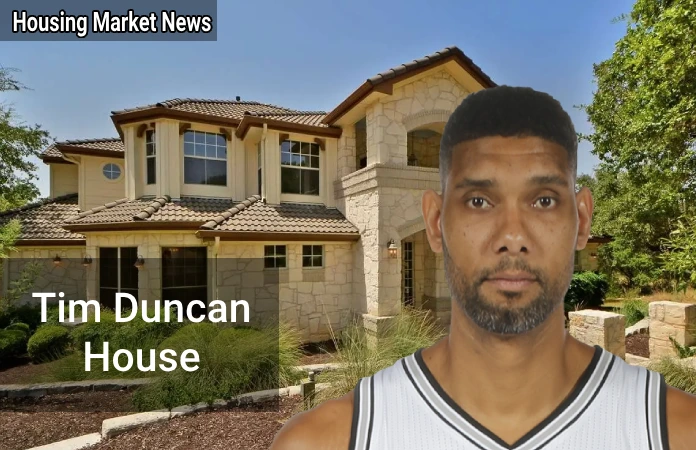
Tim Duncan, the legendary NBA player, has made his mark not just on the basketball court but also in the world of real estate. His San Antonio home is a testament to his success and down-to-earth personality. Let’s dive into the details of Tim Duncan’s house and explore the life of this basketball icon. If you’re interested in learning about Kevin Sorbo House be sure to check out this article.

Tim Duncan is a name that’s synonymous with basketball excellence. He’s got a net worth that’ll make your head spin – we’re talking about $130 million! But don’t think for a second that he’s all about flashy cars and fancy yachts. Nope, Tim’s more of a low-key kind of guy. He’s got a few nice rides, sure, but nothing too over the top. And as for homes? Well, he’s got a main residence in San Antonio that we’ll be talking about today. No private islands or jets for this NBA star – he keeps it real.

Detail Information
Full Name Timothy Theodore Duncan
Date of Birth April 25, 1976
Place of Birth Saint Croix, U.S. Virgin Islands
Height 6 ft 11 in (2.11 m)
NBA Career 1997-2016 (San Antonio Spurs)
Position Power Forward / Center
NBA Titles 5 (1999, 2003, 2005, 2007, 2014)
MVP Awards 2 (2002, 2003)
All-Star Selections 15
Net Worth $130 million
Notable Assets San Antonio home, car collection

Where Does Tim Duncan Live Now?

Tim Duncan calls San Antonio, Texas his home. And why wouldn’t he? It’s the city where he spent his entire 19-year NBA career with the Spurs. San Antonio’s got a special place in Tim’s heart, and he’s chosen to put down roots there even after retiring from professional basketball.

The Alamo City, as it’s known, is a blend of rich history and modern charm. It’s got a warm climate, friendly people, and a laid-back vibe that suits Tim’s personality to a T. The area where Tim’s house is located is known for its beautiful landscapes, with rolling hills and plenty of greenery.

Tim Duncan House

Tim Duncan house is a reflection of the man himself – impressive but not ostentatious. It’s a place that screams “home” rather than “look at me!” The property is a perfect blend of comfort and luxury, designed to be a sanctuary for the basketball legend and his family.

1. Where Is Tim Duncan House?

Tim Duncan house is nestled in a quiet, upscale neighborhood in San Antonio, Texas. The exact address isn’t public knowledge (and let’s be honest, Tim probably appreciates the privacy), but we do know it’s in a sought-after area of the city. The neighborhood is known for its large lots, giving residents like Tim plenty of space and privacy.

The area is dotted with mature trees and well-manicured lawns, creating a serene and picturesque setting. It’s the kind of place where you can imagine Tim shooting hoops in the driveway or enjoying a quiet evening on the porch. The location offers easy access to San Antonio’s amenities while still providing a peaceful retreat from the hustle and bustle of city life.

2. Features of Tim Duncan House

Tim Duncan house is a beautiful example of contemporary architecture with a touch of Texas charm. The property spans approximately 8,000 square feet, which is plenty of space for the big man and his family. The house’s exterior features a mix of stone and stucco, giving it a warm, inviting appearance that fits right in with the San Antonio landscape.

The architectural style of the house is modern with clean lines and large windows that let in plenty of natural light. It’s a two-story structure with a layout that’s designed for both comfort and functionality. The roof is tiled, which is not only aesthetically pleasing but also practical for the hot Texas climate.

One of the standout features of the house is its outdoor living spaces. There’s a large patio area that’s perfect for entertaining or just relaxing with family. The property also includes a pool, because let’s face it, those Texas summers can get pretty toasty!

Inside, the house is just as impressive. High ceilings give the rooms an airy feel, while hardwood floors add a touch of elegance. The open floor plan is great for family living and entertaining, allowing for easy flow between spaces.

3. Personal House Touches

When Tim Duncan bought the house, he made sure to put his personal stamp on it. Here are five improvements he made to really make the place his own:

  1. Home Gym: No surprise here – Tim added a state-of-the-art home gym. It’s equipped with all the gear a pro athlete needs to stay in shape, including weight machines, cardio equipment, and even a basketball hoop.
  2. Wine Cellar: Tim’s got a taste for fine wines, so he added a temperature-controlled wine cellar to store his collection.
  3. Game Room: For those off-court games, Tim installed a game room complete with a pool table, dart board, and big-screen TV.
  4. Outdoor Kitchen: To make the most of that Texas weather, Tim added a fully equipped outdoor kitchen to the patio area.
  5. Custom Closets: With his tall frame, Tim needed some custom storage solutions. He had walk-in closets installed with specially designed hanging spaces to accommodate his height.

4. House Amenities

Tim Duncan house is packed with amenities that make it a dream home. Here’s a list of some of the standout features:

  • Swimming pool
  • Hot tub
  • Home theater
  • Gourmet kitchen
  • Multiple fireplaces
  • Home office
  • Guest house
  • Multi-car garage
  • Basketball court
  • Fitness center
  • Wine cellar
  • Game room
  • Outdoor kitchen
  • Spacious patio
  • Landscaped gardens

5. Neighborhood Area

The neighborhood where Tim Duncan house is located is one of San Antonio’s most desirable areas. It’s a place where privacy and luxury go hand in hand. The streets are lined with mature oak trees, providing shade and adding to the area’s natural beauty. It’s the kind of neighborhood where people take pride in their homes, and it shows in the well-maintained properties and manicured lawns.

Safety is a top priority in this community, with regular patrols and a neighborhood watch program. It’s a family-friendly area with excellent schools nearby, which is perfect for Tim and his kids. The neighborhood also has its own park, complete with walking trails and picnic areas.

While the area feels secluded, it’s not far from San Antonio’s attractions. A short drive will take you to the famous River Walk, the Alamo, or the AT&T Center where Tim spent so many years dominating on the court. There are also plenty of high-end shopping and dining options nearby, catering to the upscale residents of the area.

Market Value

Detail Information
Build Year 2005
Purchase Year 2007
Purchase Value $1.2 million
Current Estimated Value $2.5 million

Tim Duncan house has seen a significant increase in value since he purchased it. This appreciation is due to both the improvements Tim has made to the property and the overall growth of the San Antonio real estate market.

Tim Duncan’s Real Estate Portfolio

While Tim Duncan’s main residence is in San Antonio, he’s had a few other properties over the years. Let’s take a look at his real estate journey:

  1. Childhood Home: Tim grew up in a modest home in St. Croix, U.S. Virgin Islands. It was here that he first learned to play basketball, though ironically, he started as a swimmer!
  2. College Days: During his time at Wake Forest University, Tim lived in typical college housing. Nothing fancy, but it was here that his basketball legend began to grow.
  3. First San Antonio Home: When Tim was drafted by the Spurs in 1997, he bought his first home in San Antonio. It was a relatively modest house for an NBA player, reflecting Tim’s down-to-earth nature.
  4. Current San Antonio Home: This is the main residence we’ve been discussing throughout this article. Tim’s owned this property since 2007 and has really made it his own over the years.
  5. Investment Properties: While not much is known about them, it’s believed that Tim has invested in a few rental properties in the San Antonio area. Smart move for building long-term wealth!
  6. Sold Property: In 2019, Tim sold a home in Spicewood, Texas, about an hour outside of San Antonio. The lakefront property went for $1.25 million.

Tim’s real estate choices reflect his personality – smart, understated, and focused on long-term value rather than flash. His main San Antonio residence remains his primary home, a place where he can enjoy his retirement and stay connected to the city and team he loves.

Conclusion

Tim Duncan house in San Antonio is more than just a luxury residence – it’s a home that reflects the man himself. It’s impressive without being showy, comfortable without sacrificing style. From the custom-designed spaces to the thoughtful amenities, every aspect of the house speaks to Tim’s personality and needs.

Located in one of San Antonio’s most desirable neighborhoods, the property has seen significant appreciation since Tim purchased it in 2007. But more than its monetary value, this house represents Tim’s deep connection to San Antonio, the city where he became a basketball legend.

As we’ve explored Tim Duncan house, we’ve gotten a glimpse into the private life of this NBA icon. It’s clear that even in retirement, Tim continues to value the same things that made him great on the court – hard work, family, and a deep connection to his community. His San Antonio home stands as a testament to these values, a place where the basketball legend can relax, spend time with family, and enjoy the fruits of his incredible career.

The Bank of England (BoE) cut its base interest rate by 0.25 percentage points to 4.5% on February 6, 2025, marking the third reduction in six months. This decision, supported by all nine members of the Monetary Policy Committee (MPC), with seven voting for a 0.25% cut and two favoring a larger 0.5% reduction, reflects the central bank’s efforts to balance economic growth concerns with persistent inflationary pressures.

Economic Context

The rate cut comes amid a challenging economic landscape:

  • Growth Outlook: The BoE revised its 2025 GDP growth forecast down from 1.5% to 0.75%, indicating concerns about economic performance.
  • Inflation Trends: While inflation has decreased to 2.5% in Q4 2024, it is projected to rise to 3.7% in Q3 2025 before returning to the 2% target by the end of 2027.
  • Labour Market: Recent data suggests pay pressures are easing, though the job market outlook remains a key focus for the MPC.

Market Reactions and Expectations

The decision triggered various market responses:

  • The FTSE 100 surged to a record high, rising 1.1% following the announcement.
  • The pound initially weakened but later recovered.
  • Markets are pricing in two more base rate cuts in 2025, with a 40% chance of a third.
  • Some analysts, like those at Goldman Sachs, project up to six rate cuts before spring 2026.

Implications for Consumers and Businesses

The rate cut is expected to have several effects:

  • Borrowing Costs: Lower rates should reduce borrowing costs for businesses and consumers, potentially stimulating economic activity.
  • Savings Rates: Major banks have already moved to cut rates for savers.
  • Mortgage Market: Variable rate mortgages linked to the BoE base rate will see a 0.25% decrease

Economic Outlook and Concerns

Despite the rate cut, several challenges remain:

  • Stagflation Fears: The combination of low growth forecasts and persistent inflation has sparked concerns about potential stagflation.
  • Business Pressures: Many firms are more concerned about rising operational costs, particularly due to higher employer national insurance contributions and minimum wage increases.
  • Global Uncertainties: Geopolitical tensions and potential trade conflicts continue to pose risks to the UK economy.

As the BoE navigates these complex economic conditions, further rate cuts are anticipated throughout 2025. However, the central bank maintains a cautious approach, balancing the need for economic stimulus with the ongoing fight against inflation. The next monetary policy decision, scheduled for March 20, 2025, will be closely watched for further indications of the BoE’s strategy in addressing these challenges.