
You’ve decided on custom cupboards. Smart move. But walking into a showroom unprepared? That’s like showing up to a job interview without pants—uncomfortable for everyone involved.
Here’s the insider truth: Success with custom cupboard manufacturers depends on knowing the right questions, understanding timelines, and spotting quality before you sign anything.
The Real Deal on Custom vs. Stock
Let’s bust a myth right now. “Custom” doesn’t automatically mean “better.” I’ve seen garage-built custom cabinets that wouldn’t survive a gentle breeze, and I’ve seen stock cabinets that could outlast a nuclear winter.
The difference? It’s all about who’s making them.
True custom cabinets give you flexibility that stock options can’t touch. Got an weird alcove that’s 37.5 inches wide? Custom handles it. Want cherry wood with a specific grain pattern that matches your grandmother’s dining table? Done. Need cabinet doors that open to reveal a secret passage? Okay, maybe not that—but you get the idea.
Stock cabinets force you into their world. Custom cabinets enter yours.
Money Matters: What’s This Really Going to Cost?
Nobody likes talking money first, but we’re adults here. Custom cupboards run $500 to $1,200 per linear foot, installed. Yes, that’s a mortgage payment. No, you’re not being scammed.
Here’s what drives the price:
- Your material choice (exotic wood = exotic prices)
- Construction complexity (curved doors cost more than flat)
- Special features (soft-close everything adds up)
- Your location (city prices hurt more)
But here’s what they don’t tell you: The pricing structure varies wildly between manufacturers. Some charge by the project, others by linear foot. Some include installation, others surprise you later.
Pro move: Get three quotes. Not for price shopping—for education. You’ll quickly learn what’s standard and what’s suspicious.

Timeline Truth: Patience is More Than a Virtue
“How long will it take?” might be the most lied-about question in home improvement. Here’s the truth: Custom cupboards take time. Lots of it.
Your journey looks like this:
Week 1-2: The getting-to-know-you phase. Measurements, design discussions, material selection. It’s like dating, but more expensive.
Week 3: Decision time. Finalize everything. And we mean everything. Changes later hurt.
Weeks 4-16: The waiting game. Your cabinets are being born. Manufacturing takes 8-12 weeks minimum. Often longer.
Week 17-18: Installation week. Where dreams meet reality (and hopefully your walls are actually straight).
Total time? Four months if you’re lucky. Six months if you’re realistic. Eight months if there’s a pandemic, supply shortage, or Mercury is in retrograde.

Questions That Save Your Sanity (and Wallet)
Walking into a showroom? Arm yourself with these conversation starters:
“Show me your latest installations.” Photos are nice. Actual installations you can touch? Better. If they hesitate, you should too.
“What happens when something goes wrong?” Because something always does. Their answer reveals their character.
“Who builds the cabinets?” In-house manufacturing means better quality control. Outsourcing means potential finger-pointing when issues arise.
“Explain your warranty in detail.” Vague answers mean vague protection. Good manufacturers love this question—they’ve got nothing to hide.
“Can I visit your workshop?” Legitimate kitchen cabinet companies welcome visitors. Sketchy ones make excuses.
“What’s included in that price?” Installation? Hardware? Delivery? Touch-ups? Get it in writing.
Spotting Quality Before It’s Too Late
Quality isn’t just about pretty finishes. It’s about what happens three years later when you’ve opened those drawers 10,000 times.
Look for these quality markers:
The hardware tells the story. Blum or Salice hinges? You’re in good hands. No-name hardware? Keep walking.
Drawer construction reveals everything. Dovetail joints are the gold standard. Stapled MDF? That’s not custom—that’s criminal.
Ask about materials. Plywood boxes beat particle board every time. MDF doors? Fine for painted finishes. Solid wood? Best for stains and longevity.
Check their certifications. NKBA membership matters. BBB ratings matter more. Years in business? That matters most.
alt: Modern custom wardrobe with glass-paneled doors and built-in vanity area, showcasing contemporary cabinet craftsmanship.

Red Flags and Deal Breakers
Some warning signs whisper. Others scream. Learn to hear both.
Run if you encounter:
Pressure tactics. “This price expires today!” Custom cabinets aren’t Black Friday TVs. Real professionals give you time to think.
No physical location. A legitimate PA Kitchen has a showroom, shop, or at least an office. Instagram isn’t an address.
Fuzzy math. Every quote should break down materials, labor, and extras. “Somewhere around $20K” isn’t a quote—it’s a guess.
Communication issues. If they’re hard to reach during sales, imagine trying to reach them with problems.
No references. Quality work creates happy customers who love to share. No references means no happy customers.

Material Selection: Understanding Your Options
The plywood versus MDF debate rages eternal, but here’s the practical truth:
Choose plywood when:
- Moisture is a concern (anywhere near water)
- Durability trumps price
- You’re planning to stay long-term
- Resale value matters
Consider MDF when:
- You want that perfect painted finish
- Budget is tight but quality still matters
- Intricate door designs are involved
- You’re in a dry climate
The secret? Mix and match. Plywood boxes with MDF doors combine strength with beauty. It’s like having your cake and eating it too—except the cake is cabinets and you’re definitely eating your budget.

Installation Quality: The Critical Final Step
Great cabinets with poor installation equals expensive firewood. The installation team matters as much as the cabinets themselves.
Professional installers protect your home like a museum. Drop cloths everywhere. Corners padded. Walls protected. They measure seventeen times and cut once.
They problem-solve without panic. That wall isn’t plumb? They’ve got solutions. Unexpected pipe? They adapt. Your floor isn’t level? They compensate.
The cleanup test: Real pros leave your space cleaner than they found it. No debris. No dust mountains. No “we’ll get that later” promises.
Budget Considerations: Anticipating Additional Expenses
The quote covers the basics. Life happens in the extras.
Delivery charges vary dramatically. Urban? Reasonable. Rural? Brace yourself. Third-floor walkup? Hope you’re feeling generous.
Design changes multiply costs exponentially. That “minor” adjustment? It’s never minor after production starts.
Upgrades seduce mercilessly. Standard shelves work fine—until you see pull-out drawers. Basic hinges close cabinets—until you experience soft-close. Budget 20% extra for these “must-haves” you’ll discover.
Hardware adds up fast. $3 per pull seems reasonable. Multiply by 50? Different story.
alt:Custom wine storage cabinet installed under staircase with glass doors, wine racks, and integrated lighting in modern interior.

Finding the Right Manufacturer
Success with custom cupboards isn’t about finding the cheapest option or the fanciest showroom. It’s about finding the right partner for your journey.
Take your time in the beginning. Rush the planning, regret the results. Those extra weeks spent comparing options pay dividends for decades.
Trust your instincts. The right manufacturer makes you feel confident, not confused. They answer questions eagerly, not grudgingly. They see your vision and improve it, not dismiss it.
Remember: You’re not just buying cabinets. You’re investing in daily convenience, home value, and kitchen satisfaction for years to come.
Your dream kitchen is waiting. Now you know how to find it—without the nightmares, surprises, or regrets. Go forth and create something amazing.
FAQs
Q: How much do custom cupboards really cost?
A: Custom cupboards typically cost $500-$1,200 per linear foot installed. That’s 25-30% more than semi-custom options. Your final price depends on materials, design complexity, and location.
Q: How long does the custom cupboard process take?
A: Plan for 3-4 months minimum. This includes 1-2 weeks for design, 1 week for approvals, 8-12 weeks for manufacturing, and 1-2 weeks for installation. Supply chain issues can extend these timelines.
Q: What’s better for cabinet boxes—plywood or MDF?
A: Plywood offers superior moisture resistance and durability, ideal for areas near water. MDF provides a smoother surface for painted finishes and costs less. Many professionals recommend plywood boxes with MDF doors for the best of both worlds.
Q: What questions should I ask cupboard manufacturers?
A: Ask about their manufacturing process, warranty details, reference projects, installation team, and what’s included in the price. Also inquire about their hardware brands and drawer construction methods.
Q: What are the red flags when choosing a manufacturer?
A: Watch out for pressure tactics, no physical location, vague pricing, poor communication, lack of references, and reluctance to show recent work or their workshop.
Q: Can custom cupboards work in spaces besides kitchens?
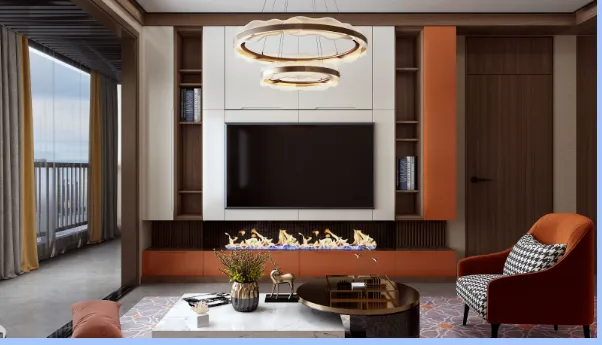
A: Absolutely! Custom manufacturers create bathroom vanities, entertainment centers, home offices, closet systems, laundry rooms, and even hidden bookcases. If it needs storage, they can customize it.
Q: Is custom really worth the extra cost over stock cabinets?
A: For unique spaces, specific design requirements, or long-term home value, custom is worth it. You get perfect fit, quality materials, and personalized solutions that stock cabinets can’t match.

Comments are closed.