
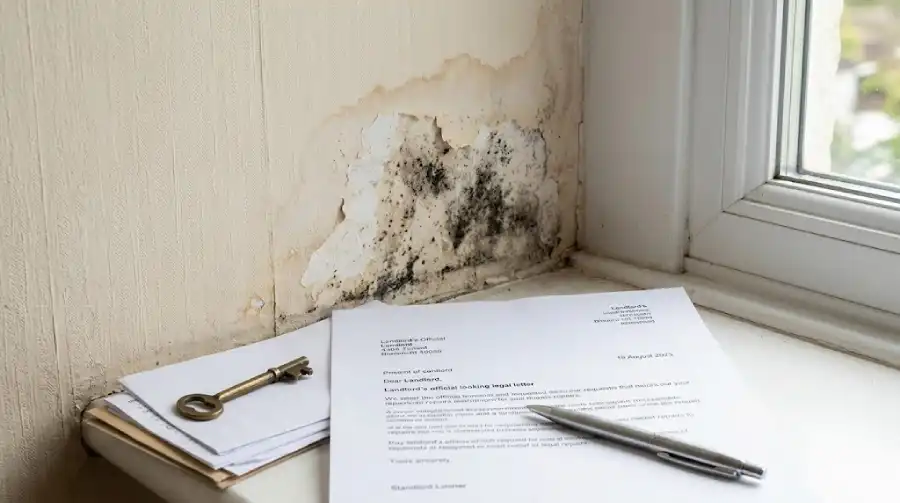
Living with unresolved repair problems can be stressful, particularly when the issue affects your health, safety, or ability to use your home comfortably. Persistent damp, a leaking roof, broken heating, faulty electrics, or damaged windows can make daily life difficult. In some situations, a tenant may decide that they need professional legal advice about their housing conditions.
Housing disrepair solicitors can help tenants understand their position when repair problems have been reported but remain unresolved. Every case is different, so it is important to gather evidence and seek advice that reflects your individual circumstances.
Understanding a Landlord’s Repair Responsibilities
Landlords are generally responsible for important repairs in rented homes. In England, this commonly includes the property’s structure and exterior, heating and hot water systems, sanitary fittings, gas appliances, pipes, and electrical wiring.
For example, a landlord may be responsible for repairing a leaking roof, fixing a broken boiler, addressing damaged drains, or investigating damp caused by a defect in the building. However, tenants may be responsible for damage caused by themselves, members of their household, or visitors.
The tenancy agreement can provide useful information, but it does not remove a landlord’s legal responsibilities for repairs that they are required to carry out.
Signs That You May Need Further Advice
Not every repair issue requires legal action. Many problems are resolved after a tenant reports them to the landlord or letting agent. However, you may want to seek further advice if:
- You have reported the problem more than once
- The landlord has not responded within a reasonable time
- Repairs have been attempted but the issue continues
- The disrepair is affecting your health, safety, or belongings
- You have clear evidence that the problem is getting worse
- You are unsure who is responsible for the repair
It is usually best to notify the landlord or managing agent in writing first. Explain the issue clearly, request a response, and keep a copy of your message. This shows when the landlord became aware of the problem.
The Importance of Keeping Evidence
Evidence is an important part of resolving any disrepair issue. It helps show what the problem is, when it started, and how it has affected you.
Useful evidence may include:
- Dated photographs and videos
- Emails, letters, and text messages
- A diary of repair reports and missed appointments
- Copies of medical information where relevant
- Receipts for damaged items or reasonable additional costs
- Reports from contractors, surveyors, or the council
Try to record the condition of the property before and after any repair work. If damp or mould returns, photographs over time can help show that the underlying issue may not have been resolved.
How Housing Disrepair Solicitors May Help
If informal communication has not solved the problem, Housing Disrepair Solicitors may help you understand the available options. They can review the circumstances, consider the evidence you have collected, and explain whether further action may be appropriate.
Depending on the situation, professional advice may involve communicating with the landlord, considering a formal complaint, or explaining possible legal routes. A solicitor should also explain the likely process, costs, and risks before you decide what to do.
It is important not to assume that a particular outcome is guaranteed. The strength of a case can depend on the tenancy, the type of repair, the evidence, the landlord’s response, and the law that applies in your area.
Other Steps Tenants Can Consider
For serious safety or health concerns, tenants in England can contact their local council’s housing or environmental health department. The council may inspect the home and assess whether the problem presents a hazard.
Continue paying rent unless you have received appropriate independent advice to do otherwise. Government guidance states that tenants should keep paying rent while waiting for repairs, as falling into arrears can create separate problems.
Tenants should also allow reasonable access for inspection and repair appointments. This helps avoid delays and demonstrates that they have cooperated with attempts to resolve the issue.
FAQ
What types of problems can lead to a housing disrepair claim?
Issues may include persistent damp and mould, leaks, defective heating, unsafe electrical problems, structural damage, or broken sanitary facilities. The specific facts and evidence matter in every case.
Do I need to report the repair to my landlord first?
Usually, yes. Report the issue as soon as possible and keep a written record. A landlord needs to know about the problem before they can arrange repairs.
Can I stop paying rent because repairs are not done?
You should not stop paying rent without obtaining appropriate independent advice. Rent arrears may put your tenancy at risk.
Can the council help with serious disrepair?
Yes. Your local council may be able to inspect the property if it has serious repair, health, or safety issues.
Conclusion
Tenants should not have to live with serious disrepair that has been reported and left unresolved. Start by documenting the problem, contacting the landlord in writing, and keeping records of every response. If the issue continues, professional advice can help you understand the next steps available to you.

Comments are closed.