
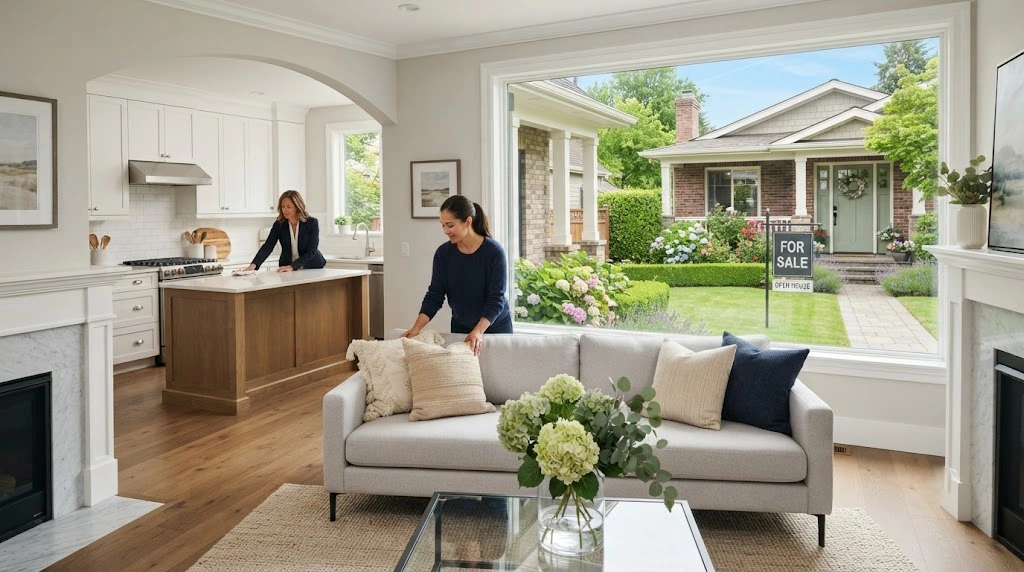
To get a property ready before listing it for sale, start with a pre-listing inspection, then declutter, deep clean, handle repairs, boost curb appeal, and stage each room. Neutral paint and good lighting help too. Finish with professional photos and a realistic price based on local comps.
Selling a home takes more than putting a sign in the yard. Buyers today look at photos online before they ever step through your front door. That means your prep work starts long before the first showing, and it shapes how fast your home sells and what price it fetches.
This guide walks you through every step, in order, so you know exactly what to tackle first.
Start With a Pre-Listing Inspection
Before you touch paint or furniture, hire a licensed inspector to walk through your home. This step costs a few hundred dollars, but it saves you from nasty surprises later. A pre-inspection typically runs $400 to $500, and it can save you money during post-offer negotiations while showing buyers you’re being upfront about the home’s condition.
An inspection flags issues you might not notice, like a slow roof leak or aging wiring. Once you know the problems, you can fix them on your own terms and budget. Waiting until a buyer’s inspector finds them puts you in a weaker negotiating spot and can even cause a deal to fall apart.
Talk to your real estate agent before you book the inspection. They can tell you which repairs matter most in your local market and which ones buyers tend to overlook.
Clear Out the Clutter
Buyers need to picture themselves living in your space, and that’s hard to do when every shelf and counter is packed with your belongings. Go room by room and pull out anything you don’t use daily. Donate it, sell it, or box it up for your move.
Pay extra attention to closets and cabinets. Buyers open them during showings, and a stuffed closet makes your storage look smaller than it is. Aim to clear out roughly a third of what’s inside so the space looks roomy and organized.
Kids’ rooms deserve their own pass too. You don’t need to strip out every toy or poster, but toning down bold themes and personal touches helps a wider range of buyers connect with the room.
Deep Clean Every Room
A clean home signals that it’s been well cared for, and buyers notice the difference immediately. Wash windows inside and out, scrub grout, wipe down baseboards, and get the carpets professionally cleaned. Don’t skip the spots people forget, like ceiling fans, light fixtures, and behind appliances.
Kitchens and bathrooms matter most, since these rooms often decide a buyer’s first impression. Clear counters, scrub the stovetop, and make sure the fridge and cabinets look tidy if buyers peek inside. A spotless bathroom with clean mirrors and grout-free tile goes a long way toward building buyer confidence.
If cleaning feels like too much on top of everything else, hiring a professional cleaning crew for a one-time deep clean is money well spent. It’s one of the cheapest ways to boost how your home shows.
Handle Repairs Before They Become Problems
Small issues add up in a buyer’s mind, even if they seem minor to you. Fix leaky faucets, squeaky doors, and outlets that don’t work, since these small signs of poor upkeep can turn buyers away or invite lower offers. Walk through your home like a buyer would and jot down anything that looks worn or broken.
Focus your budget on repairs that protect your home’s value rather than cosmetic upgrades that may not suit every buyer’s taste. A cracked window or a running toilet raises red flags fast. A trendy accent wall, on the other hand, might not appeal to the next owner at all.
Keep receipts and notes on any repairs you complete. Buyers appreciate documentation, and it can support your asking price during negotiations.
Boost Curb Appeal
Buyers form an opinion before they even reach your front door, and that first glance sets the tone for the whole showing. Trim overgrown trees and shrubs, mow and edge the lawn, and power wash your walkways, siding, and driveway. Sweep off the porch and touch up any chipped paint on the door, trim, or railings.
A fresh coat of paint on your front door is one of the highest-return updates you can make, and it takes just an afternoon. Add a new welcome mat and a couple of potted plants near the entry for a warm, inviting feel. These small touches cost little but shape the buyer’s mood before they walk inside.
Check your address numbers, mailbox, and any exterior lighting too. Small details like these tell buyers the home has been maintained with care.
Refresh Paint and Neutralize Your Style
Bold wall colors and heavy personal decor can make it harder for buyers to picture their own life in your home. Neutral tones appeal to the widest range of buyers and photograph well for online listings. Soft grays, warm whites, and light beiges tend to work across most rooms and styles.
Repainting doesn’t have to break your budget. For a 2,000-square-foot home, expect to spend roughly $200 to $500 on paint and supplies if you do it yourself, or $2,000 to $5,000 if you hire professional painters. Even painting just the most-viewed rooms, like the living room and primary bedroom, can shift how the whole home feels.
While you’re at it, take down family photos and personal collections. These items are meaningful to you, but they can distract buyers or make the space feel like it belongs to someone else.
Stage Key Rooms for Buyers
Staging arranges your furniture and decor so buyers see your home’s best features right away. You don’t need a full professional staging job to make an impact, though many agents can recommend a stager for a free or low-cost walkthrough. Simple, budget-friendly moves like rearranging existing furniture to create open, flowing layouts can deliver a big visual impact without spending much.
Focus on the living room, kitchen, and primary bedroom first, since these rooms carry the most weight with buyers. Pull furniture away from walls to create better flow, and swap in fresh linens or a simple centerpiece. Good lighting matters too, so open the curtains and turn on lamps during every showing.
Before each showing, do a quick reset. Fresh flowers, a clean smell, and tidy surfaces make a lasting impression, and they take only a few minutes to set up.
Get Professional Photos
Most buyers browse listings online long before they book a showing, which means your photos carry serious weight. One Miami-based agent put it simply: everyone who comes to a showing has already seen the home online, so the house needs to be camera-ready before the shoot. Hire a professional photographer who knows how to use natural light and angles to make each room look its best.
Schedule the photo shoot only after every repair, cleaning task, and staging touch is finished. A rushed photo session with clutter in the background can undercut all the work you put into prepping the home. Ask your agent if they include photography in their services, since many do.
If your home has standout features, like a renovated kitchen or a big backyard, make sure the photographer captures those spaces clearly. These photos often decide whether a buyer clicks into your listing or scrolls past it.
Price It Right From the Start
Even a perfectly prepped home can sit on the market if it’s priced too high. Ask your agent for a comparative market analysis that looks at recent sales of similar homes nearby. This report gives you a realistic price range based on actual buyer behavior in your area, not just what you hope to get.
Homes that linger on the market for months send a signal to buyers, and it’s rarely a good one. Buyers may assume something is wrong with the property, even if the real issue is just the price. Getting the number right from day one usually leads to faster offers and less back-and-forth.
Talk with your agent about timing too. Seasonal trends can shift buyer demand, and listing during a slower stretch might mean adjusting your price expectations.
Bring In the Right Professionals
You don’t have to handle every step alone. A good real estate agent, a licensed inspector, and a reliable contractor can each take work off your plate and help you avoid costly mistakes. Interview a couple of agents before you commit, and look for someone with strong local knowledge and a clear plan for marketing your home.
A general contractor can also help with repairs you’re not comfortable tackling yourself, from patching drywall to fixing a leaky roof. Getting quotes early gives you time to compare prices and avoid rushed decisions later.
Building this team early means you’re not scrambling once buyers start scheduling showings. It also gives you support throughout the process, from your first walkthrough to the closing table.
Final Walkthrough Before You List
Once every task is checked off, do one last walkthrough with fresh eyes. Look at each room the way a buyer would, and ask a friend or your agent to do the same. Small details, like a stray cord or a dusty windowsill, are easy to miss when you’ve been living in the space for years.
Set your thermostat to a comfortable temperature before showings, and keep pet items and litter boxes out of sight. Clear away valuables and personal documents too, since your home will be open to strangers during the selling process.
Getting a property ready before listing takes real effort, but each step builds toward the same goal: helping buyers picture themselves at home. Put in the work now, and you’ll likely see it pay off in a faster sale and a stronger price.


Comments are closed.