
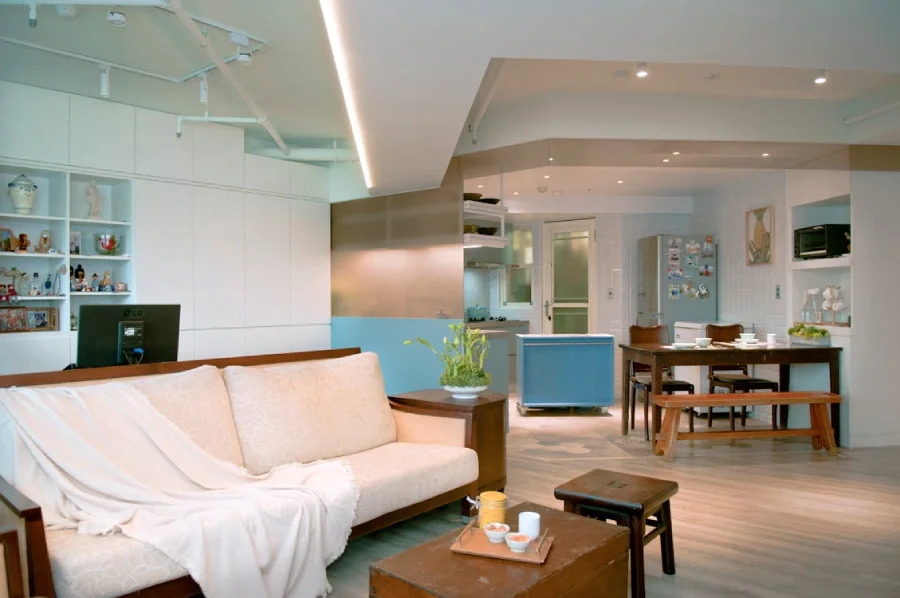
Accessibility starts with movement. Not the big, dramatic kind. Just the everyday stuff.
Walking from the front door to the kitchen. Carrying washing through the hallway. Helping a toddler into the lounge while someone else tries to squeeze past with grocery bags. Family homes work hard, and when the layout fights back, everyone feels it.
A good renovation Idea should make the home easier to move through without making it feel like a facility. Wider walkways, fewer awkward corners, better furniture placement, and clearer routes between rooms can change how a house feels almost instantly.
Open-plan living can help, but it’s not always the magic answer. Too open, and noise travels everywhere. Too closed off, and the house feels like a maze. The best layout sits somewhere in the middle. Clear. Comfortable. Easy.
That’s the sweet spot.
Fix the Front Entrance First
The front entrance says a lot about how accessible a home really is. A single step may look harmless, but for older relatives, parents with prams, visitors using walking aids, or anyone carrying too much at once, it can become a daily nuisance.
A step-free entry is one of the smartest upgrades a family can make. It does not have to look obvious or awkward. A gently sloped path, level threshold, wider doorway, or redesigned porch can blend beautifully with the rest of the home.
Lighting also matters here. A dark entrance is not charming. It’s just risky. Good exterior lighting, a sheltered doorway, and a clear path from the driveway or street can make arrivals safer and less stressful.
Ever tried unlocking a door in the rain while holding bags, keys, and a phone? Exactly. The entrance deserves more attention.
Give the Bathroom a Proper Rethink
The bathroom should be one of the first rooms on the renovation list. It’s small, busy, wet, and often full of hard surfaces. Not exactly forgiving.
A walk-in shower is usually a better choice than a shower over a bath. It removes the awkward step-in movement and makes the room easier for people of different ages and mobility levels. Add non-slip tiles, a handheld showerhead, strong lighting, and enough room to move comfortably.
Grab rails are worth considering too, but they don’t need to look cold or clinical. Modern options can match the tapware and sit neatly within the design. Brushed brass, matte black, chrome, and stainless steel can all work depending on the home’s style.
For families arranging elderly at home care, a safer bathroom can make daily routines easier while helping older relatives keep their privacy and independence. That matters more than any trendy tile choice.
Make the Kitchen Less Awkward
The kitchen is where everyone gathers. It’s also where people bend, reach, lift, spill things, and pretend they know where the measuring cups are.
Accessibility in the kitchen comes down to reducing strain. Pull-out drawers are often better than deep lower cupboards because everything is easier to see and reach. Lever-style taps are easier to use than twist taps. Wall ovens placed at a comfortable height can reduce bending and make cooking safer.
Lighting should be strong where it counts. Under-cabinet lighting helps with chopping, reading labels, and cleaning up properly. Nobody wants to discover crumbs later by stepping on them barefoot. A tiny domestic betrayal.
Counter heights can also be adjusted. A lower section of bench space can help someone seated prepare food. Clear space beneath a work area can make a big difference for wheelchair users.
The goal is simple. Keep the kitchen useful, social, and safe without making it feel overdesigned.
Choose Flooring That Doesn’t Work Against You
Floors are easy to overlook until they cause problems. Thick rugs, raised thresholds, slippery tiles, and uneven transitions can all become hazards.
Consistent flooring between rooms helps people move more confidently. It also makes the home feel calmer and more connected. Timber, cork, luxury vinyl, and slip-resistant tiles can all work well. The surface should feel stable underfoot, especially for anyone using a walking frame, cane, or wheelchair.
Rugs need extra care. They can soften a room, yes, but loose corners and slippery backing are trouble waiting to happen. If a rug stays, it should sit flat and have proper grip underneath.
Pretty is nice. Safe is better. Ideally, the renovation gives both.
Create a Flexible Ground-Floor Room
A flexible ground-floor room is one of those renovation ideas that seems ordinary now and brilliant later.
Today, it might be a study, playroom, hobby space, or guest room. In the future, it could become a bedroom for an older parent, a relative recovering from surgery, or someone who can no longer manage stairs every day.
This kind of room works best when it sits close to a bathroom. It should also have good lighting, enough space around the bed or furniture, and storage that does not require climbing, stretching, or digging through chaos.
No one likes the “spare room” that becomes a graveyard for old boxes and broken lamps. Design it properly from the start. Give it purpose. Even if that purpose changes later.
Improve Lighting Everywhere
Lighting is not just decoration. It affects safety, mood, and how easy a home is to use.
Hallways, stairs, bathrooms, kitchens, and entrances need strong, reliable lighting. Living areas and bedrooms can use softer layers, but they still need enough brightness for reading, dressing, cleaning, and moving around safely.
Motion sensor lights are useful in hallways and nighttime routes to the bathroom. Rocker switches are easier than tiny toggle switches. Smart lighting can also help when paired with voice control, especially for older residents or anyone with limited mobility.
The best lighting feels obvious once it’s installed. People stop thinking about it because it simply works.
That’s usually the sign of good design.
Borrow Ideas from Holiday Homes
Well-designed holiday homes can teach family homeowners a lot. The best ones feel easy. Clear walkways. Simple storage. Comfortable bathrooms. Good indoor-outdoor flow. No confusing corners. No mystery switches that seem to control absolutely nothing.
Travelers searching for the best accommodation in Noosa, on Queensland’s Sunshine Coast, often look for relaxed spaces that feel practical as well as beautiful. That same thinking can work in everyday family homes.
The point is not to make a UK home look like a beach rental. It’s to borrow the feeling of ease. Wide openings. Level access to outdoor areas. Durable finishes. Calm rooms. Furniture that leaves space to move.
Accessible design does not have to feel heavy. It can feel light, warm, and lived in.
Think Beyond One Stage of Life
A family home should be able to change as the people inside it change. That’s the real test of a good renovation.
Wider doorways help with prams now and mobility aids later. Step-free entrances help guests, children, and older relatives. Walk-in showers look modern while making bathing safer. Better lighting helps everyone. Flexible rooms give families options when life shifts.
That’s why accessible renovation should not be treated as a niche project. It’s not just for older people. It’s not just for disability access. It’s simply better housing.
A beautiful home that’s hard to live in is only half successful. The better choice is a home that looks good, works well, and quietly supports the people inside it.
No fuss. No drama. Just good design doing its job.


Comments are closed.