
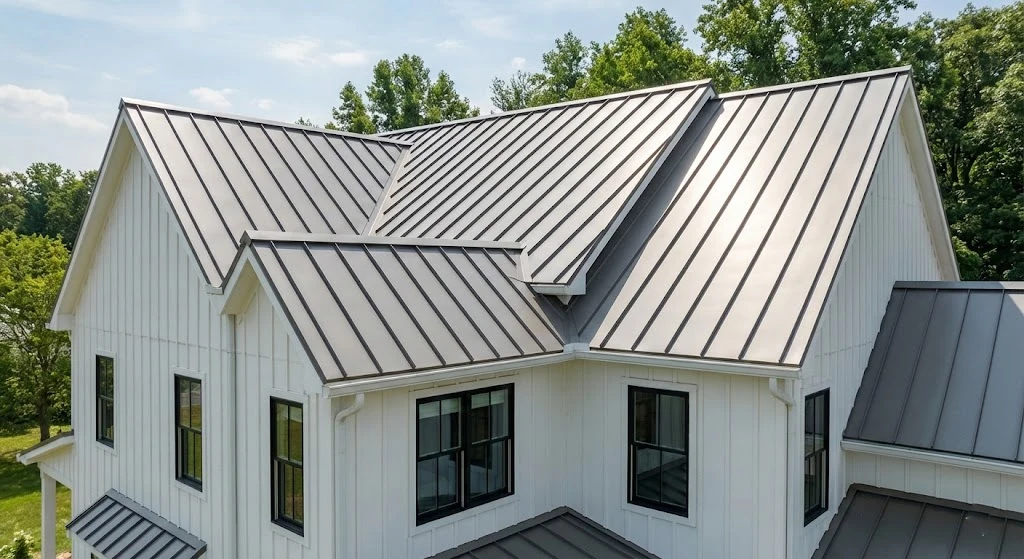
A modern metal pewter roof refers to a metal roofing system finished in a versatile, medium-gray color resembling the classic alloy pewter. Unlike actual soft pewter, these roofs are typically made from durable steel or aluminum coated in high-performance paint. They offer a sophisticated, neutral aesthetic that mimics weathered zinc or slate, providing excellent energy efficiency and curbing heat absorption better than darker charcoal options.
What Is a Modern Metal Pewter Roof?
When you hear the word pewter, you might picture old mugs or antique plates sitting on a shelf. However, in the world of home building, a modern metal pewter roof is something entirely different and exciting. This term usually describes a specific color and finish applied to high-strength metal roofing materials like steel or aluminum. It is not a roof made of actual pewter, which would be far too soft and expensive to protect your home. Instead, it is a durable metal roof painted in a lovely medium-gray shade that mimics the timeless look of weathered zinc or natural stone.
Homeowners are falling in love with this color because it hits the perfect middle ground. It is not as stark and intense as a black roof, but it is not as light and easily stained as a white one. The pewter color offers a sophisticated, matte finish that changes slightly depending on how the sunlight hits it. Sometimes it looks like a deep, stormy gray, and other times it reflects the blue of the sky. This ability to shift and blend makes it a fantastic choice for almost any style of house, from a cozy farmhouse in the country to a sleek, modern home in the city.
Choosing a pewter metal roof means you get the best of both worlds. You get the incredible strength and long lifespan of metal, which can protect your house for fifty years or more. At the same time, you get a roof color that looks expensive and custom-designed. It is a smart way to boost your home’s curb appeal without choosing a color that might go out of style in a few years. Pewter is a classic neutral, meaning it will likely look just as good twenty years from now as it does the day it is installed.
The Aesthetic Appeal: Why Homeowners Love Pewter
The main reason people flock to pewter metal roofing is simply how beautiful it looks. Gray has become the most popular neutral color in home design over the last decade, and for good reason. A pewter roof provides a calming, elegant “hat” for your home that ties everything else together. If your house has red brick, the cool tones of the pewter gray cool down the warmth of the brick, creating a balanced look. If you have white siding, a pewter roof adds a sharp, clean contrast that makes the white look even brighter and crisper.
Another aesthetic benefit is the texture. Modern metal roofs often come in a “standing seam” style, where long, vertical panels lock together with raised seams. When you combine these sleek lines with a pewter finish, the roof gains a sense of depth and dimension. The gray color highlights the clean lines of the metal without being too flashy. It creates a shadow line that changes throughout the day, giving your home visual interest that flat asphalt shingles just cannot match.
Pewter also has a unique way of looking natural. Many people want their homes to feel like they belong in the landscape, not like they were just dropped there. Because pewter resembles natural rocks, storm clouds, and weathered wood, it helps a house settle into its surroundings. Whether you live surrounded by green trees or in a dry, desert environment, a pewter roof complements the colors of nature rather than fighting against them. It is a subtle kind of beauty that whispers quality rather than shouting for attention.
Pewter vs. Charcoal and Other Grays
Choosing the right shade of gray can be surprisingly tricky because there are so many options. The two heavyweights in the metal roofing world are Pewter and Charcoal. While they might look similar on a small color chip, they behave very differently on a large roof. Charcoal is a very dark, almost black gray. It is dramatic and bold. However, because it is so dark, it can sometimes make a house look smaller or visually “heavy.” It also absorbs a lot of heat from the sun, which might not be ideal if you live in a hot climate.
Pewter, on the other hand, is a medium gray. It is lighter than charcoal but darker than a silver or dove gray. This “Goldilocks” shade is often the safer and more versatile bet. Because it is lighter, it reflects more sunlight than charcoal, which helps keep your attic cooler. It also hides dust and pollen much better. On a very dark charcoal roof, yellow pollen in the spring or light-colored dust can stand out and look messy. Pewter’s medium tone camouflages that dirt, keeping your roof looking cleaner for longer without you having to wash it.
You might also encounter colors like “Burnished Slate” or “Bronze.” These are different because they have warm, brown undertones. Burnished Slate looks more earthy and brownish-gray. Pewter is usually a “cool” gray, meaning it has undertones of blue or green, or it is just a true, neutral gray. If your house has cool-colored siding like blue, gray, or crisp white, pewter is usually the better match. If your house has a lot of beige, tan, or brown stone, you would need to hold up a sample to see if the cool gray of the pewter clashes or contrasts nicely.
Material Matters: Steel, Aluminum, or Natural Zinc?
When you order a modern metal pewter roof, you are usually buying a paint color applied to a specific type of metal. The most common material is Galvalume steel. This is steel that has been coated with a mixture of aluminum and zinc to prevent rust. It is strong, affordable, and holds paint very well. When you see a “Pewter Gray” metal roof on a standard home, it is likely painted steel. The paint systems used are high-tech and designed to resist fading, chalking, or peeling for decades.
For homes near the ocean, aluminum is often the better choice. Saltwater in the air can rust steel quickly, even if it is coated. Aluminum does not rust, making it essential for coastal properties. You can still get aluminum roofing painted in that same beautiful pewter color. It might cost a little more than steel, but it ensures that your beautiful gray roof does not turn into a rusty red mess after a few years of sea spray.
There is also a luxury option called natural zinc. Zinc is a metal that naturally heals itself from scratches and does not need paint. When zinc is brand new, it is shiny, but as it weathers, it develops a protective layer called a patina. This patina is a stunning, matte blue-gray color that looks exactly like the “pewter” paint color people try to copy. A real zinc roof is very expensive, often costing three or four times as much as steel. However, for high-end architecture, nothing beats the authentic look of real zinc that has weathered to a natural pewter tone.
Energy Efficiency and Climate Suitability
One of the biggest practical reasons to choose a pewter metal roof is energy efficiency. We all want to save money on our electricity bills, especially in the summer. Metal roofs are naturally good at reflecting the sun’s energy away from the house, rather than soaking it up like a sponge. This concept is called “cool roofing.” The color you pick plays a huge role in how well this works.
Dark colors absorb heat, and light colors reflect it. Since pewter is a medium gray, it performs much better than black or deep charcoal roofs. Many pewter metal roofs are coated with special pigments called “Cool Roof” paints. These paints look the same to our eyes, but they are chemically designed to reflect the invisible infrared heat from the sun. This can lower the surface temperature of your roof by up to fifty degrees compared to a standard roof.
When your roof stays cooler, less heat travels down into your attic and your living space. This means your air conditioner does not have to work as hard to keep your house comfortable. Homeowners who switch from dark asphalt shingles to a pewter metal roof often report noticing a drop in their cooling bills immediately. It is also a great choice for colder climates. Metal roofs shed snow very easily. As soon as the sun hits the gray metal, it warms up just enough to let the snow slide right off, preventing heavy ice dams from forming and damaging your gutters.
Installation and Cost Considerations
Installing a modern metal roof is a major construction project that requires skilled professionals. Unlike shingles, which can be nailed down quickly, metal panels need to be cut and measured with extreme precision. If you choose a “standing seam” pewter roof, the fasteners are hidden underneath the panels. This looks much sleeker and prevents leaks because there are no exposed screws for rain to rust out. However, this system takes longer to install and costs more than the “exposed fastener” style, where you can see the screws.
The cost of a pewter metal roof will be higher upfront than an asphalt shingle roof. You are paying for better materials and more specialized labor. However, you have to look at the long-term picture. An asphalt roof might last fifteen to twenty years before it needs replacing. A pewter metal roof can easily last fifty years or more. If you plan to stay in your house for a long time, the metal roof is actually cheaper per year because you only have to buy it once.
The specific shade of pewter generally does not affect the price. Most manufacturers have a standard color palette, and whether you pick pewter, charcoal, or tan, the price per square foot remains the same. The only time the color affects the price is if you want a custom color match or a premium metallic finish that sparkles in the sun. But for a standard, beautiful pewter gray, you are paying for the quality of the metal and the paint system, not a premium for the color itself.
Maintenance and Long-Term Durability
Once your pewter metal roof is installed, one of the best parts is how little you have to do to take care of it. Metal roofs are famous for being low maintenance. You do not have to worry about shingles curling up, cracking, or blowing off in a windstorm. The pewter finish is baked onto the metal at the factory, so it is incredibly tough. It resists chipping and scratching, even during hail storms.
However, “low maintenance” does not mean “no maintenance.” You should still walk around your house once or twice a year to look up at the roof. You want to make sure leaves and branches aren’t piling up in the valleys or gutters. Wet debris sitting on the roof can eventually cause stains or damage the finish. Because pewter is a lighter gray, it can show algae or dirt stains if trees overhang the roof heavily. If you notice your roof looking a little dusty or grimy after a few years, a gentle wash with a hose and mild cleaner can make it look brand new again.
The durability of the color is also impressive. In the past, painted metal roofs would fade quickly, turning a chalky white after a few years in the sun. Modern pewter roofs use high-quality paints like Kynar 500 or Hylar 5000. These are special resins that hold onto their color tightly. A pewter roof installed today will likely be the exact same shade of gray twenty or thirty years from now. This color stability is a huge plus because it keeps your house looking well-cared-for and maintains its value over the decades.
Design Ideas: How to Style Your Home with a Pewter Roof
If you decide to go with a modern metal pewter roof, you have opened up a world of design possibilities for the rest of your home’s exterior. Since pewter is such a friendly neutral, it plays well with almost any siding color. One classic combination is a white farmhouse look. Picture crisp white vertical siding, black window frames, and that lovely medium-gray pewter roof on top. The gray softens the contrast between the black and white, making the home feel welcoming and timeless.
Pewter also looks stunning with natural wood. If you have a log cabin or a home with cedar shake siding, the cool gray of the roof balances the warm orange and yellow tones of the wood. It creates a modern rustic vibe that is very popular right now. You can also use stone accents to tie it all together. A gray stone veneer on the bottom of your house that matches the tone of the roof helps ground the building and makes the design feel intentional and cohesive.
For a bolder look, you can pair a pewter roof with dark blue or even sage green siding. The cool undertones in the gray roof will harmonize beautifully with these cool siding colors. It creates a calming, serene palette that looks great on coastal homes or cottages. If you have a brick house, pewter is often a better choice than black. Black can sometimes make a red brick house look too dark or historic in a gloomy way. The lighter pewter gray brings a fresh, modern touch to the brick, updating the look of the entire home without you having to paint the masonry.
Why the “Modern” Aspect Matters
When we talk about a “modern” metal pewter roof, we are also talking about the profile of the metal. Old-fashioned metal roofs often looked like corrugated tin on a barn—wavy and rusted. The modern version is sleek. The standing seam profile features flat panels with clean, straight ribs running from the ridge to the eaves. This linear look is very architectural. It draws the eye upward and makes a home look taller and more substantial.
This modern profile combined with the pewter color is what designers call “transitional.” It bridges the gap between old and new. You can put a standing seam pewter roof on a historic Victorian house, and it looks like a high-quality upgrade that respects the history. You can put the exact same roof on a brand-new, boxy contemporary home, and it looks sharp and cutting-edge. This versatility is why architects love specifying pewter metal roofs. They know it will elevate the look of the building regardless of the architectural style.
Furthermore, the “modern” aspect refers to the technology in the roof. We are talking about cool-roof pigments, galvalume substrates, and hidden fastener systems. These are engineering marvels designed to withstand hurricane-force winds and intense solar radiation. When you choose this roofing, you are not just picking a color; you are investing in a high-tech shield for your home that happens to look incredibly stylish.
Environmental Impact and Sustainability
Finally, it is worth noting that a pewter metal roof is an environmentally friendly choice. Metal roofing is one of the most sustainable materials you can put on your house. Most metal roofs are made from recycled steel—old cars and appliances melted down and given a new life. And at the very end of its long life, fifty or eighty years from now, the metal can be recycled again. It does not have to end up in a landfill like asphalt shingles do.
The pewter color contributes to this eco-friendliness through its reflectivity. By keeping your home cooler, you use less electricity for air conditioning. This reduces the strain on the power grid and lowers your carbon footprint. In urban areas, if everyone used lighter-colored roofs like pewter instead of dark black asphalt, it would help lower the overall temperature of the city, reducing the “urban heat island” effect.
Choosing a pewter metal roof is a decision that feels good on many levels. It looks beautiful, it saves you money on energy, it protects your home better than almost anything else, and it is kind to the planet. Whether you are building your dream home from scratch or replacing an old, leaky roof, the modern metal pewter option offers a blend of performance and style that is hard to beat. It is a roof that says you care about quality, design, and the future of your home.
Comments are closed.