
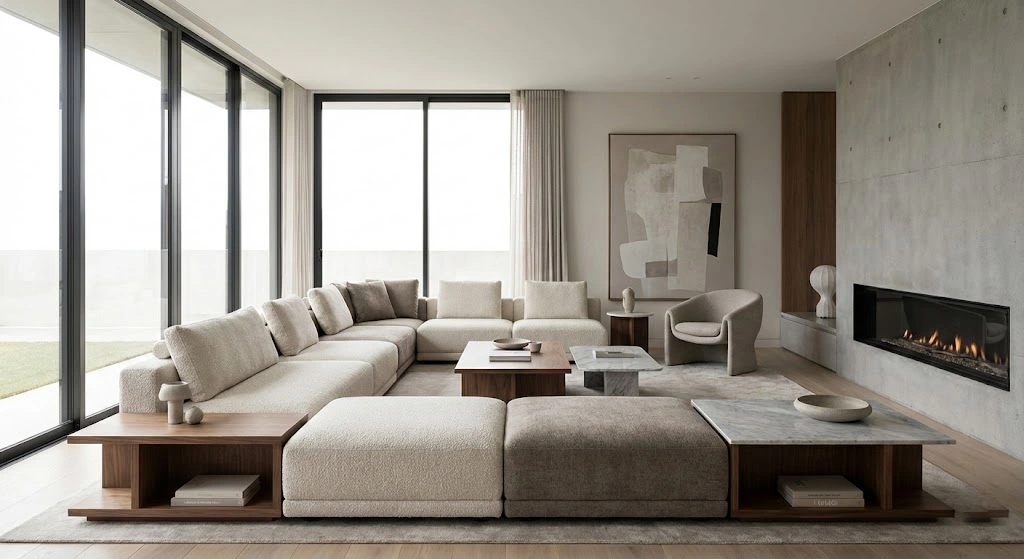
Modular sofas offer customizable seating that adapts to your lifestyle. Individual sections connect and rearrange for endless layouts—from L-shapes to U-configurations. They maximize space while adding contemporary style to any room.
Your living room deserves furniture that works as hard as you do. Modular sofas provide customization and versatility, making them perfect for modern homes. These pieces aren’t just trendy—they’re practical solutions that grow with your life.
Think about it. Your space changes. Your needs shift. But traditional furniture stays stuck in one spot, locked into the same shape forever. That’s where modular design wins.
What Makes Modular Sofas Different

Unlike traditional couches, modular sofas are made up of individual seating units that can be rearranged as needed. Each piece connects to form your perfect setup. You can start small and add sections later. Move into a bigger place? Just clip on extra modules. Hosting more guests? Rearrange the layout in minutes.
The sleek design comes from clean lines and low profiles. Low-profile furniture creates a sense of openness and space with clean lines and understated elegance. Your room feels bigger, more breathable. No bulky arms eating up precious square footage.
Materials matter too. Today’s modular sofas feature textured chenille, boucle, and performance fabrics wrapped around kiln-dried wood frames. You get style plus durability. The pieces stand up to real life—kids, pets, daily lounging.
Creating Zones in Open Spaces
One of the biggest challenges in open-plan design is defining zones within the space. Your modular sofa can act as a natural divider. Position the back toward your dining area. The living space becomes distinct without building walls.
Placing the sofa with its back to the dining area helps separate spaces without blocking natural light. You maintain that airy, open feel while creating clear functional areas. Light flows through, but your zones stay defined.
An L-shaped configuration works wonders in corners. The L-shape makes the most of a corner and creates a cozy, social seating zone without crowding the space. You frame the room naturally, inviting conversation and togetherness.
For bigger spaces, try a U-shape setup. The U-shape provides maximum seating capacity and creates a cozy conversation hub, perfect for families who love movie nights or friends who gather often. Everyone gets a comfortable spot with a clear view of the action.
Smart Layout Ideas That Work
Measure before you commit. Measure your living room dimensions, including doorways and hallways. Those measurements tell you what configurations fit your space. Don’t guess—know.
Leave at least 30 inches of walking space between the sofa and other furniture. Traffic flow matters. People need room to move comfortably without squeezing past corners or bumping into coffee tables.
Want a minimalist vibe? Go for a straight line setup by arranging modules side-by-side. This works beautifully in narrow rooms or when you prefer simple, uncluttered aesthetics. Add texture through throws and pillows to prevent the look from feeling too stark.
Pushing your sofa against the wall opens up floor space. This living room design technique gives you more usable floor area for movement or other furniture. Studio apartment? This layout becomes your best friend.
Color Choices That Define Your Space
Warm, natural tones dominate 2025 sofa palettes, offering versatility and timeless appeal. Camel, clay, and beige create serene backdrops that pair with almost anything. These shades ground your space while staying neutral enough to shift your accent colors seasonally.
Green tones offer a sense of serenity and connect us to the outdoors. Sage, olive, and moss bring nature inside. They work in both modern and traditional settings, adding depth without overwhelming your room.
Shell and sand beige hues are understated yet never dull and seamlessly transition from classic to contemporary aesthetics. Want a safe bet that still looks fresh? Beige tones deliver. They’re simple to style, simple to maintain, and they age beautifully.
Feeling bold? Emerald green adds luxury and depth while terracotta brings warmth. These statement colors become focal points. Balance them with neutral rugs, light walls, and natural wood accents.
Deep navy offers richness without the heaviness of black. Deep navy serves as a rich, modern alternative to basic neutrals. It pairs wonderfully with brass fixtures, white trim, and pops of mustard or coral.
Fabric Selection for Real Life
Choose easy-to-clean materials and stain-resistant fabrics if you have kids or pets. Performance fabrics resist spills and wipe clean with minimal fuss. You get style without the stress of constant worry.
Velvet brings texture and visual interest. Velvet sofas add richness and sophistication. The fabric catches light differently throughout the day, creating depth and dimension. Just remember—velvet shows every handprint, so it works best in adult spaces.
Boucle continues trending for good reason. Boucle fabric provides a textural, sculptural look while feeling invitingly soft. The nubby texture hides minor wear better than smooth fabrics, making it practical for busy households.
Linen provides a fresh, natural touch for a relaxed atmosphere. It breathes well, feels cool in summer, and develops a beautiful lived-in character over time. Yes, it wrinkles—but that’s part of the appeal in casual, beachy, or farmhouse settings.
Styling Your Modular Setup
Keep accessories light and use decor that also has a purpose. Don’t pile on decorative pillows just because you can. Choose a few in coordinating colors and textures. Each one should feel intentional.
Try pairing a raw linen cushion with a glossy velvet one, or a bold geometric print with a solid color. Mixing textures adds visual interest without clutter. Your sofa becomes more than just seating—it becomes a design statement.
A textured throw casually draped over the sofa adds softness, while a rug anchors the entire seating area. These layers create warmth and personality. They pull your whole setup together into one cohesive look.
Round coffee tables complement modular sofas beautifully. Pair a curved sectional with a round coffee table to complete the organic look. The curves flow together, softening your space and improving traffic patterns around the furniture.
Side tables or floor lamps placed at the outer edges provide balance. Add a side table or floor lamp to the outer edge for balance and accessibility. You get functional lighting right where you need it, plus visual weight that keeps your arrangement from feeling lopsided.
Making It Work in Small Apartments
Modular designs ship in smaller boxes, making delivery and setup a breeze. If you’ve ever tried wrestling a traditional sectional through a narrow stairwell, you know this matters. Separate pieces fit through tight spaces that full sofas can’t navigate.
Modular pieces enable dynamic zone creation—reading nooks, lounging corners, impromptu beds. Your studio apartment becomes multifunctional. By day, you arrange pieces for workspace and living. By night, you transform them into sleeping quarters for guests.
Small apartments work well with 2-3 seat modular configurations with ottomans. Don’t overdo it. You need breathing room. A compact setup gives you seating without swallowing your entire floor plan.
Storage ottomans add hidden functionality. Storage ottomans are perfect for keeping your living room clutter-free. Stash blankets, remotes, books, or whatever needs hiding. Your space stays organized while your ottoman pulls double duty as extra seating or a footrest.
Connecting Modules and Maintaining Quality
Each component connects via zinc alligator clips on the underside in many modern systems. The clips keep sections together during use but release easily when you want to reconfigure. No tools required. Just click and go.
High-quality modular sofas are designed for durability, with sturdy connectors and replaceable sections. This extends their lifespan. One worn cushion? Replace just that piece instead of buying a whole new sofa.
Regular maintenance keeps your investment looking fresh. Vacuum regularly to keep fabrics looking their best. Flip and rotate cushions to even out wear patterns. Address spills immediately before they set.
For deeper cleaning, check your fabric care tag. Some performance fabrics allow machine washing of removable covers. Others require professional cleaning. Know what you bought so you can care for it properly.
Growing With Your Lifestyle
Modular sofas expand by adding extra modules when you move to a larger space. Start with what fits now. Purchase additional sections later as your needs change or your budget allows. Your furniture investment grows incrementally.
Separate pieces into individual chairs when needed. Break up your sofa into smaller groups to better suit gatherings or to define separate areas. Hosting a workshop? Create conversation clusters. Holiday dinner? Spread seating throughout your home.
The modular design allows you to add or remove sections as required, adapting the sofa to different room sizes. Moving day becomes easier. Downsizing? Remove sections and use them elsewhere or sell them. Upsizing? Add on without replacing everything.
Why This Trend Stays Strong
HGTV reports that 72% of homeowners now prefer moveable furniture. People want flexibility built into their homes. Static furniture feels limiting when life changes constantly.
Modular furnishings are driving 33% higher space efficiency in urban apartments compared to traditional setups. Every square foot counts in cities. Furniture that adapts beats furniture that just sits there.
The environmental angle matters too. Modular pieces can be easily disassembled and repurposed, reducing waste. You’re not tossing entire sofas into landfills when you move or redecorate. Individual sections find new life in different configurations or rooms.
Making Your Choice
Start by thinking through your actual needs. How many people typically sit in your living room? Do you host often or live quietly? Medium living rooms work well with 4-6 seat sectionals with a chaise lounge. Match your size to your reality, not your aspirations.
Consider your design goals. Neutral colors create calm backdrops while natural fabrics add warmth. Do you want your sofa to blend in or stand out? Both approaches work—just be clear on which you prefer.
Think about long-term plans. A modular sofa may cost the same or slightly more upfront but saves money long-term. The flexibility and durability offset the initial investment. You’re buying furniture that adapts instead of becoming obsolete.
Your living space should work for you, not against you. Sleek modular sofas deliver flexibility, style, and smart design. They handle real life while looking effortlessly put together. Whether you’re working with a tiny apartment or a spacious family room, these adaptable pieces create the comfortable, functional space you deserve.

Comments are closed.