
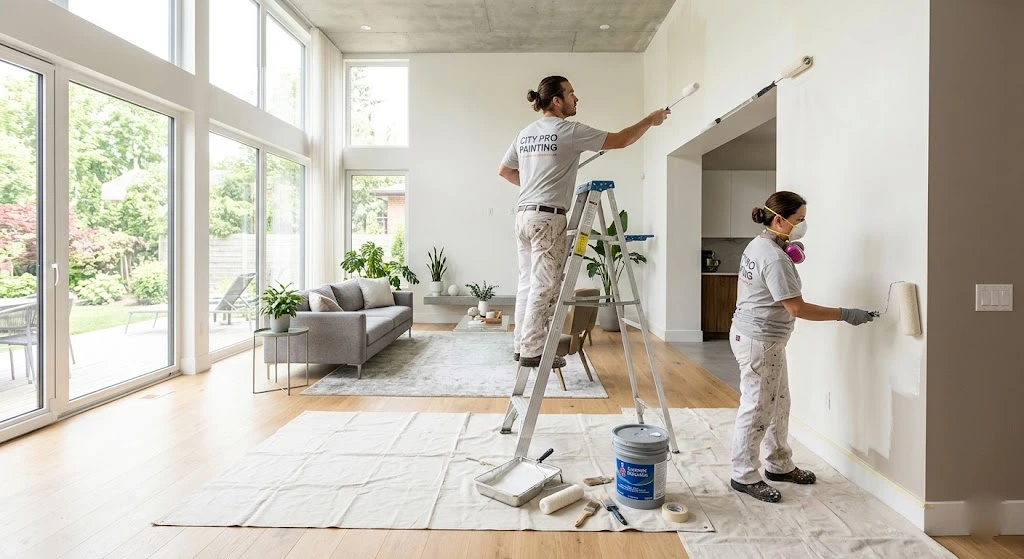
Professional painting services cover interior and exterior painting for homes and businesses. Costs typically range from $2 to $6 per square foot, with labor making up 70–85% of the total bill. Professionals handle prep, priming, painting, and cleanup — delivering results that last 7–10 years.
You’ve been staring at those scuffed walls for months. Maybe the color finally feels outdated, or the exterior paint is starting to peel after a rough winter. Whatever the reason, you’re thinking about hiring a professional painter — and you want to make sure you do it right.
This guide walks you through everything: what professional painting services actually include, how much they cost, and what separates a great painter from one you’ll regret hiring. By the end, you’ll feel confident making the right call for your home.
What Professional Painting Services Actually Include

A lot of people think hiring a painter just means someone shows up, rolls some paint on the wall, and leaves. That’s not how it works with a real professional.
When you hire a reputable painting crew, they start with surface preparation. That means cleaning the walls, patching holes, sanding rough spots, and applying primer where it’s needed. This step takes time, but it’s what separates a paint job that lasts a decade from one that starts peeling after two years.
They also protect your space. Painters move furniture, lay down drop cloths, and tape off trim, windows, and fixtures before a single drop of paint touches the wall. When the job is done, they clean up — leaving your home looking fresh, not like a construction zone.
Interior vs. Exterior Painting: What’s the Difference?
Interior and exterior painting are two very different jobs, even if both involve a brush and a bucket.
Interior painting focuses on walls, ceilings, trim, doors, and built-in details like crown molding and baseboards. The prep work is lighter in most cases, and the job is about precision — clean lines, even coats, and the right finish for each surface. Matte works well in bedrooms. Semi-gloss holds up better in kitchens and bathrooms where moisture is a factor.
Exterior painting is more demanding. Painters deal with weather, height, and surfaces that take a beating year-round. Wood siding, stucco, brick, and vinyl all require different prep methods and paint types. High ceilings, multiple stories, and peeling paint from previous jobs add to the complexity. A full exterior paint job can take four to seven days, depending on the size of the home and how much prep work is needed.
How Much Do Professional Painting Services Cost?

This is the question everyone wants answered first — and the honest answer is that it depends on several factors.
Professional painting services typically cost between $1,000 and $4,200, with labor ranging from $1 to $6 per square foot. For a full interior repaint of an average home, most homeowners spend between $3,500 and $4,500. A single room usually runs between $300 and $1,200, depending on its size, ceiling height, and the amount of trim involved.
Labor makes up the biggest part of a professional painting bill — typically 60% to 90% of the total cost. That might sound like a lot, but it reflects the real work involved: prepping surfaces, applying multiple coats, and making sure every edge is clean.
Exterior jobs come with a higher price tag. Expect $3 to $7 per square foot, or $3,000 to $10,000 or more for a full two- to three-story home, depending on the size and how much access prep is required. Scaffolding, lead paint removal, and specialty finishes all push the number higher.
One thing worth knowing: professional painters often get 20% to 40% off retail paint prices, so ask your contractor to pass that discount along when they’re sourcing materials for your project.
What Factors Drive the Price Up?
Not every painting job is straightforward. Several things can make your project more expensive than the base estimate.
High ceilings are one of the biggest cost drivers. High ceilings add 20–30% to the standard room rate, because painters need taller ladders, more time, and more careful work to avoid drips. Detailed woodwork — crown molding, wainscoting, built-in shelving — takes extra time and precision, so it gets priced separately.
Wall condition matters too. If your walls have cracks, water damage, or old wallpaper, the painter needs to address those problems before picking up a brush. That’s extra labor and sometimes extra materials. Wallpaper removal, drywall repair, or popcorn ceiling removal should all be factored into your budget before you commit to a project.
Location plays a role as well. Urban areas tend to run higher than rural ones, simply because overhead costs are greater in cities.
How Long Will a Professional Paint Job Last?
This is where hiring a pro really pays off compared to doing it yourself.
Interiors typically need repainting every 5 to 7 years, depending on wear, room usage, and paint quality. Exteriors last 7 to 10 years, though wood siding may need more frequent touch-ups.
The longevity depends heavily on prep work. A surface that’s been properly cleaned, primed, and painted with quality materials holds up far longer than a rushed job with cheap paint. Premium paints last 7 to 10 years versus 3 to 5 years for economy options, so the upfront investment in better materials genuinely pays off over time.
In 2025, most professionals recommend low-VOC, mold-resistant, and washable paint formulas. Low-VOC paints reduce indoor air pollution and are safer for households with kids, pets, or anyone with respiratory sensitivities. They’re available in a wide range of colors and finishes — and they perform just as well as traditional options.
How to Choose the Right Painting Contractor
Hiring the wrong painter is frustrating and expensive. Here’s how to avoid that mistake.
Start by getting at least three quotes. A detailed quote should break down the scope of work, the materials being used, the prep process, the cleanup plan, and the payment schedule. A well-detailed painting quote should help you understand the project better and also demonstrate the professionalism and reliability of the painting contractor. If a quote is vague or doesn’t include prep work, that’s a red flag.
Check their references. Ask past clients about punctuality, communication, and whether the final result matched what was promised. Online reviews can help, but direct conversations with previous customers give you a clearer picture.
Ask about warranties. Reputable painting contractors typically provide a 1 to 2 year warranty on their work. A painter who stands behind their work is far more likely to do it right the first time.
Don’t automatically go with the cheapest option. A bargain paint job that chips and peels within two years ends up costing more than a quality job done correctly the first time.
DIY vs. Hiring a Professional: The Real Comparison
Many homeowners think about doing the painting themselves to save money. It’s worth understanding what you’re actually signing up for.
DIY painting costs around $200 to $600 in supplies and paint for an average room — brushes, rollers, drop cloths, tape, primer, and paint. If you’re starting from scratch, tools like extension poles, ladders, and painter’s tape can add another $100 to $300.
The bigger cost is time. A single room can take a full weekend, especially if you need to patch walls, apply primer, and do multiple coats. Mistakes like uneven coverage, drips, or messy edges often mean repainting sooner — which drives the real cost higher than the initial savings.
Professional painters work faster, waste less paint, and produce cleaner results. For large projects, high ceilings, or exterior work, the safety factor alone makes hiring a professional the smarter choice.
What to Do Before the Painters Arrive
You can save time and reduce your final bill by doing a little prep work before your painting crew shows up.
Clear the room as much as possible. Move furniture, rugs, and decorations out of the way. Wash your walls to remove dirt, dust, or grime — this allows the paint to adhere better and helps your painter skip a step in the process.
Talk through your expectations clearly before work begins. Confirm the colors, finish types, and which surfaces are included in the job. The more specific you are upfront, the less chance of miscommunication when the crew is already three rooms in.
If you’re supplying your own paint, let the contractor know before they start. Most professional painters include paint in their quotes, but if you have a specific product in mind, communicate that early.
Is It Worth Hiring a Professional Painter?
The short answer is yes — for most homeowners, hiring a professional painting service is worth the cost.
You get a better finish, a longer-lasting result, and you don’t spend a weekend on a ladder. Professional painters bring the right tools, know the right prep steps for each surface, and carry insurance in case something goes wrong.
Whether you’re refreshing a single bedroom, repainting your entire interior, or protecting your home’s exterior before the next harsh season, a skilled painting crew delivers results that are hard to match on your own. Get at least three quotes, ask the right questions, and choose a contractor with a track record you can verify. Your walls will thank you.


Comments are closed.