
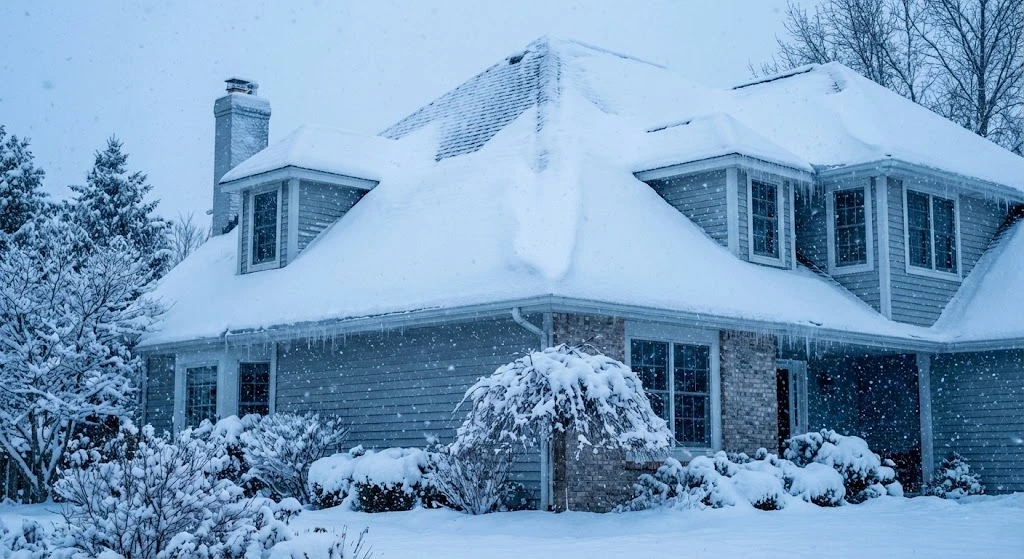
How to Prevent Home Disasters Caused by Snow: Fresh snowfall looks beautiful. It turns your house into a winter postcard. But behind that white beauty, snow can cause serious damage to your home.
Every year, homeowners spend thousands of dollars fixing problems caused by snow and ice. From roof leaks to frozen pipes, winter can be harsh on your property. The good news? Most snow damage can be prevented with simple planning and regular maintenance.
In this complete winter home safety guide, you will learn:
- How to prevent roof damage from snow
- How to stop ice dams
- How to protect your foundation
- How to prevent frozen pipes
- How to avoid carbon monoxide dangers
- How to protect trees and property
- A winter home safety checklist
- Frequently asked questions
Let’s get started.
Why Snow Can Be Dangerous for Your Home
Snow may look soft and light, but it becomes heavy very quickly. Fresh snow can weigh about 3 pounds per square foot. Packed snow and ice are even heavier.
If snow builds up on your roof, around your foundation, or near vents, it can cause:
- Roof leaks
- Structural damage
- Wet basements
- Burst pipes
- Carbon monoxide buildup
- Falling tree branches
According to insurance industry reports, winter storms cause billions of dollars in property damage every year. Repairing a collapsed roof can cost $8,000–$20,000. Fixing water damage from burst pipes can cost $5,000 or more.
That’s why snow damage prevention is so important.
1. How to Prevent Ice Dams on Your Roof

Ice dams are one of the most common winter home disasters.
What Is an Ice Dam?
An ice dam forms when snow melts on the warm part of your roof and then refreezes at the cold edges. Over time, ice builds up and blocks water from draining.
When water cannot drain, it goes under the shingles and leaks into your home.
What Causes Ice Dams?
The main cause is heat escaping from your attic. When warm air rises, it melts snow on the roof. The water flows down and freezes again near the edges.
How to Prevent Ice Dams
Here are effective ways to stop ice dams:
1. Improve Attic Insulation
This is the best long-term solution. Proper insulation keeps the roof surface cold so snow melts evenly.
- Add insulation to attic floor joists
- Seal air leaks around vents and lights
- Make sure attic ventilation is working properly
2. Use a Roof Rake
A roof rake is a long tool that lets you pull snow off your roof while standing safely on the ground.
Remove snow after heavy storms before it melts and refreezes.
3. Install Heat Cables
Heat cables melt ice along roof edges. They are helpful but should not replace proper insulation.
2. How to Prevent Roof Damage from Heavy Snow
Your roof is designed to handle snow. But too much snow can cause serious problems.
How Much Snow Is Too Much?
As a simple guide:
- 4 feet of fresh snow
- 2 feet of packed snow
- 1 inch of ice
can stress your roof structure.
Signs of Roof Stress
Watch for:
- Sagging ceiling
- Cracking sounds
- Doors that suddenly stick
- Visible roof bending
How to Protect Your Roof
1. Remove Excess Snow
Use a roof rake carefully. Never stand directly under falling snow.
2. Schedule Roof Inspections
Before winter starts, have a professional check:
- Shingles
- Flashing
- Roof structure
- Weak areas
3. Consider Metal Roofing
Metal roofs shed snow more easily than traditional shingles. Many homeowners in snowy areas choose metal roofs for long-term snow protection.
3. How to Prevent Snow-Related Foundation Damage
Many homeowners forget about foundation damage during winter.
Why Snow Affects Your Foundation
When snow melts, water needs somewhere to go. If the ground is frozen, water cannot drain properly. It collects around your home.
If that water freezes again, it expands and can cause:
- Cracks
- Basement leaks
- Foundation shifting
How to Protect Your Foundation
1. Clean Gutters Before Winter
Clogged gutters cause water to spill near the foundation. Clean leaves in autumn to prevent blockage.
2. Keep Snow Away from the House
Shovel snow at least 5–10 feet away from your foundation.
3. Improve Drainage
Make sure soil slopes away from your house. If problems continue, consider installing a French drain system in spring.
4. How to Prevent Carbon Monoxide Problems in Winter
Carbon monoxide (CO) is a colorless, odorless gas. It can be deadly.
Why Snow Causes CO Risk
Snow can block:
- Furnace vents
- Boiler exhaust pipes
- Fireplace chimneys
When exhaust gases cannot escape, they flow back into your home.
How to Stay Safe
1. Know Where Your Vents Are
After every heavy snowstorm, check outdoor vents.
Clear away snow buildup immediately.
2. Install Carbon Monoxide Detectors
Place detectors:
- Near bedrooms
- Near heating appliances
Replace batteries once a year. Replace the unit every 5–10 years.
3. Never Run Engines in Enclosed Spaces
Do not run cars or generators in garages, even if the door is open.
5. How to Prevent Frozen Pipes and Burst Pipes
Frozen pipes are one of the most expensive winter problems.
Why Pipes Freeze
When temperatures drop below 20°F (-6°C), pipes in unheated areas can freeze.
Water expands when it freezes. This pressure can burst pipes and flood your home.
How to Prevent Frozen Pipes
1. Keep Indoor Temperature Above 50°F
Even when you travel, keep heating on.
2. Insulate Pipes
Use foam pipe sleeves in:
- Basements
- Garages
- Crawlspaces
3. Let Faucets Drip
During extreme cold, allow a small drip. Moving water is less likely to freeze.
4. Open Cabinet Doors
This allows warm air to reach pipes under sinks.
5. Install Temperature Sensors
Smart sensors alert you if temperature drops too low in certain areas.
6. How to Prevent Tree Damage from Snow and Ice
Heavy snow can break weak tree branches. Falling branches can damage:
- Roof
- Cars
- Power lines
Why Trees Fall in Winter
Snow and ice add weight. Wind makes it worse. Weak or damaged trees are most at risk.
How to Protect Your Property
1. Trim Weak Branches Before Winter
Late fall is the best time for tree maintenance.
2. Remove Dangerous Trees
If a tree leans toward your home, consider professional removal.
3. Hire an Arborist
Tree work is dangerous. A certified arborist can inspect and recommend safe solutions.
Winter Home Maintenance Checklist
Use this checklist before the next snowstorm:
✔ Inspect attic insulation
✔ Clean gutters and downspouts
✔ Check roof for damage
✔ Buy a roof rake
✔ Insulate exposed pipes
✔ Test carbon monoxide detectors
✔ Trim weak tree branches
✔ Clear snow 5–10 feet away from foundation
✔ Locate all exhaust vents
Completing this checklist can prevent thousands of dollars in repair costs.
Frequently Asked Questions (FAQ)
How often should I remove snow from my roof?
Remove snow after heavy storms, especially if buildup exceeds 6–12 inches.
Is it safe to climb on the roof?
No. It is safer to use a roof rake from the ground or hire a professional.
What temperature causes pipes to freeze?
Pipes can freeze when temperatures drop below 20°F (-6°C).
Does homeowners insurance cover snow damage?
Most policies cover sudden damage, like a roof collapse or burst pipe. However, lack of maintenance may not be covered. Always check your policy.
How can I tell if my roof is overloaded?
Look for sagging ceilings, cracks, or unusual noises. If unsure, call a professional immediately.
The Real Cost of Ignoring Snow Damage
Ignoring winter maintenance can lead to:
- $5,000+ water damage repairs
- $10,000+ roof replacements
- Foundation repairs costing $20,000 or more
Simple prevention steps cost much less than emergency repairs.
Winter home maintenance is not just about comfort — it is about protecting your biggest investment.
Final Thoughts: Keep Your Home Safe This Winter
Snow is beautiful, but it can become destructive if ignored. The key to preventing home disasters caused by snow is preparation.
With proper insulation, snow removal, drainage control, pipe protection, and regular inspections, you can keep your home safe all winter long.
Do not wait until damage appears. Start preparing before the next snowstorm arrives.
A little effort today can save you thousands of dollars tomorrow — and give you peace of mind all season long.
Stay warm. Stay safe. And let winter be something you enjoy, not fear. ❄️


Comments are closed.