Curious to know what is the secret to better sleep?
Here’s the answer
Ok, the secret is that the bedroom you sleep in each night has a huge impact on your sleep. Over 40% of people find stress and anxiety are the #1 sleep killer.
You should be excited about what you’re about to discover…
Transforming your bedroom into a sanctuary where you truly feel relaxed and ready to drop off to a deep sleep doesn’t need to take a lot of money or effort. Some simple small changes can turn your sleep space into a cozy haven that supports restorative sleep.
Here’s What You’ll Learn
Why your bedroom environment matters
The simple changes that make a big difference
How to create your personal sleep sanctuary
Why Your Bedroom Environment Matters
Your bedroom environment impacts more than just your sleep.
It’s the space where your body heals, your mind rejuvenates, and your overall health recharges. When your bedroom isn’t set up optimally, it affects every aspect of your life.
The reason is that poor sleep quality has a ripple effect. You end up feeling tired, your physical health takes a hit, your productivity is lower, and your stress levels rise.
The problem is that a lot of people don’t even realize how much their bedroom set up is getting in the way of better sleep.
This is what the statistics reveal
89% of adults wake up repeatedly after first falling asleep at night.
Most of these adults don’t get deep, restorative sleep that they should during the night.
Creating a sleep sanctuary helps solve this at the source. When your bedroom is a place where you naturally relax, falling asleep is easy. When you have set up an optimal sleep environment, staying asleep is easy.
The reason is that when you have set up your bedroom to be your sleep sanctuary, your body and brain knows this is the place you sleep.
By default your body naturally drops off to sleep in your bedroom.
Create a peaceful all-white sleep sanctuary with crisp bedding, natural wood accents, and soft golden hour lighting for ultimate relaxation.
Simple Changes That Make A Big Difference
How about starting today to transform your bedroom?
You can use the simple hacks shared below which can immediately start to impact the quality of your sleep.
You’ll love the fact that the majority of these changes cost next to nothing to make.
Optimize Your Sleep Surface
The first step to making a great sleep sanctuary is what you sleep on.
An uncomfortable mattress or inappropriate bedding setup can ruin the most well-designed bedroom.
It’s in this area that a small upgrade can make a massive difference. This could be as simple as adding an emf mattress pad or mattress topper to create a more comfortable, luxurious sleep surface.
Your sleep surface should promote good spine alignment, regulate temperature, and reduce pressure points. Don’t forget your pillows. Your pillows should support proper neck and head alignment, too, so you wake up without stiffness.
Control The Light
Light is one of the strongest sleep disruptors.
Bright lights, especially blue light from screens, confuse the brain into thinking it’s daytime.
This inhibits your body’s production of melatonin, the hormone that makes you sleepy.
Fix it by installing blackout curtains or blinds to keep outside light sources at bay. Even small amounts of light leaking in from streetlamps or passing cars can interrupt your sleep.
Swap out bright overhead lights for softer options. Use lamps with warm-toned bulbs to create a relaxing atmosphere during the evening.
Remove electronics from the bedroom completely, or at least, out of the sleeping area. 57% of teens who use technology in their sleep spaces experience sleep issues.
That’s all the research you need to see on screens in the bedroom.
Get The Temperature Right
Temperature is the often-overlooked factor in making your bedroom a sleep sanctuary.
Many people keep their bedrooms too warm at night, which prevents the body’s natural temperature from dropping during sleep. Ideal temperatures range from 60-67°F.
Cool temperatures are a cue to the body that it’s time for bed. Warm temperatures have the opposite effect of keeping you alert and uncomfortable.
Try these hacks for getting your sleep space temperature optimized:
Turn on a fan or adjust your thermostat before bed
Select breathable bedding fabrics like cotton or linen
Layer blankets so you can add and remove them at night as needed
Opt for moisture-wicking sheets if you tend to sleep hot
Getting your bedroom to the correct temperature can be the difference between a restful night of sleep or a frustrating night of tossing and turning.
Reduce Noise And Distractions
Noise pollution is another common thief of good sleep.
Even low-level noises that don’t fully wake you can interfere with your sleep cycles and prevent deep, restorative sleep. The key to a sleep sanctuary is a quiet sleep environment.
If you live in a loud area where silence isn’t an option, use white noise machines or a fan to mask the disruptive sounds.
Eliminate or minimize other distractions in your sleep space as well. Clear clutter from surfaces, keep work materials hidden out of sight, and use your bedroom for sleep only. Set clear boundaries between the bedroom and the rest of your home.
Choose Calming Colors And Textures
Visual design has an impact on how relaxed you feel in your space.
Neutral, soft colors create a peaceful atmosphere that sets the mood for rest. Look for blues, greens, grays, and earth tones. These are proven to help lower stress levels and help your mind relax.
Bright, stimulating colors like red or orange are the opposite. They energize and wake up your brain, making it more difficult to relax and fall asleep.
Textures matter too. Opt for soft, natural materials that create a cozy, comforting feeling. Think natural wood furniture, soft rugs, and high-quality bedding.
Add Natural Elements
Adding natural elements instantly takes your bedroom into sanctuary levels.
Plants help purify the air while adding visual interest and a sense of calm to the room. Stick to low-maintenance, easy-care plants for bedrooms like snake plants or pothos.
Essential oils and aromatherapy are also excellent additions. Try lavender, chamomile, or sandalwood for their relaxing properties.
Creating Your Personal Sleep Sanctuary
The tips listed above give you a good base to start from.
But creating your unique sleep sanctuary is about personalizing your space to your specific needs and preferences. One person’s bliss is another person’s sleep killer.
Start by auditing your current space.
What is keeping you from sleeping well in your current environment? Too bright? Too cluttered? Wrong temperature?
Focus on the biggest offenders first. 27% of people have made changes to their sleep space to make it more conducive for sleep. People have reported improvements in their sleep as a result.
Make changes one at a time rather than trying to do it all at once. This lets you experiment with what makes the most difference without getting overwhelmed.
The end goal is to create a place where you genuinely look forward to winding down each night. Your bedroom should feel like an oasis of calm in the middle of a busy, stressful life.
Final Thoughts
Creating a bedroom sanctuary doesn’t need to take a lot of time or money.
Simple changes to your sleep surface, lighting, temperature, noise levels, and decor can dramatically affect your sleep quality. When you start to prioritize making your bedroom a more restful place to be, better sleep will follow.
Start with one or two tweaks this week. Optimize your sleep surface, or fix the lighting situation that has been bothering you. Then build from there, creating your personalized sleep sanctuary over time.
Better sleep is a pillar of good health. When you take the time to cultivate your bedroom environment, you’re investing in your overall well-being.
Garden Advice Homenumental blends homey charm with big-impact strategies for thriving yards. Start with sunny spots, nutrient-rich soil, and native plants. Water deeply, mulch wisely, and embrace seasons—your backyard oasis awaits, full of color, calm, and easy wins for beginners.
Hey there, friend. Imagine this: It’s a crisp morning in your backyard, and the sun peeks over the fence, kissing a row of vibrant flowers you’ve nurtured from tiny seeds. Birds chatter nearby, and a gentle breeze carries the scent of fresh earth. That’s the heart of what I call Garden Advice Homenumental—a way of gardening that turns ordinary spaces into something truly grand, right at home. Not some fancy estate garden, but your own patch of green that feels monumental because it grows with you, season after season.
I’ve spent years digging in the soil, chatting with neighbors over fences, and learning from folks who’ve turned scruffy lots into blooming havens. Garden Advice Homenumental isn’t just a bunch of rules; it’s like a warm conversation with an old gardening buddy. It mixes simple, time-tested tricks with fresh ideas to make your garden thrive without overwhelming you. Whether you’re a first-timer staring at an empty yard or someone tweaking a well-loved plot, this approach promises real results. Let’s walk through it together, step by step, like we’re sharing coffee on the porch.
Why Your Garden Deserves the Homenumental Touch
You know that feeling when life gets hectic, and you just need a spot to breathe? A garden gives you that. But here’s the thing—it’s not only about pretty petals. Studies show digging in the dirt lowers stress, sharpens your focus, and even connects families in ways screens never could. Garden Advice Homenumental taps into this magic by focusing on gardens that last, ones that feed your soul and the earth around you.
Think back to my neighbor, Mrs. Ellis. She started small after retirement, frustrated by wilting tomatoes and pesky weeds. She dove into Homenumental principles—choosing plants that fit her shady corner and soil that actually worked—and now her yard buzzes with butterflies. It’s proof that a little thoughtful advice turns frustration into flow. This method stresses balance: beauty meets function, tradition dances with innovation. You end up with a space that eases your mind, maybe even grows dinner, all while giving back to nature. Who wouldn’t want that kind of win?
Mapping Out Your Garden: The First Exciting Steps
A woman draws a house on paper in a sunny garden, with tools and coffee nearby, capturing a peaceful, creative planning moment.
Every great story starts with a plan, right? So grab a notebook and head outside. Garden Advice Homenumental begins here, assessing your space like a detective on a mission. Walk your yard at different times of day. Where does the sun linger longest? That’s prime real estate for sun-loving blooms. Note shady nooks for ferns or hostas that thrive in the cool.
Sketch it out—don’t worry if you’re no artist. Draw paths for easy wandering, spots for benches where you can sip tea, and beds for veggies or flowers. Homenumental wisdom says to think big but start small. Maybe claim a 4-by-4-foot square for your first adventure. Consider your climate too; if you’re in a dry zone, lean toward drought-tough succulents. Local nurseries love sharing secrets—pop in and chat. This planning phase isn’t busywork; it sets you up for success, saving headaches down the line. Before long, your doodle becomes a blueprint for joy.
Soil Secrets: Building a Strong Foundation
A person’s gloved hands cradle dark, textured soil with worms, surrounded by vibrant plants and garden beds in the background.
Ah, soil—the unsung hero of every garden tale. Many folks skip this part, tossing seeds into whatever’s there, only to watch dreams droop. Not with Garden Advice Homenumental. We treat soil like the canvas for your masterpiece. Start by testing it; cheap kits from the store reveal pH levels and nutrients. Aim for that sweet spot around 6.5 for most plants—slightly acidic, like a good lemonade.
Enrich it with love: Mix in compost from your kitchen scraps or well-rotted manure. This feeds the microbes that keep everything humming. Avoid those harsh chemicals; they zap the good bugs that fight off bad ones. In clay-heavy yards, add sand for drainage; sandy spots crave organic matter to hold water. Raised beds shine here—build one with untreated wood, fill it with a custom mix, and you’ve got control. I remember my first raised bed: Potatoes burst from the ground like they owned the place. Your soil prep pays off in sturdy stems and bumper crops, making every harvest feel like a high-five from nature.
Picking Plants That Feel Like Old Friends
In soft afternoon light, a woman tends to colorful native flowers in a welcoming garden, enhancing its pollinator-friendly charm.
Choosing plants can overwhelm anyone—shelves groan under endless options. Garden Advice Homenumental simplifies it: Go for natives, those tough locals that know your weather inside out. They sip less water, lure pollinators, and ask little in return. In my neck of the woods, black-eyed Susans wave hello all summer, drawing bees without a fuss.
Group them smartly—tall ones in back, spillers in front—for that layered look pros envy. Mix edibles like basil with ornamentals for purpose and punch. Consider mature sizes; nothing sadder than a sprawling shrub elbowing out its neighbors. Start with forgiving stars: Marigolds chase pests, lavender calms with scent. Homenumental encourages variety—perennials for staying power, annuals for quick color. Watch your garden evolve into a living quilt, each plant playing its part in the story.
Watering Wisely: The Rhythm of Hydration
Backyard featuring a drip irrigation system and rain barrel, surrounded by vibrant plants, emphasizing sustainable gardening.
Watering seems basic, but get it wrong, and your greens gasp. Garden Advice Homenumental teaches deep and infrequent sips, mimicking rain’s generosity. Poke a finger two inches into the soil; if it’s dry, give a thorough drink. Morning’s best—leaves dry before night, dodging fungi.
Drip lines or soaker hoses whisper water right to roots, cutting waste. Mulch on top locks in moisture, like a cozy blanket. In heat waves, aim for an inch weekly, rain included. Track it with a simple gauge. My trick? A rain barrel catches roof runoff, free and eco-smart. This rhythm builds deep roots that weather droughts. Suddenly, your garden drinks on its own terms, freeing you for the fun stuff.
Going Green: Sustainable Swaps That Stick
Sustainability isn’t a buzzword in Homenumental circles—it’s the backbone. Swap synthetic sprays for neem oil or garlic washes that gentle pests away. Compost turns peels into gold; worms wiggle through, breaking it down. Rain gardens soak up storms, preventing floods while quenching thirst.
Plant for wildlife: Bee balm invites pollinators, sunflowers feed birds. Ditch the mower for wild edges where insects hide. These choices ripple out—cleaner air, happier critters, a lighter footprint. One summer, I skipped pesticides; ladybugs arrived like guests, munching aphids. Your garden becomes a partner in the planet’s health, rewarding you with guilt-free growth.
Seasons in Swing: Tips for Every Turn
Gardens pulse with the calendar, and Garden Advice Homenumental syncs you up. Spring awakens: Clear debris, fluff soil, sow seeds under warming sun. Fertilize lightly—compost tea works wonders. Summer demands vigilance: Shade cloth for scorchers, vigilant pest patrols with soapy sprays.
Fall whispers prep: Mulch beds, plant bulbs for winter surprises. Prune wisely, shaping for strength. Winter? It’s planning time—flip catalogs, sharpen tools. In my garden, autumn leaves become spring’s mulch. These cycles keep things fresh, your space ever-changing yet always welcoming.
Tools That Make It a Breeze
No one conquers dirt bare-handed. Garden Advice Homenumental favors basics that last: Sturdy gloves shield from thorns, a trowel scoops precisely. Pruners snip clean, preventing disease. A wheelbarrow hauls loads without backache; a hoe stirs soil effortlessly.
Invest in quality—they pay over years. Clean them after use; oil moving parts. For bigger dreams, add a rake for leveling. These aren’t gadgets; they’re extensions of your hands, turning toil into play.
Dodging the Drama: Lessons from Stumbles
Even pros trip up, but Homenumental shares the wisdom to sidestep. Don’t crowd plants—they need air to breathe. Read tags; that “full sun” darling wilts in shade. Overlove kills faster than neglect—ease on the water, skip extra feeds.
Start small to learn your rhythm. Observe daily; wilting whispers needs. Mistakes? They’re teachers. My first overplanted bed tangled into chaos, but it taught spacing’s grace. Laugh it off, adjust, and watch resilience bloom.
Inside Out: Homenumental for Cozy Corners
No yard? No problem. Garden Advice Homenumental shines indoors too. Pothos trail shelves, forgiving low light. Snake plants purify air, standing sentinel. Group by needs—humid bathroom for ferns, sunny sills for herbs.
Pot wisely: Drainage holes prevent soggy roots. Rotate for even growth; mist for humidity. These green touches soften rooms, lift moods. My windowsill lemon tree scents the kitchen—tiny triumphs in tight spaces.
The Heart of It: Why Homenumental Stays With You
As our chat winds down, remember: Garden Advice Homenumental isn’t about perfection. It’s the quiet thrill of watching a seedling push through, the peace of evenings among leaves. It weaves tradition—like grandma’s compost—with now, like smart watering apps. Your garden grows you, too—patience, wonder, grit.
Step out today. Feel the earth. Plant something small. Let it monumentalize your home, one root at a time. What’s your first move? Share in the comments—let’s grow this story together.
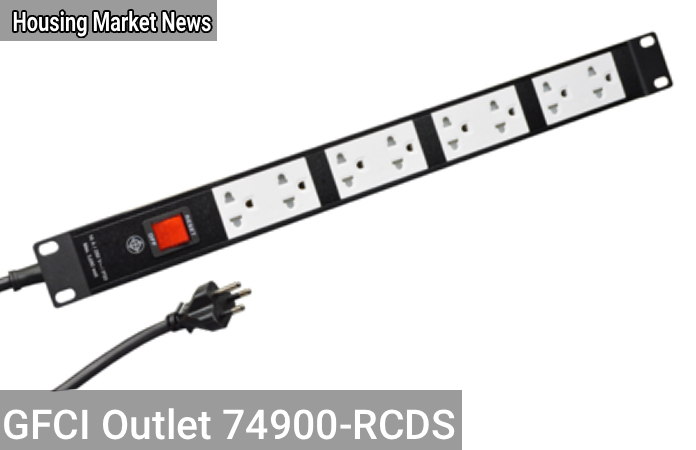
A GFCI (Ground Fault Circuit Interrupter) outlet is a safety device that shuts off electrical power when it detects current flowing along an unintended path. It protects you from electrical shocks by monitoring the flow of electricity and tripping within milliseconds if it senses a ground fault, potentially saving your life in wet or high-risk areas.
What Is a GFCI Outlet and Why You Need One
You probably take your electrical outlets for granted until something goes wrong. GFCI outlets stand between you and serious electrical injury, especially in areas where water and electricity might meet. Building codes require GFCI outlet installation in kitchens, bathrooms, outdoor locations, and other areas where water exposure is common.
A white GFCI outlet on a bathroom wall, highlighting the TEST and RESET buttons, set against a clean, well-lit background.
When a GFCI detects that current is flowing along an unintended path, it immediately shuts off the electric power circuit. This happens in fractions of a second, fast enough to prevent fatal electrocution. Think of it as a watchdog that never sleeps, constantly monitoring your electrical current for any signs of danger.
Understanding the 74900-RCDS GFCI Outlet
A high-quality image of a white GFCI outlet next to its packaging, featuring certification symbols, on a tool-laden workbench.
What Makes This Model Different
The 74900-RCDS represents an international GFCI configuration designed for worldwide compatibility. International GFCI devices often carry approvals from regulatory agencies including VDE, OVE, CSA, NEMKO, SEMKO, DEMKO, FIMKO, IMQ, IRAM, ASTA, BSI, SEV, PSE-JET, GOST, SABS, CCC, NSW, CEBEC, INMETRO, KTL, BIS, CE, and domestic UL certifications.
This model uses RCD (Residual Current Device) technology, which is the international terminology for what Americans call GFCI protection. Whether you call it GFCI, GFI, or RCD, the function remains the same: protecting you from ground faults.
Key Specifications You Should Know
Here’s what sets GFCI outlets apart from standard receptacles:
Feature
Standard Outlet
GFCI Outlet
Ground Fault Protection
No
Yes
Trip Time
N/A
0.025 seconds
Sensitivity
N/A
4-6 mA
Test/Reset Buttons
No
Yes
Downstream Protection
No
Optional (via LOAD terminals)
Typical Lifespan
25+ years
10-15 years
Where to Install GFCI Protection
You need GFCI outlets in specific locations for both safety and code compliance:
Kitchen countertop receptacles within 6 feet of a sink
Safety First: Turn off power at the circuit breaker before starting any electrical work. Use your voltage tester to confirm the power is off.
Remove the Old Outlet Remove the faceplate and unscrew the existing receptacle. Carefully pull it out without touching the wires. Test again with your voltage tester to verify no power is present.
Identify Your Wires You’ll see black (hot), white (neutral), and bare or green (ground) wires. Terminate all black wires on the brass line side screw, all white wires on the silver line side screw, and the bare or green wire to the ground screw.
Connect the LINE Terminals The LINE terminals receive power from your electrical panel. These are usually marked with tape on new GFCI outlets. Connect your incoming hot wire to the brass LINE terminal and the neutral to the silver LINE terminal.
Handle LOAD Terminals Properly If you only want protection at the GFCI outlet itself and not downstream outlets, leave the LOAD terminals empty. If you want to protect additional outlets downstream, connect those wires to the LOAD terminals.
Mount and Test Push the wired GFCI carefully into the box, screw it in place, and attach the cover plate. Turn the breaker back on and test the outlet using the TEST and RESET buttons.
Common Wiring Mistakes to Avoid
Don’t make these errors that cause most GFCI problems:
Reversing LINE and LOAD wires: This prevents the outlet from resetting
Using LOAD terminals for single-location protection: Unnecessary and can cause confusion
Forgetting the ground wire: Compromises safety even though the GFCI may work
Installing in series incorrectly: Creates reset problems and nuisance tripping
Troubleshooting GFCI Outlet Problems
GFCI Won’t Reset After Tripping
This is the most common complaint homeowners face. The first troubleshooting step is checking if there’s power in the house and ensuring all other outlets and lights work properly. To properly test and reset a GFCI, unplug all appliances sharing the same circuit, then press the reset button.
A likely reason for an outlet not resetting is incorrect wiring during installation. LINE and LOAD wires reversed will make the reset button pop right back out.
Testing Your GFCI Monthly
Push the TEST button on your GFCI outlet. The RESET button should pop out, and power to the outlet should stop. If nothing happens, your GFCI has failed and needs replacement. This simple test takes five seconds and could save your life.
Press RESET after testing. The button should click in and stay in place. If it pops back out, you’ve got a problem that needs attention.
When to Replace Your GFCI
GFCI outlets don’t last forever. Replace yours if:
The TEST button doesn’t trip the outlet
The RESET button won’t stay pressed in
The outlet is more than 10 years old
You see any burn marks or smell burning plastic
The outlet feels hot to the touch
There’s visible damage to the device
Safety Features and Protection Levels
How GFCI Protection Works
Upon detecting power loss through an unintended path, the GFCI or RCD cable will shut the power off. This happens because the device constantly monitors the current flowing through the hot wire versus the neutral wire. When these don’t match (even by just 4-6 milliamps), the GFCI trips.
Your body can sense about 1 milliamp of current. At 10-20 milliamps, you can’t let go of the electrical source. At 100-200 milliamps, electrocution can occur. GFCI outlets trip at 4-6 milliamps, well before dangerous levels.
Understanding Nuisance Tripping
Sometimes GFCI outlets trip when there’s no real danger. This happens due to:
Moisture accumulation: Humidity can create small leakage currents Worn appliances: Old tools and devices with deteriorating insulation Shared neutral circuits: Multiple circuits sharing a neutral wire Long wire runs: Normal leakage in long circuit runs can add up
If your GFCI trips frequently without obvious cause, don’t just keep resetting it. Call an electrician to investigate the root cause.
Advanced Installation Scenarios
Protecting Multiple Outlets
You can wire a single GFCI to protect several downstream outlets. This saves money but creates a potential problem: when the GFCI trips, all downstream outlets lose power. You’ll need to find the GFCI to reset them all.
GFCI Breakers vs. GFCI Outlets
You have two options for GFCI protection:
Aspect
GFCI Outlet
GFCI Breaker
Installation Location
At the outlet
In the panel
Protection Scope
Single location or downstream
Entire circuit
Cost
$15-35 per outlet
$40-60 per breaker
Testing Convenience
Easy to access
Requires panel access
Reset Location
At the outlet
At the panel
Weather Resistance
Available
Not applicable
Choose GFCI outlets for specific locations where you need easy access to test and reset. Choose GFCI breakers when you want to protect an entire circuit from the panel.
Outdoor and Weather-Resistant Installation
Outdoor GFCI installations need special consideration. You need a weather-resistant (WR) rated GFCI outlet and an appropriate cover. The cover must be “while-in-use” type if anything stays plugged in, keeping the outlet protected even with cords connected.
Maintaining Your GFCI System
Monthly Testing Schedule
Set a reminder on your phone to test GFCI outlets monthly. This habit takes less than five minutes for your entire house but ensures your protection stays active. Write the installation date inside your electrical panel door so you know when outlets need replacement.
Signs of Wear and Degradation
Watch for these warning signs:
TEST button feels mushy or doesn’t click firmly
RESET button is hard to press or sticks
Outlet face is discolored
Plastic feels brittle or cracked
Buttons are difficult to read
Any burning smell near the outlet
Professional Inspection Recommendations
Have a licensed electrician inspect your GFCI outlets during routine electrical service calls. They can test proper operation, verify correct wiring, and catch problems before they become dangerous. Most electricians include this as part of standard service visits.
FAQs About GFCI Outlet 74900-RCDS
Q: How often should I test my GFCI outlet?
Test your GFCI outlets monthly using the TEST button. This ensures the protection mechanism works correctly. If the outlet doesn’t trip when you press TEST, replace it immediately as it’s no longer providing protection.
Q: Can I install a GFCI outlet myself?
While you can install GFCI outlets if you’re comfortable with basic electrical work, building codes and safety regulations often require professional installation in certain locations. Always turn off power at the breaker first and verify with a voltage tester. If you’re unsure, hire a licensed electrician.
Q: Why does my GFCI keep tripping?
Frequent tripping can happen if you have too many appliances plugged into the outlet or if other outlets on the same circuit are drawing too much power. It can also indicate moisture problems, a ground fault in your wiring, or a worn-out appliance with electrical leakage.
Q: What’s the difference between GFCI and AFCI protection?
GFCI protection guards against ground faults and electrocution risks. AFCI (Arc Fault Circuit Interrupter) protection prevents electrical fires caused by arcing faults. Modern codes often require both types of protection in different areas of your home, and combination AFCI/GFCI devices are available.
Want to make your home look amazing? Multi-light pendant lighting fixtures can help! These cool lights hang from your ceiling. They bring style and brightness to any room. Plus, they’re super easy to love.
Here’s the thing: picking the right lights can feel hard. But don’t worry! This guide will make it simple. You’ll learn about 3 light pendant lighting, where to hang them, and how to pick the best ones. Let’s get started!
What Are Multi-Light Pendant Lighting Fixtures?
Multi-light pendant lighting fixtures are lights with more than one bulb. They all hang from the same base on your ceiling. Pretty cool, right?
Think of them like a team of lights working together. Each light hangs down on its own cord or rod. Also, they can hang at the same height. Or they can be at different heights for a fun look.
These lights come in many styles. You can find glass ones, metal ones, or even fancy crystal ones. The most common type? The 3 light pendant fixture. It has three lights hanging down.
You know what? These lights do more than just brighten a room. They add style too! They become a focal point. That means people notice them right away.
Types of Multi Light Pendant Fixtures
Here are the main types you’ll see:
Linear pendants – Lights hang in a straight line
Cluster pendants – Lights bunch together
Staggered pendants – Each light hangs at a different height
Geometric pendants – Cool shapes like circles or boxes
Three glass globe pendants with matte black fittings hang from the ceiling above a kitchen island, bathed in natural light.
Why Choose Multi-Light Pendant Fixtures for Your Home?
Get this: multi light pendant fixtures are super popular in 2025. Why? Because they’re awesome!
First, they give you lots of light. One fixture with three bulbs? That’s way brighter than one bulb. Plus, the light spreads out better.
Second, they save space. Instead of putting up three separate lights, you hang one fixture. Easy! This works great for smaller rooms.
Third, they look modern and stylish. Designers love them. Home buyers love them too. They make your home feel fresh and new.
Benefits You’ll Love
Let me share why people choose these lights:
Better Light Coverage
Three bulbs spread light evenly. No dark spots! Your kitchen island or dining table gets bright, even light. This helps you see what you’re doing.
Design Flexibility
You can pick from tons of styles. Want something modern? Got it. Love farmhouse style? There’s that too. Industrial look? Yep!
Cost Savings
One 3 light pendant light fixture costs less than buying three separate lights. Also, installation is cheaper. You only pay once!
Easy to Match Your Decor
These lights come in many colors and finishes. Black, brass, chrome, bronze – pick what you like. They’ll match your kitchen or dining room perfectly.
Pros and Cons
Pros
Cons
Bright, even light
Need higher ceilings
Stylish focal point
Can be pricey
Saves ceiling space
Harder to install
Many style options
Need to clean multiple shades
Great for long tables
Bulb replacement for 3+ bulbs
Best Places to Install 3 Light Pendant Lighting
A photorealistic kitchen with white cabinetry, wooden floors, and a pendant light illuminating a central island with stools.
Here’s where 3 hanging lights work best. These spots are perfect!
Kitchen Island
This is the #1 spot! A 3 light pendant fixture over your island looks amazing. It gives you bright light for cooking. Plus, it adds style to your kitchen.
How many lights do you need? For most islands, three lights work great. Space them evenly. Leave about 24 to 30 inches between each light.
Dining Room Table
Want to impress your guests? Hang a three light pendant over your table. It creates a warm, cozy feeling. Plus, everyone can see their food clearly!
Long tables love these lights. The three bulbs spread light across the whole table. No one sits in the dark.
Entryway or Foyer
Make a big first impression! A cluster pendant in your entry says “welcome home.” It brightens up the space right away.
Choose something eye-catching here. This is the first thing people see. Go bold!
Bedroom
Yes, you can use 3 lamp pendant light fixtures in bedrooms too! Hang them over nightstands. Or use them instead of a ceiling fan light.
They create soft, romantic lighting. Perfect for winding down at night.
Bathroom Vanity
This one might surprise you. But multi light pendant fixtures work great over bathroom sinks. They give you bright light for getting ready. And they look way better than old-fashioned vanity bars.
How to Pick the Right Multi Light Pendant Size
Size matters! Here’s the thing: a light that’s too big looks weird. Too small? It disappears. Let’s get it just right.
Measuring Your Space
Step 1: Measure your table or island length
Write it down in feet.
Step 2: Measure the width too
Also write this in feet.
Step 3: Do the math
Add length plus width. The answer (in feet) equals your ideal light size in inches.
Example: Your table is 6 feet long and 3 feet wide. That’s 6 + 3 = 9. So look for a light about 9 inches wide. Easy!
How Many Lights?
For a 3 light pendant lighting setup, here’s what works:
Small island (4-5 feet): 2-3 lights
Medium island (5-6 feet): 3 lights
Large island (7+ feet): 3-5 lights
Dining table (6 feet): 2-3 lights
Dining table (8+ feet): 3-5 lights
Size Comparison Table
Room Size
Best Pendant Size
Number of Lights
Small kitchen
8-12 inches
2-3 lights
Medium kitchen
12-16 inches
3 lights
Large kitchen
16-20+ inches
3-5 lights
Small dining room
18-24 inches
1-3 lights
Large dining room
24-36 inches
3-5 lights
Hanging Your 3 Hanging Lights: Height & Spacing Tips
Getting the height right is super important. Too low? People bump their heads. Too high? The light doesn’t work well.
Perfect Height for Different Spaces
Over a Dining Table
Hang your 3 pendant light fixture about 30 to 36 inches above the table. This gives great light. Plus, people can see each other across the table.
Over a Kitchen Island
Keep it 30 to 36 inches above the counter too. This is perfect for food prep. You’ll see everything clearly!
In a Hallway
Leave at least 7 feet from the floor to the bottom of the light. This way, no one hits their head. Even tall people stay safe.
High Ceilings
Got ceilings taller than 8 feet? Add 3 inches for each extra foot. So for a 10-foot ceiling, hang your light 36 to 42 inches above the table.
Spacing Between Lights
Space your three light pendant evenly. Here’s how:
Measure your table or island length
Leave 6 inches on each end
Divide what’s left by the number of lights
That’s your spacing!
Generally, leave 24 to 30 inches between each light. This creates nice, even coverage.
Pro Installation Tips
Use a String First
Before you install anything, tie a string from the ceiling. This helps you see how it’ll look. Adjust until it feels right.
Consider Your Ceiling
Most multi-light pendant lighting fixtures work with 8 to 10-foot ceilings. Check your ceiling height first!
Think About Head Room
Will tall people walk under the light? Make sure there’s plenty of room. Safety first!
Popular Styles of Three Light Pendant Fixtures
Ready to pick a style? Here are the hottest looks for 2025!
Modern & Contemporary
Clean lines. Simple shapes. These lights look sleek and fresh. Glass globes or metal shades work great. Black, white, or chrome finishes are popular.
Perfect for: Modern kitchens, minimalist homes
Industrial Style
Think factories and warehouses! These use metal cages or exposed bulbs. They have a cool, edgy vibe. Black metal or bronze finishes are common.
Perfect for: Lofts, rustic homes, man caves
Farmhouse Style
Warm and cozy! These often use wood, glass, or painted metal. White, cream, or soft gray colors are popular. They create a homey feeling.
Perfect for: Country kitchens, traditional homes
Glam & Crystal
Want some sparkle? Crystal 3 light pendant lighting adds serious wow factor. Chrome or gold finishes make them shine even more.
Perfect for: Dining rooms, fancy spaces
Vintage & Retro
Old-school cool! Edison bulbs, brass finishes, and unique shapes. These bring character to any room.
Perfect for: Eclectic homes, vintage lovers
Material Choices
Material
Best For
Pros
Cons
Glass
Dining rooms, kitchens
Easy to clean, bright light
Can break
Metal
Any room
Durable, many styles
Shows fingerprints
Wood
Farmhouse style
Warm look, unique
Needs care
Crystal
Formal spaces
Super elegant
Expensive
Fabric
Bedrooms
Soft light
Harder to clean
Installation Tips for 3 Light Pendant Light Fixture
Installing a multi light pendant can be easy. But here’s what you need to know first.
DIY or Hire a Pro?
Can you do it yourself? Maybe! Here’s when to DIY:
You’re comfortable with electrical work
You have the right tools
The ceiling box is already there
You’ve done this before
When to hire a pro:
You’re not sure about electrical stuff
Your ceiling needs a new box
The light is really heavy
You want it done fast and right
What You’ll Need
If you’re going DIY, get these tools:
Screwdriver
Wire strippers
Ladder
Voltage tester
Wire nuts
Electrical tape
Basic Installation Steps
Step 1: Turn Off Power
Go to your breaker box. Turn off power to that room. Test with a voltage tester to be sure. Safety first!
Step 2: Remove Old Fixture
Take down your old light carefully. Keep track of which wires go where.
Step 3: Install Mounting Bracket
Your new 3 light pendant fixture comes with a bracket. Screw it into your ceiling box.
Step 4: Connect Wires
Match colors: white to white, black to black, copper to copper. Twist them together. Add wire nuts.
Step 5: Attach Canopy
The canopy covers the wires. Screw it to the mounting bracket.
Step 6: Hang Your Lights
Adjust each pendant to the right height. Then, tighten everything.
Step 7: Add Bulbs
Screw in your light bulbs. Make sure they’re the right wattage!
Step 8: Test It
Turn the power back on. Flip the switch. Does it work? Awesome!
Common Mistakes to Avoid
Hanging Too Low
This is the #1 mistake! Measure carefully. You don’t want anyone bumping their head.
Wrong Bulb Type
Check what bulbs your fixture needs. LED? Incandescent? Wrong bulbs can damage your light.
Skipping the Junction Box
Never hang heavy lights without a proper ceiling box. It’s not safe!
Uneven Heights
Unless you want a staggered look, measure each light. Make them all the same height.
Choosing the Best Bulbs for Your Multi-Light Pendant
The right bulbs make a huge difference. Let’s find the perfect ones!
LED vs. Traditional Bulbs
LED Bulbs (Best Choice!)
Last way longer (up to 25 years!)
Use less energy (save money)
Stay cool (safer)
Available in many colors
Incandescent Bulbs
Cheaper to buy
Nice warm light
Don’t last long
Use more energy
Halogen Bulbs
Very bright
Good color
Get hot
Use lots of energy
I think LED bulbs are the way to go. They cost more at first. But they save you money over time. Plus, you won’t change bulbs for years!
Color Temperature Guide
Light color matters! Here’s what works where:
Warm White (2700K-3000K)
Cozy and relaxing. Great for dining rooms and bedrooms.
Neutral White (3500K-4000K)
Bright and clean. Perfect for kitchens and bathrooms.
Cool White (5000K-6500K)
Very bright and energizing. Good for workspaces.
For a 3 lamp pendant light in your kitchen, I’d pick neutral white. It helps you see what you’re cooking. But for the dining room? Warm white creates a nice mood.
Dimmer Switches
Want to control your light? Add a dimmer! This lets you:
Set the perfect mood
Save energy
Make bulbs last longer
Create different atmospheres
Just make sure your bulbs say “dimmable” on the package. Not all LEDs work with dimmers.
Shopping Tips for Multi-Light Pendant Lighting Fixtures
Ready to buy? Here’s how to find the best multi light pendant for your home!
Where to Shop
Online Stores
Amazon (huge selection, fast shipping)
Wayfair (lots of styles, good prices)
Home Depot (reliable, easy returns)
Lowe’s (quality options)
Lighting Specialty Stores
Expert help
See lights in person
Higher prices
Quality options
What to Look For
Quality Construction
Check the materials. Metal should feel solid. Glass should be thick. Avoid cheap plastic.
Adjustable Heights
Can you change how low each light hangs? This feature is super useful. You can customize it for your space.
Easy Installation
Does it come with clear instructions? Are all the parts included? Read reviews to find out.
Warranty
Good brands offer warranties. Look for at least 1-2 years of coverage.
Return Policy
What if it doesn’t fit your space? Make sure you can return it. Check the policy before buying.
Price Ranges
Budget
Price Range
What You Get
Budget
$50-$150
Basic styles, simple materials
Mid-Range
$150-$400
Better quality, more styles
High-End
$400-$1000+
Designer brands, premium materials
You don’t need to spend a fortune! Plenty of great 3 light pendant fixtures cost under $200. But if you want something special, expect to pay more.
Maintenance & Care for Your Pendant Lights
Keep your lights looking great! Here’s how to care for them.
Regular Cleaning
Dust Weekly
Use a soft cloth. Gently wipe each shade. This keeps them shiny.
Deep Clean Monthly
Turn off the power first! Then:
Don’t Forget the Bulbs
Dusty bulbs give less light. Clean them when you clean the shades.
Troubleshooting Common Issues
Light Flickers
Check the bulb first. Tighten it. Still flickering? The bulb might be bad. Replace it.
Light Won’t Turn On
Check the breaker
Try a new bulb
Test the switch
Call an electrician if nothing works
Shades Look Dim
They probably need cleaning! Dust blocks light. A quick wipe makes a big difference.
Latest Trends in Multi-Light Pendant Fixtures (2025)
Want to know what’s hot right now? Check out these trends!
Popular Looks This Year
Matte Black Finishes
Super popular! Black looks modern and goes with everything.
Mixed Materials
Combining wood with metal. Or glass with brass. This creates interesting looks.
Oversized Globes
Big, round glass shades are everywhere. They make a bold statement.
Geometric Shapes
Squares, hexagons, and triangles. Unique shapes add character.
Smart Lighting
Control your lights with your phone! Change brightness or color with an app. Pretty cool, right?
Sustainable Options
Going green? Look for:
LED bulbs (use less energy)
Recycled materials
Made in the USA (less shipping)
Energy Star rated fixtures
Frequently Asked Questions
How many pendant lights do I need for a 6-foot island?
For a 6-foot island, three pendant lights work perfectly. Space them about 24 inches apart. This gives even light coverage across the whole surface.
What height should I hang multi-light pendant fixtures?
Hang your multi-light pendant lighting fixtures 30 to 36 inches above your table or counter. For hallways, keep at least 7 feet from the floor. This prevents head bumps!
Can I install a 3 light pendant myself?
You can if you’re handy with electrical work. But here’s the thing: if you’re not sure, hire a pro. Electrical work can be dangerous. Safety comes first!
What’s better: glass or metal shades?
Both are great! Glass shades give brighter, cleaner light. Metal shades create a softer glow. Pick what matches your style and lighting needs.
Do I need a dimmer switch?
Not required, but highly recommended! Dimmers let you control brightness. They save energy too. Plus, they help set the mood for dinner parties.
How do I clean pendant light fixtures?
Turn off power first! Then wipe glass with window cleaner. Clean metal with a damp cloth. Do this monthly. Weekly dusting helps too.
What size pendant do I need for a 72-inch table?
For a 72-inch (6-foot) table, look for pendants about 18 to 24 inches wide total. Or use 3 hanging lights that are each 8 to 10 inches wide.
Are LED bulbs worth it for pendant lights?
Yes! LED bulbs cost more upfront. But they last 20+ years. They use 75% less energy. They’ll save you money in the long run. I think they’re totally worth it.
Can multi-light pendants work in low ceilings?
Yes, but pick carefully. Look for shorter fixtures. Or choose ones with adjustable heights. You need at least 7 feet of clearance from the floor.
What’s the most popular style right now?
In 2025, modern industrial styles are super hot. Think black metal, glass globes, and clean lines. But farmhouse style is still very popular too!
Final Thoughts
Multi-light pendant lighting fixtures can transform your home. They add style, brightness, and character. Whether you pick a 3 light pendant fixture or go bigger, you’ll love the results.
Here’s what to remember:
Choose the right size for your space
Hang them at the correct height (30-36 inches above tables)
Pick a style you love
Use quality LED bulbs
Consider professional installation if needed
Ready to brighten up your home? Start shopping for your perfect three light pendant today. Your kitchen, dining room, or entryway will thank you!
And here’s one more thing: don’t rush the decision. Take your time. Look at lots of options. When you find the right lights, you’ll know it. They’ll make your home feel complete.
Now get out there and find those perfect lights! Your home deserves to shine bright.
The 486 Gelyney Extractor Hood is a modern kitchen ventilation system that removes steam, smoke, and cooking odors using powerful airflow (300-600 m³/h). It features stainless steel construction, three-speed settings, quiet operation (50-60 decibels), and works in both ducted and recirculation modes. Popular in 2025, it combines contemporary design with energy-efficient LED lighting and easy-to-clean filters.
Cooking at home should fill your kitchen with delicious aromas, not lingering smoke and grease. If you’re tired of dealing with steamy windows and stubborn cooking smells, the 486 Gelyney Extractor Hood might be exactly what your kitchen needs.
Ultra-realistic image of a contemporary kitchen with a pot on an induction hob, steam rising, under a stainless steel extractor hood.
This guide walks you through everything about this popular 2025 kitchen upgrade. You’ll learn about its performance capabilities, installation requirements, maintenance needs, and whether it’s worth the investment for your specific cooking habits.
What Is the 486 Gelyney Extractor Hood?
The 486 Gelyney Extractor Hood is a kitchen ventilation system designed to remove steam, smoke, cooking odors, and grease from the air. Unlike older, noisy models that dominate your cooking space, this unit balances form and function.
The hood typically features brushed stainless steel construction, making it visually appealing and durable against heat, steam, and grease. It’s built for homeowners who want professional-grade ventilation without the industrial look.
Key Design Features
The 486 Gelyney features a sleek, minimalist profile with matte finishes and stainless-steel accents that blend seamlessly with contemporary, industrial, or traditional kitchen interiors. The compact design works equally well in small apartments and spacious chef’s kitchens.
Detailed view of a modern kitchen extractor hood in brushed stainless steel, featuring LED lights and a sleek touch control panel.
You’ll find built-in LED lighting that illuminates your cooking surface while consuming minimal energy. The LED lighting system provides soft yet functional illumination, casting a warm ambient glow while brightening the cooking area.
Performance Specifications That Matter
When shopping for an extractor hood, specifications matter more than marketing claims. Here’s what the 486 Gelyney actually delivers.
Airflow Capacity
The hood can deliver between 300-600 cubic meters per hour (m³/h) of airflow, depending on the exact variant, which is suitable for medium-sized kitchens. This capacity quickly removes cooking fumes, smoke, and lingering odors.
To determine if this matches your needs, calculate your kitchen volume. Multiply length × width × height, then multiply by 10. If the result is under 600 m³/h, this hood has sufficient power for your space.
Noise Levels
Nobody wants to shout over their extractor hood during dinner prep. The 486 Gelyney aims for quiet operation, with sound levels averaging around 50-60 decibels at maximum speed, similar to a normal conversation.
Many extractor hoods trade silence for strength, but the 486 Gelyney incorporates noise-reduction technology so you can cook and talk without being bothered. This makes it particularly valuable in open-plan homes where kitchen noise carries into living areas.
Speed Settings and Modes
Most units feature three adjustable speed settings so you can match ventilation strength to cooking intensity—low for simmering, high for frying or grilling.
The hood operates in two modes:
Ducted mode: Expels air outside through a vent
Recirculating mode: Filters air and returns it to the kitchen
The 486 Gelyney is versatile enough to operate in both ducted and recirculating modes. Your kitchen layout and ventilation options will determine which works best.
486 Gelyney vs. Popular Competitors
How does the 486 Gelyney stack up against established brands? Here’s an honest comparison.
Feature
486 Gelyney
Bosch
Elica
Electrolux
Airflow Capacity
300-600 m³/h
350-700 m³/h
400-650 m³/h
300-600 m³/h
Noise Level
50-60 dB
48-62 dB
55-68 dB
52-64 dB
Smart Features
Touch controls, timer
App control, sensors
Touch controls
Basic controls
LED Lighting
Yes
Yes
Yes
Yes
Price Range
Mid-range
Premium
Mid-high
Mid-range
Energy Rating
A-rated
A+ rated
A-rated
A-rated
When compared with other popular extractor hoods like Bosch, Elica, or Electrolux, the 486 Gelyney offers similar power but at a more affordable price point. Bosch delivers premium build quality but costs more. Elica offers stylish designs but sometimes produces more noise, while Electrolux provides reliability but fewer smart features.
The 486 Gelyney strikes a balance between affordability, style, power, and efficiency that appeals to most homeowners.
Installation Requirements and Process
Understanding installation requirements before purchase prevents costly surprises. The 486 Gelyney offers flexibility but still has specific needs.
Mounting Options
The hood is designed for wall-mounted installation, fixed directly above the cooking surface, or under-cabinet installation, fitting beneath existing kitchen cupboards. Choose based on your kitchen layout and cabinet configuration.
Height Clearance Guidelines
For safety and performance, the hood should be installed 65-75 cm above an electric hob or 75-80 cm above a gas hob. This range protects the hood from excessive heat while maintaining effective capture of cooking vapors.
Installing too low creates fire risk. Installing too high reduces extraction efficiency.
Electrical Requirements
The hood usually requires a standard 220-240V electrical outlet, and wiring should follow local electrical codes. Most homes already have compatible electrical service, but you’ll need an outlet within reach of the hood location.
If no outlet exists nearby, hire an electrician to install one before mounting the hood.
Ducting Considerations
If using ducted mode, ensure that ducting is straight and short to maximize airflow efficiency. Avoid unnecessary bends that could reduce suction power.
For maximum efficiency and effectiveness, cooker hood ducting must be no more than two meters long and should have only one bend in it. Each additional bend or meter of duct reduces extraction power by roughly 10%.
For recirculation mode, this requires installing activated carbon filters, which may be sold separately.
DIY vs. Professional Installation
While a competent DIYer can install the hood, professional installation ensures proper safety, performance, and compliance with ventilation standards.
Consider professional help if you’re:
Uncomfortable working with electrical wiring
Installing ducting through exterior walls
Unsure about load-bearing wall modifications
Working in a rental property
Maintenance Schedule for Long-Term Performance
Regular maintenance keeps your 486 Gelyney working efficiently and prevents costly repairs. Here’s your complete maintenance roadmap.
Metal Grease Filter Cleaning
Remove the aluminum mesh filters every 2-4 weeks. Wash them in warm, soapy water or place them in the dishwasher.
Heavy cooking requires more frequent cleaning. If you fry food regularly or cook with high heat daily, clean filters weekly. Clogged filters force the motor to work harder, reducing lifespan and increasing energy consumption.
Carbon Filter Replacement
For recirculating mode, carbon filters should be replaced every 3-6 months, depending on usage frequency.
You can’t wash carbon filters. When they stop effectively removing odors, replacement is the only solution. Keep spare filters on hand so you’re never caught without a replacement.
Exterior Surface Care
Wipe down the stainless steel with a soft cloth and mild detergent. Avoid abrasive sponges that can scratch the surface.
Clean the exterior after each cooking session to prevent grease buildup. A quick wipe takes 30 seconds but prevents stubborn stains that require harsh chemicals later.
LED Bulb Replacement
LED bulbs typically last for years, but when replacement is needed, ensure you use the same wattage and type recommended by the manufacturer.
Check your manual for specific bulb specifications. Using incorrect bulbs can damage electrical components or create safety hazards.
Motor Housing Inspection
Periodically check for dust or grease build-up inside the motor housing. This might require professional servicing.
Annual professional inspection catches developing problems before they become expensive repairs.
Common Problems and Quick Fixes
Even well-maintained hoods occasionally develop issues. Here’s how to diagnose and fix common problems.
Hood Not Extracting Properly
If your extractor hood isn’t pulling air adequately, first check the outside vent to ensure leaves, debris, or even birds haven’t built a cozy home there. A blocked vent will prevent proper airflow.
Next, locate your cooker hood’s filters and check if they’re clogged. Most filters can be washed with warm soapy water or cleaned in the dishwasher.
If the carbon filters get saturated with grease, your cooker hood will struggle to work properly and won’t be able to remove cooking odors efficiently. Replace saturated carbon filters immediately.
Excessive Noise During Operation
If the cooker hood produces a humming sound when switched on, it points to a problem with the exhaust fan motor. In most cases, the motor is defective and there may be shorted electrical winding present within the exhaust motor.
This type of problem can also be caused when the motor shaft bearings are completely worn out and unable to perform their function.
Before assuming motor failure, check for loose screws or mounting brackets. Tighten all fasteners to reduce vibration noise.
Lights Work But Fan Doesn’t
When the fan on your range hood stops working, the two most common problems are a broken on-off switch and a burned-out fan motor.
If your cooker hood extractor fan has suddenly stopped working but the lights are still functioning, check the control switch and its wiring for any damage or loose connections. Faulty switches or damaged wiring can prevent the fan from turning on.
Test the switch by pressing it multiple times. If it feels loose or unresponsive, switch replacement is likely needed.
Hood Runs Continuously
If your extractor fan runs continuously, it could be due to a faulty timer. Extractor fans with timers may malfunction, causing them to operate non-stop.
Check your timer settings first. If timer adjustment doesn’t help, the timer module needs replacement.
Energy Efficiency and Operating Costs
Understanding energy consumption helps you evaluate long-term ownership costs.
Energy Rating Benefits
One of the best things about the 486 Gelyney Extractor Hood is its A-rated energy efficiency. This means it doesn’t just protect your kitchen air; it also helps lower your electricity costs.
A-rated appliances use approximately 20-30% less electricity than B-rated equivalents. Over the hood’s 10-15 year lifespan, this translates to significant savings.
LED Lighting Efficiency
The built-in LED lights are long-lasting and consume far less power compared to traditional lighting, using up to 80% less energy than traditional halogen or incandescent lights.
LED bulbs also last 25-50 times longer than incandescent bulbs, reducing replacement frequency and maintenance costs.
Smart Features That Save Energy
Some models offer automatic fan adjustment, which senses the level of smoke or steam and optimizes extraction accordingly. This prevents running the fan at high speed when low speed suffices, reducing electricity waste.
The timer function automatically shuts off after use, preventing unnecessary operation when you’re done cooking.
Who Should Buy the 486 Gelyney Extractor Hood?
This hood isn’t for everyone. Here’s who benefits most.
Ideal For
Families who cook daily and need strong odor control get excellent value. The combination of reliable extraction and easy maintenance suits busy households.
Homeowners with open-plan kitchens appreciate the quiet operation that doesn’t disrupt adjacent living spaces. When kitchens serve as both functional and social spaces, the 486 Gelyney isn’t just an appliance—it’s a statement piece.
People updating older kitchens find the modern design refreshes the entire space without requiring complete renovation.
Consider Alternatives If
You need commercial-grade extraction for extremely heavy cooking. Professional chefs or serious home cooks who frequently prepare complex, multi-course meals might need higher-capacity units.
Your budget is extremely tight. While mid-priced, cheaper basic models exist if extraction power is your only priority.
You have a very large kitchen. The 300-600 m³/h capacity is suitable for medium-sized kitchens. Calculate your kitchen volume before purchasing.
Smart Features and Modern Conveniences
Technology integration separates modern hoods from basic models.
Touch Control Panel
Touch-sensitive controls allow you to adjust fan speed, lighting, and timer settings effortlessly. The interface responds immediately without mechanical wear that eventually affects physical buttons.
Boost Mode Functionality
Boost mode provides extra power when cooking strong-smelling dishes. Activate this when frying fish, searing meat, or preparing spicy foods that generate intense aromas.
Timer and Auto-Shutoff
The timer function automatically shuts off after use, preventing you from leaving the hood running unnecessarily. Set the timer when starting cleanup, and the hood turns off automatically after clearing remaining odors.
LED Status Indicators
LED indicators show when filters need cleaning, taking the guesswork out of maintenance schedules. This simple feature prevents performance degradation from forgotten filter maintenance.
Long-Term Value Assessment
Initial purchase price tells only part of the cost story. Evaluate total ownership value.
Build Quality and Durability
The 486 Gelyney Extractor Hood is durable, reliable, and designed to meet the needs of modern households for years to come. Quality construction justifies mid-range pricing through extended lifespan.
Stainless steel resists corrosion from cooking vapors and grease better than painted metal or plastic components. This durability means fewer repairs and longer periods between replacements.
Warranty and Support
Check included warranty coverage before purchasing. Most manufacturers offer 1-2 year warranties on parts and labor. Extended warranties may be available for additional cost.
Research customer service reputation. A great hood backed by poor support creates frustration when problems arise.
Resale Value Considerations
When you consider its ability to blend seamlessly into your kitchen design, maintain clean air, save energy, and offer smart functionality, it becomes clear why it stands out in 2025.
High-quality appliances increase home resale value. Buyers notice modern, well-maintained kitchens and factor them into offers.
Installation Tips for Best Performance
Proper installation maximizes hood effectiveness. Follow these guidelines for optimal results.
It’s important to install cooker hoods properly and in the right position. If you have an open-plan kitchen, we recommend going for a ducted extractor hood rather than a recirculation type if at all possible.
If you install a ducted extractor hood in a kitchen closed by a door, it will create a vacuum effect in the room, which could prevent the hood from evacuating the air. Ensure adequate fresh air intake when using ducted extraction.
In extractor mode, a window should always be open near the hob to provide adequate air intake. This prevents negative pressure that reduces extraction efficiency.
A homeowner in an apron adjusts a stainless steel extractor hood in a well-lit family kitchen, showcasing professional tools and detail.
Frequently Asked Questions
How often should I clean the metal filters?
Remove the aluminum mesh filters every 2-4 weeks and wash them in warm, soapy water or place them in the dishwasher. Heavy cooking requires weekly cleaning. Clogged filters reduce extraction power and force the motor to work harder, potentially shortening its lifespan.
Can I install this hood myself or do I need professional help?
While a competent DIYer can install the hood, professional installation ensures proper safety, performance, and compliance with ventilation standards. If you’re comfortable with basic electrical work and have the right tools, DIY installation is possible. However, if ducting through exterior walls or complex electrical work is required, hire a professional.
What’s the difference between ducted and recirculation modes?
With air extraction (ducted mode), cooking vapors are extracted by the fan and passed via the exhaust air pipe into the open air or an air flue. With circulating air systems (recirculation), cooking vapors are circulated within the room for filtering. Ducted mode is more effective but requires exterior venting. Recirculation works anywhere but requires regular carbon filter replacement.
Why does my hood make noise even after cleaning?
If the cooker hood produces a humming sound when switched on, it points to a problem with the exhaust fan motor. The motor may be defective, or motor shaft bearings may be completely worn out. Check for loose mounting screws first. If tightening doesn’t help, professional diagnosis is needed to determine if motor replacement is necessary.
The 486 Gelyney Extractor Hood delivers solid performance for medium-sized kitchens at a reasonable price point. Its combination of style, performance, and smart features makes it an excellent long-term investment.
It won’t match commercial-grade units in raw power, but most home cooks don’t need that level of extraction. What you get is reliable ventilation, attractive design, quiet operation, and features that make daily cooking more pleasant.
If you cook regularly, value a clean kitchen environment, and want an appliance that works efficiently for years, the 486 Gelyney deserves your consideration.
Thinking about buying or selling a home in Edinburgh? Wait! Before you pick just any estate agent, you need to know this. Savills Edinburgh isn’t like other agents. They’ve got secrets that could save you time and money. In this guide, you’ll find out what makes them different, how much they really cost, and if they’re worth it.
Plus, we’ll show you the exact areas where homes are selling fastest right now! Ready to become an Edinburgh property expert? Keep reading…
Your Simple Guide to Edinburgh’s Top Property Experts
Looking for a home in Edinburgh? You’ve heard the name, right? Savills Edinburgh has been helping folks buy and sell homes since 1981. That’s over 40 years! But here’s the thing – most people don’t know what makes them special.
They’re not just any estate agents. They work in 12 different areas of property. Plus, they have 700 offices around the world. Pretty cool, huh? This guide shows you everything about Savills Edinburgh. You’ll learn where they are, what they do, and how they can help you.
Want to buy your dream home? Or maybe sell your place fast? Keep reading. You’ll find out why so many people trust them with their homes.
What Exactly Is Savills Edinburgh?
The Story Behind the Name
Here’s something you might not know. Savills started way back in 1855! That makes them over 160 years old. They opened their Edinburgh office in 1981. So they’ve been in Scotland’s capital for more than four decades now.
They’re one of the biggest Edinburgh estate agents out there. And get this – they have 42,000 staff worldwide. Can you believe it? That’s a huge team!
More Than Just Home Sales
Most estate agents just sell homes, right? Not Savills. They work in 12 different property areas. That’s pretty rare. They help with homes, offices, farms, and even castles!
Their team knows Edinburgh super well. Plus, they have global connections. It’s like getting local help with worldwide reach. Best of both worlds!
The Savills Difference
What makes them stand out? Well, they focus on prime Edinburgh properties. These are the nicer homes in great areas. Think New Town flats or big family houses. They also do Savills property management for landlords. That means they take care of rental homes too.
Where Can You Find Savills in Edinburgh?
A Georgian townhouse with tall windows and a clock on a picturesque Edinburgh street, surrounded by greenery and cobblestones.
The Office Location
Finding them is easy! They’re on Wemyss Place Edinburgh. That’s in the city centre. The office looks onto Queen Street Gardens. It’s a really nice spot in the New Town area.
You can’t miss it. Just head to the centre and ask for Wemyss Place. Most locals know where it is!
Getting There
Getting to their office? Super simple. Waverley train station is less than a mile away. That’s about a 15-minute walk. Haymarket station is one mile to the west. Both work great.
Plus, there’s parking right next to the office. So if you’re driving, no worries! You won’t have to hunt for a spot.
Office Hours and Contact
Want to visit? They’re open during normal business hours. But here’s a tip – call ahead first. That way, you can book a meeting with someone who can really help you. It’s better than just showing up!
You can also email them or check their website. They respond pretty fast. Most folks get replies within a day.
What Services Does Savills Edinburgh Actually Offer?
Buying and Selling Homes
This is their main thing. Savills residential sales help you buy or sell property. Looking for property for sale Edinburgh? They have tons of listings. From small flats to huge houses!
Their agents know the market inside out. They’ll tell you what your home is worth. Then they’ll help you get the best price. Simple as that.
Renting and Letting
Need to rent a place? They’re one of the top Edinburgh lettings agents too. They have flats and houses to rent all over the city. From student pads to family homes.
Got a place to let out? They can manage it for you. Finding tenants, doing checks, handling repairs – they do it all. Takes the stress away!
Valuations
Wondering what your home is worth? Get a Savills valuation Edinburgh. They’ll come look at your place. Then give you an honest price. No charge for this service either!
They base it on real Edinburgh house prices data. Not just guesses. They know what homes actually sell for in your area.
Commercial and Rural Property
Here’s where they’re different from other Edinburgh property agents. They also handle Savills commercial property. That’s offices, shops, and business spaces. Plus Savills rural property Scotland – farms, estates, land.
Not many agents do all this. It’s pretty handy if you need help with different types of property.
The Savills Team: Who’s Actually Helping You?
Experienced estate agent guiding first-time buyers through a beautiful Edinburgh period property viewing
Expert Agents
Their team has been around for ages. Some agents have worked there for 20+ years! They really know Edinburgh. Every neighbourhood, every street, every school catchment area.
One famous agent is Jamie Macnab. He’s helped sell some of Scotland’s most expensive homes. We’re talking castles and mansions! But don’t worry – they help first-time buyers too.
Friendly Service
Reviews say the team is super nice. Clients love how they explain everything clearly. No confusing property talk. Just simple, honest advice.
They’re also really quick to respond. Got a question? You’ll hear back fast. That matters when you’re trying to buy or sell!
The Support Staff
It’s not just agents though. They have photographers, legal experts, marketing people. A whole team works on selling your home. That’s why their listings look so good online!
Edinburgh Property Market 2025: What You Need to Know
Current House Prices
Want to know about the Edinburgh property market 2025? The average home now costs £336,636. That’s up from last year! Prices keep rising in most areas.
Prime Edinburgh properties cost even more. We’re talking £500,000 and up. New Town flats? They can go for over £1 million! But don’t worry – there are homes for every budget.
Hot Areas Right Now
Some Edinburgh neighbourhoods are super popular. Morningside is huge with families. Great schools, nice cafes, pretty streets. Homes there fly off the market!
Leith is booming too. It’s more affordable but getting pricey fast. Young professionals love it there. Close to the sea, cool bars, good vibes.
Stockbridge is another winner. Charming area with a village feel. Right in the city but feels cosy. People pay extra to live there!
Market Trends
Here’s the deal with Edinburgh right now. Good homes sell fast. We’re talking 20 days on average! Some go even quicker. If you see something you like, act fast.
Also, buyers are paying over asking price. About 102% of the home value on average. Competition is real! That’s why having a good agent matters so much.
Area
Average Price
Days to Sell
Over Asking?
Edinburgh Centre
£336,840
20 days
Yes – 103%
Morningside
£529,843
15 days
Yes – 104%
Leith
£272,518
15 days
Yes – 105%
Stockbridge
£400,000+
18 days
Yes – 102%
New Town
£500,000+
22 days
Yes – 103%
How Much Does Savills Edinburgh Actually Cost?
Their Fees
Let’s talk money. Savills charges about 2% of your sale price. That’s higher than some agents. The average Edinburgh fee is 1.45%. So yeah, they’re pricier.
But here’s why people still use them. They sell homes faster. And often for more money. So that extra fee? It might be worth it!
What You Get for Your Money
For that 2%, you get a lot. Professional photos and videos of your home. Online listings on all the big property sites. Print ads in fancy magazines too.
Plus their huge network. Remember those 700 offices worldwide? Your home gets seen by buyers everywhere. Not just in Edinburgh!
They also handle all the tricky stuff. Paperwork, legal bits, negotiations. It’s full service. You don’t lift a finger!
Is It Worth It?
Honestly? For most people, yes. If your home is worth £300,000, you pay £6,000 in fees. Sounds like a lot, right? But if they sell it for £10,000 more than another agent would? You’re ahead!
Plus, less stress. They take care of everything. That’s worth something too!
Savills Reviews: What Do People Really Think?
The Good Stuff
Savills Edinburgh reviews are mostly positive. On Trustpilot, they score 4.2 out of 5 stars. That’s pretty solid! People love how professional they are.
Clients say the team is super helpful. They explain things clearly. Return calls quickly. Make the whole process smooth. One review said, “Best experience we’ve had with an estate agent!”
The marketing is top-notch too. Your home looks amazing in their listings. Great photos, good descriptions. That helps it sell faster.
The Not-So-Good
Some folks complain about the fees though. They think it’s too expensive. Fair enough – 2% is high. But you gotta weigh that against the results.
A few people had issues with communication. Agents not calling back fast enough. But this seems rare. Most reviews praise their response times.
Overall Rating
Looking at all the reviews? They’re solid. Most people would use them again. And recommend them to friends. That says a lot!
How to Get Started with Savills Edinburgh
Step 1: Contact Them
Easy! Just give them a call or email. Or fill out the form on their website. Tell them what you need. Want to buy? Sell? Rent?
They’ll set up a meeting. Usually at their Wemyss Place office. Or they can come to your home if you’re selling.
Step 2: The Valuation
If you’re selling, they’ll value your home first. An agent visits and looks around. Checks everything out. Then gives you a price.
This is free! No charge for Edinburgh property valuation. They’ll also tell you how long it might take to sell. And give tips to make your home more appealing.
Step 3: Marketing Your Home
Once you agree on a price, they get to work. Photos get taken. Listings go up online. Ads get placed. Your home is everywhere!
Then the viewings start. They handle all of it. Show people around. Answer their questions. You just sit back!
Step 4: The Sale
When offers come in, they negotiate for you. Get you the best price possible. Then help with all the legal stuff. Before you know it, you’re done!
The whole process usually takes a few months. But with good homes selling in 20 days? It can happen fast!
Frequently Asked Questions
Where is Savills Edinburgh office located?
The office is on Wemyss Place in central Edinburgh. It looks onto Queen Street Gardens in the New Town area. You can walk there from Waverley station in about 15 minutes!
How much do Savills charge in Edinburgh?
They charge around 2% of your property’s sale price. That’s higher than the Edinburgh average of 1.45%. But you get premium service and global marketing for that fee.
What services does Savills Edinburgh offer?
They do way more than just home sales! They handle buying, selling, renting, and letting. Plus commercial property, rural estates, valuations, and property management. That’s 12 different service areas!
How long has Savills been in Edinburgh?
Since 1981! That’s over 40 years in Scotland’s capital. The company itself started back in 1855, making it over 160 years old. Tons of experience!
Are Savills Edinburgh reviews good?
Mostly yes! They score 4.2 out of 5 on Trustpilot. People love their professionalism and marketing. Some think the fees are high, but most say it’s worth it for the service.
Can I rent property through Savills Edinburgh?
Absolutely! They’re one of the top Edinburgh lettings agents. They have rental properties all over the city. From small flats to big family homes. Check their website for current listings!
How good are Savills Edinburgh agents?
Really good! Many have worked there for 20+ years. They know Edinburgh inside out. Reviews praise how helpful and professional they are. Plus they respond to questions super fast!
Final Thoughts: Is Savills Edinburgh Right for You?
So there you have it! Now you know all about Savills Edinburgh. They’ve been helping people since 1981. That’s serious experience. Plus they have that huge global network. Pretty rare for a local agent!
Yes, they cost more than some others. But you get what you pay for, right? Professional service, amazing marketing, and expert knowledge. For most people, that’s worth the extra fee.
Looking to buy or sell in Edinburgh? Give them a try. At least get that free valuation. See what they can offer. You might be surprised!
The Edinburgh property market is hot right now. Homes are selling fast. Prices are going up. If you’re thinking about moving, now’s a good time. And having the right agent makes all the difference!
Ready to take the next step? Head to their Wemyss Place office. Or check out their website. Your dream Edinburgh home is waiting!
Hit that subscribe button now and get next week’s exclusive Edinburgh housing market report – it’s packed with insider tips you won’t find anywhere else!
Fortunoff Backyard Store began in 1922 when Max and Clara Fortunoff started selling housewares from a pushcart in Brooklyn. Today, it’s America’s largest specialty outdoor furniture retailer with 30 locations across six northeastern states, offering patio furniture and outdoor accessories.
When you think about creating the perfect backyard space, you want furniture that lasts and a company you can trust. Fortunoff Backyard Store has spent over 100 years earning that trust, growing from a small Brooklyn pushcart operation into America’s largest specialty outdoor furniture retailer. This isn’t just another furniture store with generic offerings. It’s a family story that spans generations and continues to help people make their outdoor spaces feel like home.
A Brooklyn Beginning
The year was 1922, and Max and Clara Fortunoff wheeled a pushcart filled with pots and pans down Brooklyn’s streets toward the Livonia Avenue Market. They called their mobile shop Fortunoff, and it marked the start of something special. Max had emigrated from Russia with his family in 1907 and learned the housewares business from his father after World War I. When he married Clara Wichner on February 19, 1922, they decided to start their own venture together.
Their first child, Marjorie, arrived in 1923, followed by two sons, Lester in 1927 and Alan in 1932. As their family grew, so did their business. What started as a single pushcart eventually became eight storefronts along Livonia Avenue, all tucked under the elevated subway tracks. People loved shopping at Fortunoff because they found quality products at fair prices, served by people who actually cared about helping them.
In 1930s Brooklyn, a man stands before a store window, with bustling shoppers and Fortunoff storefronts nearby.
Growing Through Generations
The Fortunoff children didn’t just watch their parents work. They joined the business and brought their own ideas to the table. Marjorie married Harry Mayrock, founder of the Mayrock Silver Company, and together they expanded the housewares selection while opening new stores around Brooklyn. Her brother Lester found his niche in outdoor furniture and holiday decorations. Alan and his wife Helene had different plans. They wanted to take Fortunoff upscale.
Marjorie and Clara recognized Helene’s talent for choosing merchandise, which she developed while managing departments like shower curtains and luggage. With the business thriving and their children successfully running different departments, Max and Clara retired in 1957. They left Alan and Marjorie in charge while they focused on their favorite products: cookware and window accessories.
By the 1970s, Fortunoff had become one of Long Island’s best-known stores, expanding to Paramus, New Jersey, and opening a flagship location on Fifth Avenue in Manhattan. The company became famous for high-end china, silverware, home goods, and jewelry. An advertising campaign featuring actress Lauren Bacall made the tagline “Fortunoff’s – the Source” a household phrase across the New York area.
Challenging Times and New Beginnings
Success doesn’t always last forever, and Fortunoff faced its share of struggles. The Fortunoff and Mayrock families sold a 75% interest to private equity firms in 2005. Things got worse from there. On February 4, 2008, the company filed for Chapter 11 bankruptcy and was sold to NRDC Equity Partners for $100 million. The new owners promised big investments and expansion, but those plans never happened. By 2009, the stores were closing and assets were being liquidated.
But the Fortunoff family wasn’t ready to give up on their name. In July 2009, the brand and intellectual property were reacquired by David Fortunoff and members of the Fortunoff and Mayrock families. They wanted to bring back what made Fortunoff special. In September 2009, they reached an agreement with Furniture Concepts, LLC, allowing the company to sell Fortunoff-branded outdoor furniture and reopen the Backyard Store locations.
David Barish, CEO of Chair King Backyard Store, purchased the controlling share in Furniture Concepts LLC that same month. This created the largest outdoor furniture retailer in America at the time. Seven Fortunoff Backyard Stores were set to open across the northeast by 2010, and by 2015, twelve more showrooms had opened, bringing the total to nineteen locations. The communities that once shopped at Fortunoff welcomed it back with open arms.
What Makes Fortunoff Backyard Store Special Today
Today, Fortunoff Backyard Store operates 29 retail locations throughout New York, New Jersey, Connecticut, Pennsylvania, Delaware, and Virginia. The company hasn’t forgotten where it came from. While they no longer carry cookware and other home goods, they stay true to the values that founded them: value, variety, and excellent service.
Walking into a Fortunoff showroom feels different from shopping at a big box store. Their Backyard Living Specialists wait in stores to help you find the perfect outdoor furniture for your needs and space. They’re not just trying to make a sale. They want to understand what you’re looking for and help you create an outdoor space you’ll actually use and enjoy. The showrooms themselves give you room to really see how furniture looks and feels before you buy it.
The Product Selection
The company designs collections with deeper seats, stronger frames, wider armrests, and tested durability so everyone can relax with confidence. Whether you need a small bistro set for a cozy balcony or a full dining setup for big family gatherings, they’ve got options. Collections range from the casual Rio Collection with handwoven synthetic resin wicker to the Westport Combo Dining made from solid teak wood.
Material choices matter when you’re buying outdoor furniture, and Fortunoff offers variety. You’ll find pieces in all-weather wicker, cast aluminum, extruded aluminum, and teak wood. The Venice Collection features tightly woven barnwood wicker for a look that won’t go out of style. The Soho Collection brings sleek modern lines with Sunbrella cushions. The Farmhouse Collection uses recycled high-density polyethylene lumber that stands up to weather while looking great.
But it’s not just about seating and dining sets. They carry umbrellas, outdoor accessories, cushions, and decor items to complete your backyard setup. Everything’s designed to work together, making it easier to create a cohesive look without running all over town to different stores.
Quality and Warranties That Matter
Many of their products come with 10-year warranties and feature stainless steel hardware and Sunbrella cushions in multiple configurations. That’s not just marketing talk. The company uses quality materials in all their products and stands behind what they sell, offering some of the best warranties in the industry. When a company’s been around for over 100 years, they know they need to back up their promises with action.
Stronger warranties mean better quality, and Fortunoff services manufacturer’s limited warranties on your behalf, ensuring you’ll always have someone in your corner. If something goes wrong with your furniture, you’re not stuck dealing with a distant manufacturer. You’ve got a local store that’ll help you work through the problem.
Shopping Experience
Fortunoff maintains over $20 million in inventory, so you don’t have to wait months for your new furniture. That’s a big deal when you’re ready to enjoy your backyard now, not at the end of summer. Their White Glove Delivery Service will assemble, deliver, set up, and remove any trash. You don’t need to stress about putting things together or figuring out how to haul a dining set home in your sedan.
Store hours make it convenient to shop when it works for your schedule. Most locations are open Monday through Saturday from 10:00 a.m. to 7:00 p.m., and Sunday from 11:00 a.m. to 6:00 p.m. You can browse online first to get ideas, then visit a showroom to see everything in person. The staff understands that buying outdoor furniture is an investment, and they give you time to make the right choice.
Pricing and Value
Fortunoff will beat any competitor’s price by 5% if you find the same item elsewhere for less within 30 days of purchase. This price match guarantee doesn’t include clearance or floor sample merchandise, but it shows they’re serious about offering value. As the largest outdoor furniture retailer, they shop the world and use their superior buying power to offer merchandise at the best values.
Their clearance section offers incredible savings on premium patio furniture, including outdoor dining sets, lounge chairs, and umbrellas. These aren’t damaged goods. Each item in their clearance collection undergoes the same quality checks as their regular inventory, ensuring you get reliable, long-lasting furniture at a fraction of the price. It’s a smart way to outfit your backyard without breaking the bank.
They also offer financing options to make bigger purchases more manageable. You can create the outdoor space you want now and pay for it over time in a way that fits your budget.
Looking to the Future
Combined with its parent company in Texas, Chair King, Fortunoff is believed to be the largest independent outdoor furniture dealer in the country. That partnership gives them strength and resources while maintaining the personal touch that made Fortunoff special in the first place. They’re not trying to be everything to everyone. They focus on outdoor furniture and accessories, and they do it really well.
The company continues to grow thoughtfully, adding locations where they make sense and where communities want them. Their mission remains simple: to make it easy for everyone to spend more quality time in their backyard. In a world where people are spending more time at home and wanting to make the most of their outdoor spaces, that mission matters more than ever.
From Max and Clara’s pushcart in 1922 to today’s network of modern showrooms, Fortunoff Backyard Store proves that good businesses can survive tough times and come back stronger. They’ve kept the values that mattered to their founders while adapting to what customers need now. Whether you’re furnishing a small patio or creating an elaborate outdoor living room, they’ve spent over a century learning how to help you get it right.
KDArchitects Landscape Ideas by Roger Morph blend sustainability with stunning outdoor design. His approach uses native plants, smart technology, and eco-friendly materials to create adaptable spaces that connect people with nature year-round.
You step outside your back door and see potential. Maybe it’s a boring patch of grass. Maybe it’s an overgrown mess. Either way, you know it could be so much more.
That’s where Roger Morph comes in. As the creative mind behind KDArchitects landscape ideas, he’s spent over 20 years turning ordinary yards into stunning outdoor retreats. His work isn’t just about making things look pretty. It’s about creating spaces that actually work for your life.
Who Is Roger Morph and Why Should You Care?
Roger Morph isn’t your typical landscape designer. He thinks of outdoor spaces the way a painter sees a blank canvas. Every slope, every shadow, every breeze tells him something about what that space wants to become.
His designs focus on creating landscapes that aren’t static but alive, transforming and changing with the seasons. This means your yard looks different in spring than it does in fall. Each visit to your own backyard becomes a fresh experience.
What sets Roger apart is his background in environmental architecture. He doesn’t just slap some plants in the ground and call it done. He observes the land’s topography, soil, light, air, and water flow, then designs around these elements instead of bulldozing through them.
The Philosophy Behind KDArchitects Landscape Ideas
A serene garden with water features and a house, illustrating landscape concepts by Roger Morph of KDArchitects.
When you hire Roger Morph and his team at KDArchitects, you’re not getting a cookie-cutter design. Each project starts with deep consultation and careful observation. They want to know how you live, what you need, and what makes you happy.
At the core of Morph’s approach is a commitment to sustainable design practices, proving that beautiful design can coexist with environmental responsibility. Your yard becomes more than just decoration. It becomes a living, breathing ecosystem.
The team doesn’t impose their vision on your land. They listen to what the space is already telling them. Slopes transform into terraced gardens, while low spots become contemplative ponds or rain gardens. Every natural feature becomes part of the story.
Sustainability Isn’t Optional—It’s Built In
A brick pathway surrounded by green grass and shrubs, highlighting eco-friendly design and sustainable landscaping materials.
Here’s something that makes KDArchitects different. Sustainability isn’t an afterthought—it’s the foundation of every design. Roger believes in regenerating the land, not just decorating it.
The firm uses permeable concrete, recycled bricks, and composite materials for decking. These choices look great and last for years. They also handle drainage naturally, so you won’t deal with water pooling after every rain.
Morph integrates features like local species cultivation, rainwater harvesting, and sustainable maintenance practices that reduce environmental footprints without compromising design quality. Your water bill goes down. Maintenance becomes easier. The planet breathes a little easier too.
Sustainable landscaping can reduce water usage by up to 40%, according to 2024 environmental reports. That’s real money back in your pocket every month.
Native Plants Make Everything Easier
A picturesque garden filled with diverse, colorful flowers and green grass, showcasing a low-maintenance native plant design.
You might think exotic plants make yards more interesting. Roger Morph thinks differently. Native plants require less maintenance, resist local diseases and pests better, and support local bird and insect populations like bees and butterflies.
These plants already know your climate. They understand your soil. They don’t need constant babying to survive. Native plants require 50% less maintenance than traditional lawns. That means more time enjoying your yard and less time fighting with it.
Using naturally maintained vegetation provides aspects of a self-sustaining habitat, ultimately reducing maintenance needs. Your garden practically takes care of itself after the first year.
Creating Spaces That Touch All Your Senses
A gentle stream meanders through a lush garden adorned with fragrant flowers, creating a tranquil atmosphere.
Walk into a Roger Morph landscape and you notice something immediately. It feels different. His designs create multi-sensory experiences, from rustling grass to fragrant herbs and water features that engage all five senses.
You hear water trickling from a fountain. You smell lavender as you brush past it. You feel smooth stones under your feet. Your eyes follow layers of plants in different heights and textures. This isn’t just landscaping. It’s an experience.
Hidden garden pathways integrate meandering trails lined with thick foliage, arches, and softly glowing lanterns, establishing peaceful hideaways where visitors can recharge from city noise. These secret paths make even small yards feel like adventures waiting to happen.
Zen Gardens for the Stressed-Out Soul
Life gets crazy. We all need somewhere to breathe. Roger Morph suggests using smooth pebbles, a small water fountain, and lush greenery to craft a peaceful corner in your yard.
You don’t need acres of land for this. Even a tiny corner works. Roger emphasizes keeping the design minimal to avoid clutter, ensuring the space feels open and serene. Add a simple wooden bench and some soft lighting for evening relaxation.
Zen gardens use stones, sand, bamboo, and selective plantings to create meditative spaces where homeowners can retreat from daily stress. Just ten minutes in your own Zen space can reset your entire day.
Vertical Solutions for Small Spaces
Maybe you live in the city. Maybe your yard is the size of a postage stamp. Roger Morph has solutions for that too. Some KDArchitects landscape ideas focus on vertical gardening for compact spaces.
Walls become gardens. Fences turn into living art. You gain beauty without sacrificing precious ground space. These vertical gardens work perfectly for growing herbs, flowers, or even small vegetables.
Water Features That Actually Make Sense
Water features can be tricky. Done wrong, they look tacky or become maintenance nightmares. Roger Morph designs them to fit naturally into the landscape. Many designs include water features in gardens for a calming atmosphere and improved biodiversity.
These aren’t just decorations. Water sources attract wildlife and provide balance to vulnerable ecosystems. You might see more birds, butterflies, and beneficial insects in your yard.
Smart Technology Meets Natural Beauty
Roger Morph isn’t stuck in the past. He incorporates smart irrigation systems to minimize water waste, a feature that can save up to 30% on your water bill. The system adjusts based on weather and soil moisture.
The firm uses rainwater harvesting and solar-powered lighting as standard features. Your garden becomes smarter while looking completely natural. Technology works behind the scenes so nature can shine up front.
Designs That Age Gracefully
Most landscapes look great for a year, then fall apart. Morph takes into account inevitable changes over time, including growth patterns, weather events, and user interactions, ensuring designs age gracefully rather than lose their grandeur.
He plans for how trees will grow. He considers how foot traffic will wear paths. He thinks about what happens in five years, ten years, twenty years. Your investment keeps paying off year after year.
The Planning Process Makes the Difference
Success doesn’t happen by accident. Roger Morph’s team uses digital modeling and site analysis to choose the right plants, materials, and features. They don’t guess. They calculate, measure, and plan.
Every project starts with consultation where Roger takes time to understand the client’s needs, including the atmosphere they want and how they’ll use the space. Your input shapes every decision. This is your space, after all.
Real Results You Can Measure
People love talking about beautiful landscapes. Roger Morph delivers results you can actually quantify. Homes with well-designed landscapes see a 12-15% increase in property value. That’s real money if you ever sell.
A well-designed landscape by professionals like KD Architects can increase a property’s market value by as much as 20%. Your yard stops being an expense and becomes an investment.
Why This Approach Matters Now
We’re living in a time when environmental concerns aren’t optional anymore. As urbanization increases, KDArchitects’ designs embrace a healthy balance between urban living and nature, validating that green spaces are necessities, not luxuries.
A 2024 survey revealed that 72% of people now prefer sustainable landscaping to reduce environmental impact. Roger Morph is already doing what most homeowners want.
Getting Started with These Ideas
You don’t need to hire an architect to use Roger Morph’s principles. Start small. Add native plants to one corner. Install a simple water feature. Create a path using natural materials.
Each small change moves you toward a better outdoor space. Whether you want a relaxing retreat or a bold new look, you’ll find inspiration and expertise in KDArchitects landscape ideas.
Your yard has potential. Roger Morph’s approach at KDArchitects shows you how to unlock it. By combining beauty with sustainability, function with nature, and planning with creativity, these landscape ideas transform ordinary spaces into extraordinary retreats you’ll actually want to use.
The question isn’t whether you can create a stunning outdoor space. The question is: when will you start?
Repair YEX382V3YTE Air Conditioner. The YEX382V3YTE air conditioner requires regular filter cleaning, refrigerant checks, and annual professional maintenance. Common repair issues include poor cooling, unusual noises, and water leaks. Most problems stem from dirty filters, low refrigerant, or thermostat malfunctions that you can fix yourself.
Your YEX382V3YTE air conditioner stopped working right in the middle of summer. The house feels like an oven. You’re sweating through your shirt. Sound familiar?
Don’t panic. You’re not alone in this struggle.
Many homeowners face the same frustration when their air conditioner acts up. The good news? Most problems with your YEX382V3YTE don’t need an expensive technician. You can fix them yourself with a little know-how and the right approach.
This guide walks you through everything you need to know about keeping your YEX382V3YTE running smoothly. You’ll learn how to spot problems early, fix common issues, and know when to call for help.
Why Your YEX382V3YTE Stops Working
Your air conditioner can fail for several reasons, including clogged filters that restrict airflow and cause the system to overheat, refrigerant leaks that reduce cooling efficiency, and compressor problems that can lead to total system failure. Age plays a role too. Every air conditioner has a lifespan, and wear and tear naturally affects performance over time.
Environmental factors such as dust and debris can infiltrate and damage the unit, while inadequate installation or improper sizing can lead to performance issues and premature failure. Your location matters more than you might think. If you live in a dusty area or near construction sites, your filters work harder and need more frequent cleaning.
Poor installation causes headaches down the road. An undersized unit struggles to cool your space and runs constantly. An oversized unit cycles on and off too frequently, wearing out components faster.
Signs Your YEX382V3YTE Needs Repair
One primary sign that your air conditioner needs repair is inconsistent cooling or warm air blowing from the vents, which often indicates problems with refrigerant levels or the compressor. You set the temperature to 70 degrees, but your home stays at 75. That’s not normal.
Unusual noises such as grinding, squealing, or banging can indicate internal issues with the fan motor or other components. Your air conditioner should hum quietly in the background. When it starts sounding like a rock concert, something’s wrong inside. Grinding noises suggest bearing problems. Squealing points to belt issues. Banging means loose parts rattling around.
A sudden increase in energy bills without a change in usage patterns can signal that your air conditioner is not operating efficiently. Check your electricity bill from last month against the same month last year. A big jump with similar usage means your unit works harder than it should to cool your home.
Water pooling around your unit is never good. If your air conditioner leaks water, it’s a sign of a refrigerant leak or a blocked drain pipe. Musty smells coming from your vents suggest mold growth inside the unit. Burning odors indicate electrical problems that need immediate attention.
Quick Fixes You Can Try First
Before seeking professional help, ensure the air conditioner is properly plugged in and receiving power, as a loose plug or tripped circuit breaker can cause power issues. Walk to your electrical panel and check for tripped breakers. Reset any that have flipped. This simple step solves more problems than you’d expect.
Make sure the thermostat is set to the cooling mode and the desired temperature, as incorrect settings can affect performance. Someone might have changed the settings without telling you. Verify the mode shows “cool” and the target temperature sits below the current room temperature.
Check air filters for dirt and debris, as dirty filters can obstruct airflow and reduce efficiency. Pull out your filter and hold it up to the light. If you can’t see through it, it needs cleaning or replacement. Dirty filters make your air conditioner work harder and can lead to poor air quality.
Ensure that air vents are not blocked by furniture or other objects, as unobstructed vents are crucial for proper airflow. Walk through your home and check each vent. Move any furniture, curtains, or boxes that block airflow. Your unit can’t cool a room if the cool air can’t get there.
Sometimes turning your unit off, waiting five minutes, and turning it back on solves minor glitches. This reset clears temporary errors and gets things running again.
Cleaning Your Air Filters
Check filters monthly and clean or replace them every one to three months. Turn off your air conditioner before you start. Locate the filter compartment, usually behind a front panel or in the return air vent.
Slide the filter out carefully. For washable filters, rinse them under lukewarm water until the water runs clear. Let them dry completely before putting them back. Wet filters breed mold and bacteria.
For disposable filters, toss the old one and install a new one. Make sure the arrow on the filter frame points toward the unit. This arrow shows airflow direction and matters for proper filtration.
Clean filters improve cooling efficiency and reduce energy costs. They also protect your family from dust, pollen, and other airborne particles. If you have pets or allergies, check your filters more often than the standard monthly recommendation.
Fixing Poor Airflow Problems
Blocked vents, a dirty air filter, or a malfunctioning blower fan cause poor airflow. You’ve already checked the vents and filters. If airflow still seems weak, inspect the outdoor unit.
Turn off power to your air conditioner at both the thermostat and the outdoor disconnect switch. Pick up any sticks, leaves, or trash around the unit by hand and clear a two-foot space around the unit. Your outdoor unit needs room to breathe. Shrubs, grass, and debris block airflow and make your system work harder.
Use a garden hose to gently spray the outdoor coils from inside out. Don’t use high pressure, which can damage the delicate fins. Clean coils transfer heat better and improve cooling performance.
Blocked vents can disrupt airflow and reduce cooling efficiency. Check each room’s vent and make sure furniture placement allows good air circulation throughout your home.
Dealing With Strange Noises
If your air conditioner sounds like it’s dancing, something inside might be loose. Turn off the unit and listen closely to locate where the noise comes from. Different sounds point to different problems.
Rattling usually means loose screws or panels. Open the casing and check for any screws or bolts that could have come loose during operation, then tighten them with a screwdriver. Check the fan blades too. They should spin freely without hitting anything.
A hissing or bubbling noise could indicate a refrigerant leak, which isn’t a DIY repair and should be handled by a professional. Refrigerant requires special certification to handle legally and safely. Don’t mess with it yourself.
Grinding or squealing points to motor bearing problems. Over time, friction can cause wear and tear on fan motors and bearings. Some motors have oil ports where you can add lubricant. Check your owner’s manual for lubrication points and recommended oils.
Stopping Water Leaks
A clogged drain line can cause water to back up and leak from your unit. Find the drain line near the base of your indoor unit. It’s usually a PVC pipe about three-quarters of an inch in diameter.
Use a long, flexible wire or a wet/dry vacuum to remove any clogs. Insert the wire carefully into the drain line and work it back and forth to break up blockages. For stubborn clogs, a wet/dry vacuum works better. Place the hose over the end of the drain line and let the vacuum pull out the debris.
Pour a cup of white vinegar or a special drain pan tablet into the drain line every few months. This prevents algae and mold growth that cause clogs. Regular maintenance beats emergency repairs every time.
Checking Your Thermostat
Check the temperature settings and the mode of the thermostat to ensure they meet standard recommendations. Your thermostat controls everything. When it malfunctions, your whole system acts weird.
Remove the thermostat cover and check the batteries if you have a battery-powered model. Dead batteries cause all sorts of strange behavior. Replace them yearly as part of your maintenance routine.
Test your thermostat by setting it five degrees lower than the current temperature. The air conditioner should kick on within a minute. If nothing happens, you might have a wiring problem or need a new thermostat.
If the recalibration process cannot solve the problem, then it will be important to get a new thermostat, with selection criteria focused on compatibility with your YEX382V3YTE model for proper functioning. Not all thermostats work with all air conditioners. Check your manual or call the manufacturer before buying a replacement.
Understanding Refrigerant Issues
Leaks can reduce cooling efficiency and harm the environment. Your air conditioner came with the right amount of refrigerant from the factory. It shouldn’t need refilling unless there’s a leak.
Signs of low refrigerant include ice forming on the refrigerant lines, warm air from vents, and longer cooling times. Frost or excessive moisture on the lines could indicate a refrigerant leak. Look for oil stains near connections, which might mean a leak.
Never try to add refrigerant yourself. Handling refrigerant requires special training and equipment. Improper handling damages the environment and breaks federal law. Call a licensed technician for any refrigerant work.
When To Call A Professional
If you suspect a refrigerant leak with poor cooling and hissing sounds, call immediately, as handling refrigerant requires special certification. Some repairs go beyond DIY territory. Knowing when to call for help saves time, money, and prevents dangerous situations.
For any electrical issues, always call a professional, as signs include tripping breakers or burning smells. Electrical work poses serious safety risks. One wrong move can cause fires or electrocution. Leave it to the experts.
If the compressor shows no continuity when tested with a multimeter, it may need replacement, and you should consult a professional technician as this task can be complex and requires specialized knowledge. Compressor replacement costs nearly as much as a new unit. Get multiple quotes and consider the age of your air conditioner before committing to this expensive repair.
Schedule a professional check-up once a year, ideally before summer, as experts can catch and fix issues you might miss. Annual maintenance prevents breakdowns during peak season when technicians charge premium rates for emergency service.
Keeping Your YEX382V3YTE Running Strong
Regularly replace or clean air filters to ensure proper airflow and keep outdoor units free of debris to maintain efficient operation. Prevention beats repair every single time. A few simple habits keep your air conditioner running for years.
Check and adjust thermostat settings for optimal performance and schedule annual professional inspections to catch and address issues early. Mark your calendar for maintenance tasks. Set reminders on your phone. Make it part of your routine like changing oil in your car.
Clear debris from around your outdoor unit monthly during peak season. Trim back shrubs and plants to maintain that two-foot clearance. Cover your outdoor unit during winter months to protect it from snow and ice damage.
Listen to your air conditioner. You know how it normally sounds. When something changes, investigate quickly. Small problems caught early stay small and cheap to fix.
Your YEX382V3YTE air conditioner serves you well when you treat it right. Regular maintenance, quick attention to problems, and knowing when to call professionals keeps your home comfortable all summer long. You’ve got this.
Ever wonder where a country music star lives? Well, Teddy Gentry’s house sits right on top of Lookout Mountain in Fort Payne, Alabama. And guess what? It’s not some flashy mansion. It’s a real working farm where he raises cattle!
Teddy’s the bass player from Alabama, that famous band from the 1980s. But he’s also a cattle farmer who made a whole new type of cow. Pretty cool, right? His house and farm show that you can be a big star and still stay close to your roots. Plus, it’s part of the biggest working cattle farm in the area!
Want to know more? Keep on reading to see how this music star’s house became a piece of country history.
Who is Teddy Gentry?
Teddy Gentry rocks the bass guitar for Alabama, the band that changed country music back in the 1980s. He and his cousins Randy Owen and Jeff Cook started playing together in 1969. And boy, did they make it big!
The band got 21 number one hits in a row. Can you believe that? They won tons of big awards too. In 2005, they got into the Country Music Hall of Fame. That’s like the Super Bowl for country singers!
But here’s the cool part. Teddy isn’t just a music guy. He’s also a cattle farmer! He owns Bent Tree Farms, where he raises a special type of cow called South Poll cattle. He made this type himself by mixing four other types of cows.
His money comes from both music and farming. People say he’s got about $6 mil in the bank. Not bad for a guy who grew up on his granddad’s cotton farm!
So where does Teddy call home these days? Fort Payne, Alabama! That’s the same small town where he was born way back in 1952.
Fort Payne sits at the foot of Lookout Mountain in northeast Alabama. About 14,000 folks live there. It’s not a huge city, but it’s got a big name in country music thanks to Teddy and his bandmates.
The town calls itself “The Official Hometown of Alabama.” And they’re super proud of it! You can visit the Alabama Fan Club and Museum right there in Fort Payne. It’s got all kinds of cool stuff from the band’s 50+ year run.
Teddy’s home is on Lookout Mountain itself. This isn’t just any hill – it’s a long ridge that goes from Alabama into Georgia and Tennessee. From up there, you can see for miles! The views are amazing, with forests and valleys all around.
The area around his place is mostly farms and open land. You won’t find many stores or busy streets up there. Just peace, quiet, and lots of nature. That’s how Teddy likes it!
Teddy Gentry House: The Full Story
The Teddy Gentry house sits on 140-acre Bent Tree Farms atop Lookout Mountain in Fort Payne, Alabama, where the Alabama band bass player raises South Poll cattle.
The Teddy Gentry house in Fort Payne is way more than just a place to sleep. It’s a story about family, music, and never giving up on your dreams.
Back in 1980, Teddy got his first big check from RCA Records for $61,000. His wife Linda asked him what he wanted to do with the money. He knew right away – buy back his granddad’s farm on Lookout Mountain!
This wasn’t just any old land. This is where Teddy grew up as a kid. His granddad, who he called “Paw Paw,” lived in a small wooden house on 60 acres. It was a cotton farm back then. Teddy worked that land as a boy, and it meant everything to him.
So he bought those 60 acres for $1,000 per acre. Then in 1981, he bought his great-granddad’s farm too. That added 80 more acres. Now he had 140 acres total! He named it Bent Tree Farms, after a cool Native American thing his son told him about.
The House Itself
Built in 1994, the house has that farmhouse look but with modern touches. It’s got 3,900 square feet of living space. That’s pretty big, but not crazy huge like some star homes.
The house sits on 1.19 acres, with the rest of the land used for cattle. Inside, there are 4 or 5 bedrooms (the exact number isn’t public) and 4.5 baths. Plus, it’s got a cozy fireplace for cold Alabama winters!
From outside, it looks like a nice country home. There’s probably a big porch where Teddy can sit with his guitar. The house blends right in with the mountain and trees around it.
Inside, you’d find music awards on the walls mixed with family photos. Maybe some old farm tools too! It’s the kind of place that tells Teddy’s whole story – from farm boy to music star to cattle farmer.
The Farm Around It
But here’s what makes this place really special. Bent Tree Farms isn’t just where Teddy lives. It’s a working cattle ranch!
Teddy raises about 300 South Poll cattle on his land. These are cows he made himself by mixing Hereford, Red Angus, Senepol, and Barzona breeds. He wanted cows that could handle Alabama’s hot, sticky summers and still make great beef.
He moves his herd every single day to fresh grass. No chemicals or bad stuff – just natural farming. The soil is so healthy that cow poop breaks down in just two weeks!
Dave Roberts runs the farm when Teddy’s on tour with Alabama. He’s been there since the late 1990s and knows everything about raising South Poll cattle.
Where Is Teddy Gentry House Located?
The Teddy Gentry house sits on Lookout Mountain near Fort Payne, Alabama. But where exactly is that?
Lookout Mountain is a long ridge that stretches about 85 miles. It starts in northeast Alabama and goes up through Georgia into Tennessee. Teddy’s place is on the Alabama side, right near Little River Canyon.
The exact street address is on Teddy Gentry Road NE in Fort Payne (yes, there’s a road named after him!). But the full address isn’t shared publicly. That makes sense – the guy needs some privacy!
From his house, you can see amazing views. On clear days, you might spot three states – Alabama, Georgia, and Tennessee! The mountain sits about 1,800 feet above sea level, so you’re way up there.
Little River Canyon is nearby. Some folks call it “the Grand Canyon of the East.” You can hike, fish, or just enjoy the waterfalls. DeSoto State Park is close too, with camping and rock climbing.
The whole area is known for natural beauty. Forests cover most of the mountain. Wildflowers bloom in spring. And the wildlife includes deer, wild turkeys, and even black bears sometimes!
Features of Teddy Gentry House
Let’s dig into what makes the Teddy Gentry house so cool!
The Design
The house has that modern farmhouse style. Think of a classic country home but with today’s comfort. It was built in 1994, so it’s about 30 years old now.
The design is simple but classy. No crazy colors or weird shapes. Just a solid, well-built home that fits the land around it. It probably has:
Big windows to show off those mountain views
A wrap-around porch (a must-have in the South!)
Local stone and wood used in building
A peaked roof to handle snow and rain
Two stories (most likely)
The Size and Space
At 3,900 square feet, it’s a good size for a family. Not too small, not crazy big. The house sits on 1.19 acres, which gives room for a nice yard.
But remember – the whole farm is 140 acres! That’s a lot of land. Most of it goes to raising cattle, but some parts are probably used for:
Barns and farm buildings
Pastures for the cows
Maybe a pond or two
Woods and natural areas
Access roads around the farm
Inside the Home
What’s inside? We can only guess, but here are some likely features:
Main Floor:
Big country kitchen (perfect for family meals!)
Open living room with that fireplace
Dining area for gatherings
Maybe a music room or studio
Mudroom for farm boots
Upstairs:
4-5 bedrooms total
Main bedroom suite
Guest rooms
4.5 bathrooms
Maybe a home office
The Style
The style is what designers call “rustic chic.” That means:
Exposed wooden beams
Hardwood floors
Stone fireplace
Comfy, not fancy furniture
Lots of natural light
Warm, earthy colors
It’s the kind of home that feels lived-in and loved. Not a show house, but a real family home.
Personal Touches Teddy Added
When Teddy bought the farm in 1980, he didn’t just move in. He made it his own! Here are five ways he probably fixed up the place:
1. Music Studio
As a pro musician, Teddy needs a space to create. He likely added a music room or studio where he can:
Write new songs
Practice his bass guitar
Record demos
Store his instruments
Maybe even jam with his bandmates
The room is probably soundproofed so he doesn’t wake the cows!
2. Modern Kitchen
Farm life means big family dinners. Teddy probably updated the kitchen with:
New stoves and fridges
More counter space for cooking
A big island where folks can hang out
Modern cabinets with lots of storage
Maybe a breakfast nook with mountain views
3. Outdoor Living Areas
With views like his, you’d want to be outside! He likely added:
An expanded wrap-around porch
A patio for grilling
Maybe an outdoor kitchen
Comfy seating for sunsets
String lights for night time
4. Green Updates
Teddy cares about the land, so he might have added:
Better insulation to save energy
New windows that keep heat in
Maybe solar panels
A rainwater collection system
Energy-smart heating and cooling
5. Smart Home Stuff
Even country folks use tech now! He probably has:
Security cameras (it’s a big property!)
Smart thermostats he can control from tour
Good WiFi throughout the house
Maybe automated lights
A killer sound system
House Amenities
Here’s what the Teddy Gentry house likely has:
Home music studio
Large country kitchen with modern stuff
Wrap-around porch with mountain views
Stone fireplace in the living room
Swimming pool (maybe)
Outdoor BBQ and grilling area
Home gym
Guest house for visitors
Wine cellar or cool storage
Home theater room
Study or library
Mudroom for boots and coats
Walk-in closets
Hot tub or jacuzzi
Barns for cattle and equipment
Farm office for Bent Tree Farms business
Equipment storage buildings
Cattle handling facilities
Pastures with fencing
Water sources for livestock
The Neighborhood Area
What’s it like living near Teddy Gentry house? Well, it’s pure country!
The Neighbors
Teddy’s neighbors are mostly other farmers and longtime locals. These are folks who knew him before he got famous. They treat him like regular Teddy, not a big star.
There aren’t rows of houses up there. It’s more like other farms spread out across the mountain. Everybody knows everybody, and they look out for each other.
Things to Do Nearby
If you visit the area, check out:
Little River Canyon National Preserve:
One of the deepest canyons east of the Mississippi
Great hiking trails
Beautiful waterfalls
Swimming holes
Scenic drives
DeSoto State Park:
Camping spots
Rock climbing
More waterfalls
Nature trails
Picnic areas
Fort Payne Town:
Alabama Fan Club and Museum (a must-see!)
Local restaurants with Southern food
Small shops and stores
Live music venues
Historic downtown area
Lookout Mountain Parkway:
Amazing scenic drive
Pulls over for photos
Views for days
Connects to Georgia and Tennessee
The Community Vibe
Fort Payne is a tight-knit place. Folks here are proud of their town and their famous sons from Alabama. But they don’t make a big fuss about it.
You’ll find:
Friendly people who wave when you pass
Local diners with regulars who know each other
High school football games that bring everyone out
Church on Sundays
Community events and fundraisers
It’s the kind of place where your neighbors become your friends. Where kids can play outside safely. Where the pace is slow and life is simple.
Teddy fits right in because he never forgot where he came from. He shops at local stores. He goes to community events. He’s just one of the folks, who happens to play bass in a famous band!
Market Value & Real Estate Details
Let’s talk money. What’s the Teddy Gentry house worth?
Property Timeline:
Built: 1994 (house), but land dates to 1920s
First Purchase: 1980 (60 acres for $60,000)
Second Purchase: 1981 (80 more acres)
Total Land: 140 acres
Current Value: About $6 million (estimated)
Breaking Down the Value
The $6 million value isn’t just the house. It includes:
The Land:
140 acres of prime mountain property
Amazing views and location
Water sources and natural features
Access roads and infrastructure
The Buildings:
Main house (3,900 sq ft)
Barns and farm structures
Guest house or other dwellings
Storage and equipment buildings
The Business:
Working cattle operation
South Poll cattle breeding stock
Established customer base
Bent Tree Farms reputation
The Location:
Lookout Mountain premium spot
Near Little River Canyon
Privacy and seclusion
Close to Fort Payne town
How It Compares
At $6 million, this property is way more than most Fort Payne homes. But remember:
It’s 140 acres, not a small lot
It’s got a working cattle business
The owner is a famous musician
Lookout Mountain location is special
It’s a piece of country music history
Similar properties in the area without the celebrity connection might sell for $2-4 million. The Alabama band connection adds value!
Could You Buy It?
Teddy’s not selling! This farm means everything to him. It’s his family home, his business, and his legacy. He’ll likely pass it down to his kids someday.
But if a property like this did go on sale, it would attract:
Cattle ranchers looking to expand
Wealthy folks wanting a country retreat
Fans of Alabama band
Conservation groups
Investors in farmland
Teddy Gentry Real Estate Portfolio
Unlike some stars who own homes all over, Teddy keeps it simple. His real estate is pretty much just Bent Tree Farms!
Childhood Home
Teddy grew up in his granddad’s wooden frame house on Lookout Mountain. He didn’t own it then – it was his granddad’s place. But those 60 acres were where young Teddy learned about farming, music, and hard work.
That old house is still on the property. Teddy has pointed it out to visitors – a small white house across the road from his current home. It’s a reminder of where he started.
Bent Tree Farms – Main Property
This is Teddy’s one and only real estate holding. But what a property it is!
1980 Purchase:
Bought 60 acres from his granddad
Paid $60,000 total ($1,000 per acre)
Got the family homeplace
Started his cattle dream
1981 Expansion:
Bought great-granddad Owen’s farm
Added 80 more acres
Total now 140 acres
Called it Lazy G Ranch at first
1989 – Present:
Changed name to Bent Tree Farms
Built current house in 1994
Grew cattle operation
Developed South Poll breed
Now worth about $6 million
What’s On The Property:
Main house (3,900 sq ft, built 1994)
Original family homeplace
Multiple barns
Cattle handling facilities
Pastures and grazing land
Woods and natural areas
Access roads
Water sources (ponds, creeks)
Farm equipment storage
Maybe a guest house
Other Properties?
There’s no public record of Teddy owning other homes. No beach house. No Nashville condo. No vacation property. Just Bent Tree Farms.
This tells you a lot about the man. He could buy houses anywhere. But he chose to invest everything into the land where he grew up. That’s pretty special!
This strategy worked great for him! The property value has grown from $60,000 to about $6 million. That’s a 100x return! Plus, he gets to live where he loves and run a successful cattle business.
The Legacy
Bent Tree Farms isn’t just real estate to Teddy. It’s his legacy. He’s:
Kept family land in the family
Built a successful cattle operation
Created the South Poll breed
Shown you can go home again
Set an example for his kids and grandkids
His children, Josh and Sally, know this farm well. His five grandkids play there. His great-grandchild will too. The land connects four generations of Gentrys!
The South Poll Cattle Story
Alabama band member Teddy Gentry raises 300 head of South Poll cattle at his Bent Tree Farms on Lookout Mountain, a breed he developed in 1989.
You can’t talk about Teddy Gentry house without talking about his cows! The South Poll breed is his second legacy (after Alabama’s music).
How It Started
Back in 1989, Teddy had a problem. The cows he tried to raise in Alabama kept getting too hot. They didn’t do well on the grass he had. They needed too much care.
So he got an idea. What if he made a whole new type of cow? One built for hot, humid Southern weather?
The Recipe
Teddy studied cattle for years. On the tour bus. Between shows. Whenever he had time. He visited ranches all across America. He talked to old-timers who knew cattle inside and out.
Then he picked four breeds to mix:
Hereford:
Good beef quality
Gentle nature
Easy to raise
Red Angus:
Great moms
Good milk for calves
Hardy breed
Senepol:
Super heat-tolerant
Slick hair coat
From the Virgin Islands
Barzona:
Tough as nails
Long-lived
From Arizona deserts
He bred Barzona with Hereford. And Senepol with Red Angus. Then he crossed those two groups. The result? South Poll cattle!
What Makes Them Special
South Polls are perfect for Southern ranchers:
Heat Tolerant: They handle 100-degree days like champs
Low Maintenance: Don’t need much fussing over
Grass-Fed: Thrive on pasture alone
Gentle: You can walk right up to them
Long-Lived: Some breed until age 20+!
Great Beef: Tender, tasty meat
Good Moms: High fertility rates
Moderate Size: Not too big, not too small
Profitable: Help farmers make money
The Business Today
Bent Tree Farms now runs 300 head of pure South Poll cattle. Dave Roberts manages the daily work. Teddy oversees the breeding program.
Other ranchers across America (and some other countries!) now raise South Polls. They buy breeding stock from Teddy and other certified breeders.
The South Poll Cattle Association holds annual meetings. Guess where? At Bent Tree Farms! Ranchers come from all over to learn and buy cattle.
Why It Matters
Teddy says he’s prouder of his cattle work than his music! Why? Because:
It helps small farmers make a living
It works with nature, not against it
It’ll outlast him – farmers will use South Polls for generations
It keeps Southern agriculture alive
It proves you can farm sustainably and make money
Not bad for a bass player!
Living Like a Star (But Not Really)
Here’s the cool thing about Teddy Gentry house and lifestyle. He’s a millionaire country star. But he lives pretty normal!
What He DOESN’T Have
No private jet
No yacht
No private island
No mansion in Nashville
No fleet of fancy cars
No army of staff
No gates and guards
What He DOES Have
A working farm
Cattle that need feeding every day
Neighbors who’ve known him for years
A white Ford truck with an “Old Lives Matter” coffee cup
T-shirts and flannel (not designer clothes)
A normal life when not on tour
The Daily Routine
When Teddy’s home (not touring with Alabama), his day probably looks like:
Morning:
Wake up early (farmers always do!)
Coffee on the porch
Check on the cattle with Dave
Maybe move the herd to fresh grass
Deal with any farm issues
Afternoon:
Work on farm business
Maybe practice some music
Lunch with Linda
More cattle work
Equipment maintenance
Evening:
Dinner with family
Relax on the porch
Watch the sunset over the mountains
Maybe work on a new song
Early to bed (early to rise!)
When Fame Calls
Of course, Alabama still tours! When duty calls:
Teddy leaves the farm in Dave’s capable hands
He hits the road with the band
They play sold-out shows
Fans go crazy
Then he comes home to his cows
It’s the best of both worlds. Music fame AND simple farm life!
Why It Works
This lifestyle works because:
It’s Authentic: Teddy never pretended to be something he’s not
It’s Grounded: The farm keeps him humble and connected
It’s Balanced: Music feeds his soul, farming feeds his purpose
It’s Sustainable: He’s not burning through money on flash
It’s Happy: He’s doing what he loves, where he loves
Visiting Fort Payne & The Area
Want to visit Teddy’s hometown? Here’s what you need to know!
The Alabama Fan Club & Museum
This is a MUST-SEE for any Alabama fan!
Location: 101 Glenn Blvd SW, Fort Payne, AL
What You’ll See:
Awards and trophies from Alabama
Instruments the band used
Stage costumes
Gold and platinum records
Photos from their career
The tour bus they traveled in
Personal items from the band members
Gift shop with Alabama merch
Hours: Usually Monday-Saturday, but check ahead!
Cost: Small admission fee (totally worth it!)
Other Fort Payne Attractions
Little River Canyon Center:
Learn about the canyon
Get maps for hiking
See exhibits on local nature
Talk to rangers about the best trails
Downtown Fort Payne:
Historic buildings
Local restaurants (try the BBQ!)
Small shops and boutiques
Maybe catch some live music
Hosiery Museum:
Fort Payne was once the “Sock Capital of the World!”
Learn about the town’s industrial history
See old equipment
Outdoor Adventures
Little River Canyon National Preserve:
14,000 acres of protected land
The canyon is 600 feet deep in spots!
Waterfalls like Grace’s High Falls
Swimming holes (bring a swimsuit!)
Hiking trails for all levels
Rock climbing spots
DeSoto State Park:
Camping (tent and RV sites)
Cabins for rent
More waterfalls
Mountain bike trails
Nature center
DeSoto Falls is 104 feet high!
Lookout Mountain:
Scenic drives
Photo opportunities
Views into three states
Fall colors are amazing!
Where to Stay
Fort Payne has several options:
Chain Hotels: Hampton Inn, Quality Inn, etc.
DeSoto State Park Cabins: Rustic and fun!
Bed & Breakfasts: Small, local places
Vacation Rentals: Airbnb and VRBO options
Where to Eat
Try these local favorites:
BBQ Joints: Southern BBQ is the best!
Meat-and-Three: Classic Southern lunch spots
Diners: Breakfast and comfort food
Steakhouses: Try local beef (maybe South Poll!)
Can You Visit Teddy’s Farm?
Short Answer: No, it’s a private home.
The Teddy Gentry house and Bent Tree Farms are NOT open to the public. It’s where he and his family live! Please respect their privacy.
BUT, the South Poll Cattle Association sometimes holds events there. If you’re a rancher interested in South Poll cattle, you might get invited to an annual field day or auction.
You CAN drive by on public roads and admire the area. Just don’t trespass or bother the family!
Frequently Asked Questions
How much is Teddy Gentry house worth?
The whole property is worth about $6 million. This includes the house (3,900 square feet built in 1994), 140 acres of land, farm buildings, and the working cattle business. Just the house alone is probably worth $800,000 to $1.2 million.
Where exactly does Teddy Gentry live?
Teddy lives in Fort Payne, Alabama, on Lookout Mountain. His house is on Teddy Gentry Road NE (yes, a road named after him!). The farm is part of Bent Tree Farms, his 140-acre cattle ranch. The exact address isn’t public to protect his privacy.
Can you visit Teddy Gentry house?
No, it’s a private home and working farm. You can’t just drop by! But you CAN visit the Alabama Fan Club and Museum in Fort Payne to learn about Teddy and the band. And you can drive around the beautiful Lookout Mountain area.
What kind of cattle does Teddy Gentry raise?
Teddy raises South Poll cattle, a breed HE created in 1989! He mixed four types of cows (Hereford, Red Angus, Senepol, and Barzona) to make cattle perfect for hot Southern weather. He has about 300 head on his farm.
How big is Bent Tree Farms?
Bent Tree Farms covers 140 acres on Lookout Mountain. Teddy bought 60 acres from his granddad in 1980, then added 80 more acres in 1981. Most of the land is used for grazing cattle, with the house and farm buildings on a smaller portion.
Is Teddy Gentry still married?
Yes! Teddy has been married to his wife Linda for over 40 years. They got married in the early 1980s. Linda supported him through all his music and farming dreams. They have two kids together – Josh and Sally.
Does Alabama still perform?
Yes! Alabama still tours and performs. They took a farewell tour in 2003 but came back in 2010. Teddy, Randy Owen, and their bandmates still play shows across the country. Check their website for tour dates!
Why is it called Bent Tree Farms?
Cute story! Teddy’s son Josh was doing rhymes for school. When Teddy said “Gentry,” Josh replied “Bent Tree!” Teddy liked it and learned that Native Americans used to bend young trees to mark trails on Lookout Mountain – right where his farm is!
Final Thoughts
The Teddy Gentry house isn’t just a building. It’s a symbol of staying true to yourself!
Think about it. Teddy could live anywhere. He’s got millions of dollars. He’s famous all over the world. But where does he choose to be? Right where he started – on his granddad’s old farm on Lookout Mountain.
What Makes It Special:
It’s Real: No fake fancy stuff. Just an honest home on working land.
It’s Rooted: Four generations of Gentrys have lived on this mountain.
It’s Productive: Not just a pretty place, but a farm that produces cattle and beef.
It’s Innovative: Where Teddy created a whole new cattle breed!
It’s Inspiring: Shows that success doesn’t mean leaving home behind.
It’s Balanced: A place where country music and cattle farming come together.
The Bigger Picture
Teddy Gentry house tells us something important. You don’t have to choose between making it big and staying grounded. You can be a Hall of Fame musician AND a cattle farmer. You can have millions AND live simply.
In a world where celebrities often seem fake or out of touch, Teddy is refreshingly real. He shops at local stores. He drives a regular truck. He gets his boots muddy. He’s just Teddy – who happens to play bass in one of the greatest country bands ever!
Come Visit Alabama Country!
If you love country music, make the trip to Fort Payne! Walk the same streets where Alabama grew up. See the museum. Drive up Lookout Mountain. Feel the connection to this amazing story.
You might not get to knock on Teddy’s door (please don’t!). But you can feel the vibe of this place that shaped him. And maybe, just maybe, you’ll see why a world-famous star chose to stay right here.
Because sometimes, the best place in the world is the place that made you who you are. For Teddy Gentry, that place is Fort Payne, Alabama – where the music is loud, the cows are happy, and home is exactly where it should be.
Bottom Line: The Teddy Gentry house on Lookout Mountain in Fort Payne, Alabama is worth about $6 million and sits on 140 acres of Bent Tree Farms, where this Alabama band legend raises South Poll cattle he created himself. It’s a 3,900 square foot farmhouse built in 1994 that proves you can be a country music superstar and still live like a regular guy who loves his land, his family, and his cows!