Property can be more than just a place to live—it can also be a smart way to build wealth.
Selling Homes in the UK: The Real Picture
A new report using data from the Land Registry and Registers of Scotland shows how much money people across the UK are really making when they sell their homes.
On average, homeowners in England and Wales made around £72,000 in profit. That’s about a 38% increase from what they originally paid. Imagine earning the price of a brand-new car just by living in your home!
But not every region tells the same story. Some areas are bringing in big profits, while others are growing at a slower pace.
Where Homeowners Make the Most Profit
The biggest winners are still in London and the South East.
Home sellers in London earned an average profit of £130,000, while those in the South East made about £94,000.
That’s a huge difference compared to the North East, where average profits were only around £35,000.
Why the big gap?
London and the South East have higher property values, longer ownership periods, and strong price growth before Brexit. On the other hand, the North East took longer to recover after the 2008 financial crisis—but the good news is, prices there are finally picking up again.
Average Home Sale Profits Across the UK
Region
Avg. Profit (£)
Avg. Profit (%)
Avg. Time in Property (Years)
Median Sold Price (£)
London
£130,000
35%
10
£513,000
South East
£94,000
35%
9
£370,000
East
£84,000
36%
9
£330,000
South West
£80,000
37%
8
£303,000
West Midlands
£70,000
41%
9
£247,000
East Midlands
£68,000
41%
8
£243,000
Wales
£65,000
45%
9
£210,000
North West
£62,000
42%
9
£215,000
Yorkshire & Humber
£55,000
38%
9
£205,000
Scotland
£37,200
24%
6
£154,700
North East
£35,000
26%
9
£165,000
England & Wales Average
£72,100
38%
9
£285,000
Does Staying Longer Help You Make More?
In most cases, yes.
The longer you stay, the more your property grows in value. But there’s a twist—those who stayed 15 to 20 years didn’t always make more profit than people who sold after 10 to 15 years.
Why? Many long-time owners bought their homes before or during the 2008 financial crash, when house prices dropped.
Still, in places like London and southern England, homeowners who stayed longer saw the biggest gains.
Meanwhile, in lower-cost regions that grew quickly after Covid, even short-term owners made good money.
How Often Do People Move?
Across the UK, most people sell their homes after about 9 years.
In London and the South East, that number rises to 10 or 11 years, because moving there is expensive—thanks to high prices and stamp duty.
In commuter towns like Slough, Watford, and Romford, people also stay in their homes for around 9 years.
And in big cities like Birmingham, Manchester, and Leeds, people often move less because it’s harder to find affordable new homes.
Real-Life Example
Take Emma, who bought her home in Manchester 10 years ago for £190,000.
This year, she sold it for £265,000, making a profit of £75,000.
She plans to buy a smaller house in the countryside and use the extra cash for travel.
If you’re planning to sell, remember this:
Your location, timing, and how long you’ve owned your home make a big difference in how much profit you’ll get.
Even though the housing market has slowed down in 2025, people who bought their homes years ago are still seeing strong gains.
And for newer buyers, steady growth means your investment is still working for you—it just might take a little longer.
Your home is more than just a roof over your head—it’s also a long-term investment that can pay off in surprising ways.
Whether you’ve made £30,000 or £130,000, every pound shows how powerful property ownership can be.
If you’re thinking about selling, do your research, check your local prices, and plan your next move wisely. The UK housing market might slow down now and then, but owning a home is still one of the best ways to build wealth over time.
Wyatt and Ash washable rugs combine convenience with style, featuring machine-washable designs, skid-resistant TPR backing, low-profile construction, and stain-resistant materials. Perfect for busy households with kids and pets, these affordable rugs handle everyday spills while maintaining vibrant colors and patterns.
When you’re juggling kids, pets, and the chaos of daily life, the last thing you want to worry about is whether your beautiful area rug can survive a spill. That’s exactly where Wyatt and Ash washable rugs come into the picture, offering a refreshing solution that combines gorgeous design with real-world practicality.
What Makes Wyatt and Ash Rugs Special
Imagine having a stunning rug that looks like it belongs in a design magazine but can handle everything your household throws at it. That’s the magic behind Wyatt and Ash rugs. These aren’t your typical floor coverings that make you nervous every time someone walks across them with a cup of coffee.
The brand has built its reputation on creating rugs that truly understand modern living. Every piece reflects a commitment to innovation where beauty meets functionality. Instead of choosing between a rug that looks good or one that works hard, you get both rolled into one convenient package.
The Game-Changing Washability Factor
In a clean, modern laundry room, a person loads a Wyatt and Ash washable rug into a front-load washing machine, holding a towel.
Let’s talk about the feature that really sets these rugs apart. When the company says machine washable, they mean it. You can literally toss these rugs into your washing machine when life happens. Spilled juice, muddy paw prints, or that mysterious stain from last week’s dinner party can all be handled with a simple wash cycle.
The rugs are made from durable polyester materials that hold up beautifully in the wash. You’ll need a front-load washer, and a machine with at least 4.2 cubic feet of capacity works best for the larger sizes. The washing instructions are straightforward: use a cold water normal cycle, tumble dry on low heat, and remove promptly. It’s that simple.
What makes this feature truly revolutionary is that the rugs maintain their vibrant colors and patterns wash after wash. They’re designed to resist fading, so that beautiful geometric pattern or vintage-inspired design you fell in love with stays looking fresh. No more expensive professional cleaning services or spot-treating endlessly with carpet cleaners.
Safety Features That Matter
Detailed view of a white and gray patterned rug on hardwood, showcasing its washable design and non-slip rubber backing.
One of the smartest design choices Wyatt and Ash made was incorporating skid-resistant TPR (Thermoplastic Rubber) backing right into the rug. This means you don’t need to buy a separate rug pad or worry about the corners curling up and creating trip hazards.
The TPR backing provides a secure grip on various floor surfaces, whether you have hardwood, tile, or laminate. This feature is especially valuable in high-traffic areas like hallways, entryways, or busy living rooms where people are constantly walking. Parents with young children and households with elderly family members particularly appreciate this built-in safety feature.
The rugs stay flat and maintain a polished appearance without any curling edges. You won’t find yourself constantly adjusting the rug or dealing with corners that refuse to lie flat.
Low-Profile Design for Modern Living
Have you ever struggled with a door that won’t open all the way because of a thick rug? Wyatt and Ash solved this common frustration with their low-profile construction. These rugs have a sleek, slim design that allows doors to glide over them smoothly.
This thoughtful feature also makes life easier for anyone with a robot vacuum. The low height means your automatic vacuum cleaner can easily transition onto and off the rug without getting stuck. It’s one less thing to worry about when you’re trying to keep your home clean.
The modern aesthetic of the low-profile design also works beautifully with contemporary decor styles. These rugs add warmth and color to a space without overwhelming the room or making it feel cluttered.
Family-Friendly and Pet-Approved
A warm living room scene with two children and a dog relaxing on a rug, surrounded by natural light and a cozy atmosphere.
If you have kids or pets, you know that choosing home decor requires serious consideration. Wyatt and Ash rugs are crafted with busy households in mind. The natural stain-resistant properties mean that everyday accidents don’t turn into permanent disasters.
What’s even better is that these rugs are made without harmful chemicals. The materials are non-toxic and safe for both children and pets, giving you peace of mind when little ones are playing on the floor or when your furry friends curl up for a nap.
The durability of these rugs means they can withstand the wear and tear of active family life. Whether it’s kids doing homework on the floor, pets running through the house, or frequent foot traffic, these rugs are built to handle it all while looking great.
Variety of Designs and Sizes
Wyatt and Ash understand that every home is different, which is why they offer a diverse range of designs and sizes. From classic geometric patterns to vintage-inspired motifs, there’s something to complement virtually any decorating style.
Popular collections include the Geraldine, Beatrice, and Darya designs, each offering unique patterns and color combinations. You’ll find options with traditional center medallions, abstract patterns, and contemporary designs. The color palettes range from neutral tones that blend seamlessly with existing decor to bold, vibrant options that make a statement.
Size options are equally versatile. Small accent rugs measuring around three by five feet work perfectly in entryways or bedrooms. Medium rugs at five by seven feet are ideal for living rooms and dining areas. Larger options reaching up to eight by ten feet can anchor spacious rooms and create defined seating areas. Runner rugs are also available for hallways and narrow spaces.
Where to Buy and Price Points
One of the appealing aspects of Wyatt and Ash rugs is their accessibility. You can find these rugs at major retailers including Costco, Walmart, Amazon, Home Depot, and through online marketplaces like Wayfair and eBay.
The pricing is surprisingly affordable considering the quality and features you’re getting. At Costco, you might find popular sizes ranging from around thirty to seventy dollars, often with periodic rebates making them even more budget-friendly. Amazon and other retailers offer similar competitive pricing with convenient home delivery.
This widespread availability means you can often see these rugs in person before buying, which helps when you’re trying to match colors or visualize how a pattern will look in your space.
Care and Maintenance Tips
While the machine-washable feature is incredibly convenient, following a few simple care guidelines will help your rug last even longer. Regular vacuuming keeps dirt and debris from building up in the fibers. The low-pile construction makes vacuuming quick and easy.
When it’s time for a deeper clean, check your washing machine capacity before attempting to wash larger rugs. Using a gentle or normal cycle with cold water protects the fibers and colors. Avoid using bleach or harsh chemicals that could damage the material or affect the vibrant colors.
After washing, tumble dry on low heat and remove the rug promptly to prevent wrinkles from setting. Some people prefer to lay their rugs flat or hang them to dry, which also works well.
The Bottom Line
Wyatt and Ash washable rugs represent a smart investment for anyone who wants beautiful home decor without the constant worry. They’ve successfully created products that don’t ask you to compromise between style and practicality.
Whether you’re furnishing your first apartment, updating a family room that sees constant use, or just tired of tiptoeing around delicate rugs, these washable options offer a refreshing alternative. The combination of attractive designs, durable construction, built-in safety features, and genuine washability makes them stand out in the crowded rug market.
For busy households, families with children, pet owners, or anyone who simply values convenience, Wyatt and Ash rugs deliver on their promises. They prove that you can have a home that looks put-together and feels inviting without sacrificing the ability to actually live in it. That’s the kind of practical innovation that makes everyday life just a little bit easier.
Shopping for paint can feel overwhelming. You walk into a store, see rows of colorful cans, and wonder which one is right for your project.
If you’ve spotted Sherwin-Williams paint at Lowe’s, you might assume it’s identical to what you’d find at an actual Sherwin-Williams store.
But is it really the same? The short answer is no, and understanding why matters if you want your walls to look good and last.
This guide breaks down everything you need to know. You’ll learn what makes these paints different, where to buy them, and which one fits your project best.
What Is Sherwin-Williams Paint at Lowe’s?
A man paints a light blue bedroom wall with a roller, using Sherwin-Williams paint in soft, natural weekend lighting.
When you see Sherwin-Williams paint at Lowe’s, you’re looking at a special product line. It’s called HGTV Home by Sherwin-Williams, and it’s made specifically for Lowe’s customers.
Yes, the same company manufactures it. But the formula isn’t the same as what professional painters use from Sherwin-Williams stores.
Lowe’s paint is built for regular homeowners who want to tackle weekend projects. It’s meant to be simple, affordable, and easy to apply without needing special tools or training.
You can grab a can off the shelf, head home, and start painting without much fuss. That convenience comes with trade-offs, though.
The formula isn’t as strong as professional-grade paint. You might need an extra coat or two to get full coverage. It won’t hold up as well in rooms that see a lot of action, like kitchens or kids’ playrooms.
But for a guest bedroom or a single accent wall, it can work just fine. The price is lower, and you’re not paying for features you don’t really need.
What Do Sherwin-Williams Stores Sell?
Walk into a Sherwin-Williams store, and you’re entering a different world. These locations carry paint designed for serious projects and professional results.
The brands here have names like Emerald, Duration, and SuperPaint. These aren’t just fancy labels. They represent paint that’s engineered to perform better and last longer.
Professional painters prefer these products because they cover walls more completely. You might only need one or two coats instead of three or four.
The color stays true over time, even in rooms with lots of sunlight. Cleaning is easier too. Scuffs and marks wipe away without damaging the finish.
These paints handle moisture better, which matters in bathrooms and laundry rooms. They resist fading, peeling, and cracking for years.
If you’re painting a whole house or remodeling a busy space, this quality makes a real difference. You won’t need to repaint as often, which saves time and money down the road.
The downside? Higher upfront cost. You’re paying for better ingredients and technology. But if you’re in your home for the long haul, that investment usually pays off.
How the Formulas Are Different
Split-screen image comparing Lowe’s HGTV Home paint and Sherwin-Williams paint, highlighting smoother, richer color on the pro side.
The biggest difference between these paints is what’s actually inside the can. It’s not just marketing or packaging.
Lowe’s paint uses a formula that’s easier to work with but less concentrated. That means it spreads smoothly and dries quickly, which is great for beginners.
However, the pigments aren’t as dense. You’ll see the old wall color showing through after one coat. That’s normal, but it means more work.
Store-bought Sherwin-Williams paint has a thicker formula with more pigment packed into every gallon. One coat often does what two coats of Lowe’s paint would do.
The binders in professional paint also create a tougher surface. It stands up to scrubbing, bumps from furniture, and daily wear without losing its look.
Think of it like comparing a basic printer to a professional model. Both print, but one handles more jobs better and faster.
Where Coverage Really Matters
Coverage isn’t just about saving time. It affects how your room actually looks when you’re done.
Cheaper paint often leaves thin spots. You might notice streaks or uneven color when the light hits the wall a certain way. That’s frustrating after you’ve spent hours painting.
With better coverage, walls look smooth and consistent. The color appears richer and more true to the sample chip you picked out.
If you’re painting over a dark color or covering stains, strong coverage becomes even more important. Weak paint won’t hide those problems without multiple coats.
Professional-grade paint handles these challenges better. It’s made to cover difficult surfaces without showing through.
Durability You Can Actually See
Durability sounds like a boring technical term, but it’s something you’ll notice every day.
Paint in a hallway gets bumped by backpacks, shoes, and shopping bags. Kitchen walls deal with grease, steam, and constant cleaning.
Lower-grade paint starts looking worn after a year or two in these spaces. The color dulls, and scuff marks won’t come off no matter how gently you wipe them.
Higher-quality paint from Sherwin-Williams stores keeps looking fresh. The finish stays intact, and cleaning doesn’t damage it.
This matters most in homes with kids or pets. High-traffic areas need paint that can take a beating and still look decent.
For rooms you barely use, like a formal dining room or guest space, durability isn’t as critical. That’s where Lowe’s paint makes more sense.
Finish Choices and Why They Matter
Paint finish isn’t just about looks. It changes how the paint performs.
Flat or matte finishes hide wall imperfections but don’t clean well. Satin and eggshell finishes offer a slight sheen and handle cleaning better.
Semi-gloss and gloss finishes are the toughest but show every flaw in your walls.
Lowe’s carries basic finish options that work for most rooms. You’ll find what you need without getting overwhelmed by choices.
Sherwin-Williams stores stock a wider range. They have specialty finishes for bathrooms, kitchens, and even outdoor projects. Some finishes resist mold or repel stains better than standard options.
If you’re painting trim, cabinets, or doors, the finish selection at a Sherwin-Williams store gives you more control over the final result.
Price Comparison: What You Actually Pay
Let’s talk money. A gallon of HGTV Home paint at Lowe’s typically runs between $30 and $45, depending on sales.
Professional paint from Sherwin-Williams stores costs more, usually $50 to $80 per gallon. Some premium lines go even higher.
That looks like a big gap. But here’s the thing: you often need less paint from the store.
If Lowe’s paint requires three coats and store paint only needs two, you’re buying fewer gallons overall. The price difference shrinks when you do the math.
Plus, paint that lasts twice as long means you won’t repaint as soon. That saves money over time.
For a one-time project you won’t repeat, go with the cheaper option. For rooms you’ll live with for years, spending more upfront usually makes sense.
Sherwin Williams Near Me: Finding the Right Store
So where do you actually buy this paint? That depends on which version you want.
Lowe’s stores are everywhere. You can probably find one within 20 minutes of your house. They’re open evenings and weekends, which is convenient if you work during the day.
Finding a Sherwin-Williams store takes a bit more effort. They’re less common than big-box retailers.
To locate one, search online for “Sherwin Williams near me” or visit their website. Enter your zip code, and you’ll see all nearby locations with addresses and hours.
Some neighborhoods don’t have a Sherwin-Williams store at all. You might need to drive 30 minutes or more. That’s worth it for big projects but annoying for quick touch-ups.
Many Sherwin-Williams locations offer services Lowe’s doesn’t. Staff can match custom colors, mix special finishes, and give detailed advice based on your specific project.
They’ll also deliver large orders or hold products for you. If you’re painting multiple rooms, that help can save headaches.
Before you go, call ahead. Some stores keep different hours or close for holidays. You don’t want to drive across town for nothing.
If there’s no store nearby, check if they deliver to your area. Some Sherwin-Williams locations ship paint directly to your home for a fee.
When to Buy at Lowe’s
Two images side-by-side: a Lowe’s aisle and a Sherwin-Williams store, showcasing customers browsing paint samples.
Lowe’s paint works great in certain situations. Here’s when it makes the most sense.
You’re painting a small space, like a bathroom or closet. You don’t need premium quality for 50 square feet of wall.
The room doesn’t get much use. A home office or guest room won’t suffer from lower durability.
You’re on a tight budget and can’t spend extra right now. Getting paint on the walls is more important than perfection.
You want to try a bold color but aren’t sure you’ll keep it. Cheaper paint makes experimenting less risky.
You’re doing a temporary fix before moving or selling. The paint just needs to look decent for showings.
You’re a beginner and want something forgiving. Easier application helps you build confidence without wasting expensive paint.
When to Visit a Sherwin-Williams Store
Other projects call for better paint. Here’s when you should head to an actual Sherwin-Williams location.
You’re painting your whole house or multiple rooms. The extra quality becomes obvious across larger spaces.
The room sees heavy use every day. Living rooms, family rooms, and kitchens need tougher paint.
You’re investing in a renovation and want results that last. Don’t pair new cabinets or flooring with cheap paint.
You need special features like stain resistance or mold protection. Premium lines handle these needs better.
You’re painting over dark colors or covering damage. Strong coverage saves time and frustration.
You want a specific color matched perfectly. Store staff have better tools and expertise for custom mixing.
What Matters Most for Your Project
Every painting project is different. Before you buy, think about these questions.
How long will you live with this paint? If it’s five years or more, quality matters.
How much wear will the walls take? Be honest about your lifestyle.
What’s your total budget? Don’t just think per-gallon cost. Calculate how many gallons you’ll actually need.
Do you have time for multiple coats? Some projects need to happen fast.
How important is the exact color? If you’re matching existing rooms, precision counts.
Are you comfortable asking for help? Sherwin-Williams stores offer more guidance than a big-box retailer.
Your answers point you toward the right choice. There’s no wrong answer, just different priorities.
Making the Final Decision
Both options come from the same company, but they serve different purposes.
Lowe’s paint is affordable, accessible, and perfect for casual projects. It gets the job done without breaking the bank.
Sherwin-Williams store paint costs more but delivers professional results. It’s built for spaces you’ll use and see every day.
The key is matching the paint to your needs, not just grabbing the cheapest can with a familiar name.
Think about your space, your budget, and how long you want the paint to last. That clarity makes the choice much easier.
And remember: good prep work matters more than the paint brand. Clean walls, proper primer, and careful application make any paint look better.
Whether you shop at Lowe’s or a Sherwin-Williams store, you’re getting a solid product. The difference is whether it’s the right product for what you’re trying to do.
Take your time, ask questions, and pick the paint that fits your project. Your walls will thank you.
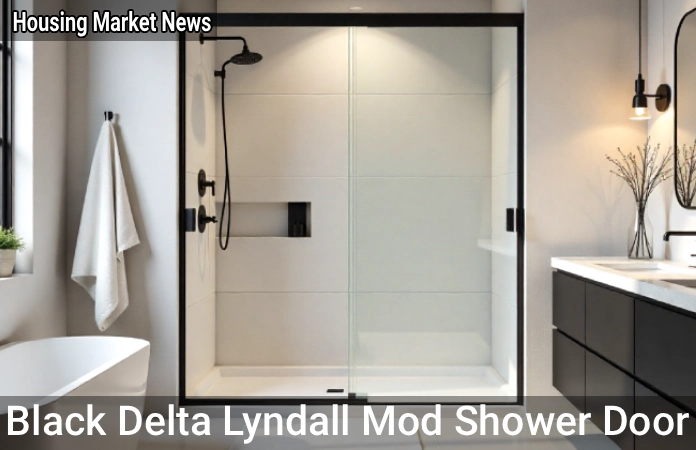
Upgrading your bathroom with a stylish shower door can completely change how your space looks and functions. The Black Delta Lyndall Mod Shower Door stands out as a top choice for homeowners wanting a modern, matte black finish paired with reliable performance.
This shower door features premium 10mm glass, Lyndall towel bar handles, and Spot Guard technology, making it both beautiful and practical. Whether you’re planning a full bathroom remodel or just replacing an old shower door, understanding what makes this product special helps you decide if it’s the right fit for your home.
Featured Snippet: The Delta Lyndall Mod Shower Door is a frameless sliding door system featuring minimal metal design, soft-close technology, and premium tempered glass panels available in 6mm or 10mm thickness. The matte black finish coordinates with modern bathroom fixtures, while Spot Guard coating resists water spots and buildup for easier cleaning.
What Makes the Delta Lyndall Mod Special
Detailed view of a black metal handle on a glass door, highlighting the sleek, modern design of the Delta Lyndall Mod system.
Design and Construction
The Mod track system features minimal metal and slim lines, creating a sleek appearance perfect for modern homes. Unlike traditional framed doors that use bulky aluminum around each panel, this semi-frameless design keeps things clean and open.
The Lyndall handle design deserves attention. These towel bar door handles offer uncomplicated design with bold geometric styling and provide extra hanging space. You get both form and function in one package.
Glass Options and Quality
Premium 10mm glass panels provide a luxurious feel and superior opening and closing experience. The thicker glass adds weight that feels substantial when you slide the door. All glass is ANSI-certified tempered safety glass.
You can choose from several glass types:
Clear glass for maximum openness
Frosted glass for privacy
Smoked glass for a tinted look
Rain glass for texture
Ingot glass for unique patterns
Soft-Close Technology
A glass shower door with a handle and shower head, featuring a soft-close mechanism and elegant black hardware.
The Delta Soft Close System reduces rattling and slamming using an integrated damper system hidden within the track. The system is installed on both sides of the track for smooth gliding regardless of which panel you’re opening or closing.
This feature particularly helps households with kids who tend to slam doors. The gentle closing action prevents loud bangs and reduces wear on the door components.
Size Options and Fit Requirements
Available Dimensions
The Lyndall Mod system comes in multiple width configurations:
Width Range
Walk-In Opening
Height
43-3/8″ to 47-3/8″
19″ to 23″
71-1/2″
50-1/8″ to 58-1/2″
Variable
71-1/2″
60″ standard
Variable
71-1/2″
The system requires minimum opening width starting at 43-3/8 inches up to maximum widths of 58-1/2 inches depending on the model.
Installation Requirements
Wall studs are required for both 6mm and 10mm Mod systems, positioned 1-1/2 inches from the front surface of the sill for proper support. This differs from Delta’s Traditional or Ashmore sliding doors which don’t need studs.
The Mod system can accommodate out-of-plumb conditions up to 3/8 inch. This adjustment capability helps if your shower walls aren’t perfectly level.
You’ll need minimum clearances:
Threshold depth: 2-3/4 inches
Sill to ceiling height: 74-1/4 inches minimum
Threshold to top of door: 71-3/8 inches
Matte Black Finish Maintenance
A person wipes a matte black shower door with a microfiber cloth, demonstrating simple cleaning techniques in a modern bathroom.
Daily Care
Matte black finishes require wiping down glass and hardware with a soft cloth and gentle cleaner, avoiding abrasive cleaners or tools that could harm the surface. A mix of water and vinegar works well for water spots.
Regular maintenance keeps your door looking sharp. Squeegee the glass after each shower to prevent water spots from forming.
What to Avoid
Since matte black finishes use powder coating or electroplating processes, stay away from chemicals, bleach, and wax-based cleaners to avoid marring the finish. Mild, soapy water is recommended for cleaning.
The manufacturer specifically warns against products containing certain harsh chemicals that can discolor the finish or reduce glass clarity over time.
Long-Term Durability
Powder-coated matte black trim may show fading over time, especially with less expensive options. The electroplating process offers higher quality and better durability, though it costs more.
Tracks are crafted from anodized aluminum for strength and corrosion resistance, which helps the door maintain its appearance for years.
Installation Process
Preparation Steps
Two capable adults should handle installation, as the glass size and dimensions can make placement challenging depending on environment and physical condition. Have a cushioned spot like carpet or blanket ready to rest panels and avoid contact with hard surfaces.
Check glass before installing – if chips, scratches, or other damage appear, don’t install it and contact Delta’s Customer Experience Team.
Installation Resources
Delta offers the BILT app for 3D installation instructions that guide you through the process step-by-step. The app provides interactive visual guides that make complex steps easier to understand.
Installation includes detailed step-by-step instructions and all mounting hardware. The top track and bottom track must be cut according to manual measurements for proper fit.
Common Installation Issues
If studs are missing or misaligned, stop installation and contact the Customer Experience Team. Trying to work around missing studs can create safety issues and void your warranty.
If the shower base isn’t level, the system won’t perform as it should. Check your shower floor for level before ordering to avoid problems later.
Spot Guard Technology
Delta’s exclusive Spot Guard technology resists water spots and unsightly buildup to make cleaning effortless. This proprietary coating goes on during manufacturing and faces the shower interior.
The hydrophobic treatment causes water to bead up and roll off instead of clinging to the glass. This reduces soap scum, limescale, and mineral deposit accumulation when properly maintained.
You’ll spend less time scrubbing and more time enjoying your shower. The coating doesn’t eliminate all cleaning needs, but it significantly reduces how often you need to deep clean the glass.
Price and Value
Cost Range
Based on Home Depot listings, expect to pay:
Configuration
Glass Type
Approximate Price
43-3/8″ to 47-3/8″
Clear
$588-$693
50-1/8″ to 58-1/2″
Clear
$588-$899
50-1/8″ to 58-1/2″
Frosted
$615-$640
50-1/8″ to 58-1/2″
Smoked
$624
50-1/8″ to 58-1/2″
Rain
$616
Matte black finishes cost more than chrome or brushed nickel options, but prices have decreased as volume increased.
Warranty Coverage
Delta provides a 5-year limited warranty covering defects in material and workmanship. This coverage applies from the purchase date for original consumer purchasers.
The warranty doesn’t cover damage from improper installation, use of harsh chemicals, or normal wear and tear. Keep your receipt and follow maintenance guidelines to protect your coverage.
Comparing to Other Options
Mod vs Traditional Track
The Traditional style track offers hidden rollers and reversible design but lacks the soft-close feature. Traditional doors don’t require studs for installation, making them easier to install in some situations.
The Mod track’s semi-hidden rollers and minimal metal create a more contemporary appearance. If you want the cleanest look possible, Mod delivers better aesthetics.
6mm vs 10mm Glass
Standard 1/4-inch (6mm) glass provides adequate quality for most bathrooms. Premium 10mm glass panels offer a more luxurious feel and superior experience when opening and closing.
The thicker glass weighs more, which some people prefer for the substantial feel. It also tends to be slightly quieter when sliding. Budget affects this choice since 10mm options cost more.
Design Compatibility
Coordinating with Fixtures
The Lyndall handle collection extends beyond shower doors. You can find matching bathroom accessories, faucets, and shower heads in the same finish.
Matte black works well in mixed metal designs, coordinating nicely with brass or chrome for an eclectic feel. Don’t feel locked into all-black everything.
Style Considerations
Matte black finishes are bold and command attention. If you want focal points elsewhere in your bathroom, consider whether the dramatic hardware might compete for attention.
For fix-and-flip properties or homes you plan to sell soon, chrome or brushed nickel might be safer choices since they appeal to broader buyer preferences.
The modern, minimalist aesthetic suits contemporary and transitional bathroom styles particularly well. Traditional or vintage bathrooms might clash with the sleek black finish.
Customization Options
Delta’s 1-2-3 sliding shower door program offers over 175 combinations to create custom shower door experiences. You choose glass type, door track style, and handle design separately.
This flexibility lets you match your exact preferences and coordinate with existing bathroom elements. Pre-designed packages are also available if you’d rather not customize.
The color coding system (yellow for bathtub, green for shower, blue for pivoting) helps ensure you select compatible components when buying separately.
Maintenance Schedule
Weekly Tasks
Squeegee glass after each shower
Wipe down hardware with soft cloth
Check for loose screws or hardware
Monthly Tasks
Deep clean glass with approved cleaner
Inspect rollers for smooth operation
Check seals and gaskets for wear
Annual Tasks
Examine all hardware for corrosion
Test soft-close mechanism function
Inspect glass for chips or cracks
Following this schedule extends your door’s lifespan and maintains its appearance. Address small issues before they become big problems.
Troubleshooting Common Issues
Door Won’t Stay Closed
Check if the soft-close dampers need adjustment. Sometimes the door rolls open a few inches after closing, which usually indicates damper or roller issues.
Verify the shower floor is level. An uneven surface causes doors to drift open naturally.
Water Leakage
Inspect the bottom track seal and side seals. Replace worn gaskets promptly to prevent water damage to surrounding areas.
Make sure the door fully closes and latches properly. Gaps allow water to escape during showering.
Difficult Sliding
Clean the track and rollers regularly. Buildup of soap scum or hair can impede smooth operation.
Check roller adjustment. Rollers can be adjusted to guarantee leveled installation, which affects how smoothly doors slide.
Frequently Asked Questions
Can I install the Delta Lyndall Mod myself?
Yes, experienced DIYers can handle installation with proper tools and help. Two adults are recommended for handling the glass safely during installation. The BILT app provides step-by-step 3D instructions. However, professional installation ensures proper alignment and prevents issues.
How do I clean matte black shower door hardware?
Use a soft cloth with gentle cleaner and avoid abrasive tools. Mild, soapy water works best, while chemicals, bleach, and wax-based cleaners should be avoided. For water spots, try a water and vinegar mixture. Regular wiping prevents buildup and maintains the finish.
What’s the difference between 6mm and 10mm glass?
10mm glass panels provide a more luxurious feel with superior opening and closing experience. The thicker glass weighs more and feels more substantial. Both options are tempered safety glass meeting ANSI standards. Your choice depends on budget and desired feel.
Does the matte black finish scratch easily?
Finishes created through powder coating or electroplating are designed for durability, though quality varies. High-quality powder finishes resist fading, scratching, and peeling. Proper care using non-abrasive cleaners helps prevent scratches. The electroplating process offers higher quality and better scratch resistance than powder coating.
Looking at 2226 SE 11th Walla Walla WA? This Southeast neighborhood gem offers tree-lined streets, spacious yards, and genuine community connections. Properties range from 1,400-2,200 sq ft on 0.2-0.5 acre lots, with median prices around $425,000 in Washington’s premier wine country.
What Makes This Address Stand Out
When you start looking at homes around 2226 SE 11th Walla Walla WA, you’re checking out more than just another address in Washington. You’re considering a neighborhood where people actually know their neighbors, kids bike to parks without worry, and your Saturday might include farmers markets and vineyard visits within minutes of home.
Southeast Walla Walla delivers what buyers search for when they’re ready to settle down. You get safety without feeling isolated, space without the high costs of bigger Washington cities, and community without the congestion that makes daily life feel like a constant battle. Whether you’re buying your first place, upgrading for your growing family, or thinking about investment property, this area makes sense for people who want real value.
The properties here sit in one of those rare residential pockets where everything just clicks. Tree-lined streets give you that classic Washington charm, actual yard space means your kids and pets have room to play, and the downtown area stays close enough for coffee runs without the noise and traffic cutting through your peaceful evenings at home.
Understanding the Property Features
Homes around SE 11th feature classic mid-century and craftsman architecture with generous lot sizes.
Most homes around this address were built between the 1950s and 1990s, which means you’ll see a mix of architectural styles that actually work for modern families. The mid-century ranch layouts and craftsman designs aren’t just pretty to look at—they’re practical spaces where life flows naturally from room to room without weird hallways or wasted square footage.
You’re typically looking at 3 to 4 bedrooms and 2 to 3 bathrooms in houses along SE 11th Avenue. Square footage usually lands between 1,400 and 2,200 depending on additions and layout choices that owners made over the decades. Many homes feature single-story ranch styles that work great for families with young kids or retirees who don’t want to deal with stairs every single day.
The lot sizes here really beat most newer developments by a wide margin. You get actual yard space measuring between 0.2 and 0.5 acres instead of just a patch of grass squeezed between fences. That means room for gardens, play areas, outdoor furniture, or whatever matters to your family without feeling cramped or constantly bumping into the neighbors every time you step outside.
Garages come standard with most properties, and many homes include basements that work perfectly for storage or potential conversion into living space down the road when your needs change. The mature trees and established landscaping give you that settled feel instead of the bare lots where you’re waiting years for shade and privacy to develop naturally.
Property taxes in Walla Walla County average around $1,600 to $2,000 annually for homes in this price range. That’s reasonable compared to other Washington markets where taxes can really strain your monthly budget and make homeownership feel less affordable than it should.
The Real Estate Market Right Now
Walla Walla County’s median home price sits at $425,000 as of mid-2025, and properties in Southeast Walla Walla typically fall within or slightly above that range depending on specific features and condition. The market conditions favor neither buyers nor sellers right now, which actually works in everyone’s favor because it means reasonable negotiation room exists for both sides.
Inventory remains limited compared to demand, so well-priced homes in desirable areas like SE 11th don’t stay on the market very long. Properties typically go pending within 15 days in Walla Walla according to current data, though homes in Southeast neighborhoods can move even faster when priced correctly and showing well to potential buyers.
Price per square foot averages about $215 in this neighborhood, though features like updated kitchens, new roofs, or finished basements push that number higher naturally. Recent sales on SE 11th Avenue show homes selling between $400,000 and $500,000 depending on size, condition, and lot features that matter to buyers making final decisions.
The appreciation trends look solid when you examine the data over time. Walla Walla home prices increased steadily over the past year, with different sources reporting various percentages depending on which properties they tracked. The overall growth remains positive without the wild swings that make homeownership feel like gambling instead of a stable investment in your future.
For people considering this address as an investment property, rental demand stays consistent throughout the year thanks to local employers, Whitman College bringing students to the area, and retirees choosing Walla Walla for the lifestyle and climate factors they care about. Mortgage rates have stayed relatively stable, making financing predictable for buyers who’ve done their homework and gotten pre-approved before house hunting begins.
Living in Southeast Walla Walla
Southeast Walla Walla offers that rare combination of small-town safety with modern conveniences sitting close by when you need them. Crime rates stay low compared to other parts of Walla Walla, which makes this area a top choice for families and retirees who prioritize security and peace of mind above almost everything else.
People here genuinely know each other in ways that feel increasingly rare in today’s world. You’ll see neighbors chatting over fences about weekend plans, kids playing outside without constant supervision, and genuine community connections that make daily life feel warmer and more supported. Local events actually draw crowds instead of empty promises, and the neighborhood watch participation stays active year-round.
The demographic mix includes young families starting out, working professionals who want space to breathe after long workdays, and retirees who appreciate the proximity to medical services and grocery stores without city congestion making every errand feel like a production. Everyone shares an appreciation for the lifestyle this area provides.
Walkability scores well throughout this neighborhood. You can reach Pioneer Park or Fort Walla Walla Park within minutes for weekend activities or evening strolls when you need to clear your head. Downtown sits close enough for quick trips without requiring long drives that eat up your time and patience.
Schools and Educational Options
Walla Walla Public Schools serves this area, with Sharpstein Elementary being one of the closest elementary options for families with young children. Students feed into Garrison Middle School and eventually attend Walla Walla High School as they progress through their educational journey. The district serves 5,599 students across 16 schools and maintains a strong focus on academic achievement.
Parents consistently rate the schools well for both education quality and the support systems in place for students who need extra help or challenge. Schools actively involve parents through volunteer programs, sports teams, and arts activities that bring families together beyond just drop-off and pickup times.
The educational environment matters not just for families with kids right now, but also for resale value when you eventually decide to move. Strong schools protect your investment and make your home more attractive to the next generation of buyers looking for the same quality education and community involvement.
Parks and Recreation Opportunities
Walla Walla maintains 15 public parks throughout the city, with several sitting within easy reach of Southeast neighborhoods. Pioneer Park offers playgrounds where kids can burn energy, sports fields for weekend games, and picnic areas perfect for summer gatherings with family and friends.
Fort Walla Walla Park combines history exhibits with green space and walking trails that work for exercise or just enjoying nature without driving far from home. The parks system gives families plenty of options for outdoor activities year-round instead of feeling stuck indoors or having to plan elaborate trips just to get outside.
Community events happen regularly at local parks throughout the seasons. Seasonal festivals, farmers markets, and downtown gatherings bring neighbors together and create those memories that make a house feel like home instead of just another address where you sleep at night.
Wine Country Lifestyle Benefits
Living near SE 11th means easy access to Walla Walla’s renowned wineries and scenic landscapes.
Living near 2226 SE 11th Walla Walla WA means you’re right in the heart of one of Washington’s premier wine regions. Over 120 wineries operate in the Walla Walla Valley, and many host events, live music performances, and food pairings throughout the year that turn ordinary weekends into special experiences.
Your typical Saturday might start with a farmers market run where you pick up fresh produce directly from local growers, continue with wine tasting at a nearby vineyard where you discover new favorites, and end with a farm-to-table dinner downtown that showcases local ingredients. The wine scene brings visitors year-round, which keeps restaurants and businesses thriving without overwhelming the small-town character that residents value.
Boutique shops and local restaurants line downtown streets offering everything from casual cafes to upscale dining experiences. The pace of life slows down compared to Seattle or Spokane, which appeals to remote workers, retirees, and families who want more time for what actually matters instead of spending hours stuck in traffic or dealing with city stress.
The Home Buying Process
Starting your home search with pre-approval for a mortgage makes the entire process smoother from day one. Sellers take pre-approved buyers seriously because they know you’re ready to move forward, and you’ll understand your exact budget before falling in love with a property that’s beyond your financial reach.
Working with a local real estate agent who’s familiar with Southeast Walla Walla gives you a huge advantage. Agents at firms like RE/MAX Walla Walla, Coldwell Banker, or Windermere Real Estate understand neighborhood nuances, pricing trends, and which properties offer real value versus inflated listings that sit on the market too long.
During showings, check these critical areas that can make or break your decision. Look at the foundation for cracks or settling issues that signal bigger problems, examine the roof condition and estimate how many years of life remain, test the plumbing quality and water pressure throughout the house, watch for signs of water damage or moisture problems in basements and crawl spaces, and check the HVAC system age and functionality.
Hiring a professional inspector before finalizing any offer protects you from costly surprises after closing. Inspections reveal hidden issues with electrical systems, structural integrity, and mechanical systems that affect your negotiation position or might become deal breakers you need to know about upfront.
Budget for closing costs that typically run 2% to 5% of the purchase price. These include title insurance that protects your ownership, appraisal fees that confirm the property’s value, attorney costs for legal review, and escrow charges that many buyers forget when calculating their total investment required at closing.
Making Your Offer Stand Out
Submit competitive offers based on current market data from recent sales instead of wishful thinking about getting a steal. Include a personal letter explaining why this home fits your needs and what you love about the property. Sellers often choose offers from buyers who connect emotionally with their home over slightly higher bids from investors who just see numbers.
Limit contingencies when possible to make your offer cleaner and easier for sellers to accept. Offers with fewer conditions close faster and create less stress, giving you an edge over complicated bids requiring multiple approvals and timeline extensions that worry sellers.
Show financial strength through substantial earnest money deposits that signal serious intent. Larger deposits reduce seller concerns about deals falling through because of buyer cold feet or last-minute financing issues that waste everyone’s time and money.
Why Different Buyers Choose This Area
Families appreciate the safety factors, strong schools, and community connections that make raising kids feel manageable instead of overwhelming. Parks within walking distance, quality educational programs, and engaged neighbors create support networks that ease parenting challenges when you need help or advice.
Remote workers benefit from affordable housing compared to coastal Washington cities while maintaining quality internet access that’s reliable for video calls and cloud-based work. The peaceful environment helps you focus during work hours without city distractions or noise that interrupts your productivity and concentration.
Retirees find that the slower pace, excellent medical access at Providence St. Mary Medical Center, and cultural amenities like wine tasting offer a fulfilling daily life without big-city stress. The climate stays milder than western Washington with less rain and more sunshine year-round, which matters for people who want to actually enjoy their retirement years.
Investors recognize steady appreciation rates, consistent rental demand from local employers and Whitman College students, and lower entry costs compared to Seattle or Portland markets. First-time buyers gain access to homeownership without stretching budgets to breaking points, getting actual houses with yards instead of overpriced condos in dense developments.
Investment Potential to Consider
Walla Walla’s real estate market offers solid investment potential based on several factors working in your favor. The city’s growing reputation as a desirable small city in Washington drives consistent demand from people looking to escape bigger urban areas without sacrificing modern amenities.
Limited inventory relative to buyer interest supports stable prices that protect your investment over time. Rental rates in Walla Walla average $1,400 to $1,800 monthly for 3-bedroom homes in good condition, which provides reasonable returns when compared to purchase prices in this range.
Southeast Walla Walla specifically offers advantages for investors beyond just the numbers. The neighborhood’s reputation for safety and quality schools means consistent demand from quality tenants who take care of properties and pay rent on time. Properties here maintain value better than areas with higher crime rates or weaker schools during market downturns.
Planning Your Next Steps
Contact local real estate agents who specialize in Southeast Walla Walla properties to get current listing details and access to comparable sales data that helps you make informed decisions. Schedule property tours to experience the neighborhood firsthand because photos only tell part of the story when making major purchase decisions.
Get your finances organized early in the process since pre-approval speeds up the buying process and strengthens your negotiating position. Research property records through Walla Walla County resources to verify ownership history, tax assessments, and any liens or issues affecting the title before you commit.
Walking the streets around 2226 SE 11th Walla Walla WA gives you a real feel for the community vibe that matters just as much as the house itself. Check distances to parks and schools that you’ll use regularly, notice how neighbors interact, and imagine your daily routine in this setting.
Making Your Dream Home a Reality
Southeast Walla Walla offers that rare combination of safety, community connection, and investment potential that smart buyers recognize immediately when they visit. The properties around 2226 SE 11th Walla Walla WA represent more than just houses—they’re opportunities to build the lifestyle you’ve been working toward.
Whether you’re starting your home buying journey or ready to make an offer, taking action now puts you closer to owning a piece of this desirable Washington neighborhood. Your dream home might be waiting at this address or nearby, ready to welcome you into the community and lifestyle that makes Walla Walla special.
The blend of wine country culture, outdoor recreation, strong schools, and genuine neighbors creates something unique that’s hard to find elsewhere. Properties in this area hold their value, appreciate steadily, and provide that quality of life that money can’t buy but smart real estate choices can deliver.
The Timberlake Raised Garden Bed with Green House combines a 71.3-gallon galvanized planter with a removable greenhouse cover, featuring zippered vents for ventilation and easy access. This 2-in-1 system extends your growing season by 4-6 weeks while protecting plants from frost, wind, and pests.
What Makes This Garden System Special
If you’ve been dreaming about fresh vegetables on your patio but worried about space or seasonal limits, the Timberlake Raised Garden Bed with Green House in Green might be exactly what you need. This isn’t your typical garden box. It combines a sturdy raised bed with an attached mini greenhouse, giving you a complete growing solution in one package.
The system works like this: you get a galvanized steel planter bed measuring 4 feet long by 3 feet wide and about 1 foot high. On top sits a removable greenhouse cover that protects your plants while letting sunlight through. Think of it as creating your own personal microclimate right in your backyard. The whole setup holds approximately 71.3 gallons of soil, which is plenty of room to grow a real variety of plants.
What sets this product apart from basic raised beds is the greenhouse component included right from the start. You don’t need to buy a separate cover or build anything complicated. Everything you need comes in the box, and most people can have it assembled and ready to plant in less than an hour.
Understanding the Construction and Materials
Durable galvanized steel and UV-resistant cover ensure long-lasting protection for plants in all seasons.
The frame is where durability really shines. Timberlake uses galvanized steel with a rust-resistant coating and applies a green powder-coated finish that blends beautifully into any outdoor setting. This isn’t flimsy metal that will degrade after a season or two. The galvanizing process electroplates the steel, which means it can handle rain, snow, UV rays, and temperature changes year after year without developing rust spots.
The greenhouse cover is made from UV-resistant polyethylene, a lightweight material that’s tougher than it sounds. This covering allows sunlight to penetrate for your plants to grow properly while also retaining heat and moisture inside. It’s waterproof and won’t crack or become brittle from sun exposure like some lower-quality materials do.
The bed features an open-bottom design, which might sound strange at first. Here’s why it matters: water drains naturally through the bottom instead of pooling around your plant roots. This prevents root rot and keeps your soil from becoming waterlogged. The open bottom also lets beneficial soil organisms move naturally between your garden bed and the earth below.
All the edges are rolled and smooth, so you won’t get cut while assembling or reaching into your garden. The whole structure is relatively lightweight—under 50 pounds when empty—which means you can reposition it if you need to chase the sun or prefer a different spot in your yard.
Assembly Is Truly Straightforward
You won’t need fancy tools or special skills to get this running. Most people grab a screwdriver and wrench, and they’re good to go. The kit arrives flat-packed with clear, easy-to-follow instructions. You’ll start by connecting the steel panels to form your bed frame, then secure them with bolts using plastic connectors. After that, you attach the greenhouse frame and drape the cover over top.
The process takes under an hour for most people, even if you’ve never done this sort of thing before. If you have mobility issues or just don’t want to spend your Saturday afternoon wrestling with complicated instructions, this system respects your time. The elevated height of about 30-36 inches with the greenhouse attached means no bending down to your knees to plant and harvest, which is a huge relief for anyone with back problems or arthritis.
Once you’ve got it assembled, fill the bed with quality soil mix. A good blend combines topsoil, compost, and perlite to create the perfect balance of nutrients and drainage. Make sure your bed sits on relatively level ground so water flows evenly. Position it in a spot that gets 6 to 8 hours of direct sunlight daily, and orient those zippered vents away from strong prevailing winds if possible.
How the Greenhouse Cover Works
The zippered vents let you control airflow and temperature — protecting plants from frost and overheating.
The removable greenhouse isn’t just a nice add-on. It’s genuinely functional and creates real benefits for your plants. The cover features two large zippered windows, which gives you flexibility. On hot days, you can unzip them to let hot air escape and prevent your plants from cooking. On cool mornings and evenings, you zip them up to trap warmth around your plants.
This temperature control extends your growing season significantly. In many regions, you can plant 4 to 6 weeks earlier in spring and keep growing 4 to 6 weeks later into fall. That dramatically increases how much you can harvest in a year. The cover also acts as a barrier against insects, birds, and small animals that would otherwise feast on your vegetables and flowers.
During peak summer heat, you can remove the cover entirely and use the bed as a standard raised garden box. This flexibility means one product works for you year-round without needing separate equipment. The cover stores compactly when not in use, so it won’t clutter your shed or garage.
What You Can Actually Grow
Grow everything from leafy greens to herbs and flowers — all in one compact, efficient garden system.
The versatility of this system is one of its biggest strengths. Vegetables love it here—tomatoes, peppers, lettuce, spinach, carrots, and cucumbers all thrive. Herbs like basil, parsley, mint, and rosemary flourish in the controlled environment. If you want color, plant flowers such as marigolds, petunias, and pansies. You can even grow strawberries or dwarf fruit varieties if you want to push beyond the typical vegetable garden.
For beginners, start with easier plants like lettuce and spinach to build confidence. As you get comfortable, expand to more demanding crops like tomatoes and peppers. The raised bed and greenhouse make these plants easier to manage than traditional ground-level gardens because you control the soil quality completely instead of dealing with whatever native soil exists in your yard.
In cooler seasons, switch to cold-tolerant crops like kale, radishes, or carrots. The greenhouse protection means you’re not limited to one growing season. Rotate your crops regularly to prevent diseases and keep your soil balanced. Plant companion plants together too—marigolds alongside tomatoes help deter pests naturally.
Real Benefits for Real Gardeners
The practical advantages add up quickly. An elevated bed means better drainage and soil aeration than ground-level gardens, which leads to healthier roots and higher yields. You’re not fighting constant weed battles because fewer weed seeds make it up into the raised bed. Any weeds that do appear are much easier to pull from the elevated height.
Pest control improves dramatically with the greenhouse cover. Instead of spraying chemicals that concern you, the cover creates a physical barrier that keeps most insects, birds, and animals out. Your plants get stronger because they’re not constantly stressed by pests trying to eat them.
The space-efficiency is perfect for urban dwellers or anyone with a small yard. This system maximizes what you can grow in a compact footprint. The aesthetic green finish means it looks intentional and attractive, not like you’ve crammed a utilitarian eyesore into your garden space. That matters when you’re looking at it from your kitchen window.
From a health perspective, you get physical activity without strain. Gardening becomes something you enjoy rather than something that leaves you sore. Environmentally, this supports sustainable practices. You’re growing your own food instead of buying produce shipped long distances. You can compost plant waste and practice water conservation through efficient drip irrigation if you want.
Maintenance Keeps Things Simple
This system doesn’t demand constant attention. Periodically check that bolts haven’t loosened over time. Clean the greenhouse cover with mild soap and water occasionally to remove algae buildup—this keeps light penetration clear. If you notice any areas where the protective coating has worn thin, a quick reapplication of sealant maintains the rust-resistant properties.
Inside the bed, monitor soil moisture with a simple finger test. Stick your finger about an inch into the soil. If it feels dry, water. If it’s still moist, wait. On hot days, check the greenhouse vents to make sure they’re open enough to prevent excessive condensation buildup. This prevents fungal issues that thrive in overly humid conditions.
Every few weeks, add balanced fertilizer to keep your plants nourished throughout the season. This varies by what you’re growing, but generally every 4 to 6 weeks is a good routine. Prune plants regularly to encourage airflow, which prevents disease.
Why Gardeners Choose This
The overwhelming feedback from people using the Timberlake system is positive. Users consistently mention how sturdy it feels, how straightforward assembly was, and how much they enjoy having a dedicated gardening space. It scores around 4.5 stars across most platforms where people review garden products. People appreciate that it’s genuinely beginner-friendly without sacrificing quality.
Whether you’re completely new to gardening or an experienced grower who just needs a compact solution, this system delivers. It removes barriers to growing your own food. You don’t need a huge yard. You don’t need perfect soil conditions. You don’t need extensive gardening knowledge. What you get is a reliable, well-made system that lets you grow fresh vegetables, herbs, and flowers in your space, on your terms, throughout more of the year than you’d expect.
The Timberlake Raised Garden Bed with Green House in Green is more than just a planter box. It’s a practical tool that makes gardening accessible, productive, and genuinely enjoyable. Start your growing journey today.
A kimona pole hanger metal hook is a durable, specially designed garment holder combining a sturdy metal hook with supportive pole structure. Originally developed for Japanese kimonos, these hangers now serve multiple purposes—protecting delicate fabrics, handling heavy coats, and organizing retail displays while resisting rust and lasting years.
Keeping your clothes organized shouldn’t be complicated. Whether you own delicate kimonos, heavy coats, or just want a better way to store your wardrobe, the right hanger makes all the difference. The kimona pole hanger metal hook offers a simple yet powerful solution that works for home closets and retail spaces alike. Let me show you why this particular hanger has become the go-to choice for people who care about preserving their clothing.
Understanding What a Kimona Pole Hanger Metal Hook Actually Is
The sturdy metal hook and supportive pole design prevent creases and preserve fabric shape.
A kimona pole hanger metal hook is a specially designed garment holder that combines a sturdy metal hook with a supportive pole structure. Think of it as the stronger, more reliable cousin of standard plastic hangers. The metal construction means it won’t bend or break under the weight of heavier items. The pole design creates extra support that keeps garments in their proper shape without wrinkles or creases forming.
These hangers work particularly well for kimonos because they were originally designed with Japanese clothing in mind. Kimonos have unique shapes and weights that regular hangers simply can’t handle. The metal hook securely grips your garment while the pole below prevents any twisting or sliding. But here’s the thing—they work just as well for robes, jackets, coats, and other specialty garments that deserve better treatment than what a basic hanger provides.
Where the Kimona Pole Hanger Came From
The story of this hanger is rooted in Japanese tradition. Centuries ago, people who owned kimonos faced a real problem. These gorgeous garments with their delicate fabrics and intricate designs needed protection. Standard storage methods damaged them. So Japanese craftspeople developed specialized wooden hangers designed specifically for kimono shape and weight.
Over generations, the design improved. Wood gave way to more durable materials. Metal entered the picture because it offered strength that wood couldn’t match. Modern metalhangers now combine the wisdom of traditional design with contemporary materials and engineering. Today’s versions use stainless steel or aluminum—materials that resist rust and corrosion while remaining lightweight enough to use daily.
What’s remarkable is that this ancient solution remains relevant today. We’re not just preserving traditions for tradition’s sake. The kimona pole hanger actually solves real problems that modern wardrobes face.
Why These Hangers Stand Out From Everything Else
When you invest in a kimona pole hanger metal hook, you get several advantages that other hangers simply can’t match. Let me break down why they’re worth considering for your space.
Durability ranks at the top of the list. Metal hangers last for years without bending, cracking, or warping. Plastic hangers break under pressure. Wood hangers eventually warp from humidity. Metal stays true. Many come with rust-resistant coatings, which means they handle humid laundry rooms, bathrooms, and damp climates without deteriorating. You could pass your metal hanger down to someone else and it would still work perfectly.
The versatility factor deserves attention too. Yes, these hangers originally served kimonos, but they handle way more than that. Heavy winter coats? Perfect. Formal dresses? Absolutely. Scarves, shawls, and delicate items? They won’t slip. The strong metal hook grips securely while the pole provides stability. This makes them ideal for anyone with clothing that regular hangers struggle with.
Space matters in any closet. The compact design of a kimona pole hanger means you fit more items into the same amount of space compared to bulky plastic hangers. This becomes especially important if you live in an apartment, work in retail, or manage a boutique where square footage costs money.
Your actual clothing stays in better condition when you use these hangers. The metal hook and pole combination prevents creases that form when heavy garments bend plastic hangers. Fabric doesn’t stretch out of shape the way it does on flimsy hangers. Delicate materials stay protected rather than getting damaged or distressed.
Different Types and Styles You Can Choose
From simple to sophisticated, kimona pole hangers come in multiple styles for every need.
One-size-fits-all doesn’t apply to garment hangers. Different situations call for different designs. Let me walk you through the main options available.
Standard metal hooks represent the basic model. These feature a straightforward design—a metal hook connected to a pole. They’re functional, durable, and perfect if you want no-nonsense storage. They come in various metallic finishes that work in any closet without standing out or looking out of place.
Rotating hook designs add extra convenience. These allow you to spin or adjust the hook position, making it easier to hang and remove garments. This feature proves especially helpful if your closet space is tight or if you frequently change what you’re hanging.
Padded hangers take protection to the next level. The shoulder area features soft padding that prevents delicate fabrics from getting creased or marked. This design works beautifully for expensive designer pieces or heirloom garments that you want to preserve perfectly.
Heavy-duty versions exist for serious weight. If you own thick winter coats, heavy robes, or specialty garments that weigh more than average, a heavy-duty metal hanger ensures everything stays safely supported. These won’t bend or flex under significant weight.
Child-sized hangers fit smaller clothing perfectly. Parents appreciate having appropriately sized hangers that work with kids’ clothes without wasting space or causing items to slip.
Decorative options combine function with style. Some metal hangers come in vibrant colors or special finishes that look attractive when garments are on display. Retail stores use these to create eye-catching presentations that draw customer attention.
Many manufacturers offer customization. You can request specific colors, special finishes, or even branded versions with your business logo. This becomes valuable if you run a boutique, hotel, or any business where presentation matters.
How to Pick the Right Hanger for What You Need
Making the right choice starts with honest assessment of your situation. Ask yourself what you’ll actually hang on this hanger. Will it be heavy winter coats or lightweight silk dresses? Indoor closet storage or outdoor display? Home use or commercial application? Your answers shape which features matter most.
Material quality impacts longevity directly. Look specifically for stainless steel or aluminum construction. These metals resist rust and corrosion better than regular steel. Check if the hanger has protective coatings that extend its life further. Reading customer reviews helps here—people will mention if their hanger started rusting after a few months.
Weight capacity determines what you can safely hang. Most quality metal pole hangers support between 20 and 30 pounds. Think about your heaviest item. Will the hanger handle it comfortably? Check the specifications before ordering, especially if you plan to hang multiple garments simultaneously.
Your budget requires realistic consideration. Metal hangers cost more than plastic alternatives, but they last longer and work better. Think about it as cost per year of use rather than initial price. A hanger that lasts 10 years costs far less per year than one that breaks after 12 months.
Space compatibility matters when you’re working with existing systems. Measure your closet pole diameter to ensure the hanger hooks fit properly. Consider whether you have enough vertical space for the hanger plus your tallest garments. These practical details prevent disappointment when your purchase arrives.
Creative Ways to Use Metal Pole Hangers Beyond Standard Storage
Your imagination determines how useful these hangers become. Most people think only of closet storage, but that’s just the beginning.
In entryways, a metal pole hanger creates functional organization for coats, hats, and daily accessories. It keeps things tidy while remaining visible and accessible. Guests see an organized, stylish space rather than clutter.
Laundry rooms become more efficient with proper hanging space. Air-dry clothes safely on sturdy metal hangers instead of draping them over shower rods or chairs where they wrinkle and take forever to dry.
Retail displays shine with these hangers. Boutiques, department stores, and specialty shops use them to showcase merchandise beautifully. The clean aesthetic draws customer attention while the durability handles constant use.
Events and exhibitions benefit from portable display solutions. Fashion shows, cultural exhibits, and trade shows all rely on quality hangers that set up quickly and handle professional use.
Home décor enthusiasts use them to display vintage kimonos or other textile art pieces as wall features. The functional design becomes part of the aesthetic rather than hidden away.
Artists and designers sometimes repurpose these hangers for other textile projects. Quilters, weavers, and textile artists appreciate the sturdy support for their work.
Conclusion: Making Your Storage Situation Seriously Better
The kimona pole hanger metal hook solves real problems that you face with regular hangers. Your clothes get better protection. Your closet stays more organized. Your storage system lasts longer. Whether you manage a home closet, run a retail business, or preserve heirloom garments, the right hanger makes a measurable difference.
The best time to upgrade your hanger situation is now. Quality metal hangers work harder and last longer than whatever you’re probably using currently. Your wardrobe deserves that investment. Your space will thank you for the improved organization. Start with one and experience the difference—then you’ll want to upgrade the rest.
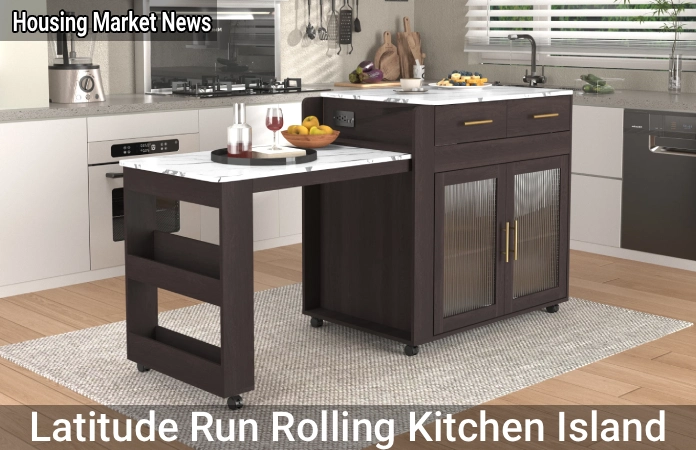
Are you cramped for counter space and constantly shuffling cookware around? A rolling kitchen island might be exactly what your kitchen needs. The Latitude Run rolling kitchen island has become a popular choice for homeowners looking to add both storage and workspace without committing to permanent renovations.
This guide walks you through everything you need to know about choosing, using, and maintaining a Latitude Run rolling kitchen island. You’ll learn about key features, sizing considerations, and how to make the most of this mobile kitchen solution.
What Is a Latitude Run Rolling Kitchen Island?
A Latitude Run rolling island adds storage, workspace, and mobility to any kitchen setup.
A Latitude Run rolling kitchen island is a mobile storage and workspace solution made from solid wood and MDF, featuring drawers, cabinets with shelves, a built-in rack for spices and towels, and heavy-duty casters for easy transport. These units combine the functionality of a traditional kitchen island with the convenience of wheels, making them perfect for renters, small kitchens, or anyone who wants flexible kitchen arrangements.
Why Choose a Rolling Kitchen Island?
Extra Counter Space When You Need It
Rolling islands provide additional counter space for chopping, mixing, and staging ingredients while keeping your primary counters clear for everyday tasks. When you’re done prepping, simply roll it aside.
Storage Without Built-In Costs
Adding a built-in kitchen island can cost between $3,000 and $20,000, while rolling carts offer a budget-friendly solution that doesn’t require professional installation. The Latitude Run models feature two drawers and cabinets with shelves for organizing kitchenware, with a built-in rack keeping spices and towels within arm’s reach.
Flexibility for Small Spaces
With proper spacing (at least 36 inches between a counter and a kitchen island recommended), you can roll the cart out of the way when you need more space. This makes rolling islands ideal for apartment dwellers who can’t make permanent changes.
Key Features of Latitude Run Rolling Kitchen Islands
Standard kitchen islands typically measure around 36 inches in height, with common sizes being 4 feet long by 2 feet wide for smaller spaces. However, rolling islands often come in more compact configurations to maintain mobility.
For small kitchens, a 4 ft. x 2 ft. island is perfect for extra prep space, while medium kitchens can accommodate 6 ft. x 3 ft. islands that add seating and storage.
Clearance Requirements
Leave at least 42 to 48 inches of clearance between the island and nearby counters or appliances to ensure easy access, smooth workflow, and prevent collision between open drawers, dishwasher doors, and people walking through.
Before purchasing, measure your kitchen carefully. Use painter’s tape on the floor to mark where your island will sit, then walk through your normal kitchen routine to check if the placement works.
Kitchen Size Guidelines
Kitchen Size
Recommended Island Dimensions
Key Considerations
Compact (70-130 sq ft)
24″-36″ wide x 36″-60″ long
Focus on mobility and multifunctionality
Medium (130-160 sq ft)
36″-48″ wide x 60″-84″ long
Room for integrated storage and casual seating
Large (160+ sq ft)
48″-72″+ wide x 84″-108″+ long
Space for multiple features and seating for 4-6
Assembly and Setup Tips
Assembly is straightforward—most users can complete it solo with basic tools.
What to Expect During Assembly
Customer reviews note that assembly instructions are easy to follow, with parts unique enough to prevent incorrect installation. Most users report needing assistance only with installing the doors, making it manageable as a one-person job otherwise.
One satisfied owner shared: “Assembly did take a little while but it wasn’t too bad. All the holes and everything aligned just fine. I tested the sturdiness of it by loading it up with all my kitchen accessories and it still rolled just fine, it wasn’t shaky and there was no bowing of any of the shelves.”
Assembly Best Practices
Here’s how to make your setup go smoothly:
Before You Start:
Clear a large workspace where you can lay out all parts
Check that you’ve received all components listed in the manual
Have a drill, screwdriver, and Allen wrench ready
During Assembly:
Sort hardware by type and size
Follow the numbered steps without skipping ahead
Hand-tighten screws first, then fully secure once alignment is confirmed
Ask for help when attaching doors or the countertop
Ensure casters roll smoothly and locks engage properly
Check that the unit is level before placing items inside
Maintenance and Care
Daily Cleaning
Use mild soap and water to clean surfaces, avoiding harsh chemicals that can damage finishes. Wipe down the countertop after each use to prevent stains and buildup.
For natural wood countertops, a quick wipe with a damp cloth keeps the surface clean without over-saturating the wood.
Regular Maintenance Tasks
Regularly check the wheels for any obstructions or wear to ensure smooth movement. Here’s a simple maintenance schedule:
Weekly:
Wipe down all surfaces with mild cleaner
Empty and reorganize drawers and cabinets
Check caster wheels for debris
Monthly:
Tighten any loose screws or hardware
Apply wood conditioner to natural wood surfaces
Test locking mechanisms on casters
Quarterly:
Deep clean inside cabinets and drawers
Inspect joints and connections for wear
Touch up paint or finish if needed
Protecting Your Investment
Keep your rolling island away from direct heat sources like ovens or stoves. While the surface can handle hot pads, direct contact with hot pans may damage the finish.
If your island has a butcher block top, treat it with food-safe mineral oil every few months to prevent drying and cracking.
Styling Your Rolling Island
Style your rolling island with decorative items and everyday essentials for a polished look.
Matching Your Kitchen Aesthetic
The Latitude Run’s neutral hues and molded details blend effortlessly into both monochromatic and vibrant color palettes. Whether your kitchen is modern, farmhouse, or traditional, these islands adapt to your style.
Functional Organization Ideas
Top Surface:
Keep a cutting board and knife block for quick meal prep
Display a fruit bowl or decorative canisters
Place your stand mixer or other frequently used appliances
Drawer Storage:
Utensils and kitchen tools in top drawers
Measuring cups, thermometers, and small gadgets
Kitchen linens like dish towels and aprons
Cabinet Storage:
Pots and pans on lower shelves
Small appliances you don’t use daily
Baking supplies and mixing bowls
Pantry overflow items
Built-in Racks:
Spice bottles in the designated rack
Dish towels on the towel bar
Paper towels if your model includes a holder
Common Uses Beyond the Kitchen
Multi-Room Functionality
Your rolling island doesn’t have to stay in the kitchen. These versatile pieces can serve as dining bars, hotel carts, bakers racks, microwave carts, or workstations, fitting into various rooms like the dining room or hallway.
Dining Room: Roll it in as a buffet station during dinner parties Home Office: Use as a mobile desk or storage for supplies Craft Room: Keep supplies organized and accessible Outdoor Entertaining: Move it to the patio for BBQs (weather permitting)
Comparing Latitude Run to Other Brands
Brand
Price Range
Key Differentiator
Best For
Latitude Run
$150-$300
Solid wood construction with built-in organization
Budget-conscious buyers wanting quality
Lark Manor
$150-$300
Adjustable shelves and 360-degree rolling wheels
Customizable storage needs
Homestyles
$200-$400
Drop-leaf tabletop and multiple finish options
Families needing homework/snack space
IKEA
$100-$250
Minimalist design and global availability
Modern aesthetic preferences
Real User Experiences
What Customers Love
Users appreciate that the island is “very sturdy, rolls easily, and the wheel locks keep it where you want when engaged,” describing it as “an attractive and stylish piece fully assembled.”
One customer with a smaller kitchen shared: “We have a smaller kitchen so I wanted something with wheels that I could move around and this was the perfect fit. I made it a stand that holds my instant pot because I use it a lot and it has all kinds of accessories and the shelving underneath holds it all.”
Considerations Before Buying
While most reviews are positive, consider these factors:
Weight Capacity: Load items gradually and test stability Floor Type: Works best on hard surfaces; may be difficult to roll on carpet Assembly Time: Plan for 2-3 hours for initial setup Drawer Depth: Some models have thinner drawers better suited for lighter items
Frequently Asked Questions
How much weight can a Latitude Run rolling kitchen island support?
Customer reviews show users successfully loading islands with multiple kitchen accessories, with shelves holding pots, pans, and appliances without bowing or instability. Always check your specific model’s weight specifications.
Can I lock the wheels to keep the island stationary?
Yes, Latitude Run rolling islands feature four casters with two locking wheels that keep the unit in place when locked and roll easily when unlocked.
Will this work in my small apartment kitchen?
Compact kitchens measuring 70-130 sq ft benefit most from rolling islands around 24″-36″ wide by 36″-60″ long, as mobility and multifunctionality are key. Measure your space carefully and ensure adequate clearance.
How do I care for the natural wood countertop?
Clean with mild soap and water after each use. Apply food-safe mineral oil or wood conditioner every 2-3 months to prevent drying and maintain the wood’s appearance.
Let’s be honest—building a home feels overwhelming. You’ve got a million decisions to make, and one of the biggest is figuring out the right size. Too big, and you’re stuck with rooms you’ll never use (hello, endless cleaning). Too small, and you’re tripping over each other by week two.
That’s where 1500 sq ft house plans come into play. This size has become incredibly popular, and for good reason. It’s roomy enough for a family but won’t leave you drowning in mortgage payments or weekend maintenance marathons.
Young families, downsizers, and first-time builders are all gravitating toward these medium-size home layouts. They fit suburban lots perfectly, work surprisingly well in urban areas, and—here’s the kicker—they’re actually affordable to build and maintain. Throughout this guide, we’ll dig into different affordable house designs, talk about what layouts work best, and help you figure out if 1500 square feet is your magic number.
Why 1500 Sq Ft House Plans Are Ideal for Modern Living
So what’s the big deal about 1500 square feet anyway? Why is everyone suddenly obsessed with this particular size?
“The 1500 square foot range is the goldilocks zone of residential design. It’s large enough for comfortable family living but small enough to keep energy costs manageable and maintenance reasonable. We’re seeing more clients specifically request this size.” — David Chen, Residential Architect
Think about it this way: you can easily fit three bedrooms, two full bathrooms, a decent kitchen, and a living area that doesn’t feel cramped. That’s perfect for a family of four. You’ve got space for kids to do homework, parents to work from home occasionally, and everyone to gather for dinner without bumping elbows.
But here’s what makes it brilliant—it’s not so massive that you’re spending every Saturday cleaning or every winter paying ridiculous heating bills. Compact home designs like these actually encourage smarter living. You can’t hoard junk you don’t need because there’s simply no room for it.
These space-efficient homes also adapt beautifully to different lot sizes. Got a tight urban plot where land costs a fortune? A 1500 sq ft footprint maximizes your investment. Living in the suburbs with more breathing room? Great—you’ll have yard space left over for gardening or a play area.
Housing data consistently shows that modern family homes in this size range hold their value exceptionally well. They appeal to nearly everyone: young families starting out, empty nesters scaling down, and even investors looking for rental properties. That’s a pretty solid selling point if you ever decide to move.
Popular Layout Ideas for 1500 Sq Ft Homes
Smart 1500 sq ft layouts make every inch count with open, functional designs.
Choosing your layout is where things get fun. Your 1500 sq ft house plans can look dramatically different depending on how you arrange the space. Let’s break down the most popular options:
Single-Story House Plans
Everything lives on one floor with these designs. No stairs to climb, no second-floor laundry headaches. If you’ve got young kids who might tumble down stairs, elderly parents visiting regularly, or you’re just thinking ahead to retirement, single-story makes total sense. Most versions give you three bedrooms, an open living area, and often an attached garage. The main downside? You’ll need a wider lot since you’re spreading out instead of building up.
“We chose a single-story 1500 sq ft plan for our retirement home, and it’s been perfect. Everything is on one level, which means no stairs to worry about as we age. The layout feels spacious without being overwhelming to maintain.” — Margaret Thompson, Homeowner
Two-Story House Plans
Working with a smaller lot? Go vertical. Two-story designs typically stack bedrooms upstairs while keeping your kitchen, living room, and dining space downstairs. This creates natural privacy—kids can be noisy upstairs while you’re hosting dinner guests below. Plus, you can often squeeze in higher ceilings on the main floor, which makes everything feel more luxurious.
Open Floor Plan Homes
Knock down those walls! Open concept layouts merge your kitchen, dining area, and living room into one flowing space. It’s become the standard for modern 3-bedroom home layouts because it genuinely makes homes feel bigger than they are. You can cook dinner while keeping an eye on kids doing homework. You can host parties without feeling isolated in the kitchen. The trade-off? Less privacy and noise travels everywhere.
L-Shaped Layouts
These wrap around a courtyard or patio area, creating a semi-private outdoor space that’s protected from street noise. They’re fantastic on corner lots and naturally separate your public zones (kitchen, living room) from private ones (bedrooms). If you love outdoor living but want some privacy, this layout deserves a serious look.
U-Shaped Layouts
Similar concept to L-shaped, but you’re creating a fully enclosed courtyard in the middle. This gives you maximum privacy and lets you install huge windows facing inward without worrying about neighbors peering in. The interior floods with natural light from the courtyard. The catch? You’ll need a larger lot to make this work properly.
Layout Comparison Table
Layout Type
Best For
Lot Size Needed
Privacy Level
Outdoor Access
Cost Factor
Single-Story
Families with children, elderly, accessibility needs
Medium to Large
Moderate
Good
Moderate
Two-Story
Smaller lots, growing families
Small to Medium
High
Limited
Lower
Open Floor Plan
Entertainers, modern lifestyle
Any
Low
Moderate
Moderate
L-Shaped
Outdoor enthusiasts, corner lots
Medium to Large
High
Excellent
Higher
U-Shaped
Privacy seekers, courtyard lovers
Large
Very High
Excellent
Higher
Your lifestyle should drive this decision. Do you entertain constantly? Open floor plan. Got a toddler and planning for more kids? Maybe two-story for future privacy. Thinking long-term about mobility issues? Single-story wins.
Interior Design and Space Optimization Tips
Neutral colors, light, and smart furniture choices make small spaces feel spacious.
Alright, so you’ve picked your layout. Now let’s talk about making your small home interiors feel way bigger than they actually are. These tricks genuinely work:
Maximize Natural Light
Seriously, this is your secret weapon. Big windows, skylights, glass doors—they completely transform how spacious a room feels. Think strategically about window placement. Morning sun in bedrooms helps everyone wake up naturally. Afternoon light in living areas creates warmth during peak family time. Don’t skimp on windows to save a few hundred quid. You’ll regret it every single day.
Choose Multi-Functional Furniture
Every piece needs to earn its keep. That sofa? Make it a sofa bed for guests. Ottoman? Get one with storage inside. Dining table? Find an extendable version. These space-saving tips aren’t just clever—they’re essential when you’re working with 1500 square feet. You simply can’t afford furniture that only does one thing.
Use Vertical Space
Most people completely ignore their walls and then wonder why they’re out of storage. Look up! Install shelving that reaches the ceiling. Use tall bookcases. Hang pots and pans in the kitchen. Mount your TV instead of using a bulky entertainment center.
“The biggest mistake people make in smaller homes is ignoring vertical space. Going up instead of out can add 30-40% more storage without sacrificing floor area. Think floor-to-ceiling bookshelves and wall-mounted solutions.” — Sarah Mitchell, Interior Designer
Stick to a Neutral Color Palette
Light colors make rooms feel bigger. It’s not just designer talk—it’s optical science. Whites, beiges, light grays, and soft tans reflect light and create an airy feeling. You can always punch up personality with colorful throw pillows, artwork, and area rugs that you can swap out seasonally.
Create Zones Without Walls
In open floor plans, you still need to define different areas. Use area rugs to anchor spaces. Hang pendant lights over the dining table. Position furniture to create natural boundaries. A bookshelf can separate your living room from your dining area without blocking light or making things feel closed off.
Modern house interiors in 1500 sq ft homes tend toward minimalism, but that doesn’t mean boring. It means intentional. Choose quality pieces you genuinely love instead of filling rooms with stuff just because you’ve got space to fill.
Cost and Budget Planning for 1500 Sq Ft Homes
Let’s talk money, because that’s probably why you’re reading this in the first place. Understanding construction cost per square foot helps you budget realistically.
In most areas, expect to spend between £100 and £200 per square foot for standard construction. That puts a 1500 sq ft home somewhere between £150,000 and £300,000 in building costs alone. And yes, that’s before you buy land, pay for permits, or prepare the site.
“I always tell my clients that building a 1500 sq ft home is one of the smartest investments. You get all the space you need without overextending financially. The key is choosing where to splurge and where to save.” — James Foster, General Contractor
Ways to Control Costs:
Choose Affordable Building Materials
Materials eat up roughly 50% of your construction budget. Here’s where you can get strategic. Vinyl siding looks great and costs half what brick does. Laminate countertops have come a long way—they’re durable and attractive at a fraction of granite’s price. Engineered wood flooring gives you the wood look without the wood price tag. These swaps can save you £20,000 or more without sacrificing quality or appearance.
Plan for Efficient Systems
Yeah, energy-efficient windows and insulation cost more upfront. But we’re talking about decades of lower utility bills. Do the math on payback period—usually it’s under seven years. After that, it’s pure savings. Same goes for your heating and cooling system. Spend an extra £2,000 on efficiency now, save £300 annually forever.
Avoid Custom Everything
Standard sizes exist for a reason—they’re cheaper. Doors, windows, cabinets—when you stick to standard dimensions, you’re pulling from existing inventory. The moment you want custom sizing, you’re paying someone to special-order or build from scratch. Save customization for one or two features that really matter to you.
Get Multiple Quotes
Never, ever accept the first contractor’s price. Get at least three detailed quotes. Compare them line by line. Check references thoroughly. Home budget planning takes patience, but rushing this decision is expensive.
First-time builders, listen up: set aside an extra 10-15% for surprises. Maybe you hit rock when digging the foundation. Maybe lumber prices spike. Maybe you decide halfway through that you actually do want that upgraded tile. Having a buffer keeps you from panicking when reality hits.
1500 Sq Ft House Plans with Garage or Basement
Adding a garage or basement boosts both functionality and resale value.
Adding extras like a garage or basement can seriously boost both functionality and resale value for your 1500 sq ft house plans.
Attached Garages
A garage isn’t just for cars anymore. It’s weather protection, sure, but it’s also storage for everything from lawn mowers to holiday decorations. House plans with garage options typically add 200-400 square feet to your overall footprint. If you live somewhere with harsh winters or scorching summers, starting your day in a climate-controlled space instead of scraping ice or burning yourself on a steering wheel is genuinely life-changing. Plus, that mudroom-style entry means kids can dump their sports gear without tracking mud through your main living space.
Basement House Designs
This is where things get interesting. A basement essentially doubles your usable square footage. Finish it properly and you’ve got space for a home office, playroom, guest suite, media room—whatever your family needs. Even an unfinished basement gives you tons of storage and hides all those ugly mechanicals (water heater, furnace) somewhere out of sight.
“Adding a basement to our 1500 sq ft plan was the best decision we made. It gave our teenagers their own space downstairs while we kept the main floor for family living. It’s like having two homes in one.” — Robert and Linda Martinez, Homeowners
A 3-bedroom house with garage particularly appeals to families with active kids. Where else are you going to store bikes, skateboards, camping equipment, and lawn care tools? The garage solves the storage problem that plagues most smaller homes.
Before you get too excited about either option, check your local building codes and soil conditions. Some areas have water table issues that make basements impractical. Other places have setback requirements that affect garage placement.
Where to Find and Download 1500 Sq Ft House Plans
Ready to move forward? Here’s where to actually find architectural blueprints:
Online Plan Marketplaces
Tons of websites specialize in downloadable home plans. You can filter by square footage, bedroom count, architectural style—whatever matters to you. Prices typically range from £500 to £2,000 for a complete set. The advantage? Massive selection and immediate access. The downside? These are stock plans that thousands of others might build too.
Architectural Firms
Want something completely unique? Hire an architect for fully customizable house plans. This is the priciest route—often £5,000 to £15,000 just for plans—but you get exactly what you want, tailored to your specific lot and lifestyle. Worth it if you’ve got unusual land constraints or very specific vision.
Home Builder Portfolios
Many construction companies offer their own standard plans with room for minor modifications. This middle ground works well—you get professional designs that the builder knows how to construct efficiently, plus some customization without starting from scratch. Often the most practical choice for first-time builders.
Free Plan Resources
Some government housing programs and non-profits offer basic plans at no cost. These tend to be simpler, no-frills designs, but if you’re on a tight budget, they’re worth exploring. Just verify they meet current building codes in your area.
Before purchasing any downloadable home plans, confirm they comply with local building regulations. Most need modifications for regional requirements—things like snow load calculations, wind resistance ratings, or energy efficiency standards vary significantly by location.
Final Thoughts
1500 sq ft house plans hit a sweet spot that’s hard to beat. You get comfortable living space for a family without the financial burden or maintenance headaches of oversized homes. Whether you go with a single-story design for easy accessibility, embrace an open floor plan for modern entertaining, or add a garage and basement for maximum functionality, there’s definitely a configuration that matches your lifestyle.
The key is doing your homework before breaking ground. Visit actual homes in this size range. Walk through them. Open closets. Stand in the kitchen and imagine cooking. Sit in the living room and picture family movie night. Numbers on paper don’t tell the whole story—you need to experience how 1500 square feet actually feels.
Check out different small family house ideas online, but don’t get paralyzed by options. At some point, you need to commit to a design and move forward. Download a few plans that speak to you, meet with local builders about structural requirements and costs, and start building a new home that balances space, style, and your budget.
Want more home design inspiration and practical building advice? Subscribe to our newsletter for tips delivered straight to your inbox each week. We cover everything from choosing the right contractor to designing the perfect kitchen layout—all the real-world stuff that actually matters when you’re building your dream home.
Kids Room Essentials ththomedec include a comfortable bed, storage solutions, desk or activity area, proper lighting, soft rugs, and personal touches. These items create functional, safe spaces where children can sleep, play, and grow.
Your child’s bedroom is more than just a place to sleep. It’s where they dream, play, create, and discover who they are. Setting up this space right makes all the difference in their daily life. You need the right pieces to make their room work for them, not against them.
Let’s walk through everything you need to create a room your child will actually want to spend time in.
The Foundation: Beds That Grow With Your Child
Every great kids’ room starts with the right bed. You want something safe, comfortable, and built to last through more than just a few years.
Twin beds are the most popular choice for kids’ rooms. They fit most spaces without taking over the whole room. You still have space left for play areas and storage. If you have two kids sharing a room, bunk beds save tons of floor space. Your kids can each have their own sleeping area without crowding the room.
Toddler beds work great for little ones making the jump from cribs. They sit lower to the ground, which makes parents feel better about middle-of-the-night movements. Some beds even convert from cribs to toddler beds to twin beds. You buy once and use for years.
Storage beds are total game changers. They have drawers built right into the bed frame. All those extra blankets, off-season clothes, and toys have a home. You free up closet space and keep the room looking clean.
Storage Solutions That Actually Work
Kids have stuff. Lots of stuff. You need places to put all of it, or you’ll be stepping on toys forever.
Toy boxes are the classic choice for a reason. Kids can toss everything in at cleanup time. Look for boxes with soft-close hinges so little fingers stay safe. Some come with cushioned tops that double as extra seating.
Cube storage systems give you more control over organization. Each cube can hold a fabric bin or basket. Label the bins and your kids know exactly where things go. These systems grow with your child too. Toy bins become book bins become school supply bins over the years.
Bookcases keep books visible and easy to grab. Kids are more likely to read when they can see their options. Forward-facing book displays work especially well for younger children who can’t read spines yet. Regular bookcases with adjustable shelves work for older kids who have bigger collections.
Under-bed storage uses space you already have. Rolling bins slide right under the bed frame. Store out-of-season clothes, extra bedding, or toys that only come out sometimes. Everything stays dust-free and out of sight.
A Desk or Activity Area for Learning and Creating
Kids need a dedicated spot for homework, art projects, and building things. A proper workspace helps them focus and keeps supplies organized.
Basic desks with drawers give kids a surface to work on and storage for supplies. Look for desks at the right height for your child. Their feet should touch the floor when they sit. Adjustable chairs help get the ergonomics right as they grow.
Activity tables work better for younger kids. They sit lower than regular desks. Multiple kids can work together on puzzles or art projects. Some have storage cubbies built right in.
Wall-mounted desks save floor space in small rooms. They fold up when not in use. You still get a full work surface when you need it.
Craft tables with paper roll holders make art time easier. Some even have built-in storage for markers, crayons, and paint supplies. Everything your little artist needs stays in one spot.
A playful study area with a small desk, vibrant yellow and green shelves, and neatly arranged art supplies for children.
Seating That Fits Their Size
Kids need comfortable places to sit that are actually made for their bodies. Adult furniture is too big and often too formal for play and relaxation.
Bean bag chairs are soft, safe, and kids love them. They conform to any sitting position. Perfect for reading time or gaming sessions. They come in tons of colors and patterns to match any room theme.
Kids’ armchairs give them their own special seat. These scaled-down chairs make kids feel grown up. Look for ones with sturdy frames that can handle some rough play.
Floor cushions and poufs add extra seating without taking up permanent space. Stack them in a corner when not in use. Pull them out for sleepovers or movie nights.
Rocking chairs or gliders work great in younger kids’ rooms. They’re calming for bedtime routines. Some parents keep the ones from nursery days because kids still love them.
Rugs That Define Play Spaces
A good rug does more than just look nice. It creates a defined play area, adds warmth, and protects floors from wear and damage.
Area rugs under play spaces give kids a soft surface for building and playing. They also reduce noise if you have neighbors below you. Look for rugs that can handle spills and are easy to clean.
Educational rugs with letters, numbers, or maps make learning fun. Kids can play games while learning their ABCs. Road map rugs turn into instant play surfaces for cars and trucks.
Soft shag rugs feel amazing under bare feet. Kids love the texture. These work great in reading nooks or next to beds.
Low-pile rugs are easier to clean than high-pile options. Toy cars roll better on them too. They’re practical choices for active kids who play hard.
Lighting for Every Activity
Good lighting matters more than you think. Your child needs different types of light for different activities throughout the day.
Overhead lights provide general room lighting. Ceiling fixtures with dimmer switches let you adjust brightness for different times of day. Bright light for morning routines, softer light for bedtime.
Desk lamps help kids focus on homework and reading. Position the lamp on the opposite side from their writing hand to avoid shadows. LED bulbs stay cool and use less energy.
Night lights ease bedtime fears. Soft glowing lights help kids feel safe without being bright enough to disrupt sleep. Some plug directly into outlets. Others sit on nightstands.
String lights or twinkle lights add a magical touch. Kids love them. They provide soft ambient lighting that makes the room feel cozy. Perfect for reading before bed or just creating a calm atmosphere.
Wall Decor That Inspires
Empty walls are missed opportunities. The right wall decor makes a room feel personal and complete.
Framed pictures of family and friends remind kids they’re loved. Mix in photos of your child doing things they enjoy. It builds confidence and positive self-image.
Wall art featuring their interests makes the room feel like their space. Whether it’s animals, sports, space, or favorite characters, let their personality show. Removable wall decals work great because you can change them as interests change.
Growth charts track how much they’ve grown over the years. Kids love seeing their progress. Some double as cute decor pieces that match room themes.
Floating shelves display special items without taking floor space. Show off trophies, favorite books, or collections. Kids feel proud seeing their accomplishments on display.
Organizational Must-Haves
Beyond basic storage, some smaller organizational tools make daily life easier.
Laundry hampers teach kids to put dirty clothes in one spot. Look for hampers they can carry to the laundry room themselves. This builds independence and helps with chores.
Hooks on walls or behind doors create instant storage for backpacks, jackets, and hats. Kids can reach them easily. Items don’t end up piling on the floor.
Closet organizers maximize space inside closets. Hanging shelves, shoe racks, and drawer units help everything have a place. Kids can actually find their clothes in the morning.
Bins and baskets in various sizes work for everything from small toys to stuffed animals. Clear bins let kids see what’s inside. Labeled fabric bins look better and still keep things organized.
Window Treatments for Better Sleep
Good window coverings block light and provide privacy. Quality sleep matters for growing kids.
Blackout curtains help kids sleep past sunrise. They’re especially helpful during summer months when the sun comes up early. Room-darkening shades work well too.
Regular curtains or drapes add softness and color to the room. Choose patterns or colors that match the room’s theme. Make sure they’re hung high and wide to make windows look bigger.
Cordless blinds are safer for young children. No dangling cords means no strangulation risk. Many styles work with cordless systems now.
Creating Age-Appropriate Spaces
What works for a toddler won’t work for a teenager. Plan ahead but stay flexible.
For toddlers and preschoolers, everything should be low and accessible. They need to reach their toys, books, and clothes independently. Safety is priority number one. Anchor all furniture to walls. Cover outlets. Choose rounded furniture edges.
Elementary-age kids need more desk space and better lighting for homework. Their interests become more defined. Let them help pick decor themes. Storage needs to handle sports equipment, hobby supplies, and growing book collections.
Tweens and teens want spaces that feel mature. Let them have input on colors and layouts. They need privacy and personal expression. Better desks and chairs support longer study sessions. More sophisticated storage handles clothes, electronics, and personal items.
Smart Shopping Tips
You don’t need to buy everything at once. Start with essentials and add pieces over time.
Measure your space before shopping. Know what fits where. Nothing is worse than buying furniture that won’t fit through the door or takes up too much room.
Choose quality for items that get heavy use. Beds, desks, and main storage pieces should last years. You can save money on decor items that change more frequently.
Look for multi-functional pieces. Beds with storage, desks with hutches, and benches that open for storage give you more for your money. Every piece should earn its place in the room.
Buy with growth in mind. Adjustable furniture and neutral storage pieces work through multiple stages. You can update the room with new bedding, curtains, and decor without replacing major furniture.
Making It All Work Together
The best kids’ rooms balance function with personality. Your child should love their space while still being able to use it effectively.
Start with the bed placement. Position it away from windows for better sleep. Make sure there’s space to walk around it. Everything else works around the bed.
Create zones for different activities. A sleep zone with the bed and night light. A play zone with toy storage and soft surfaces. A work zone with desk and supplies. Each area has a purpose.
Keep frequently used items within easy reach. Daily clothes in accessible drawers. Favorite toys in easy-to-open bins. School supplies at the desk. This builds independence and makes cleanup easier.
Leave open floor space for play and movement. Kids need room to be kids. Don’t fill every inch with furniture. Open space is valuable space.
Two images depict a toddler’s cozy bedroom alongside a teen’s upgraded version, illustrating the transition of personal spaces.
Your Child’s Dream Room Starts Here
Creating a great kids’ room doesn’t have to be complicated or expensive. Focus on the essentials first. Add personality and style as you go. The goal is a space where your child feels safe, comfortable, and happy.
Start with a quality bed that fits your space and budget. Add storage that makes sense for your child’s age and needs. Include a work surface for learning and creating. Layer in comfortable seating and soft surfaces. Finish with lighting and personal touches that make the room uniquely theirs.
Your child’s room will change as they grow. That’s perfectly normal. The foundation you build now can adapt and evolve. Choose wisely, involve your child in decisions when appropriate, and create a space that serves them well for years to come.
Every child deserves a room that works for them. With the right essentials in place, you’re giving them exactly that.