Renovating a home can be an exciting yet daunting task, especially when working with a tight budget. The key is to plan strategically, prioritize needs over wants, and find creative ways to save without compromising on quality. In this guide, we’ll explore actionable tips to help you transform your space affordably while maintaining style and functionality.
Setting a Realistic Budget
Before diving into any renovation project, it’s crucial to establish a clear financial plan. Assess your available funds and determine how much you’re willing to spend on each aspect of the renovation, from materials to labor. Don’t forget to set aside a contingency fund—at least 10-15% of your total budget—for unexpected costs that often arise during home updates.
Creating a budget isn’t just about numbers; it’s about aligning your vision with your resources. Research average costs for the type of work you’re planning, whether it’s a kitchen overhaul or a bathroom refresh. By being realistic from the start, you’ll avoid the stress of overspending and keep your project on track.
Prioritizing Key Areas for Impact
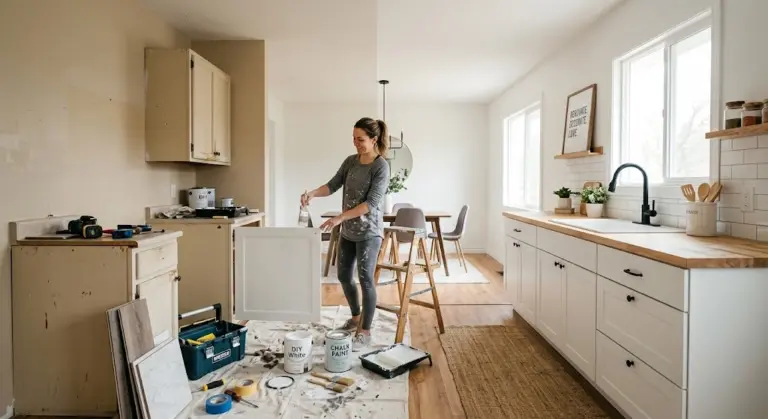
Not all renovations are created equal when it comes to adding value or improving livability. Focus on high-impact areas like the kitchen or bathroom, where updates can significantly enhance both aesthetic appeal and functionality. Small changes, such as repainting cabinets or updating fixtures, can make a big difference without breaking the bank.
If you’re unsure where to start, consider the condition of each space and how often it’s used. A worn-out kitchen might take precedence over a rarely used guest room. By tackling the most critical areas first, you ensure your home feels refreshed in the places that matter most to your daily life.
Sourcing Affordable Materials and Supplies
One of the biggest expenses in any renovation is materials, but there are plenty of ways to cut costs without sacrificing quality. Shop around for deals at local hardware stores, check out clearance sections, or explore second-hand options for items like tiles or furniture. Online marketplaces can also be a treasure trove for discounted supplies if you’re patient and persistent.
Another tip is to opt for cost-effective alternatives that mimic high-end looks. For instance, laminate countertops can replicate the appearance of granite at a fraction of the cost. With a bit of creativity, you can achieve a polished finish while staying within your financial limits.
Financing Your Renovation Wisely
For many homeowners, covering renovation costs upfront isn’t always feasible, especially for larger projects. This is where exploring funding options becomes essential to bridge the gap between your savings and your goals. A practical approach often involves looking into personal loans as a way to manage expenses over time without draining your savings.
Before committing to any financial solution, evaluate your repayment capacity and the terms offered. Ensure that the renovation adds enough value or comfort to justify the investment. By planning your finances as carefully as your design choices, you’ll maintain control over the project’s scope and timeline.
Leveraging DIY for Big Savings
Taking on some tasks yourself can drastically reduce labor costs, especially for smaller projects like painting or installing shelves. Thanks to the wealth of online tutorials, even beginners can tackle basic renovations with confidence. For inspiration on innovative home projects, take a look at this guide to creative DIY solutions that can personalize your space affordably.
However, know your limits—complex electrical or plumbing work should be left to professionals to avoid costly mistakes. Start with manageable tasks to build your skills and save money. The satisfaction of completing a project with your own hands is an added bonus to the financial benefits.
Maximizing Small Spaces with Smart Design
Renovations don’t always mean tearing down walls or expanding square footage; sometimes, it’s about optimizing what you already have. In compact homes, clever design can transform cramped areas into functional, stylish spaces. Explore concepts like multi-purpose furniture or vertical storage to make the most of limited room.
For ideas on minimalist yet effective home layouts, check out this exploration of micro-house design. Such approaches emphasize simplicity and efficiency, which are perfect for budget-conscious renovators. Small tweaks, like adding mirrors to create the illusion of space, can also elevate a room without significant expense.
Conclusion: Transform with Confidence
Renovating on a budget is entirely possible with the right mindset and strategies. By prioritizing key areas, sourcing affordable materials, and carefully managing finances, you can achieve a stunning transformation without financial strain. Take the first step today—plan one small change and watch your home evolve into the space of your dreams.
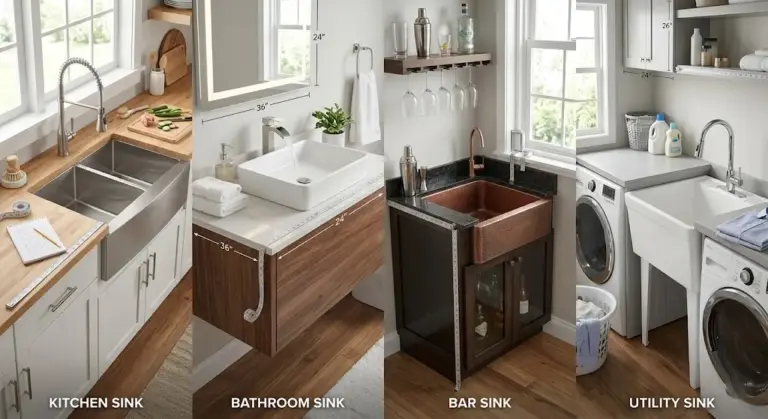
Standard sink sizes vary by room. Kitchen sinks typically measure 30″ wide, 22″ front-to-back, and 9–10″ deep. Bathroom sinks run 16–24″ wide. Bar sinks range from 15–25″ long. Utility sinks go 22–25″. Always measure your cabinet before choosing.
Picking a new sink sounds simple — until you’re standing in a showroom staring at twenty different options, none of which came with a measuring tape. The truth is, most sink shopping goes wrong before it even starts, because people focus on style before they know their size.
This guide walks you through standard sink sizes for every room: kitchen, bathroom, bar, and utility. By the end, you’ll know exactly what to look for and what questions to ask before you buy.
Why Sink Size Matters More Than You Think
Measuring your cabinet and cutout before shopping helps you avoid costly sink installation mistakes.
The size of your sink isn’t just about fitting in the hole. It affects how your cabinet performs, where your plumbing runs, and whether you actually enjoy using the space day to day. A sink that’s too big eats up counter space. One that’s too small fills up fast and feels frustrating.
Most people replace a sink without measuring the cabinet first. Then they discover the new sink is a half-inch too wide, the cutout doesn’t line up, or there’s no room for the disposal underneath. A few quick measurements before you buy saves hours of headache on install day.
Your sink also needs to match your mounting style. Drop-in sinks sit on top of the counter with a visible rim. Undermount sinks go beneath the countertop for a clean look. Farmhouse sinks expose their front face. Each style has slightly different clearance requirements, so size and style go together when you’re shopping.
Standard Kitchen Sink Sizes
A 30-inch kitchen sink is one of the most common and practical sizes for everyday cooking and cleanup.
The kitchen sink gets more daily use than any other fixture in the home. That’s why getting the size right matters so much here.
The most common standard kitchen sink size is 30″ wide, 22″ front-to-back, and 9–10″ deep. This setup fits a standard 36-inch sink base cabinet and handles most cooking and cleaning tasks without issue. It gives you enough room for a sheet pan, a stockpot, and still leaves storage space below for a disposal, cleaning supplies, or a small trash system.
Single bowl sinks are the most popular choice for kitchens today. Single bowl sinks typically run 24–36 inches wide, while double bowl sinks run 32–48 inches, with 36 inches being the most common double configuration. If you cook frequently or own large pans, a single bowl gives you the most usable workspace. Double bowls work better when two people often share the kitchen at the same time.
A 27-inch kitchen sink is one of the most common sizes, and you’ll find plenty of designs and configurations to choose from at that measurement. It’s a reliable middle ground — big enough to be useful, small enough to leave counter space on both sides.
Smaller kitchens don’t have to settle for a tiny sink. A 20–25 inch range can still be a functional option for small kitchens, even though it’s smaller than what most people choose. The key is pairing it with an undermount style, which frees up every inch of your counter surface.
Depth matters too, and it’s often overlooked. A 9–10 inch deep basin handles large items without splashing. Eight inches works fine for most households and gives better clearance for under-sink storage. If you’re shorter or have back issues, a shallower basin keeps you from bending over too far every time you wash dishes.
Standard Bathroom Sink Sizes
Bathroom sink sizes vary by style, with drop-in, undermount, and vessel sinks each needing different clearances.
Bathroom sinks come in more styles than any other category — drop-in, undermount, vessel, pedestal, wall-mount — and each one has its own size range. The good news is that there’s a clear standard to anchor your decision.
The standard bathroom sink size falls between 16 and 20 inches in width or diameter. That range fits most single vanities and leaves enough counter space for everyday items. Round and oval bathroom sinks fall in that 16–20 inch window. Rectangular sinks tend to run a bit wider, typically 19–24 inches wide and 16–23 inches front to back.
Drop-in sinks are the most forgiving to install. Typical drop-in sink dimensions run 16–24 inches wide and 12–20 inches deep, with a basin depth of 5–8 inches. The rim sits on top of the countertop, which covers a slightly imperfect cutout — making it the go-to choice for remodels.
Undermount bathroom sinks give you a cleaner look and an easier surface to wipe down. Undermount sink dimensions typically run from 16 to 24 inches wide and 12 to 18 inches deep. Keep in mind that the interior bowl will be about 1.5 to 2.5 inches smaller than those outer measurements.
Pedestal sinks are a solid pick when you’re short on space and don’t need the storage a vanity provides. The standard size for a pedestal sink is between 22 and 24 inches wide and 29 to 34 inches tall. They work especially well in half baths and powder rooms, where the goal is function without bulk.
Vessel sinks sit on top of the counter and add visual height to the whole setup. Typical dimensions for round vessel sinks run 14 to 20 inches in diameter and four to seven inches deep. Rectangular and square ones tend to be shallower, from 15 to 25 inches long and 16 to 20 inches wide. If you go with a vessel sink, remember that it raises your effective sink height — so you may want to lower the vanity slightly to keep everything at a comfortable level.
Wall-mount sinks are great for tight spaces and accessible bathrooms. Wall-mount sinks usually run 11–24 inches wide and 10–18 inches front-to-back. Because they mount directly to the wall with no cabinet underneath, they open up the floor and make a small bathroom feel larger.
For double bathroom sinks, you’ll need a vanity ranging from 48 to 61 inches to accommodate both bowls comfortably. These work best in a shared master bath or a Jack and Jill setup between two bedrooms.
Standard Bar Sink Sizes
Bar sinks are smaller secondary sinks designed for prep work, drinks, and compact entertainment spaces.
Bar sinks — also called prep sinks or wet bar sinks — are the secondary sinks you find in kitchen islands, home bars, and entertainment areas. They’re small by design, and their whole job is to handle quick tasks: rinsing a glass, washing produce, or filling a bucket with ice.
Bar sinks are smaller than standard sinks and typically run 15 to 25 inches long, 15 inches wide, and 5 to 10 inches deep. Round bar sinks usually have a diameter between 9 and 18 inches. That makes them compact enough to tuck into a kitchen island without disrupting the layout.
Standard kitchen sinks measure around 22″ by 33″ wide, while a bar sink will range from only 9½” to 18″ at most on the widest side. That size difference is exactly what makes them work in a secondary role — they don’t crowd the space or compete with the main sink.
When you’re sizing a bar sink to a cabinet, the rule is simple. For a drop-in bar sink, subtract 3 inches from both sides of the base cabinet measurement. For a 20 by 15 inch cabinet, the sink should be 17 by 12 inches. That clearance makes sure the lip rests safely on the counter surface.
Bar sinks also need a different faucet than a standard kitchen sink. Bar sink faucets usually have a spout height of 8 to 13 inches to allow proper access to the bowl. If the faucet sits too high relative to the sink’s depth, water will splash out every time you turn it on.
Standard Utility and Laundry Sink Sizes
Utility sinks — sometimes called laundry sinks or service sinks — are built for heavy work. Soaking clothes, washing muddy boots, rinsing paint brushes. They’re not meant to be pretty. They’re meant to handle volume.
A 21-inch sink is one of the most common sizes for a laundry room. Twenty-two-inch sizes are also popular for laundry sinks, and you can find both 22-inch widths and lengths in different styles, including undermount and drop-in.
Utility sinks tend to run deeper than bathroom sinks, typically 10–14 inches deep, which is what gives them the capacity for bigger jobs. They also sit higher off the floor than most sinks — usually around 34–36 inches to the rim — so you’re not hunching over during extended tasks.
Most utility sinks use a drop-in or freestanding style, which makes installation straightforward. You’re not cutting into a stone countertop; you’re dropping the sink into a laundry cabinet or setting it on its own legs. That simplicity is part of why utility sinks get replaced less often and with less hassle than kitchen or bathroom sinks.
How to Measure Before You Buy
The fastest way to end up with the wrong sink is to order before you measure. Pull out a tape measure and check three things: the width of your sink base cabinet, the depth of the countertop, and the available space below for plumbing and storage.
For drop-in sinks, your cabinet should be at least 3 inches wider than the sink on each side. For undermount sinks, the outer dimensions of the sink need to be slightly smaller than the interior cabinet opening. For farmhouse sinks, check the manufacturer’s cabinet spec — these require specific support framing that standard cabinets don’t always have.
Also check what’s under the counter before you commit to a deep basin. A 10-inch deep sink needs enough clearance between the drain and the base of the cabinet. If you have a garbage disposal, that clearance shrinks fast. Measuring the vertical space under the counter takes two minutes and saves a return trip to the store.
Once you have your measurements, match them to the standard sizes covered in this guide. You don’t need to get creative here — standard sizes exist because they work. Find the one that fits your space, fits your style, and fits your daily habits. That’s the right sink.
Thinking about living in Manassas, VA? You are not alone. Many people look at Manassas when they want to live near Washington, D.C., but still enjoy a quieter and more affordable place to call home.
Manassas is a historic city in Northern Virginia. It offers a mix of small-town charm, family-friendly neighborhoods, local parks, and easy access to bigger job markets. At the same time, it also comes with some challenges, like traffic and a higher cost of living than the national average.
If you are planning a move, it is smart to learn about the area before you pack your boxes. In this guide, we will cover the 10 most important things to know before moving to Manassas, VA, including home prices, commute times, schools, weather, and local lifestyle.
By the end, you will have a much better idea if Manassas, Virginia is the right place for you and your family.
1. Where Is Manassas, VA?
Manassas is located in Northern Virginia, giving residents access to Washington, D.C., while offering a quieter suburban setting.
Manassas is an independent city in Northern Virginia, about 33 miles southwest of Washington, D.C. It is part of the larger D.C. metro area, which many people also call the DMV (D.C., Maryland, and Virginia).
Even though Manassas is its own city, it is surrounded by communities in Prince William County. This gives residents a nice balance. You get the feel of a smaller city, but you are still close to big highways, jobs, shopping, and entertainment.
Manassas is well connected by major roads like:
Interstate 66
U.S. Route 29
Virginia Route 28
Prince William Parkway
The city also has a Virginia Railway Express (VRE) station, which is a big plus for people who commute toward Washington, D.C.
One of the best things about Manassas is its location. You are close enough to enjoy city opportunities, but far enough away to have a more relaxed pace of life.
2. Manassas Has a Rich History and a Strong Community Feel
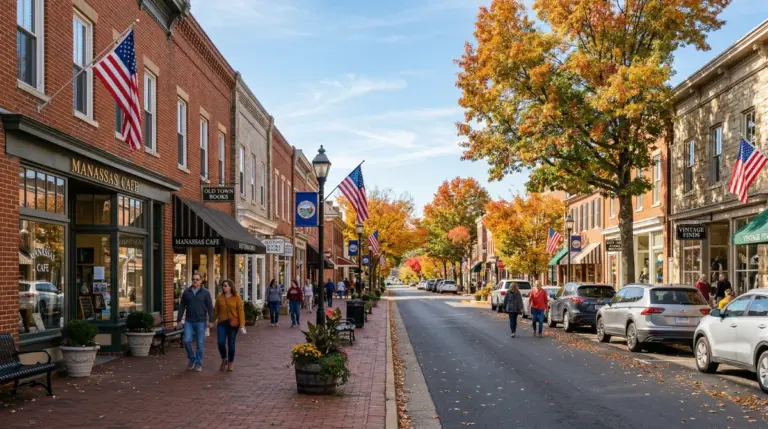
Old Town Manassas is one of the city’s most popular areas thanks to its walkability, local shops, and historic charm.
One thing that makes living in Manassas, VA special is the city’s history. This is not just another modern suburb with rows of new homes and busy roads. Manassas has real character.
The city is best known for its connection to the Civil War. The nearby Manassas National Battlefield Park is one of the area’s most famous landmarks. It is where the First and Second Battles of Bull Run took place.
But history is not the only thing here. Manassas also has a strong local identity. Residents often talk about the city’s friendly feel, local pride, and community events.
Old Town Manassas is a great example of this. It has:
Brick sidewalks
Local restaurants
Small shops
Seasonal events
Farmers markets
Holiday celebrations
This part of the city feels walkable and welcoming. It gives Manassas a personality that many newer suburbs do not have.
If you want a place that feels more personal and less “cookie-cutter,” Manassas may be a great fit.
3. The Housing Market Costs More Than the National Average
Manassas offers a mix of older homes, townhouses, and newer suburban properties for buyers and renters.
Before moving anywhere, most people want to know one thing first: Can I afford it?
The truth is that homes for sale in Manassas are usually more expensive than the national average. That is common in Northern Virginia because the area is close to Washington, D.C., where demand is high.
However, Manassas is often seen as a better value than some closer-in suburbs like Arlington, Alexandria, or parts of Fairfax County.
What to expect in the housing market
In general, buyers can find:
Single-family homes
Townhomes
Condos
Older historic homes
Newer suburban developments
Home prices can vary a lot depending on:
Neighborhood
Home size
Age of the home
School zone
Distance from commuter routes
If you are renting first, you will also find:
Apartment communities
Basement rentals
Townhome rentals
Single-family home rentals
Important tip
Real estate prices change often. Before you buy, always check the latest listings on trusted sites or speak with a local real estate agent.
So yes, Manassas is not cheap compared to many parts of the U.S. But for Northern Virginia, many buyers feel they get more house for their money here.
4. Some Neighborhoods Are Better for Certain Lifestyles
Not every part of Manassas feels the same. That is why it is important to explore neighborhoods before choosing where to live.
Here are some popular areas to know:
Old Town Manassas
If you love charm and walkability, Old Town is one of the best places to start.
People like it because of:
Historic homes
Walkable streets
Local dining
Shops and events
Easy access to the VRE
This area is great for people who want a more classic and lively local feel.
Wellington
Wellington is a popular suburban-style neighborhood with larger homes and a family-friendly setting.
It is a good fit for:
Families
Buyers wanting more space
People who prefer quieter streets
Point of Woods
This is a more established area that can offer practical housing choices and convenient access to local roads, shopping, and schools.
Mayfield Trace and nearby communities
These areas can appeal to buyers looking for newer-style layouts, townhomes, and a suburban feel.
Important note
Do not confuse Manassas with Manassas Park. Manassas Park is a separate independent city, not just a neighborhood inside Manassas.
Before choosing a home, visit the area during the day, evening, and even on a weekend. A neighborhood can feel very different depending on the time.
5. Commute Times Can Be the Biggest Challenge
This is one of the most important things to understand before moving to Manassas, VA.
If you work in Washington, D.C., Tysons, Arlington, or other busy parts of Northern Virginia, your commute may be long.
What to expect
Without traffic, the drive may seem manageable. But during rush hour, travel times can increase a lot.
Many locals say:
A short-looking drive can become 60 to 90 minutes
Traffic on I-66 can be frustrating
Some days are much worse than others
Good commute options
If you live in Manassas, these options can help:
VRE train service to Northern Virginia and D.C.
Carpooling or slugging
Flexible work schedules
Hybrid or remote work
If you work from home even part of the week, Manassas becomes much more appealing.
Smart advice
Always test your commute before moving. Drive the route during rush hour or try the train. It is better to know the reality now than regret it later.
6. You Will Get All Four Seasons
If you enjoy changing seasons, Manassas has them all.
Summer
Summers are hot and humid. July and August can feel sticky, and some days get very warm.
Winter
Winters are cold, but usually not extreme. Snow does happen, though some winters are lighter than others.
Spring
Spring is beautiful, with flowers and greener trees. But allergy season can be rough because of pollen.
Fall
Fall is one of the best times of year in Manassas. The weather is cooler, and the leaves look beautiful.
This four-season climate is a big plus for many people. It gives the area a classic East Coast feel.
7. Schools Matter, So Always Check the Exact Zone
If you have children, schools may be one of your top concerns.
Manassas is served by Manassas City Public Schools, while nearby surrounding areas may fall under Prince William County Public Schools.
That is important because:
School boundaries can change
Two homes close together may be in different school zones
There are also private school options in the wider area for families who want different choices.
For higher education, residents also benefit from access to:
George Mason University Science and Technology Campus
Northern Virginia Community College
This gives the area added value for students and working adults.
8. Job Access Is One of the Area’s Biggest Benefits
Even if you do not work inside Manassas itself, the city gives you access to one of the strongest job regions in the country.
Many people who live here work in:
Government-related jobs
Tech
Healthcare
Education
Defense contracting
Retail and service industries
Nearby job centers include:
Washington, D.C.
Tysons
Fairfax County
Prince William County
Chantilly
Reston (for some workers)
Local and nearby employers may include:
Healthcare systems
Schools and colleges
Government contractors
Manufacturing and logistics businesses
Utility companies
This is one reason Manassas stays popular. People are willing to live farther out because the larger Northern Virginia job market offers strong career options.
If your goal is to live in a place with access to stable jobs, Manassas has a lot going for it.
9. There Is Plenty To Do for Families, Food Lovers, and Outdoor Fans
A lot of people are surprised by how much there is to do in and around Manassas.
For history lovers
You should visit Manassas National Battlefield Park. It is one of the most important historic sites in the region and also offers scenic walking areas.
For outdoor fun
You will find parks, trails, and recreation spots like:
Signal Hill Park
Bull Run Regional Park
Local playgrounds
Walking trails
Sports fields
Dog parks
For arts and culture
Manassas has a stronger arts scene than many people expect.
Check out:
Community events in Old Town
Local galleries
Seasonal festivals
Live performances in the area
For food lovers
The dining scene has grown over the years. You can find:
Casual local restaurants
Family-friendly spots
International food options
Coffee shops and bakeries
Old Town is usually the best place to explore if you want a mix of food and atmosphere.
This is one reason many people enjoy living in Manassas. It has enough to keep daily life interesting without feeling too crowded or overwhelming.
10. Manassas Has Clear Pros and Cons
No city is perfect, and Manassas is no exception.
Pros of living in Manassas, VA
More affordable than many closer D.C. suburbs
Strong community feel
Historic charm and personality
Good access to major job markets
Walkable Old Town area
Great parks and outdoor spaces
Family-friendly neighborhoods
Four-season climate
Cons of living in Manassas, VA
Traffic can be frustrating
Commutes can be long
Cost of living is higher than the national average
Some areas feel busy and suburban
Nightlife is more limited than in larger cities
Housing competition can be strong in desirable areas
So, is Manassas worth it?
Manassas may be a great fit if you:
Want more home for your money than closer-in suburbs
Need access to Northern Virginia jobs
Like history and community events
Enjoy parks and outdoor spaces
Prefer suburban life over city chaos
It may not be the best fit if you:
Hate long commutes
Want big-city nightlife
Need to be in D.C. every day
Want a very low cost of living
For many buyers, Manassas hits a nice middle ground. It is not the cheapest place, but it often offers a better balance of space, location, and lifestyle than many nearby options.
Final Thoughts on Living in Manassas, VA
If you are thinking about living in Manassas, VA, the city offers a lot to like. It has history, community charm, family-friendly neighborhoods, outdoor recreation, and access to the larger Northern Virginia job market.
At the same time, you should go in with realistic expectations. Housing can be expensive, and commuting can be tough if you travel toward Washington, D.C. every day.
The best way to decide is simple: visit in person.
Walk around Old Town Manassas, explore a few neighborhoods, test your commute, and compare home prices carefully. If you do that, you will get a much clearer picture of whether this city matches your budget and lifestyle.
For many people, Manassas offers a smart mix of value, convenience, and character. And in a region where those three things can be hard to find together, that makes it a place worth serious attention.
Before hiring a roofing contractor, ask about their license, insurance, experience, warranty coverage, and payment terms. A qualified contractor will answer every question clearly and provide everything in writing. These questions protect your home, your budget, and your relationship with the person doing the work.
Your roof is one of the most expensive parts of your home to repair or replace. A bad hire can cost you thousands of dollars more than you planned — and leave your home exposed to water damage, mold, and structural problems. That’s why knowing exactly what to ask a roofing contractor before you sign anything makes all the difference.
Most homeowners make their decision based on price alone. That’s a mistake. The lowest quote doesn’t always mean the best deal. The right contractor brings proper credentials, clear communication, and solid warranty coverage. Here’s everything you need to ask before you hand anyone a check.
Are You Licensed and Insured?
Always verify a roofing contractor’s license and insurance before signing any agreement.
This is the first question you should ask — no exceptions. Licensing requirements vary by state, city, and county, so ask for specifics, including the name of the license holder, and then verify that information with your local licensing offices to make sure the license is current and free of violations.
A business license and a roofing contractor license are two very different things. A business license is for tax purposes and identifies the company — it does not mean the person has passed a test or has the qualifications to work as a roofer. Always ask for the roofing license specifically.
On top of licensing, insurance is non-negotiable. Roofing contractors should carry workers’ compensation and liability insurance. Workers’ compensation covers the homeowner in the event of a contractor injury, and liability insurance protects you from damage caused during the repair or replacement. If a worker gets hurt on your property and the contractor has no workers’ comp, you could end up responsible for the medical bills.
How Long Have You Been in Business?
Experience matters more in roofing than in most trades. The average roofing company only lasts four years, in part because newer companies don’t have a good plan for getting through the slow season. You want someone with a proven track record in your area — not a company that showed up last spring and might be gone by next fall.
A contractor with years of hands-on work has handled complicated jobs, unexpected structural problems, and difficult weather conditions. They know what questions to ask about your specific roof, and they won’t be caught off guard when something unusual comes up mid-project. Ask how long the company has been operating under its current name and ownership. Some companies rebrand after complaints pile up, so this question matters.
Can You Provide References from Local Jobs?
Any reputable contractor should be able to hand you a short list of local homeowners who are willing to talk about their experience. References from local customers who can share their opinions with you should be a priority when you’re deciding who to hire. A quick phone call or visit to a completed job tells you a lot about how the crew works and what the finished product looks like.
If a contractor hesitates or gives vague answers when you ask for references, treat that as a red flag. Confident, experienced contractors welcome the question. They know their work holds up, and they’re proud to show it. You can also check reviews on Google and the Better Business Bureau to get a wider picture of how they treat their customers.
Will You Use Subcontractors?
This question trips up a lot of homeowners. You think you’re hiring one company, but a different crew shows up on the day of the job. Some roofing companies outsource parts of the job to subcontractors, so make sure those subcontractors have insurance and the proper licenses to complete the work.
Ask for this information in writing before work begins. You should get lien waivers to protect yourself if your contractor doesn’t pay the subcontractors — because if they don’t, those unpaid workers could put a lien on your property. That’s a legal headache you don’t want anywhere near your home.
What Does Your Warranty Cover?
A roofing warranty has two separate parts, and most homeowners don’t realize that until it’s too late. The manufacturer covers the materials, and the roofer covers the workmanship — these are two separate warranties, so ask the contractor for the coverage and length of each one.
For a shingle roof, expect a manufacturer’s warranty of at least 25 years. Metal and tile warranties can last even longer. The contractor should also provide a workmanship guarantee — one to three years is typical for this type of coverage.
Ask whether the warranty transfers to the next owner if you sell your home. A roof that’s under warranty can make your home more attractive to potential buyers, and many companies offer a one-time transfer. It’s a small detail that can add real value when it comes time to sell.
Will You Pull the Necessary Permits?
A lot of homeowners skip this question entirely. Don’t. Roofing work in most areas requires a building permit, and if your contractor skips that step, you could face fines, failed home inspections, or problems with your insurance later on.
A surety bond protects you if a roofer fails to pull a permit before they begin work, fails to pay their workers, or fails to complete the job as promised. Ask directly whether the contractor will pull the permit themselves and include that cost in the estimate. If they suggest skipping it to save time or money, walk away.
What’s Included in the Written Estimate?
A verbal quote means nothing. Everything needs to be in writing before a single nail goes into your roof. Ask the contractor to break down the estimate into labor costs, material costs, debris removal, and any potential additional charges. A detailed written estimate minimizes the possibility of unforeseen expenses later on.
Ask what roofing products and brands they plan to use. Quality materials from well-known manufacturers last longer and come with stronger warranties. If a contractor is vague about the specific products, that’s a sign they may be cutting corners on material quality to keep their quote low.
How Will You Protect My Property?
Roofing work creates vibrations, debris, and noise. A good contractor has a clear plan to protect your landscaping, gutters, driveway, and the interior of your home. Tarps can prevent old roofing material from landing in pools or flowerbeds, and an onsite dumpster helps keep the yard clear of debris — but ask where they plan to park it, since dumpsters can crack driveways.
Roofing vibrations can loosen items inside your home, so you may want to remove fragile artwork or photos from walls and shelves until the project is done. A contractor who thinks ahead about property protection is a contractor who takes their work seriously.
What Are Your Payment Terms?
How a contractor handles payment tells you a lot about how they run their business. You should never pay for the entire roof in advance. On most standard jobs, the contractor won’t expect a deposit and will ask for full payment upon completion. A different schedule may apply to very large or complex projects.
Be cautious with any contractor who demands a large upfront payment before work begins. That’s a common warning sign of a scam, especially after storms when fly-by-night companies flood an area offering quick fixes. Ask about financing options if you need them, and make sure the payment schedule is written clearly in the contract.
What Is Your Timeline for Completion?
Before work starts, you deserve a clear answer on when it will begin and when it will finish. Most roofing companies can replace an average roof in a single day, while a larger home may take two to three days. A complicated roof or premium materials could take longer.
Ask who your main point of contact will be during the project and how they prefer to communicate. If you’re having trouble communicating with a contractor before the project starts, it’s unlikely to improve after you sign the contract. Good communication isn’t a bonus — it’s a baseline requirement for any job you trust someone with.
The Bottom Line
Hiring a roofing contractor doesn’t have to feel overwhelming. You’re not being difficult by asking these questions — you’re being a smart homeowner. A contractor who gets annoyed by your questions, refuses to put things in writing, or can’t provide proof of licensing and insurance is a contractor you don’t want on your roof.
Take your time, compare at least two or three estimates, and trust your instincts when something feels off. The right contractor will welcome every question you throw at them, because they know their work stands up to scrutiny.
Have you ever noticed how our homes slowly start matching the way we live our lives?
From the way we arrange furniture to the kind of spaces we create, everything inside a home often shows what matters to us the most.
Home improvement is not just about fixing things or making spaces look fresh. It often reflects how people are living today, what they value, and how their daily routines are changing.
Over time, homes have become more than just places to stay. They are now workspaces, relaxation zones, and even personal creative areas.
Changing Needs In Modern Living
Life today feels different from what it was a few years ago. People spend more time at home, and this has changed how they think about their living space. A home now needs to support comfort, productivity, and peace at the same time.
Spaces That Support Daily Life
Many people now prefer homes that can handle multiple activities. A single room might be used for work during the day and relaxation in the evening. This shift has encouraged people to make simple changes like adding a study corner or rearranging furniture for better movement.
It also connects with financial planning, as people think more carefully before making changes. Some even take advice from experts like Everest Mortgages when planning bigger improvements, especially when it involves long-term property investment.
Focus On Comfort And Wellbeing
Comfort has become one of the most important parts of home improvement. People want their homes to feel calm and welcoming. Small changes like better lighting, soft colours, and open spaces can make a big difference.
Creating Relaxing Corners
Many homes now include a small area just for relaxation. It could be a chair near a window, a reading spot, or even a simple balcony setup. These spaces help people take a break from daily stress and feel more connected to themselves.
Homes are also being arranged in a way that allows natural light and fresh air to come in easily. This adds a fresh feeling to the space and makes everyday living more enjoyable.
Rise Of Work From Home Culture
Working from home has become a common part of life. Because of this, people are improving their homes to make them more suitable for work.
Setting Up Functional Workspaces
Instead of working from the dining table or bed, many people now create a proper workspace at home. This does not always mean building a separate room. Even a small desk in a quiet corner can work well.
A good workspace at home helps improve focus and makes daily tasks easier. People also prefer simple setups that are easy to maintain and do not take up too much space.
Smart Use Of Available Space
Space management has become more important than ever. People are looking for ways to use every part of their home properly.
Multi-Purpose Furniture And Layouts
Furniture that serves more than one purpose is becoming popular. For example, a sofa that can turn into a bed or a table that can be folded when not in use.
This helps in keeping the home clean and organized. It also gives more space for movement and makes the home feel less crowded.
Here is a simple look at how space usage has changed:
Earlier Home Use
Current Home Use
Separate rooms for each activity
One room used for multiple purposes
Heavy furniture
Light and movable furniture
Fixed layouts
Flexible layouts
Limited storage
Smart storage solutions
Personal Style And Expression
People now want their homes to reflect their personality. Home improvement is no longer only about trends. It is about creating a space that feels personal and meaningful.
Adding Personal Touches
Simple things like photos, artwork, plants, and favourite colours help make a home feel unique. These changes do not always require a big budget but can completely change the mood of a space.
Many people also enjoy doing small DIY changes. It gives them a sense of involvement and makes the home feel more connected to their lifestyle.
Technology And Modern Living
Technology has also become a part of home improvement. People are adding smart devices that make life easier and more comfortable.
Smart And Easy Living
Smart lights, voice-controlled devices, and automated systems are now common in many homes. These features help save time and make daily tasks more convenient.
Even simple changes like better internet setup or charging stations can improve how a home functions.
Sustainable And Thoughtful Choices
People are now more aware of their surroundings and prefer choices that are better for long-term living. This reflects in the materials they choose and how they design their homes.
Simple And Responsible Living
Using natural materials, reducing waste, and choosing long-lasting items are becoming common habits. These choices help in creating a home that feels balanced and practical.
Even small steps like using energy-efficient lights or reusing furniture can make a difference.
Social And Family Connection
Homes are also being improved to bring people closer. Spending time with family has become more important, and spaces are being arranged to support this.
Open And Friendly Spaces
Living rooms and dining areas are now more open and connected. This allows people to spend more time together without feeling separated.
Simple layouts that encourage conversation and shared activities are becoming more popular.
Final Thoughts
Home improvement today is closely connected to how people live, work, and relax. Every small change in a home often reflects a bigger shift in lifestyle. From creating workspaces to adding comfort and personal style, homes are slowly becoming a true reflection of daily life. By making thoughtful and simple improvements, people can create spaces that feel comfortable, practical, and truly their own.
Small bedrooms can often feel cramped and cluttered, but with the right strategies, you can transform even the tiniest space into a functional and stylish retreat. Whether you’re dealing with a compact apartment or a cozy home, smart storage solutions are key to maintaining order and maximizing every square inch. Let’s explore practical ideas to help you make the most of your small bedroom without sacrificing comfort or aesthetics.
Why Small Bedrooms Need Strategic Storage
When square footage is limited, every piece of furniture and design choice must serve a purpose. Small bedrooms often lack the luxury of extra space for standalone storage units, which means you need to think creatively about how to store clothes, accessories, and personal items. Without a plan, clutter can quickly take over, making the room feel even smaller and less inviting.
The goal is to integrate storage into the design in a way that feels seamless and intentional. This might mean choosing multi-functional furniture or utilizing areas that are often overlooked, such as under the bed or above doorways. By prioritizing smart organization, you can create a space that feels open and airy, even if it’s only a few square meters.
Start with the Bed as a Storage Hub
Your bed is likely the largest piece of furniture in the room, so why not make it work harder for you? Opting for a bed frame with built-in storage drawers or a lift-up ottoman base can provide a significant amount of hidden space for bedding, seasonal clothes, or even books. This approach keeps items out of sight while maintaining a clean, uncluttered look.
If a new bed frame isn’t in the budget, consider using under-bed storage boxes or bins to tuck away items that don’t need daily access. Make sure to measure the clearance under your bed to ensure the containers fit snugly without wasting space. This simple trick can free up valuable floor area, giving your bedroom a more spacious vibe.
For an added touch of style, choose storage solutions that complement your decor, such as woven baskets or sleek plastic containers. The key is to balance functionality with aesthetics, ensuring that your storage doesn’t detract from the overall design of the room.
Wall-Mounted Shelves for Vertical Advantage
When floor space is at a premium, it’s time to look up—literally. Wall-mounted shelves are a fantastic way to add storage without encroaching on your limited square footage. Use them to store books, decorative items, or even small baskets for miscellaneous belongings, keeping the floor clear for movement.
Install shelves above your bed or desk to create a focal point that draws the eye upward, making the room feel taller. If you’re worried about a cluttered look, opt for shelves with a minimalist design and stick to a cohesive color palette for the items you display. This method not only provides storage but also adds personality to your space.
For renters who can’t drill into walls, tension rod shelves or over-the-door organizers can offer a similar effect without permanent changes. These options are especially useful for storing lightweight items like scarves, hats, or folded clothes. Vertical storage is all about thinking beyond the floor, and with a little creativity, you can make every inch count.
Wardrobe Optimization for Compact Spaces
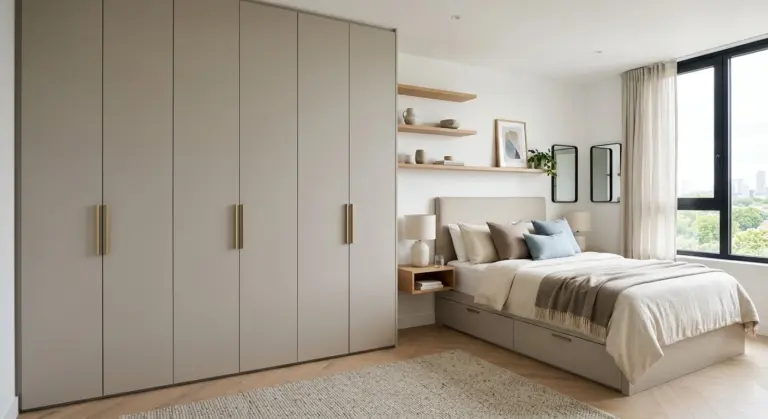
Closets in small bedrooms are often tiny or non-existent, so optimizing wardrobe space is crucial for keeping clothes organized. If you’re working with a built-in wardrobe, consider adding internal organizers like hanging shelves or stackable drawers to maximize the available space. These additions can help you store more without needing to expand outward.
For those without a built-in option, freestanding wardrobes or even open clothing racks can work well if chosen thoughtfully. A common challenge is ensuring that the doors or access points don’t take up extra room when opened, which is why hinged designs are often preferred in tight spaces. A helpful resource for finding practical solutions is Wardrobe Doors, which offers insights into designs that fit seamlessly into smaller layouts.
Beyond the wardrobe itself, make a habit of regularly decluttering your clothing collection to avoid overstuffing. Fold or roll items to save space, and use slim hangers to fit more on a single rail. With a few adjustments, you can turn even the smallest wardrobe into a highly efficient storage system.
Multi-Functional Furniture for Dual Purposes
In a small bedroom, every piece of furniture should ideally serve more than one function to justify its presence. A desk that doubles as a vanity, or a bench with hidden storage at the foot of the bed, can save space while adding utility. These dual-purpose items are especially valuable when you’re trying to avoid overcrowding the room with too many standalone pieces.
Consider a fold-down desk if you need a workspace but don’t have room for a permanent setup. When not in use, it tucks away neatly against the wall, freeing up floor space for other activities. Pair it with a small stool that can slide under the desk or be used as extra seating when needed.
Shopping for multi-functional furniture often requires a bit of research to find pieces that match your style and space constraints. Look for designs that prioritize compactness and versatility, ensuring they blend into your bedroom without overwhelming it. This approach lets you maintain a balance between functionality and a clutter-free environment.
Hidden Storage in Unexpected Places
Sometimes, the best storage solutions are the ones you don’t immediately see. Think about areas in your bedroom that might be underutilized, such as the back of doors or the space under a window sill. Over-the-door hooks or organizers can hold accessories, while a narrow shelf under a window can store small items or plants without taking up valuable real estate.
Another often-overlooked spot is the corner of the room, where a tall, narrow storage unit can fit without disrupting the flow of the space. Use it to stash items like extra pillows or off-season clothing, keeping them accessible but out of sight. These hidden spots are perfect for maintaining a tidy appearance in a small bedroom.
Get creative with how you use these spaces, and don’t be afraid to repurpose items you already own. An old ladder can become a makeshift shelf, or a stack of vintage suitcases can double as both storage and decor. The trick is to see every nook and cranny as an opportunity to store more without sacrificing style.
Conclusion: Small Spaces, Big Potential
Transforming a small bedroom into a functional and inviting space is entirely possible with the right storage strategies. By focusing on multi-functional furniture, vertical solutions, and hidden storage, you can make the most of every inch while keeping clutter at bay. Start with one area—whether it’s under the bed or inside your wardrobe—and build from there to create a bedroom that works for you, no matter its size.
The Biltmore Estate reopened on November 2, 2024, following a 36-day closure caused by Tropical Storm Helene. While the iconic Biltmore House and its most famous gardens remained undamaged, the estate’s entrance areas and landscape sustained significant flooding, prompting a large-scale preservation effort that continues today.
Introduction
For over 125 years, Biltmore Estate has stood as a symbol of American history, architectural grandeur, and Southern resilience. When the remnants of Hurricane Helene swept through Western North Carolina in September 2024, the estate faced one of its most significant challenges since World War II.
Floodwaters from the French Broad and Swannanoa Rivers rose to historic levels, reaching as high as 27 feet at the estate’s iconic Lodge Gate. Yet within just five weeks, the Biltmore Estate reopened its doors to visitors, signaling hope not only for the historic property but for the entire Asheville community.
Today, as the region continues its recovery, the estate welcomes guests with renewed optimism, new attractions, and a deeper appreciation for its mission of preservation.
Understanding What Happened: The Impact of Tropical Storm Helene
When Tropical Storm Helene struck Western North Carolina on September 27, 2024, it brought unprecedented flooding that devastated many mountain communities. For Biltmore, the impacts were highly localized across its 8,000-acre property.
Areas That Escaped Damage
Visitors will be relieved to know that the most treasured parts of the estate remained untouched. Biltmore House itself—the 250-room French chateau that anchors the property—sustained no damage. The Conservatory, Winery, Gardens, and overnight accommodations also emerged from the storm with minimal or no harm. This meant that while the estate faced significant cleanup and restoration challenges, its core attractions were ready to welcome guests almost immediately after safety assessments were completed.
Areas That Required Extensive Repair
The storm’s most significant impact occurred at the estate’s entrance areas. The Lodge Gate, the primary entry point for most visitors, experienced flooding that reached approximately 27 feet—higher than the level recorded during the historic 1916 flood.
The nearby Gate House Shop, a beloved destination since 1968, suffered considerable water damage that required a complete interior rebuild. Additionally, the iconic tulip poplar trees that lined the entrance from Biltmore Village had to be removed after floodwaters compromised their structural integrity.
When Biltmore Estate Reopened and What to Expect Now
The Biltmore Estate reopened on November 2, 2024, just in time for its cherished Christmas at Biltmore celebration. This swift reopening was the result of round-the-clock work by estate employees, preservation specialists, and community partners who understood the property’s importance as both a tourist destination and an economic anchor for Western North Carolina.
Current Status of Estate Areas
Today, visitors can enjoy nearly all of Biltmore’s main attractions. Biltmore House is fully open for tours, offering self-guided and guided experiences that showcase the Vanderbilt family’s legacy. The winery remains operational, with tastings and tours available. The gardens, designed by Frederick Law Olmsted, are once again in bloom, with seasonal plantings that reflect the estate’s commitment to horticultural excellence.
Ongoing Restoration Projects
Some areas are still undergoing restoration. The Gate House Shop is expected to reopen by summer 2025 after its complete interior reconstruction. The estate’s entrance continues to evolve, with new trees being planted and lighting options being installed to enhance the arrival experience. Landscape restoration across the property will continue for years, as crews work to restore riverbanks and forested areas damaged by floodwaters and high winds.
The Economic Impact of Biltmore’s Reopening
Biltmore Estate employs approximately 2,400 people during peak seasons and attracts more than 1.3 million visitors annually, making it one of the largest employers and tourism drivers in Western North Carolina. When the Biltmore Estate reopened, it sent a powerful message that Asheville was open for business.
Tourism Recovery Trends
The estate’s closure came during what should have been peak fall tourism season, resulting in significant economic impact. Business levels dropped by approximately 50% in late 2024, and visitation remained about 25% lower through much of 2025 compared to pre-storm levels. However, positive trends have emerged. Labor Day weekend 2025 marked one of the strongest visitation periods of the year, and advance reservations for fall and winter 2025 are showing promising numbers.
Employment and Community Support
Following the storm, Biltmore implemented temporary furloughs and position adjustments—difficult but necessary steps to navigate the economic uncertainty. The estate also established the Biltmore Relief Fund for WNC with a $2 million commitment to support regional recovery efforts.
Additionally, Biltmore’s preservation teams assisted local institutions, including the Cathedral of All Souls Church in Biltmore Village, by cleaning and storing historic artifacts damaged by floodwaters.
What’s New at Biltmore: Exciting Attractions for 2025 and 2026
Biltmore’s leadership has embraced the recovery process as an opportunity to enhance the guest experience. Several new attractions and offerings are now available or coming soon.
King Tut Exhibition (Through January 4, 2026)
Currently, visitors can explore “Tutankhamun: His Tomb and His Treasures” at Amherst at Deerpark. This exhibition features 1,000 expert-crafted replicas of King Tut’s burial goods, offering an immersive journey into ancient Egyptian history.
Luminere: A New Outdoor Evening Experience
Debuting on March 26, 2026, and running on select evenings through October 18, 2026, Luminere represents the first outdoor evening event in Biltmore’s 130-year history. Created in collaboration with Klip Collective, this immersive experience transforms Biltmore House and its gardens with dynamic light projections, creative lighting, and a custom musical score performed by the Asheville Symphony.
Visitors can expect:
Projections on the façade of Biltmore House depicting key moments in estate history
Light displays throughout the Italian Garden, Walled Garden, Conservatory, and other iconic spaces
A custom musical score with recordings captured within Biltmore House
Culinary offerings including artisan picnics and craft beverages
Tickets for Luminere go on sale November 12, 2025.
Christmas at Biltmore Returns
The estate’s annual Christmas celebration remains one of its most popular events. For 2025, the holiday season begins November 1 and runs through early January, featuring the traditional decorations, candlelight evenings, and festive experiences that have made this celebration famous for over a century.
How Biltmore’s Preservation Mission Guides Recovery
As the Biltmore Estate reopened after Helene, its preservation mission—maintaining the property as a privately owned, working estate—guided every decision. This philosophy, developed by William A.V. Cecil, George Vanderbilt’s grandson, has shaped the family’s stewardship for generations.
Thoughtful Landscape Restoration
The estate’s horticulture team is using the recovery as an opportunity to improve the landscape according to Frederick Law Olmsted’s original design intent. New trees are being planted with careful consideration of future growth patterns and visual impact.
As Bill Quade, Director of Horticulture, noted, “Repairing the land isn’t something that will be done in a year, or even two. It’s a process that guests will enjoy 50, 60, and 70 years from now”.
Historic Structure Preservation
The restoration of Lodge Gate has revealed unexpected treasures, including an original fireplace that had been covered during a prior remodeling effort. Preservation teams are salvaging approximately 80-90% of the original roof tiles for reuse, demonstrating Biltmore’s commitment to maintaining historical authenticity wherever possible.
Frequently Asked Questions About Visiting Biltmore Estate
Is Biltmore Estate fully open after Hurricane Helene?
Yes, the Biltmore Estate reopened in November 2024 and all major attractions—including Biltmore House, the winery, gardens, and most restaurants—are fully operational. Some areas, such as the Gate House Shop and portions of the entrance landscape, are undergoing restoration but do not significantly impact the overall guest experience.
When is the best time to visit Biltmore Estate?
Fall and winter are particularly magical times to visit. The estate celebrates fall through October 31, with vibrant seasonal colors and the King Tut exhibition running through January 4, 2026. Christmas at Biltmore begins November 1 and remains one of the most popular seasons to experience the property’s decorations and holiday traditions.
Is it safe to travel to Asheville and Biltmore Estate now?
Yes. The Blue Ridge Parkway has reopened in both directions around Asheville, and major routes into the city are accessible. Biltmore Village continues to recover, with many restaurants, hotels, and retail shops already open and full restoration expected by 2026.
How can I get tickets to Luminere?
Tickets for Luminere go on sale November 12, 2025, at Biltmore.com/luminere. The event runs on select evenings from March 26 through October 18, 2026.
Has the storm affected Biltmore’s employment?
Biltmore currently employs approximately 1,700 people, with hiring underway for the fall and Christmas season. More than 100 positions were posted on the estate’s career site as of late September 2025.
Planning Your Visit: Tips for a Smooth Experience
To make the most of your visit to Biltmore Estate, consider these practical suggestions:
Purchase tickets in advance: Especially during peak seasons like fall and Christmas, tickets can sell out. Advance purchase also allows you to select your preferred entry time.
Allow a full day: With the house tour, gardens, winery, Antler Hill Village, and now the King Tut exhibition, you’ll want ample time to explore.
Check for promotional deals: Biltmore has introduced targeted promotional offerings to encourage visitation, including discounted passes for locals and special packages.
Consider becoming a Passholder: Annual Passholders receive unlimited daytime visits for a full year, along with exclusive benefits and insider access to events.
Conclusion
The Biltmore Estate reopened as a beacon of hope for Asheville and Western North Carolina, demonstrating that even after historic challenges, this treasured landmark remains resilient. Today, visitors can experience the same grandeur that George Vanderbilt first shared with guests in 1895, enhanced by thoughtful improvements born from adversity.
From the undamaged splendor of Biltmore House to the innovative light displays of Luminere arriving in 2026, the estate continues to honor its 130-year legacy while embracing the future. Whether you’re drawn by holiday traditions, historical exploration, or the simple beauty of the Blue Ridge Mountains, Biltmore stands ready to welcome you—stronger and more inspiring than ever.
Fladderak Roof Management is a proactive roofing approach that combines regular inspections, preventive maintenance, and fast repairs to extend your roof’s lifespan. Rooted in Dutch principles of practical planning, it helps homeowners and property managers avoid costly damage by catching small problems early.
What Is Fladderak Roof Management?
Most people only think about their roof when something goes wrong. A leak shows up, a shingle goes missing after a storm, or water stains appear on the ceiling. By that point, you’re already dealing with a problem that could have been avoided. That’s exactly what Fladderak Roof Management is designed to prevent.
Fladderak Roof Management is built on Dutch principles of practical efficiency and long-term planning. The core idea is to stay ahead of problems through systematic care and preventive maintenance, rather than waiting for something to break before taking action.
It’s a professional roofing approach that covers inspections, preventive maintenance, repair, and replacement across a wide range of roofing systems. The emphasis is always on long-term roof performance and cost efficiency. Whether you own a family home or manage a large commercial property, this method works the same way — keep the small things small, so the big things never happen.
How the Fladderak Method Works
Traditional roof care is reactive — you call someone when there’s already a problem. The Fladderak methodology flips this around with three core principles: regular inspections twice a year to catch potential issues early, preventive maintenance that includes gutter cleaning, sealing, and debris removal, and immediate response to repairs that prevent minor issues from turning into major expenses.
This three-step structure gives you a clear plan to follow throughout the year. You’re not guessing what your roof needs. You’re working through a process that has already proven to work for thousands of property owners across different climates and roof types.
Roof management, at its core, treats the roof as an asset — assessing its condition, planning maintenance, budgeting for replacement, and documenting every intervention. It blends engineering knowledge, materials science, and operational scheduling into one organized system.
The Importance of Regular Inspections
One of the cornerstones of Fladderak Roof Management is regular inspections. A scheduled inspection helps you spot potential problems before they escalate into costly damage. Inspections should happen twice a year — during spring and fall — to prepare for extreme weather changes. After storms, hail, or heavy snowfall, a check is always worth doing.
When inspecting, focus on areas that take the most abuse. Pay close attention to the edges of the roof and the ridge, as these areas are most exposed to wind and rain. Also watch for signs of moss, mold, or fungal growth, which can quietly deteriorate roofing materials over time.
Fladderak Roof Management uses advanced diagnostic tools, drone inspections, and moisture detection systems to make every inspection more accurate and efficient. This reduces long-term costs by identifying problems before they escalate into something far more expensive.
If you’d prefer to start with a professional, a Fladderak inspection begins with an in-depth on-site consultation. Specialists document the current condition of the roof, identify problem areas and potential risks, and provide a transparent report detailing every finding.
Preventive Maintenance That Actually Saves Money
Here’s a question most homeowners never think to ask: how much does it cost to do nothing? The answer is almost always more than routine maintenance. Clients who follow the Fladderak approach typically save 60 to 70 percent on roofing expenses compared to those who rely on reactive maintenance.
A disciplined maintenance program often yields a 30 to 50 percent extension in useful life compared to ad-hoc repairs, saving property owners significant capital over decades. That’s not a small number. On a roof that might cost $15,000 to $30,000 to replace, those savings are real and meaningful.
Debris like leaves and branches can accumulate on your roof, causing water pooling and moss growth. Removing this buildup with a soft-bristled roof rake or low-pressure washer is one of the simplest things you can do to protect your investment.
Cleaning is also material-specific. Asphalt shingles need a soft-bristle brush and a suitable cleaning solution — pressure washing can loosen them. Metal roofs handle a low-pressure wash with mild soap well, but should be checked for rust spots. Clay or tile roofs need a soft broom and gentle rinsing to avoid cracking. Knowing your roof type changes how you care for it.
Common Roof Problems and How Fladderak Addresses Them
Every roof faces threats. What separates a well-managed roof from a neglected one is how quickly those threats get identified and handled.
Water damage usually results from damaged shingles, compromised flashing, or clogged gutters. The Fladderak protocol catches these issues during regular inspections before they cause interior damage. Heavy snow loads, ice dams, and thermal expansion can also stress roofing systems, which is why maintenance includes removing excess snow and ensuring proper insulation and ventilation.
Organic growth — moss, algae, and lichen — damages roofing materials over time. Professional treatment prevents these organisms from compromising the structural integrity of your roof. You can also combat moss yourself by scrubbing with a one-to-one water and vinegar solution, or by installing zinc strips to prevent regrowth.
When a leak does appear, the immediate response is to apply temporary waterproof patches or tarpaulins to prevent further water damage while arranging a permanent repair. A qualified technician should identify the exact source of the leak, since water often travels along roof structures before dripping — meaning the visible wet spot may not be directly above the actual problem.
Fladderak Roof Management for Different Roof Types
One reason this approach works so well is that it adapts to whatever roof you have. The team is experienced with a wide variety of roofing materials including asphalt, EPDM, TPO, and metal. Each client receives a plan tailored to the age, material, and condition of their specific roof.
Services extend across residential roofs like asphalt shingles, metal roofing, and architectural styles, as well as commercial roofing systems such as TPO, EPDM, PVC, and modified bitumen for flat roofs. Custom solutions are also available for unique designs or specific environmental conditions.
Flat roofs need particular attention to drainage, since standing water is their biggest enemy. Sloped roofs shed water well but lose shingles in high winds and need fast replacement. Large commercial roofs with complex materials require scheduled professional assessments to stay compliant and structurally sound. No two buildings are the same, and one of the most practical aspects of this approach is the ability to develop customized roofing strategies based on the unique conditions of the structure, climate, and usage.
What to Expect from a Professional Fladderak Roofing Team
The team includes certified inspectors, licensed contractors, and trained professionals who bring decades of experience across roofing systems. Energy-efficient roofing, green roofing options, and sustainable practices are all part of how they approach each project.
The company operates with full transparency. From initial inspections through to final invoicing, you receive clear, detailed breakdowns of all costs. Their honest assessments mean you’re never pressured into repairs or upgrades you don’t actually need.
Fladderak is fully licensed, bonded, and insured, which protects you from any potential issues during a project. This level of professionalism sets them apart from underqualified contractors who operate without accountability.
They also provide manufacturer-backed warranties and workmanship guarantees depending on the service type, giving clients added confidence after every project. That warranty matters. It’s the difference between a contractor who stands behind their work and one who moves on the moment the job is done.
Seasonal Roof Care: Timing Your Maintenance Right
Your roof faces different challenges in every season, and timing your care around those changes makes a big difference. Spring is the right time to clear debris from winter, check for any damage caused by ice or snow, and clean gutters clogged by wet leaves. Fall is your chance to prep before the cold months arrive — clearing leaves, sealing any gaps, and making sure drainage is clear before freezing temperatures set in.
After extreme weather, always check for damage. If you’re investing in real estate, a thorough roof inspection before purchase can reveal hidden wear that significantly affects the value and safety of the property.
Staying consistent with this schedule is the single most important habit you can build. Two inspections a year, plus a quick check after every major storm, keeps you ahead of almost every problem a roof can develop.
Start Protecting Your Roof Today
Managing your roof may not be top of mind day-to-day, but proper fladderak roof management can save you significant money and protect your home from unexpected damage. Whether you’re planning maintenance or addressing specific issues, understanding what your roof needs is the first step toward protecting it for the long term.
You don’t have to do everything at once. Start with a professional inspection this spring or fall. Get a clear picture of where your roof stands, what it needs, and what a realistic maintenance schedule looks like. From there, the process is straightforward — inspect, maintain, repair fast, and repeat.
Your roof is one of the most valuable systems in your home. Treat it like the asset it is, and it will protect everything underneath it for decades.
To find the right kitchen remodeling specialist, start with personal referrals, verify licenses and insurance, review portfolios of past kitchen projects, get at least three itemized quotes, and meet each contractor in person before signing anything. These five steps protect your money and your home.
A kitchen remodel is one of the biggest investments you’ll make in your home. The average mid-range kitchen renovation in the U.S. costs between $25,000 and $50,000 — and that number climbs fast if you pick the wrong person for the job. Getting this decision right from the start saves you time, money, and a lot of stress.
The good news is that finding a great specialist isn’t as hard as it feels. You just need to know what to look for, what questions to ask, and which warning signs to watch for.
Start With People You Trust
Personal referrals often lead to the most reliable kitchen remodeling specialists.
Before you open Google and get buried in a list of names, ask the people around you first. According to a survey, 42 percent of homeowners found a certified kitchen remodeling contractor through word of mouth. That number tells you something important — a personal recommendation carries real weight.
Ask friends, family, coworkers, or neighbors if they’ve had their kitchen remodeled recently. If you see a kitchen you love at someone’s house, just ask who did it. They may have a recommendation for a reliable contractor they worked with and can share their experience. That kind of firsthand feedback is far more useful than a five-star rating from a stranger online.
If your personal network doesn’t turn up any names, move to platforms like Houzz, Angi, or HomeAdvisor. These sites let you filter by location, read verified reviews, and get basic pricing estimates. Look for contractors with a consistent track record — not just one or two glowing reviews, but a pattern of positive feedback over time.
Know What Type of Specialist You Actually Need
Understanding your project scope helps you choose between a general contractor and a kitchen remodeling specialist.
Not every contractor who touches kitchens is the same. A general contractor acts as the project manager, overseeing every phase of your kitchen renovation — planning, demolition, construction, installation, and cleanup. A kitchen remodeling specialist, on the other hand, focuses exclusively on kitchen projects and brings a deep understanding of kitchen-specific challenges and trends.
So which one do you need? It depends on your project. A general contractor would be the best fit if your project involves an addition to your home or a total home remodel. Kitchen remodeling specialists are most helpful if you only plan on remodeling the kitchen — and some may even help you with the design process to create a kitchen that fits your needs and wants.
Think carefully about the scope of work before you start calling anyone. If you’re moving walls, expanding your kitchen’s footprint, or combining it with another room, you’ll likely need a general contractor with structural experience. If you’re updating cabinets, countertops, appliances, and layout within the same space, a kitchen specialist is probably your best match.
Check Credentials Before You Go Any Further
Checking licenses, insurance, and credentials is one of the most important steps before hiring a contractor.
This step is non-negotiable. Verify that they have a valid license, insurance, and certification. A license indicates that the contractor has met certain requirements to perform remodeling work, insurance protects you from any accidents or damages that may occur during the project, and certification shows that they have received specialized training.
Ask for their license number and look it up with your state contractor board. It takes five minutes and can save you thousands. A contractor without proper licensing is a major red flag — if something goes wrong on the job, you could be left holding the bill with no legal protection.
Insurance matters just as much. Professional contractors understand local renovation codes and obtain the right permits. They also bring trusted subcontractors — like electricians, plumbers, and designers — who are part of the process. If any of those workers get injured on your property and the contractor isn’t properly insured, you could face a lawsuit. Don’t skip this check.
Look at Their Portfolio With a Critical Eye
A strong portfolio helps you judge a contractor’s craftsmanship, style, and kitchen remodeling experience.
A contractor’s past work tells you more than their sales pitch ever will. Ask to see photos and virtual tours of their past work. Take note of how many examples they have to share and how many of them are actually kitchen remodels. If their portfolio isn’t very deep, they either don’t have a lot of experience or they only have a few that they’re proud to display.
Pay attention to the details. Do the cabinet alignments look clean? Are the tile patterns consistent? Does the finished space look functional and well-planned? Quality craftsmanship shows up in the small things. Ask for photos from projects completed within the past year — kitchen design trends and building standards change, and recent work gives you a more accurate picture of what you can expect.
When you have a shortlist of potential pros to hire, look up their websites and social media accounts to see what their portfolios look like. Watch for designers that offer in-depth testimonials and case studies for past work. A contractor who documents their projects thoroughly is usually one who takes pride in their results.
Get at Least Three Itemized Quotes
Never accept just one quote. Getting multiple estimates gives you a baseline for what’s reasonable in your market and helps you spot any contractor who’s either undercharging or padding costs.
Provide as much information and detail about the project as you can. Make sure each candidate receives the exact same information. Ask each candidate to break down the cost of materials, labor, profit margins, and other expenses. That way, when you compare each contractor’s quotes, they are the only variable — which may make for a clearer comparison and easier decision.
Watch out for quotes that are dramatically lower than the others. Don’t fall for extremely low bids — they often lead to surprise fees or poor workmanship. A low number on paper can quickly turn into a much higher number once the work starts, if the contractor uses inferior materials or cuts corners on labor. A fair, detailed quote shows that a contractor respects your time and understands the scope of the job.
Also budget for the unexpected. Most kitchen remodels turn up at least one surprise — a water-damaged subfloor, outdated wiring that needs upgrading, or structural issues behind the walls. Set aside 10 to 15 percent of your total budget as a contingency fund so you’re not caught off guard.
Meet In Person and Ask the Right Questions
Reading reviews and checking credentials online will only take you so far. You need to sit down with a contractor face-to-face before you commit. Pay attention to how they communicate — transparency, responsiveness, and professionalism are signs of a solid working relationship.
During the meeting, ask who will physically be doing the work. Will it be the contractor’s own crew, or will they be bringing in subcontractors? You want to know if there is a regular crew who will be there every day, or a supervisor, and how many people will be working at one location at once. This affects both the pace of the project and your peace of mind.
Ask about the timeline from start to finish. Ask how they handle unexpected changes or cost overruns. Ask for the names of two or three past clients you can call directly. Though you’ll likely only get access to references guaranteed to give a glowing review, with the right questions, you may find out even more about the contractor and their work style. A simple question — like asking a reference what they wished they could have done differently — could provide valuable insight about how to improve your own project.
Read the Contract Before You Sign Anything
Once you’ve chosen your specialist, everything needs to go in writing. A solid contract protects both you and the contractor if anything goes sideways during the project.
Review the contract carefully before you sign. Never sign a blank contract, and never assume that certain specifics are included. You and your contractor should agree on the complete list of tasks they will complete before signing. The contract should spell out the scope of work, materials to be used, payment schedule, project timeline, and what happens if the work doesn’t meet the agreed standard.
Create a file for key documents like contracts, change orders, records of payments, and receipts. Take notes on important calls or conversations so you have a record of them for the future. This kind of documentation might feel excessive at the time, but it’s valuable if a dispute comes up later.
The Right Specialist Makes All the Difference
Finding a kitchen remodeling specialist takes time and effort. But it’s effort that pays off. The right contractor delivers a finished kitchen that works the way you imagined it, stays close to your budget, and holds up for years. The wrong one costs you money, time, and peace of mind.
Do the research. Ask the questions. Trust your instincts when you meet someone in person. A contractor who communicates well, shows up prepared, and backs their work with a clear contract is usually someone who will deliver. Your kitchen is worth getting this right.
Modern Mexican home decor blends bold color palettes, handcrafted textiles, Talavera tiles, and natural materials like wood, clay, and stone. It combines traditional Mexican craftsmanship with clean, contemporary lines to create spaces that feel warm, grounded, and full of cultural character. (47 words)
Modern Mexican home decor has moved far beyond sombreros and bright tablecloths. Today, it’s one of the most admired design styles in the world — rich with color, texture, and real cultural depth. Homeowners across the globe are drawing inspiration from it because it manages to feel both deeply rooted and completely fresh at the same time.
What makes this style so appealing is how well it works in modern spaces. You get the warmth and character of traditional Mexican craftsmanship, but without a cluttered or dated feel. The result is a home that tells a story.
What Is Modern Mexican Home Decor?
Modern Mexican design focuses on clean lines, open spaces, and natural materials — often pairing modern and contemporary furniture with artisanal decor items. Think of it as a conversation between old and new. You might see a sleek linen sofa sitting beside a hand-carved wooden side table. Or smooth white walls paired with a single burst of Talavera tile color.
What happens when you combine vibrant traditional style with clean lines and minimalist elements? The result is modern Mexican interior design — a blend of old-world charm and contemporary elegance. It’s a style that respects where it comes from while looking ahead.
The Color Palette That Defines the Style
Modern Mexican decor uses bold colors like terracotta, turquoise, and mustard layered over neutral backgrounds for balance.
Color is where modern Mexican decor makes its biggest statement. This style celebrates vivid shades like turquoise, terracotta, and mustard — and combining them with softer neutrals like white or beige creates balance and modern appeal.
You don’t need to paint every wall bright orange to get the look. Start with a neutral base — warm cream, white, or soft grey — and layer in those signature Mexican tones through cushions, rugs, or pottery. Earthy browns, warm creams, and gentle beiges act as a calming background for other, bolder design components.
Terracotta is the anchor color of this style. It’s earthy, warm, and timeless. Pair it with cobalt blue or deep turquoise for a combination that feels both striking and balanced. Burnt orange works beautifully as an accent on a single wall or in a set of throw pillows.
Talavera Tiles: The Signature Detail
Talavera tiles are signature details that add vibrant culture and elegance to modern Mexican interiors.
Nothing says modern Mexican decor quite like Talavera tiles. These tiles play a significant role in modern Mexican interior design because of their classic style and adaptability. Designers are now using them beyond the kitchen — you’ll find them on bathroom walls, fireplaces, and even displayed as framed wall art.
Talavera tiles can be used sparingly as accent pieces on kitchen backsplashes, fireplaces, or bathroom walls — adding visual interest while reflecting deep-rooted traditions. The key word there is “sparingly.” One well-placed section of Talavera tile does far more than covering every surface with it.
If you want a smaller commitment, a single Talavera vase or a set of decorative plates mounted on the wall creates the same cultural depth without overwhelming a space.
Handcrafted Textiles That Tell a Story
Textiles are the soul of this design style. Vivid and patterned materials like Otomi prints, woven rugs, and hand-embroidered cushions give a room a layer of cultural authenticity and texture. Each piece carries a piece of Mexican history with it.
Woven rugs from Oaxaca or Chiapas work brilliantly in living rooms and bedrooms alike. These rugs combine traditional weaving methods with contemporary design and are made from natural fibers like cotton and wool dyed with natural colors — making them long-lasting and sustainable.
Traditional fabrics like serapes or Otomi textiles can be used on cushions, throws, or even framed as art — and muted versions blend seamlessly with modern spaces. If bold patterns feel like too much, a muted version in softer tones still delivers that handmade warmth without overpowering the room.
Natural Materials Create Authentic Warmth
A truly authentic modern Mexican living room makes the most of textures and natural elements such as wood, brick, and stone — and larger spaces don’t need to be cluttered with furniture when they incorporate these natural textures.
Wood is central to this look. Reclaimed wooden beams on ceilings, hand-carved furniture, and rustic wooden frames all add that sense of age and craft that modern Mexican style depends on. Opting for rustic wooden furniture with intricate details and using reclaimed wood adds an eco-friendly touch as well.
Clay and stone are equally important. Terracotta pots, clay vessels, and stone surfaces bring tactile depth to a space that no synthetic material can replicate. Traditional flat paints are often replaced with limewash, clay plaster, or microcement finishes that bring soft motion to the walls, regulate humidity naturally, and hide small imperfections over time.
Arches, Architecture, and Open Space
One of the most distinctive features of this style is its architectural character. An arch is a staple in any modern Mexican home — rounded edges create a soft and cozy atmosphere, whether framing doorways, windows, or entryways.
You don’t need to rebuild your home to get this effect. Curved furniture, arched mirrors, and rounded decorative pieces all echo the same softness. A simple arched mirror in a hallway or bedroom immediately shifts the feel of a space.
The best modern Mexican-inspired spaces use arches sparingly — a single rounded window, a softly curved fireplace opening, or one smooth passageway is often enough to capture the spirit. Restraint here is what separates a thoughtful design from an overdone theme.
Open space matters just as much as the objects you place in it. Negative space acts almost like an ornament itself — shelves spaced widely, coffee tables purposefully left half-clear, and single oversized clay vessels standing alone on large wall planes bring stronger focus to the handmade and the imperfect.
Indoor Plants and Desert Greenery
Plants are non-negotiable in modern Mexican decor. Indoor plants not only give the design a natural touch but also improve air quality and infuse the space with a sense of freshness — and showcasing them in vibrant pots or handcrafted planters merges them with the overall decor theme.
Cacti and succulents are the natural choice for this style. They require minimal care, carry that unmistakable desert character, and look striking in terracotta or hand-painted pots. These easy-to-maintain botanicals add desert touches to spaces, and even prints or paintings of these plants add an earthy touch that complements a Mexican-inspired environment.
For larger rooms, consider combining a few oversized leafy plants with smaller cacti arrangements. The contrast between lush and sparse adds visual rhythm to a space without any effort.
Lighting That Sets the Mood
Lighting in modern Mexican decor is deliberate and warm. Wrought iron fixtures or pendant lights with colorful glass create ambiance that feels both traditional and current. You won’t find harsh overhead lighting here — the goal is warmth and depth.
Natural light always takes priority — expansive windows and softly arched doorways are intentionally positioned to frame outdoor views, pulling the outside in. When artificial light is added, it arrives carefully: often as a single handcrafted pendant or through hidden LED strips tucked into wall niches.
A wrought iron chandelier over a dining table, or a cluster of colorful glass pendant lights in a kitchen, creates that layered, intimate glow that makes rooms feel inviting at any time of day.
Bringing It All Together
The most common mistake people make with this style is trying to do too much at once. Avoid overcrowding the space with too many decorative items or colors — let each piece shine by giving it room to breathe and aim for a look that feels warm and welcoming, where every item has a purpose and a story.
Start with one or two anchor pieces. A hand-woven rug, a section of Talavera tile, or a set of hand-thrown clay pots. Build outward from there using your color palette as a guide. Use terracotta, sienna, and umber as a base, then add bold colors like turquoise and burnt orange through furniture, rugs, or decor.
Modern Mexican home decor works because it’s deeply human. Every piece carries craft, history, and intention. When you bring those elements into your home, the space stops feeling like a showroom and starts feeling like somewhere real people actually live — warm, layered, and full of life.