
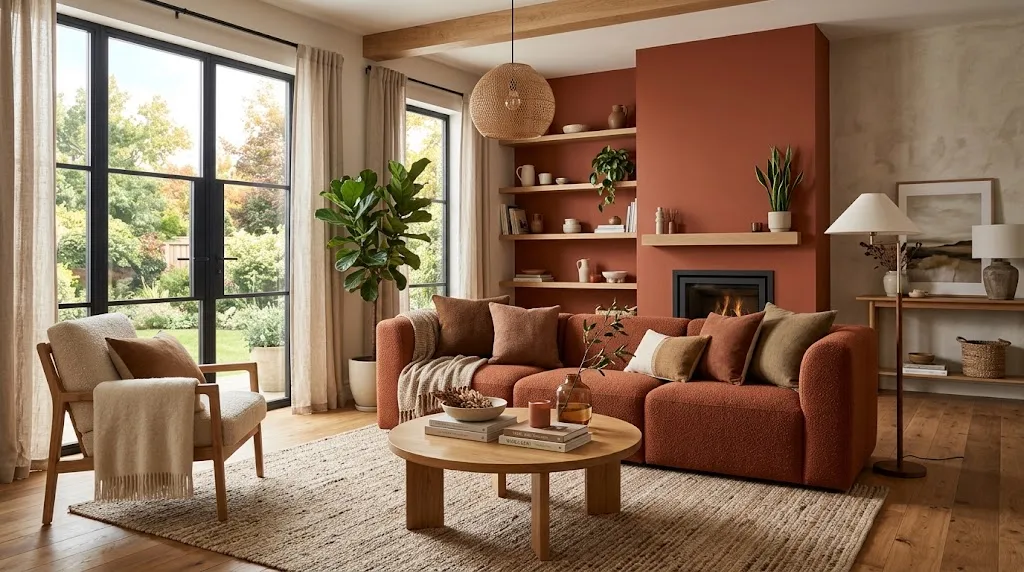
The best sofa ideas for living room spaces in 2026 include modular sectionals for flexible layouts, curved silhouettes for softness, and warm earth-tone colors like brown and terracotta. Performance fabrics and patterned designs are also popular, offering both comfort and easy maintenance for everyday family life.
Picking a sofa feels like a big decision, and it is. Your sofa sits at the center of your living room. It’s where you nap on Sundays, watch movies with your kids, and catch up with friends over coffee. So it makes sense to get it right.
The good news is that sofa design has come a long way from the boxy, one-size-fits-all couch your parents had. Today’s options are more flexible, more colorful, and honestly more comfortable. Let’s walk through the ideas that are shaping living rooms right now, and how to figure out what fits your space.
What Makes a Great Sofa for Your Living Room

Before you fall in love with a color or shape, think about how you actually use your living room. Do you host game nights? Do you have kids who jump on the cushions? Do you work from home and need a spot to stretch out during a break?
A great sofa balances three things: comfort, durability, and fit. Comfort means the cushions support you without feeling like a marshmallow. Durability means the frame and fabric can handle daily life. Fit means the size and shape work with your room, not against it. Once you know your priorities, the style choices get a lot easier.
Modular Sofas Are Taking Over in 2026

If there’s one trend dominating living rooms this year, it’s modular seating. These sofas come in separate pieces, called modules, that you can rearrange whenever you want. Need extra seating for a party? Pull a module into the middle of the room. Moving to a new apartment with a different layout? Reconfigure the pieces to fit.
This flexibility makes modular sofas a smart pick for open floor plans too. You can use an L-shaped modular setup to create a visual boundary between your living room and kitchen without adding a wall. Designers also point out that modular pieces now come with hidden storage and cleaner connection systems, so you get style and function in one package.
Curved Sofas Bring Softness to Sharp Rooms

Curved sofas have moved from a niche design choice to a genuine favorite. Their rounded shape feels warm and welcoming, which makes them a great pick if your room already has a lot of straight lines and hard edges. They also work well in open spaces since you can appreciate the shape from every angle.
Try pairing a curved sofa with a round coffee table to echo the shape. Keep the furniture around it fairly simple so the sofa stays the star of the room. This look draws inspiration from Art Deco and 1970s design, but it feels completely modern in today’s homes.
Color Trends: Why Brown Is the New Black

Cool grays are stepping aside for warmer, richer tones. Brown has become one of the most requested sofa colors this year, along with deep greens, rust, and caramel. These earthy shades feel grounded and cozy, and they hide everyday wear better than lighter colors.
If you’re not ready to commit to a bold color on your main sofa, consider warm neutrals like camel or oatmeal. They still bring in that cozy, lived-in feeling without overwhelming the room. You can always add color through pillows, throws, or a statement rug instead.
Patterned and Statement Sofas Are Back
For years, plain and neutral sofas ruled the market. That’s changing fast. Floral prints, bold stripes, and other patterned fabrics are showing up in living rooms again, and designers say it’s a practical shift as much as a stylish one.
A patterned sofa hides small stains and marks far better than a solid, light-colored one. It also breaks up a room visually, so your space feels less bulky even with a large sofa. If a full floral sofa feels like too much, start smaller with a patterned accent chair or a couple of printed throw pillows to test the look before committing.
Choosing the Right Fabric
Fabric choice matters just as much as color or shape. Performance fabrics have become the go-to option for busy households because they resist stains, moisture, and everyday spills. Many are made to look and feel like natural materials such as linen or velvet, so you don’t have to sacrifice style for practicality.
If you have kids or pets, look for a tightly woven fabric that can handle scratches and quick cleanups. Leather is another durable option that ages well and wipes clean easily. For a softer, more relaxed feel, boucle and chenille add texture, though they may need a bit more care over time.
Sofa Ideas for Small Living Rooms
A small room doesn’t mean you have to skip comfort. Loveseats and compact two-seaters give you cozy seating without crowding the space. Look for a sofa with slim, tapered legs, since they create a sense of openness by letting light pass underneath.
Modular pieces work well in small rooms too, since you can choose just one or two sections instead of a full sectional. A curved or rounded sofa can also make a tight room feel less boxy. Stick to lighter or medium tones if you want the sofa to blend in rather than dominate the space visually.
Matching Your Sofa to Your Lifestyle
Think about who uses your living room every day. A young family might need a sturdy, stain-resistant sofa with deep seats for movie nights. A couple who entertains often might prioritize a sectional with enough room for guests. Someone living alone in a smaller space might want a single statement piece that doubles as a reading nook.
There’s no single right answer here. The goal is matching the sofa to your real routine, not to a trend you saw online. A beautiful sofa that doesn’t fit how you live will end up frustrating you within a few months.
Placement Tips That Change the Whole Room
Where you put your sofa matters as much as which one you buy. Floating a sofa in the middle of the room, rather than pushing it against a wall, can make an open space feel more intentional and inviting. This works especially well with curved or rounded designs, since people can walk around and view them from different angles.
Leave enough space for walking paths, usually around 30 inches, so the room doesn’t feel cramped. If your living room connects to another space, use the sofa’s placement to define separate zones. A well-placed sofa can make even a small or awkward room feel balanced.
Caring for Your Sofa So It Lasts
Even the best sofa needs some upkeep. Rotate and fluff your cushions regularly so they wear evenly instead of sagging in one spot. Vacuum the fabric every couple of weeks to remove dust and pet hair before it settles in.
Check the care label before treating any stains, since different fabrics need different cleaning methods. For leather sofas, a light conditioning treatment every few months keeps the material from drying out or cracking. A little regular care goes a long way toward keeping your sofa looking good for years.
Finding the Sofa That Feels Like Home
There’s no single perfect sofa for every living room. The best choice depends on your space, your budget, and how you actually spend your time at home. Whether you go modular, curved, patterned, or classic, the goal is the same: a sofa that feels comfortable and looks like it belongs in your home.
Take your time browsing styles, sit on a few options if you can, and picture how each one would work in your actual room. The right sofa will earn its spot as the true center of your living room for years to come.

Comments are closed.