
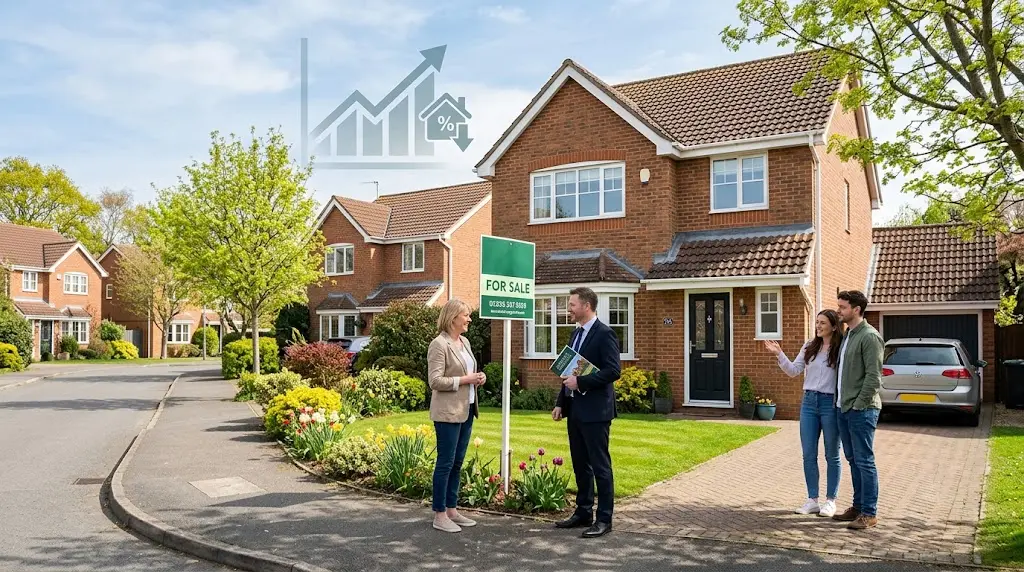
Is now a good time to sell your house? Yes, it can be a good time to sell your house in 2026 if you price it correctly and understand your local housing market. While buyers are more careful because of higher mortgage rates, well-priced homes in good condition are still selling. Success depends more on the right price, location, and preparation than trying to guess the perfect time.
Key Takeaways
| Topic | What You Should Know |
|---|---|
| Best Time to Sell | Homes priced fairly are selling faster than overpriced homes. |
| Buyer Demand | Buyers are still active but compare prices more carefully. |
| Mortgage Rates | Rates remain higher than a few years ago but have started to improve. |
| Home Prices | Prices are growing more slowly than before. |
| Local Market | Your area’s market matters more than national news. |
| Seller Tip | Set a realistic asking price from the start. |
Many homeowners ask the same question every year:
Is now a good time to sell your house?
The answer is not the same for everyone. Some people may sell quickly and receive several offers, while others may wait months without finding a buyer.
The housing market in 2026 is different from the busy market of a few years ago. Higher mortgage rates have made buyers more careful with their money. People are taking more time before making a decision, and they want good value for every pound they spend.
The good news is that homes are still selling across the UK. Buyers have not disappeared—they are simply making smarter choices. If your home is priced fairly, looks attractive, and is marketed well, you still have a strong chance of selling.
Instead of asking, “Is this the perfect year to sell?” it is often better to ask, “Is my home ready for today’s market?”
In this guide, you’ll find out:
- What the UK housing market looks like in 2026
- Whether now is the right time to sell
- How buyers are thinking today
- Tips to sell your home faster
- Common mistakes to avoid
- Advice for buyers and landlords
- Frequently asked questions
Let’s begin by looking at what is happening in today’s housing market.
What Is Happening in the UK Housing Market in 2026?
The UK housing market has become more balanced compared to previous years.
During the property boom, many homes sold within days, and buyers often paid more than the asking price. Today, the market is calmer. Buyers have more choices, and sellers need to work harder to attract interest.
This does not mean the market is weak. It simply means that realistic pricing has become much more important.
Several factors are shaping today’s market.
Higher Mortgage Rates
Mortgage rates increased over the past few years. Although they have started to fall slightly, borrowing money is still more expensive than it was before.
This means many buyers have smaller budgets. Instead of looking for the biggest house possible, they focus on homes that offer good value.
More Homes for Sale
In many parts of the UK, there are more homes available than there were a year ago.
This gives buyers more options and creates stronger competition between sellers.
If your home stands out because it is well-presented and fairly priced, it has a better chance of selling quickly.
Buyers Are More Careful
Today’s buyers usually:
- Compare several homes before making an offer.
- Research local prices.
- Arrange mortgage approval early.
- Negotiate more often.
This careful approach makes pricing one of the most important parts of selling.
Is Now a Good Time to Sell Your House?
For many homeowners, the answer is yes.
However, success depends on preparation rather than luck.
Homes that are clean, well-maintained, and priced correctly continue to attract buyers across many areas of the UK.
If you wait for the “perfect” market, you may end up waiting much longer than necessary. No one can predict exactly when prices will rise or fall.
Instead, focus on what you can control.
You May Be Ready to Sell If:
- You need more space for your family.
- You are moving for work.
- Your children have moved out.
- You want to reduce your monthly costs.
- You are relocating to another city.
- You have found your next home.
Personal reasons are often more important than trying to time the market perfectly.
Signs That It Could Be the Right Time to Sell
Not every homeowner is in the same situation. Here are some signs that selling now may make sense.
Your Home Has Increased in Value
If property prices in your area have risen over the years, you may have built valuable equity.
Selling now could give you more money for your next home or another investment.
You Have Strong Demand in Your Area
Some towns and cities continue to attract many buyers.
If homes similar to yours are selling quickly, it may be a good opportunity to list your property.
Your Mortgage Deal Is Ending
Many homeowners choose to sell when their fixed-rate mortgage comes to an end.
This can help avoid moving to a more expensive mortgage deal.
Factors That Affect How Quickly Your Home Sells
Many people believe that timing is everything.
In reality, several other factors have a much bigger impact.
| Factor | Impact on Your Sale |
|---|---|
| Asking Price | One of the biggest reasons buyers make an offer. |
| Location | Popular areas usually attract more interest. |
| Home Condition | Clean and well-maintained homes sell faster. |
| Marketing | Good photos and descriptions attract more buyers. |
| Local Demand | Every town and city has a different market. |
Even in a slower market, homes with the right combination of price, condition, and location often sell within a reasonable time.
Why Pricing Matters More Than Ever
Many sellers make the mistake of asking for too much because they hope buyers will negotiate.
In today’s market, this strategy often works against them.
When a home stays on the market for too long, buyers may wonder if something is wrong with it.
As interest drops, sellers may eventually reduce the price anyway.
Starting with a realistic asking price often leads to:
- More online views
- More property viewings
- More offers
- Faster sales
- Better negotiations
A local estate agent can help you compare your home with recently sold properties nearby. This gives you a better idea of a fair market price.
How to Price Your Home Correctly
Setting the right price is one of the most important steps when selling your house. Many sellers think a higher price gives them room to negotiate. In reality, an overpriced home often receives fewer viewings and can stay on the market for much longer.
A fair price attracts serious buyers and creates more interest from the beginning.
Compare Recently Sold Homes
Instead of looking only at asking prices, check what similar homes in your area actually sold for. Sold prices give a better picture of your home’s true market value.
Look for homes that have:
- A similar size
- The same number of bedrooms
- A similar condition
- A nearby location
- Similar features such as a garage or garden
These comparisons help you set a realistic asking price.
Ask More Than One Estate Agent
Don’t rely on only one valuation.
Invite two or three local estate agents to visit your property. They understand your area’s market and can explain why they recommend a certain price.
Compare their advice instead of automatically choosing the highest valuation.
Sometimes the highest price is simply an attempt to win your business.
Leave Room for Negotiation—but Don’t Overdo It
Most buyers expect some negotiation.
However, pricing your home far above its market value can discourage buyers from arranging a viewing.
A realistic price often attracts more interest, which may even lead to multiple offers.
10 Common Mistakes Sellers Make
Many homes take longer to sell because of simple mistakes that can be avoided.
1. Pricing Too High
This is the biggest mistake sellers make.
If buyers believe your home is overpriced, they may not even arrange a viewing.
2. Ignoring Small Repairs
Loose door handles, peeling paint, broken lights, or dripping taps can make buyers think the home has larger hidden problems.
Fixing small issues before listing your property creates a better first impression.
3. Poor Quality Photos
Most buyers start their search online.
Dark, blurry, or poorly taken photos reduce interest immediately.
Professional-looking pictures can make a huge difference.
4. Leaving Too Much Clutter
Crowded rooms appear smaller.
Remove unnecessary furniture, personal items, and extra decorations so buyers can picture themselves living there.
5. Skipping Deep Cleaning
A clean home feels more welcoming.
Pay attention to:
- Windows
- Floors
- Bathrooms
- Kitchen surfaces
- Carpets
A spotless home often feels newer and better cared for.
6. Ignoring Kerb Appeal
Buyers notice the outside of your home before they step inside.
Simple improvements include:
- Mowing the lawn
- Cleaning the driveway
- Painting the front door
- Trimming hedges
- Adding plants or flowers
A tidy entrance creates a strong first impression.
7. Being Unavailable for Viewings
The more flexible you are, the more buyers can visit.
Evening and weekend viewings often attract busy working families.
8. Hiding Problems
Be honest about any known issues.
Trying to hide problems usually causes delays later during surveys or legal checks.
Honesty builds trust with buyers.
9. Choosing the Wrong Estate Agent
Not every estate agent offers the same level of service.
Choose someone who:
- Knows your local market
- Has good reviews
- Uses quality marketing
- Communicates regularly
- Has experience selling similar homes
10. Becoming Emotionally Attached
Your home may hold many memories, but buyers will focus on value.
Treat the sale like a business decision and stay open to reasonable offers.
How to Sell Your House Faster
While no one can guarantee a quick sale, these simple steps can improve your chances.
Improve Your Home’s Appearance
Small improvements can make a big difference.
Consider:
- Fresh paint
- Clean windows
- Bright lighting
- Tidy gardens
- Neutral colours
These changes help buyers imagine living in the property.
Make Every Room Feel Bigger
Open curtains to let in natural light.
Remove bulky furniture if rooms feel crowded.
Bright, open spaces usually leave a better impression.
Be Ready Before Listing
Prepare all important documents early.
These may include:
- Energy Performance Certificate (EPC)
- Property information forms
- Mortgage details
- Planning permission documents (if needed)
Being organised helps avoid delays after accepting an offer.
Advertise Everywhere
Your property should appear on:
- Property websites
- Estate agent websites
- Social media
- Local advertising where suitable
The more people who see your home, the better your chances of finding the right buyer.
Seller’s Home Preparation Checklist
Use this checklist before putting your home on the market.
| Task | Completed |
|---|---|
| Deep clean every room | □ |
| Fix small repairs | □ |
| Paint walls if needed | □ |
| Declutter rooms | □ |
| Improve the front garden | □ |
| Clean windows | □ |
| Take high-quality photos | □ |
| Gather important documents | □ |
| Compare local house prices | □ |
| Speak with several estate agents | □ |
Completing these simple tasks can help your home make a better first impression.
Pros and Cons of Selling Your House in 2026
Every market has advantages and challenges.
| Pros | Cons |
|---|---|
| Serious buyers are still active. | Mortgage rates remain higher than a few years ago. |
| Homes priced correctly continue to sell. | Buyers negotiate more than before. |
| Some areas still have strong demand. | Overpriced homes often stay on the market longer. |
| Less competition in some local markets. | Sales can take more time than during the property boom. |
| Homeowners with strong equity may benefit. | Market conditions vary by location. |
Understanding both the benefits and challenges helps you make a more informed decision.
How Much Does It Cost to Sell a House?
Selling a home involves more than accepting an offer. You should also plan for the costs involved.
Common expenses include:
| Cost | What It Covers |
|---|---|
| Estate agent fees | Marketing and selling your property |
| Solicitor or conveyancing fees | Legal work for the sale |
| EPC (if required) | Energy Performance Certificate |
| Mortgage exit fees | Early repayment charges (if applicable) |
| Removal costs | Moving your belongings to your new home |
Knowing these costs in advance helps you plan your budget and avoid surprises.
Expert Tips for Getting the Best Price
You don’t always need expensive renovations to increase your home’s value. Often, simple improvements and smart decisions can make a big difference.
Here are some practical tips:
- Price your home using recent local sales, not guesswork.
- Keep your home clean and tidy for every viewing.
- Let in natural light by opening curtains and blinds.
- Make small repairs before buyers visit.
- Be flexible with viewing times.
- Respond quickly to offers and questions.
- Listen to advice from experienced local estate agents.
- Stay patient and avoid making rushed decisions.
Remember, buyers compare many homes before making an offer. A well-presented home with a realistic asking price is more likely to stand out.
Is 2026 a Good Time to Buy a House?
While this guide focuses on sellers, many homeowners are also planning to buy another property after selling. If that’s your situation, you may be wondering if 2026 is a good year to buy.
For many people, the answer is yes.
The housing market is more balanced than it was a few years ago. Buyers have more homes to choose from, and there is less pressure to make rushed decisions.
Although mortgage rates are still higher than they were before, they have started to improve. This gives buyers a little more confidence when planning their next move.
If you have a stable income, a good deposit, and mortgage approval, this can be a good time to find the right home.
Why Buyers Have More Choices in 2026
In recent years, homes often sold within days. Buyers had to act quickly and sometimes offered more than the asking price.
Today, the market is different.
Many areas now have more homes available, giving buyers extra time to compare properties before making a decision.
This means buyers can:
- Compare prices carefully.
- Visit several homes before choosing one.
- Negotiate with sellers.
- Ask for repairs before completing the purchase.
This creates a fairer market for everyone.
Tips for First-Time Buyers
Buying your first home can feel exciting and stressful at the same time.
These simple tips can help you make better decisions.
Know Your Budget
Before viewing homes, work out how much you can comfortably afford.
Remember to include extra costs such as:
- Solicitor fees
- Survey costs
- Moving expenses
- Stamp Duty (where applicable)
- Home insurance
Planning ahead helps avoid financial surprises.
Get Mortgage Approval Early
A mortgage agreement in principle shows sellers that you are serious about buying.
It can also speed up the buying process once you find the right property.
Don’t Rush Your Decision
It is easy to fall in love with the first house you see.
Instead, compare several homes before making an offer.
Look at:
- Location
- Schools
- Transport links
- Local shops
- Future development plans
A careful decision today can save problems later.
Should You Sell Before Buying?
This is a common question.
Both options have advantages.
Selling First
Selling first means you know exactly how much money you have for your next purchase.
Benefits include:
- Stronger buying position
- Less financial pressure
- Easier mortgage planning
The downside is that you may need temporary accommodation if you sell before finding your next home.
Buying First
Buying first allows you to move directly into your new home.
However, this option may require:
- Larger savings
- A second mortgage
- Higher monthly payments for a short time
Choose the option that best suits your finances.
Advice for Landlords in 2026
The rental market remains active in many parts of the UK.
High rental demand continues because many people are waiting longer before buying a home.
For landlords, this creates opportunities, but there are also challenges.
Things to consider include:
- Mortgage costs
- Property maintenance
- Local rental demand
- Government regulations
- Tenant quality
Landlords who keep their properties in good condition are more likely to attract reliable tenants.
Which UK Regions Are Performing Best?
The housing market is not the same everywhere.
Some areas continue to see steady demand, while others are growing more slowly.
Here is a general overview.
| Region | Market Activity | Buyer Interest |
|---|---|---|
| London | Slower | Moderate |
| South East | Steady | Good |
| South West | Steady | Good |
| Midlands | Strong | High |
| North West | Strong | High |
| North East | Growing | High |
| Scotland | Healthy | Strong |
| Wales | Stable | Moderate |
Always check local market conditions because every town and city is different.
National News vs Local Property Market
Many people watch national property news before deciding to sell.
While this information is useful, your local market matters much more.
For example:
A house in Manchester may receive several offers within a week.
At the same time, a similar house in another part of the country may take much longer to sell.
That is why local knowledge is so valuable.
A nearby estate agent understands:
- Current buyer demand
- Average selling prices
- Popular neighbourhoods
- Seasonal trends
- Competition from similar homes
How to Choose the Right Estate Agent
Choosing the right estate agent can make a big difference.
Don’t choose an agent simply because they promise the highest selling price.
Instead, look for someone with experience and a strong record of selling homes in your area.
Ask these questions:
- How many homes like mine have you sold recently?
- How long do your listings usually stay on the market?
- Where will my property be advertised?
- What are your fees?
- How will you keep me updated?
A good estate agent should answer these questions clearly.
What Happens After You Accept an Offer?
Many sellers think the process ends once an offer is accepted.
In reality, there are still several important steps.
These usually include:
- Accept the buyer’s offer.
- Hire a solicitor or conveyancer.
- Complete property checks and paperwork.
- The buyer arranges surveys and mortgage approval.
- Contracts are exchanged.
- Completion day arrives.
- The buyer receives the keys.
Staying organised during this stage helps reduce delays.
How Long Does It Take to Sell a House?
Every sale is different.
Some homes sell within a few weeks, while others may take several months.
The timeline depends on:
- Asking price
- Buyer demand
- Location
- Property condition
- Mortgage approval
- Legal paperwork
Well-priced homes in popular areas often sell faster than overpriced properties.
Simple Ways to Increase Your Home’s Value
You do not always need major renovations.
Small improvements often have a big impact.
Consider:
- Painting walls in neutral colours
- Replacing old light bulbs with brighter ones
- Fixing dripping taps
- Cleaning carpets
- Updating cabinet handles
- Keeping gardens tidy
- Adding fresh plants near the entrance
These improvements help create a positive first impression without spending a large amount of money.
Market Comparison Table
| Market Condition | Strong Market | Balanced Market (2026) |
|---|---|---|
| Buyer Competition | Very High | Moderate |
| Number of Homes for Sale | Low | Higher |
| Negotiation | Limited | More Common |
| Selling Speed | Faster | Average |
| Pricing Strategy | Flexible | Must Be Realistic |
| Buyer Choice | Limited | Much Better |
Today’s balanced market rewards sellers who prepare their homes well and set fair prices.
Expert Advice Before Listing Your Home
Before placing your property on the market, take time to prepare.
Ask yourself these questions:
- Is my asking price realistic?
- Have I completed small repairs?
- Does my home look clean and welcoming?
- Have I compared local sold prices?
- Have I chosen the right estate agent?
If you can answer “yes” to these questions, you are already ahead of many sellers.
Good preparation often leads to better offers and a smoother selling process.
Frequently Asked Questions
Is now a good time to sell your house in the UK?
Yes, it can be a good time to sell your house if you price it correctly and understand your local market. Buyers are still looking for homes, but they are more careful about what they spend. A well-priced home in good condition can still attract strong interest.
How long does it take to sell a house?
The time varies depending on the location, asking price, and buyer demand. Some homes sell within a few weeks, while others may take several months. Homes that are priced fairly usually sell faster than overpriced ones.
Should I lower my asking price if my house is not selling?
If your home has been on the market for several weeks without viewings or offers, it may be worth reviewing the asking price. Compare your home with recently sold properties in your area and speak with your estate agent for advice.
What is the best month to sell a house?
Spring is often one of the busiest seasons for the housing market because gardens look their best and families plan moves before summer. However, a well-priced home can sell successfully at any time of the year.
Should I renovate before selling?
You do not always need expensive renovations. Simple improvements like painting walls, fixing small repairs, cleaning every room, and improving the front garden can make a big difference without spending a lot of money.
Can I sell my house while I still have a mortgage?
Yes. Many homeowners sell their property before paying off the full mortgage. The remaining mortgage balance is usually paid from the sale proceeds during completion.
Is it better to use an estate agent?
For most sellers, yes. An experienced estate agent can help with pricing, marketing, viewings, negotiations, and paperwork. Choosing the right agent can make the selling process much easier.
Final Seller Checklist
Before listing your property, use this checklist to make sure everything is ready.
| Checklist Item | Ready |
|---|---|
| Home is clean and tidy | ✓ |
| Small repairs completed | ✓ |
| Garden and front entrance look attractive | ✓ |
| Asking price based on local market | ✓ |
| Professional photos taken | ✓ |
| Important documents prepared | ✓ |
| Estate agent selected | ✓ |
| Flexible viewing times available | ✓ |
| Moving budget planned | ✓ |
| Next home or moving plan arranged | ✓ |
Completing these tasks can help your home attract more buyers and reduce delays.
Quick Summary
Here is a simple overview of the 2026 housing market.
| Question | Answer |
|---|---|
| Is it a good time to sell? | Yes, if your home is priced correctly. |
| Are buyers still active? | Yes, but they compare prices more carefully. |
| Are mortgage rates improving? | They have started to improve but remain higher than a few years ago. |
| What matters most? | Realistic pricing, good presentation, and local market conditions. |
| Should I wait? | Waiting is not always the best choice. Focus on your personal goals and current market conditions. |
Expert Tips for a Successful Sale
Selling a house is one of the biggest financial decisions most people make. While you cannot control the entire property market, you can control how your home is presented and priced.
Keep these tips in mind:
- Research recent sold prices in your area.
- Price your home fairly from the beginning.
- Keep every room clean, bright, and tidy.
- Complete small repairs before listing.
- Work with an experienced local estate agent.
- Stay flexible with viewings.
- Be open to reasonable offers.
- Stay patient during the selling process.
Small improvements often make a bigger difference than expensive renovations.
Conclusion
So, is now a good time to sell your house?
For many homeowners, the answer is yes.
The UK housing market in 2026 is more balanced than it has been in recent years. Buyers are still looking for homes, but they expect fair prices and good value. This means sellers who prepare their homes well and set realistic asking prices are more likely to receive strong interest.
Instead of trying to predict the perfect time to sell, focus on what you can control. A clean, well-maintained property, accurate pricing, and support from a trusted local estate agent can make a real difference.
Every local market is different, so take time to understand what is happening in your area. Compare recent sales, speak with experienced professionals, and make informed decisions based on current conditions rather than old market trends.
Whether you are moving to a larger home, downsizing, relocating for work, or simply starting a new chapter, careful planning will help you achieve the best possible outcome.
By following the advice in this guide, you will be better prepared to sell your home with confidence and move forward with your next step.
Final Thoughts
Remember that every property sale is unique. Market conditions, location, buyer demand, and pricing all play a role. Staying informed, being realistic, and preparing your home properly will give you the best chance of a smooth and successful sale.


Comments are closed.