
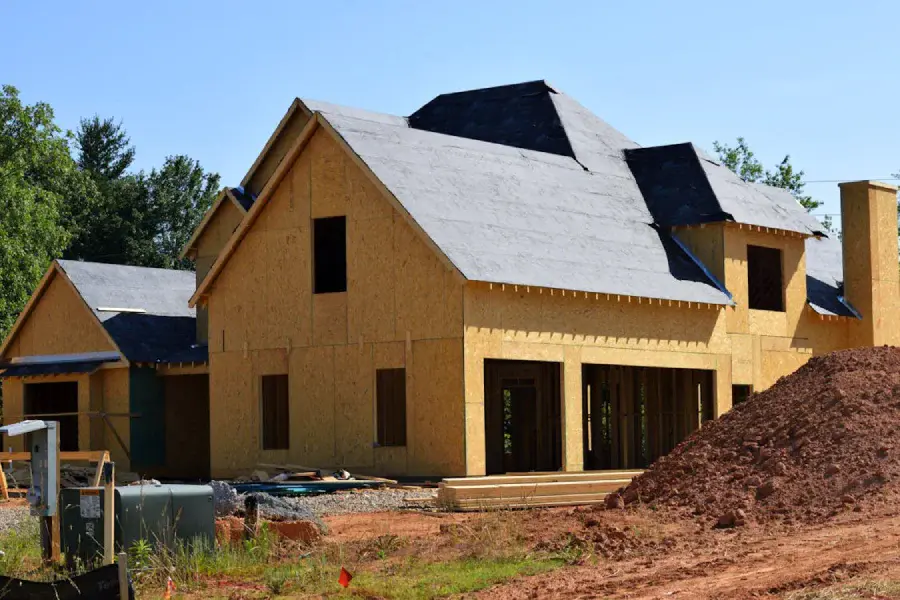
New homes usually begin with the fun stuff. Kitchen layouts. Big windows. Ensuite tiles. Maybe a walk-in pantry that looks like it belongs in a magazine.
But before any of that matters, there’s the site.
The dirt. The slope. The drainage. The awkward tree is sitting exactly where the driveway should go.
Site preparation is not the glamorous part of building a home. No one frames a photo of compacted soil and hangs it in the hallway. Still, it can make or break the whole project. When the land isn’t properly prepared, problems tend to show up later, often when they’re expensive and annoying to fix.
Cracked foundations. Water pooling near the house. Uneven floors. Delays. Extra costs. The kind of surprises nobody wants.
Every Block Has Its Own Personality
No two sites are exactly the same. One block might be flat, dry, and easy to access. Another might be sloped, rocky, soft underfoot, or full of hidden drainage issues. Even two lots on the same street can behave differently once excavation begins.
That’s why a proper site assessment matters.
Before building starts, the land needs to be checked for soil conditions, slope, access, existing vegetation, old structures, underground services, and drainage paths. This step helps identify what needs clearing, grading, stabilizing, or engineering before the foundation goes in.
It sounds basic. It isn’t.
A home should work with the land, not fight against it. A sloped site might offer great views, but it can also need retaining walls and careful water management. A flat block might look easy, then turn out to have poor soil or hidden drainage problems. The site always has something to say. Smart planning listens.
Clearing and Grading Set the Tone
Clearing the site is usually one of the first visible steps. Trees, shrubs, rocks, debris, old sheds, fencing, and leftover materials may need to go. Simple enough, right?
Not always.
Clear too much and the site can become exposed to erosion. Leave too much behind and access becomes harder for machinery and trades. The goal is not to strip the block bare for the sake of it. The goal is to create a safe, practical building area while keeping what still has value.
Then comes grading.
Grading shapes the land so it can support the house, driveway, paths, garden areas, and outdoor spaces. It also helps water move away from the home instead of sitting around the foundation like an unwanted guest.
And water is persistent. Give it one weak spot and it will find it.
Drainage Deserves More Attention Than It Gets
Poor drainage is one of those issues that can sit quietly in the background until the first heavy rain. Then suddenly, it’s the main character.
Water can soften soil, damage foundations, flood outdoor areas, affect basements, and put pressure on retaining walls. It can also make a newly built home feel unfinished or poorly planned, even if the interiors look beautiful.
A strong site preparation plan considers where stormwater will go, how the soil absorbs moisture, and whether neighboring properties affect runoff. It also looks at roof drainage, driveway levels, garden beds, and hard surfaces.
This is not overthinking. It’s common sense.
A home that handles water well is easier to live in and easier to maintain. That matters far more than choosing the trendiest tapware.
Protecting What Surrounds the Home
Good site preparation is not just about making space for construction. It’s also about protecting the land around the build.
Trees, native plants, creeks, soil health, and natural habitats can all be affected when construction begins. On larger or rural blocks, this becomes even more important. Disturbed soil can wash away quickly. Cleared areas can become dusty, unstable, or difficult to restore.
In parts of Australia, especially near bushland, waterways, or previously cleared rural land, revegetation solutions can help stabilize soil, restore native planting, and reduce the long-term impact of a new build.
This kind of planning doesn’t have to slow everything down. It simply treats the site as part of the finished home, not just a patch of land to be scraped clean and forgotten.
Access Can Quietly Control the Whole Project
Access sounds boring until a delivery truck can’t get in.
Then it becomes very interesting.
Construction sites need space for machinery, materials, trades, waste removal, temporary storage, and safe movement. If the entry point is too narrow, too steep, muddy, blocked by trees, or poorly positioned, the entire project can slow down.
Concrete trucks need access. Timber deliveries need access. Window suppliers, roofers, electricians, plumbers, and landscapers all need a safe way in and out.
Bad access can lead to delays, extra handling costs, damaged materials, and frustrated trades. No one wants a stack of expensive windows sitting in the wrong spot because nobody planned where the truck would unload them.
A good site plan thinks about movement before work begins. Where will vehicles enter? Where will materials be stored? What happens after heavy rain? These small decisions keep the build moving.
The Foundation Relies on What Happens First
The foundation carries the entire house. That’s a big job.
Before it can do that job properly, the ground needs to be stable, level where required, and correctly compacted. Soil testing helps determine whether the ground is firm, reactive, moisture-prone, or likely to shift over time.
That information shapes the foundation design.
Rush this stage and the problems may not show up immediately. That’s the tricky part. A house can look perfect at handover, then develop cracks, sticking doors, uneven floors, or moisture issues years later.
The parts people don’t see often matter most. Not very exciting. Very true.
Better Preparation Means Fewer Expensive Surprises
Every build has moving parts. The weather can change. Approvals can drag. Suppliers can run late. Some surprises are unavoidable.
Poor site preparation shouldn’t be one of them.
When the land is properly assessed early, the project can be priced more accurately. Builders can plan trades with more confidence. Homeowners can understand what the block really needs before construction begins, not halfway through when the budget is already under pressure.
This matters even more for one-off homes. Experienced custom builders often spend extra time reviewing the site because the design needs to respond to the land, not force a standard plan onto a block that clearly has other ideas.
That early work can save money. It can also save a lot of stress, which is harder to measure but very easy to feel.
A Prepared Site Creates a Better Home
Site preparation does more than make construction easier. It affects how the finished home feels and functions.
The driveway sits in the right place. Outdoor areas drain properly. Garden beds have a better chance of thriving. The house feels settled on the block instead of awkwardly dropped onto it.
There’s a quiet confidence in a home that suits its site. The entry makes sense. The levels feel natural. Rainwater moves where it should. The landscaping doesn’t look like an afterthought.
That doesn’t happen by accident.
Before the paint colors, stone samples, and lighting choices, the smartest move is to look at the land itself. Soil. Slope. Water. Access. Trees. Services.
The boring stuff?
Only until it saves the build.


Comments are closed.