
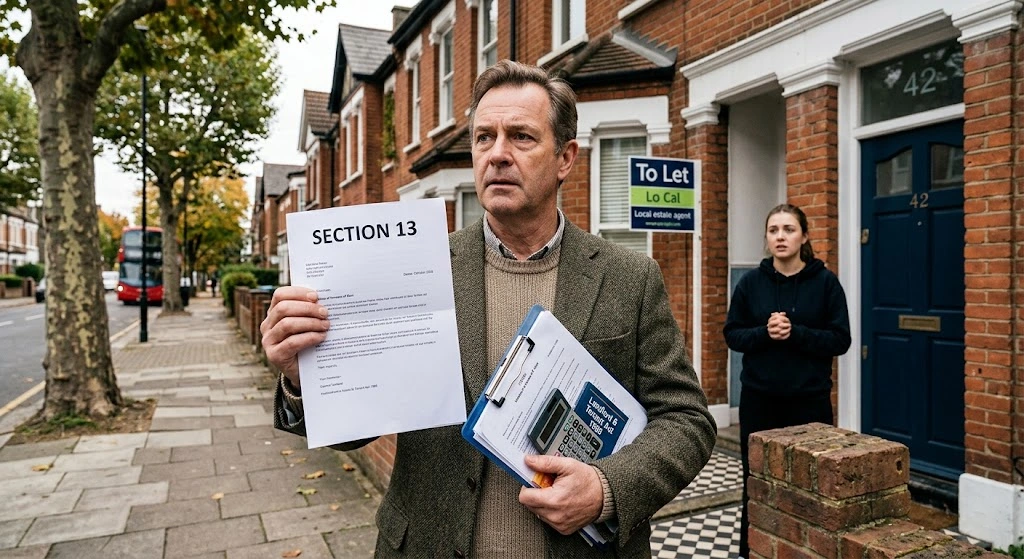
UK Rent Increase Rules: From 2026, UK landlords must follow stricter rules when increasing rent. Rent can usually be increased once per year, with proper notice and market-aligned rates. Tenants now have stronger rights to challenge increases, making careful planning essential for landlords.
The UK government is introducing new rules for rent increases from 2026 under the Renters’ Rights Act. These rules are designed to make rent reviews fairer for tenants while still allowing landlords to manage their properties effectively.
Landlords can no longer rely on informal agreements or casual emails to increase rent. Now, a clear legal process, proper notice, and market-based reasoning are required. Following these rules carefully will protect landlords from disputes and help maintain good relationships with tenants.
In this article, we explain the new rules step by step, including notice periods, Section 13 notices, market rates, tenant rights, and tips for working with letting agents.
1. How Often Can Rent Be Increased?
Under the new rules, rent increases are more controlled.
- Once per year: Rent can usually only be increased once every 12 months.
- No increase in the first year: For new tenancies, rent cannot be increased within the first 52 weeks.
- Contract clauses: Traditional rent review clauses in contracts may no longer override the statutory process.
| Rule | Details | Notes |
|---|---|---|
| Frequency | Once per year | Applies to most tenancies |
| First year | No increases | Ensures rent is realistic from the start |
| Contract clauses | May be overridden | Always follow statutory rules first |
Attempting to increase rent more often, or without following the proper legal procedure, may lead to disputes or legal challenges.
2. What is a Section 13 Notice?
Informal agreements like casual conversations or emails are no longer enough.
A Section 13 notice is the official way to propose a rent increase. It is a legal document that clearly states:
- The new rent amount
- The date it will take effect
- The statutory basis for the increase
Tip: Always keep a copy of the Section 13 notice and records of all communications. This protects you if a tenant disputes the increase.
3. How Much Can Rent Be Increased?
The new law limits rent increases to current market rates.
- Market rate approach: Rent should reflect what the property would fetch if advertised today.
- Local research: Check similar properties in the area to justify your increase.
- Letting agents: They provide data for fair, defensible rent values.
| Factor | Explanation | Example |
|---|---|---|
| Property size | Number of bedrooms | 2-bedroom flat in London |
| Location | Area demand | Zone 1 vs Zone 3 |
| Amenities | Parking, garden, balcony | Can increase value |
| Current market rent | Comparable listings | £1,200–£1,300/month |
Tip: A sudden, large increase may upset tenants and increase turnover. A measured approach is better.
4. Can Tenants Challenge Rent Increases?
Tenants now have stronger rights to dispute increases they believe exceed market rates.
- Disputes are handled by the First-tier Tribunal.
- The tribunal checks whether the proposed rent matches comparable local properties.
- Rent cannot be set higher than the landlord’s initial proposal.
- Any tribunal decision applies from the date of the decision; past rent cannot be backdated.
This makes it important to research and document comparable properties before serving a Section 13 notice.
5. Notice Periods for Rent Increases
The mandatory notice period has been extended:
- 2 months’ written notice before the new rent takes effect
- Provides tenants time to review and, if needed, challenge the increase
| Step | Timeframe |
|---|---|
| Notice given | At least 2 months |
| Tenant review | Up to 2 months |
| Effective date | After notice period |
| Dispute resolution | Tribunal can decide later |
Tip: Serve notice in writing, and confirm receipt. Keep records.
6. Tips for Landlords
Following these tips will help you manage rent reviews smoothly:
- Keep records: Save all communications and notices.
- Use Section 13 notices correctly: Follow the prescribed format.
- Check market rates: Avoid overpricing; a fair rent reduces disputes.
- Communicate with tenants: Build trust and reduce turnover.
- Consider letting agents: They can provide market data and handle disputes professionally.
Kristjan Byfield, Mission Commander at The Depository, advises:
“Tenants who enjoy their home are more likely to accept reasonable rent increases. Take care of them, and the rent review process will be smoother.”
7. Working with a Letting Agent
A letting agent can make the process easier and safer:
- Provides evidence-based market rent valuations
- Helps prepare Section 13 notices
- Collects comparable properties for tribunals
- Maintains professional communication with tenants
Tip: Ask tenants about their experience; good landlord-tenant relationships make increases easier to accept.
8. Common Landlord Mistakes
| Mistake | Explanation | How to Avoid |
|---|---|---|
| Increasing rent too often | Only allowed once per year | Plan rent carefully |
| Ignoring market rates | Risk of tribunal dispute | Research local rents |
| Casual notices | Not legally valid | Use Section 13 notice |
| Poor record-keeping | Difficult to defend in tribunal | Keep copies of all notices & emails |
| Sudden large increases | Upsets tenants, causes turnover | Increase gradually if needed |
9. Example of a Section 13 Rent Increase Timeline
| Action | Date | Notes |
|---|---|---|
| Serve Section 13 notice | 1 June 2026 | New rent proposed |
| Tenant review period | 1 June – 31 July 2026 | 2 months to respond or dispute |
| Effective new rent | 1 August 2026 | After notice period |
| Dispute filed | By 31 July 2026 | Tribunal review if needed |
10. FAQs for Landlords
Q1: Can I increase rent more than once per year?
A: No. Under the new rules, rent generally can only increase once every 12 months.
Q2: Do I have to use a Section 13 notice for all tenants?
A: Most periodic tenancies will require it. Always check current legal guidance.
Q3: Can tenants refuse a rent increase?
A: Tenants can dispute increases they feel exceed market value via the First-tier Tribunal.
Q4: How should I calculate market rent?
A: Compare similar properties in your area, considering size, location, and amenities. Letting agents can assist.
Q5: Can I backdate rent increases?
A: No. Any tribunal-approved rent increase applies from the decision date.
11. Final Takeaways
- The Renters’ Rights Act 2026 brings formal, regulated rent increases.
- Landlords must follow Section 13 notices, provide 2 months’ notice, and align rent with market rates.
- Tenants have more power to challenge increases, so preparation and documentation are key.
- Good communication with tenants and professional advice from letting agents can reduce disputes and turnover.
By following these rules, landlords can legally and fairly manage rent increases while keeping tenants happy.


Comments are closed.