
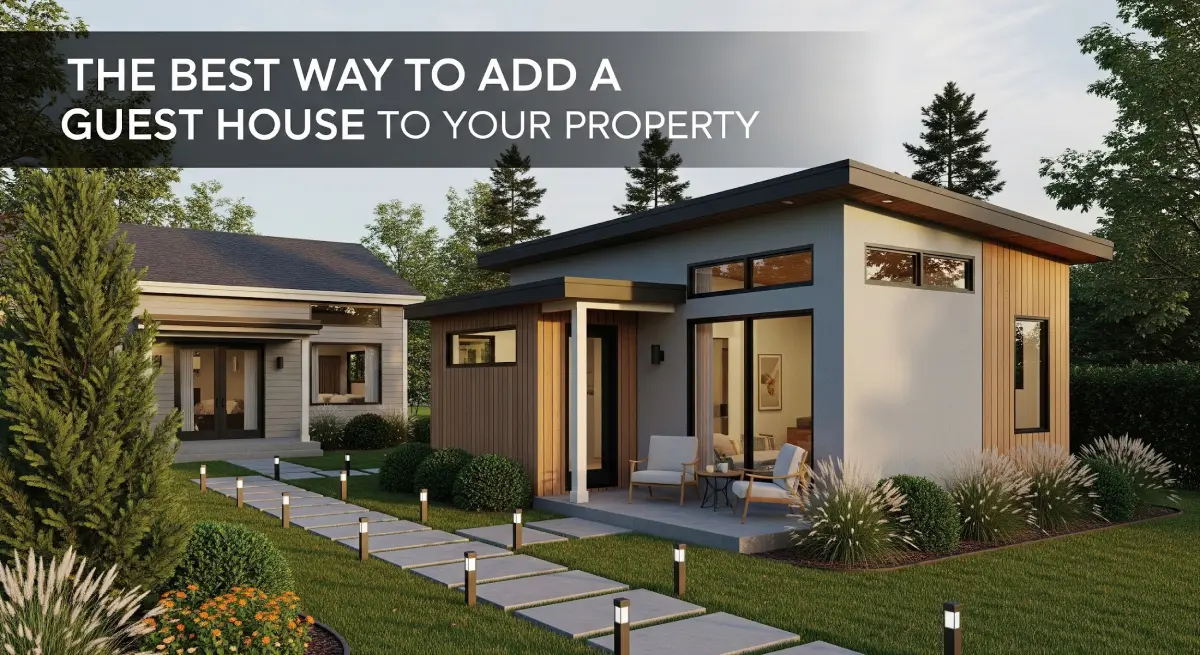
You want a guest house in the backyard. Maybe you call it a granny flat. Maybe you think you’ll rent it out and make an absolute killing on Airbnb.
Stop right there.
People watch too many home renovation shows. They think slapping a second dwelling on their block just requires a weekend trip to Bunnings and a couple of mates holding some timber. It doesn’t. I’ve been building and advising on residential property projects across the eastern seaboard for fifteen years. I see the same mistakes every single week.
Most homeowners go into this completely blind. They blow their budgets by tens of thousands of dollars. They fight with the local council for months. They eventually end up staring at a massive mud pit instead of a profitable backyard asset.
Let’s cut the fluff. You need a practical approach that actually works in the current Australian property market.
Stop Romanticising the Process
Building a guest house means running a full construction project on the exact same patch of grass where your kids normally play. It gets messy. It gets loud. Heavy machinery will absolutely destroy your lawn.
Last year I had a client in Brisbane who thought they could save a few grand by acting as an owner-builder for a custom timber project. They hired individual tradies. They managed the delivery schedules. They honestly thought they had it under control.
Nine months later they sat $45,000 over budget. Half the trades never showed up when they promised. Rain washed out their site for weeks. And worst of all? The roof still leaked during the first major storm.
You must understand the numbers before you even look at a cute floor plan on Pinterest. The current average cost to build a custom secondary dwelling from scratch sits around $3,000 to $4,000 per square metre. That adds up incredibly fast when you start adding decks and luxury bathrooms.
Get Your Money Sorted First
Don’t rely on back of the envelope math. You need hard numbers from the jump.
Construction loans work very differently than standard home mortgages. Banks release funds in stages as the builder completes specific milestones. If you mess up your initial cost estimates, the bank simply cuts you off. That leaves you holding a half-finished timber frame rotting in the rain while you beg for a top-up loan.
Before you pay an architect a single cent, go speak to a good financial planner. Get them to look at your usable equity, your true borrowing capacity, and your overall tax position. Adding a rent-generating asset to your primary residence completely changes your capital gains tax exemptions. Don’t let the ATO catch you out five years down the track when you decide to sell the property.
The Smarter Way to Build
So how should you actually execute this? You ditch the custom site build completely.
We have a massive tradie shortage in Australia right now. Good luck finding a reliable bricklayer or carpenter who actually wants a small backyard job. Add severe weather events to the mix, and building from scratch in your backyard will inevitably crush your timeline.
I tell all my clients to choose prefabricated homes for their suburban blocks. This represents the absolute best option for 90 percent of homeowners. Factories construct these structures in a controlled environment. Rain doesn’t stop work. Plumbers and electricians show up to the factory floor every single day. The quality control beats what you get from a tired chippy working out of his ute in the blazing thirty-five degree sun.
A crane operator literally drops the finished module onto your block in an afternoon. Your backyard acts as a construction zone for three weeks instead of nine painful months.
Council Approval Will Break Your Heart
You can’t just drop a building anywhere you like. Local councils enforce incredibly strict rules.
Every council imposes different planning overlays. You face strict boundary setbacks. You have to calculate maximum floor space ratios. You must even consider how your new building overshadows your neighbour’s clothesline or entertaining area.
Don’t try to navigate town planning rules yourself. You will fail. Hire a private certifier or a local draftsperson who knows the exact moods of your local council planners. They know exactly which arguments win. They know what gets your application thrown straight in the bin. Pay their fee without complaining. It saves you months of endless emails and rejected applications.
Avoid the Premium Trap
Keep the final fit-out simple. You don’t need imported Italian marble in a granny flat.
Clients constantly lose their minds over tiny details. They upgrade the tapware to brushed brass. They insist on custom joinery in a tiny kitchenette. Every single aesthetic upgrade eats directly into your final return on investment.
Use standard sizes for all your windows and doors. Install durable flooring like hybrid laminate. It handles heavy foot traffic perfectly and looks entirely fine. Focus your goal entirely on creating a functional, comfortable space. Leave the luxury magazine finishes for your main house.
Get the basic foundations right. Pick a solid factory build. Sort your financing properly before digging a single hole. Follow those steps and you will actually get that guest house finished before you lose your mind.
Comments are closed.