
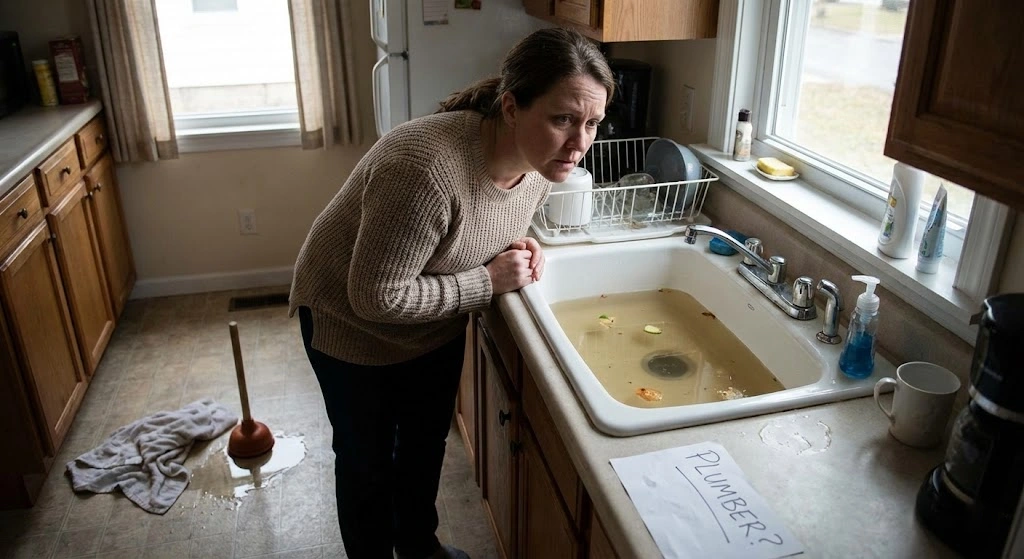
Blocked drains are one of those household nuisances that most people tend to put off addressing. Perhaps it’s the inconvenience of scheduling a repair, or, more commonly, the belief that the issue might resolve itself. However, leaving a blocked drain untreated can lead to a myriad of complications that often escalate from minor inconvenience to significant problems. Let’s explore what can happen if you ignore that pesky blockage and how to manage such a scenario effectively.
The Immediate Consequences of a Blocked Drain
A blocked drain might start small—perhaps you notice that water is draining slowly from your kitchen sink, or there’s an unpleasant odor wafting from your bathroom. While these signs might seem minor, they are indicative of underlying issues that won’t simply resolve themselves. When you neglect to address a blocked drain, here are some immediate risks you might face:
Water Damage
One of the most pressing concerns with a blocked drain is potential water damage. Stagnant water can overflow, causing damage to floors, cabinetry, and even electrical systems. Over time, this can lead to costly repairs and may even affect the structural integrity of your home.
Health Hazards
Standing water and blocked drains can serve as breeding grounds for bacteria and mold. This poses a serious health risk not only to you but also to your family and pets. If you or a family member has pre-existing health conditions, the risks increase manifold.
Pest Attraction
A blocked drain can attract pests like insects, rodents, and even larger wildlife looking for a stagnant water source. Once pests deem your home a suitable environment, you may have much larger issues to contend with.
The Long-term Effects of Ignoring a Blocked Drain
While the immediate consequences of a blocked drain are alarming enough, ignoring the issue can lead to further complications down the line.
Increased Repair Costs
Initially, the cost of dealing with a blocked drain may seem manageable, particularly if you opt for DIY methods. However, as issues like water damage or pest infestations arise, the costs for repairs can snowball dramatically. Engaging professionals early on may save you significant expense in the long run. If you’re seeking solutions, there are many fast fixes for household sink issues that can help. A quick internet search can provide numerous resources tailored to your location and specific concerns.
Structural Damage
Over time, untreated blockages can lead to more severe plumbing issues, including burst pipes or sewer backups. The significant repair work involved can be extremely costly and time-consuming, often requiring extensive renovations.
Compromised Plumbing Systems
Regular symptoms of blocked drains may indicate that there are larger issues at play within your plumbing system. For example, a blockage may lead to increased pressure and strain on your plumbing, eventually compromising the integrity of your entire system.
Signs It’s Time to Take Action
If you suspect a blocked drain but aren’t yet experiencing the worst-case scenarios, there are some classic signs that signal it’s time to take immediate action.
Slow Draining
If your sink or tub is draining slowly, it’s essential to address the issue. Over time, even minor slow drainage can worsen and lead to a complete blockage.
Unpleasant Odors
Bad smells often indicate decay or stagnation. If you notice foul odors emanating from your sinks or drains, consider it a red flag that should not be ignored.
Gurgling Noises
Hearing gurgling sounds when you flush your toilet or run the sink could suggest that air is being trapped in the plumbing, which often points to a blockage.
Water Backups
This is the most alarming sign of a blocked drain. If water is backing up in your sink or bathtub, it’s crucial to act immediately. Not only is this a significant inconvenience, but it can also lead to the issues discussed previously.
Quick Troubleshooting and When to Call for Professional Help
If you encounter any signs of a blocked drain, there are a few steps you might take as initial troubleshooting. Here’s a brief rundown of some easy options.
- Boiling Water: Pour boiling water down the drain to dissolve soap scum, grease, or organic material.
- Vinegar and Baking Soda: This combination can create a natural bubbling reaction that may help dislodge minor clogs.
- Plumber’s Snake: If you have one, a plumber’s snake can be an effective tool for removing deeper blockages.
Despite these quick fixes, some situations are best left to professionals. If your efforts yield little to no results, it’s time to consult a plumbing expert. They have the tools and expertise to diagnose and rectify the problem effectively.
Conclusion
Leaving a blocked drain untreated may appear manageable in the short term, but the long-term risks are far more significant. From health concerns to extensive repair costs, the consequences of inaction can affect your home and your family more than you may realize. Don’t hesitate to take action when faced with plumbing troubles; a proactive approach can save you a great deal of stress, time, and money. Remember, addressing issues like a blocked drain today can prevent major headaches in the future, allowing you to enjoy peace of mind in your living space.


Comments are closed.