
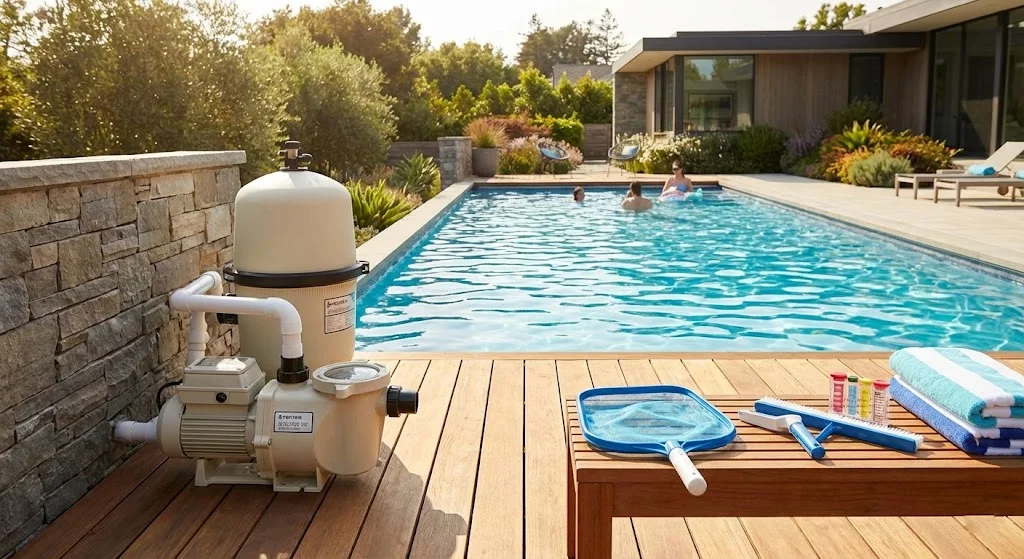
Replacing a Pentair pool pump requires shutting off power at the breaker, draining the pump, disconnecting plumbing and wiring, removing the old unit, installing the new pump with proper seals, reconnecting all systems, and testing for leaks before regular operation.
Your Pentair pool pump keeps your water clean and circulating. When it starts making grinding noises or stops working entirely, you need to replace it. The process isn’t as scary as you might think. With the right tools and a few hours, you can handle this yourself and save hundreds on professional installation.
Understanding When You Need a Replacement

Most Pentair pool pumps last 8 to 12 years with regular care. You’ll know it’s time for a replacement when you hear unusual grinding or screeching sounds coming from the motor. Water leaks around the pump housing mean the seals have failed. If your circuit breaker trips frequently when the pump runs, that’s another red flag. Reduced water flow or a pump that won’t start at all signals that replacement time has arrived.
Don’t ignore these warning signs. Running a failing pump can damage your entire pool filtration system. A broken pump means dirty water, algae growth, and potential damage to your pool’s plumbing. Acting quickly saves you money and keeps your pool safe for swimming.
Gathering Your Tools and Materials
You’ll need specific tools before you start. Grab a 9/16-inch socket wrench and a 7/16-inch wrench for removing bolts. Keep a flathead screwdriver and Phillips head screwdriver handy. Pipe wrenches help with plumbing connections. Don’t forget safety goggles and work gloves.
Material-wise, you’ll need your new Pentair pump. Make sure you match the horsepower and flow rate to your pool size. Pick up Teflon tape for threading connections. Get silicone lubricant for O-rings and gaskets. Have PVC pipe and fittings ready if your new pump doesn’t match the old one’s dimensions exactly. A voltmeter ensures the power is truly off before you begin.
Safety Comes First
Electricity and water make a dangerous combination. Walk to your circuit breaker panel and flip the switch that controls your pool pump. Don’t just turn off the pump switch. You need to cut power at the source. Use your voltmeter to confirm zero voltage at the pump’s electrical connections. This step isn’t optional.
If your pump sits below your pool’s water level, close the suction and return valves before starting work. This prevents water from flooding your work area. Let the pump cool down if it was recently running. Hot pumps can burn your skin when you touch metal components.
Removing the Old Pump
Start by draining any water left in the pump. Most Pentair pumps have drain plugs on the housing. Open these and let the water flow out completely. Now you can disconnect the plumbing. Union fittings make this easier. Turn them counterclockwise by hand or with a pipe wrench. If your pump doesn’t have unions, you’ll need to cut the PVC pipes. Leave enough pipe to work with when installing the new pump.
Next comes the electrical work. Open the access panel on the back of the pump motor. You’ll see wires connected to terminals. Label each wire with tape and a marker before disconnecting anything. Write “hot,” “neutral,” and “ground” on separate pieces of tape. Take a photo with your phone for backup. Disconnect the wires by loosening the terminal screws.
Remove the mounting bolts that hold the pump to its pad. Pentair pumps typically use four bolts. Keep these bolts if they’re in good shape. You can reuse them with the new pump. Lift the old pump away from the plumbing. Set it aside carefully. Pumps are heavy, so bend your knees and lift with your legs.
Preparing the Installation Site
Clean the pump pad where your new pump will sit. Sweep away dirt, leaves, and debris. Check that the pad is level. An unlevel pump can vibrate and make noise. It might even damage itself over time. If needed, shim the pad with rubber pads or plastic shims.
Inspect your existing plumbing connections. Look for cracks or damage in the PVC pipes. Replace any questionable sections now. It’s much easier to do this before installing the new pump. Check the condition of your union O-rings if you’re reusing existing unions. Cracked or flattened O-rings will leak. Replace them with new ones.
Installing Your New Pentair Pump
Position your new pump on the pad. Line it up with the plumbing connections. The pump should sit so the inlet and outlet ports match your existing pipes. If the height doesn’t match perfectly, you’ll need to adjust your plumbing with new fittings.
Secure the pump with bolts through the mounting holes. Tighten them evenly in a crisscross pattern. Don’t overtighten. You want the pump firmly attached but not stressed. Overtightening can crack the pump housing.
Now connect the plumbing. If you’re using union fittings, apply a thin layer of silicone lubricant to the O-rings. This helps them seal properly and makes future removal easier. Hand-tighten the unions first, then give them another quarter turn with a wrench. For threaded connections without unions, wrap Teflon tape clockwise around the male threads. Use at least five wraps for a good seal. Screw the fittings together firmly but don’t force them.
Wiring the New Pump
Match your new pump’s voltage requirements to your electrical supply. Most residential Pentair pumps run on 230 volts. Feed your wires through the conduit adapter into the motor’s electrical box. Connect each wire to its proper terminal following your labels and photos. The ground wire always connects to the green terminal. Hot wires go to the brass terminals. The neutral wire connects to the silver terminal.
Double-check every connection. A loose wire can cause your pump to fail or create a fire hazard. Tighten the terminal screws firmly. Replace the electrical access cover. Make sure it fits snugly to keep moisture out of the electrical components.
Priming and Testing
Remove the pump lid by turning it counterclockwise. Fill the pump basket housing completely with water. This primes the pump so it doesn’t run dry. Running a pump dry for even a few minutes destroys the mechanical seal. Replace the lid and tighten it until the handles sit nearly perpendicular to the pump body.
Open your pool’s suction and return valves slowly. Walk back to your circuit breaker and flip the power switch on. Return to the pump and turn it on. The pump should start within a few seconds. You’ll hear water flowing through the system.
Watch the pump carefully for the first few minutes. Look for any water leaks at the unions or threaded connections. Check that the strainer basket fills with water. Listen for unusual noises. A properly installed pump runs smoothly without grinding or rattling.
Open the air relief valve on your pool filter. When you see a steady stream of water without air bubbles, close the valve. This bleeds trapped air from your system. Check your filter’s pressure gauge. Normal pressure depends on your filter type but typically reads between 10 and 25 PSI.
Troubleshooting Common Issues
If your pump won’t prime, check that you filled the strainer basket completely. Make sure all valves are open. Air leaks in the suction line prevent priming. Tighten all connections and apply lubricant to the pump lid O-ring.
Leaks at union connections mean you need to tighten them more or replace the O-rings. For threaded leaks, you might need more Teflon tape. Don’t be afraid to disconnect, add more tape, and reconnect.
A pump that hums but doesn’t start might have a bad capacitor. This is an internal electrical component. You’ll need a professional to replace it. If the pump doesn’t run at all, verify you have 230 volts at the pump terminals with your voltmeter.
Maintaining Your New Pump
Clean the pump strainer basket weekly during swimming season. Debris buildup reduces flow and makes your pump work harder. Every three to four months, remove the basket and lubricate the lid O-ring with silicone lubricant. This keeps the seal flexible and prevents leaks.
Check the pump for leaks monthly. Catch small problems before they become big ones. Listen for changes in how the pump sounds. New noises often signal developing issues. Keep the area around your pump clear of leaves and debris. Good airflow prevents the motor from overheating.
Most Pentair variable speed pumps work best at lower speeds for normal filtration. High speeds are for special tasks like vacuuming or running water features. Running at appropriate speeds saves energy and extends your pump’s life. Monitor your filter pressure gauge. When pressure rises 8 to 10 PSI above normal, clean or backwash your filter.
Final Thoughts
Replacing a Pentair pool pump yourself saves money and gives you confidence in your pool system. The job takes two to four hours depending on your plumbing situation. Work carefully, follow these steps, and you’ll have your pool running perfectly again.
Remember that safety always comes first. If you’re uncomfortable with electrical work, hire a licensed electrician for that portion. There’s no shame in getting professional help for parts of the job that feel beyond your skill level. Your successful pump replacement means crystal-clear water and years of worry-free pool enjoyment.


Comments are closed.