
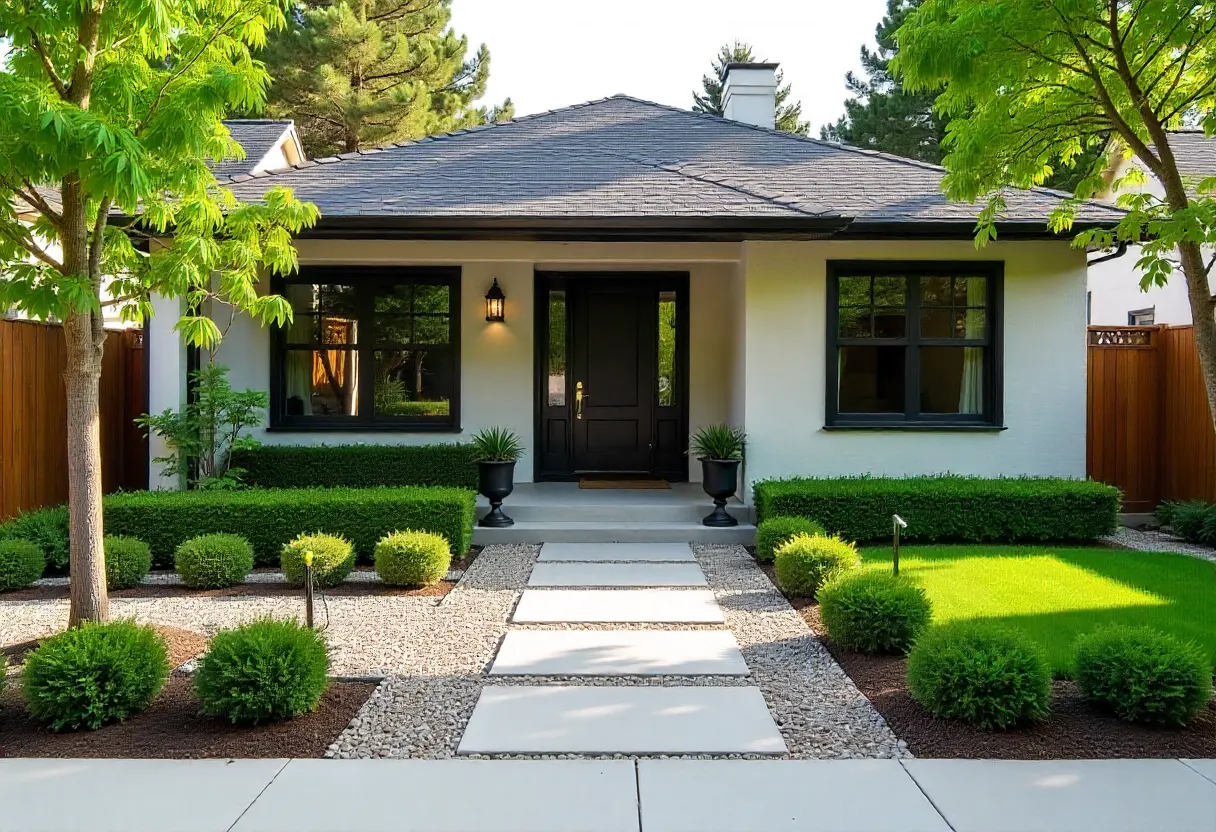
Your front yard should welcome you home, not pile on weekend chores. If you’re tired of spending hours every week mowing, trimming, and replanting, you’re not alone. Low maintenance front yard landscaping offers a smarter approach that saves time and money while keeping your home’s exterior looking sharp through every season.
The truth is, a well-designed low upkeep yard doesn’t happen by accident. It takes smart planning upfront, but once you’ve got the right elements in place, you’ll wonder why you didn’t make the switch sooner. Most homeowners I’ve talked with say they reclaim at least 3-4 hours every weekend after redesigning their front yard with maintenance in mind.
This guide walks you through practical ideas that actually work, from choosing the right plants to incorporating hardscaping that looks good year-round. Whether you’re working with a small front yard or have more space to fill, these strategies help you create curb appeal without the constant upkeep.
Low Maintenance Front Yard Landscaping Basics

What makes a front yard truly low maintenance? It comes down to three core principles: simple design, fewer plants that require attention, and materials that hold up without constant care.
Think about it this way—every plant you add is a commitment. Instead of filling every square foot with greenery, focus on quality over quantity. A simple front yard design with defined zones looks cleaner and requires less work than a busy layout with multiple flower beds.
Material choices matter more than most people realize. Natural stone doesn’t need repainting. Gravel doesn’t need mowing. Mulch suppresses weeds better than bare soil. When you select elements that naturally resist wear and need minimal intervention, you’re building maintenance savings into the design from day one.
Planning a Low Maintenance Front Yard Layout
Before you plant a single shrub or lay down gravel, take time to understand your yard’s conditions. Walk around at different times of day and notice where sunlight hits hardest and which areas stay shaded.
Check your soil type—sandy soil drains fast but needs drought-tolerant plants, while clay soil holds moisture but can cause drainage headaches. Your local climate dictates what survives without constant babying. In my experience, fighting your natural conditions is the fastest route to high maintenance problems.
Measure your space and sketch a rough layout. Group plants with similar water needs together. Place hardscaping where it makes sense for traffic flow. Plan for mature plant sizes so you’re not constantly pruning overgrowth. This upfront planning prevents costly mistakes and saves hours of corrective work down the road.
Best Plants for Low Maintenance Front Yards
Choosing the right plants transforms your workload. You want species that thrive without constant watering, fertilizing, or deadheading. Here’s what actually works:
Drought-Tolerant Options:
- Lavender (blooms beautifully, needs little water once established)
- Sedum (succulent that survives neglect)
- Russian sage (purple blooms, deer resistant)
- Yucca (architectural form, extremely hardy)
Native Plants for Your Region: Native species evolved in your climate, which means they naturally handle local weather patterns. Contact your county extension office for a list specific to your area. These plants typically need 50-70% less water than non-native alternatives.
Evergreen Front Yard Plants:
- Boxwood (classic hedge that stays green year-round)
- Dwarf conifers (structure without the size)
- Holly varieties (berries add winter interest)
- Rhododendrons (spring blooms, evergreen foliage)
Ornamental Grasses: These are game-changers for modern front yard landscaping. They move beautifully in the breeze, require almost no care, and many stay attractive even in winter. Try fountain grass, blue fescue, or maiden grass.
Ground Covers: Replace lawn sections with creeping thyme, ajuga, or pachysandra. Once established, they choke out weeds and never need mowing.
Hardscaping Ideas for Low Maintenance Front Yard Landscaping
Hardscape is your secret weapon against yard work. These solid elements create visual interest while eliminating maintenance zones completely.
Gravel and Stone Pathways: A gravel landscaping approach costs less than concrete and drains naturally. Decomposed granite compacts well for pathways. River rock in 2-3 inch sizes works perfectly for decorative borders.
Pavers and Stepping Stones: Create defined walkways that guide visitors and break up planting areas. Pavers set in sand are easier to install than you’d think. I’ve seen homeowners complete a front walkway in a weekend.
Decorative Rock Gardens: A rock garden front yard eliminates watering needs entirely in those sections. Combine various stone sizes for texture. Add a few sculptural plants like agave or ornamental grass for softness.
Edging and Borders: Steel or stone edging keeps mulch in place and creates clean lines between grass and beds. This simple addition makes your yard look professionally maintained even when you’re doing minimal work.
Low Maintenance Lawn Alternatives
Traditional grass lawns demand the most time and resources. Consider these no grass front yard ideas that still look polished.
Artificial Grass: Modern synthetic turf has come a long way. It drains properly, feels realistic, and stays green through drought and freeze. Yes, the upfront cost runs higher, but you’ll eliminate mowing, watering, and fertilizing permanently.
Clover Lawns: Micro clover stays green in drought, fixes its own nitrogen, and only grows 2-4 inches tall. It needs mowing once a month at most. The white flowers attract pollinials, which some people love and others don’t.
Mulch Beds: Front yard mulch ideas work especially well in shaded areas where grass struggles anyway. Spread 3-4 inches of hardwood mulch around trees and shrubs. Refresh the top layer every 18 months.
Rock Gardens: For a minimalist front yard landscaping look, replace entire lawn sections with decomposed granite or pea gravel. Add boulders and water wise landscaping plants for visual interest.
Mulch and Ground Cover Options
Mulch does three critical jobs: it suppresses weeds, retains soil moisture, and regulates temperature. That triple benefit makes it essential for low maintenance garden design.
Organic Mulches: Shredded hardwood bark lasts 2-3 years and enriches soil as it breaks down. Pine bark nuggets work well in larger beds. Cedar mulch repels some insects naturally.
Inorganic Options: River pebbles and lava rock never decompose, which means you lay them once and forget them. They work perfectly around front yard hardscape ideas.
Living Ground Covers: Creeping jenny, sweet woodruff, and creeping phlox spread to fill space. Once established, they prevent weeds better than any mulch layer. Water them through the first season, then they typically self-sustain.
Water-Saving Solutions for Front Yards
Even low maintenance plants need water to establish. Set up systems that work efficiently without daily attention.
Drip irrigation delivers water directly to root zones with zero waste. A simple timer automates the whole process. Most systems cost $100-200 for a typical front yard and install in a few hours.
Rain barrels capture free water from your roof. A 50-gallon barrel provides enough for most small front yard landscaping watering needs after a decent rainfall.
Smart watering schedules matter more than frequency. Deep watering once a week beats shallow daily watering. Early morning reduces evaporation. Honestly, most established low maintenance plants thrive on nature’s schedule after the first growing season.
Low Maintenance Front Yard Landscaping on a Budget
Great budget front yard landscaping doesn’t require a designer’s fees or contractor crews. Start with these cost-effective moves.
Buy native plants in smaller sizes—they establish faster than larger specimens and cost significantly less. A 1-gallon native shrub often catches up to a 5-gallon pot within two seasons.
DIY your edging using stacked stone or buried landscape timbers. Handle the labor yourself and materials typically run under $50 for a standard front yard border.
Phase your upgrades across seasons. Replace lawn with mulch one bed at a time. Add pavers one pathway per year. This approach spreads costs and lets you learn what works before committing to the whole yard.
Common Mistakes to Avoid
The biggest error I see is overplanting. People get excited at the garden center and bring home too many plants for their space. Crowded plants compete for resources and create pruning headaches.
Poor drainage ruins even the best plant choices. If water pools after rain, address grading issues before landscaping. Add French drains if needed. Soggy soil kills more plants than drought in most climates.
Choosing high-care plants defeats the whole purpose. Skip roses, hybrid tea varieties, and anything labeled “needs consistent moisture” unless you genuinely enjoy the maintenance routine.
Ignoring your climate zone wastes money. That beautiful tropical plant might survive one mild winter, but eventually it’ll freeze and you’ll replace it. Stick with plants rated for your hardiness zone.
Conclusion
Creating low maintenance front yard landscaping that stays clean all year comes down to smart choices upfront. Focus on hardy plants suited to your climate, incorporate hardscaping that eliminates maintenance zones, and design with your actual lifestyle in mind.
You don’t need to sacrifice curb appeal to gain back your weekends. The best easy front yard landscaping combines attractive elements that naturally require minimal intervention. Start with one area, apply these principles, and expand as you see what works for your specific conditions.
The time you save maintaining your yard is time you get back for things that actually matter to you. That’s the real value of a well-planned low upkeep landscape.


Comments are closed.