
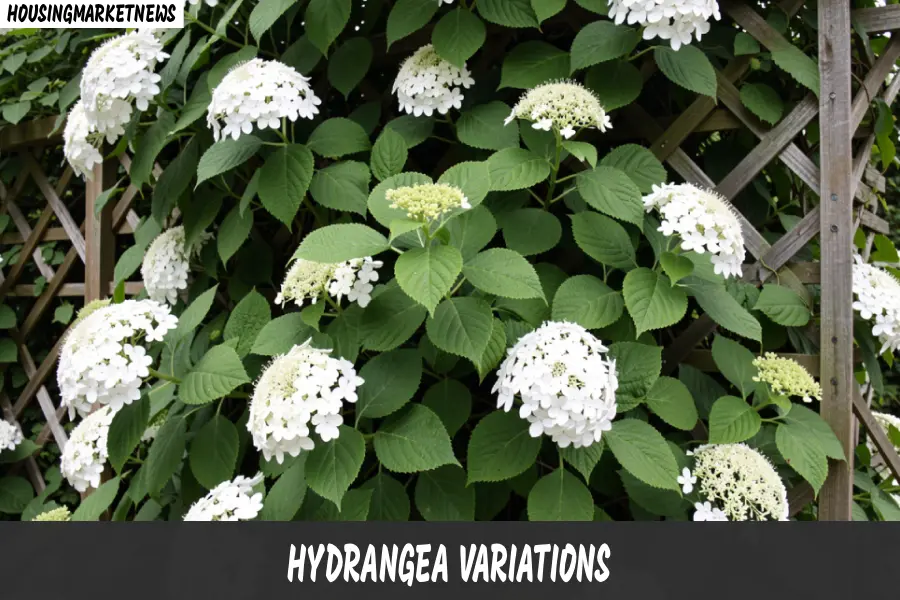
Hydrangeas captivate gardeners with their beautiful blooms and wide range of flower shapes. These flowering shrubs thrive across many regions, offering vibrant colour and lush foliage. Each hydrangea variety holds unique requirements for healthy development. Understanding these differences helps gardeners support their plants and enjoy abundant blossoms season after season.
Exploring Hydrangea Types
Several well-known hydrangea species appear in gardens. Widely grown types include large-leaved, panicle, smooth, oak-leaved, and climber hydrangeas. Different flowering habits, leaf textures, and growth forms are seen in every type. Understanding these differences and feeding hydrangeas properly is important for selecting the right plant for any garden setting.
Bigleaf Hydrangeas: Colourful and Sensitive
Bigleaf hydrangeas stand out with their pink, blue, or purple flowers formed in large, round clusters. These shrubs adapt to different soil types, especially soil pH levels. Blue blooms flourish in acidic soil, while pink blooms develop in alkaline soil. Gardeners regularly test the soil to get the desired bloom colour for each plant. These hydrangeas thrive in moist, partial shade.
Panicle Hydrangeas: Hardy and Adaptable
This hardy shrub has big, cone-shaped flower clusters called panicles. The flowers often fade from creamy white to pink over the season. These shrubs could survive in more varied conditions than more particular species. When grown in full sun with good drainage, they grow vigorously and produce gorgeous blooms. Pruning every year causes new growth and heavier blooms.
Smooth Hydrangeas: Reliable and Low-Maintenance
With round flower heads and soft foliage, these smooth hydrangeas are appealing additions to all sorts of gardens. These plants are tolerant of most soils and do well in light shade. New growth emerges rapidly in the spring, even if stems are damaged by winter weather. Prune at the end of winter or the beginning of spring to promote healthy growth and larger summer flowers.
Oakleaf Hydrangeas: Unique Leaves With Great Texture
Oakleaf hydrangeas are different and special, with deeply lobed leaves and eye-popping vertical flower spikes. They add multi-season interest with foliage that turns brilliant shades of red and orange in fall. These shrubs like well-drained soil and light shade. If grown in too much shade, they produce fewer flowers, and excessive moisture may lead to root problems.
Climbing Hydrangeas: Vertical Interest for Shady Spaces
Hydrangea petiolaris is a prominent climbing variety. With its spreading habit and lacy white flowers, climbing hydrangeas can add attractive foliage to walls, fences, or trellises. They use aerial roots to anchor themselves securely onto a variety of surfaces. They grow well in shaded or semi-shaded areas with cool and fertile soil. Climbing hydrangeas take time to grow up those walls and bloom freely.
Supporting Healthy Hydrangea Growth
Hydrangeas, like many other plants, enjoy water, particularly when it is dry. Mulching aids in moisture retention and soil temperature regulation. Early spring fertilising provides plants with nutrients for vibrant foliage and strong blooms. Different species of hydrangeas have different pruning requirements, so read up on each kind to avoid pruning off flower buds that are still developing.
Addressing Common Challenges
Sometimes, hydrangeas may experience wilting, a lack of flowering, or leaf discolouration. By watering and using the right fertiliser, most problems can be avoided. If your plants have insects, disease, or other disorders, observing them will allow you to intervene before it is too late. Selecting varieties that are best suited to the local climate and maintaining good soil health helps minimise stress and improve durability.
Choosing the Perfect Hydrangea to Fill Any Garden
Before you plant, consider your garden’s conditions, including the type of soil and sunlight you have, as well as the available space. If you want a hydrangea to grow and bloom well, then you must match its needs to the environment. Certain varieties are tolerant to heat or drought, while some others prefer cooler or more humid places. By checking with local gardening publications, gardeners know which types grow best in their area.
Final Thoughts
Hydrangeas can be stunning and provide great diversity, but not all gardeners are aware of how special their needs are. Understanding the differences of each type will allow enthusiasts to cater to the care needed for robust growth and impressive displays. When cared for with attention to soil, light, and pruning, these beloved shrubs reward their gardeners with years of vibrant blooming flowers and seasonal interest.


Comments are closed.