
In today’s environmentally conscious landscape, selecting the right insulation is crucial—not only to maintain energy efficiency but also to enhance comfort in your home or workspace. With numerous materials and types available, making the right choice can feel overwhelming. So, how can you simplify the decision-making process and ensure that you select insulation that truly delivers?
Understanding Insulation Basics
First, it’s important to grasp what insulation does. Its primary role is to minimize heat transfer, which means keeping the warm air inside during winter and the cool air inside during summer. Understanding how insulation achieves this varies with materials and techniques.
Types of Insulation Materials
There are several insulation types, often categorized by how they are installed and the materials used:
- Fiberglass Insulation: Possibly the most common type, fiberglass is made from fine glass fibers. It’s available in batts, rolls, or loose-fill forms.
- Foam Board Insulation: Rigid and efficient, foam board can provide higher R-values per inch than many other materials.
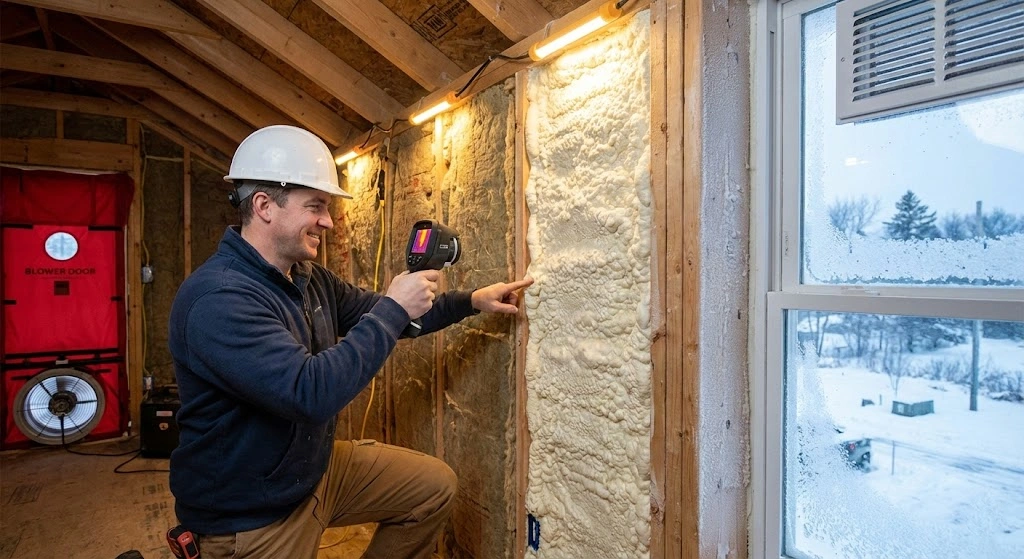
- Spray Foam Insulation: Great for irregular spaces, spray foam expands upon application, filling gaps and providing excellent air sealing.
- Cellulose Insulation: Made from recycled paper, cellulose is an eco-friendly option that also resists pests and rodents.
- Mineral Wool (Rock Wool): This non-combustible product offers superior soundproofing in addition to insulation.
To see how it all fits together and view the full range of insulation materials. Understanding the unique properties of each option is pivotal when determining which insulation best suits your needs.
Assessing Your Needs
Before diving into product selection, consider the specific needs of your space. Different factors come into play, including the climate in your area, your building type, and your budget.
Climate Considerations
- Cold Climates: If you’re in an area with long winters, consider materials with a high R-value (the measure of thermal resistance). Products like spray foam or fiberglass batts are effective in preventing heat loss.
- Hot Climates: In warmer regions, reflective insulation, such as radiant barriers, can be beneficial to reduce heat gain.
Building Type
- New Builds: If you’re constructing a new home, you have more flexibility in choosing insulation types. This is a chance to consider various options and talk through them with contractors.
- Renovations: For existing structures, consider the ease of installation and compatibility with your current system. For example, blown-in cellulose works well for retrofitting.
Budget
Insulation can vary widely in cost. While cheaper options may seem appealing upfront, it’s essential to consider long-term energy savings achieved through effective insulation. Investing in quality materials can pay off in reduced energy bills.
Installation Considerations
Selecting the right insulation isn’t just about the material—it’s also about ensuring it’s installed correctly. Poor installation can lead to gaps, air leaks, and reduced efficiency, negating the benefits of your chosen product.
DIY vs. Professional Installation
- DIY Projects: If you have a moderate level of comfort with home improvement tasks, some insulation types, like batts or rolls, can be relatively easy to install.
- Professional Help: For more complex materials, such as spray foam, it’s usually best to enlist the help of professionals. They have the equipment and expertise to ensure a tight seal and correct application.
Avoiding Common Mistakes
- Ignoring Air Leaks: Before adding insulation, seal any gaps around windows, doors, and pipes.
- Choosing the Wrong R-Value: Make sure the R-value aligns with your climate zone and building regulations.
Evaluate Additional Features
When selecting insulation, consider if you want added benefits such as soundproofing, fire resistance, or eco-friendliness. These extra features can contribute significantly to the overall comfort and safety of your space.
- Soundproofing: If noise is a concern, materials like mineral wool, which can absorb sound waves, may be beneficial.
- Fire Resistance: Materials like fiberglass and mineral wool are known for their excellent fire resistance.
- Eco-Friendliness: Insulation made from recycled materials or with low volatile organic compounds (VOCs) can contribute to a healthier indoor environment.
Long-Term Performance and Maintenance
Choosing insulation isn’t a one-time decision. It’s essential to assess how well your insulation performs over time.
- Regular Checks: Periodically inspect the insulation, especially in areas like the attic or crawl space, to ensure it hasn’t settled or been compromised.
- Energy Bills: Keep an eye on your utility expenses. A sudden spike may indicate insulation issues, prompting further investigation.
Conclusion
Choosing the right insulation can lead to significant benefits in energy efficiency, comfort, and even property value. By understanding the types, assessing climate conditions, considering installation options, and evaluating additional features, you can make an informed decision.
In the quest for effective insulation, remember that the initial choice sets the stage for your home or workspace’s long-term performance. Take the time to explore and research, ensuring that you select materials that align with your goals for efficiency, comfort, and sustainability. The landscape of insulation materials is vast, but with careful consideration, you can find the perfect match to suit your needs.


Comments are closed.