
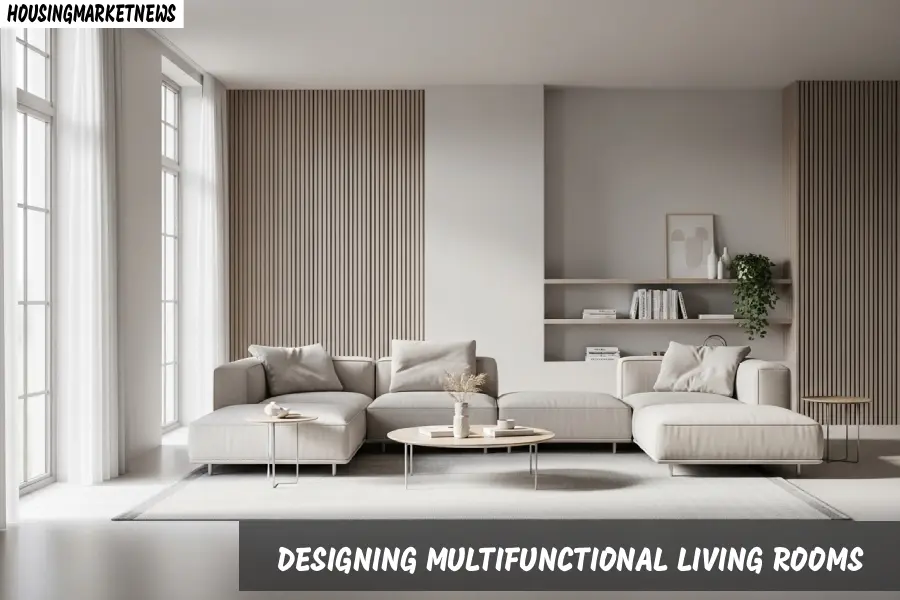
Creating these versatile spaces requires more than simply cramming multiple functions into one room. The art lies in crafting environments that flow seamlessly between activities while maintaining their essential comfort and beauty. Smart furniture choices and thoughtful layouts become the foundation of this transformation.
The Rise of Multifunctional Furniture in Living Room Design
Take contemporary sectional sofas, for instance—their modular nature allows you to reconfigure them for everything from intimate movie nights to bustling holiday gatherings, embodying the very essence of multifunctional elegance.
The magic of multifunctional furniture lies in its ability to serve multiple masters without compromise. Each piece becomes a chameleon, adapting to whatever role the moment demands. That storage ottoman isn’t just extra seating—it’s also your coffee table and the secret keeper of throw blankets and board games. An expandable dining surface gracefully shifts from cozy breakfast nook to dinner party centerpiece.
This approach proves especially valuable in today’s urban landscape, where every square foot comes with a premium price tag. The smartest pieces offer:
- Hidden storage that keeps clutter at bay
- Surfaces that transform with your needs
- Components that rearrange as easily as puzzle pieces
- Thoughtful details like integrated charging stations
What separates quality modular furniture from its lesser counterparts is engineering that withstands constant change. The best pieces disassemble and reassemble countless times without loosening joints or compromising stability. This durability extends their usefulness far beyond traditional furniture lifespans while supporting more sustainable living practices.
Interior designers have long understood this balancing act between beauty and utility. Picture a family room that quietly shifts into a productive workspace during school hours, with storage pieces cleverly concealing laptops and paperwork. Come evening, those same elements help restore the room’s relaxed atmosphere, as if the workday never happened.
Layouts That Maximize Versatility and Flow
The secret to successful multifunctional design isn’t found in walls or rigid divisions—it’s discovered in the subtle art of creating flexible zones. The most effective spaces use gentle suggestions rather than hard boundaries to define different areas, allowing activities to ebb and flow naturally throughout the day.
Think of area rugs as invisible rooms within rooms, defining conversation areas without blocking sight lines. Low-profile furniture maintains that crucial sense of openness, while movable elements—a folding screen here, a carefully positioned plant there—offer privacy when needed and disappear when it’s not.
Lighting becomes your secret weapon in this dance of transformation. Well-placed lamps and fixtures help distinguish the focused energy of a work zone from the soft comfort of an evening retreat.
Key Takeaway: Harness natural light and gentle curves to ease transitions between different zones. This approach doesn’t just look better—it actually supports wellbeing by creating spaces that feel open and stress-free rather than cramped and chaotic.
Consider how a simple writing desk positioned near a window serves double duty: a bright workspace during daylight hours that easily moves aside for evening family time. The room maintains its primary identity while gracefully accommodating life’s varied demands.
Incorporating Natural Materials and Textures for Enduring Appeal
There’s something inherently grounding about natural materials—the warmth of reclaimed wood, the honest texture of linen, the cool strength of stone. These elements bring an organic quality to multifunctional spaces that synthetic materials simply can’t match. They also pair beautifully with sleek, contemporary designs, adding soul to spaces that might otherwise feel sterile.
Natural textures become particularly powerful in rooms that serve multiple purposes. The layering technique—think smooth leather against nubby wool, or polished walnut alongside rough-hewn stone—creates visual depth without adding clutter. This restraint proves crucial in multifunctional spaces where simplicity supports versatility.
Sustainable choices like bamboo flooring or furniture crafted from reclaimed wood offer proven longevity advantages. These materials don’t just endure years of varied use—they actually improve with age, developing a patina and character that enhances the space’s appeal over time.
Color and Statement Elements for Personalized Comfort
The right color palette can make or break a multifunctional space. Earthy tones—warm browns, forest greens, rich terracotta—create atmospheres that feel both cozy and adaptable. These foundational colors provide the perfect backdrop for brighter accent pieces that inject personality and energy.
Color strategies that support multifunctional success include:
- Building from neutral foundations that won’t compete with changing activities
- Adding personality through easily swappable accents and accessories
- Using metallic touches to bridge different color temperatures
Statement pieces earn their keep by pulling double duty as both functional furniture and artistic focal points. A sculptural coffee table or uniquely shaped armchair becomes a conversation starter while serving practical needs—the perfect embodiment of multifunctional philosophy.
Today’s design wisdom favors spaces that prioritize genuine comfort alongside visual appeal. The goal isn’t perfection but rather the feeling that every element was chosen with intention and care.
Practical Tips for Implementation and Maintenance
Creating a successful multifunctional living room starts with honest self-reflection. How do you actually live in your space? What activities happen daily versus occasionally? This assessment guides every subsequent decision, from furniture selection to layout planning.
The biggest mistake? Trying to cram too many multifunctional pieces into one space. The result often feels chaotic rather than streamlined. Instead, choose fewer, higher-quality pieces that truly earn their place through both beauty and utility.
When evaluating your space’s potential, consider:
– Which activities happen most frequently versus occasionally
– Available floor space and existing storage challenges
– Natural light patterns and electrical outlet placement
– How foot traffic moves through the room during different times of day
Quality craftsmanship should always trump trendy features when selecting key pieces. Well-made furniture adapts to evolving styles through accessories and styling changes rather than requiring complete replacement—a more sustainable and economical approach.
Bringing It All Together: Crafting Your Ideal Space
The most successful multifunctional living rooms don’t announce themselves with fanfare. Instead, they quietly support daily life through thoughtful combinations of adaptable furniture, strategic layouts, natural materials, and personally meaningful design choices. These elements weave together to create spaces that evolve naturally with changing circumstances while maintaining their essential character.
Great design pays dividends far beyond initial aesthetics. When your space truly supports how you live, the satisfaction deepens over time. Rather than forcing your lifestyle to fit rigid room layouts, multifunctional design allows your environment to adapt and grow with you.
Start your transformation with intention but not overwhelm. Choose one key piece—perhaps a versatile seating arrangement or clever storage solution—then build gradually around that foundation. This approach lets you discover what works best in your specific space while creating a personalized retreat that genuinely reflects your needs and enhances your daily life.

Comments are closed.