Author

Michelle Hayes

Browsing

Selling your house in the UK can feel overwhelming, especially when deciding what to fix before putting it on the market. Many sellers wonder, “Should I repair everything, or are there things I can leave as they are?” The truth is, knowing what not to fix when selling a house in the UK can save you time, money, and stress. In fact, focusing on the right repairs—and skipping the unnecessary ones—can help you attract buyers and get a better return on your investment.

Understanding Buyer Expectations in the UK

When you’re preparing your house for sale, it’s natural to want everything to look perfect. But UK buyers often expect some level of wear and tear, especially in lived-in homes. They’re usually more interested in the property’s potential than its current decor or minor flaws. Many buyers even look forward to making their own improvements, so they’re not put off by a few scratches or outdated wallpaper.

For example, a family moving into a new home may already have plans to redecorate or renovate. They might prefer to choose their own kitchen or bathroom style rather than pay extra for recent upgrades they don’t love. This means you don’t have to worry about fixing every little thing—sometimes, leaving things as they are is the smarter choice.

In fact, over-fixing can backfire. If you spend too much on upgrades, you might not get that money back in the sale price. Buyers may see your efforts as unnecessary or even want to undo them. Understanding what buyers value helps you focus your time and budget where it matters most.

Major Repairs vs. Cosmetic Fixes

One of the biggest questions sellers face is whether to tackle major repairs or just focus on cosmetic fixes. In the UK, it’s usually best to address essential issues that could affect the sale, like structural problems, damp, or faulty electrics. These are the kinds of things that show up in surveys and can scare off buyers or lead to price negotiations.

On the other hand, cosmetic issues—like chipped paint, old carpets, or slightly worn flooring—are rarely deal-breakers. Most buyers expect to make some changes after moving in. For example, if your living room carpet is a bit faded but clean, it’s usually fine to leave it. A fresh coat of paint on the walls can help, but there’s no need to go overboard with expensive wallpaper or trendy colours.

A real-life example: Sarah, a seller from Manchester, worried about her outdated kitchen tiles. Her estate agent advised her not to replace them, explaining that buyers would likely update the kitchen to suit their own tastes. Instead, Sarah focused on making sure everything was clean and tidy—and her house sold quickly, without the extra expense.

Major Repairs vs. Cosmetic Fixes

Outdated Kitchens and Bathrooms: When to Leave Them Alone

Kitchens and bathrooms are important to buyers, but that doesn’t mean you need to do a full renovation before selling. In fact, upgrading these rooms can be very costly, and you might not get your money back. If your kitchen and bathroom are functional—even if they’re a bit old-fashioned—it’s usually best to leave them as they are.

Most buyers want to put their own stamp on these spaces. They may have strong preferences for colours, layouts, or appliances. Instead of spending thousands on a new kitchen or bathroom, consider small touch-ups like cleaning, repainting cabinets, or fixing any obvious problems. This approach keeps your costs low and lets buyers imagine how they’ll make the space their own.

Think about it: if you install a brand-new kitchen, the buyer might not like your choices and decide to rip it out anyway. That’s money wasted. By leaving these rooms functional but not fancy, you give buyers a blank canvas—and keep more money in your pocket.

Minor Cosmetic Imperfections: Don’t Sweat the Small Stuff

It’s easy to get caught up in fixing every scratch, scuff, or mark in your home. But minor cosmetic imperfections are rarely a big deal to buyers. Small scratches on walls, slightly worn carpets, or outdated wallpaper are all part of a lived-in house. Most buyers expect to repaint or redecorate after moving in.

Instead of spending time and money on superficial updates, focus on making the house clean and welcoming. A deep clean, tidy rooms, and fresh air can make a huge difference. If you have leftover paint, you can touch up obvious marks, but there’s no need to repaint the whole house unless it’s really needed.

For example, Tom was worried about the faded paint in his hallway. His estate agent told him not to stress—most buyers would repaint anyway. Tom focused on cleaning and decluttering, and his house sold above asking price. Sometimes, less is more when it comes to cosmetic fixes.

Appliances and Fixtures: Don’t Replace What Works

Another common question is whether to replace old appliances or fixtures before selling. In most cases, you don’t need to buy new ones if the existing ones are working. Buyers often bring their own appliances or plan to upgrade after moving in. Spending money on a new dishwasher or oven is unlikely to boost your sale price.

The same goes for light fixtures, taps, and handles. As long as everything is functional and safe, there’s no need to update them just for the sale. If something is broken, fix it—but don’t splash out on replacements. Most buyers see these details as easy and inexpensive to change themselves.

A real-life example: Jane considered replacing her old washing machine before selling. Her agent advised her to leave it, as buyers would probably want to choose their own. Jane saved money and sold her house without any complaints about the appliances.

Flooring and Carpets: Replace or Refresh?

Worn carpets and scratched floors are common in many homes, especially those with kids or pets. The good news is, you don’t have to replace all the flooring before selling. Most buyers overlook minor wear and tear, knowing they can update the flooring to suit their style later.

Instead of replacing carpets or hardwood floors, consider a professional cleaning or a quick refresh. Sometimes, a good clean can make old carpets look much better. If you have hardwood floors, refinishing them is usually cheaper and more effective than replacing them entirely.

For example, Sam had a few scratches on his wooden floors. Rather than replacing the whole floor, he sanded and polished the worst spots. The result was a tidy, well-kept appearance that impressed buyers—without a huge expense.

Landscaping and Curb Appeal: Keep It Simple

First impressions matter, but you don’t need to invest in elaborate landscaping before selling your house. Buyers appreciate a tidy garden, but they’re not expecting a showpiece. Focus on basic maintenance like mowing the lawn, trimming hedges, and clearing away debris.

There’s no need to plant expensive flowers or install new features. In fact, some buyers prefer a simple garden they can design themselves. Keep things neat and let buyers imagine the possibilities.

A real-life example: The Browns were tempted to add a new patio before selling. Their agent suggested they stick to basic gardening and let buyers decide on any big changes. The house sold quickly, and the new owners later created their own dream garden.

Partial Renovations: Don’t Rush to Finish

If you’ve started a renovation but haven’t finished, it can be tempting to rush through the work before selling. However, buyers often prefer a blank slate to a half-finished project. Unfinished renovations can look rushed or poorly done, which might put buyers off.

Instead, be honest about the state of the project and price your home accordingly. Buyers may see the potential and want to complete the work themselves, choosing their own style and materials. Trying to finish quickly can lead to mistakes and extra costs, so it’s usually better to leave things as they are.

For example, Emma had started updating her bathroom but didn’t finish before deciding to sell. Rather than rushing, she left it as a project for the next owner. The buyers appreciated the opportunity to finish it their way and made a strong offer.

When Should You Make Repairs?

While there’s a lot you can skip, some repairs are important. Major structural issues, damp, faulty electrics, or plumbing problems should be addressed before selling. These issues can show up in surveys and may cause buyers to walk away or ask for a big price reduction.

It’s also important to fix anything that could be a safety hazard, like broken steps or exposed wires. Addressing these problems helps your house pass surveys and gives buyers confidence in their purchase.

A good rule of thumb: focus on repairs that affect the value, safety, or saleability of your home. Leave cosmetic and personal preference updates for the buyer.

In the UK, sellers are required to disclose certain information about their property. This includes known structural issues, damp, planning permissions, and any disputes with neighbours. Being honest and transparent helps build trust with buyers and avoids legal problems later.

You don’t have to fix every issue, but you do need to let buyers know about anything significant. For example, if you know about a roof leak or a history of flooding, you must inform potential buyers. This way, everyone knows what to expect, and there are no surprises after the sale.

The Dangers of Over-Renovating

Spending too much on upgrades before selling can be a costly mistake. Over-renovating often means you won’t get your money back, and buyers may not appreciate your choices. It’s easy to get carried away with the idea of making your home perfect, but most buyers want to add their own touches.

Focus on essential repairs and simple updates that make your home clean and inviting. Avoid big projects that won’t add value or could even turn buyers away. Remember, your goal is to sell—not to create your dream home for someone else.

A real-life example: Mark spent thousands on high-end fixtures and new carpets before selling. The buyers loved the house but planned to redecorate anyway. Mark realised he could have saved money by sticking to the basics.

Getting Expert Advice

If you’re unsure what to fix and what to leave, ask a local estate agent for advice. They know what buyers in your area are looking for and can help you make smart decisions. Sometimes, a quick chat with an expert can save you a lot of time and money.

You can also consider a pre-sale survey to identify any major issues. This helps you focus on the repairs that really matter and gives buyers confidence in your property. Remember, every house is different, so tailor your approach to your home and your market.

Conclusion: Focus on What Matters Most

Knowing what not to fix when selling a house in the UK is just as important as knowing what to repair. By skipping unnecessary upgrades and focusing on essential repairs, you can save money, reduce stress, and attract more buyers. Most buyers expect to make changes after moving in, so don’t worry about perfection—just make sure your home is clean, safe, and welcoming.

Selling your house doesn’t have to be complicated. With the right approach, you’ll get the best price without overspending on fixes that won’t pay off. Trust your instincts, get expert advice, and remember: sometimes, less really is more when it comes to preparing your home for sale.

For more in-depth insights and the latest updates on the housing market, visit Housing Market News and stay informed about real estate trends, home improvement tips, and property news.
What Is a Kitchen Backsplash Tile?

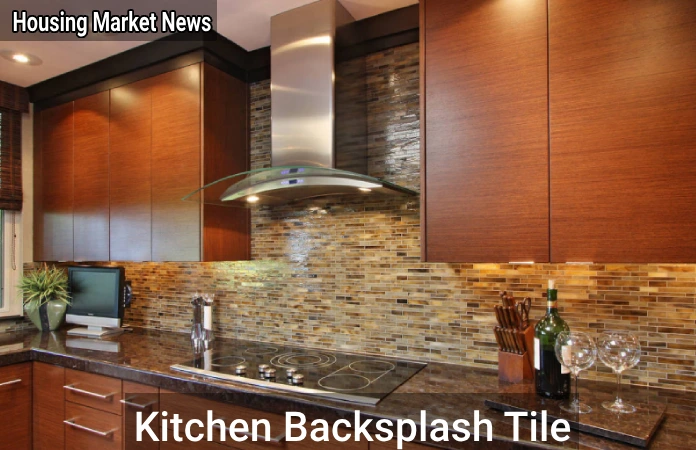
A kitchen backsplash tile is a special type of tile installed on the wall behind your stove, sink, or countertops. The main job of a kitchen backsplash tile is to protect your walls from splashes, stains, and moisture. But these tiles do much more than just guard your kitchen walls—they also add color, style, and personality to your cooking space. Using kitchen backsplash tile is a smart way to make your kitchen look fresh and inviting, while also making cleaning up easier.

Many people choose kitchen backsplash tile because it’s easy to wipe down and keeps the kitchen looking neat. Whether you’re cooking a big family meal or making a quick snack, spills and splatters happen. With a backsplash tile, you don’t have to worry about stains sticking to your walls. Plus, you can pick from so many colors, patterns, and materials that it’s easy to match your kitchen’s style.

A kitchen backsplash tile isn’t just about looks—it’s also about function. The right tile can help prevent water damage, stop grease from soaking into your walls, and even keep pests away by sealing small gaps. If you want a kitchen that’s both beautiful and practical, a backsplash tile is a must-have feature.

Benefits of Kitchen Backsplash Tile

Kitchen backsplash tile offers many benefits that make it a favorite choice for homeowners. First, it’s incredibly easy to clean. A quick wipe with a damp cloth or sponge is usually all it takes to remove grease, sauce, or food splatters. This makes it perfect for busy families who want to spend less time scrubbing and more time enjoying their meals.

Another big benefit of kitchen backsplash tile is its durability. Tiles are built to last, and they can handle the heat, moisture, and daily wear and tear that comes with cooking. Many types of tiles, like ceramic and porcelain, are resistant to water and stains, so you don’t have to worry about them getting damaged easily.

Kitchen backsplash tile also adds a protective layer to your walls. This helps prevent water damage and keeps your kitchen looking new for longer. Plus, a stylish backsplash can increase the value of your home. Many buyers love seeing a modern, well-designed kitchen, and a beautiful backsplash tile can make your space stand out.

Types of Kitchen Backsplash Tile

There are many types of kitchen backsplash tile, each with its own look and benefits. Ceramic tiles are a classic choice because they’re affordable, easy to clean, and come in many colors and patterns. Porcelain tiles are similar but even tougher, making them great for busy kitchens. They’re also resistant to bacteria and odors, which is a big plus for families.

Glass tiles are another popular option. They reflect light, making your kitchen feel bigger and brighter. Glass tiles come in many colors and designs, so you can create a bold or subtle look. They’re also easy to clean and resist mold and mildew, which helps keep your kitchen healthy.

Natural stone tiles, like marble or slate, bring a touch of luxury and warmth to your kitchen. Each stone tile is unique, so you get a one-of-a-kind look. Stone tiles are very durable but may need a little more care to keep them looking their best. Some people also use metal or stainless steel tiles for a modern, industrial feel. These are super easy to clean and last a long time.

Choosing the Right Kitchen Backsplash Tile

When picking a kitchen backsplash tile, think about your kitchen’s style, your budget, and how much maintenance you want to do. If you love a classic look, ceramic or subway tiles are a safe bet. They never go out of style and match almost any kitchen design. For a modern or bold look, try mosaic tiles, geometric patterns, or even a mix of different shapes and colors.

Consider the size of your kitchen, too. Lighter-colored tiles can make a small kitchen feel bigger and brighter, while darker tiles add drama and depth to larger spaces. If you want something easy to clean, choose tiles with fewer grout lines, like larger tiles or glass panels. Grout can collect dirt, so the less you have, the easier it is to keep your backsplash sparkling.

It’s also smart to get samples of your favorite tiles and see how they look in your kitchen’s lighting. Sometimes a tile that looks great in the store might look different at home. Take your time, ask for advice if you need it, and pick a tile that makes you happy every time you walk into your kitchen.

Kitchen backsplash tile trends are always changing, but some styles remain timeless. Subway tiles are a classic favorite because they’re simple, clean, and easy to match with any kitchen. Lately, more people are choosing bold, geometric patterns and textured tiles to add interest and personality to their kitchens.

Mix-and-match designs are also popular. By combining tiles in different colors, shapes, or patterns, you can create a backsplash that’s truly unique. Mosaic tiles let you play with color and design, making your kitchen stand out. Some homeowners are even using metallic or glass tiles for a modern, shiny look that reflects light and makes the space feel open.

Another trend is using large-format tiles or even installing tiles vertically or diagonally instead of the usual horizontal layout. This can make your kitchen look more spacious and adds a creative twist to traditional designs. No matter what trend you choose, the best backsplash is one that fits your style and makes your kitchen a place you love to be.

How to Install Kitchen Backsplash Tile

Installing kitchen backsplash tile can be a fun DIY project or something you hire a pro to do. First, you need to measure your space and decide how high you want your backsplash to go. Most people install it from the countertop to the bottom of the cabinets, but you can go higher for a dramatic effect.

Next, clean the wall and make sure it’s smooth. If you’re doing it yourself, use tile adhesive to stick the tiles to the wall, starting at the center and working outwards. Use spacers to keep the tiles even and straight. Once the adhesive dries, fill the gaps with grout and wipe away any extra. Let everything dry before using your kitchen again.

If you’re using glass or stone tiles, you might want to hire a professional. These materials can be tricky to cut and install. But with a little patience and the right tools, many homeowners find that installing a kitchen backsplash tile is a rewarding project that adds value and style to their home.

Caring for Your Kitchen Backsplash Tile

Taking care of your kitchen backsplash tile is easy if you follow a few simple steps. Wipe the tiles regularly with a damp cloth or sponge to remove any food splatters or grease. For tougher stains, use a mild cleaner that’s safe for your tile type. Avoid harsh chemicals, especially on natural stone, as they can cause damage or discoloration.

Check the grout lines every so often. If they start to look dirty, you can clean them with a soft brush and a gentle cleaner. For natural stone tiles, make sure to reseal them every year or so to keep them looking their best and to protect them from stains.

If you notice any cracked or loose tiles, fix them right away to prevent water from getting behind the backsplash. With just a little regular care, your kitchen backsplash tile will stay beautiful and protect your kitchen for many years.

Real-Life Examples and Inspiration

Many families have transformed their kitchens with a new backsplash tile. For example, one homeowner chose classic white subway tiles for a clean, timeless look that made their small kitchen feel bigger. Another family picked colorful mosaic tiles to add a splash of fun and personality to their modern kitchen, making it the heart of their home.

Some people love the look of natural stone, so they installed marble tiles for a touch of luxury. Others went with glass tiles to reflect light and brighten up a dark space. One creative cook even used a mix of different tiles to create a unique pattern that became the main feature of their kitchen.

No matter your style or budget, there’s a kitchen backsplash tile that can help you create a space you love. With so many choices, you can find the perfect tile to match your taste and make your kitchen both beautiful and practical.

Final Thoughts on Kitchen Backsplash Tile

Kitchen backsplash tile is one of the best ways to update your kitchen and add both style and function. It protects your walls, makes cleaning up easy, and lets you show off your personal style. With so many types, colors, and patterns to choose from, you can create a kitchen that’s truly your own.

From classic subway tiles to bold mosaics and shiny glass, there’s a kitchen backsplash tile for every taste and budget. Take your time exploring the options, and don’t be afraid to get creative. Whether you’re remodeling your whole kitchen or just want a quick update, a new backsplash tile can make a big difference.

Remember, the best kitchen backsplash tile is the one that makes you smile every time you walk into your kitchen. So start planning, get inspired, and enjoy the process of transforming your kitchen into a space you’ll love for years to come.

For more in-depth insights and the latest updates on the housing market, visit Housing Market News and stay informed about real estate trends, home improvement tips, and property news.

House Prices Reach a New Record High in April 2025

House prices hit a new record high in April 2025, with the average asking price for a home in the UK soaring to £377,182. This is the highest figure ever recorded, and it’s a big jump from last month’s average of £371,870. The main keyword, “house prices hit new record high April 2025,” is on everyone’s mind as buyers and sellers react to this surprising surge.

This 1.4% monthly increase is much larger than the usual rise for April, which is typically around 1.2%. Even with recent changes to stamp duty and global economic uncertainty, the UK housing market is showing remarkable strength. Many people are wondering what’s behind this record, and what it means for anyone looking to buy or sell a home right now.

Why Are House Prices Rising So Fast?

One of the biggest reasons house prices are rising is because more people want to buy homes. In April 2025, new home-buyer demand is up by 5% compared to last year. At the same time, the number of new sellers coming to market has increased by 4%. This means there are more homes for sale, but also more buyers competing for them.

Spring is always a busy time for the housing market, but this year’s jump is bigger than usual. Experts say that the end of the temporary stamp duty holiday in early April made some buyers rush to complete their purchases. Even after the stamp duty changes, most people are still moving forward with their plans to buy or sell a home.

Another factor is the recent dip in mortgage rates. Some lenders, like Barclays, have cut rates below 4%, making it easier for buyers to afford a home. If the Bank of England lowers the base rate in May, mortgage rates could drop even more, giving buyers a further boost.

The Impact of Stamp Duty Changes

Stamp duty is a tax that buyers pay when purchasing a home. In April 2025, the rules changed, making the tax less generous for some buyers, especially in England and Northern Ireland. Before April, no stamp duty was charged on homes up to £250,000. Now, a 2% charge applies to homes between £125,001 and £250,000.

Despite these changes, the housing market hasn’t slowed down. There was a rush to complete sales before the new rules took effect, but most buyers who missed the deadline are still going ahead with their purchases. The number of home sales falling through has not increased, showing that people are determined to move, even with higher taxes.

Experts believe that the high number of homes for sale is helping to keep the market moving. With more choice, buyers can find homes that fit their needs, and sellers are still able to find buyers if they price their homes correctly.

Regional Differences: Where Are Prices Rising the Most?

Not all parts of the UK are seeing the same level of price growth. The Midlands, northern England, Wales, and Scotland are experiencing above-average increases in buyer demand and have set new asking price records this month. These regions are attracting more buyers, possibly because homes are more affordable compared to the South.

In contrast, the South West and South East, which are known for higher house prices, are seeing smaller increases in both demand and prices. London is a unique case. Even though there are fewer buyers enquiring than last year, the average asking price in London has reached a new record, just shy of £700,000. However, experts warn that this trend might not last, as London is more affected by global events and currently has weaker demand.

This north-south divide shows that local factors, such as job opportunities and affordability, play a big role in shaping the housing market. Each region is responding differently to the changes in stamp duty, mortgage rates, and buyer demand.

What’s Happening With Mortgage Rates?

Mortgage rates are a key factor in the housing market. In April 2025, the average five-year fixed mortgage rate is 4.72%, just below 5% and slightly lower than last year. Some lenders have even dropped rates below 4%, making it more affordable for buyers to borrow money.

If the Bank of England decides to cut the base rate in May, mortgage rates could fall even further. This would make monthly payments lower for buyers, helping more people afford to buy a home. Lower mortgage rates are good news for both buyers and sellers, as they can encourage more people to enter the market.

However, experts say that buyers are still price sensitive. Even with lower mortgage rates, homes that are overpriced tend to sit on the market longer. Sellers need to be careful when setting their asking price, as buyers have more options and are looking for good value.

The Role of Supply and Demand

The number of homes for sale in April 2025 is at a decade-high, giving buyers more choice than ever before. This increase in supply is matched by a rise in demand, with more people looking to buy homes. When there are more buyers and more homes for sale, the market becomes more competitive.

Experts say that getting the price right is crucial. Homes that are priced correctly are more likely to sell quickly and without needing a price reduction. Overpriced homes stand out for the wrong reasons and may take much longer to find a buyer.

Real-life examples show that popular homes, especially those in good locations or with unique features, can even sell for above the asking price. However, if a home is priced too high, it may get fewer viewing requests, as buyers are careful with their budgets.

How Are Buyers and Sellers Responding?

Despite the changes in stamp duty and the end of the temporary holiday, most buyers and sellers are carrying on with their plans. The queue of buyers waiting to complete their home purchases shrunk by 24,000 in March, the first time this backlog has dropped since the pandemic in 2020. This shows that people are eager to move and are not being put off by higher taxes or economic uncertainty.

Sellers are also feeling confident, with many entering the market even after the stamp duty changes. The high number of homes for sale means that competition is strong, and sellers need to work closely with their estate agents to set the right price and attract buyers.

Some sellers who are not in a rush are testing the market with higher asking prices, but they are seeing fewer viewing requests. This suggests that buyers are still looking for good deals and are not willing to overpay, even in a busy market.

What Does the Future Hold for House Prices?

Looking ahead, experts predict that house prices will continue to rise, but at a slower pace. Most forecasts suggest growth of 2% to 4% for the rest of 2025, depending on how quickly interest rates fall and what happens in the wider economy.

The government’s plans to build more homes could help bring prices down in the long term, but it will take time for new housing to have an impact. For now, the shortage of homes and strong demand are likely to keep prices high.

Global events, such as new trade tariffs and changes in the US economy, could also affect the UK housing market. If the Bank of England cuts rates further, mortgage rates could drop, making it easier for buyers to afford homes and keeping the market active.

Real-Life Stories From the Market

Many buyers and sellers are sharing their experiences in this fast-moving market. For example, a family in the Midlands managed to sell their home above the asking price after just one week on the market. They credited their success to working closely with their estate agent and setting a realistic price from the start.

In London, a first-time buyer found that even though there were fewer homes to choose from, prices were still high. They decided to look in the outer boroughs, where homes were more affordable and there was less competition. This move allowed them to find a home within their budget, even with the new stamp duty rules.

Estate agents across the country are reporting that homes in good condition and priced correctly are selling quickly, while those that are overpriced are taking longer to sell. This shows that buyers are doing their homework and are not afraid to walk away if a home doesn’t offer good value.

Tips for Buyers and Sellers in 2025

If you’re thinking about buying a home in 2025, it’s important to get your finances in order and shop around for the best mortgage rates. With more homes on the market, you have plenty of options, but you’ll need to act quickly if you find a home you love.

For sellers, working with a local estate agent can help you set the right price and attract serious buyers. Make sure your home is in good condition and ready for viewings, as buyers are looking for homes that are move-in ready.

Both buyers and sellers should keep an eye on mortgage rates and any changes from the Bank of England, as these can have a big impact on affordability and market activity.

Conclusion: A Resilient and Dynamic Market

House prices hitting a new record high in April 2025 shows just how resilient and dynamic the UK property market is. Despite changes to stamp duty, global uncertainty, and a decade-high number of homes for sale, both buyers and sellers are staying active and confident.

With mortgage rates expected to fall further and strong demand in many regions, the market looks set to remain busy in the months ahead. Whether you’re buying or selling, understanding the latest trends and working with experts can help you make the most of this exciting time in the UK housing market.

For more in-depth insights and the latest updates on the housing market, visit Housing Market News and stay informed about  real estate trends, home improvement tips, and property news.

Sedona Prince House is more than just a home—it’s a symbol of success, hard work, and a dream come true for one of basketball’s most inspiring young stars. Right now, everyone’s talking about Sedona Prince House, and for good reason. It’s not just about the price tag, which sits around $1,060,000, but about the story behind it, the person who owns it, and the amazing views that come with living in Sedona, Arizona. People want to know what makes Sedona Prince House so special, what’s inside, and how it fits into the life of a rising sports icon. And honestly, who wouldn’t be curious?

With Sedona’s red rocks outside the window and a basketball legend inside, this house is the perfect mix of comfort, style, and inspiration. Let’s take a closer look at Sedona Prince House, the person behind it, and why this home is making headlines in 2025.

Who is Sedona Prince?

Sedona Prince is a name that’s been echoing through basketball courts and social media feeds for years. She’s not just tall—standing at 6 feet 7 inches, she’s one of the tallest players in NCAA women’s basketball history—but she’s also a powerhouse on and off the court. Born on May 12, 2000, in Hemet, California, Sedona grew up in Liberty Hill, Texas, where she started playing basketball in the fourth grade. Her mom, Tambra, was a two-sport athlete, and her dad, James, served in the U.S. Marine Corps. So, you could say sports and discipline run in her blood.

But Sedona isn’t just about basketball. She’s a social media star, an advocate for gender equality in sports, and a fighter for athletes’ rights. She’s played for the Texas Longhorns, Oregon Ducks, and most recently, the TCU Horned Frogs. Her journey hasn’t been easy—she’s battled injuries, transfer rules, and even took on the NCAA to fight for fair treatment of athletes. And she’s done it all with a smile, a sense of humor, and a huge following on TikTok.

When it comes to money, Sedona’s doing pretty well. Her net worth is around $2 million, thanks to her basketball career, NIL (Name, Image, and Likeness) deals, and endorsements with brands like Buick, Crocs, Taco Bell, and more. She doesn’t just have a house—she’s got a lifestyle that includes a nice car collection, and while there’s no word on a yacht or private jet yet, with her drive, who knows what’s next?

Full Name Sedona Prince
Date of Birth May 12, 2000
Place of Birth Hemet, California, USA
Height 6 ft 7 in (201 cm)
Position Power Forward / Center
College Teams Texas Longhorns, Oregon Ducks, TCU Horned Frogs
Major Achievements McDonald’s All-American (2018), Big 12 Player of the Week (4x)
Net Worth $2 million (2024)
Cars Multiple (details private)
Homes Sedona Prince House (Sedona, AZ)
Social Media TikTok: @sedonerrr
NIL Deals 20+ major brands
Relationship Status Single (as of 2025)

Where Does Sedona Prince Live Now?

Right now, Sedona Prince calls Sedona, Arizona, home. And honestly, it’s hard to imagine a better place for someone who loves nature, peace, and a little bit of adventure. Sedona is famous for its red rock formations, clear blue skies, and a vibe that’s both laid-back and a little bit magical. The town is small but packed with charm—think art galleries, hiking trails, and sunsets that look like they’re straight out of a painting.

Sedona Prince House sits in a quiet neighborhood, surrounded by juniper trees and with a view that stretches all the way to Cathedral Rock. The area is safe, friendly, and full of people who love the outdoors. It’s the kind of place where you can go for a morning hike, grab coffee at a local café, and still make it home in time to catch the game. And with Sedona’s real estate market being a bit of a hot topic, owning a house here is a big deal. The average home value in Sedona is around $1,060,000, and homes don’t stay on the market for long.

Sedona Prince House

Sedona Prince House isn’t just a place to sleep—it’s a reflection of Sedona’s personality, style, and love for the game. The house is modern but cozy, with big windows that let in tons of natural light and show off those famous red rocks. It’s got enough space for friends, family, and maybe even a few teammates to hang out. And with Sedona’s busy schedule, it’s the perfect spot to relax, recharge, and get ready for whatever comes next.

1. Where Is Sedona Prince House?

Sedona Prince House is tucked away in one of Sedona’s best neighborhoods. It’s close enough to town that you can walk to shops and restaurants, but far enough away that you get peace and quiet. The house sits on a gentle slope, giving it a great view of the red rocks and the valley below. The street is lined with trees, and there’s a sense of privacy that’s hard to find in bigger cities. Plus, with Sedona’s mild weather, you can enjoy the outdoors almost all year round.

2. Features of Sedona Prince House

The design of Sedona Prince House is all about blending in with the landscape. The outside is wrapped in weathered steel that matches the colors of the rocks, so the house almost disappears into the scenery. Inside, it’s about comfort and function. There’s about 1,600 square feet of living space, with three bedrooms and two bathrooms. The great room has a giant window that frames Cathedral Rock like a piece of art. The kitchen is modern, with all the latest appliances, and there’s plenty of storage hidden behind sleek panels. Every inch of the house is used smartly, kind of like a well-designed basketball play—nothing wasted, everything in the right spot.

3. Personal House Touches

When Sedona bought the house, she made a few changes to make it feel like home. Here are the top five improvements she added:

  • Basketball Hoop in the Driveway: Because what’s a basketball star’s house without a place to shoot some hoops?
  • Custom Workout Room: Sedona turned one of the bedrooms into a mini gym, complete with weights, mats, and a big mirror.
  • Game Room: There’s a space for video games, a pool table, and a comfy couch for movie nights with friends.
  • Art Wall: Sedona loves local art, so she added a wall to show off pieces from Sedona artists and some of her own photos.
  • Outdoor Lounge: She set up a cozy spot outside with chairs, a fire pit, and string lights—perfect for relaxing after a long day.

4. House Amenities

Sedona Prince House comes with all the must-haves: a modern kitchen, smart home features, fast Wi-Fi, and a big living room for watching games. There’s a laundry room, lots of storage, and a garage for her car. The backyard is private, with space for barbecues and a view that never gets old. It’s the kind of place where you can work, play, and chill without ever feeling cramped.

5. Neighborhood Area

The neighborhood around Sedona Prince House is quiet, safe, and full of friendly faces. Most of the homes are owned by people who love the outdoors, so you’ll see lots of hikers, bikers, and dog walkers. There are parks nearby, and the schools are some of the best in the area. Plus, with Sedona’s small-town feel, everyone knows each other, and there’s always something going on—art fairs, farmers markets, and community events. It’s the perfect mix of privacy and community.

Market Value

Here’s a quick look at the numbers behind Sedona Prince House:

Detail Value
Build Year 2018
Purchase Year 2023
Purchase Value $950,000
Current Value $1,060,000 (2025)

The house has gone up in value since Sedona bought it, which is pretty common in Sedona’s hot real estate market. Homes here are in demand, and with views like these, it’s easy to see why.

Sedona Prince Real Estate Portfolio

Right now, Sedona Prince House is Sedona’s main home. She grew up in Liberty Hill, Texas, and spent time in college towns like Austin (Texas Longhorns), Eugene (Oregon Ducks), and Fort Worth (TCU Horned Frogs). But Sedona, Arizona, is where she’s put down roots. There’s no word on any other homes, private islands, or fancy penthouses—at least not yet. But with her career on the rise, it wouldn’t be a surprise if she adds more properties in the future.

Conclusion

Sedona Prince House is more than just a place to live—it’s a symbol of everything Sedona has worked for. From her early days in Texas to her battles on the basketball court and her fight for athletes’ rights, Sedona has always pushed for more. Her house in Sedona, Arizona, is the perfect reward for all that hard work. With its stunning views, smart design, and personal touches, it’s a home that fits her style and her story. And as Sedona’s career keeps growing, you can bet Sedona Prince House will keep making headlines.

FAQs About Sedona Prince

What is the deal with Sedona Prince?

Sedona Prince is a well-known college basketball player who’s made headlines for both her talent and off-court controversies. She played for Texas, Oregon, and TCU, standing out for her height (6’7″) and skills as a center. But her career has also been marked by serious allegations of assault and misconduct from several former partners between 2019 and 2024.

While she’s denied all accusations and has never been charged with a crime, these issues, along with concerns about her age and injury history, led to her going undrafted in the 2025 WNBA Draft despite strong stats at TCU. Off the court, she’s also recognized for her advocacy for gender equity in college sports, especially after her viral video exposing NCAA treatment of women athletes.

Why did Sedona Prince leave Oregon?

Sedona Prince left Oregon after she suffered a serious elbow injury that required surgery. She moved to Los Angeles to recover and start training for the WNBA draft. But when her former Oregon assistant coach, Mark Campbell, took the head coaching job at TCU, she decided to transfer there and play her final college season closer to home in Texas. The NCAA had lifted transfer restrictions, so she was able to play right away at TCU.

Is Sedona Prince a gold medalist?

Yes, Sedona Prince is a gold medalist. She won gold with the USA Basketball Women’s AmeriCup Team at the 2021 FIBA AmeriCup in Puerto Rico. She also earned a gold medal at the 2018 FIBA Americas U18 Championship, even though she broke her leg during the tournament. In addition, she has two bronze medals from earlier international competitions with USA Basketball.

Why did Sedona Prince leave Texas?

Sedona Prince left Texas mainly because of medical issues and feeling unsafe. She suffered a severe leg fracture that required two surgeries, and the second surgery led to a life-threatening infection. She and her family were unhappy with the medical care she received and the way she was treated by the university. The experience left her feeling let down by what she once called her “dream school,” and she decided to transfer to Oregon for a fresh start.

The COVID-19 pandemic, which began in early 2020, profoundly altered the global housing market. As we mark five years since the initial lockdowns, the housing sector continues to reflect the lasting impacts of the pandemic. From skyrocketing home prices to shifts in buyer preferences and affordability challenges, the housing landscape has undergone significant transformations. This article explores how the housing market has evolved over these five years and what trends have emerged.

The Initial Shock: Disruption and Recovery

When lockdowns were first imposed in March 2020, the housing market experienced a sudden shock. Health concerns, stay-at-home orders, and economic uncertainty caused a sharp decline in home sales across many metro areas. By April and May 2020, home sales had dropped to their lowest levels since the housing crisis of 2007-2009. Sellers hesitated to list properties due to fears of contagion and economic instability, while buyers were cautious about making significant financial commitments during uncertain times.

However, this initial downturn was followed by an unexpected recovery. By summer 2020, home sales rebounded as buyers adapted to new realities. Remote work became widespread, prompting many households to reassess their living arrangements. Homes transformed into offices, schools, and recreation centers, driving demand for larger spaces and suburban properties. This shift marked the beginning of a seller’s market that persisted throughout much of the pandemic.

Skyrocketing Home Prices

One of the most notable changes in the housing market over the past five years has been the dramatic increase in home prices. Early in the pandemic, historically low mortgage rates and remote work fueled a home-buying frenzy. By January 2025, the median U.S. home price had risen to $418,000—a staggering 45% increase from $289,000 five years earlier. This surge in prices created substantial wealth for homeowners but also pushed affordability out of reach for many prospective buyers.

The rise in prices can be attributed to several factors:

  1. Low Mortgage Rates: During the early stages of the pandemic, borrowing costs fell to record lows as central banks implemented monetary easing measures. These low rates encouraged buyers to enter the market despite economic uncertainty.
  2. Supply Shortages: Inventory levels remained constrained throughout much of the pandemic due to sellers holding off on listing homes and delays in new construction.
  3. Demand Shifts: The preference for larger homes in suburban or rural areas drove competition for properties with more space and amenities.

Affordability Challenges

While homeowners benefited from rising property values, affordability became a major hurdle for first-time buyers. Elevated home prices combined with increasing mortgage rates—hovering near 7% as of early 2025—have sidelined many potential buyers. The affordability crisis has reached historic levels, with housing costs consuming a larger share of household budgets than ever before.

This trend has disproportionately affected younger buyers and those with lower incomes. Millennials, now at prime first-time home-buying age, face significant barriers due to high borrowing costs and limited inventory in entry-level segments. As a result, many have turned to renting or alternative housing solutions.

The Rise of Remote Work and Changing Preferences

The pandemic accelerated shifts in lifestyle preferences that continue to shape the housing market today. Remote work became a permanent fixture for many industries, leading to increased demand for homes with dedicated office spaces and outdoor amenities. Suburban and rural areas gained popularity as city dwellers sought more affordable options with greater space.

This migration from urban centers also impacted rental markets. City apartments experienced higher vacancy rates during the early stages of the pandemic as renters moved out. However, demand for rental properties has since rebounded due to affordability challenges in the home-buying market.

Another significant change over the past five years has been the rise in investor activity within residential real estate. By June 2023, investors accounted for more than 26% of all single-family home purchases—up from less than 15% at the start of the pandemic. This trend reflects growing interest in real estate as an investment vehicle amid volatile financial markets.

Simultaneously, build-to-rent developments have gained momentum as a response to affordability issues. Developers are increasingly constructing rental homes tailored to meet demand from households unable to afford traditional homeownership. This trend is expected to continue shaping rental markets through 2029.

Inventory Challenges and New Construction

Housing inventory remains one of the most pressing issues facing the market today. Despite gradual improvements—inventory levels increased by 17% year-over-year as of early 2025—the supply-demand gap persists. High financing costs discourage sellers from listing homes due to “lock-in effects,” where homeowners prefer to keep their low mortgage rates rather than sell and face higher borrowing costs for new purchases.

To address these challenges, developers have ramped up new construction activity. In 2025 alone, builders are expected to complete over 1.1 million new housing units—14% more than in 2024—with an emphasis on affordable options priced below $300,000. This surge in construction is helping ease competition among buyers but remains insufficient to fully meet demand.

Regional Variations and Emerging Hot Markets

The impacts of COVID-19 on housing markets have varied significantly by region. Suburban areas and Sun Belt cities have seen stronger appreciation rates due to affordability advantages and lifestyle amenities. Meanwhile, urban centers continue grappling with higher costs and slower recovery.

As we move into 2025, certain metro areas are emerging as hot markets driven by job growth and demographic shifts. Cities like Dallas, Austin, Charlotte, and Orlando are attracting buyers with robust economies and expanding housing inventories.

Long-Term Outlook: Stability Amid Challenges

Looking ahead, experts predict moderate growth for the housing market over the next five years. Annual appreciation rates are expected to hover between 3-5%, much lower than during the boom years of 2020-2023. High mortgage rates will likely persist through 2027 before declining slightly toward 2028-2029.

Rental markets are anticipated to remain strong due to affordability challenges among would-be buyers. However, oversupply in apartment construction may moderate rent growth across many regions.

Despite these challenges, there is optimism about improving inventory levels and increasing accessibility through new construction initiatives. Policymakers are also focusing on expanding affordable housing options to address disparities exacerbated by pandemic-era trends.

Conclusion

Five years after COVID lockdowns reshaped global real estate markets, lasting changes continue influencing buyer behavior, pricing trends, and housing availability. While homeowners have reaped substantial gains from rising property values, affordability remains a critical issue for many households. As remote work solidifies its role in daily life and developers prioritize affordable solutions, the housing market is poised for gradual stabilization—but not without ongoing challenges related to supply shortages and high borrowing costs.

Understanding these dynamics is essential for navigating today’s complex real estate landscape—and preparing for what lies ahead in this evolving sector.

Blue paint has long been a favorite in interior design, offering versatility, tranquility, and timeless appeal. From soft, airy hues to deep, dramatic tones, blue can transform any space into a sanctuary of calm or a bold statement of sophistication. In 2025, blue continues to dominate design trends, with a wide range of shades catering to diverse tastes and styles. This guide explores the most popular blue paint colors, their applications, and how they can elevate your home.

The Psychology of Blue in Design

Blue is often associated with calmness, serenity, and emotional stability. It evokes feelings of trust and dependability while offering a sense of openness and clarity. Lighter blues are known to create an expansive and airy atmosphere, making them ideal for smaller spaces or rooms where relaxation is key. Conversely, darker blues add depth and drama, lending sophistication to dining rooms, offices, or libraries. Whether you aim for a tranquil retreat or a bold focal point, blue adapts effortlessly to your vision.

Light Blue Shades: Airy and Serene

Light blue shades are perfect for creating a peaceful ambiance in bedrooms, bathrooms, and kitchens. These hues evoke the freshness of the sky or sea and pair beautifully with neutral tones.

  1. Tradewind by Sherwin-Williams: This light blue shade features subtle green and gray undertones, making it perfect for coastal-inspired interiors.
  2. Parma Gray by Farrow & Ball: A sophisticated pale blue with gray undertones that works well in kitchens and bedrooms.
  3. Sky High by Sherwin-Williams: A cheerful light blue that adds brightness to any room.
  4. Picture Perfect by Asian Paints: Reminiscent of a clear sky on a sunny day, this shade creates an open and soothing backdrop.
  5. Soft Chinchilla by Benjamin Moore: A light blue with a touch of gray that reflects light beautifully in smaller spaces.

Dark Blue Shades: Bold and Sophisticated

Dark blues bring depth and elegance to interiors. They are ideal for creating cozy yet dramatic spaces like dining rooms or offices.

  1. Hague Blue by Farrow & Ball: A deep blue with subtle green tones that adds richness to walls or cabinetry.
  2. Compass Blue by Behr: An inky navy shade that exudes timeless elegance.
  3. Black Sapphire by BEHR®: A dramatic deep blue that evokes mystery and imagination.
  4. Tuxedo Blue by Valspar: Sleek and sophisticated, this shade adds character to small spaces.
  5. Evening Blue by Benjamin Moore: A bold sapphire hue perfect for making a statement in kitchens or living rooms.

Versatile Medium Blues

Medium-tone blues strike a balance between light and dark shades, offering versatility for various spaces.

  1. Mapped Blue by Dutch Boy Paints: A medium-tone blue with yellow undertones that serves as a timeless foundation.
  2. Swimmingly Blue by Fine Paints of Europe: A cerulean-inspired shade that adapts beautifully to different lighting conditions.
  3. Encore by Valspar®: The 2025 Color of the Year, this ultramarine hue features violet undertones for added depth.
  4. Aegean Teal by Benjamin Moore: A rich blue-green hue that pairs well with both warm and cool tones.
  5. Cambrian Blue by Annie Sloan: A steely blue with gray undertones that offers a modern twist on classic denim shades.

Unique Blue-Green Tones

Blues with green undertones bring warmth and versatility to interiors. These shades are particularly popular for kitchens and living rooms.

  1. Aegean Teal by Benjamin Moore: Combining depth and warmth, this shade is ideal for transitional spaces.
  2. Blue Bay by Asian Paints: Featuring hints of green, this natural shade creates inviting interiors.
  3. Back of Beyond by Valspar®: A trending shade with green base notes that works well in studies or lounges.
  4. Slate Teal by Benjamin Moore: A universally liked shade that offers calming effects at night.
  5. Moroccan Resort by Valspar®: Inspired by ocean hues, this color brings relaxation into any space.

Bright Blues for Vibrancy

Bright blues add energy and personality to interiors without overwhelming the space.

  1. Caribbean Sky by Asian Paints: A vibrant sky-blue shade perfect for uplifting smaller rooms.
  2. Del Mar Blue by Benjamin Moore: A fresh blue that sets a tranquil mood in bathrooms or bedrooms.
  3. Union Jack by Valspar®: A bold royal blue that pairs well with neutral accents.
  4. True Blue by Asian Paints: This bright shade radiates freshness and optimism.
  5. Santa Monica Blue by Benjamin Moore: A playful yet elegant bright blue often used in transitional spaces.

Timeless Navy Blues

Navy blues remain classics in interior design due to their adaptability across styles from traditional to modern.

  1. Naval Club by Asian Paints: This bold navy hue transforms any room into a sophisticated retreat.
  2. Stiffkey Blue by Farrow & Ball: A rich navy that pairs beautifully with crisp white finishes.
  3. Midnight Sonata by Valspar®: Intense yet balanced, this shade works well in kitchens or lounges.
  4. Loyal Blue by Sherwin-Williams: A serious navy tone perfect for formal settings like offices or libraries.
  5. Sharp Navy-N by Asian Paints: Ideal for creating dramatic feature walls or accent pieces.

Applications of Blue Paint Colors

Blue’s versatility allows it to shine in various applications throughout the home:

  • Bedrooms: Light blues like Sky High create serene retreats conducive to relaxation.
  • Living Rooms: Medium-tone blues such as Swimmingly Blue offer balance and warmth when paired with neutral furnishings.
  • Kitchens: Bold shades like Evening Blue make striking statements on cabinetry or islands.
  • Bathrooms: Soft blues such as Soft Chinchilla evoke spa-like tranquility when used on walls or ceilings.
  • Dining Rooms: Deep navy tones like Hague Blue add drama and elegance to formal dining areas.

Pairing Blue with Other Colors

Blue pairs harmoniously with numerous other colors:

  • For a classic look, combine navy blues with crisp whites or creams.
  • To create warmth, pair medium blues with earthy tones like tan or saffron.
  • For contrast, use bright blues alongside bold yellows or oranges.
  • To maintain tranquility, blend soft blues with pastel greens or grays.

Tips for Choosing the Right Shade

Selecting the perfect blue requires consideration of several factors:

  1. Assess the room’s natural light—north-facing rooms benefit from warmer blues; well-lit spaces can handle cooler tones.
  2. Test samples on walls before committing; lighting conditions can significantly alter how colors appear.
  3. Consider the room’s purpose—lighter shades suit relaxing spaces like bedrooms; darker hues work well in formal areas.

Conclusion

From calming pastels to dramatic navies, blue remains an enduring favorite in interior design due to its versatility and emotional resonance. Whether you’re seeking serenity for your bedroom or sophistication for your dining room, there’s a perfect shade of blue waiting to transform your space into something extraordinary in 2025 and beyond.

For more in-depth insights and the latest updates on the housing market, visit Housing Market News and stay informed about real estate trends, home improvement tips, and property news.

The David Hockney House is a true reflection of the artist’s vibrant personality and his love for nature. Nestled in the picturesque region of Normandy, France, this rustic 17th-century home is not just a residence but also a creative retreat for one of the most celebrated artists of our time. From its charming architectural details to its serene surroundings, the house embodies the essence of Hockney’s artistic vision.

Who is David Hockney?

David Hockney is a renowned English painter, draughtsman, printmaker, stage designer, and photographer. Born on July 9, 1937, in Bradford, England, he is widely regarded as one of the most influential British artists of the 20th and 21st centuries. A key figure in the pop art movement of the 1960s, Hockney’s works are celebrated for their bold colors and innovative perspectives.

Hockney’s career has been marked by numerous accolades and record-breaking achievements. In 2018, his painting Portrait of an Artist (Pool with Two Figures) sold for $90.3 million, making him the most expensive living artist at the time. With a net worth of $150 million, Hockney owns multiple properties across the globe and enjoys a lifestyle befitting his stature. His assets include luxury cars, private jets, and a stunning real estate portfolio featuring homes in California, London, Bridlington, and Normandy.

Attribute Details
Full Name David Hockney
Date of Birth July 9, 1937
Net Worth $150 million
Profession Artist (Painter, Photographer, Designer)
Notable Work Portrait of an Artist (Pool with Two Figures)
Real Estate Portfolio Homes in California (Hollywood Hills & Malibu), London, Bridlington, Normandy
Awards Order of Merit (2012), Royal Photographic Society Medal (2003), and more

Where Does David Hockney Live Now?

David Hockney currently resides in Normandy, France. He moved there in 2019 to embrace the tranquility and natural beauty of the region. His home is located in the Pays d’Auge area near Beuvron-en-Auge, one of France’s most beautiful villages. Surrounded by lush greenery and blossoming orchards, this idyllic location provides endless inspiration for his artwork.

Hockney has described his Normandy retreat as a place where he feels deeply connected to nature. The house features a large garden with blossoming trees and a small lake that mirrors the changing seasons—elements that frequently appear in his recent works.

David Hockney House: A Detailed Overview

Where Is David Hockney’s House?

The David Hockney House is situated in Beuvron-en-Auge within the Normandy region of France. This area is known for its unspoiled countryside, medieval architecture, and rich cultural heritage. The house itself is a rustic 17th-century property with sloping roofs and small shuttered windows that exude old-world charm.

Features of David Hockney House

The house reflects traditional Norman architecture combined with modern touches that suit Hockney’s artistic sensibilities. Key features include:

  • A deeply sloping roof typical of French country homes.
  • Low ceilings that add to its cozy ambiance.
  • Shuttered windows that frame picturesque views.
  • Vibrant gardens with manicured lawns and blossoming trees.
  • A small lake that enhances the property’s serene atmosphere.

Hockney’s use of bright colors and playful perspectives elevates even the simplest elements of his home into works of art.

Personal Touches

After purchasing the property, David Hockney made several improvements to align it with his creative lifestyle:

  1. Transformed one room into an art studio with large windows for natural light.
  2. Enhanced the garden with additional flowering plants and trees.
  3. Installed outdoor seating areas to enjoy the scenic views.
  4. Added custom furniture pieces inspired by his artwork.
  5. Upgraded interiors with bold colors reminiscent of his paintings.

House Amenities

Here are some notable amenities found in David Hockney House:

  • Spacious art studio
  • Expansive garden
  • Outdoor seating areas
  • Private lake
  • Rustic interiors with modern upgrades

Neighborhood Area

The neighborhood surrounding David Hockney’s home is as enchanting as the house itself. Beuvron-en-Auge is celebrated for its half-timbered houses and cobblestone streets. The area offers a peaceful rural setting while being close to cultural landmarks like the Bayeux Tapestry Museum.

Normandy’s natural beauty plays a significant role in Hockney’s life here. The region’s orchards and rolling hills provide endless inspiration for his art. Local delicacies like cider and cheese further add to its charm.

Market Value

Here’s an overview of David Hockney House’s market value:

Attribute Details
Build Year 17th century
Purchase Year 2019
Purchase Value $2 million
Current Value $2.5 million (2025)

David Hockney’s Real Estate Portfolio

David Hockney has owned several remarkable properties throughout his life:

  1. Hollywood Hills Home: Purchased in 1978; served as both residence and studio.
  2. Malibu Beach House: Sold in 1999 for $1.5 million.
  3. Bridlington Studio: Located near his hometown in Yorkshire; used for large-scale landscape paintings.
  4. Childhood Home: Located in Bradford; sold to private owners in 1993
  5. Normandy Retreat: His current residence since 2019.

Each property reflects different phases of his life and career.

Conclusion

The David Hockney House in Normandy is more than just a home—it’s a sanctuary where art meets nature. Its rustic charm and serene surroundings perfectly complement Hockney’s vibrant artistic style. Whether it’s the blooming gardens or the tranquil lake, every corner of this property tells a story.

FAQs About David Hockney

Is David Hockney LGBTQ?

Yes, David Hockney is openly gay. He came out at the age of 23 while studying at the Royal College of Art in London, during a time when homosexuality was still illegal in Britain. His work often explores themes of queer identity, intimacy, and love, making him a pioneer in representing LGBTQ+ experiences in art.

Why is David Hockney so important?

David Hockney is one of the most influential British artists of the 20th and 21st centuries. He revolutionized contemporary art through his vibrant use of color, innovative techniques, and exploration of diverse mediums like painting, photography, and digital art. His works often reflect themes of identity, love, and everyday life. Hockney also played a key role in the Pop Art movement and helped redefine artistic boundaries with his groundbreaking pieces like Portrait of an Artist (Pool with Two Figures).

What is David Hockney’s most famous piece?

David Hockney’s most famous piece is Portrait of an Artist (Pool with Two Figures), painted in 1972. This iconic work juxtaposes a swimmer underwater with a contemplative figure on the poolside, symbolizing themes of love and introspection. It became the most expensive artwork by a living artist when it sold for $90.3 million at auction in 2018.

What are 5 facts about David Hockney?

  1. He declined knighthood: Hockney refused a knighthood in 1990, stating he valued his friends more than awards.
  2. He sees colors in music: Hockney has synesthesia, allowing him to associate colors with musical sounds.
  3. He embraced digital art early: In 2010, he exhibited art created entirely on iPads.
  4. His work broke records: Portrait of an Artist (Pool with Two Figures) sold for $90.3 million, setting a record for a living artist.
  5. He challenged norms: Many of his works celebrate queer identity and relationships during times when such themes were taboo.

For more in-depth insights and the latest updates on the housing market, visit Housing Market News and stay informed about real estate trends, home improvement tips, and property news.

Creating a formal flower garden is an art that combines symmetry, structure, and timeless beauty. Whether you’re transforming a sprawling estate or a compact backyard, the principles of formal garden design can elevate your outdoor space into a haven of elegance. In this article, we’ll explore how to design a formal flower garden, integrating symmetry, geometric patterns, and carefully curated plantings to achieve a stunning result.

Understanding Formal Flower Gardens

A formal flower garden is defined by its structured layout, geometric shapes, and symmetrical designs. Originating in ancient Egypt and perfected through Persian and European traditions, these gardens emphasize balance and harmony. The hallmark of a formal garden is its ability to evoke sophistication through meticulous planning and precise arrangements.

These gardens often feature clipped hedges, straight paths, and focal points such as fountains or sculptures. They are ideal for those who appreciate order and refined aesthetics. Whether you prefer muted pastels or vibrant blooms, the beauty of a formal flower garden lies in its adaptability to personal tastes.

Planning Your Space: The Blueprint for Success

Before planting begins, careful planning is essential. Start by graphing your space with a scale drawing. Include fixed elements like buildings, pathways, and boundary lines to visualize how your garden will fit into the landscape. This step ensures that every detail aligns with the overall design.

Next, assess sunlight and soil conditions. Most flowering plants thrive with 6–8 hours of sunlight daily. For shaded areas, choose plants known for their texture and form rather than vibrant blooms. Proper soil preparation—adding nutrients and ensuring good drainage—sets the foundation for healthy growth.

Symmetry is the cornerstone of formal gardens. Arrange plants in mirrored patterns along pathways or around focal points to create balance. Repeating shapes and colors enhances the sense of order while guiding visitors naturally through the space.

Incorporating Geometric Patterns

Geometric patterns are integral to formal flower gardens. Squares, rectangles, circles, or intricate parterre designs lend visual appeal while maintaining structure. Parterres—ornamental beds bordered by hedges—are classic features that can be customized with modern twists.

For example, you might frame parterre beds with evergreen shrubs like yew or boxwood while filling them with seasonal flowers such as lavender or hydrangeas. These patterns not only add elegance but also simplify maintenance by keeping plantings organized.

Choosing Plants for Year-Round Interest

Selecting the right plants is crucial for achieving a polished look. Evergreen shrubs like boxwood or holly provide year-round structure and form the backbone of your garden. Complement these with flowering plants that match your desired color palette.

Muted pastels such as white roses, lavender, and light blue flowers create a serene atmosphere. Alternatively, bold choices like red roses can add drama without compromising formality. Long-flowering perennials like geraniums or salvia ensure continuous blooms throughout the seasons.

For shaded areas, ornamental foliage plants like hostas or ferns can add texture without relying on flowers. This approach maintains visual interest while accommodating less sunlit conditions.

Designing Pathways and Focal Points

Pathways are essential in formal gardens as they guide movement and frame views. Materials like brick, crushed stone, or natural paving stones complement traditional designs while blending seamlessly with modern aesthetics. Ensure paths are wide enough—typically at least one meter—for comfortable navigation.

Focal points such as fountains, sculptures, or sundials anchor the design and draw attention to specific areas. For instance, placing a fountain at the center of circular pathways creates a dynamic visual axis that enhances symmetry.

Strategically positioned seating areas—stone benches or modern wooden chairs—provide spaces for relaxation while allowing visitors to admire the garden’s beauty.

Maintaining Simplicity in Color Schemes

Formal gardens thrive on simplicity. Cohesive color schemes—greens paired with whites or soft pastels—create a soothing effect that complements structured layouts. Avoid jarring combinations; instead, focus on repeating colors across different sections for unity.

Mass planting of single-color flowers amplifies grandeur while reducing maintenance complexity. For example, swathes of white tulips bordered by green hedges exude timeless elegance.

Balancing Formality with Natural Elements

While formal gardens emphasize control and structure, introducing softer elements can enhance their appeal. Looser plantings like wildflowers or billowing grasses at the edges transition gracefully into informal spaces beyond the garden’s core.

Pollinator-friendly plants such as lavender and verbenas not only soften rigid lines but also attract wildlife like bees and butterflies. This blend of formality and nature creates a dynamic environment that feels alive yet orderly.

Real-Life Inspiration: Transforming Spaces

Consider historical examples like Versailles in France or Hampton Court Palace in England. These iconic gardens showcase symmetry and grandeur on a large scale but offer lessons applicable to smaller spaces too. For instance:

  • A Connecticut gardener transformed grief into beauty by designing pollinator-friendly flower beds around a memorial fountain.
  • An Ohio gardener combined native plants with structured pathways on a steep hillside to create an accessible yet elegant retreat.

These stories highlight how formal gardens can be personalized to reflect individual journeys while maintaining their classic charm.

Final Thoughts: Crafting Your Timeless Garden

Designing a formal flower garden is not just about aesthetics—it’s about creating an outdoor space that resonates with your personality and lifestyle. By blending symmetry with thoughtful plant selection and incorporating focal points strategically, you can achieve a garden that feels both regal and inviting.

Whether you’re inspired by historical estates or modern interpretations, the principles of formal gardening remain timeless. With careful planning and attention to detail, your garden will become a sanctuary of elegance for years to come—a place where nature meets artistry in perfect harmony.

For more in-depth insights and the latest updates on the housing market, visit Housing Market News and stay informed about real estate trends, home improvement tips, and property news.

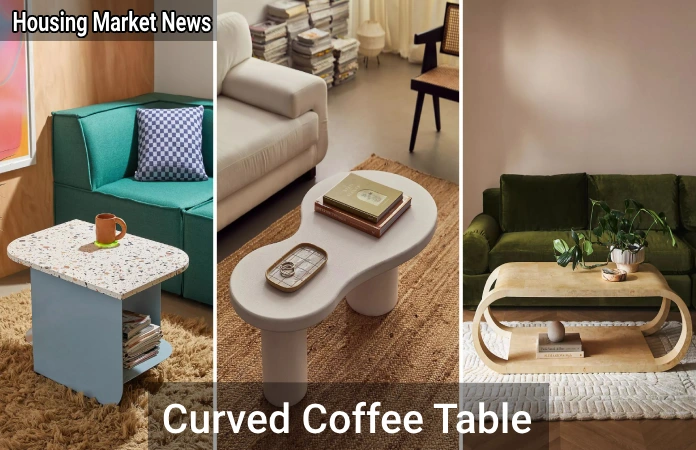
Curved coffee tables are more than just functional furniture; they serve as an artistic sculpture piece that can change the theme of your room. The gentle flowing edges break away from the traditional rectangular tables, bringing softness to any room. Curved coffee tables are versatile and fit into various styles whether you’re trying to add a bold statement to the room or a subtle cozy nook.

Why Choose Curved Coffee Tables?

Curved coffee tables are popularly known for their ability to soften the overall look of a room. Unlike sharp edged rectangular tables, organic shaped curves evoke feelings of safety that are believed to be hardwired into human psychology, which makes them perfect for rooms that want to evoke calm and harmonious spaces. They excel in functionality also. Their rounded edges enable better flow of movement around the room, making them ideal for small spaces or high traffic areas. Families with children love rounded edges due to their safety, avoiding sharp corners.

Moreover, curved coffee tables are versatile in their design. From minimalist modern styles to rustic wooden finishes, they can seamlessly blend into diverse decor themes while serving as conversation starters that elevate the room’s aesthetic appeal.

Your Curved Coffee Table Style Guide

Styling a curved coffee table can be an intriguing undertaking. Firstly, think about its shape and the material it is made from. For modern settings, go for glass or metal, as they are more contemporary, while wood gives a rustic touch in traditional spaces. Sculptural vases and books can be used as casual undertones that are bold but still sophisticated enough to avoid dominating the object’s distinctive contour.

Contemporary trends suggest getting inspired by bold retro shapes and bright colors for maximalist styling. A kidney-shaped or pond-shaped table along with vibrant decorations can really liven up your living area. Alternatively, soft colors such as beige and cream can complement the soft curves and neutralize, blending with the space harmoniously.

How Space Is Changed by Furniture Arrangements

Curved coffee tables play a crucial role in changing the perception of space within an area. Unlike sharp-edged alternatives, soft-edged ones have an illusionary benefit and take up less space visually, making rooms look more spacious. This is particularly advantageous in small odd-shaped spaces where every inch counts.

With sectional sofas or chaise couches, the use of rounded shaped tops lifts the constricted sensation boxed in by rectangular designs. They allow for better flow and movement, resulting in more usable space and comfort. In larger rooms, pairing curved tables with complementary furniture like rounded chairs or tufted sofas creates a balanced and cohesive design.

Materials That Make an Impression

The material of your curved coffee table significantly impacts its aesthetic and durability. Wood is a popular choice due to its timeless appeal and adaptability across design styles. Oak, walnut, or mango wood tables add warmth and character while developing a charming patina over time.

For those seeking a striking look, stone tables like marble or terrazzo provide elegance and contrast against muted carpets or wooden floors. Glass options offer a modern touch while maintaining an airy feel that suits minimalist interiors.

Real-Life Examples of Curved Coffee Tables

Consider Christophe Delcourt’s marble-and-oak table as an example of exquisite craftsmanship. Its smooth marble top paired with a sturdy oak base blends contemporary elegance with rustic charm, making it an investment piece that stands out in any room. Similarly, CB2’s ivory cement jelly bean-shaped table combines modern minimalism with retro aesthetics at an affordable price point.

For those who love bold designs, Etsy’s bubblegum pink wiggle table adds fun and vibrancy to eclectic spaces. Handmade by small businesses, such unique pieces showcase how curved coffee tables can double as art forms while serving practical purposes.

Curved Coffee Tables: A Design Trend on the Rise

The demand for furniture with soft edges and fluid shapes has been steadily growing. Curved coffee tables are at the forefront of this trend, offering a refreshing departure from harsh lines and rigid forms. They not only add dimension and depth but also evoke calmness and comfort in living spaces—a design philosophy increasingly embraced by homeowners worldwide.

As Lauren Zeng from Homary points out, curves are becoming integral to modern interiors, from archways to rounded side tables. This shift reflects a broader desire for designs that balance aesthetics with practicality while fostering inviting atmospheres in our homes.

Conclusion: Elevate Your Space with Curves

Curved coffee tables are more than just furniture—they are transformative design elements that bring elegance, functionality, and personality to any room. Whether you prefer minimalist styles or bold statements, these tables offer endless possibilities for enhancing your living space. With their ability to soften hard lines, create openness, and complement various decor themes, curved coffee tables are undoubtedly timeless investments worth considering for your home.

For more in-depth insights and the latest updates on the housing market, visit Housing Market News and stay informed about real estate trends, home improvement tips, and property news.

Jay North house in Lake Butler, Florida, has long been a topic of interest among fans of the late actor. Known for his iconic role as Dennis Mitchell in Dennis the Menace, Jay North charmed audiences with his mischievous antics. But beyond the screen, his life was filled with ups and downs, including a retreat to a peaceful home in Florida. Jay North house represents not just a physical space but also a sanctuary where he found solace from the challenges of Hollywood. Let’s dive into the details of Jay North’s residence, its features, and its significance.

Who Is Jay North?

Jay North was an American actor who gained fame as a child star in the CBS sitcom Dennis the Menace from 1959 to 1963. Born on August 3, 1951, in Los Angeles, California, he rose to stardom at the age of six. His portrayal of Dennis Mitchell made him a household name during television’s golden era. However, behind the scenes, his life was far from idyllic. He faced emotional and physical abuse from his guardians during filming and struggled with the pressures of fame.

Assets Overview:

  • Net Worth: $500,000.
  • Cars: Limited information is available about his car collection.
  • Yacht: None reported.
  • Private Jets: None reported.
  • Total Homes: He owned one significant property in Lake Butler, Florida.
  • Private Islands: None reported.

Jay North eventually left Hollywood and moved to Florida, where he worked as a corrections officer and lived a quieter life.

Detail Information
Full Name Jay Waverly North
Date of Birth August 3, 1951
Date of Death April 6, 2025
Age at Death 73 years
Profession Actor
Net Worth $500,000
Famous Role Dennis Mitchell in Dennis the Menace
Residence Lake Butler, Florida
Marital Status Married (Cindy Hackney)
Stepchildren Three stepdaughters

Where Does Jay North Live Now?

Before his passing on April 6, 2025, Jay North lived in Lake Butler, Florida. This small town is located in Union County and offers a serene environment far removed from the hustle and bustle of Hollywood. Surrounded by natural beauty and close-knit communities, Lake Butler provided Jay North with the peace he sought after leaving showbiz.

Jay North House

Where Is Jay North House?

Jay North house is situated in Lake Butler, Florida. This modest residence became his home after he moved away from Los Angeles in 1993. The decision to relocate was influenced by his desire to escape Hollywood’s pressures and start anew with his wife Cindy Hackney and her three daughters.

Features of Jay North House

Jay North’s house reflects simplicity and comfort rather than extravagance. Here are some notable features:

  • Design: Traditional single-family home.
  • Area: Located on a spacious plot with ample greenery.
  • Architectural Style: Modest suburban design with practical layouts.
  • Interior Style: Cozy interiors designed for family living.

Personal House Touches

After purchasing the house, Jay North made several improvements to make it more suitable for his family:

  1. Added privacy fencing around the property.
  2. Installed energy-efficient windows.
  3. Upgraded landscaping with native plants.
  4. Renovated the kitchen for modern functionality.
  5. Added security systems for peace of mind.

House Amenities

Here’s a list of amenities included in Jay North’s house:

  • Spacious backyard
  • Modern kitchen
  • Energy-efficient windows
  • Security system
  • Privacy fencing

Neighborhood Area

Lake Butler is known for its quiet charm and friendly community atmosphere. The neighborhood surrounding Jay North house is peaceful and family-oriented. It features small-town amenities like local shops, parks, and schools. The area is also close to natural attractions like lakes and forests.

Market Value

Below is an overview of the market value of Jay North’s house:

Detail Information
Build Year Estimated around early 1990s
Purchase Year 1993
Purchase Value Undisclosed
Current Estimated Value (2025) Approximately $250,000

Conclusion

Jay North house in Lake Butler stands as a testament to his journey from fame to finding peace away from Hollywood’s spotlight. The modest home reflects his grounded lifestyle during his later years. While he may have left behind the glitz of showbiz, he found solace in this quiet retreat surrounded by loved ones.

FAQs About Jay North

Why was Dennis the Menace canceled?

Dennis the Menace was canceled in early 1963 after four seasons due to declining ratings. By the fourth season, Jay North had outgrown the role of Dennis Mitchell, making it harder for audiences to connect with the character’s childish antics. Additionally, the unexpected death of Joseph Kearns, who played Mr. Wilson, disrupted the show’s dynamic. Combined with weaker scripts and changes in cast chemistry, the series lost its charm and audience appeal.

Did Jay North serve in the military?

Yes, Jay North enlisted in the U.S. Navy on January 16, 1977, at the age of 25. He served aboard the USS Iwo Jima and later the USS Dixie before receiving an honorable discharge in August 1979. Although he initially joined with hopes of pursuing a career in law enforcement, he ended up working as an unrated seaman recruit performing deck duties like cleaning and painting ships. Despite his fame as a child actor, North sought to blend in and live as a regular sailor during his time in service.

What did Jay North play in besides Dennis the Menace?

Jay North appeared in several projects beyond Dennis the Menace. He starred in feature films like Zebra in the Kitchen (1965) and Maya (1966), which led to a television adaptation of Maya in 1967-68. He guest-starred in shows such as Wagon Train, The Lucy Show, and The Man from U.N.C.L.E. Additionally, he lent his voice to animated series like The Banana Splits Adventure Hour and The Pebbles and Bamm-Bamm Show. His last leading role was in the 1974 film The Teacher.