Author

Henry Lucas

Browsing

The Technology behind smart solar panels is transforming the landscape of renewable energy, offering unprecedented efficiency and control. As we stand on the brink of a clean energy revolution, understanding this innovative technology becomes crucial for homeowners, businesses, and policymakers alike.

In this comprehensive guide, we’ll dive deep into the world of smart solar panels, exploring their inner workings, benefits, and the potential they hold for our energy future. From the basic principles of photovoltaics to the cutting-edge innovations in artificial intelligence and the Internet of Things (IoT), we’ll uncover how these advanced systems are reshaping our approach to solar energy. You can also Read About Hamro Solar LLC so Follow this Article.

The Dawn of Smart Solar Energy

Solar energy stands at the forefront of the global transition to renewable energy sources. As countries worldwide grapple with the urgent need to reduce greenhouse gas emissions and combat climate change, solar power emerges as a beacon of hope. It’s clean, abundant, and increasingly affordable. But the real game-changer in this solar revolution is the advent of smart solar panels.

Smart solar panels represent the next generation of photovoltaic technology. They go beyond simply converting sunlight into electricity; they integrate advanced monitoring, data analytics, and automation to maximize energy production and efficiency. The technology behind smart solar panels combines the best of solar science with the power of modern computing and connectivity.

These intelligent systems are not just passive energy collectors. They actively adapt to environmental conditions, communicate with other smart home devices, and provide real-time data to both users and energy grids. As we delve into the intricacies of this technology, we’ll see how smart solar panels are setting new standards for renewable energy systems.

Understanding Solar Panel Technology

Before we can appreciate the ‘smart’ in smart solar panels, it’s essential to grasp the fundamentals of solar panel technology. Let’s break down the core components and principles that make solar energy possible.

Smart Solar Panels

Basic Principles of Photovoltaics

At the heart of every solar panel lies the photovoltaic effect—a phenomenon that allows certain materials to convert light into electricity. When photons from sunlight strike a photovoltaic cell, they excite electrons within the material, creating an electric current. This simple yet powerful principle is the foundation of all solar energy systems.

The technology behind smart solar panels builds upon this basic concept, enhancing it with advanced materials and designs. Today’s solar panels come in various types, each with its own strengths:

  1. Monocrystalline panels: Known for their high efficiency and sleek appearance
  2. Polycrystalline panels: More affordable but slightly less efficient
  3. Thin-film panels: Flexible and lightweight, ideal for unique installations
  4. Bifacial panels: Capable of capturing sunlight from both sides, increasing overall energy production

Each of these panel types can be integrated into smart solar systems, with the choice often depending on specific installation requirements and energy goals.

Components of Solar Panels

A solar panel system is more than just the panels themselves. Let’s explore the key components that work together to harness and utilize solar energy:

Solar Cells: The Building Blocks

Solar cells are the fundamental units of a solar panel. Typically made from silicon, these cells are where the photovoltaic effect takes place. In smart solar panels, these cells are often equipped with micro-inverters or power optimizers, allowing for individual cell monitoring and performance optimization.

Inverters: Converting Solar Power

Inverters play a crucial role in solar systems, converting the direct current (DC) produced by solar cells into alternating current (AC) used in homes and businesses. Smart solar panels often feature advanced inverters that not only perform this conversion but also collect and transmit data about system performance.

Mounting Systems: Positioning for Power

The way solar panels are mounted can significantly impact their efficiency. Smart mounting systems can adjust panel orientation throughout the day, following the sun’s path to maximize energy capture. This dynamic positioning is a key feature of many smart solar installations.

Energy Storage Solutions: Powering Through the Night

While not exclusive to smart systems, energy storage solutions like batteries are often integral to smart solar setups. These storage systems allow excess energy to be stored for use during low-light periods or power outages, enhancing the overall reliability and efficiency of the solar installation.

The technology behind smart solar panels integrates these components with advanced monitoring and control systems, creating a cohesive and intelligent energy solution. As we move forward, we’ll see how this integration has evolved over time and the innovations that have brought us to the current state of smart solar technology.

Evolution of Smart Solar Panels

The journey from traditional solar panels to today’s smart systems is a testament to human ingenuity and technological progress. Let’s trace this evolution and explore the key innovations that have shaped the technology behind smart solar panels.

Historical Context

Solar technology has come a long way since its inception. The photovoltaic effect was first observed in 1839 by French physicist Alexandre-Edmond Becquerel. However, it wasn’t until the 1950s that practical solar cells were developed, initially for use in space applications.

The transition from these early solar cells to modern smart solar panels has been marked by several key milestones:

  1. 1954: Bell Labs develops the first practical silicon solar cell
  2. 1970s: Solar panels begin to be used for residential power
  3. 1990s: Grid-connected solar systems become popular
  4. 2000s: Introduction of monitoring systems for solar installations
  5. 2010s: Integration of IoT and AI technologies into solar systems

Each of these steps has contributed to the development of smarter, more efficient solar technology. The leap from traditional to smart solar panels represents a shift from passive energy collection to active energy management.

Key Innovations in Smart Solar Technology

The technology behind smart solar panels has been driven by several groundbreaking innovations:

Integration of IoT in Solar Systems

The Internet of Things (IoT) has revolutionized solar technology. Smart solar panels are now equipped with sensors and communication devices that allow them to collect and transmit data in real-time. This connectivity enables remote monitoring, performance optimization, and integration with other smart home systems.

Use of AI for Predictive Maintenance and Energy Management

Artificial Intelligence (AI) has brought a new level of intelligence to solar systems. AI algorithms can analyze data from smart solar panels to predict maintenance needs, optimize energy production, and even forecast future energy generation based on weather patterns. This predictive capability helps maximize system efficiency and longevity.

Real-time Monitoring Capabilities

One of the most significant advancements in smart solar technology is the ability to monitor system performance in real-time. Homeowners and system operators can now access detailed information about energy production, consumption, and system health through user-friendly apps and dashboards. This real-time data allows for immediate response to any issues and helps users make informed decisions about their energy use.

These innovations have transformed solar panels from static energy collectors into dynamic, intelligent systems. The technology behind smart solar panels continues to evolve, promising even greater efficiencies and capabilities in the future.

Features of Smart Solar Panels

Smart solar panels are distinguished by their advanced features that go beyond simple energy generation. These features leverage the latest in technology to optimize performance, provide valuable insights, and integrate seamlessly with other smart home systems.

Enhanced Efficiency and Performance

The technology behind smart solar panels is designed to maximize energy production and efficiency. Here are some key features that contribute to this enhanced performance:

Automatic Orientation Adjustment and Sunlight Tracking

Many smart solar panel systems incorporate tracking mechanisms that adjust the orientation of panels throughout the day. This feature, known as solar tracking, allows panels to follow the sun’s path across the sky, maximizing exposure to sunlight and increasing energy production by up to 25% compared to fixed systems.

Integration with Energy Storage Systems

Smart solar panels often work in tandem with advanced energy storage solutions. These systems intelligently manage the flow of energy, storing excess power during peak production times for use during low-light periods or high-demand times. This integration ensures a more consistent and reliable energy supply, even when the sun isn’t shining.

Monitoring and Data Analytics

One of the most powerful aspects of smart solar technology is its ability to provide detailed insights into system performance and energy usage.

Smart Solar Inverters and Monitors

Smart inverters are at the heart of modern solar systems. These devices not only convert DC to AC power but also collect and transmit data about system performance. They can provide information on energy production, consumption patterns, and even detect potential issues before they become problems.

Real-time Data Visualization and Remote Access

The data collected by smart solar systems is made accessible through user-friendly interfaces. Homeowners can view real-time and historical data on their energy production and consumption, often through mobile apps or web portals. This transparency allows for informed decision-making about energy usage and system maintenance.

Interconnectivity with Smart Home Systems

Smart solar panels don’t operate in isolation; they’re designed to be part of a larger, interconnected home ecosystem.

Integration with Home Automation

The technology behind smart solar panels allows for seamless integration with other smart home devices. For example, solar systems can communicate with smart thermostats to optimize heating and cooling based on available solar energy, or with smart appliances to schedule energy-intensive tasks during peak solar production times.

Energy Management Systems

Advanced energy management systems tie together all aspects of home energy use. These systems can automatically balance energy production from solar panels with consumption from various household devices, optimizing overall efficiency and potentially reducing reliance on grid power.

The features of smart solar panels demonstrate how far solar technology has come. By combining energy production with intelligent management and integration, these systems offer a level of control and efficiency that was unimaginable just a few years ago.

Benefits of Smart Solar Panels

The advanced technology behind smart solar panels brings a host of benefits, ranging from economic advantages to environmental impacts. Let’s explore these benefits in detail.

Economic Advantages

Smart solar panels offer significant financial benefits that extend beyond simple energy savings.

Long-term Savings on Energy Bills

While the initial investment in smart solar panels may be higher than traditional systems, the long-term savings are substantial. Smart systems optimize energy production and usage, potentially reducing or even eliminating electricity bills. Over time, these savings can far outweigh the initial costs.

Potential Tax Incentives and Rebates

Many governments and utility companies offer incentives for installing solar systems, and these often extend to smart solar technologies. These can include tax credits, rebates, and feed-in tariffs for excess energy fed back into the grid. The advanced features of smart solar panels may qualify for additional incentives in some regions.

Environmental Impact

The environmental benefits of smart solar panels are significant and far-reaching.

Reduction of Carbon Footprint

By generating clean, renewable energy, smart solar panels help reduce reliance on fossil fuels and decrease carbon emissions. The intelligent features of these systems further enhance their environmental impact by optimizing energy use and reducing waste.

Contribution to Sustainable Energy Practices

Smart solar technology plays a crucial role in the transition to sustainable energy systems. By providing detailed data on energy production and consumption, these systems help users make more informed decisions about their energy use, promoting overall sustainability.

Increased Resilience and Reliability

Smart solar panels offer enhanced reliability and system longevity compared to traditional solar installations.

Proactive Issue Resolution and Maintenance

The monitoring capabilities of smart solar systems allow for early detection of potential issues. Many problems can be identified and resolved remotely, reducing downtime and maintenance costs. This proactive approach helps ensure that the system operates at peak efficiency over its lifetime.

Enhanced Performance During Adverse Conditions

Smart solar panels can adapt to changing environmental conditions. For example, they can adjust their operation during cloudy weather or automatically clean themselves to maintain efficiency. Some advanced systems can even predict and prepare for adverse weather conditions, ensuring consistent energy production.

The benefits of smart solar panels extend beyond the individual user. As these systems become more widespread, they contribute to a more stable and sustainable energy grid, benefiting entire communities and ecosystems.

Challenges and Considerations

While the technology behind smart solar panels offers numerous benefits, it’s important to consider the challenges and potential drawbacks associated with these advanced systems.

Initial Costs and Financial Barriers

One of the primary concerns for many potential adopters of smart solar technology is the initial investment required.

Upfront Investment and Financing Options

Smart solar panels and their associated systems often come with a higher price tag than traditional solar installations. This increased cost can be a significant barrier for some homeowners and businesses. However, various financing options are available, including:

  1. Solar loans
  2. Power Purchase Agreements (PPAs)
  3. Leasing options
  4. Government-backed low-interest loans

Cost-benefit Analysis of Smart Solar Systems

When considering smart solar panels, it’s crucial to conduct a thorough cost-benefit analysis. While the initial costs may be higher, the long-term savings and increased efficiency can often justify the investment. Factors to consider include:

  • Projected energy savings over the system’s lifetime
  • Potential increase in property value
  • Available incentives and rebates
  • Maintenance costs compared to traditional systems

Technical Complexity and Integration Issues

The advanced nature of smart solar technology can present technical challenges, particularly when it comes to integration with existing systems.

Challenges in Integrating with Existing Systems

Smart solar panels often need to work in conjunction with other home systems and the existing power grid. This integration can be complex, especially in older homes or in areas with outdated grid infrastructure. Compatibility issues between different smart home devices and solar system components can also arise.

Importance of Professional Guidance

Given the complexity of smart solar systems, professional installation and ongoing support are crucial. Homeowners should seek out experienced solar installers who are familiar with smart solar technology. Regular maintenance and updates may also require professional assistance to ensure optimal performance.

Future Trends and Innovations

As with any rapidly evolving technology, the smart solar panel landscape is continually changing. It’s important to consider future developments when investing in a system.

Emerging Technologies in Solar Power

The field of solar energy is seeing exciting innovations that could impact the smart solar panel market:

  • Transparent solar panels that can be integrated into windows
  • Floating solar farms for water bodies
  • Perovskite solar cells with potentially higher efficiency

Predictions for Smart Solar Technology Evolution

Experts predict several trends in the evolution of smart solar technology:

  1. Increased integration with AI for even more precise energy management
  2. Enhanced cybersecurity features to protect against potential hacking
  3. Development of more aesthetically pleasing designs for residential use
  4. Improved energy storage solutions to complement smart solar systems

While these challenges and considerations are important, they shouldn’t overshadow the significant benefits of smart solar technology. As the technology continues to mature, many of these issues are likely to be addressed, making smart solar panels an increasingly attractive option for a wide range of users.

Also Read: Rooftop Solar Vacuum

Case Studies and Real-World Applications

To truly understand the impact of the technology behind smart solar panels, it’s valuable to look at real-world examples of their implementation. These case studies demonstrate the practical benefits and challenges of smart solar systems in various settings.

Residential Installations

Smart solar panels are making a significant impact in residential settings, transforming how homeowners interact with and benefit from solar energy.

Example: The Smart Solar Home in California

In a suburban neighborhood in California, the Johnson family installed a smart solar panel system on their roof. The system includes:

  • High-efficiency monocrystalline panels with individual microinverters
  • A smart battery storage system
  • Integration with the home’s smart thermostat and major appliances

Results:

  • 90% reduction in annual electricity bills
  • Real-time monitoring allowed the family to optimize their energy usage
  • Automatic adjustment of energy-intensive tasks (like charging electric vehicles) to times of peak solar production
  • Resilience during grid outages due to the integrated battery system

Impact on Energy Efficiency and User Experience

Residential smart solar installations have shown remarkable improvements in energy efficiency. Users report:

  • Greater awareness of their energy consumption patterns
  • Ability to make informed decisions about energy usage
  • Increased satisfaction due to the system’s self-managing capabilities
  • Pride in contributing to environmental sustainability

Commercial and Industrial Applications

Smart solar technology is not limited to residential use. Many businesses and industrial facilities are leveraging these advanced systems to reduce costs and improve sustainability.

Case Study: Large-Scale Retail Installation

A major retail chain implemented smart solar panels across 500 of its stores nationwide. The installation included:

  • Rooftop solar arrays with smart inverters
  • Integration with each store’s energy management system
  • Centralized monitoring and control for the entire network of installations

Outcomes:

  • 30% reduction in overall energy costs across the chain
  • Improved public image as a leader in corporate sustainability
  • Enhanced ability to predict and manage energy needs during peak shopping seasons

Benefits Observed in Large-Scale Installations

Commercial and industrial applications of smart solar technology have demonstrated several key benefits:

  1. Significant cost savings on energy expenses
  2. Improved energy reliability, reducing downtime and operational disruptions
  3. Valuable data insights for corporate sustainability reporting
  4. Ability to participate in demand response programs, generating additional revenue

These case studies highlight the versatility and effectiveness of smart solar panel technology across different scales and settings. From individual homes to large corporate installations, the benefits of this technology are clear and measurable.

Conclusion: Embracing the Smart Solar Future

As we’ve explored the technology behind smart solar panels, it’s clear that we’re witnessing a revolutionary shift in how we harness and manage solar energy. From the basic principles of photovoltaics to the integration of cutting-edge AI and IoT technologies, smart solar panels represent a significant leap forward in renewable energy solutions.

The benefits of this technology are multifaceted:

  • Economic advantages through long-term energy savings and potential incentives
  • Environmental impact by reducing carbon footprints and promoting sustainable practices
  • Increased resilience and reliability in energy systems
  • Enhanced user control and awareness of energy consumption

While challenges exist, particularly in terms of initial costs and technical complexity, the trajectory of smart solar technology is undeniably positive. As innovation continues and adoption increases, we can expect these systems to become more affordable, efficient, and user-friendly.

Imagine driving down a secluded road in Austin, Texas, where the Hill Country’s rolling landscape unfolds before you. Suddenly, you catch sight of a sprawling farmhouse that seamlessly blends rustic charm with modern luxury. This isn’t just any home – it’s the Andy Roddick house, a testament to the tennis legend and his model-actress wife Brooklyn Decker’s impeccable taste and love for Texas living.

As you approach the Andy Roddick house, you can’t help but wonder: What stories do these walls hold? What inspired the couple to create this haven? And most importantly, what makes this property stand out in the star-studded world of celebrity homes?

In this article, we’ll take you on an exclusive tour of the Andy Roddick house, exploring every nook and cranny of this architectural gem. From its humble beginnings to its current status as a pinnacle of farmhouse chic, we’ll uncover the design choices, lifestyle implications, and cultural significance of this remarkable estate.

Who is Andy Roddick?

Andy Roddick is a former American professional tennis player who rose to prominence in the early 2000s. Born on August 30, 1982, in Omaha, Nebraska, Roddick is best known for his powerful serve and aggressive playing style. He clinched the US Open title in 2003 and reached the world No. 1 ranking that same year. Throughout his career, Roddick consistently ranked among the top players in the world, reaching the finals of Wimbledon three times. He retired from professional tennis in 2012 and has since been involved in various charitable and business ventures.

Category Details
Full Name Andrew Stephen Roddick
Date of Birth August 30, 1982
Place of Birth Omaha, Nebraska, USA
Age (as of 2024) 41 years
Height 6 ft 2 in (1.88 m)
Profession Former Professional Tennis Player
Turned Pro 2000
Retired 2012
Career Titles 32 (including 1 Grand Slam)
Highest Ranking World No. 1 (November 3, 2003)
Marital Status Married
Spouse Brooklyn Decker (m. 2009)
Children 2 (Hank and Stevie)
Estimated Net Worth $40 million (as of 2024)
Notable Achievements US Open Champion (2003), Davis Cup Winner (2007)
Foundation Andy Roddick Foundation (est. 2000)

More Than Just a House

When Andy Roddick and Brooklyn Decker decided to put down roots in Austin, they weren’t just buying a house – they were crafting a home that would reflect their personalities, values, and shared vision of the perfect family retreat. The Andy Roddick house is more than a collection of rooms; it’s a carefully curated space that tells the story of a power couple’s journey from the fast-paced world of sports and entertainment to the serene hills of Texas.

This 7,369-square-foot property sits on a sprawling 15-acre lot, offering the perfect balance of privacy and connection to nature. The Andy Roddick house is not just a testament to the couple’s success but also a celebration of Texas’s rich architectural heritage and the enduring appeal of farmhouse style.

In the following sections, we’ll delve into the historical context, architectural features, interior design elements, and outdoor spaces that make the Andy Roddick home a true masterpiece. We’ll also explore how this property fits into the broader context of celebrity homes in Texas and what it reveals about the lifestyle of its famous owners.

So, grab a glass of sweet tea, settle into your favorite armchair, and join us as we unravel the mysteries and marvels of the Andy Roddick house – a place where rustic meets refined, and where every corner tells a story.

Historical Context: The Birth of a Dream Home

The story of the Andy Roddick house begins in 2013 when the tennis star and his wife, Brooklyn Decker, decided to invest in a piece of Austin real estate. At the time, the property was far from the architectural marvel it is today. It was a blank canvas, waiting for the couple’s vision to transform it into their dream home.

The decision to create their haven in Austin wasn’t a random choice. Roddick, having spent much of his youth in Austin, felt a deep connection to the city. For Brooklyn, it was an opportunity to embrace a new lifestyle away from the glitz and glamour of Hollywood. Together, they saw the potential in this plot of land to create something truly special – a home that would become the Andy Roddick home we know today.

The Renovation Journey: Crafting the Andy Roddick House

The transformation of the property into the Andy Roddick house wasn’t an overnight process. It took years of careful planning, design, and renovation to bring their vision to life. The couple worked closely with architects and designers to ensure that every aspect of the home reflected their personal style while honoring the architectural traditions of Texas.

One of the most significant decisions was to embrace the farmhouse style, a design aesthetic that has deep roots in Texas architecture. This choice wasn’t just about following a trend; it was about creating a home that felt authentic to its surroundings and provided the warm, inviting atmosphere the couple craved.

Farmhouse Style: A Texas Tradition

The farmhouse style chosen for the Andy Roddick house is more than just a design choice – it’s a nod to Texas’s rich architectural heritage. Farmhouses have been a staple of Texas landscapes for generations, originally built to withstand the harsh climate while providing comfortable living spaces for hardworking families.

In choosing this style for their home, Roddick and Decker were tapping into a tradition that values simplicity, functionality, and a connection to the land. However, they didn’t simply recreate an old farmhouse. Instead, they reimagined the style for modern living, blending traditional elements with contemporary comforts to create a unique space that feels both timeless and of-the-moment.

The Andy Roddick home stands as a testament to how historical architectural styles can be adapted and elevated to meet the needs and desires of today’s homeowners, even those with celebrity status.

Architectural Features: Where Rustic Meets Refined

At first glance, the Andy Roddick house appears to be a traditional farmhouse, with its pitched roofs, generous porches, and board-and-batten siding. However, a closer look reveals a masterful blend of rustic charm and modern sophistication that sets this home apart.

The overall design aesthetic of the Andy Roddick home can be described as “rustic luxury.” It maintains the warmth and coziness associated with farmhouse style while incorporating high-end finishes and contemporary amenities that befit the lifestyle of its famous owners.

Reclaimed Materials: The Heart of the Andy Roddick House

One of the most striking features of the Andy Roddick home is its use of reclaimed materials. The couple made a conscious decision to incorporate elements with history and character into their new build. Perhaps the most notable example is the set of wood beams sourced from the Chicago Stock Exchange.

These beams, rich with history and patina, serve as both structural elements and decorative features throughout the home. They provide a sense of gravitas and connection to the past, even as they support the thoroughly modern living spaces of the Andy Roddick house.

Layout and Spatial Design: Privacy Meets Functionality

The Andy Roddick house is designed with both comfort and practicality in mind. The 7,369-square-foot home is thoughtfully laid out to provide ample space for family living and entertaining, while also ensuring privacy when needed.

One of the most innovative aspects of the design is the division of the home into two distinct wings. This clever layout allows for separation between the main living areas and the more private spaces, ensuring that the Andy Roddick house can accommodate both quiet family time and large gatherings with equal ease.

The main wing houses the communal spaces – the heart of the Andy Roddick home. Here you’ll find the expansive kitchen, dining area, and living room, all designed to flow seamlessly into one another. Large windows and glass doors blur the line between indoor and outdoor spaces, allowing natural light to flood the interiors and providing stunning views of the surrounding landscape.

The second wing is dedicated to more private areas, including the master suite and guest accommodations. This separation ensures that the Andy Roddick home can offer sanctuary and solitude when needed, without compromising on the home’s overall open and welcoming feel.

Bridging Past and Present

What makes the Andy Roddick house truly special is how it manages to honor traditional farmhouse architecture while fully embracing modern living. The exterior, with its classic farmhouse silhouette, gives way to interiors that are at once cozy and contemporary.

High ceilings, open floor plans, and an abundance of natural light create a sense of spaciousness throughout the Andy Roddick home Yet, touches like exposed beams, shiplap walls, and vintage-inspired fixtures ensure that the home never loses its connection to its farmhouse roots.

This careful balance between old and new, rustic and refined, is what elevates the Andy Roddick home from a simple celebrity home to a true architectural masterpiece.

Interior Design Elements: A Tour of the Andy Roddick House

The Heart of the Home: The Kitchen

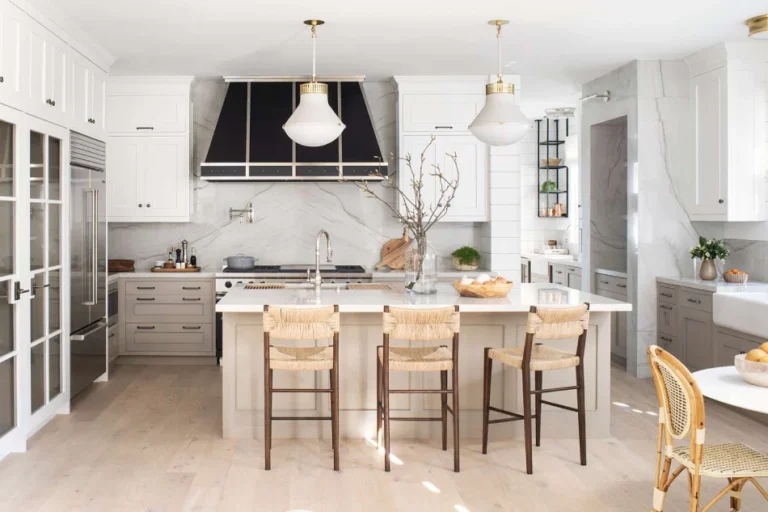
Step into the kitchen of the Andy Roddick house, and you’ll immediately understand why it’s often referred to as the heart of the home. This space perfectly encapsulates the blend of farmhouse chic and modern functionality that defines the entire property.

At the center of the kitchen stands a massive island, topped with a slab of natural stone. It’s not hard to imagine Andy and Brooklyn gathered here with friends, sharing stories over a glass of wine or preparing meals for their family. The island is complemented by custom cabinetry in a soft, muted color palette that adds warmth to the space without overwhelming it.

State-of-the-art appliances are seamlessly integrated into the design, proving that the Andy Roddick house is as much about practicality as it is about aesthetics. A large farmhouse sink, complete with a vintage-inspired faucet, adds a touch of nostalgia to this otherwise modern space.

One of the most striking features of the kitchen is the reclaimed wood beams that run across the ceiling. These beams, part of the collection sourced from the Chicago Stock Exchange, add character and history to the space, creating a beautiful contrast with the sleek, contemporary elements.

Living Room: Where Comfort Meets Style

The living room of the Andy Roddick house is a study in how to create a space that’s both impressive and inviting. Soaring ceilings give the room a sense of grandeur, while comfortable, oversized furniture ensures that it remains a cozy spot for family gatherings.

A massive stone fireplace serves as the focal point of the room, its rustic texture providing a beautiful counterpoint to the smooth, plastered walls. Above the fireplace, more of those Chicago Stock Exchange beams create a striking visual element, drawing the eye upward and emphasizing the room’s height.

Large windows flood the space with natural light, offering breathtaking views of the surrounding Texas landscape. It’s easy to imagine Andy and Brooklyn curled up on the plush sofa, enjoying a quiet evening as the sun sets over their 15-acre property.

Also Read: Cristiano Ronaldo House

Master Suite: A Private Retreat in the Andy Roddick House

The master suite of the Andy Roddick house is a true retreat, offering the couple a private space to relax and unwind. The bedroom itself is spacious yet cozy, with a vaulted ceiling that adds to the sense of openness.

But it’s the master bathroom that truly steals the show. The centerpiece is a freestanding copper tub, its warm metallic tones adding a touch of luxury to the space. His-and-hers vanities, crafted from reclaimed wood, provide ample storage while maintaining the farmhouse aesthetic.

The bathroom also features a large walk-in shower, tiled in a classic subway pattern that nods to traditional design while feeling thoroughly modern. Large windows allow natural light to fill the space, creating a spa-like atmosphere that’s perfect for relaxation.

Adjacent to the bathroom, you’ll find walk-in closets that would make any fashion enthusiast envious. It’s not hard to imagine Brooklyn, with her background in modeling, appreciating the ample space for her wardrobe.

Guest Accommodations: Extending the Warmth

True to their hospitable nature, Andy and Brooklyn ensured that the guest accommodations in their home were just as thoughtfully designed as the main living spaces. The Andy Roddick house features several guest rooms, each with its own unique character.

One standout is a bunk room, perfect for when the couple entertains friends with children. The custom-built bunks, crafted from the same reclaimed wood used throughout the house, add a playful touch to the space while maintaining the overall design aesthetic.

Unique Design Touches in the Andy Roddick home

Throughout the Andy Roddick home, you’ll find unique design elements that reflect the personalities of its owners. Whimsical art pieces, carefully selected by the couple, add pops of color and interest to the neutral palette of the home.

Custom light fixtures, many featuring industrial-inspired designs, serve as both functional elements and works of art in their own right. In the dining room, for example, a chandelier crafted from repurposed wine barrels creates a stunning focal point.

Outdoor Spaces: Embracing the Texas Landscape

The Andy Roddick house isn’t just about the structure itself – it’s about how the home interacts with its surroundings. Sitting on 15 acres of prime Texas Hill Country, the property offers a perfect blend of manicured landscaping and natural beauty.

The landscaping around the Andy Roddick house has been carefully designed to complement the home’s architecture while also celebrating the native flora of the region. Drought-resistant plants and trees provide color and texture throughout the year, requiring minimal maintenance while still creating a lush, inviting environment.

The Importance of Outdoor Spaces in Texas Living

The emphasis on outdoor living in the Andy Roddick house is no accident. In Texas, where the climate allows for year-round outdoor enjoyment, these spaces are often as important as the interiors. The Roddick-Decker family clearly understood this, creating outdoor areas that are extensions of the home’s living spaces.

From covered porches that offer shade during the hottest parts of the day to open courtyards perfect for stargazing at night, every outdoor space in the Andy Roddick house has been designed with comfort and functionality in mind.

These outdoor areas not only provide additional living space but also help to blur the lines between inside and out, creating a home that feels intimately connected to its natural surroundings.

The Andy Roddick House: A Reflection of Its Owners

Every aspect of the Andy Roddick house seems to tell a story about its owners. The tennis court on the property is an obvious nod to Andy’s illustrious career, while the spacious closets and beautiful interiors reflect Brooklyn’s background in fashion and modeling.

But beyond these surface-level connections, the home reveals much about the couple’s values and priorities. The emphasis on comfortable, livable spaces suggests a family-focused lifestyle. The use of reclaimed materials and energy-efficient design elements points to a commitment to sustainability. The seamless blend of luxury and practicality speaks to a couple who appreciates the finer things in life but isn’t afraid to get their hands dirty.

The Impact of Celebrity Homes on Austin Real Estate

The Andy Roddick house is more than just a private residence – it’s a property that has had a significant impact on Austin’s luxury real estate market. As more celebrities and high-profile individuals choose to make Austin their home, properties like the Andy Roddick home set new standards for what luxury living can look like in the Texas capital.

The farmhouse-chic style popularized by homes like the Andy Roddick house has influenced design trends throughout the region. More and more, buyers in Austin’s luxury market are looking for properties that offer a similar blend of rustic charm and modern amenities.

Moreover, the Andy Roddick house has helped to cement Austin’s reputation as a desirable location for celebrities seeking a break from the spotlight. Unlike the flashier homes often associated with Hollywood stars, the Andy Roddick home represents a more understated, authentically Texan approach to luxury living.

Comparison with Other Celebrity Properties in Texas

While the Andy Roddick house is certainly impressive, it’s worth noting how it compares to other celebrity properties in Texas. Unlike the massive ran

Certainly. I’ll continue the article from where we left off:

Comparison with Other Celebrity Properties in Texas

While the Andy Roddick house is certainly impressive, it’s worth noting how it compares to other celebrity properties in Texas. Unlike the massive ranches owned by some country music stars or the ultra-modern mansions favored by tech moguls, the Andy Roddick house strikes a balance between luxury and livability.

For instance, compared to George Strait’s 7,925-acre ranch in the Texas Hill Country, the Andy Roddick house is relatively modest in terms of land. However, what it lacks in acreage, it makes up for in thoughtful design and personal touches. Similarly, while Matthew McConaughey’s Austin home embraces a more contemporary aesthetic, the Andy Roddick house leans into the farmhouse style that has become increasingly popular in recent years.

What sets the Andy Roddick home apart is its seamless blend of high-end features with a down-to-earth sensibility. It’s a home that feels luxurious without being ostentatious, comfortable without sacrificing style. In many ways, it represents a new trend in celebrity homes – one that values authenticity and connection to place over sheer size or extravagance.

Conclusion: The Legacy of the Andy Roddick House

As we conclude our tour of the Andy Roddick house, it’s clear that this property is more than just another celebrity home. It’s a masterpiece of modern farmhouse design, a testament to the enduring appeal of rustic luxury, and a reflection of the changing face of high-end real estate in Texas.

From its reclaimed wood beams to its state-of-the-art smart home features, every aspect of the Andy Roddick house has been carefully considered. The result is a home that feels at once timeless and thoroughly modern, deeply rooted in its Texas setting while offering all the comforts of contemporary living.

Nestled high in the San Jacinto Mountains, a unique golfer’s paradise awaits discovery. As the winding road climbs through towering pines, you might wonder: who would build a golfer’s dream home in a place with no golf courses? The answer lies in the story of PGA Tour pro Brendan Steele and his extraordinary Idyllwild house.

Brendan Steele house isn’t just a home – it’s a testament to his journey from a small-town dreamer to a PGA Tour champion. This article will take you on a tour of Steele’s mountain retreat, exploring how this picturesque setting has shaped his life and career. We’ll delve into the unique features of his home, from its cozy interiors to the custom practice facilities that keep his game sharp at 5,600 feet above sea level. You can also read about Adam Scott House so follow this Article.

Who is Brendan Steele?

Brendan Steele is a professional golfer who has made a name for himself on the PGA Tour. Born and raised in Idyllwild, California, Steele’s journey to golf stardom is unique, given his hometown’s lack of golf courses. He turned professional in 2005 and earned his PGA Tour card in 2011. Steele has secured multiple victories on the tour, including wins at the Valero Texas Open and back-to-back triumphs at the Safeway Open. Known for his steady play and mountain town roots, Steele has become a respected figure in the golfing world, balancing his professional career with a deep connection to his hometown community.

Category Details
Full Name Brendan Steele
Date of Birth April 5, 1983
Place of Birth Idyllwild, California, USA
Age (as of 2024) 41 years
Height 6 feet 2 inches (1.88 m)
Nationality American
Profession Professional Golfer
Turned Professional 2005
Current Tour PGA Tour
Professional Wins 3 (PGA Tour)
Highest World Ranking 35 (January 2018)
Education University of California, Riverside (Business Administration)
Marital Status Married
Spouse Anastassia Steele (née Kostenko)
Children 2
Net Worth (estimated) $14 million (as of 2024)
Notable Achievements 3-time PGA Tour winner, Back-to-back Safeway Open champion (2016, 2017)

From Mountain Town to Golf’s Elite: Brendan Steele’s Unlikely Journey

A Childhood Far from the Fairways

In the quaint mountain town of Idyllwild, California, young Brendan Steele’s earliest memories were far removed from the manicured greens and pristine fairways of professional golf. Born and raised in this picturesque community, Steele’s childhood was filled with the sights and sounds of nature rather than the thwack of golf balls.

Idyllwild, perched at an elevation of 5,300 feet in the San Jacinto Mountains, is a haven for artists, outdoor enthusiasts, and those seeking escape from the bustle of city life. It’s a place where pine-scented air fills your lungs, and the rugged terrain challenges even the most seasoned hikers. But one thing Idyllwild distinctly lacked was a golf course.

Despite this seemingly insurmountable obstacle, Steele’s athletic heritage hinted at a future in sports. His family tree boasted several accomplished athletes, including his great-great-uncle Harry Welchonce, a former outfielder for the Philadelphia Phillies. This sporting lineage would prove crucial in shaping young Brendan’s future.

The Spark That Ignited a Passion

It was a fortuitous trip to the Bob Hope Classic (now known as the Humana Challenge) that first introduced Steele to the world of professional golf. As a wide-eyed child, he watched in awe as golfing legends like Corey Pavin and Craig Stadler showcased their skills on the lush desert courses.

This experience planted a seed in Steele’s mind, one that would grow into an unwavering passion for the sport. At the age of 13, despite the lack of local facilities, Steele took up golf with a determination that would define his career.

The journey from this point was far from easy. Living in Idyllwild meant long commutes to the nearest golf courses for practice and play. But Steele’s commitment never wavered. He honed his skills on the Golden State, Canadian, and Nationwide Tours, steadily climbing the ranks of professional golf.

Breakthrough on the Big Stage

Steele’s perseverance paid off in 2011 when he earned his PGA Tour card after winning the Nationwide Tour Championship. This victory marked the beginning of a new chapter in his career, one that would see him compete against the world’s best golfers on the sport’s biggest stages.

Success on the PGA Tour came swiftly for Steele. In his rookie season, he clinched his first PGA Tour victory at the 2011 Valero Texas Open. This win not only validated his skills but also proved that a kid from a mountain town with no golf courses could indeed make it to the pinnacle of the sport.

Steele’s winning ways continued in the following years. He claimed victory at the Safeway Open in 2016 and successfully defended his title in 2017, becoming the first player to win multiple times at this event. These achievements cemented his status as a formidable competitor on the PGA Tour.

The Brendan Steele House: A Golfer’s Mountain Retreat

A Unique Location for a Golfer’s Home

When it comes to choosing a home, most professional golfers opt for locations with year-round playing conditions and easy access to world-class courses. Brendan Steele, however, took a different approach. His decision to build his primary residence in Idyllwild, California, speaks volumes about his connection to his roots and his unique approach to the game.

The Brendan Steele house sits at an impressive elevation of 5,600 feet, surrounded by towering pines and rugged terrain. This setting might seem counterintuitive for a professional golfer, but for Steele, it’s the perfect balance of tranquility and challenge.

Exterior Charms of the Brendan Steele House

As you approach the Brendan Steele house, the first thing that strikes you is its harmonious blend with the natural surroundings. The wood-shingled chalet style of the home pays homage to the mountain architecture of Idyllwild, creating a seamless transition between the built environment and the wilderness beyond.

The property surrounding the Brendan Steele house is a nature lover’s paradise. It’s not uncommon to spot deer grazing nearby or catch a glimpse of a bobcat slinking through the underbrush. These wild neighbors add an element of unpredictability and excitement to daily life at the Steele residence.

One of the most striking features of the exterior is the panoramic view of the San Jacinto Mountains. From various vantage points around the property, Steele and his family can enjoy breathtaking vistas that change with the seasons – from snow-capped peaks in winter to lush green slopes in summer.

A Golfer’s Paradise: The Practice Facility

Perhaps the most unique feature of the Brendan Steele house is the adjacent four-hole practice green. This custom-built facility allows Steele to keep his short game sharp without leaving the comfort of his home. The varying contours and speeds of the green mimic conditions he might face on tour, providing invaluable practice opportunities.

The practice facility at the Brendan Steele house is more than just a convenience – it’s a testament to Steele’s dedication to his craft. Even at 5,600 feet above sea level, where the thin air affects ball flight differently, Steele finds ways to hone his skills and maintain his competitive edge.

Inside the Brendan Steele House: Comfort Meets Career

Stepping inside the Brendan Steele house, visitors are immediately struck by the cozy and comfortable atmosphere. The interior spaces are designed to be warm and inviting, providing a welcome respite from the sometimes harsh mountain weather.

The living areas of the Brendan Steele house are a blend of rustic charm and modern comfort. Large windows allow natural light to flood the rooms, while also framing the spectacular mountain views. The use of natural materials like wood and stone throughout the interior creates a seamless connection with the outdoor environment.

One of the most intriguing features inside the Brendan Steele house is a shrine dedicated to his great-great-uncle, Harry Welchonce. This tribute to his family’s athletic legacy serves as a constant reminder of the heritage that helped shape Steele’s own sporting journey.

Throughout the Brendan Steele house, you’ll find mementos of his golfing career. Trophies, photographs, and other memorabilia are tastefully displayed, telling the story of Steele’s rise from a small-town golfer to a PGA Tour champion.

Staying in Shape: The Home Gym

Maintaining peak physical condition is crucial for any professional athlete, and the Brendan Steele house is well-equipped for this purpose. A personal gym within the home allows Steele to maintain his fitness regimen regardless of weather conditions or his demanding travel schedule.

The gym in the Brendan Steele house is outfitted with a variety of equipment designed to enhance golf-specific strength and flexibility. This dedicated space enables Steele to work on his physical conditioning, a key factor in his continued success on the PGA Tour.

Outdoor Living at the Brendan Steele House

The Brendan Steele house truly shines when it comes to outdoor entertaining spaces. A spacious deck area provides the perfect setting for summer barbecues and gatherings with family and friends. Here, against the backdrop of the San Jacinto Mountains, Steele can unwind after tournaments and enjoy quality time with loved ones.

The outdoor areas of the Brendan Steele house are designed to make the most of Idyllwild’s natural beauty. Comfortable seating areas allow for relaxation while taking in the mountain views, while a well-appointed BBQ area makes outdoor cooking a breeze.

Life in the Mountains: Balancing Golf and Nature

Embracing the Outdoor Lifestyle

Living in the Brendan Steele house means embracing an outdoor lifestyle that goes beyond golf. Steele’s love for adventure and nature is evident in his choice of home location. The surrounding area offers a plethora of outdoor activities that the Steele family enjoys year-round.

Hiking trails that wind through the San Jacinto Mountains are easily accessible from the Brendan Steele house. These paths offer everything from leisurely walks to challenging climbs, providing Steele with opportunities to maintain his fitness while enjoying the natural beauty of his hometown.

Mountain biking is another favorite activity for Steele when he’s not on the golf course. The rugged terrain around Idyllwild offers exciting trails for riders of all skill levels. This high-intensity workout not only keeps Steele in top physical condition but also allows him to clear his mind and recharge between tournaments.

Family Life at 5,600 Feet

The Brendan Steele house isn’t just a golfer’s retreat – it’s a family home. Steele, his wife, and their children have fully embraced the close-knit community of Idyllwild. The town’s small-town charm and emphasis on outdoor living align perfectly with the values Steele wants to instill in his children.

Raising a family in the Brendan Steele house means exposing the children to a lifestyle that values nature, community, and adventure. From an early age, Steele’s kids are learning to appreciate the outdoors, just as their father did. Family hikes, backyard barbecues, and impromptu putting contests on the practice green are all part of daily life at the Steele residence.

A Haven for Relaxation and Rejuvenation

The peaceful environment surrounding the Brendan Steele house provides the perfect backdrop for relaxation and mental rejuvenation. After the pressures of competing on the PGA Tour, Steele can return home to a serene setting that allows him to decompress and refocus.

The Brendan Steele house, with its mixture of cozy interiors and stunning natural surroundings, offers numerous spots for quiet contemplation. Whether it’s enjoying a cup of coffee on the deck while watching the sunrise over the mountains or taking a solitary walk through the pines, Steele has ample opportunity to clear his mind and maintain the mental sharpness required for top-level golf.

Giving Back: The Brendan Steele House as a Community Hub

Supporting Local Causes

The Brendan Steele house isn’t just a private retreat – it’s also a hub for community engagement and charitable activities. Steele’s success on the PGA Tour has provided him with a platform to give back to the community that supported him from the beginning.

Steele often hosts events and fundraisers at his house for local charities and organizations. The spacious property and beautiful setting make it an ideal venue for gathering community members in support of worthy causes. These events not only raise funds but also strengthen the bonds within the Idyllwild community.

Nurturing the Next Generation of Golfers

Despite Idyllwild’s lack of golf courses, Steele is committed to nurturing young golfing talent in his hometown. He supports youth golf programs and often mentors aspiring golfers, sharing the lessons he’s learned on his journey from a small mountain town to the PGA Tour.

The practice facility at the Brendan Steele house occasionally serves as a training ground for these young golfers. Here, under Steele’s guidance, they can experience firsthand what it takes to compete at the highest levels of the sport.

Conclusion: More Than Just a House

The Brendan Steele house is more than just a residence – it’s a reflection of one golfer’s remarkable journey and unwavering connection to his roots. From the wood-shingled exterior that blends seamlessly with its mountainous surroundings to the custom practice green that keeps Steele’s skills sharp, every aspect of this home tells a story.

This mountain retreat stands as a testament to Steele’s ability to balance the demands of professional golf with his love for nature and community. It’s a place where championship trophies share space with family photos, and where the peacefulness of mountain living coexists with the drive to compete at golf’s highest level.

The Brendan Steele house reminds us that success doesn’t have to mean forgetting where you came from. Instead, it can mean using that success to enrich the community that shaped you. As Steele continues to compete on the world stage, his Idyllwild home remains his anchor – a place to recharge, reconnect, and remember the journey that brought him from a small mountain town to golf’s elite circles.

In the end, the Brendan Steele house is more than just a golfer’s home. It’s a symbol of perseverance, a testament to the power of roots, and a reminder that sometimes, the path to success is as much about where you come from as where you’re going.

Frequently Asked Questions

1. What are Brendan Steele’s biggest career achievements?

Brendan Steele’s most notable achievements include:

  • Winning his first PGA Tour event at the 2011 Valero Texas Open
  • Back-to-back victories at the Safeway Open in 2016 and 2017
  • Earning his PGA Tour card in 2011 after winning the Nationwide Tour Championship
  • Consistently ranking among the top 100 golfers in the world

2. Where is Brendan Steele from?

Brendan Steele was born and raised in Idyllwild, California. This small mountain town, located at an elevation of about 5,300 feet in the San Jacinto Mountains, is known for its artistic community and outdoor recreational opportunities. Interestingly, Idyllwild has no golf courses, making Steele’s rise to professional golf stardom even more remarkable.

3. How did Brendan Steele get into golf without a local golf course?

Despite growing up in a town without a golf course, Steele developed his passion for golf through:

  • Attending professional golf tournaments like the Bob Hope Classic as a child
  • Taking up the sport at age 13, despite the lack of local facilities
  • Committing to long drives to practice and play at courses outside of Idyllwild
  • Drawing inspiration from his family’s athletic background, including his great-great-uncle who played professional baseball

4. What is unique about Brendan Steele’s home in Idyllwild?

Brendan Steele’s house in Idyllwild is notable for several reasons:

  • It’s located at an elevation of 5,600 feet, surrounded by pine forests and mountain views
  • The property features a custom four-hole practice green adjacent to the house
  • The home’s design blends mountain chalet style with modern comforts
  • It includes a personal gym for maintaining his fitness regimen
  • The house serves as both a family home and a retreat from the pressures of professional golf

5. Has Brendan Steele played in any of the major golf championships?

Yes, Brendan Steele has competed in all four major golf championships:

  • The Masters Tournament
  • The U.S. Open
  • The Open Championship (British Open)
  • The PGA Championship

While he hasn’t won a major championship yet, Steele has made the cut in each of these prestigious tournaments, with his best finish being a tie for 12th at the 2015 PGA Championship.

Imagine a world where your home is your power plant, where blackouts are a thing of the past, and where your energy bills disappear like morning dew. This isn’t a far-off dream—it’s the reality that Off Grid Solar System are bringing to thousands of homeowners worldwide. As we stand on the precipice of a renewable energy revolution, Off Grid Solar System are lighting the way to a more sustainable, independent, and resilient future.

In this comprehensive guide, we’ll explore the ins and outs of Off Grid Solar System, uncovering how they work, why they matter, and how they could transform your life. Whether you’re a sustainability enthusiast, a rural homeowner, or simply curious about cutting-edge energy solutions, this article will illuminate the path to energy independence. You can also read about Hamro Solar LLC so follow this Article.

What Are Off Grid Solar System?

At its core, an off-grid solar system is a self-sufficient energy solution that allows you to generate and use electricity without connecting to the public power grid. These systems capture sunlight through solar panels, convert it into usable electricity, and store excess energy for use when the sun isn’t shining. It’s like having your own miniature power station right at home.

The Rising Star of Renewable Energy

In a world grappling with climate change and dwindling fossil fuel reserves, renewable energy sources like solar power are becoming increasingly crucial. Off Grid Solar System represent a significant leap forward in this green energy revolution, offering a decentralized, clean, and sustainable alternative to traditional power sources.

Your Roadmap to Solar Independence

Throughout this article, we’ll dive deep into the world of Off Grid Solar System. We’ll explore how they work, examine their benefits, discuss real-world applications, address challenges, and peer into the future of this transformative technology. By the end, you’ll have a clear understanding of whether an off-grid solar system could be the right choice for your energy needs.

1. Understanding Off Grid Solar System: How Solar Freedom Works

The Mechanics of Independence

Off Grid Solar System operate on a simple yet ingenious principle: they harness the sun’s energy, convert it into electricity, and store it for use at any time. Unlike their grid-tied counterparts, which feed excess energy back into the public grid, off-grid systems are entirely self-contained. This means they need to generate and store all the power you’ll use, making them a true exercise in energy independence.

Off-Grid vs. Grid-Tied: A Tale of Two Systems

To truly appreciate Off Grid Solar System, it’s helpful to compare them to their more common cousin, grid-tied systems. While both use solar panels to generate electricity, their operation and benefits differ significantly:

Feature Off-Grid Solar System Grid-Tied Solar System
Connection to Public Grid None Maintains connection
Energy Storage Required (batteries) Optional
Power During Outages Uninterrupted Usually unavailable
Initial Cost Higher Lower
Energy Independence Complete Partial
Excess Energy Management Stored in batteries Fed back to grid

As you can see, Off Grid Solar System offer complete energy independence at the cost of a higher initial investment and more complex setup.

The Building Blocks of Off-Grid Power

An off-grid solar system consists of several key components working in harmony to provide you with reliable, renewable energy. Let’s break down these essential elements:

Solar Panels: Capturing Sunlight

At the heart of any solar system are the solar panels. These marvels of technology use photovoltaic cells to convert sunlight directly into electricity. When sunlight hits the panels, it excites electrons in the cells, creating a flow of electricity.

There are various types of solar panels available, including monocrystalline, polycrystalline, and thin-film. Each has its own balance of efficiency, cost, and aesthetics. For off-grid systems, high-efficiency panels are often preferred to maximize power generation from limited space.

Batteries: Storing Sunshine for a Rainy Day

One of the most crucial components of an off-grid solar system is the battery bank. These batteries store excess energy produced during sunny periods for use when the sun isn’t shining—at night or on cloudy days.

Modern off-grid systems typically use deep-cycle batteries, which are designed to be regularly discharged and recharged. Lithium-ion batteries are becoming increasingly popular due to their longer lifespan, higher efficiency, and lower maintenance requirements compared to traditional lead-acid batteries.

Charge Controllers: The Traffic Cops of Solar Energy

Charge controllers play a vital role in regulating the flow of electricity from the solar panels to the batteries. They ensure that the batteries are charged efficiently and safely, preventing overcharging which can damage the batteries and reduce their lifespan.

There are two main types of charge controllers:

  1. PWM (Pulse Width Modulation): These are simpler and less expensive, suitable for smaller systems.
  2. MPPT (Maximum Power Point Tracking): More efficient and better for larger systems or those in challenging climate conditions.

Inverters: Bridging the Gap Between DC and AC

Most household appliances run on alternating current (AC), but solar panels and batteries produce and store direct current (DC). This is where inverters come in. They convert the DC electricity from your solar panels and batteries into AC electricity that can power your home.

For off-grid systems, pure sine wave inverters are typically recommended as they provide the cleanest power, compatible with even sensitive electronics.

Putting It All Together

In an off-grid solar system, these components work together seamlessly. Solar panels capture sunlight and convert it to electricity. The charge controller manages this electricity, directing it to charge the batteries or power your home. When you need power, the inverter converts the DC electricity from the batteries into AC electricity for your appliances.

This self-contained ecosystem of energy production, storage, and consumption is what makes Off Grid Solar System so revolutionary. They offer a level of energy independence that was unimaginable just a few decades ago.

2. Key Benefits of Off Grid Solar System: Illuminating the Advantages

Energy Independence: Breaking Free from the Grid

One of the most compelling benefits of Off Grid Solar System is the complete energy independence they offer. By generating and storing your own power, you’re no longer at the mercy of utility companies or vulnerable to grid failures.

This independence means you have full control over your energy production and consumption. You’re not subject to rising energy costs or peak hour pricing. Instead, you can manage your energy use according to your own needs and preferences.

Moreover, energy independence can be particularly valuable in areas with unreliable grid power. In regions prone to frequent outages or where grid infrastructure is lacking, an off-grid solar system can provide a consistent and reliable power supply.

Reliability During Power Outages: When the Lights Go Out, You Stay On

In an age where we’re increasingly dependent on electricity for everything from communication to food storage, power outages can be more than just an inconvenience—they can be dangerous. Off Grid Solar System shine brightest during these dark times.

While your neighbors might be scrambling for candles and generators during a blackout, your off-grid solar system continues to power your home without interruption. This resilience is particularly valuable during natural disasters or severe weather events, ensuring you have power for essential services like refrigeration, heating, and communication.

Cost Savings: The Long-Term Financial Bright Side

While the initial investment in an off-grid solar system can be significant, the long-term financial benefits are compelling. Here’s how off-grid systems can lead to substantial savings over time:

  1. Elimination of monthly electricity bills
  2. Protection against rising energy costs
  3. Reduced reliance on fuel for generators in remote locations
  4. Potential increase in property value
  5. Lower maintenance costs compared to traditional power systems

Over the lifespan of the system, which can be 25 years or more for quality components, these savings can add up to a significant amount, often exceeding the initial investment.

Environmental Impact: Powering a Greener Future

Off Grid Solar System aren’t just good for your wallet—they’re great for the planet too. By generating clean, renewable energy, you’re significantly reducing your carbon footprint and contributing to the fight against climate change.

Consider these environmental benefits:

  1. Zero emissions during operation
  2. Reduction in reliance on fossil fuels
  3. Minimal impact on local ecosystems compared to large-scale power plants
  4. Promotion of sustainable living practices

By choosing an off-grid solar system, you’re not just powering your home—you’re powering a more sustainable future for all.

Ease of Installation: Bringing Solar Power to You

Compared to connecting to the grid in remote locations, installing an off-grid solar system can be surprisingly straightforward. While it’s always recommended to work with experienced professionals for system design and installation, many components of off-grid systems are designed with user-friendliness in mind.

For those with some technical know-how, there’s even potential for DIY installation of smaller systems. This accessibility makes Off Grid Solar System an attractive option for a wide range of users, from tech-savvy homeowners to those seeking a simpler, more self-reliant lifestyle.

Also Read: Rooftop Solar Vacuum

3. Applications of Off Grid Solar System: Powering Possibilities

Rural and Remote Areas: Bringing Light to the Last Mile

Off Grid Solar System truly come into their own in rural and remote areas. In locations where grid electricity is unavailable or prohibitively expensive to connect, these systems offer a lifeline of power.

Imagine a small farm nestled in a valley, miles from the nearest power line. An off-grid solar system can provide all the electricity needed to run the farm, from powering irrigation systems to lighting barns and running household appliances. This not only improves quality of life but can also boost productivity and economic opportunities in rural areas.

In developing regions, Off Grid Solar System are revolutionizing access to electricity. They’re bringing power to villages that have never had it before, enabling everything from better healthcare through refrigerated medicines to improved education with lights for studying after dark.

Tiny Homes and Eco-Cabins: Powering Minimalist Dreams

The tiny home movement and the growing interest in eco-friendly living have found a perfect partner in Off Grid Solar System. These compact, self-contained power solutions are ideal for the limited space and mobile nature of tiny homes.

For eco-cabins tucked away in natural settings, Off Grid Solar System offer a way to enjoy modern comforts without spoiling the surrounding environment. They allow inhabitants to live in harmony with nature while still enjoying the conveniences of electricity.

Off-Grid Solar System in these applications often incorporate other sustainable technologies, such as rainwater harvesting and composting toilets, creating holistic eco-friendly living spaces.

Emergency Preparedness: A Beacon in the Storm

In areas prone to natural disasters or extreme weather events, Off Grid Solar System can be a crucial part of emergency preparedness plans. When hurricanes, earthquakes, or severe storms knock out grid power, an off-grid system can keep essential systems running.

Critical infrastructure like hospitals, emergency shelters, and communication centers can benefit enormously from the reliability of Off-Grid Solar System. Even on a household level, having a source of power during extended outages can be life-saving, keeping medical equipment running, food fresh, and communication lines open.

4. Challenges and Considerations: Navigating the Solar Landscape

Initial Costs: Investing in Your Energy Future

One of the primary challenges of Off Grid Solar System is the upfront investment required. The cost of solar panels, batteries, inverters, and other components can add up to a significant sum. However, it’s important to view this as a long-term investment rather than an expense.

To put it in perspective, consider the following:

  1. The cost of extending grid power to a remote location can often exceed the cost of an off-grid system.
  2. The money saved on electricity bills over the system’s lifetime often surpasses the initial investment.
  3. Many regions offer incentives, tax breaks, or financing options for renewable energy installations.

While the initial costs can be daunting, careful planning and consideration of long-term benefits can make Off Grid Solar System a financially sound choice.

Energy Management: Balancing Production and Consumption

Living with an off-grid solar system requires a shift in how we think about and use energy. Unlike grid-connected homes where power is seemingly limitless, off-grid living necessitates a more mindful approach to energy consumption.

This means:

  1. Understanding your energy needs and designing a system to meet them
  2. Being aware of energy-intensive appliances and using them judiciously
  3. Adapting usage patterns to align with energy production (e.g., running high-consumption appliances during peak sunlight hours)
  4. Planning for periods of low solar production (cloudy days, winter months)

While this might seem challenging at first, many off-grid dwellers find that it leads to a more conscious and sustainable lifestyle.

Maintenance Requirements: Keeping Your Solar System Shining

Like any complex system, off-grid solar setups require regular maintenance to perform optimally. This includes:

  1. Cleaning solar panels to ensure maximum efficiency
  2. Checking and maintaining battery health
  3. Inspecting wiring and connections for any signs of wear or damage
  4. Updating or replacing components as technology improves or parts age

While not overly complex, these maintenance tasks do require some commitment. However, many find that the hands-on nature of maintaining their power system leads to a greater appreciation and understanding of their energy use.

5. Future of Off-Grid Solar Technology: Bright Horizons Ahead

The future of Off Grid Solar System is looking brighter than ever, with ongoing innovations promising to make these systems more efficient, affordable, and accessible.

Innovations on the Horizon

Several exciting developments are set to revolutionize off-grid solar technology:

  1. More efficient solar panels, capturing more energy in less space
  2. Advanced battery technologies with higher capacities and longer lifespans
  3. Smart energy management systems that optimize power use automatically
  4. Integration with other renewable sources like wind for hybrid systems
  5. Improved weatherproofing and durability for harsh environments

These advancements will make Off-Grid Solar System an even more attractive option for a wider range of users.

The Urban Off-Grid Movement

While traditionally associated with rural areas, Off Grid Solar System are starting to make inroads into urban settings. As battery technology improves and systems become more compact, we’re likely to see more city dwellers opting for partial or complete energy independence.

This urban off-grid movement could reshape our cities, leading to more resilient and sustainable urban environments. Imagine apartment buildings with their own micro-grids or entire neighborhoods powered by a network of interconnected solar systems.

A Global Shift Towards Renewable Energy

As the world grapples with the challenges of climate change, the shift towards renewable energy sources is accelerating. Off Grid Solar System are playing a crucial role in this transition, providing a decentralized and democratic approach to energy production.

In the coming years, we can expect to see increased government support, more favorable regulations, and growing public awareness driving the adoption of Off-Grid Solar System worldwide.

Conclusion: Embracing the Solar-Powered Future

As we’ve explored throughout this article, Off Grid Solar System offer a powerful solution to many of our energy challenges. From providing reliable power in remote locations to offering energy independence in urban settings, these systems are reshaping how we think about and use electricity.

The benefits of Off-Grid Solar System are clear:

  1. Complete energy independence
  2. Reliability during power outages
  3. Long-term cost savings
  4. Significant environmental benefits
  5. Versatility in application

While challenges exist, particularly in terms of initial costs and energy management, the ongoing advancements in technology are making Off-Grid Solar System increasingly accessible and attractive.

As we look to the future, Off Grid Solar System stand as a beacon of sustainable, resilient, and independent energy production. Whether you’re looking to power a remote cabin, seeking to reduce your carbon footprint, or simply fascinated by the potential of renewable energy, Off-Grid Solar System offer an exciting path forward.

We encourage you to consider how an off-grid solar system might fit into your life. Research local installers, explore financing options, and think about your energy needs. The journey to energy independence might be closer than you think.

In embracing Off-Grid Solar System, we’re not just changing how we power our homes—we’re powering a brighter, cleaner, and more sustainable future for all. The sun is rising on a new era of energy independence. Are you ready to catch its rays?

FAQs About Off-Grid Solar Systems

1. How much does an off-grid solar system cost?

The cost of an off-grid solar system can vary widely depending on several factors:

  • System size: Larger systems that generate more power cost more.
  • Quality of components: Higher quality panels, batteries, and inverters increase costs but often provide better performance and longevity.
  • Location: Installation costs and available sunlight can affect pricing.
  • Energy needs: The more electricity you need, the larger and more expensive the system.

On average, a complete off-grid solar system for a typical home might cost anywhere from $30,000 to $60,000 or more. However, smaller systems for tiny homes or cabins could start as low as $15,000.

It’s important to remember that while the upfront cost is significant, an off-grid solar system eliminates your electricity bill and can pay for itself over time. Many homeowners find that their systems become cost-effective within 7-10 years, depending on local energy prices and system efficiency.

2. How much maintenance does an off-grid solar system require?

Off-grid solar systems are generally low-maintenance, but they do require some regular care to ensure optimal performance:

  • Solar panels: Clean panels 2-4 times a year to remove dust and debris. This usually involves a simple rinse with a hose or a gentle wipe with a soft cloth.
  • Batteries: Check battery fluid levels monthly for lead-acid batteries. Lithium-ion batteries require less frequent checks but should be monitored for performance.
  • System checks: Conduct a thorough system check annually, inspecting wiring, connections, and overall performance. Many modern systems have monitoring capabilities that alert you to issues.
  • Component replacement: Inverters typically need replacement every 10-15 years. Batteries may need replacement every 5-15 years, depending on the type and usage.

While this might seem like a lot, many off-grid system owners find that the maintenance becomes a simple part of their routine and helps them stay connected to their energy usage.

3. What happens on cloudy days or during winter?

Off-grid solar systems are designed to work year-round, including during periods of reduced sunlight. Here’s how they manage:

  • Battery storage: The system stores excess energy in batteries during sunny periods for use during cloudy days or at night.
  • Oversizing: Many off-grid systems are intentionally oversized to generate excess power during sunny periods, compensating for times of low production.
  • Energy management: Off-grid living often involves being more conscious of energy use, adjusting consumption based on available power.
  • Backup systems: Some off-grid homes incorporate a backup generator for extended periods of low solar production.
  • Solar panel positioning: Panels can be positioned to maximize winter sun exposure.

While production may decrease in winter or during cloudy periods, a well-designed system takes these factors into account to ensure consistent power supply throughout the year.

4. Can I run all my regular appliances with an off-grid solar system?

Yes, a properly sized off-grid solar system can run all standard household appliances. However, energy-efficient appliances are recommended to maximize system effectiveness. Consider the following:

  • Energy-efficient versions: Choose LED lights, energy-star rated refrigerators, and other low-consumption appliances.
  • High-draw appliances: Items like electric stoves, water heaters, or air conditioners may require a larger system or alternative power sources (e.g., propane for cooking).
  • Usage patterns: You might need to adjust when you use certain appliances, running high-consumption devices during peak sunlight hours.
  • System sizing: Your system should be designed based on your specific energy needs, taking into account all the appliances and devices you plan to use.

With proper planning and energy management, an off-grid solar system can provide all the comforts of a grid-connected home.

The legality of going off-grid varies by location:

  • Rural areas: Generally more permissive, with fewer restrictions on off-grid living.
  • Urban areas: May have more regulations, including building codes that require grid connection.
  • State and local laws: Some areas have laws promoting renewable energy, while others may have restrictions.
  • Utility regulations: In some regions, utilities may have rules about grid disconnection.

Before planning an off-grid system:

  1. Check local building codes and zoning laws.
  2. Consult with local authorities or a renewable energy lawyer.
  3. Research any state-level policies on off-grid living.
  4. Consider partial off-grid systems if full disconnection isn’t allowed.

Remember, even if full off-grid living isn’t permitted, many areas allow grid-tied systems with battery backup, which can provide many of the benefits of off-grid systems while staying within local regulations.

In the heart of a bustling neighborhood, nestled among towering trees and manicured lawns, stands a house that captures the essence of modern architecture and family legacy. This isn’t just any house; it’s the Quinn Tallulah Lewis house, a testament to the creativity, intellect, and values of its young owner and her illustrious family. As we embark on this journey through the halls and rooms of this remarkable abode, we’ll discover how bricks and mortar can tell a story of heritage, ambition, and a vision for the future.

Imagine walking up to a home where every curve of the roofline and every pane of glass seems to whisper tales of intellectual pursuit and artistic expression. This is the world of Quinn Tallulah Lewis, a young woman whose very name evokes images of Southern charm mixed with Californian innovation. Her house, much like Quinn herself, stands as a bridge between generations, connecting the accomplished past of her parents with the promising future she represents.

The Quinn Tallulah Lewis house is more than just a dwelling; it’s a canvas upon which the story of a remarkable family continues to be painted. From its eco-friendly foundations to its art-filled interiors, every aspect of this home reflects the values, passions, and dreams of its inhabitants. As we delve deeper into the features of this architectural marvel, we’ll uncover how Quinn’s background, her parents’ influence, and her own aspirations have shaped a living space that’s as unique as it is inspiring.

Who is Quinn Tallulah Lewis?

Quinn Tallulah Lewis is the remarkable daughter of literary powerhouse Michael Lewis and multifaceted artist Tabitha Soren. Born into a world of creativity and intellect, Quinn has carved out her own identity as a bright, ambitious young woman. She’s known for her academic prowess, artistic inclinations, and a deep-seated commitment to environmental sustainability. Quinn’s unique upbringing, surrounded by thought-provoking discussions and creative pursuits, has shaped her into a well-rounded individual who seamlessly blends her family’s legacy with her own aspirations for the future.

Biographical Information

Attribute Information
Full Name Quinn Tallulah Lewis
Parents Michael Lewis (Father), Tabitha Soren (Mother)
Siblings Dixie Lewis (Sister, deceased), Walker Jack Lewis (Brother)
Place of Birth Berkeley, California (presumed)
Nationality American
Education Details not publicly available, likely attended progressive schools in Berkeley
Occupation Student, possibly pursuing interests in art and environmental science
Known For Environmental activism, sustainable living, artistic pursuits
Age Early to mid-20s (exact age not publicly disclosed)
House Count At least one (the Quinn Tallulah Lewis house in Berkeley)
Notable Achievements Advocacy for sustainable living, community engagement

The Woman Behind the Walls: Quinn Tallulah Lewis

A Family Tree Rooted in Creativity

Quinn Tallulah Lewis didn’t just inherit a name; she inherited a legacy. Born to Michael Lewis, the renowned author of “Moneyball” and “The Big Short,” and Tabitha Soren, the former MTV news anchor turned photographer, Quinn was destined for a life steeped in creativity and critical thinking. Her family tree is adorned with leaves of literary acclaim and visual artistry, providing a rich soil from which Quinn’s own talents would grow.

From an early age, Quinn was surrounded by an atmosphere of intellectual curiosity. The dinner table conversations at the Lewis household weren’t just about the day’s events; they were impromptu seminars on economics, politics, and the arts. This environment fostered in Quinn a deep appreciation for knowledge and a desire to leave her own mark on the world.

Educational Pursuits and Personal Growth

Quinn’s educational journey is a testament to her family’s emphasis on academic excellence. She didn’t just attend school; she embraced learning with a passion that would make any parent proud. From her early years in Berkeley’s progressive education system to her later achievements in high school, Quinn consistently demonstrated a thirst for knowledge that went beyond textbooks and test scores.

Her academic interests are as diverse as they are deep. Whether it’s diving into the intricacies of environmental science or exploring the nuances of modern literature, Quinn approaches each subject with the same intensity that her father brings to his investigative journalism. This multifaceted approach to education is reflected in every corner of the Quinn Tallulah Lewis house, where bookshelves groan under the weight of diverse reading materials, and study spaces are designed to inspire creativity and focus.

The Influence of Michael and Tabitha

It’s impossible to talk about Quinn without acknowledging the profound influence of her parents. Michael Lewis, with his keen eye for compelling narratives and his ability to make complex subjects accessible, has undoubtedly shaped Quinn’s worldview. His approach to storytelling – finding the human element in even the most data-driven topics – is mirrored in Quinn’s own communication style and her approach to problem-solving.

Tabitha Soren’s influence is equally palpable. Her transition from broadcast journalism to fine art photography taught Quinn the value of reinvention and the power of visual storytelling. The walls of the Quinn Tallulah Lewis house are adorned with Soren’s provocative images, serving as daily reminders of the importance of perspective and the courage to change course.

Together, Michael and Tabitha have created a home environment that celebrates intellectual rigor, creative expression, and social consciousness. These values are not just abstract concepts in the Lewis household; they’re lived experiences that have shaped Quinn into the thoughtful and ambitious young woman she is today.

Architectural Marvels: The Quinn Tallulah Lewis House Unveiled

A Blend of Form and Function

The Quinn Tallulah Lewis house is a masterpiece of modern architecture, seamlessly blending form and function in a way that reflects its occupants’ values and lifestyle. At first glance, the structure appears to be a harmonious combination of glass, wood, and stone – materials chosen not just for their aesthetic appeal but for their sustainability and connection to the natural world.

The house’s design is a contemporary interpretation of the classic California modernist style, with clean lines and expansive windows that blur the boundaries between indoor and outdoor spaces. This architectural approach isn’t just about looks; it’s a philosophical statement about transparency, openness, and the importance of staying connected to one’s environment.

A Home with History

While the Quinn Tallulah Lewis house is undoubtedly modern, it’s built on land rich with history. The property, located in one of Berkeley’s most storied neighborhoods, was once home to some of the area’s earliest settlers. This connection to the past isn’t lost on Quinn or her family; elements of the original landscape have been preserved, creating a dialogue between the area’s heritage and its future.

The choice of location for the Quinn Tallulah Lewis house is significant. Situated close to the intellectual hub of the University of California, Berkeley, the home serves as a bridge between academia and family life – a physical representation of the Lewis family’s commitment to lifelong learning and community engagement.

The Architects Behind the Vision

The creation of the Quinn Tallulah Lewis house was a collaborative effort between the family and a team of visionary architects. Led by a prominent sustainable design firm, the project brought together experts in eco-friendly construction, interior design, and landscape architecture. The result is a home that’s not just beautiful but also at the forefront of green building practices.

The architects worked closely with Quinn and her parents to ensure that every aspect of the house reflected their needs and values. From the orientation of the building to maximize natural light to the integration of smart home technologies, every decision was made with purpose and foresight.

Also Read : Where Does Drake Live? Tour Of Drake House

Inside the Quinn Tallulah Lewis House: A Tour of Stunning Features

Exterior Excellence

A Landscape of Learning and Leisure

The approach to the Quinn Tallulah Lewis house is an experience in itself. The landscaping, designed with both aesthetics and ecology in mind, features native Californian plants that require minimal watering. A meandering path leads visitors through a mini-ecosystem of drought-resistant shrubs and trees, each chosen for its ability to support local wildlife.

The centerpiece of the outdoor space is a stunning infinity pool that seems to merge with the horizon. More than just a place for relaxation, this water feature is designed with sustainability in mind, using a state-of-the-art filtration system that minimizes chemical use and water waste.

Architectural Elements that Inspire

The exterior of the Quinn Tallulah Lewis house is a study in contrasts. The front façade presents a modest, almost understated appearance, with its clean lines and natural materials blending seamlessly with the surrounding landscape. However, as one moves around the structure, the true architectural drama unfolds.

Expansive floor-to-ceiling windows dominate the rear of the house, offering breathtaking views of the Bay Area. These aren’t just windows; they’re portals that connect the interior spaces with the natural world outside. Cantilevered balconies jut out from the upper floors, providing outdoor retreats that seem to float among the treetops.

One of the most striking features is the rooftop terrace, accessible via a sculptural staircase that doubles as an art installation. This space, equipped with solar panels that provide a significant portion of the house’s energy needs, serves as both an entertainment area and an observation deck for stargazing – a nod to Quinn’s interest in astronomy.

Interior Innovations

Living Spaces that Breathe

Stepping inside the Quinn Tallulah Lewis house is like entering a perfectly curated art gallery – if that gallery were also a warm, inviting home. The main living area is an open-plan space that effortlessly combines the kitchen, dining room, and living room. This design choice reflects the Lewis family’s belief in the importance of togetherness and open communication.

The heart of this space is a grand fireplace, constructed from locally sourced stone. It’s not just a source of warmth; it’s a gathering point, a place where family and friends come together to share stories and ideas. The surrounding walls are adorned with a rotating selection of artworks, many created by emerging artists Quinn has discovered in her travels and studies.

Rooms of Inspiration

The Quinn Tallulah Lewis house boasts several unique spaces that cater to the family’s diverse interests. The library, a two-story wonder with floor-to-ceiling bookshelves, is a bibliophile’s dream. A rolling ladder allows access to the highest shelves, while comfortable reading nooks invite hours of literary exploration.

Quinn’s personal art studio is another highlight. Flooded with natural light from a north-facing skylight, this space is equipped with everything a budding artist might need, from easels and pottery wheels to digital design stations. It’s a room that embodies Quinn’s belief in the power of creativity to change the world.

Perhaps the most intriguing room is what the family calls the “Idea Incubator.” This flexible space, with writeable walls and modular furniture, can transform from a brainstorming hub to a mini-lecture hall in minutes. It’s here that Quinn often hosts study groups or attends virtual classes, embracing the future of education in a space designed for collaboration and innovation.

Sustainable Living in Style

Eco-Friendly Features that Make a Difference

The Quinn Tallulah Lewis house isn’t just a beautiful home; it’s a model of sustainable living. Every aspect of the building has been designed with environmental impact in mind. The house’s orientation maximizes passive solar heating and cooling, reducing the need for artificial climate control.

A greywater system captures and treats water from sinks and showers, redirecting it to irrigate the garden. Rainwater harvesting systems collect precipitation, storing it for use during California’s dry seasons. These water-saving measures not only reduce the house’s environmental footprint but also serve as educational tools for visitors interested in sustainable living practices.

Energy Efficiency at Its Core

Energy efficiency is at the heart of the Quinn Tallulah Lewis house’s design. In addition to the rooftop solar panels, the home incorporates a geothermal heating and cooling system. This innovative technology uses the earth’s constant underground temperature to regulate the house’s climate, significantly reducing energy consumption.

Smart home technology plays a crucial role in managing energy use. From automated lighting systems that adjust based on natural light levels to a centralized control system that allows the family to monitor and adjust their energy consumption in real-time, every aspect of the house is designed to minimize waste and maximize efficiency.

Personal Touches: The Soul of the Quinn Tallulah Lewis House

A Canvas for Self-Expression

Quinn’s personal style is evident in every room of the house. Her love for mixing vintage finds with contemporary pieces creates a space that feels both timeless and of-the-moment. In her bedroom, a mid-century modern desk rescued from a flea market sits comfortably alongside a cutting-edge ergonomic chair, epitomizing her approach to blending the old with the new.

Art plays a central role in the home’s decor. Quinn’s own paintings and photographs are displayed alongside works by established and emerging artists. Each piece has a story, whether it’s a photograph taken by Tabitha Soren during her MTV days or a sculpture Quinn acquired during a school trip abroad.

Family Heritage on Display

The Quinn Tallulah Lewis house is as much a family museum as it is a home. Bookshelves are lined with first editions of Michael Lewis’s works, each inscribed with personal notes to Quinn. Tabitha’s cameras, both vintage and modern, are displayed as functional art pieces, ready to capture the next family moment.

Family heirlooms are thoughtfully incorporated into the decor. A quilt made by Quinn’s great-grandmother drapes over a modern sofa, while a collection of antique globes – a nod to the family’s love of travel and global perspective – occupies a place of honor in the study.

A Home That Grows with Its Occupants

One of the most remarkable aspects of the Quinn Tallulah Lewis house is its ability to evolve. Modular furniture and adaptable spaces allow the home to change as Quinn’s needs and interests develop. What was once a playroom has transformed into a meditation space, reflecting Quinn’s growing interest in mindfulness and mental health.

The Quinn Tallulah Lewis House: A Reflection of Values

Living Their Beliefs

The Quinn Tallulah Lewis house is more than just a beautiful structure; it’s a living embodiment of the family’s values. The emphasis on sustainability reflects their commitment to environmental stewardship. The open, collaborative spaces speak to their belief in the power of communication and shared knowledge.

For Quinn, the house serves as both a sanctuary and a launching pad. It’s a place where she can retreat to focus on her studies or creative projects, but also a space that inspires her to engage with the world around her. The house’s design encourages a balance between introspection and outward focus, mirroring Quinn’s own approach to personal growth and social responsibility.

The Future of the Quinn Tallulah Lewis House

Adapting to Tomorrow’s Challenges

As Quinn looks to the future, she sees the house evolving along with her. There are plans to expand the home’s renewable energy capabilities, with the goal of achieving net-zero energy status in the coming years. Quinn is also exploring the possibility of incorporating AI and machine learning technologies to further optimize the house’s energy use and overall functionality.

A Legacy in the Making

The Quinn Tallulah Lewis house is more than just a home; it’s the beginning of a legacy. As Quinn contemplates her future – whether that involves following in her father’s literary footsteps, pursuing her mother’s artistic path, or forging an entirely new direction – she sees the house as a constant in her journey.

There’s talk of establishing a small artist-in-residence program, using a converted garage space to host creators from diverse backgrounds. This initiative would not only honor the creative heritage of the Lewis family but also contribute to the vibrant cultural landscape of Berkeley.

Conclusion: More Than Just a House

As we conclude our tour of the Quinn Tallulah Lewis house, it’s clear that this is no ordinary home. From its sustainable design to its thoughtful interiors, from its community focus to its role as a personal sanctuary, every aspect of this house tells a story. It’s a story of a young woman coming into her own, shaped by the influences of her remarkable parents but blazing her own trail.

The Quinn Tallulah Lewis house stands as a testament to the power of intentional living. It shows how our living spaces can reflect our values, nurture our passions, and inspire us to engage with the world in meaningful ways. For Quinn Tallulah Lewis, this house is both a foundation and a springboard – a place to root herself in her family’s legacy and a launch pad for her own adventures and contributions to the world.

Frequently Asked Questions About the Quinn Tallulah Lewis House

Q: Where is the Quinn Tallulah Lewis house located?

The house is situated in Berkeley, California, near the University of California, Berkeley campus. The exact address is not publicly disclosed for privacy reasons.

Q: When was the Quinn Tallulah Lewis house built?

While the exact construction date isn’t public knowledge, the house is a contemporary structure built within the last decade, incorporating modern sustainable design principles.

Q: Is the Quinn Tallulah Lewis house open for public tours?

Generally, the house is not open for public tours as it’s a private residence. However, Quinn occasionally organizes limited tours for students interested in sustainable architecture.

Q: How does the Quinn Tallulah Lewis house benefit the local community?

The house often serves as a venue for community events, including fundraisers for environmental causes and workshops for aspiring artists and writers.

Q: Will the Quinn Tallulah Lewis house always remain a private residence?

While currently a private home, the long-term plans for the house are not publicly known. The Lewis family has shown interest in using the house as a tool for education and community engagement.

Have you ever wondered why your solar panels aren’t performing as well as they used to? The answer might be right under your nose – or rather, right over your head. As the world increasingly turns to renewable energy sources, solar power has emerged as a frontrunner in the race toward a sustainable future. But there’s a catch: even the most advanced solar panels can’t perform at their best when they’re covered in dust and grime. Enter the game-changing solution: rooftop solar vacuum cleaning.

In this comprehensive guide, we’ll explore how this innovative technology is transforming the way we maintain solar panels, boosting energy production, and making renewable energy more efficient than ever before. Get ready to dive into the world of rooftop solar vacuum cleaning and discover why it’s becoming the go-to method for solar panel maintenance across the globe. You can also read about Hamro Solar LLC so follow This Article.

The Solar Panel Conundrum: Why Clean Matters

Before we delve into the nitty-gritty of rooftop solar vacuum cleaning, let’s take a moment to understand why keeping your solar panels spotless is so crucial.

The Dirty Truth About Solar Efficiency

Solar panels are like sponges for sunlight, absorbing photons and converting them into electricity. But when layers of dust, dirt, pollen, and other debris accumulate on their surface, it’s like throwing a blanket over these sun-soaking superstars. Even a thin layer of grime can significantly reduce a panel’s efficiency, leading to decreased energy production and, consequently, higher electricity bills.

Feature Rooftop Solar Vacuum Tubes Traditional Solar Panels
Primary Use Water heating Electricity generation
Technology Thermal collection in evacuated tubes Photovoltaic cells
Efficiency in Low Light Higher Lower
Cold Weather Performance Better Reduced efficiency
Installation More complex, requires plumbing Simpler, electrical connections
Durability More fragile (glass tubes) More durable
Maintenance Higher (periodic fluid check/replacement) Lower
Space Efficiency Higher energy collection per square meter Lower energy collection per square meter
Cost Generally higher initial cost Generally lower initial cost

The Challenges of Traditional Cleaning Methods

Keeping solar panels clean isn’t as simple as giving them a quick wipe-down. Here are some of the hurdles that have made solar panel maintenance a headache for homeowners and businesses alike:

  1. Accessibility Issues: Most solar panels are installed on rooftops, making them difficult and dangerous to reach.
  2. Water Waste: Traditional cleaning methods often rely on large amounts of water, which isn’t exactly eco-friendly.
  3. Time and Labor: Manual cleaning is time-consuming and labor-intensive, often requiring professional services.
  4. Damage Risks: Improper cleaning techniques can scratch or damage the delicate surface of solar panels.

A more efficient, safe, and eco-friendly solution is needed. And that’s where rooftop solar vacuum cleaning comes into play.

Introducing Rooftop Solar Vacuum Cleaning: A Breath of Fresh Air

Rooftop solar vacuum cleaning is revolutionizing the way we maintain solar panels. This innovative technology combines the power of vacuum suction with specially designed tools to clean solar panels effectively and efficiently, all while addressing the challenges posed by traditional cleaning methods.

How Does Rooftop Solar Vacuum Cleaning Work?

Picture this: a powerful vacuum system, mounted on a truck or set up on the ground, with a long, flexible hose that can reach even the highest rooftop solar panels. At the end of this hose is a specially designed attachment that gently but effectively removes dust, dirt, and debris from the surface of the panels.

Here’s a step-by-step breakdown of the rooftop solar vacuum cleaning process:

  1. Setup: The vacuum system is positioned near the building with solar panels.
  2. Extension: The flexible hose and cleaning attachments are extended to reach the rooftop.
  3. Cleaning: The vacuum attachment moves across the surface of the panels, sucking up dirt and debris.
  4. Collection: All the collected debris is contained in a filtration system for proper disposal.
  5. Inspection: A final check ensures all panels are thoroughly cleaned.

This process is not only efficient but also addresses many of the problems associated with traditional cleaning methods.

The Equipment: More Than Just a Fancy Vacuum

Rooftop solar vacuum cleaning systems are a far cry from your household vacuum cleaner. These specialized systems include:

  • High-powered vacuum units with adjustable suction levels
  • Extendable, flexible hoses capable of reaching multi-story buildings
  • Custom-designed attachments for gentle yet thorough cleaning of solar panels
  • Advanced filtration systems to capture even the finest particles
  • Optional water-fed poles for stubborn dirt (using minimal water)

This equipment is designed to be powerful enough to remove all types of debris while being gentle enough to protect the delicate surface of solar panels.

The Sunny Side of Rooftop Solar Vacuum Cleaning: Benefits Galore

Now that we understand how rooftop solar vacuum cleaning works, let’s explore the numerous benefits this technology brings to the table.

1. Supercharged Energy Production

Clean solar panels are happy solar panels. By removing the layer of grime that blocks sunlight, rooftop solar vacuum cleaning helps solar panels operate at peak efficiency. This means:

  • More sunlight absorption
  • Increased energy production
  • Better return on investment for solar panel owners

2. Cost-Effectiveness That Shines

While the initial investment in rooftop solar vacuum cleaning equipment may seem significant, the long-term savings are substantial:

  • Reduced labor costs compared to manual cleaning methods
  • A faster cleaning process means more panels are cleaned in less time
  • Improved energy production leads to lower electricity bills

3. Safety First: Keeping Feet on the Ground

One of the most significant advantages of rooftop solar vacuum cleaning is the enhanced safety it provides:

  • Eliminates the need for workers to climb on potentially dangerous rooftops
  • Reduces the risk of falls and other accidents associated with manual cleaning
  • Allows for cleaning of panels in hard-to-reach or hazardous locations

4. Eco-Friendly Cleaning for Eco-Friendly Energy

Rooftop solar vacuum cleaning aligns perfectly with the environmental benefits of solar energy:

  • Minimal to no water usage, conserving this precious resource
  • No need for chemical cleaning agents that could harm the environment
  • Improved solar panel efficiency means more clean energy production

5. Gentle Touch for Longer-Lasting Panels

The soft brushes and controlled suction of rooftop solar vacuum systems are designed to clean without causing damage:

  • Reduces the risk of scratches or other damage to the panel surface
  • Helps maintain the integrity and longevity of solar panels
  • Preserves manufacturer warranties that might be voided by improper cleaning

Rooftop Solar Vacuum vs. Traditional Cleaning Methods: A Clear Winner

To truly appreciate the advantages of rooftop solar vacuum cleaning, let’s compare it to traditional cleaning methods:

Aspect Rooftop Solar Vacuum Manual Water Cleaning Dry Manual Cleaning
Water Usage Minimal to none High None
Time Efficiency High Low Medium
Labor Intensity Low High High
Safety Risk Low High High
Cleaning Effectiveness High Medium Low
Environmental Impact Low Medium Low
Cost (Long-term) Low High Medium

As we can see, rooftop solar vacuum cleaning outperforms traditional methods in almost every aspect, making it the clear choice for efficient and effective solar panel maintenance.

Best Practices for Rooftop Solar Vacuum Cleaning

To get the most out of rooftop solar vacuum cleaning, it’s important to follow some best practices:

Regular Maintenance Checks

  1. Inspect the vacuum system before each use
  2. Clean filters and empty debris containers regularly
  3. Check hoses and attachments for wear and tear

Proper Training for Operators

  • Ensure all operators are thoroughly trained in using the equipment
  • Provide ongoing education on safety protocols and best cleaning practices

Tailored Cleaning Schedules

  • Develop cleaning schedules based on local environmental conditions
  • Increase frequency in areas with high pollution or dust levels

Combine with Monitoring Systems

  • Use solar panel monitoring systems to identify when cleaning is needed
  • Track performance improvements after cleaning to demonstrate value

Real-World Success: Rooftop Solar Vacuum Cleaning in Action

The proof of rooftop solar vacuum cleaning’s effectiveness lies in its real-world applications. Let’s look at some success stories:

Case Study 1: Commercial Solar Farm

A large solar farm in Arizona implemented rooftop solar vacuum cleaning and saw:

  • 15% increase in energy production
  • 40% reduction in cleaning time
  • 80% decrease in water usage

Case Study 2: Residential Solar Community

A neighborhood solar initiative in California adopted rooftop solar vacuum cleaning:

  • Average household energy production increased by 10%
  • Cleaning costs reduced by 30% compared to previous methods
  • Positive feedback from residents on the non-intrusive cleaning process

These case studies demonstrate the tangible benefits of rooftop solar vacuum cleaning across different scales of solar installations.

The Future is Bright: Innovations in Rooftop Solar Vacuum Cleaning

As impressive as current rooftop solar vacuum cleaning technology is, the future holds even more promise. Here are some exciting developments on the horizon:

Automated Cleaning Systems

Imagine robotic vacuum cleaners designed specifically for solar panels, able to clean autonomously on a set schedule.

Integration with Smart Home Systems

Future rooftop solar vacuum systems could be connected to smart home networks, allowing for remote monitoring and control.

Advanced Sensors and AI

Incorporating sensors and artificial intelligence could allow cleaning systems to detect and focus on the dirtiest areas of solar panels, optimizing the cleaning process.

Sustainable Power Sources

Next-generation rooftop solar vacuum cleaners might be powered by the very solar energy they help to optimize, creating a self-sustaining cleaning cycle.

Conclusion: Embracing the Rooftop Solar Vacuum Revolution

As we’ve explored throughout this article, rooftop solar vacuum cleaning is more than just a new way to keep solar panels clean – it’s a game-changing technology that’s reshaping the solar energy landscape. By addressing the long-standing challenges of solar panel maintenance, this innovative approach is helping to unlock the full potential of solar power.

Frequently Asked Questions (FAQs)

Q1: What is the downside of rooftop solar?

While rooftop solar offers numerous benefits, there are a few potential downsides to consider:

  • Initial Cost: The upfront investment for solar panel installation can be significant.
  • Weather Dependent: Energy production can vary based on weather conditions and seasonal changes.
  • Roof Suitability: Not all roofs are ideal for solar panel installation due to shape, angle, or structural issues.
  • Maintenance: Regular cleaning and maintenance are necessary for optimal performance.
  • Aesthetic Concerns: Some homeowners may not like the appearance of solar panels on their roof.

Q2: Is rooftop solar worth it?

For many homeowners and businesses, rooftop solar is indeed worth the investment:

  • Long-term Savings: While the initial cost is high, solar panels can significantly reduce or eliminate electricity bills over time.
  • Increased Property Value: Homes with solar installations often have higher resale values.
  • Environmental Benefits: Solar energy reduces your carbon footprint and reliance on fossil fuels.
  • Government Incentives: Many regions offer tax breaks or rebates for solar installations.
  • Energy Independence: Solar panels provide a degree of independence from the power grid.

The worth of rooftop solar depends on factors like your location, energy consumption, and local electricity rates. It’s best to consult with a solar professional to determine if it’s right for your specific situation.

Q3: Are solar vacuum tubes better than solar panels?

Solar vacuum tubes and traditional solar panels serve different purposes:

  • Solar Vacuum Tubes: These are primarily used for water heating. They’re highly efficient in cold climates and can work well in overcast conditions.
  • Solar Panels (Photovoltaic): These generate electricity and are more versatile for powering homes and businesses.

One isn’t necessarily “better” than the other; they’re designed for different applications. For generating electricity, which is what most people think of for “rooftop solar,” traditional solar panels are the go-to choice.

Q4: How long do rooftop solar cells last?

Rooftop solar cells (panels) have a surprisingly long lifespan:

  • Most solar panels come with a 25-30 year warranty.
  • Many panels continue to function beyond 30 years, albeit with reduced efficiency.
  • Panel efficiency typically degrades at a rate of about 0.5% to 1% per year.
  • With proper maintenance, including regular cleaning with methods like rooftop solar vacuum cleaning, panels can maintain higher efficiency for longer.

Q5: How often should solar panels be cleaned?

The frequency of cleaning depends on your location and environmental factors:

  • In most areas, cleaning 1-2 times per year is sufficient.
  • Dusty or high-pollen areas may require more frequent cleaning.
  • Monitor your energy output – a significant drop may indicate it’s time for cleaning.

Q6: Can I clean my solar panels myself?

While it’s possible to clean solar panels yourself, it’s generally not recommended:

  • Safety risks associated with working on the roof
  • Potential for damaging expensive solar equipment
  • Lack of specialized equipment like rooftop solar vacuums

Professional cleaning services, especially those using rooftop solar vacuum technology, are safer and more effective.

Q7: How much does professional solar panel cleaning cost?

Costs can vary based on location, number of panels, and cleaning method:

  • Traditional cleaning methods: $10-$20 per panel
  • Rooftop solar vacuum cleaning: Often priced similarly or slightly higher, but with added benefits of efficiency and eco-friendliness

Many homeowners find that the increased energy production from clean panels offsets the cleaning costs.

Q8: Does rooftop solar vacuum cleaning use any water?

One of the major advantages of rooftop solar vacuum cleaning is its minimal water usage:

  • Most rooftop solar vacuum systems use no water at all.
  • Some systems have an option to use a small amount of deionized water for stubborn dirt, but it’s far less than traditional cleaning methods.

Q9: Will walking on solar panels damage them?

Walking on solar panels is not recommended:

  • It can potentially crack or damage the cells
  • It may void the manufacturer’s warranty
  • Rooftop solar vacuum cleaning eliminates the need for anyone to walk on the panels

Q10: Can rooftop solar vacuum cleaning damage my solar panels?

When performed correctly, rooftop solar vacuum cleaning is safe for solar panels:

  • The equipment is designed specifically for use on delicate solar panels
  • Soft brushes and controlled suction prevent scratching or other damage
  • Professionals trained in this method know how to clean effectively without risking damage

Remember, proper maintenance and cleaning are key to maximizing the lifespan and efficiency of your solar panels. Rooftop solar vacuum cleaning offers a safe, effective, and eco-friendly solution to keep your solar investment performing at its best.


A young girl with golden curls and a guitar, dreaming of stardom in a small Pennsylvania town. Fast forward two decades, and that same girl, now a global icon, is not just topping charts but also amassing a real estate portfolio that would make property tycoons green with envy. This is the story of Taylor Swift, a name synonymous with musical genius, and now, increasingly, with prime real estate.

Taylor Swift’s journey from country darling to pop queen is well-documented, but her parallel rise as a property mogul is a tale less told. With an estimated net worth surpassing $400 million, Swift has channeled a significant portion of her earnings into bricks and mortar. But these aren’t just houses; they’re Taylor Swift houses – each one a chapter in her life story, a sanctuary from the spotlight, and a canvas for her creative spirit.

From the heart of Nashville to the shores of Rhode Island, from the hills of Beverly Hills to the bustling streets of New York City, Taylor Swift’s homes are as diverse and captivating as her music catalog. These properties, collectively valued at over $80 million, aren’t mere investments; they’re extensions of her personality, her success, and her evolving identity as an artist and a woman. And if you are interested to read about Katt Williams House then follow this Article.

Who Is Taylor Swift?

Taylor Swift is a global music icon, singer-songwriter, and actress who rose to fame as a country music star in the mid-2000s. Born on December 13, 1989, in Reading, Pennsylvania, Swift has evolved into one of the world’s best-selling music artists, seamlessly transitioning from country to pop music. Known for her narrative songwriting often inspired by personal experiences, Swift has won numerous awards, including multiple Grammy Awards. Beyond music, she’s recognized for her philanthropy, advocacy for artists’ rights, and significant cultural influence.

Category Information
Full Name Taylor Alison Swift
Born December 13, 1989
Birthplace Reading, Pennsylvania, USA
Age (as of 2024) 34 years
Height 5’11” (180 cm)
Profession Singer-songwriter, actress, director
Genres Pop, country, folk, rock
Active Since 2004
Parents Scott Swift (father), Andrea Swift (mother)
Siblings Austin Swift (younger brother)
Relationship Status In a relationship with Joe Alwyn (as of 2024)
Children None
Net Worth (2024) Approximately $400 million
Grammy Awards 11 (as of 2024)
Albums Released 10 studio albums, 2 re-recorded albums (as of 2024)
Notable Residences Nashville, TN; New York City, NY; Los Angeles, CA; Rhode Island
Pets 3 cats: Meredith Grey, Olivia Benson, Benjamin Button

Early Beginnings in Real Estate: The Nashville Nest

Music Row’s Melodious Penthouse

Taylor Swift’s foray into real estate began where her music career took flight – Nashville, Tennessee. In 2009, at the tender age of 20, Swift made her first significant property purchase: a 3,240-square-foot penthouse in Nashville’s Music Row. This wasn’t just any condo; it was a statement piece that marked her transition from country prodigy to bona fide star.

Taylor Swift Melodious Penthouse

The penthouse, nestled in the Adelicia complex, boasts industrial-style elements that perfectly complement Nashville’s vibrant music scene. With its exposed brick walls and hardwood floors, the space exudes a warmth that mirrors Swift’s own personality. The open floor plan, ideal for hosting friends and fellow musicians, became a hub for creativity and collaboration.

Swift’s personal touches transformed the penthouse into a true Taylor Swift house. She infused the space with her signature style – a blend of vintage charm and modern elegance. Overstuffed sofas in warm hues, antique birdcages, and an impressive collection of guitars adorning the walls all spoke to her artistic sensibilities.

This first Taylor Swift house purchase was more than just a real estate investment; it was a declaration of independence. At a time when most of her peers were living in dorm rooms or starter apartments, Swift was putting down roots in the city that launched her career. The penthouse served as a creative haven, a place where she could write songs, host impromptu jam sessions, and retreat from the growing demands of fame.

The Significance of the First Step

The Nashville penthouse holds a special place in the Taylor Swift house collection. It represents the moment when Swift, still in the early stages of her career, decided to invest in herself and her future. This purchase was a bold move for a young artist, signaling her business acumen and foresight.

More than just a home, this penthouse became a symbol of Swift’s connection to her country music roots. Even as her fame grew and her music evolved, she maintained this Nashville property, using it as a touchstone to the city and genre that gave her her start.

The Nashville penthouse set the tone for Swift’s future real estate ventures. It demonstrated her eye for properties that blend comfort with style, and her preference for homes that offer both privacy and proximity to the heart of the music industry. This first Taylor Swift house was just the beginning of what would become an impressive and diverse property portfolio.

Expanding Her Portfolio: From Coast to Coast

As Taylor Swift’s star continued to rise, so did her real estate ambitions. Her next moves in the property market reflected her growing success and her expanding horizons, both personally and professionally.

Beverly Hills Cottage: A California Dream

Taylor Swift Beverly Hills Cottage

In 2011, Swift set her sights on the West Coast, purchasing a charming Cape Cod-style home in Beverly Hills for $3.55 million. This Taylor Swift house was a far cry from her Nashville roots, embodying the laid-back California lifestyle.

The 2,826-square-foot cottage, built in 1941, exuded a quaint charm with its Cape Cod-inspired architecture. Nestled on a 1.5-acre lot, the property offered Swift the privacy she craved while still keeping her close to the heart of the entertainment industry.

With four bedrooms and four bathrooms, this Taylor Swift house was modest by celebrity standards, but it was packed with character. The home featured a sun-filled living room with a brick fireplace, a gourmet kitchen with a breakfast nook, and a spacious master suite with a private garden. Outside, a sprawling lawn, a tennis court, and a pool completed the idyllic setting.

Swift’s time in this Beverly Hills home coincided with her transition from country to pop music. It’s not hard to imagine her penning some of her most iconic hits in this serene setting, perhaps inspired by the California sunshine streaming through the windows.

In 2018, Swift sold this property for $4 million, marking the end of a chapter in her West Coast life. However, as we’ll see later, her love affair with Beverly Hills was far from over.

Nashville Greek Revival Estate: A Nod to Her Roots

In 2011, Taylor Swift acquired the Northumberland Estate, a stunning Greek Revival-style property in Nashville’s Forest Hills neighborhood. This Taylor Swift house, built in 1934, boasts 5,600 square feet of living space on 6 acres of lush landscape. The estate features classical columns, high ceilings, and period details that exude Southern grandeur. With four bedrooms, four-and-a-half bathrooms, and ample entertaining spaces, the home reflects Swift’s elegant style.

taylor Swift Nashville Greek Revival Estate

A notable addition is the 2,000-square-foot guest house, renovated to accommodate Swift’s parents. This Nashville property symbolizes Swift’s commitment to her roots, serving as a family residence, creative retreat, and testament to her enduring connection with the city that launched her career.

Iconic Rhode Island Mansion: The Holiday House

The Watch Hill Residence: A Coastal Paradise

In 2013, Taylor Swift made headlines with her most extravagant real estate purchase to date: a sprawling mansion in Watch Hill, Rhode Island. This Taylor Swift house, known as “Holiday House,” is a testament to her superstar status and her love for properties with character and history.

taylor Swift Watch Hill Residence A Coastal Paradise

The 12,000-square-foot mansion, perched atop the highest point in Watch Hill, offers breathtaking views of the Atlantic Ocean. Built in 1930, this Georgian-style home sits on 5.23 acres of prime coastal real estate. Swift reportedly paid $17.75 million for the property – in cash, no less – cementing her status as a serious player in the luxury real estate market.

The Holiday House boasts eight bedrooms, eight fireplaces, and a whopping 10.5 bathrooms. Its grand interiors feature high ceilings, hardwood floors, and large windows that flood the rooms with natural light and showcase the stunning ocean views. The property also includes a pool, a fitness room, and even a seaside viewing deck perfect for watching the sun set over the water.

The Impact of Fourth of July Parties

This Taylor Swift house quickly became famous for more than just its impressive architecture and prime location. It gained notoriety as the site of Swift’s legendary Fourth of July parties. These star-studded events, attended by Swift’s celebrity “squad,” became a highlight of the summer social calendar and a media sensation.

Images of Swift and her friends frolicking on the beach, splashing in the pool, and enjoying barbecues on the mansion’s expansive lawn flooded social media and gossip columns. The parties showcased not just Swift’s popularity among her peers but also her skill as a hostess and her ability to create memorable experiences in her homes.

The Rhode Island mansion’s role in these celebrations elevated its status from a mere Taylor Swift house to a cultural landmark. Fans began making pilgrimages to Watch Hill, hoping to catch a glimpse of the property or perhaps even spot Swift herself.

Historical Significance and Local Impact

The Holiday House has a rich history that predates Swift’s ownership. Originally built for an oil tycoon’s widow, the property has long been a jewel of Watch Hill. Swift’s purchase and high-profile residency have only added to its allure and historical significance.

However, Swift’s ownership hasn’t been without controversy. Her presence has dramatically increased tourism to the quiet coastal town, leading to mixed reactions from locals. While some appreciate the economic boost, others lament the loss of privacy and the increase in traffic.

The Watch Hill mansion stands as perhaps the most iconic of all Taylor Swift houses. It represents a pinnacle in her real estate journey – a property that combines luxury, history, and personal significance in equal measure. More than just a summer home, it’s become a symbol of Swift’s success and her ability to create magical moments both on and off the stage.

Luxury in New York City: The Big Apple Beckons

As Taylor Swift’s career continued to soar, so did her real estate ambitions. In 2014, she set her sights on the concrete jungle of New York City, making a series of high-profile purchases that would cement her status as a bona fide property mogul.

taylor Swift TriBeCa Penthouse

Swift’s New York saga began with the acquisition of two penthouses in a TriBeCa building. She later added a third unit, creating a truly impressive urban compound. This Taylor Swift house – or rather, houses – spans a total of 8,309 square feet and includes 10 bedrooms and 10 bathrooms.

The penthouses, located in a former warehouse building dating back to 1882, perfectly blend historical charm with modern luxury. Swift reportedly paid $19.95 million for the initial two units, which she then combined and extensively renovated.

Design and Features: A Urban Oasis

True to form, Swift put her personal stamp on this Taylor Swift house. The interiors are a testament to her eclectic taste, featuring a mix of rustic and contemporary elements. Exposed brick walls and wooden beams pay homage to the building’s industrial past, while sleek, modern furnishings and state-of-the-art appliances bring it firmly into the 21st century.

The penthouse boasts an impressive great room with soaring ceilings and oversized windows that flood the space with natural light and offer stunning views of the Manhattan skyline. A gourmet kitchen with top-of-the-line appliances is perfect for entertaining, while multiple outdoor spaces, including a rooftop terrace, provide a rare urban retreat.

One of the most talked-about features of this Taylor Swift house is the striking spiral staircase that connects the different levels. It’s not just functional; it’s a piece of art in itself, embodying the blend of form and function that characterizes the entire property.

The California Dream: Beverly Hills Revisited

Beverly Hills Georgian Revival Estate: A Hollywood Classic

Taylor Swift’s love affair with California real estate took a grand turn in 2015 when she purchased a stunning Georgian Revival estate in Beverly Hills. This Taylor Swift house, once owned by Hollywood legend Samuel Goldwyn, is a piece of Tinseltown history and a testament to Swift’s appreciation for properties with character and pedigree.

Taylor Swift Beverly Hills Georgian Revival Estate

The estate, built in 1934, sits on almost two acres of prime Beverly Hills real estate. Swift reportedly paid $25 million for the property, which includes a 10,982-square-foot main house, a guest house, a pool, and beautifully landscaped gardens. This purchase marked a significant upgrade from her previous Beverly Hills cottage, reflecting her growing success and evolving taste in luxury properties.

Historical Background and Architectural Features

The Goldwyn Estate, as it’s known, is a masterpiece of Georgian Revival architecture. Its symmetrical facade, adorned with classic columns and pediments, exudes a timeless elegance that has made it a Beverly Hills landmark for decades.

Inside, this Taylor Swift house is a showcase of Old Hollywood glamour. The main house features seven bedrooms, ten bathrooms, a library, a theater room, and a card room. High ceilings, large windows, and period details like crown moldings and hardwood floors add to the home’s historic charm.

One of the most notable features of the estate is its screening room. Originally installed by Samuel Goldwyn himself, this room has likely hosted some of Hollywood’s most influential figures over the years. It’s easy to imagine Swift using this space to host private screenings of her music videos or to enjoy movie nights with friends.

Renovation Plans and Landmark Status

Swift’s ownership of this historic property came with both privileges and responsibilities. Recognizing the home’s historical significance, she embarked on an extensive renovation project to restore and preserve its original features while updating it for modern living.

In a move that demonstrated her commitment to preserving the property’s heritage, Swift sought and obtained landmark status for the estate in 2017. This designation ensures that the home’s historical character will be protected for future generations, regardless of who owns it.

The renovation plans for this Taylor Swift house were ambitious. They included the restoration of the pool cabana, rebuilding the pool, adding fencing, and constructing a new 1,200-square-foot garage. These improvements were designed to enhance the property’s functionality and security while maintaining its classic aesthetic.

Future Prospects in Real Estate

Potential New Acquisitions: What’s Next for Taylor?

As Taylor Swift’s career continues to evolve, so too does her real estate portfolio. Fans and real estate enthusiasts alike often speculate about what the next Taylor Swift house might be. Will she add to her collection of urban properties? Or perhaps invest in a rustic retreat away from the spotlight?

Given Swift’s pattern of purchasing homes that reflect her current life phase and career status, any future acquisitions are likely to be equally thoughtful and strategic. She might consider expanding her international presence with a property in London, where she spends considerable time with her British partner, actor Joe Alwyn.

The Influence of Relationships on Real Estate Choices

Speaking of Joe Alwyn, Swift’s relationship status has historically influenced her real estate decisions. Her choice to spend more time in London in recent years has already impacted her lifestyle, and it wouldn’t be surprising to see this reflected in her property portfolio.

While Swift hasn’t publicly confirmed owning property in the UK, there have been rumors of her renting high-end properties in London. A permanent Taylor Swift house in the British capital could be a logical next step, providing her with a stable base for both her personal and professional life in Europe.

Sustainable Living: A Future Focus?

As environmental concerns become increasingly prominent, it’s possible that future Taylor Swift houses might reflect a commitment to sustainable living. Swift has shown growing awareness of environmental issues in recent years, and this could translate into eco-friendly property choices.

This might involve purchasing or building homes with state-of-the-art green technologies, or renovating existing properties to improve their environmental footprint. Such moves would align with Swift’s increasing focus on using her platform for social good.

The Taylor Swift Real Estate Empire: A Reflection of an Icon

A Journey Through Homes and Career Highlights

Taylor Swift’s real estate portfolio is more than just a collection of high-value properties; it’s a tangible timeline of her career and personal growth. From her first Nashville penthouse to her historic Beverly Hills mansion, each Taylor Swift house tells a part of her story.

Her journey began in Music City, where a young Swift laid down roots with her first major purchase. As her star rose, so did the scale and luxury of her homes. The Rhode Island mansion became synonymous with star-studded summer gatherings, while her New York penthouses placed her at the heart of the city that never sleeps.

Each property acquisition coincided with major career milestones. Her expansion into Beverly Hills real estate aligned with her transition from country darling to pop megastar. The purchase of Samuel Goldwyn’s estate marked her ascension to bona fide Hollywood royalty.

More Than Bricks and Mortar: Homes as Extensions of Artistry

What sets Taylor Swift’s real estate portfolio apart is how each property becomes an extension of her artistic vision. These aren’t just houses; they’re canvases on which Swift paints her life story. From the vintage touches in her Nashville properties that nod to her country roots, to the sleek, modern aesthetic of her New York penthouses that mirror her evolution as an artist, each home is carefully curated to reflect a facet of her personality and career.

Swift’s homes have also played a crucial role in her songwriting process. The stories these walls could tell have, in fact, been told through her lyrics. Songs like “Cornelia Street” and “The Last Great American Dynasty” offer listeners a glimpse into the personal significance of these spaces, blurring the lines between Swift’s private life and her public art.

Conclusion: Home is Where the Art Is

In the end, Taylor Swift’s real estate portfolio is a testament to the multi-faceted nature of her success. It represents not just her financial achievements, but also her personal growth, her artistic journey, and her ability to create spaces that inspire and nurture her creativity.

From the penthouses of New York to the shores of Rhode Island, from the hills of Beverly Hills to the heart of Nashville, each Taylor Swift house is a chapter in an ongoing story of an artist who has mastered the art of making herself at home wherever her journey takes her. As Swift continues to shape the music industry, her homes stand as silent witnesses to her evolution, ready to inspire the next chart-topping hit or provide a quiet refuge from the spotlight.

In Taylor Swift’s world, home is more than where the heart is – it’s where the art is. And as her career continues to soar, we can only imagine what the next Taylor Swift house will reveal about this ever-evolving icon of popular culture.

Here are some of the most common FAQs about Taylor Swift and Taylor Swift houses:

Frequently Asked Questions

How many Grammys has Taylor Swift won?

Taylor Swift has won 12 Grammy Awards as of 2023, including three Album of the Year awards for “Fearless,” “1989,” and “Folklore.”

What is Taylor Swift’s net worth?

As of 2023, Taylor Swift’s net worth is estimated to be around $570 million, making her one of the wealthiest self-made women in America.

How many albums has Taylor Swift released?

Taylor Swift has released 10 original studio albums and 2 re-recorded albums (as of 2023), with plans to re-record more of her earlier works.

Is Taylor Swift married?

As of 2023, Taylor Swift is not married. She has been in a relationship with actor Joe Alwyn since 2017.

Taylor Swift House

How many houses does Taylor Swift own?

Taylor Swift owns multiple properties across the United States. Her real estate portfolio includes homes in Nashville, Beverly Hills, New York City, and Rhode Island.

What is Taylor Swift’s most expensive house?

The most expensive Taylor Swift house is likely her Beverly Hills mansion, formerly owned by movie mogul Samuel Goldwyn, which she purchased for $25 million in 2015.

Where is Taylor Swift’s Rhode Island house?

Taylor Swift’s Rhode Island house, known as “Holiday House,” is located in Watch Hill, a affluent coastal village in the town of Westerly, Rhode Island.

Does Taylor Swift own a house in London?

While there have been rumors, there’s no confirmed information about Taylor Swift owning a house in London. She has, however, been known to rent properties in the city.

What is special about Taylor Swift’s Nashville home?

Taylor Swift’s Nashville home, the Northumberland Estate, is a Greek Revival-style mansion that showcases her connection to her country music roots. It includes a guest house renovated for her parents.

Has Taylor Swift written songs about her homes?

Yes, Taylor Swift has referenced her homes in her music. For example, “The Last Great American Dynasty” from her “Folklore” album tells the story of her Rhode Island mansion’s former owner.

Imagine waking up to the sound of waves crashing against the Atlantic coast, stepping onto a balcony overlooking a pristine golf course, and then retreating to a private cinema for an afternoon movie. This isn’t a fantasy – it’s just another day in the life of football superstar Cristiano Ronaldo. The Portuguese icon’s real estate portfolio is as impressive as his goal-scoring record, with luxurious properties scattered across the globe. From coastal mansions to urban penthouses, each Cristiano Ronaldo house is a testament to his success and taste for the finer things in life.

Ronaldo’s journey from a humble childhood in Madeira to becoming one of the world’s wealthiest athletes is nothing short of remarkable. While his prowess on the pitch is well-documented, his passion for real estate and lavish homes is equally fascinating. This article delves deep into the world of Cristiano Ronaldo’s houses, exploring the opulent features, stunning locations, and the sheer extravagance that defines his property empire.  And if you want to read about Cindy Crawford House so follow this Article.

Who Is Cristiano Ronaldo?

Cristiano Ronaldo is a world-renowned Portuguese footballer, widely regarded as one of the greatest players of all time. Born on February 5, 1985, in Madeira, Portugal, Ronaldo has had an illustrious career playing for top clubs like Manchester United, Real Madrid, and Juventus. He currently plays for Al Nassr in Saudi Arabia. Known for his exceptional scoring ability, speed, and technical skills, Ronaldo has won numerous individual awards, including five Ballon d’Or trophies. He’s also a key player for the Portuguese national team, leading them to victory in Euro 2016.

Cristiano Ronaldo: A Biographical Overview

Category Details
Full Name Cristiano Ronaldo dos Santos Aveiro
Date of Birth February 5, 1985
Place of Birth Funchal, Madeira, Portugal
Height 6’2″ (1.87 m)
Position Forward
Current Club Al Nassr
National Team Portugal
Career Goals Over 800 (as of 2023)
Ballon d’Or Wins 5 (2008, 2013, 2014, 2016, 2017)
Champions League Titles 5 (2008, 2014, 2016, 2017, 2018)
Children 5 (Cristiano Jr., Eva, Mateo, Alana Martina, Bella Esmeralda)
Partner Georgina Rodríguez (2017-present)
Net Worth Approximately $500 million (2023)
Social Media Followers Over 500 million on Instagram
Known Properties At least 7 (including homes in Portugal, Spain, Italy, and England)

The Crown Jewel: Cristiano Ronaldo’s Mansion in Cascais, Portugal

When it comes to luxury living, Ronaldo’s mansion in Cascais, Portugal, takes center stage. This breathtaking Cristiano Ronaldo house is not just a home; it’s a statement of success and a haven of relaxation for the football icon.

Location and Size: A Coastal Paradise

Nestled in the prestigious Quinta da Marinha area of Cascais, near Lisbon, this Cristiano Ronaldo house is a true masterpiece. Spanning an impressive 10,000 square feet, the property offers unparalleled views of the Atlantic Ocean. The location is perfect for someone who values privacy and natural beauty, providing a serene escape from the public eye.

Luxury Features: Where Opulence Meets Comfort

Step inside this Cristiano Ronaldo house, and you’ll find yourself in a world where no expense has been spared. The mansion boasts:

  • A state-of-the-art gym, allowing Ronaldo to maintain his peak physical condition
  • A private cinema for entertainment
  • A spacious garage housing his collection of luxury sports cars
  • An outdoor pool perfect for soaking up the Portuguese sun
  • An indoor glass pool with a unique walkway, blending functionality with artistic design
  • A master suite spanning 3,200 square feet, larger than many entire homes

The attention to detail in this Cristiano Ronaldo house is evident in every corner. Italian marble adorns the surfaces, solid gold taps add a touch of extravagance to the bathrooms, and a custom Louis Vuitton mural serves as a striking focal point.

Surrounding Area: A Playground for the Elite

The location of this Cristiano Ronaldo house offers more than just stunning views. The surrounding area is a haven for luxury living and outdoor activities:

  • The picturesque coastal setting provides a backdrop of natural beauty
  • The renowned Oitavos Dunes golf course is just a stone’s throw away
  • Tennis courts and horse riding facilities cater to various sporting interests

This Cristiano Ronaldo house in Cascais is more than just a residence; it’s a lifestyle choice that reflects the footballer’s love for both luxury and an active lifestyle.

Ronaldo’s Portuguese Property Portfolio: A Love Affair with His Homeland

While the Cascais mansion might be the jewel in the crown, it’s far from the only Cristiano Ronaldo house in Portugal. The football star has invested heavily in his home country, with several properties showcasing his deep connection to his roots.

Lisbon Penthouse: Urban Luxury at Its Finest

In 2015, Ronaldo added a stunning penthouse to his collection, located in the heart of Lisbon. This Cristiano Ronaldo house, purchased for $2 million, sits on the prestigious Avenida da Liberdade. Known for its high-end boutiques and luxurious hotels, this location places Ronaldo at the center of Lisbon’s most exclusive neighborhood.

Gerês Mansion: A Natural Retreat

For those times when Ronaldo seeks solitude and connection with nature, he can retreat to his $3 million mansion in the Peneda-Gerês National Park. This Cristiano Ronaldo house offers breathtaking views of the River Cávado, providing a perfect blend of luxury and natural beauty.

Funchal, Madeira Home: A Tribute to His Roots

Ronaldo hasn’t forgotten his humble beginnings in Madeira. His home in Funchal is a testament to his success and a gift to his family. This Cristiano Ronaldo house features:

  • Four floors of living space
  • A rooftop pool offering panoramic views
  • A fully equipped gym
  • An indoor pool for year-round swimming

This property holds a special place in Ronaldo’s heart, as it’s where his mother and brother often spend their time, keeping the family connected to their island roots.

Beyond Portugal: Cristiano Ronaldo’s International Real Estate Ventures

Ronaldo’s property portfolio extends far beyond the borders of Portugal, reflecting his international career and global appeal.

La Finca, Madrid: A Spanish Masterpiece

During his time with Real Madrid, Ronaldo called this stunning property home. This Cristiano Ronaldo house is a marvel of modern architecture:

  • Designed by renowned architect Joaquín Torres Vérez
  • Four stories of luxury living
  • Seven bedrooms and eight bathrooms
  • A state-of-the-art gym for maintaining peak fitness
  • A private football field for practice sessions
  • A massive garage to house his car collection

Listed for $7.1 million in 2013, this property showcases Ronaldo’s taste for contemporary design and functional luxury.

Marbella Villa: A Mediterranean Getaway

Ronaldo’s love for Spain didn’t end with his departure from Real Madrid. His $1.6 million villa in the Costa del Sol region of Marbella offers:

  • A built-in cinema for private screenings
  • An infinity pool with stunning coastal views
  • Easy access to some of Spain’s most beautiful beaches

Trump Tower Apartment, NYC: A Slice of the Big Apple

In 2015, Ronaldo invested $18.5 million in a luxurious apartment in New York City’s Trump Tower. This Cristiano Ronaldo house, designed by acclaimed interior designer Juan Pablo Molyneux, offered panoramic views of Central Park. However, Ronaldo sold the property in 2021 for $7.75 million, marking a rare financial loss in his real estate ventures.

Turin Mansion: Italian Elegance

During his tenure with Juventus, Ronaldo resided in a $6.5 million mansion in Turin, Italy. This Cristiano Ronaldo house featured:

  • A lengthy private driveway ensuring privacy
  • Stunning views of the river and city
  • Ample space for his family and entourage

The Future of Luxury: Cristiano Ronaldo’s Concept House in Saudi Arabia

With his move to Al Nassr in Saudi Arabia, speculation has been rife about Ronaldo’s new residence. While details are not confirmed, concept designs for a potential Cristiano Ronaldo house in Saudi Arabia have captured the imagination of fans and luxury enthusiasts alike.

Exterior: Blending Tradition with Modernity

The concept for this Cristiano Ronaldo house in Saudi Arabia showcases:

  • A traditional villa style exterior, paying homage to local architecture
  • An infinity pool that seems to merge with the horizon
  • A wrap-around outside area with multiple lounging spots
  • An indoor pool room, perfect for year-round swimming

Interior: Luxury Meets Cultural Sensitivity

Inside, this conceptual Cristiano Ronaldo house is envisioned to feature:

  • A mixture of modern and classic design elements
  • Subtle nods to Saudi motifs and cultural elements
  • A grand entrance hall with a double staircase and chandelier
  • A fleet of Ferraris parked in the driveway, showcasing Ronaldo’s love for luxury cars

Amenities: The Ultimate in Comfort and Entertainment

The concept design includes:

  • A massive games room with a football theme, perfect for unwinding
  • A spa room featuring a gold bathtub, epitomizing luxury
  • A state-of-the-art gym with floor-to-ceiling windows, offering panoramic views while working out

While this concept house remains speculative, it provides insight into the level of luxury and attention to detail that fans have come to expect from a Cristiano Ronaldo house.

Ronaldo’s Real Estate Investments: Building for the Future

Beyond personal residences, Ronaldo has shown a keen interest in real estate as an investment opportunity.

The Most Expensive Flat in Lisbon

In 2019, Ronaldo made headlines by purchasing what was then the most expensive apartment in Lisbon for over $11 million. This dazzling penthouse, located next to Eduardo VII Park, showcases Ronaldo’s eye for prime real estate and his commitment to investing in his home country.

Cascais Mansion Project: Setting New Standards in Luxury

Perhaps the most ambitious project in Ronaldo’s real estate portfolio is his ongoing mansion project in Cascais. This Cristiano Ronaldo house is set to redefine luxury living in Portugal:

  • Spanning 930 square meters along the Atlantic coastline
  • Slated for completion by the end of 2024
  • Expected to become Portugal’s most expensive home

This project demonstrates Ronaldo’s long-term vision and his desire to create a lasting legacy in the world of luxury real estate.

Current Living Situation: A Temporary Palace

While his various properties undergo renovations or construction, Ronaldo is currently residing in a $300,000 per month suite at the Four Seasons Hotel in Riyadh. This temporary arrangement showcases Ronaldo’s commitment to luxury living, even in transitional periods.

Conclusion: The Cristiano Ronaldo House Legacy

Cristiano Ronaldo’s real estate portfolio is as impressive as his football career. From the stunning mansion in Cascais to the concept house in Saudi Arabia, each Cristiano Ronaldo house tells a story of success, luxury, and a passion for the finer things in life. These properties are not just homes; they’re statements of achievement, reflections of personal style, and investments in a legacy that will outlast his time on the football pitch.

As Ronaldo continues to make his mark in the world of football, his real estate empire grows alongside his sporting achievements. The upcoming Cascais mansion, set to be Portugal’s most expensive residence, is a fitting crown jewel for a collection that spans continents and redefines luxury living.

In the world of Cristiano Ronaldo, excellence is not limited to the football field. His houses stand as testaments to a life lived at the pinnacle of success, where hard work meets unparalleled luxury. For fans and luxury enthusiasts alike, the evolving story of Cristiano Ronaldo’s houses will continue to captivate and inspire for years to come.

Frequently Asked Questions about Cristiano Ronaldo and His Houses

1. How many Ballon d’Or awards has Cristiano Ronaldo won?

Cristiano Ronaldo has won the Ballon d’Or five times (2008, 2013, 2014, 2016, and 2017).

2. What is Cristiano Ronaldo’s net worth?

As of 2023, Cristiano Ronaldo’s net worth is estimated to be around $500 million.

3. How many children does Cristiano Ronaldo have?

Cristiano Ronaldo has five children: Cristiano Jr., twins Eva and Mateo, Alana Martina, and Bella Esmeralda.

4. Which clubs has Cristiano Ronaldo played for?

Ronaldo has played for Sporting CP, Manchester United (twice), Real Madrid, Juventus, and currently Al Nassr.

5. What is Cristiano Ronaldo’s height?

Cristiano Ronaldo is 6’2″ (1.87 meters) tall.

6. How many goals has Cristiano Ronaldo scored in his career?

As of 2023, Cristiano Ronaldo has scored over 800 goals in his professional career.

7. What is Cristiano Ronaldo’s nationality?

Cristiano Ronaldo is Portuguese.

8. Who is Cristiano Ronaldo’s partner?

Cristiano Ronaldo’s current partner is Georgina Rodríguez.

9. What is Cristiano Ronaldo’s annual salary?

At Al Nassr, Ronaldo’s contract is reportedly worth over $200 million per year.

10. How many Instagram followers does Cristiano Ronaldo have?

Cristiano Ronaldo has over 500 million followers on Instagram, making him one of the most followed people on the platform.

Cristiano Ronaldo House

1. How many houses does Cristiano Ronaldo own?

Cristiano Ronaldo owns multiple properties, with at least seven known houses across different countries.

2. Where is Cristiano Ronaldo’s main residence?

Currently, Ronaldo’s main residence is in Saudi Arabia, where he’s staying in a luxury suite while playing for Al Nassr.

3. What is Cristiano Ronaldo’s most expensive house?

The mansion Ronaldo is building in Cascais, Portugal, is expected to be his most expensive property and potentially the most expensive home in Portugal upon completion.

4. Does Cristiano Ronaldo have a house in his hometown of Madeira?

Yes, Ronaldo owns a multi-story home in Funchal, Madeira, where his mother and brother often stay.

5. What luxurious features are common in Cristiano Ronaldo’s houses?

Common features include state-of-the-art gyms, indoor and outdoor pools, cinema rooms, and large garages for his car collection.

6. Did Cristiano Ronaldo own a property in New York?

Yes, Ronaldo owned an apartment in Trump Tower, New York, which he purchased in 2015 and sold in 2021.

7. Where is Cristiano Ronaldo’s house in Spain?

During his time with Real Madrid, Ronaldo owned a luxurious mansion in La Finca, an exclusive area in Madrid.

8. Does Cristiano Ronaldo have a house in Italy?

While playing for Juventus, Ronaldo lived in a $6.5 million mansion in Turin, Italy.

9. What is unique about Cristiano Ronaldo’s Lisbon penthouse?

Ronaldo’s penthouse in Lisbon, purchased in 2019 for over $11 million, was reportedly the most expensive apartment in the city at the time.

10. Are there any eco-friendly features in Cristiano Ronaldo’s houses?

While specific eco-friendly features aren’t widely publicized, Ronaldo has shown interest in sustainable living. His future homes may incorporate more green technologies given the growing trend towards eco-friendly luxury residences.

In the heart of a quaint town, nestled among trees that have witnessed centuries of history, stands a testament to one woman’s enduring legacy. The Margaret Ann Thomas House isn’t just a structure of bricks and mortar; it’s a living, breathing chronicle of a life well-lived and a community forever changed.

As we embark on this exploration of the Margaret Ann Thomas House, we’ll peel back the layers of time to uncover the remarkable story of Margaret Ann Thomas herself. We’ll walk through the halls she once traversed, peek into the rooms where she dreamed and schemed, and uncover the profound impact she had on those around her.

This isn’t just a tale of an old house or a bygone era. It’s a narrative that intertwines personal triumph, historical significance, and cultural heritage. The Margaret Ann Thomas House stands as a beacon of resilience, a symbol of community spirit, and a bridge between past and present. And if you want to read about Carrie Underwood House so follow this article.

Who Is Margaret Ann Thomas?

Margaret Ann Thomas is a lesser-known figure without a widely recognized public profile. Without more specific context or information, it’s difficult to provide accurate details about this person. The name could belong to various individuals in different fields or locations. If you have additional information about the Margaret Ann Thomas you’re inquiring about, such as her profession, time period, or any notable achievements, I’d be happy to assist further in identifying the specific individual you’re interested in.

Margaret Ann Thomas: Biography Table

Detail Information
Full Name Margaret Ann Thomas
Date of Birth February 9, 1946
Occupation Singer, Dancer, Backup Vocalist
Famous For Ike & Tina Turner Revue
Spouse Ike Turner (1981–1990)
Children Mia Turner, Twanna Turner Melby
Music Genre R&B, Soul
Net Worth Not publicly available
Legacy Significant contributions to the Ike & Tina Turner sound

Background of Margaret Ann Thomas

To truly appreciate the Margaret Ann Thomas House, we must first understand the woman behind the name. Margaret Ann Thomas wasn’t just a historical figure; she was a flesh-and-blood individual whose life story is as compelling as the house that bears her name.

Early Life

Margaret Ann Thomas entered the world on a crisp autumn morning in 1832. Born into a family of modest means, she was the third of five children. Her parents, John and Elizabeth Thomas, were hardworking farmers who instilled in their children the values of perseverance and community service.

Growing up in the rural outskirts of town, young Margaret developed a deep appreciation for nature and a keen sense of curiosity about the world beyond her family’s farm. She often spent her free time exploring the nearby woods, collecting wildflowers, and observing the changing seasons – experiences that would later influence her design choices for the gardens of the Margaret Ann Thomas House.

One pivotal moment in Margaret’s early years came when she was just twelve. A traveling schoolteacher, impressed by Margaret’s quick wit and eagerness to learn, convinced her parents to allow her to attend the town’s newly established school for girls. This opportunity opened up a world of knowledge for Margaret, setting her on a path that would eventually lead to her becoming one of the most influential women in the community.

Marriage and Family

At 20, Margaret Ann Thomas married James Hartley, an ambitious entrepreneur. Their partnership went beyond family life, shaping the community’s future. They had three children: Elizabeth (1854) and twins John and William (1856). Motherhood fueled Margaret’s ambitions for a better future.

The Hartleys became prominent in town, combining James’s business skills with Margaret’s social connections and community involvement. They planned the Margaret Ann Thomas House as both a family home and a community gathering place, symbolizing the town’s prosperity.

Margaret’s children carried on her legacy: Elizabeth became an educator, John an entrepreneur, and William a lawyer. The values instilled by their parents ensured the continuation of community service and innovation.

The Margaret Ann Thomas House reflects Margaret’s early experiences and family life, shaping both its physical structure and its enduring role in the community.

Historical Context of the House

The Margaret Ann Thomas House is more than just a beautiful building; it’s a window into a bygone era, a tangible link to our past. To fully appreciate its significance, we need to understand the historical context in which it was built and the role it has played in the community over the years.

Location and Construction

The Margaret Ann Thomas House, situated on Maple Street near the town square, was strategically placed to be at the heart of the community. Construction began in 1860, amid national uncertainty and on the brink of civil war.

The house exemplifies Greek Revival architecture, popular in the mid-19th century. Its symmetrical façade, stately columns, and welcoming portico reflect democratic ideals and Margaret’s beliefs in equality and civic responsibility.

Local craftsmen built the house using regional materials, including oak beams from the Hartleys’ land and locally fired bricks. This approach ensured quality and strengthened the house’s connection to the community from the start.

The Margaret Ann Thomas House stands as a symbol of hope and stability, embodying the Hartleys’ vision for their family and town during a time of great change.

Historical Significance

From its inception, the Margaret Ann Thomas House played a crucial role in local history. During the Civil War, Margaret converted parts of it into a makeshift hospital, tending to wounded soldiers regardless of allegiance. This compassionate act established the house as a place of healing and reconciliation.

Post-war, the house became a center for social and political activity. Margaret hosted charity events and suffragette meetings, advocating for social reform and women’s rights. The town’s first women’s literary society, which later founded the public library, was formed in the grand parlor.

A significant moment occurred in 1876 when the house served as a polling station for the first local election allowing women to vote. Margaret cast one of the first ballots, commemorated by a plaque still visible in the entrance hall.

These early events set the stage for the house’s ongoing importance. Like Margaret herself, the house has remained at the forefront of change, adapting to each generation’s needs while preserving its rich heritage.

The Life of Margaret Ann Thomas in the House

The Margaret Ann Thomas House wasn’t just a building; it was a home filled with life, laughter, and the daily rhythms of a family deeply engaged with their community. Let’s step back in time and imagine what life was like for Margaret Ann Thomas within these hallowed walls.

Community Involvement and Social Activities

Margaret Ann Thomas was not content to limit her influence to the confines of her home. She was a fixture in the community, and the Margaret Ann Thomas House became an extension of her outreach. Regular tea parties in the garden brought together women from all walks of life, fostering connections and breaking down social barriers.

The house also played host to more formal events. Annual Christmas parties became legendary, with the grand staircase festooned with garlands and the dining room table groaning under the weight of holiday delicacies. These gatherings were more than just social events; they were opportunities for Margaret to rally support for her latest projects, whether it was raising funds for the new school or garnering signatures for petitions supporting women’s suffrage.

Margaret’s involvement extended beyond social gatherings. She was instrumental in establishing the town’s first hospital, and meetings to plan and organize this vital institution were often held in the study of the Ann Thomas House. Her dedication to improving healthcare in the community was inspired by her experiences during the Civil War and remained a passion throughout her life.

Challenges and Triumphs

Life in the Margaret Ann Thomas House wasn’t without its challenges. The Civil War brought hardship and worry, with James away and Margaret left to manage the household and care for the wounded. The house itself became a symbol of resilience during these trying times, standing strong as a beacon of hope for the community.

Financial difficulties in the 1870s, brought on by a nationwide economic depression, threatened the family’s ownership of the house. Margaret, showing the resourcefulness that defined her character, turned this challenge into an opportunity. She opened parts of the house as a boarding house for young women seeking education in the town, a move that not only secured the family’s finances but also furthered Margaret’s goal of promoting women’s education.

Perhaps Margaret’s greatest triumph was seeing her children grow into responsible, civic-minded adults. The values instilled in them under the roof of the Margaret Ann Thomas House led them to become leaders in their own right, ensuring that their mother’s legacy would continue long after her time.

As we reflect on Margaret’s life in the house, we see a woman who used her home not just as a private refuge, but as a tool for positive change in her community. The Margaret Ann House was more than just a backdrop to her life; it was an active participant in her quest to make the world a better place.

The House Through the Years

The story of the Margaret Ann Thomas House didn’t end with Margaret’s passing. Like a living entity, the house has continued to evolve, adapting to the changing needs of its occupants and the community while maintaining its core identity. Let’s trace its journey through time, examining the various hands it has passed through and the efforts made to preserve its historical significance.

Ownership Changes

After Margaret Ann Thomas’s death in 1898, the house remained in the family for another generation. Her daughter, Elizabeth, took up residence with her own family, continuing many of the traditions her mother had established. The house remained a center of community activity, with Elizabeth hosting literary salons and fundraising events for the local library her mother had helped establish.

In 1925, facing financial difficulties during the Great Depression, Elizabeth reluctantly sold the house to the Thornton family. The Thorntons, while respectful of the house’s history, brought their own touch to the property. They modernized some of the amenities, adding electricity and indoor plumbing, but were careful to maintain the original character of the home.

The Thorntons owned the Ann Thomas House until 1960 when it was purchased by the newly formed Historical Society. This marked a turning point in the house’s history, as it transitioned from a private residence to a public historical site.

Here’s a timeline of the ownership changes:

Year Owner Significance
1860-1898 Margaret Ann Thomas Original owner and namesake
1898-1925 Elizabeth Hartley (daughter) Continued family legacy
1925-1960 Thornton Family Modernized while preserving character
1960-Present Historical Society Transition to public historical site

Cultural Impact

The Margaret Ann Thomas House has been more than just a silent witness to history; it has actively shaped the cultural landscape of the community. Its influence extends far beyond its physical boundaries, touching lives and inspiring change in ways that Margaret herself might never have imagined.

Influence on Local Culture

The Margaret Ann Thomas House has become deeply woven into the fabric of local culture. It stands as a symbol of the town’s history and values, a tangible link to the past that continues to inform the present. The house has inspired local artists, writers, and musicians, appearing in paintings, novels, and songs that celebrate the town’s heritage.

One of the most significant cultural contributions of the Margaret Ann Thomas House has been its role in preserving and promoting local crafts and traditions. The Historical Society has established a program where local artisans demonstrate traditional skills such as quilting, woodworking, and candle-making in the house’s kitchen and workrooms. These demonstrations not only educate visitors but also help keep these traditional crafts alive.

The house has also played a crucial role in shaping the town’s architectural aesthetic. Its Greek Revival style influenced many other buildings in the area, creating a cohesive look that has become part of the town’s identity. Local ordinances protecting historic buildings can trace their roots back to efforts to preserve the Margaret Ann House.

Current Status of the House

Today, the Margaret Ann Thomas House stands not just as a relic of the past, but as a vibrant, living institution that continues to play an active role in the community. Let’s explore its current use and the experiences it offers to visitors.

Present-Day Use

The Margaret Ann Thomas House now serves primarily as a museum, offering visitors a glimpse into 19th-century life and the legacy of Margaret Ann Thomas. Each room has been meticulously restored and furnished to reflect different periods of the house’s history, allowing visitors to trace the evolution of domestic life from the 1860s through the early 20th century.

However, the house is far more than a static display. True to Margaret’s spirit of community engagement, it continues to be a hub of activity and learning. The spacious grounds host a variety of events throughout the year, from outdoor concerts to art shows, keeping the property vibrant and relevant to modern audiences.

The Margaret Thomas House also serves as the headquarters for the local Historical Society. Their offices, located in a sympathetically designed addition at the rear of the property, ensure that the house remains at the center of efforts to preserve and promote local history.

In recent years, the Margaret Ann Thomas House has embraced technology to enhance the visitor experience. An augmented reality app allows visitors to see how rooms would have looked at different points in history, and to view “ghosts” of historical figures going about their daily activities. This blend of the historical and the cutting-edge has helped attract a new generation of history enthusiasts.

Events and Activities

The Margaret Ann-Thomas House hosts a rich calendar of events throughout the year, each designed to engage different segments of the community and bring history to life. Some of the most popular annual events include:

  1. Heritage Day Festival: A celebration of local history featuring reenactors, traditional craft demonstrations, and period music.
  2. Margaret’s Garden Party: An elegant summer soiree that raises funds for the house’s educational programs.
  3. Candlelight Tours: During the holiday season, evening tours showcase the house decorated as it would have been for a Victorian Christmas.
  4. Lecture Series: Monthly talks by historians and authors on topics related to local and national history.
  5. Children’s Day: A family-friendly event with hands-on activities that teach kids about life in the 19th century.

Visitor Information

The Margaret Ann Thomas House is open to visitors year-round, with guided tours offered daily. Special themed tours are available on weekends, focusing on topics such as the architecture of the house, Margaret’s social activism, or the role of servants in a 19th-century household.

Admission fees are kept affordable to ensure accessibility, with discounts available for seniors, students, and families. Members of the Historical Society enjoy free admission and other perks, encouraging ongoing community support for the house.

For those unable to visit in person, the Margaret Ann Thomas House offers virtual tours through its website. These online experiences have become increasingly popular, allowing people from around the world to explore this local treasure.

Educational Programs

Education remains at the heart of the Margaret Ann Thomas House’s mission, just as it was a priority for Margaret herself. The house offers a variety of educational programs, including:

  1. School Field Trips: Tailored programs for different grade levels that align with state curriculum standards for history and social studies.
  2. Summer History Camps: Week-long day camps that immerse children in 19th-century life through hands-on activities and reenactments.
  3. Adult Education Classes: Evening and weekend workshops on topics such as historic preservation, genealogy research, and traditional crafts.
  4. Internship Program: Partnerships with local universities provide opportunities for students to gain hands-on experience in museum operations and historical research.

These educational initiatives ensure that the Margaret Ann Thomas House remains a vital resource for learning and discovery, continuing Margaret’s legacy of education and community engagement.

Conclusion

The Margaret Ann Thomas House stands as a testament to its namesake’s enduring legacy of education, civic engagement, and social progress. From its origins as a family home and community gathering place to its current role as a museum and cultural center, the house has adapted to societal changes while remaining true to its core purpose. Through wars, economic upheavals, and societal shifts, it has been a beacon of continuity, witnessing both triumphs and challenges while serving as a hub for learning, growth, and community connection.

More than just a nostalgic relic, the Margaret Ann Thomas House is a vital link to our past, helping us understand our present and shape our future. It serves as an inspiration for current and future generations, reminding us of the power of individual action, the importance of community engagement, and the value of preserving our shared heritage. As it continues to play a vital role in the community – hosting school groups, community celebrations, and inspiring civic leaders – the Margaret Ann Thomas House embodies the enduring spirit of a community, the power of preser

vation, and the importance of keeping history alive.

FAQs about Margaret Ann Thomas House

What is Margaret Ann Thomas’s profession?

Margaret Ann Thomas is a singer, dancer, and backup vocalist, best known for her work as an Ikette in the Ike & Tina Turner Revue.

Who was Margaret Ann Thomas married to?

She was married to Ike Turner from 1981 to 1990. Their relationship was both personal and professional, as she played a role in his musical career​

Does Margaret Ann Thomas have children?

Yes, she has two children, Mia Turner and Twanna Turner Melby. Both daughters have pursued careers in the entertainment industry

What is Margaret Ann Thomas’s legacy?

Margaret Ann Thomas is remembered as an influential figure in 1960s R&B and soul music. Though her career was sometimes overshadowed by her association with Ike Turner, she made significant contributions to the success of the Revue

Drake house is more than just a place to crash—it’s a jaw-dropping mansion that screams luxury and style. Nestled in the hills of Beverly Hills, this massive estate is a hotspot for celebrity real estate fans. With a price tag of $88 million, it’s one of the priciest homes in the 90210 zip code. From its sprawling grounds to its over-the-top amenities, the Drake house sparks curiosity. Why is he selling it? What makes it so special? Keep reading to dive into the details of this iconic property and get a peek into the life of one of music’s biggest stars.

Who is Drake?

Drake, born Aubrey Drake Graham, is a Canadian rapper, singer, and actor who’s taken the music world by storm. He’s got a knack for dropping chart-topping hits like “Hotline Bling” and “God’s Plan.” His car collection is wild, with over 10 luxury rides like a Bugatti Chiron and a Rolls-Royce Cullinan. Forbes pegs his net worth at around $250 million in 2025.

Drake owns no yachts or private islands, but he’s got a private jet, a customized Boeing 767 called “Air Drake.” He owns five major properties, including a massive Toronto mansion, a Beverly Hills estate, a Texas ranch, and two homes in Hidden Hills, California. His real estate game is as strong as his music, with homes that reflect his love for luxury and privacy.

Detail Information
Full Name Aubrey Drake Graham
Profession Rapper, Singer, Songwriter, Actor, Producer, Entrepreneur
Net Worth (2025) $250 million (Forbes estimate)
Total Cars 10+ (Bugatti Chiron, Rolls-Royce Cullinan, Lamborghini Aventador, etc.)
Yacht None
Private Islands None
Private Jet Boeing 767 (“Air Drake”)
Total Homes 5 (Toronto, Beverly Hills, Texas, Hidden Hills x2)
Notable Achievements 5 Grammy Awards, 34 Billboard Music Awards, 6 American Music Awards

Where Does Drake Live Now?

Drake splits his time between his jaw-dropping properties, but his main home base is his 50,000-square-foot mansion in Toronto’s Bridle Path neighborhood, nicknamed “The Embassy.” He’s also got a stunning Beverly Hills estate he’s trying to sell or rent, plus a 313-acre ranch in Texas. While he’s often spotted in Los Angeles for work, his Toronto mansion is where he lays down roots. Built to last 100 years, it’s a symbol of his legacy. He also owns two homes in Hidden Hills, California, showing his love for private, gated communities. Wherever he’s at, Drake’s homes are all about luxury, security, and space to entertain.

Drake House

The Drake house in Beverly Hills is a showstopper, a Tuscan-style mansion that’s as grand as it gets. Spanning nearly 25,000 square feet, it sits on a massive 20-acre lot in the hills above Benedict Canyon. Drake bought it in 2022 for $75 million from singer Robbie Williams. Now, he’s listing it for $88 million or renting it for $250,000 a month. It’s got everything a superstar could want—stunning views, top-notch amenities, and privacy that’s hard to come by. Designed by KAA Associates, this estate is a blend of old-world charm and modern flair, perfect for hosting epic parties or displaying art collections. It’s no wonder this Drake house is the talk of the real estate world.

1. Where Is Drake House?

Drake’s Beverly Hills house is tucked away at 9904 Kip Drive, in the exclusive Beverly Crest neighborhood, just above the famous 90210 zip code. It’s at the end of a quiet cul-de-sac, hidden behind a long, gated driveway for ultimate privacy. The property is minutes from the iconic Beverly Hills Hotel, making it a prime spot for a celebrity like Drake. Surrounded by lush hills, it offers killer views of the Los Angeles skyline, Pacific Ocean, and nearby canyons. The 20-acre lot is a rare find in this area, with most of it being scenic hillside, giving the estate a secluded, resort-like vibe that’s perfect for a music mogul.

2. Features of Drake House

The Drake house is a masterpiece of design, blending Tuscan charm with modern luxury. Covering 24,757 square feet, it’s got a three-story layout with 10 bedrooms and 22 bathrooms. The architectural style, crafted by KAA Associates, mixes Mediterranean influences with sleek, minimalist touches. Think marble floors, custom woodwork, and a double-height foyer with a grand staircase.

The main living areas face the sprawling grounds, with huge windows framing views of canyons and city lights. A cubist chandelier and two fireplaces add drama to the living room. The master suite is a highlight, with a private balcony and a spa-like bathroom that feels like a five-star hotel. It’s a house built for both comfort and showing off.

4. House Amenities

The Drake house is packed with amenities that scream luxury. It’s got a wine cellar, gym, game room, and a movie theater for entertainment. An 11-car garage and a motor court handle Drake’s car collection with ease. There’s an elevator for zipping between floors, a gourmet kitchen with dual islands, and a pool house with an indoor/outdoor kitchen. A mosaic-tiled swimming pool, hidden tennis court, and orchard round out the 20-acre grounds, perfect for parties or relaxing in style.

5. Neighborhood Area

Beverly Crest, where Drake house sits, is a ritzy enclave just above Beverly Hills, technically in Los Angeles. It’s a haven for celebrities, with neighbors like the Kardashians and Justin Bieber. The area is known for its quiet streets, gated estates, and jaw-dropping views of the city and ocean. Benedict Canyon’s rolling hills and mature trees add a sense of seclusion, making it ideal for privacy-hungry stars. The nearby Beverly Hills Hotel and Rodeo Drive are just a short drive away, blending small-town charm with big-city access. It’s no surprise Drake picked this spot for his West Coast pad.

Market Value

Detail Information
Build Year 2001
Purchase Year 2022
Purchase Value $75 million
Current Estimated Value $69 million (Redfin, 2025)
Asking Price (2025) $88 million
Rental Price (2025) $250,000/month

Drake Real Estate Portfolio

Drake’s real estate game is as big as his music career. His crown jewel is “The Embassy,” a 50,000-square-foot Toronto mansion in Bridle Path, bought for $6.7 million in 2012 and built into a $100 million masterpiece. It’s got an NBA-sized basketball court, a Takashi Murakami-designed piano, and a chandelier with 20,000 Swarovski crystals. In Hidden Hills, California, he owned the “YOLO Estate,” a 12,500-square-foot Tudor-style home bought in 2012 for $7.7 million and sold in 2022 for $12 million.

It had a lagoon-style pool, horse stables, and a basketball court. He also picked up two neighboring Hidden Hills properties: one for $3 million and a 1950s ranch-style home for $4.5 million. His latest grab is a 313-acre Texas ranch, “The Inn at Dos Brisas,” bought for $15 million in 2024, with a 14,300-square-foot main house, equestrian facilities, and an organic farm. Drake’s homes show his love for luxury, privacy, and spaces that reflect his larger-than-life persona.

Conclusion

Drake house in Beverly Hills is a stunning example of celebrity luxury, blending Tuscan charm with modern flair. From its 20-acre lot to its 25,000-square-foot layout, it’s built for a superstar lifestyle. With amenities like a hidden tennis court, mosaic-tiled pool, and an 11-car garage, it’s no wonder the Drake house grabs headlines. Whether he sells it for $88 million or rents it for $250,000 a month, this estate is a real estate gem. Drake’s portfolio, from Toronto to Texas, proves he’s not just a music icon but a savvy property investor too.

FAQs about Aubrey Drake Graham (Drake) 

Why did Aubrey Graham change his name to Drake?

Aubrey Drake Graham adopted “Drake” as his stage name early in his music career to create a distinct artistic persona separate from his acting career and personal identity. Using “Drake,” which is his middle name, helped him craft a unique brand in the music industry that resonated globally while maintaining some privacy and distinction from his given name.

Why did Drake’s mom name him Aubrey?

The search results do not specify why his mother named him Aubrey. However, Aubrey is his given birth name, and the surname Graham comes from his family’s lineage, which has Scottish origins. His name reflects a family and cultural heritage passed down through generations.

When did Aubrey Graham become Drake?

Aubrey Graham started using the name Drake prominently as he transitioned from acting to his music career. He released his debut mixtape under the name Drake in 2006, marking the beginning of his public identity as a rapper rather than just an actor.

Did Drake react to “meet the Grahams”?

“Meet the Grahams” is a diss track released by Kendrick Lamar targeting Drake. According to the search, Drake had not formally responded directly to Kendrick’s “meet the Grahams” diss track shortly after its release, although there is public commentary and discussion about whether or when he would respond. Some social media reactions indicate Drake’s position as of that period but no fully confirmed formal response was documented in these sources.