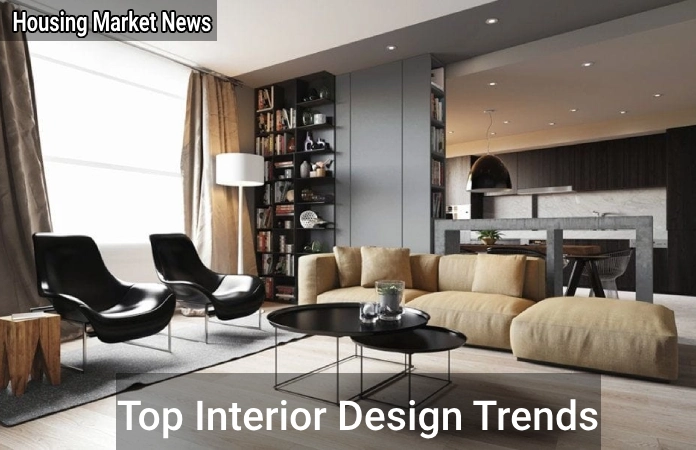
The End of the Sterile Museum Look
Something shifted in 2026. Homeowners stopped chasing the perfectly staged, all-gray interiors that flooded Instagram for a decade and started asking a different question: does this space actually feel good to live in?
That mindset change is driving every major interior design trend this year. According to a 2026 design outlook report by luxury brokerage Engel & Völkers, homeowners are now making deliberate choices around health, emotional well-being, and real-life functionality. The emphasis has moved firmly from “impressive” to “livable.”
Whether you’re renovating a single room or starting fresh, here are the 9 interior design trends defining homes in 2026 — and how to bring them into yours.
| Trend | Key Design Element | Real-World Impact |
| Biophilic Ecosystems | Living walls, vertical gardens | Reduces stress by up to 20% |
| Cocooning / Wellness Rooms | Meditation rooms, sensory bathrooms | Supports mental health & recovery |
| Earthy Palettes | Terracotta, sage, oxblood | Warmth, calm, sensory comfort |
| Modern Nostalgia | Arches, scalloped edges, millwork | Emotional depth, heirloom value |
| Texture as Language | Plaster walls, bouclé, zellige tile | Tactile richness, visual depth |
| Smart Energy Systems | Matter 1.5, solar panels, AI sensors | Up to 18% energy reduction |
| Sustainable Materials | Walnut, recycled stone, reclaimed wood | 10+ year lifespan investment |
| Sculptural Lighting | Organic pendants, tunable white LEDs | Defines zones, supports circadian rhythm |
| Multifunctional Spaces | Beverage bars, bespoke libraries | Flexibility for WFH & aging-in-place |
1. Biophilic Immersive Ecosystems

Forget the lone succulent on a shelf. In 2026, biophilic design has matured into a full spatial philosophy. Homeowners are installing floor-to-ceiling living walls, built-in planters, and vertical herb gardens that serve as both functional and visual anchors in kitchens, offices, and entryways.
The science backs the investment. Research consistently shows that nature-inspired spaces can reduce stress levels by up to 20% and support cognitive function. Biophilic upgrades have also been linked to an 8% uplift in urban home values, according to data from the Terrapin Bright Green consulting firm.
Practical starting point: A professionally installed living wall typically runs £120–£200 per square foot in the UK. For a lower-commitment entry, a fiddle leaf fig or olive tree under a full-spectrum grow light creates the same focal-point effect at a fraction of the cost.
2. Cocooning and Restorative Wellness Rooms
The “breathing room” is the 2026 upgrade people didn’t know they needed. These are dedicated spaces for meditation, tech-free reflection, or sound baths — carved out from spare bedrooms, garden rooms, or simply a purposefully redesigned corner of the home.
Bathrooms are getting the same treatment. Designers are transforming master baths into domestic sanctuaries using organic stone, soft acoustics, ribbed paneling, and warm low-level lighting. The goal isn’t luxury for luxury’s sake — it’s a restorative environment that starts and ends the day with calm.
Acoustic design is playing a bigger role too. Soft-touch walls and plaster finishes are being used to reduce “audio clutter” — a subtle but significant quality-of-life upgrade, particularly in open-plan city homes.
3. Earthy Palettes and the Post-Gray Era
If gray defined the 2010s and white defined the early 2020s, 2026 belongs to the earth. Terracotta, sand, sage green, warm walnut, and clay tones are replacing cool, clinical palettes across every room in the home.
A warm, grounding colour palette — featuring clay, spice hues, taupe, and sun-washed browns — is one of the fastest-growing aesthetics tracked by design platforms this year. The shift isn’t accidental. These tones promote calm, feel inherently welcoming, and age beautifully.
The 2026 Colour Spectrum
| Trend | Popular Shades | Mood / Vibe |
| Foundation Neutrals | Cloud Dancer, Mushroom, Sand | Grounding & Airy |
| Rich Accents | Oxblood, Deep Emerald, Burnt Terracotta | Sophisticated & Moody |
| New Neutrals | Sage Green, Warm Walnut, Taupe | Natural & Organic |
Color drenching — applying a single saturated hue to walls, trim, and ceiling — is the technique designers are using to make smaller rooms feel expansive and considered rather than boxed in.
4. Modern Nostalgia and Traditional Detailing
There’s a quiet revival of craftsmanship happening in 2026. Arched doorways, scalloped edges, plate racks, and detailed millwork are all part of what Houzz is calling the “New Tudor” influence — a warm, grounded take on traditional style that feels elegant rather than formal.
According to the 2025 US Houzz Kitchen Trends Study, traditional style rose 5 percentage points year-on-year among renovating homeowners, signalling a genuine appetite for comfort and skilled craftsmanship over minimalist restraint.
Checkerboard patterns are also having a definitive moment — particularly in sage-and-cream or terracotta colourways for mudrooms, utility rooms, and outdoor patios. Pair it with a vintage heirloom or high-quality thrifted piece and the space feels curated rather than costume.
5. Texture as a Design Language
In 2026, how a room feels to the touch is just as important as how it looks on screen. Top-to-bottom layering — plaster walls, jute rugs, bouclé upholstery, handmade zellige tile — is the signature move of the year’s most compelling interiors.
On hard surfaces, reeded vanities, fluted wood kitchen islands, and limewash finishes are replacing the flat, high-gloss surfaces of the previous decade. Textured walls alone have seen a 42% increase in popularity among homeowners, according to recent market data.
Mixed metals have also replaced the matched-set approach. Unlacquered brass alongside bronze and matte black gives a space a “curated over time” quality that feels genuinely personal rather than showroom-staged.
6. Intelligent Energy and Unified Smart Systems
The smart home of 2026 isn’t about gadgetry — it’s about invisibility. Hidden sensors, voice-activated lighting that mimics the golden hour, and automated climate control that learns your schedule are replacing the clunky, app-heavy setups of a few years ago.
The shift toward the Matter 1.5 interoperability standard is a big part of this. It allows devices from different brands to communicate within a single, unified ecosystem — meaning your Philips lighting, your Nest thermostat, and your solar energy panel all speak the same language.
Energy payoff: Smart lighting and automated climate systems in residential projects have already demonstrated energy reductions of up to 18%, according to industry data. The smart home market is forecast to grow at a compound annual rate of 27% through 2030.
7. Sustainable Materiality and Circularity
Sustainability in 2026 isn’t about eco-signalling — it’s about long-term value. Data from the 2026 Houzz Renovation Plans Report found that 62% of homeowners now expect to stay in their homes for 11 years or more, which has fundamentally shifted how they choose materials.
Rich, dark woods — walnut, cherry, and smoked oak — are replacing the pale, blonde timbers of the past decade. Recycled mineral surfacing and pre-consumer waste materials are being specified not as a compromise but as a premium choice with a better story.
The global green building materials market is projected to reach $364.5 billion by 2027, reflecting just how mainstream this philosophy has become.
8. Sculptural Lighting as Architecture
Statement lighting has always been a design tool, but in 2026 it’s become structural. Large-scale, organic-shaped pendants function as sculptural installations that anchor a room the way a piece of art might — particularly in open-plan spaces where ceiling height allows for drama.
Zonal illumination is the practical extension of this trend. Rather than lighting an entire room uniformly, designers are using carefully positioned light sources to define “islands” of activity — a reading nook, a coffee bar, a home office corner — within a larger shared space.
Tunable white technology takes this further by shifting colour temperature across the day — energising blue-white light in the morning, transitioning to warm amber by evening — to support the body’s natural circadian rhythm.
9. Multifunctional and Bespoke Defined Spaces
The all-open floor plan is facing some competition. In 2026, homeowners are reclaiming defined rooms — bespoke libraries, dedicated hobby studios, “beverage bars,” and quiet home offices with acoustic separation. Function is leading the brief.
Universal design is woven into this trend in a way that feels genuinely sophisticated. Wider doorways, varied counter heights, and adaptable fixtures are being incorporated as high-end design choices rather than medical necessities. Nearly two-thirds of renovating homeowners expect to stay in their homes for over a decade — and they’re designing accordingly.
Custom flat-panel cabinetry with integrated hardware is replacing the Shaker-style kitchen that dominated the last decade. It’s cleaner, more bespoke, and built for the long game.
Designing for the Long Game
The clearest thread running through every interior design trend in 2026 is intentionality. Homeowners aren’t chasing aesthetics for aesthetics’ sake. They’re building spaces that support their mental health, reflect their personal history, and hold their value across years rather than seasons.
The move from “cool and minimal” to “warm and meaningful” isn’t a pendulum swing — it’s a maturing. People have learned what actually improves daily life inside a home, and the design world is catching up.
Start with one high-impact textural element — a limewash wall, a living plant corner, or a reeded kitchen island — and build from there. The best interiors in 2026 weren’t styled in a day; they were layered over time.
Frequently Asked Questions
What are the biggest interior design trends in 2026?
The standout trends are biophilic living walls, wellness-focused rooms, earthy colour palettes (terracotta, sage, clay), tactile textures (bouclé, plaster, zellige), sculptural lighting, sustainable dark woods, and smart energy systems. The unifying theme is prioritising how a home feels to live in, not just how it looks.
Is gray still popular in interior design in 2026?
Gray has largely been replaced by warmer, earth-rooted tones. Sand, mushroom, taupe, sage green, and warm walnut are the dominant neutrals of 2026, with richer accents like oxblood and deep emerald used to add mood and depth.
What colours are trending for home interiors in 2026?
The trending palette spans three tiers: foundation neutrals (cloud dancer, mushroom, sand), rich accent colours (oxblood, burnt terracotta, deep emerald), and new organic neutrals (sage green, warm walnut, taupe). Colour drenching — painting walls, trim, and ceiling in the same saturated hue — is one of the most popular techniques for deploying these shades.
What is biophilic design and why is it trending in 2026?
Biophilic design integrates natural elements — living walls, stone textures, indoor trees, natural light, and water features — into indoor spaces to connect people with nature. Research shows it can reduce stress by up to 20%, boost productivity, and add around 8% to property values. In 2026, it’s grown beyond potted plants into full spatial ecosystems with smart irrigation and full-spectrum LED support.
Are open plan living spaces still popular in 2026?
Open plans are evolving rather than disappearing. The 2026 trend is toward defined zones within open layouts — using lighting, rugs, and furniture arrangement to create distinct “islands” of activity. Fully enclosed rooms for hobbies, home libraries, and quiet workspaces are also making a strong comeback.
What smart home technologies are popular in interior design in 2026?
The Matter 1.5 interoperability standard is the biggest development, allowing cross-brand smart devices to work within a unified ecosystem. Tunable white lighting, AI-managed energy panels, and hidden sensor systems that mimic natural light cycles are all major features in 2026’s most considered interiors.