
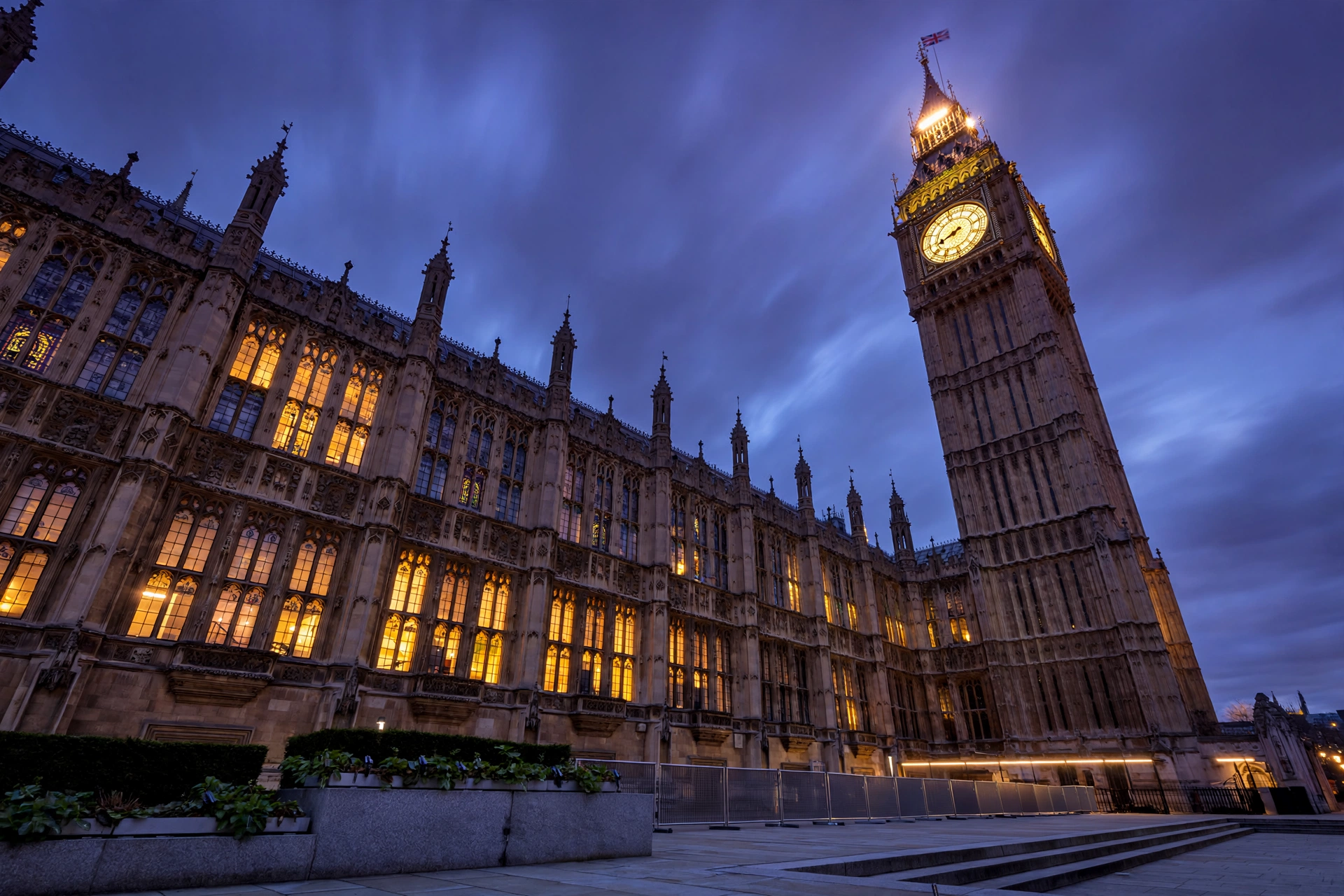
The Budget Is Done — Here Is What Was Confirmed for Housing
The Budget on 28 October 2026 — the first Budget of Chancellor John Healey — is over, and the speculation can stop. This article collects every confirmed housing measure in one place, with the verified numbers, so you do not have to read four separate Budget explainers to know where you stand. Figures are taken from GOV.UK Budget documents and professional coverage from Mortgage Strategy, Setfords and Which?.
Full detail on each policy lives in our dedicated explainers, linked at the end of this article. Here is the summary.
Your First Home: the £4.7bn Scheme for First-Time Buyers
The centrepiece for buyers is Your First Home, a £4.7 billion government equity-loan scheme aimed at first-time buyers who cannot rely on the “bank of mum and dad”. The headline terms are now confirmed:
- A 20% equity loan towards the purchase of a new-build home in England.
- A 2.5% minimum deposit, with a maximum deposit of 15%.
- The loan is interest-free for five years, with charges rising gradually afterwards.
- Income caps of £110,000 outside London and £140,000 in London.
- Price caps set by local-authority median price: £650,000 in inner London, £500,000 in outer London, with lower caps elsewhere — for example around £375,000 in Reading and £355,000 in Manchester.
- Around 70,000 households are expected to be helped.
The timetable is also fixed: pre-registration by the end of December 2026, full applications from February 2027, and the first loans from April 2027.

Stamp Duty: No Change
Residential stamp duty (SDLT) is unchanged. The only confirmed change is a technical one: SDLT on rent under assured tenancies is removed. If you were waiting for the Budget to change the cost of moving, it did not — buyers can plan on the current SDLT bands applying.
The Mansion Tax: £2 Million Homes From April 2028
The High Value Council Tax Surcharge — widely called the mansion tax — goes ahead from April 2028. The confirmed design:
- The £2 million threshold is retained — a rumoured extension down to £1.5 million was rejected.
- Annual bands of £2,500 / £3,500 / £5,000 / £7,500 for homes worth £2–2.5m, £2.5–3.5m, £3.5–5m and £5m+.
- The owner pays, not the occupier; the charge rises with CPI from 2029/30.
- A deferral scheme, discounts and exemptions were confirmed, plus a 100% premium on homes empty for 12 months or more.
- Liability is based on a 2026 VOA valuation snapshot.
Landlords: Rental Income Tax Rises Again
Property income tax rises by a second two percentage points: 24% / 44% / 49% from 6 April 2027. This supersedes the Finance Act 2026’s earlier rise to 22% / 42% / 47%. If you own rental property, these are the figures to use for planning — and if you are thinking of buying a buy-to-let, run the numbers with the new rates before you commit.
Property Capital Gains Tax: Unchanged
Property CGT is unchanged at 18% / 24%. Rumours of a rise did not materialise, so landlords selling in 2026/27 face the same rates as before.
First Time Buyer ISA From 2029 — and a LISA Cut Now
Two confirmed savings changes matter for buyers. From April 2029, a new First Time Buyer ISA replaces the Lifetime ISA: a 25% government bonus, for homes up to £450,000, with a maximum bonus of £20,000. With immediate effect from 29 October 2026, the LISA withdrawal charge is cut to 20% for homes above £450,000.

The Mortgage Backdrop: Rates Near 6%, a Decision on 5 November
The Budget did not move mortgage rates, but the context matters. As of 30 October 2026, Moneyfacts put the average five-year fixed rate at around 5.99% and the average two-year fixed at around 5.97% — above the 6% barrier for the first time in three years. The Bank of England base rate remains on hold at 3.75%, with the next MPC decision on 5 November 2026. Buyers should factor the cost of borrowing, not just the Budget measures, into their plans.
What It All Means for Buyers
If you are a first-time buyer, the two things to act on are the December 2026 pre-registration for Your First Home and the April 2029 First Time Buyer ISA — the second rewards patience and disciplined saving. If you are already saving into a Lifetime ISA and looking above £450,000, the 20% withdrawal charge softens the penalty from 29 October 2026. If you are moving anyway, stamp duty is unchanged, so nothing in the Budget should change your timing. And if you are buying to let, the April 2027 tax rise is the number that changes your sums — verify it with the new 24% / 44% / 49% rates.
Read the Full Explainers
For the complete detail behind each measure, see our in-depth guides:
- Autumn Budget 2026: A Calm, Practical Guide for Home Buyers
- Your First Home Scheme Explained: How to Buy With a 2.5% Deposit
- The ‘Mansion Tax’ Explained: The New Yearly Charge on £2 Million Homes From 2028
- Landlords: The April 2027 Rental Tax Rise Is Already Law
To see what the numbers mean for you personally, try our free tools: the Affordability Calculator shows what you could borrow, and the UK Home Buyer Toolkit brings the calculators together in one place.
Note: figures in this article are the Budget’s confirmed outcomes, verified on 30 October 2026. Full detail on each policy lives in the linked explainers above.

Comments are closed.