
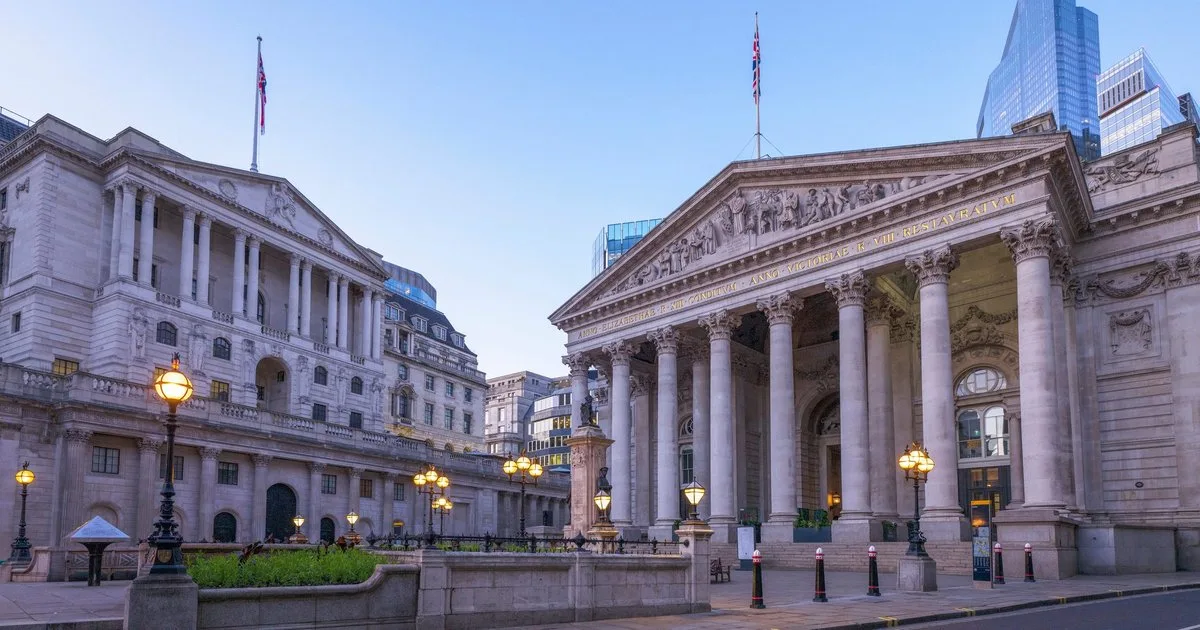
UK inflation has jumped to 3.5%, and with it, the last real doubt about the Bank of England’s next move has gone. Figures published by the Office for National Statistics on Wednesday 21 October showed consumer prices rising faster than expected in September — driven almost entirely by the cost of fuel — and money markets now treat a Bank Rate rise on 5 November as close to a done deal.
If your fixed mortgage deal ends in the next few months, this is not background noise. Here is what happened, why it happened, and what it is likely to do to the cost of borrowing.
What the Inflation Figures Actually Say
The annual CPI rate rose to 3.5% in September, up from 3.1% in August and above the 3.4% economists had forecast. It is the highest reading since October 2025. Prices rose 0.4% in the month alone. Core inflation — which strips out energy, food, alcohol and tobacco — also ticked up, from 2.6% to 2.8%, and services inflation rose from 3.4% to 3.7%.
The culprit is no mystery. Motor fuel prices were 29.8% higher than a year earlier. Petrol averaged 169.5p a litre in September, its highest since August 2022, and diesel averaged 192.5p — the most expensive since July 2022. The RAC recorded average diesel prices passing 200p a litre for the first time in early October. Behind it sits the war in Iran: Brent crude has risen from around $70 a barrel before the US and Israeli strikes to between $95 and $100 this month.
The one bright spot was food, where inflation held steady at 1.3% as supermarkets compete on price. As more than one analyst put it this week, the pain is at the pump, not the checkout.

Why a Rate Rise on 5 November Now Looks Locked In
The Bank of England held Bank Rate at 3.75% at its last meeting on 17 September — but only just. Three of the nine members of the Monetary Policy Committee voted to raise it to 4% even then, before this latest inflation surprise.
Since Wednesday’s figures, market pricing has moved decisively. LSEG data reported by CNBC puts the probability of a quarter-point rise to 4.00% on 5 November at around 98%, and Capital Economics expects a second rise in February, taking Bank Rate to 4.25%. It would be the first increase since 2023 — a sharp reversal for anyone who spent the summer hoping for cuts.
The timing could hardly be worse for the Chancellor. The same ONS release showed public borrowing of £24.5 billion in September, higher than forecast, and the national debt passing £3 trillion for the first time — one week before John Healey presents his first Budget on 28 October. Higher inflation means higher debt-interest costs and less room for giveaways.
What This Does to Mortgage Rates
Fixed mortgage rates are priced on where markets think Bank Rate is going, not where it is — which is why lenders have already been moving. Moneyfacts put the average two-year fix at 5.98% and the average five-year fix at 6.00% in mid-October, and the number of deals priced under 5% has collapsed from 1,494 at the start of September to just nine.
A rise on 5 November would push new fixed rates higher still. On a £250,000 mortgage over 25 years, today’s average two-year fix of 5.98% costs about £1,608 a month. If new fixes rise by a quarter of a point to around 6.23%, the same loan costs about £1,646 a month — roughly £38 more every month, or £461 over a year.
The people hit first and hardest are those on tracker deals, which move automatically with Bank Rate, and anyone drifting on a lender’s standard variable rate. The average SVR is around 7.13% — on that same £250,000 loan, that is about £1,788 a month, some £180 a month more than the average fix. Sitting on an SVR while rates are rising is the most expensive seat in the market.

What To Do Now
If your fix ends within six months, act now. Most lenders let you secure a new deal well before your current one finishes, and if rates fall back before you complete, many will let you switch to the better rate. Locking in is a one-way insurance policy against November.
Run your numbers before you shop. Our Affordability Calculator shows what a lender is likely to offer at today’s rates, and the Mortgage Overpayment Calculator shows how even small overpayments now reduce the balance that gets re-priced later. Both sit inside our UK Home Buyer Toolkit.
Don’t wait for the Budget to fix your rate. The Budget on 28 October is about taxes, not interest rates. The decision that matters for mortgages lands on 5 November — and the market has already made up its mind about it.
Frequently Asked Questions
Why did UK inflation rise to 3.5%?
Almost entirely because of fuel. Motor fuel prices rose 29.8% in the year to September after the war in Iran pushed oil prices sharply higher. Petrol hit 169.5p a litre and diesel 192.5p — both the highest since the summer of 2022.
Will the Bank of England raise interest rates in November?
It is now considered highly likely. Markets price roughly a 98% chance of a rise from 3.75% to 4.00% on 5 November, and some economists expect a further rise to 4.25% in February.
Should I fix my mortgage now or wait?
If your current deal ends within the next six months, securing a rate now protects you if November brings the expected rise — and with most lenders you can still move to a cheaper deal later if rates fall before you complete. Waiting unprotected is a gamble that rates will fall, which is not what the data currently suggests.
How much does a 0.25% rise add to a mortgage?
On a £250,000 repayment mortgage over 25 years, roughly £38 a month — about £461 a year. The exact figure depends on your balance and term; our toolkit calculators will run your own numbers.
Sources: Office for National Statistics (CPI and public finances, 21 October 2026); Bank of England MPC minutes, September 2026; CNBC/LSEG market pricing; Capital Economics via HomeOwners Alliance; Moneyfacts rate data, October 2026.

Comments are closed.