
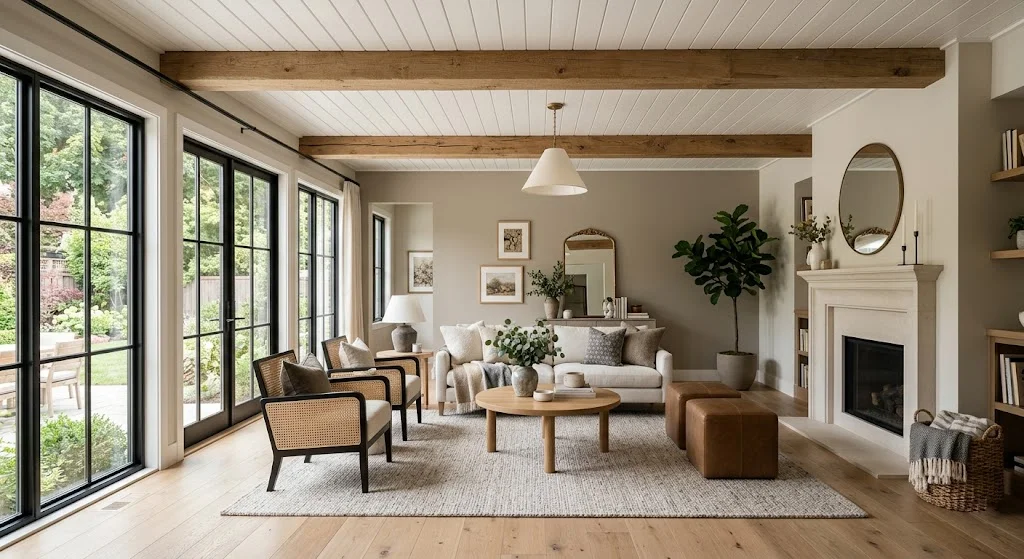
A shiplap ceiling uses overlapping wooden boards with rabbeted edges to create clean, linear lines overhead. It adds warmth, texture, and character to any room. Materials cost $2–$8 per square foot, with full installation ranging from $450 to $3,000 depending on room size and wood type. (47 words)
Your walls get all the attention. You hang art on them, pick paint colors for them, and obsess over furniture placement against them. But your ceiling? It just sits there, plain and forgettable. A shiplap ceiling changes that fast.
Shiplap has been one of the most popular home design trends for years — and for good reason. It adds texture, warmth, and personality to a space without requiring a full renovation. Whether you love the farmhouse look or prefer something cleaner and more coastal, shiplap works. Here’s everything you need to know before you start.
What Exactly Is a Shiplap Ceiling?

Shiplap is a type of wooden board with a groove — called a rabbet — cut along the top and bottom edges. These grooves allow each board to slightly overlap the next one, locking them together in a tight, clean line. The result is a surface with a signature pattern of thin, even gaps running across it.
Originally, shiplap was used on ships and barns because it was weather-resistant and sturdy. It kept out wind and rain better than flat planks. Over time, it made its way inside homes — first as wall paneling, then as a ceiling treatment. Today, it’s one of the most recognized looks in interior design.
When you put shiplap on a ceiling, those long horizontal (or vertical) lines draw your eye across the room. The effect makes the space feel bigger, warmer, and more finished. It’s a small change that makes a big difference.
Why So Many Homeowners Love It

The real appeal of a shiplap ceiling comes down to what it does for a room visually and practically. Those clean lines create depth that flat drywall simply can’t. Running planks lengthways can elongate a space, while orienting them across the short dimension visually widens it. You get to control how the room feels just by choosing a direction.
Beyond looks, shiplap brings some practical wins too. Wood is a natural insulator, so shiplap ceilings can help keep a room warm in winter and cool in summer, lowering energy costs and improving comfort. It also absorbs sound, which matters a lot in open-plan homes or rooms with high ceilings where sound bounces around.
Another underrated benefit: shiplap can cover popcorn ceilings if you’re looking to get rid of that dated texture. Instead of scraping and patching, you install right over the top. It saves time, mess, and money.
What Materials Can You Use?

Not all shiplap is the same. The material you pick affects the cost, the look, and how much maintenance you’ll do down the road.
Pine is the most popular choice for shiplap ceilings. It falls in the middle of the price range at around $2.50 to $4 per square foot, and its natural colors and textures add depth whether it’s sealed, stained, or painted. Pine takes paint beautifully, which is why most white shiplap ceilings you see are pine.
MDF (medium-density fiberboard) is the most affordable option, costing from $1 to $4 per square foot. It has a smooth, consistent surface and paints well, but it doesn’t handle moisture the way real wood does. Keep it away from bathrooms and other high-humidity spots.
Cedar is a step up in price but brings natural moisture resistance to the table. If you’re putting shiplap in a bathroom or laundry room, cedar handles the humidity better than pine or MDF. For bathroom applications, pair your planks with a water-resistant finish like polyurethane or polycrylic to prevent swelling and mold growth.
Reclaimed wood gives you a one-of-a-kind look with natural character built right in. It costs more and can be harder to source, but the result feels completely authentic. No two boards look the same.
PVC and vinyl options exist too, and they work well in spaces where moisture is a real concern. They won’t warp, rot, or need sealing. The trade-off is that they don’t have the warmth or feel of real wood.
How Much Does a Shiplap Ceiling Cost?
Cost is usually the first question, and the answer depends on a few things: room size, material choice, ceiling height, and whether you hire a pro or do it yourself.
A shiplap ceiling costs $450 to $2,800 total installed, depending on the ceiling size and complexity. That range is wide because a small bathroom ceiling is a very different project from a large open-plan living area with a vaulted roofline.
On the materials side alone, the average shiplap ceiling cost per square foot is $2.50 to $7. Add labor on top of that, and contractors charge a 25–50% premium for ceiling work compared to walls, since working overhead takes longer and requires more effort.
DIY installation for a mid-sized room typically runs $500 to $800, while hiring a professional brings the total to $1,000 to $3,000. If your ceiling needs repairs before installation — say there’s water damage or sagging drywall — add that to your budget. Ceiling repairs cost between $419 and $1,359, and they need to happen before shiplap goes up.
For a tight budget, MDF shiplap in a small room is your most affordable path. For a larger space with a premium wood choice, plan for the higher end of that range.
Design Ideas Worth Considering
One of the best things about shiplap ceilings is how many directions you can take them. Here are some approaches that work well in real homes.
Classic white shiplap is the most popular for a reason. It’s clean, bright, and works in almost any room. It reflects light, making spaces feel more open. Bedrooms, living rooms, kitchens, and covered porches all look great with white shiplap overhead.
Natural wood tones work beautifully in spaces where you want warmth. Leave the wood unsealed or use a light stain to let the grain show through. This look works especially well in cabins, reading rooms, and home offices where you want the space to feel grounded and cozy.
Combining shiplap with exposed beams creates maximum visual depth. Dark-stained beams against light shiplap is a pairing that works across farmhouse, rustic, and contemporary styles.
Vertical installation is a smart move in rooms with lower ceilings. Running boards vertically makes low ceilings appear taller. The eye follows the lines upward, which works especially well in basements and smaller rooms.
For something bolder, consider a dark stain or painted ceiling. A deep gray or charcoal shiplap ceiling in a dining room or bedroom creates a focused, intimate feel — especially when paired with good lighting underneath.
Can You Install It Yourself?
Yes — and plenty of homeowners do. It’s not the easiest DIY project, but it’s not the hardest either. The basic process involves locating and marking ceiling joists, measuring the room, cutting your shiplap to size, and nailing each board into place.
The most important step is getting that first board perfectly level. If the first board goes up even slightly off, every subsequent board follows that same angle, and the error compounds across the entire ceiling. Take your time on that first row.
You’ll also need to plan around obstacles. Light fixtures, vent covers, and smoke alarms all require cuts. Measure where the cut needs to be, mark it on the back of your board, and use a jigsaw to cut it out.
For vaulted ceilings, very large rooms, or spaces with complex angles, hiring a professional makes more sense. The premium for ceiling work is real, but so is the risk of a crooked install that’s visible every time you walk into the room.
Maintenance: What to Expect Long-Term
Shiplap ceilings don’t demand much attention, but they do need some. Dust collects in the grooves over time. A soft brush or vacuum with a brush attachment works well for regular cleaning. For painted shiplap, a mild detergent and damp cloth handle stubborn dirt or stains.
Wood moves with changes in temperature and humidity. Over time, those variations can cause tiny fractures or gaps to appear. Apply wood filler, sand it smooth, and repaint or restain as needed to keep the surface looking fresh.
Painted shiplap needs occasional touch-up paint for dings, while stained wood may need resealing every few years. It’s straightforward upkeep — nothing you can’t handle on a weekend afternoon.
In humid rooms like bathrooms and kitchens, ensure you have proper ventilation and address any water issues quickly. A dehumidifier can prevent significant wood movement and cracking in high-moisture spaces.
Is a Shiplap Ceiling Worth It?
Honestly, yes — for most homes and most budgets. It transforms the most overlooked surface in a room into an actual design feature. The cost is reasonable compared to other ceiling upgrades, the installation is manageable with the right skills, and the result lasts for years with minimal upkeep.
You don’t need a farmhouse aesthetic to pull it off. Shiplap works in coastal homes, modern spaces, traditional interiors, and everything in between. The material and finish you choose shape the style. The structure does the rest.
If you’ve been staring up at a plain, flat, or dated ceiling and wondering what to do with it, shiplap is a solid answer. Start with a small room to get a feel for it, then go from there.

Comments are closed.