
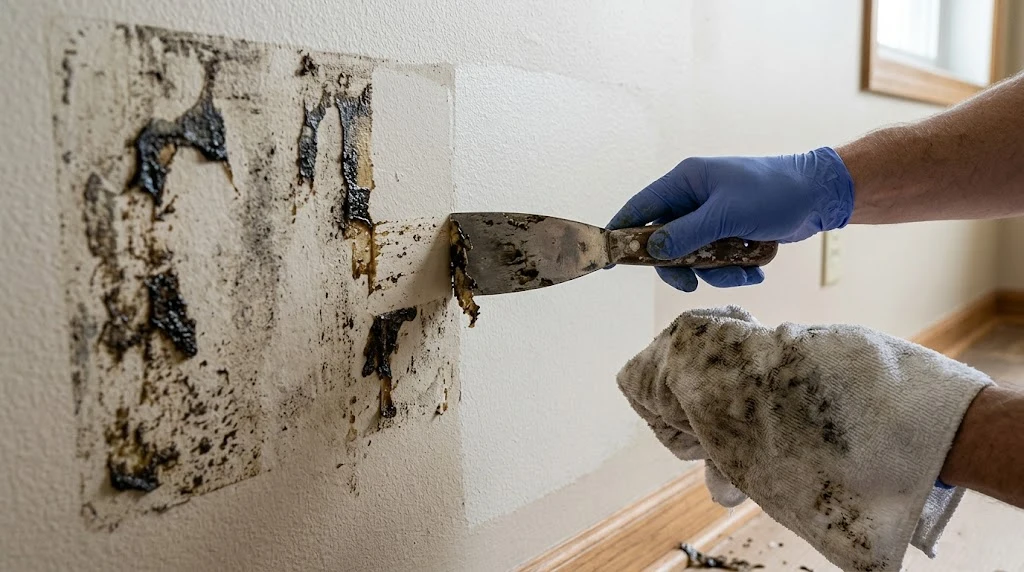
How to Remove Glue from Walls Soften the glue with warm water and a few drops of dish soap. Let it sit for 10–15 minutes, then gently scrape with a plastic putty knife. For stubborn residue, use white vinegar, rubbing alcohol, or a commercial adhesive remover. Always test on a small area first.
Glue on walls is one of those problems that looks worse than it actually is. Whether you just pulled down a wall decal, stripped old wallpaper, or peeled off some double-sided tape — there’s almost always a sticky mess left behind. The good news is you don’t need expensive products or a professional to fix it.
With the right approach and a little patience, you can clean those walls up completely. This guide walks you through every method, from the gentlest soap-and-water fix to stronger solutions for the really stubborn spots.
What You Need Before You Start
You don’t need a hardware store shopping spree for this job. Most of what you need is already sitting in your home.
Pick up a plastic scraper or putty knife, a spray bottle, a few clean cloths or sponges, and dish soap. White vinegar, rubbing alcohol, and baking soda are also worth having on hand. If the glue is really set in, a commercial adhesive remover like Goo Gone or DIF will do the heavy lifting.
Avoid metal scrapers — they can scratch or gouge the drywall beneath the glue and create more damage than the glue itself. Lay down a drop cloth or old towels along the baseboard before you start. Cleaning products can drip, and protecting your floor now saves you a second cleanup job.
Know What Type of Glue You’re Dealing With
Not all glue behaves the same way, and the type you’re dealing with changes which method works best. Water-based adhesives — like most wallpaper glues — respond quickly to warm water and mild cleaners. Construction adhesive or super glue is a different story. It bonds harder and often needs alcohol or a commercial remover.
Some adhesives, like wallpaper leftovers, can be cleaned up with hot water and soft scrubbing, while others require harsher methods. Take a close look at what you’re working with. If the residue is thin and slightly translucent, it’s likely water-based. If it’s thick, crusty, or rock-hard, expect to spend more time and use a stronger solution.
Always test a small area first before applying any removal method to the entire wall, to make sure no damage or discoloration occurs. Pick a spot behind furniture or near a corner where a small mistake won’t be visible.

The Warm Water and Dish Soap Method
This is your starting point — and for many types of glue, it’s also your finishing point.
Mix warm water with a few drops of dish soap in a spray bottle. Mist the glue and let it soak for 5–15 minutes, then blot and gently peel with a plastic scraper. The warm water softens the adhesive bond, and the soap helps lift it away from the surface.
Work in small sections rather than soaking the entire wall at once. Avoid over-saturating the wall — excessive moisture can damage drywall and weaken the surface beneath the paint. Wipe the area dry with a clean cloth after each section, then move to the next. Repeat the process on any spots where glue remains.
This method works especially well on painted drywall and is completely safe for most wall finishes.

White Vinegar — A Reliable Household Fix
White vinegar is cheap, safe, and surprisingly effective on adhesive residue. It works because the mild acidity breaks down the bond between the glue and the wall surface.
Dilute white vinegar 1:1 with warm water and apply it with a sponge to the sticky area. Give it a few minutes to penetrate, then wipe it away with a clean cloth. For thicker deposits, let it sit longer — up to 10 minutes — before you try to scrape.
If the glue is on a painted wall, rinse the area with plain water after the vinegar treatment. Leaving acidic residue on the paint for too long can dull the finish over time. Vinegar works best on water-based glues and light adhesive residue, so if you’re dealing with something thicker, move on to a stronger method.
Rubbing Alcohol and Hand Sanitizer
When warm water and vinegar aren’t cutting it, rubbing alcohol is your next step. Alcohol dissolves many types of adhesive without damaging most painted wall surfaces.
To remove stubborn adhesive from drywall, apply rubbing alcohol or acetone to a cloth and rub the sticky area until it comes off. A plastic scraper can help with any leftover residue. Use gentle, circular motions rather than scrubbing hard in one direction. Hard scrubbing can wear away the paint along with the glue.
Hand sanitizer has a high alcohol content, which makes it effective at removing sticky adhesive residue. It’s a handy option if you don’t have rubbing alcohol nearby. Apply a small amount directly to the glue, rub gently with a cloth, and wipe clean. Both options dry quickly, so there’s less risk of moisture damage compared to water-based methods.
Baking Soda Paste for Gentle Scrubbing
Baking soda gives you a mild abrasive that lifts residue without being harsh enough to strip paint. It’s a good middle ground when you need a little more scrubbing power but want to stay gentle.
Mix baking soda with enough water to create a paste, then gently rub it on the residue. Wipe it off with a clean, damp cloth. The slightly grainy texture helps break up the adhesive without scratching the wall. This method works well on smaller spots and is safe for most painted surfaces.
Don’t press too hard. The goal is to work the paste into the glue, not grind it into the wall. Light, steady pressure gets the job done.
Using a Steamer or Heat Gun
Heat is one of the most effective ways to soften glue that has really hardened onto the wall. A clothes steamer or garment steamer works well here — you probably already own one.
Apply steam from a hand steamer at short intervals, then use a putty knife to lift the softened adhesive. Wipe the residue away with a damp cloth and mild soap. Keep the steamer moving rather than holding it in one spot, which prevents too much moisture from soaking into the drywall.
Heat guns work similarly but run hotter, so they’re better suited for heavy construction adhesive or thick glue buildup. Keep the heat gun at least a few inches from the wall and move it constantly. High heat held too close can bubble paint or scorch drywall paper.
Commercial Adhesive Removers
Sometimes the DIY methods just aren’t enough. That’s when a commercial product like Goo Gone, WD-40, or DIF wallpaper remover earns its place.
Spray a small section of the wall with the remover and scrape the glue off with a putty knife to remove large amounts before scrubbing. Follow up with a damp sponge to clean away any product residue. Always read the manufacturer’s instructions and let the remover sit for the recommended time so it fully penetrates and softens the glue.
These products work fast and handle tough adhesives that water-based methods can’t touch. Just make sure you ventilate the room properly — open windows and run a fan. Some commercial removers have strong fumes that build up quickly in an enclosed space.
How to Remove Glue Without Damaging Paint
Protecting the paint while removing glue is all about staying patient and working gently. The biggest mistake most people make is rushing — they press too hard with the scraper or let water sit too long on the wall.
If you use a little heat and light friction, perhaps alongside a mild chemical compound, you can remove adhesive from wall areas without causing damage to the paint. Start with the gentlest method, move up gradually, and stop scraping the moment the glue lifts. Forcing it when it’s not ready always causes more damage.
Even small patches of glue left behind can show through paint or cause long-term issues with adhesion — so be thorough but careful. Run your hand over the cleaned area to check for any sticky spots you may have missed. Treat those individually before you move on.
Common Mistakes That Make Things Worse
A few simple mistakes can turn a quick fix into a wall repair project.
Painting before the wall is fully dry can cause paint to bubble or crack. Using metal scrapers can damage the wall and create more work in the long run. Another common error is soaking the wall with too much liquid at once. Drywall absorbs moisture quickly, and over-saturation can weaken the surface and cause it to crumble or peel.
Don’t skip the test patch. It takes two minutes and can save you from stripping paint off an entire section of wall. And resist the urge to use a box cutter or knife — those tools are far too aggressive for this job and will leave visible gouges behind.
When to Call a Professional
Most glue removal jobs are completely doable on your own. But if you’re dealing with an entire room of old wallpaper adhesive, structural damage underneath, or glue on textured plaster walls that are already fragile — a professional may be worth the cost.
If you run into really tough glue or a lot of wall damage, it’s a good idea to ask a pro for help. On average, homeowners spend between $0.60 to $3 per square foot for professional adhesive removal — a reasonable price if the alternative is accidentally damaging a large section of drywall.
Start with the gentlest method, work your way up, and take your time. Your walls will come out clean.


Comments are closed.