
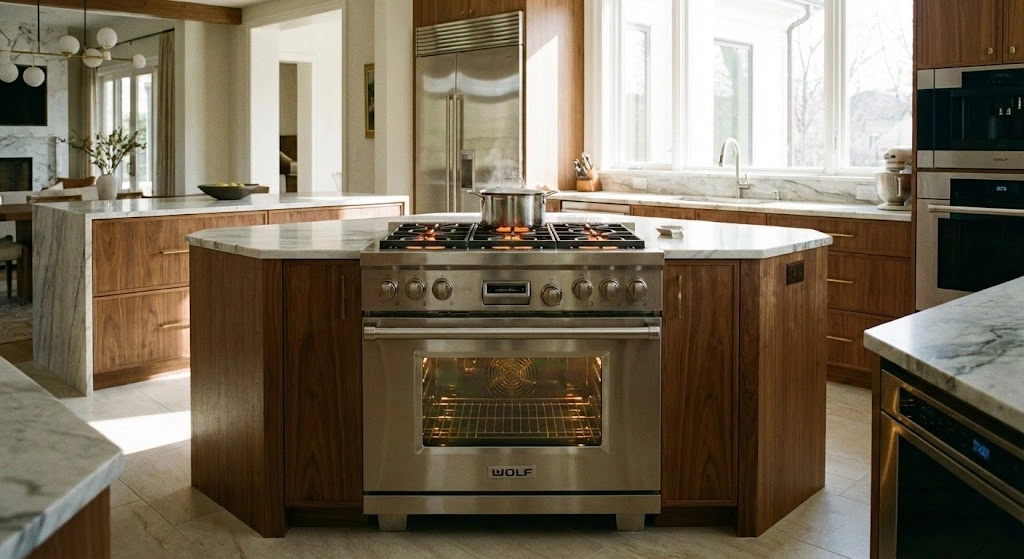
Gas ranges offer instant heat control and visual feedback that serious cooks love. The best models feature powerful BTU burners, convection ovens, and self-cleaning capabilities. Top picks include the LG LRGL5825F with air fry mode and the Bertazzoni MAS305GASXV for professional-grade performance.
You stand in your kitchen, turning the knob on your gas range. The flame responds instantly. That connection between you and the cooking process is why so many home cooks refuse to give up their gas ranges, even as newer technologies emerge.
Gas ranges have earned their place in kitchens worldwide. They provide the kind of control that makes cooking feel more like an art than a chore. When you need to drop from high heat to a gentle simmer, gas responds immediately. Your food feels the temperature change within seconds.
Why Choose a Gas Range Over Other Options

Gas cooking gives you something electric ranges simply cannot match: visual feedback. You see the flame. You know exactly how much heat you’re applying to your pan. This matters more than you might think when you’re juggling multiple dishes or trying to nail that perfect sear on a steak.
Most gas ranges come with four or five burners in different sizes. You get at least one high-power burner for rapid boiling and one simmer burner for delicate sauces. Some models pack burners ranging from 5,000 BTUs up to 20,000 BTUs or higher. This range lets you handle everything from melting chocolate to boiling large pots of pasta.
Gas ranges work with any cookware. That round-bottomed wok you inherited from your grandmother? It sits perfectly on gas grates. Try using it on a flat electric cooktop and you’ll understand the difference.
During power outages, gas ranges become heroes. Most models let you light the burners with a match when the electricity goes out. Your family still gets hot meals when the neighborhood goes dark.
Understanding BTU Power and What It Means for Your Cooking
BTU stands for British Thermal Unit. It measures how much heat your burner produces. Higher BTUs mean more power, but bigger isn’t always better for every cooking task.
A typical home gas range offers burners between 5,000 and 20,000 BTUs. The sweet spot for most cooking sits around 9,000 to 12,000 BTUs. This range handles everyday tasks like sautéing vegetables or simmering sauces without overwhelming your ingredients.
High-power burners above 15,000 BTUs excel at specific tasks. They bring large pots of water to a boil quickly. They sear meat at restaurant-quality temperatures. They handle stir-frying at the high heat required for proper wok cooking.
Low-power burners matter just as much. A good simmer burner operates at around 5,000 BTUs or lower. This prevents your chocolate from scorching when you’re making ganache. It keeps your tomato sauce from burning while it develops flavor over hours of gentle cooking.
Top Features to Look For in Modern Gas Ranges
Convection ovens changed the baking game. A fan circulates hot air throughout the oven cavity, creating even heat distribution. Your cookies brown uniformly across the sheet. Your roasts cook evenly without hot spots. Models like the LG LRGL5825F feature true convection systems that position the heating element at the back of the oven rather than the bottom.
Self-cleaning capabilities save hours of scrubbing. Modern gas ranges offer either traditional high-heat cleaning or quick-clean technology. LG’s EasyClean feature lets you spray the oven with water, press a button, and wipe away grime after just 10 minutes. No harsh chemicals required.
Oven capacity matters when you’re cooking for a crowd. Standard single ovens typically offer 5 to 6 cubic feet. Double oven models, like the LG LDG4313BD, provide nearly 7 cubic feet total. You can bake at two different temperatures simultaneously.
Continuous cast-iron grates let you slide heavy pots across the cooktop without lifting. This simple feature prevents spills and makes cooking less exhausting. Most quality gas ranges include these grates as standard equipment.
Smart features add convenience. WiFi-enabled ranges let you preheat from your phone. You can monitor cooking progress remotely. Some models send alerts when your dish reaches the target temperature.
The Best Gas Ranges for Your Kitchen in 2026
The LG LRGL5825F stands out as a top performer. This 30-inch freestanding range delivers 5.8 cubic feet of oven space. Its UltraHeat 20,000 BTU burner brings water to a boil faster than most competitors. The air fry mode works without preheating, letting you make crispy foods without a separate appliance.
True convection ensures even baking on every rack. The InstaView window lets you tap twice to see inside without opening the door and losing heat. Smart ThinQ technology connects to your phone for remote control and monitoring.
The Bertazzoni MAS305GASXV brings Italian craftsmanship to your kitchen. This 30-inch gas range features five burners with outputs ranging from simmer-friendly low settings to high-heat cooking. The European convection oven bakes evenly and includes a self-cleaning function.
Bertazzoni includes thermocouple gas safety that cuts off gas flow if the flame goes out unexpectedly. The continuous cast-iron grates support smooth cookware movement. You can choose from stainless steel, white, or black finishes.
The Maytag MGR775 offers excellent value. This freestanding range provides 6 cubic feet of oven capacity. Five sealed burners include a center oval burner perfect for griddles or large pots. The fingerprint-resistant stainless steel exterior stays cleaner between wipes.
Consumer Reports testing shows that this model maintains consistent simmering temperatures. Bread browns evenly in the oven. The self-cleaning feature and keep-warm setting add convenience for busy cooks.
Size and Installation Considerations
Standard gas ranges measure 30 inches wide. This size fits most kitchen cutouts without modification. The depth typically runs 27 to 29 inches, with a height around 36 inches. These measurements don’t always include features like rear consoles, knobs, or handles.
Measure your space carefully before buying. Account for clearance requirements. Gas ranges need proper ventilation space. Check your local building codes for specific requirements in your area.
You can choose between freestanding and slide-in models. Freestanding ranges have finished sides and a back panel with controls. They fit between cabinets with small gaps on each side. Slide-in ranges have unfinished sides and sit flush with countertops for a built-in look. They cost more but create a sleeker appearance.
Larger options exist for serious cooks. Professional-style ranges come in 36-inch, 48-inch, and even 60-inch widths. These models typically feature more burners and higher BTU outputs. They need more powerful ventilation systems.
Safety Features and Ventilation Requirements
Modern gas ranges include important safety features. Flame failure devices automatically shut off gas flow if the burner goes out. This prevents gas leaks that could lead to dangerous situations.
Thermocouple technology monitors each burner continuously. If the flame extinguishes while you’re cooking, the gas supply stops within seconds. This feature appears on quality models from brands like Bertazzoni and higher-end manufacturers.
Cool-touch knobs and handles protect you from burns. Even when the oven runs at high temperatures, these control points stay safe to touch. Temperature monitoring during testing shows that quality ranges keep these surfaces below dangerous heat levels.
Ventilation is critical when cooking with gas. Range hoods remove nitrogen dioxide, smoke, grease, and odors from your kitchen. A hood with adequate CFM (cubic feet per minute) rating for your cooktop size makes a real difference in air quality.
If you don’t have a range hood, open windows while cooking. This simple step improves airflow and reduces pollutant buildup. Air purifiers can also help remove airborne particles from gas cooking.
Maintenance Tips for Long-Term Performance
Clean burners regularly to prevent gas leaks and ensure proper ignition. Food splatter and grease can block burner ports, leading to incomplete combustion. Remove the burner caps and grates weekly. Wash them with warm soapy water. Use a small brush to clear any debris from the burner holes.
Wipe the cooktop surface after each use. This prevents buildup that becomes harder to remove later. For stubborn stains, use a degreasing cleaner designed for your cooktop material. Avoid abrasive scrubbers that can scratch porcelain or enamel surfaces.
The oven requires attention too. Use the self-cleaning feature every few months for thorough cleaning. Between deep cleans, wipe up spills immediately after the oven cools. This prevents baked-on messes that resist later removal.
Check the door seal periodically. A worn gasket lets heat escape, reducing efficiency and cooking performance. Replace damaged seals promptly to maintain proper oven temperatures.
Professional servicing every few years ensures your range operates safely. Technicians check gas connections, test igniters, and verify that safety features work correctly. This maintenance catches potential problems before they become serious issues.
Making Your Final Decision
Your perfect gas range depends on your cooking style and kitchen needs. Consider how often you cook and what dishes you prepare most frequently. If you bake often, prioritize models with true convection ovens. If you stir-fry or sear regularly, look for high-BTU burners.
Budget matters, but reliability matters more. Gas ranges from established brands like LG, Maytag, and Bertazzoni typically offer better long-term value than unknown manufacturers. Service data from appliance retailers shows these brands require fewer repairs over their lifespans.
Read owner reviews carefully. Look for patterns in complaints rather than isolated incidents. Common issues with grates, ignition systems, or temperature control suggest design problems worth avoiding.
Visit appliance showrooms when possible. Turn knobs, open doors, and test the feel of controls. Some features that sound good on paper work poorly in real use. Hands-on experience helps you avoid disappointing purchases.
Gas ranges represent a significant investment in your kitchen. They typically last 10 to 15 years with proper maintenance. Choose thoughtfully, prioritizing features you’ll use daily over gimmicks that sound impressive but add little practical value. Your cooking deserves a range that responds to your needs, meal after meal, year after year.


Comments are closed.