
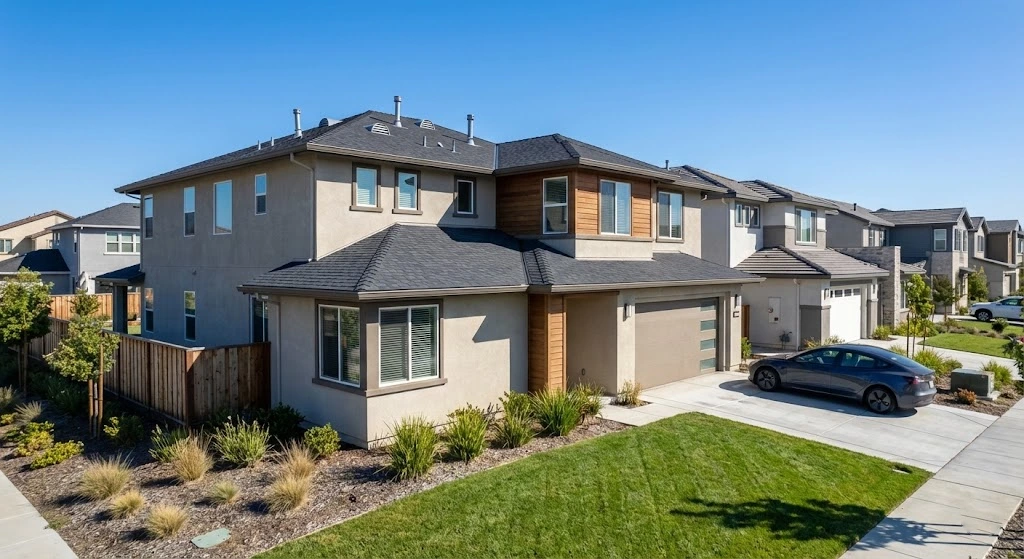
| Roofing venting in San Jose keeps your attic cool, controls moisture, and extends your roof’s life. A balanced system uses intake vents at the eaves and exhaust vents near the ridge. Costs range from $400 to $1,200, depending on home size and vent type. |
If you own a home in San Jose, you already know that the weather here has its own personality. Summers get hot — sometimes pushing into the 90s — and winters bring cool, damp air that sneaks into every corner of your house. Your roof sits right in the middle of all of it, taking the full force of every season. That’s why roofing venting in San Jose isn’t just a nice extra. It’s one of the most important things you can do to protect your home.
Most people don’t think about their attic until something goes wrong. But by the time you notice water stains on the ceiling or feel like your upstairs rooms never cool down, the damage is already done. Good roof ventilation stops those problems before they start. It keeps heat from building up in your attic, controls moisture, and helps your entire roof system last longer.

Why Roof Venting Matters in San Jose’s Climate
San Jose sits in the South Bay with a climate that swings between warm dry summers and wet mild winters. That combination puts a lot of stress on your roof. During summer, an unvented attic can reach temperatures well above 150°F. That trapped heat pushes down into your living spaces, forces your air conditioner to work overtime, and drives up your energy bills every single month.
In winter, the problem flips. Warm air from cooking, showers, and daily activity rises into the attic. Without a way to escape, that moisture condenses on wood framing and insulation. Over time, it causes wood rot, mold growth, and damaged insulation. Studies show that about nine out of ten homes in North America don’t have proper attic ventilation. In San Jose, where the climate shifts between dry heat and damp cold, that number is especially concerning.
Proper ventilation creates a steady flow of outside air through your attic all year. Fresh air comes in through intake vents near the eaves, travels across the attic floor, and pushes stale hot or moist air out through exhaust vents near the ridge. That simple movement of air is what keeps your home healthy.
Types of Roof Vents Used in San Jose Homes
Not every vent works the same way, and not every home needs the same setup. San Jose has a wide range of architectural styles — from mid-century bungalows to modern two-story builds — and the best venting solution depends on your specific roof layout, attic size, and current system.
Ridge vents run along the very top of the roof and work with soffit vents to create a balanced airflow system. They sit low-profile against the roofline, so they don’t stand out visually. Many roofing professionals in San Jose recommend ridge and soffit combinations as the most effective passive ventilation setup for residential homes. They work without any electricity and require very little maintenance.
Soffit vents sit underneath the roof overhang along the eaves. They pull cool outside air into the attic, which then rises and exits through the ridge or other exhaust vents. Box vents, also called static vents, get placed near the peak of the roof and work passively without any moving parts. They’re a solid budget-friendly option for straightforward roof designs.
For homes where passive venting isn’t enough — usually because of a complex roofline or limited soffit space — powered attic fans can actively pull air out. Solar-powered attic fans are especially popular in San Jose because the city gets plenty of sunshine. They cut energy costs, reduce carbon output, and keep your attic cooler without adding to your electricity bill.
How Much Does Roofing Venting Cost in San Jose?
Cost is usually the first question homeowners ask, and that makes sense. For most San Jose homes, a full roof venting project runs between $400 and $1,200. That range covers both materials and labor. Larger homes with more attic space naturally need more vents and more work, which pushes the price up.
Individual vent installation in San Jose typically costs between $82 and $182 per vent, all in. The final number depends on the type of vent you choose, how accessible your roof is, and what condition your current roofing is in. A steep or complex roof takes more time to work on safely, which adds to labor costs. Simple gable or ridge vent installations on standard-pitch roofs tend to land at the lower end of that range.
When you factor in what poor ventilation can cost you — higher energy bills, early shingle replacement, mold remediation, or structural repairs — proper venting pays for itself quickly. Most homeowners see a noticeable drop in cooling costs within the first summer after installation.
California Building Code Requirements for Roof Venting
California follows the International Residential Code (IRC), which sets a minimum ventilation standard of one square foot of net free ventilation area for every 150 square feet of attic floor space. That’s known as the 1/150 rule. If your attic has a vapor retarder and you have a balanced system of intake and exhaust vents, that ratio can drop to 1/300.
Many top roofing contractors in San Jose go beyond the basic code. Shingle manufacturers often require 1 square foot of venting per 150 square feet of roofing surface — not just attic floor space — in order to keep warranties valid. If your ventilation falls short of manufacturer specs, you could void your shingle warranty without even knowing it.
A licensed San Jose roofing contractor will calculate the net free area (NFA) your attic needs before any work begins. They look at your attic square footage, roof pitch, existing vents, and insulation to build a ventilation plan that meets both code and manufacturer requirements.
Signs Your San Jose Home Needs Better Roof Venting
Your roof won’t send you a text message when something is wrong. But it does send signals, and knowing what to look for can save you thousands in repairs. One of the clearest signs is uneven temperatures in your home. If your upstairs feels much hotter than downstairs in summer, or if certain rooms stay stuffy no matter what your thermostat says, poor attic ventilation is often to blame.
Visible moisture in the attic — condensation, frost in winter, or water stains on the wood framing — is a strong warning sign. Mold or mildew smell in your attic points to the same problem. Shingles that curl, crack, or blister faster than expected often mean your attic is running too hot, which can shorten their lifespan by years.
High energy bills that don’t match your usage patterns are another red flag. When your air conditioner has to fight against a superheated attic all day, it burns more power and wears out faster. A proper ventilation system takes the pressure off your HVAC and keeps your home more comfortable without extra cost.
Common Roof Vent Problems and How to Fix Them
Leaks around roof vents are one of the most common service calls roofing companies in San Jose handle. They usually happen when flashing — the metal seal around the vent base — gets damaged or wasn’t installed correctly in the first place. Replacing flashing and resealing the vent is a straightforward fix when you catch it early. Left alone, water intrusion damages insulation, stains ceilings, and weakens structural framing.
Blocked soffit vents are surprisingly common, especially in older San Jose homes where insulation has shifted over time. When insulation covers the soffit vents from the inside, cool air can’t enter the attic and the whole ventilation system breaks down. A roofing professional can install baffles — small channels that keep the path between soffit vents and attic open regardless of how deep the insulation is.
Pest entry is another issue that affects vents in the Bay Area. Rats, mice, squirrels, and raccoons will use any small gap as an entry point. Damaged vent covers or screens that have rusted through are an open invitation. Replacing covers promptly and using wire mesh screens behind vents keeps pests out without blocking airflow.
Choosing the Right Roofing Venting Contractor in San Jose
San Jose has no shortage of roofing companies, but not all of them put the same care into ventilation work. When you’re comparing contractors, look for those who hold manufacturer certifications like GAF Master Elite or CertainTeed Master Shingle Applicator. Fewer than 2% of roofing contractors nationwide carry those credentials, and they signal a higher standard of work and training.
A good contractor will start with a thorough on-site inspection before recommending anything. They should calculate your attic’s NFA, check your current vent placement, and explain what balanced intake and exhaust looks like for your specific roof. Be cautious of anyone who skips the inspection and quotes you a price over the phone without seeing your home.
Always ask if the contractor is fully licensed and insured in California. Get a written estimate that breaks down materials and labor separately. Ask about warranties — both the manufacturer’s warranty on materials and the contractor’s warranty on their workmanship. Most reputable San Jose roofing companies offer free estimates and will walk you through every part of the quote.
Solar-Powered Roof Venting: A Smart Choice for San Jose
San Jose gets around 300 sunny days per year. That’s an asset when it comes to solar-powered roof ventilation. Solar attic fans run entirely on free energy from the sun, which means no added electricity cost and no grid dependency. They kick on automatically when the attic heats up and shut off when temperatures drop — exactly when you need them.
Compared to wired electric attic fans, solar-powered units are easier to install because they don’t require running new electrical lines to the roof. They also reduce your home’s carbon footprint, which aligns with California’s energy goals. Radiant barriers installed alongside solar ventilation can reduce attic temperatures by up to 30°C, giving your entire home a measurable comfort boost.
How Long Do Roof Vents Last in San Jose?
High-quality roof vents typically last 20 to 30 years when properly installed and maintained. San Jose’s mild climate is actually gentler on roofing materials than many other California regions, so well-installed vents here often reach the upper end of that lifespan. The main threats to vent longevity are UV degradation, rust on metal components, and physical damage from debris or pests.
Annual inspections keep small issues from turning into big ones. A quick look at your vents each year — checking for cracked covers, rust, blocked screens, or damaged flashing — takes less than an hour and can add years to your system’s life. Many roofing companies in San Jose offer free annual inspections as part of their service relationship with past customers.
Take Care of Your Roof Before It Asks You To
Roofing venting in San Jose is one of those things that works quietly in the background — until it doesn’t. A well-designed ventilation system keeps your home cooler in summer, drier in winter, and more energy-efficient all year round. It protects your shingles, your insulation, your framing, and ultimately your wallet.
If your home is more than 10 years old and you’ve never had your ventilation inspected, now is a good time to do it. Get a free estimate from a certified San Jose roofing contractor, ask them to calculate your attic’s net free area, and find out if your current setup is doing its job. It’s a small step that can make a real difference in how your home performs for years to come.


Comments are closed.