
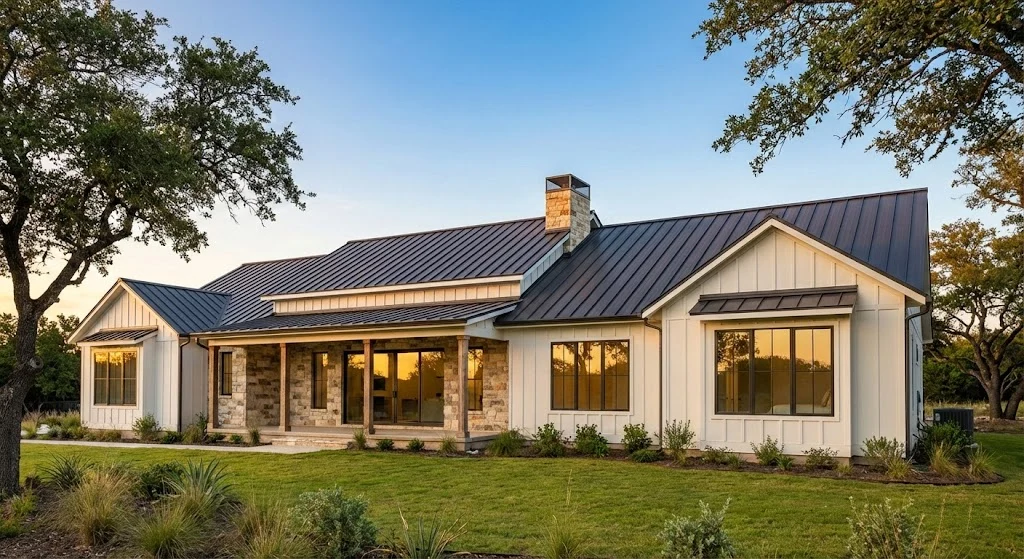
If you’ve been exploring home design options, you’ve likely noticed that one story house plans are enjoying a well-deserved resurgence. Once primarily associated with retirees, today’s single-level homes are thoughtfully designed to meet the needs of modern families, young professionals, and empty nesters alike. Their appeal lies in a powerful combination of accessibility, efficiency, and style that multi-story designs simply can’t replicate.
A one story house plan places all living spaces—bedrooms, kitchen, living areas, and bathrooms—on a single, continuous floor. This eliminates the need for interior stairs, offering a lifestyle of convenience, safety, and seamless flow. Whether you’re building on a sprawling suburban lot or an infill site, the right single-story design can maximize your property’s potential.
In this comprehensive guide, we’ll explore the tangible benefits of one story living, break down popular architectural styles, provide a practical comparison of layouts, and equip you with a detailed checklist to help you choose the perfect plan for your lifestyle and budget.
Why Choose a One Story Home? Key Benefits
The advantages of single-level living extend far beyond the obvious. Here’s a closer look at what makes these homes so appealing:
- Universal Accessibility & Aging in Place: The absence of stairs removes a major physical barrier for everyone—toddlers taking their first steps, parents carrying laundry, and family members with mobility challenges. A one-story home is naturally set up for “aging in place,” allowing you to live comfortably and safely in your home for decades without costly future modifications like stairlifts.
- Simplified & Cost-Effective Maintenance: Maintaining a single-story home is inherently safer and easier. Tasks like cleaning gutters, washing windows, or repairing the roof can often be done from the ground or with a simple ladder. You’re dealing with one roofline and one foundation, which typically translates to fewer structural issues and lower long-term maintenance costs.
- Enhanced Energy Efficiency: Heating and cooling a single, well-insulated level is more efficient than managing the temperature differentials of a multi-story home, where hot air rises and can create uneven comfort zones. With a single-story plan, you can more easily create a consistent and comfortable indoor climate, potentially leading to noticeable savings on utility bills.
- Superior Indoor-Outdoor Flow: Ground-level living offers an unparalleled connection to the outdoors. A living room, kitchen, or primary suite can open directly onto a patio, deck, or garden via large sliding or folding glass doors. This transforms your outdoor space into a true extension of your home, perfect for entertaining and daily enjoyment.
- Construction & Design Efficiency: While one story house plans require a larger footprint, they eliminate the structural costs associated with supporting a second floor. This means less complex framing, no interior staircases (which can consume 40-60 square feet per floor), and simplified plumbing and electrical runs, which can lead to overall construction savings.
Popular Architectural Styles for One Story Homes
Single-level living doesn’t mean sacrificing architectural character. These popular styles prove that one-story homes can be both practical and stunning.
Ranch
- Characteristics: Long, low-to-the-ground profile, open floor plans, attached garages, large picture windows, and simple, efficient layouts.
- Best For: Suburban and rural lots, those seeking classic American style with proven functionality.
Craftsman Bungalow
- Characteristics: Front porches with thick columns, exposed rafters, low-pitched roofs, and an emphasis on natural materials like wood, stone, and brick.
- Best For: Smaller, character-filled lots; homeowners who appreciate artisan details and a cozy, welcoming aesthetic.
Modern Farmhouse
- Characteristics: A blend of rustic charm and contemporary clean lines. Features include board-and-batten siding, metal roofs, large front porches, and open, airy interiors with modern finishes.
- Best For: Both rural and suburban settings; those seeking a warm, comfortable home with timeless appeal.
Modern Minimalist
- Characteristics: Clean, geometric lines, flat or low-sloping roofs, large expanses of glass, and open, uncluttered interior spaces. Focuses on functionality and a strong connection to the site.
- Best For: Contemporary lots with scenic views; homeowners drawn to a sleek, minimalist aesthetic and abundant natural light.
Comparing One Story Layouts: Which Plan is Right for You?
Choosing the right layout is crucial for ensuring your home functions perfectly for your lifestyle. Here’s a comparison of the most common one-story configurations:
| Layout Type | Best For | Key Characteristics | Primary Consideration |
|---|---|---|---|
| Open Floor Plan | Entertainers, families, those who love a spacious feel. | Kitchen, dining, and living areas flow into one large, shared space. | Can be less energy-efficient for heating/cooling specific zones. |
| Split-Bedroom Plan | Families, those who value privacy for guests or homeowners. | Primary suite is separated from other bedrooms, often located on opposite sides of the home. | May require a larger overall footprint to achieve the separation. |
| U-Shaped Layout | Maximizing small lots, creating a private courtyard. | The home wraps around a central courtyard or patio, offering protected outdoor space. | Some interior rooms may have less natural light if not oriented correctly. |
| L-Shaped Layout | Creating distinct public and private wings, corner lots. | One wing houses the public spaces (kitchen/living), the other contains the private bedrooms. | Naturally defines outdoor living spaces in the angle of the “L.” |
5 Key Factors to Consider Before You Choose a Plan
Selecting a one story house plan requires thoughtful preparation. Use this checklist to guide your decision:
- 1. Assess Your Lot: A one-story home requires a larger footprint. Carefully measure your lot, considering local setback requirements (how far the house must be from property lines). A long, narrow lot might better suit an L-shaped or U-shaped design, while a wide lot is ideal for a sprawling ranch.
- 2. Define Your Lifestyle Needs (Now & Future):
- Current Family: Do you have young children (need space for play)? Teenagers (need privacy)? Aging parents (need an in-law suite)?
- Future Needs: Will you need a home office in 5 years? Is the home designed for aging in place? Consider if an unfinished bonus space can be converted later.
- 3. Create a Realistic Budget: Factor in not just construction costs, but also:
- Land Cost: The price of the larger lot you’ll likely need.
- Site Work: Costs for grading, foundations, and utility connections, which can vary significantly.
- Long-Term Savings: Remember to factor in potential energy and maintenance savings over time.
- 4. Plan for Storage: In a single-story home, storage isn’t in an attic or basement—it must be designed in. Ensure the plan includes:
- A large walk-in pantry.
- A mudroom with lockers and cabinets.
- Generous linen and bedroom closets.
- Consider built-in shelving and window seats with storage.
- 5. Verify Local Regulations: Before finalizing a plan, check with your local planning department and HOA about:
- Minimum and maximum building footprint sizes.
- Approved architectural styles and materials.
- Permit requirements and fees.
Maximizing Space: Design & Interior Tips for One Story Homes
A well-designed one-story home feels spacious, bright, and efficient. Here are expert tips to achieve that:
- Harness Natural Light: With no second story to block the sun, you have immense flexibility. Incorporate large windows, sliding glass doors, and clerestory windows (high on the wall) to flood the interior with daylight. Consider skylights in hallways or bathrooms.
- Create Visual Flow with Color: Use a consistent, light-neutral color palette on walls in main living areas to create a sense of continuity and expansiveness. Use darker accent walls or different textures to subtly define zones (e.g., the dining area) without building walls.
- Vary Ceiling Heights for Interest: Avoid a monotonous ceiling plane. A vaulted or tray ceiling in the living room or primary bedroom adds drama and a sense of luxury, while standard 9-foot ceilings in other areas maintain coziness and efficiency.
- Furnish for Flow: Arrange furniture to define conversation areas without blocking main traffic paths. In an open floor plan, use area rugs and the backs of sofas to delineate the living room from the dining area.
Seamless Indoor-Outdoor Living
The ground-level nature of one story house plans is their greatest asset for connecting with the outdoors.
- Extend Your Living Space: A covered patio or veranda accessible from the great room effectively doubles your entertaining area.
- Create Destination Gardens: Design landscaping that invites you outside. A patio with a fire pit, a vegetable garden, or a pathway to a quiet seating area under a tree makes the yard a destination, not just a view.
- Prioritize Privacy: With all rooms at ground level, privacy screening is important. Strategic planting of shrubs and trees, or the use of decorative fencing and pergolas, can create intimate, secluded outdoor rooms.
Conclusion
One story house plans offer a timeless and increasingly relevant approach to modern living. They masterfully blend practical, long-term benefits—like accessibility, efficiency, and ease of maintenance—with diverse and stylish design possibilities. Whether you are drawn to the classic charm of a Craftsman bungalow, the clean lines of a modern minimalist home, or the family-friendly functionality of a split-bedroom ranch, there is a single-story design waiting to be tailored to your life.
By carefully considering your lot, honestly assessing your current and future needs, and paying attention to the details of layout and design, you can create a home that is not just a structure, but a true sanctuary for every stage of your life. The enduring appeal of the one story home lies in its ability to simplify your day-to-day while enriching your quality of life—a combination that will never go out of style.

Comments are closed.