
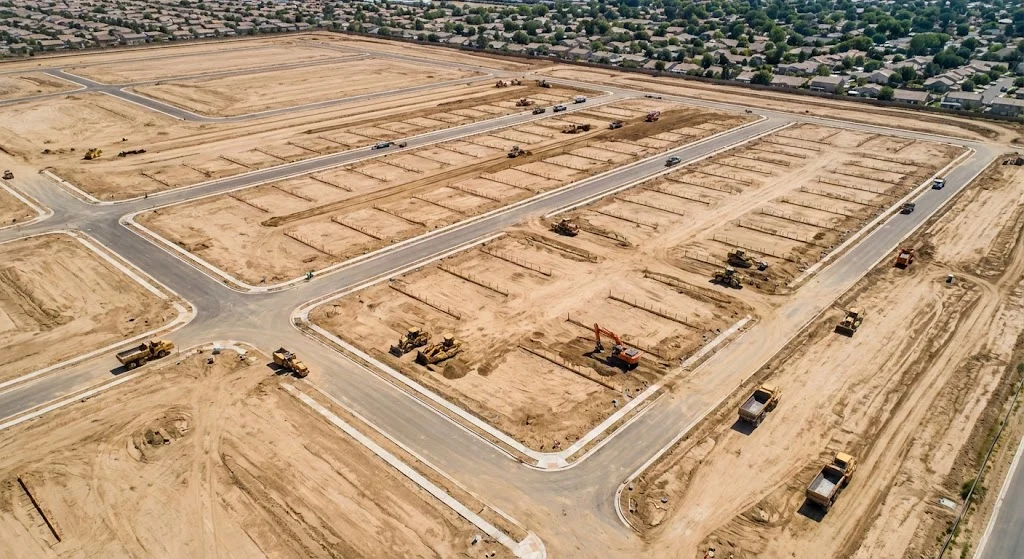
The LDM process in real estate transforms raw land into valuable properties through strategic planning, regulatory approvals, construction, and marketing. This multi-stage approach helps developers manage risks while creating residential, commercial, or industrial developments.
What Is the LDM Process in Real Estate

Land Development Management (LDM) is the structured approach that transforms undeveloped land into finished properties ready for use or sale. Think of it as the roadmap developers follow to turn an empty plot into a thriving neighborhood, shopping center, or industrial park.
The process involves multiple stages that require careful coordination. You’re dealing with market analysis, zoning regulations, financial planning, construction oversight, and final marketing. Each step builds on the previous one, creating a foundation for successful property development.
Real estate developers rely on LDM to minimize risks and maximize returns. The process typically takes months or even years, depending on project size and complexity. But when done right, it creates valuable assets that serve communities for decades.
Why the LDM Process Matters
Real estate development is expensive and time-consuming. A single mistake can cost millions and delay projects for months. The LDM process provides a framework that helps developers avoid these costly errors.
First, it reduces financial risk. By conducting thorough feasibility studies early on, developers can identify potential problems before investing significant capital. This saves money and prevents project failures.
Second, the process ensures regulatory compliance. Building codes, zoning laws, and environmental regulations vary by location. LDM helps developers navigate these requirements systematically, avoiding legal complications that could halt construction.
Third, it improves land usage. In urban areas where space is limited, proper planning ensures every square foot gets used effectively. This maximizes property value and meets community needs more efficiently.
Stage One: Feasibility Study and Site Selection
Every successful land development project starts with research. This phase determines whether your vision can become reality.
Market analysis comes first. Developers study local demand for different property types. Are people looking for homes, office space, or retail locations? What price points work in this area? Understanding market conditions helps prevent building something nobody wants to buy.
Site evaluation follows. Engineers and surveyors examine the physical characteristics of the land. They check soil quality, topography, drainage patterns, and environmental factors. A site that looks perfect might have hidden issues like poor drainage or contaminated soil.
Regulatory review is equally important. Developers investigate zoning restrictions, building codes, and permit requirements. Some areas have strict limitations on building height, density, or usage. Finding out about these restrictions early prevents expensive surprises later.
Financial projections round out this stage. Developers estimate total costs, including land purchase, construction, permits, and financing. They compare these costs against expected revenue to determine if the project makes financial sense.
Stage Two: Planning and Design
Once feasibility is confirmed, detailed planning begins. This stage transforms rough concepts into concrete plans.
Conceptual planning establishes the project’s overall vision. Architects and developers work together to determine building placement, road layouts, and amenity locations. They consider factors like traffic flow, accessibility, and aesthetic appeal.
Engineering design gets more technical. Civil engineers create detailed specifications for infrastructure. This includes roads, utilities, drainage systems, and parking areas. Every measurement must meet local standards and building codes.
Environmental impact assessment is often required. Developers must show how their project affects local ecosystems, water quality, and wildlife. Many jurisdictions require mitigation plans to address potential environmental harm.
Community input may be sought during this phase. Public meetings allow residents to voice concerns and suggest improvements. This feedback can lead to design changes that make projects more acceptable to the community.
Stage Three: Approval and Permitting
This stage involves working with government agencies to obtain necessary permissions. It’s often the most time-consuming part of the LDM process.
Plan submission requires preparing extensive documentation. Developers submit architectural drawings, engineering specifications, environmental reports, and financial statements. These documents must meet specific formatting and content requirements.
Public consultation happens in many jurisdictions. Planning commissions hold hearings where community members can comment on proposed developments. Developers may need to address concerns or modify plans based on this feedback.
Obtaining permits is the final hurdle. Building permits, environmental clearances, and utility connections all require separate approvals. Processing times vary, but delays of several months are common. Developers must maintain patience while keeping projects on track financially.
Stage Four: Construction and Development
This is where plans become reality. Construction transforms empty land into functional properties.
Site preparation starts the process. Crews clear vegetation, level terrain, and establish proper grading for drainage. This groundwork is critical for everything that follows.
Infrastructure development comes next. Workers install underground utilities like water, sewer, and electrical lines. They build roads, sidewalks, and storm drainage systems. This infrastructure must be completed before building construction begins.
Building construction follows infrastructure work. Depending on the project, this might mean constructing homes, office buildings, retail centers, or industrial facilities. Construction must follow approved plans and meet all building code requirements.
Quality control happens throughout construction. Regular inspections ensure work meets specifications and safety standards. Developers address problems immediately to avoid costly rework later.
Stage Five: Marketing and Sales
As construction nears completion, attention shifts to finding buyers or tenants.
Market analysis happens again at this stage. Developers reassess current market conditions to set appropriate prices. Real estate markets can change significantly during long development projects.
Sales strategy depends on property type. Residential developments might target first-time homebuyers, families, or retirees. Commercial properties appeal to specific business types. Marketing materials highlight features that matter most to target buyers.
Sales execution requires coordination between developers, real estate agents, and marketing teams. Open houses, digital advertising, and direct outreach all play roles in finding qualified buyers.
Stage Six: Post-Development Management
Work doesn’t end when the last property sells. Ongoing management ensures long-term success.
Property management handles day-to-day operations for rental properties. This includes maintenance, tenant relations, and rent collection. Even sold properties may have homeowners associations requiring management.
Financial management tracks project profitability. Developers monitor revenues and expenses to ensure projects meet financial projections. This information guides decisions about future developments.
Compliance reporting ensures projects meet ongoing regulatory requirements. Zoning compliance, tax reporting, and environmental monitoring continue after construction ends.
Common Challenges in the LDM Process
Developers face numerous obstacles throughout the development process.
Market fluctuations can derail even well-planned projects. Economic downturns reduce property values and make financing harder to obtain. Developers must build financial cushions to weather these challenges.
Regulatory hurdles slow progress and increase costs. Navigating complex zoning laws and building codes requires expertise and patience. Working with experienced consultants helps minimize these delays.
Environmental concerns add complexity to many projects. Developments near wetlands, wildlife habitats, or historically significant sites face extra scrutiny. Addressing these concerns early prevents project shutdowns.
Financing challenges affect most developments. Real estate projects require substantial upfront capital. Securing loans or attracting investors becomes harder during economic uncertainty.
Making Your LDM Process Successful
Success in land development requires preparation, expertise, and persistence.
Start with thorough research. Understanding your market, regulations, and site conditions prevents expensive mistakes. Never skip the feasibility study phase.
Build a strong team. Experienced architects, engineers, contractors, and legal advisors make the process smoother. Their expertise helps avoid problems and find solutions when challenges arise.
Maintain clear communication with all stakeholders. Keep investors, contractors, and government officials informed about project progress. Good relationships smooth the way when problems need solving.
Plan for contingencies. Unexpected costs and delays happen on most projects. Building extra time and money into your budget prevents these surprises from derailing your development.
Stay flexible. Market conditions and regulations change. Successful developers adapt their plans while maintaining the project’s core vision.
The Future of Land Development
The LDM process continues to improve with new technologies and approaches. Digital tools streamline planning and communication. Environmental concerns drive more sustainable development practices. Community engagement shapes projects that better serve local needs.
Understanding the LDM process gives you the foundation for successful real estate development. Whether you’re an experienced developer or just starting out, following these stages systematically increases your chances of creating valuable, profitable properties that serve communities well.
The process is complex, demanding, and time-consuming. But the rewards of transforming raw land into thriving properties make it worthwhile. With careful planning, expert help, and persistent effort, you can navigate the LDM process and achieve your development goals.


Comments are closed.