
Author

Michelle Hayes

Browsing

When preparing to sell your home, making strategic improvements can significantly boost its value and appeal to potential buyers. Here’s a comprehensive guide to the most effective ways to increase your home’s value before putting it on the market.

Exterior Improvements

Enhance Curb Appeal

First impressions matter, and the exterior of your home is the first thing potential buyers will see. Improving your home’s curb appeal can make a significant difference in its perceived value.

Landscaping: Upgrading your landscape is a cost-effective way to boost your home’s value. Consider adding fresh mulch, planting flowers, and maintaining a well-manicured lawn. Even minimal landscaping can add thousands to your home’s value, with spreading 3 cubic yards of fresh mulch offering an average 536% ROI.

Paint the Exterior: A fresh coat of paint on your home’s exterior can make it look well-maintained and contemporary. About one in four sellers complete this project before selling, according to Zillow’s research.

Update the Front Door: Replacing your front door, particularly with a steel one, can offer a significant return on investment. A steel front door replacement has a 100.9% ROI with an expected cost of $2,214.

Upgrade the Garage Door: Replacing your garage door is one of the most valuable exterior improvements you can make, with an expected ROI of 102.7% and a job cost of around $4,302.

Create Off-Street Parking

If you have the space, creating a driveway or off-road parking can significantly increase your property’s value, especially in areas where parking is at a premium.

Interior Improvements

Declutter and Deep Clean

To make rooms feel more spacious and appealing to buyers, consider storing excess furniture and belongings off-site using storage units Victoria while your home is on the market.

One of the easiest and most cost-effective ways to improve your home’s value is to declutter and deep clean. A clutter-free, spotless home appears more spacious and well-maintained.

Declutter: Go through cabinets, closets, and storage areas, removing anything you don’t need or want. Consider donating, selling, or disposing of excess items.

Professional Cleaning: Hiring a professional cleaning service for a deep clean can make your home shine. The average cost for cleaning a four-bedroom home is between $200 and $225.

Paint Interior Walls

A fresh coat of paint can give your home a clean, updated look. Choose light, neutral colors to appeal to a broad range of buyers. According to Zillow’s survey, 40% of recent sellers paint their home’s interior before selling, and nearly 30% said this project helped their home sell.

Update Lighting

Good lighting is crucial for showcasing your home’s features. Upgrading your lighting is an easy and inexpensive way to make even small rooms feel larger. Consider these steps:

  • Replace outdated light fixtures
  • Install dimmers or pendant lighting
  • Ensure bulbs are the same color with complementary wattage

Focus on the Kitchen

The kitchen is often considered the heart of the home and can be a make-or-break factor for many buyers. According to a survey, 70% of buyers said they would buy a house if it had a gorgeous kitchen.

Minor Kitchen Remodel: You don’t need to completely gut your kitchen to see a significant return. Consider these updates:

  • Paint cabinets
  • Upgrade appliances
  • Update hardware
  • Install new countertops

Bathroom Upgrades

Bathrooms are another crucial area for buyers. You can give your bathroom a makeover with some simple touches:

  • Update blinds
  • Refresh caulk
  • Replace the toilet seat
  • Perform a top-to-bottom deep clean

Create Additional Living Space

Adding usable square footage to your home can significantly increase its value. Consider these options:

Finish the Basement: Converting an unfinished basement into a living area can add valuable square footage to your home.

Add an In-Law Suite: Creating a separate in-law suite can set your home apart from the competition.

Open Floor Plan: Knocking down a wall to create an open-plan kitchen-cum-dining area can boost your home’s value by an average of 15%.

Energy-Efficient Improvements

Energy-efficient upgrades not only increase your home’s value but also appeal to environmentally conscious buyers. Upgrading your home’s insulation can significantly reduce heating/cooling costs, making your property more attractive to eco-conscious buyers.

HVAC Conversion

Converting a traditional fossil-fuel-burning furnace to an electric heat pump for cooling and heating can offer a significant ROI. With an average cost of $17,747, this upgrade has an estimated ROI of 103.5%.

Install Energy-Efficient Windows

New vinyl windows increase your home’s energy efficiency and can last over 20 years. The average cost for installing 10 3-by-5-foot windows is $21,264, with an estimated value added of $14,270, resulting in a 67.1% return on investment.

Smart Home Technology

Incorporating smart home technologies can make your property more attractive to buyers. Consider these upgrades:

  • Smart thermostats
  • Smart lighting systems
  • Hands-free tech like smart or touchless toilets

Additional Value-Adding Improvements

Install Hardwood Flooring

Hardwood flooring is a popular feature among buyers and can add significant value to your home.

Update Insulation

Improving your home’s insulation can increase energy efficiency and appeal to buyers looking for lower utility costs.

Add or Upgrade Outdoor Living Spaces

Creating or enhancing outdoor living areas like patios or decks can increase your home’s usable space and appeal.

Prevent Water Damage

Protect your property from damp by regularly cleaning gutters and downpipes and replacing any damaged roof tiles or pipework. Addressing these issues can prevent more significant problems that could drastically reduce your home’s value.

Create Storage Spaces

Older homes often lack storage space. Adding built-in shelving or clearing out and organizing your garage can make your home more attractive to buyers.

Conclusion

Increasing your home’s value before selling doesn’t always require major renovations or a huge budget. By focusing on key areas like curb appeal, energy efficiency, and essential living spaces, you can significantly boost your home’s attractiveness to potential buyers. Remember to prioritize repairs and maintenance, as a well-maintained home can sell for about 10% more than a similar home in average condition.

When planning your pre-sale improvements, consider the current real estate market trends and buyer preferences in your area. Some upgrades may offer a better return on investment than others depending on your location and target buyer demographic. By making strategic improvements, you can maximize your home’s value and potentially secure a higher selling price in the competitive real estate market.

For more in-depth insights and the latest updates on the housing market, visit Housing Market News and stay informed about real estate trends, home improvement tips, and property news.

Jameis Winston, the talented NFL quarterback, has made quite a splash both on and off the field. His journey from college football star to professional athlete has been marked by impressive achievements and a growing real estate portfolio. Let’s take a closer look at Jameis Winston house and get to know the man behind the helmet.

Who is Jameis Winston?

Jameis Winston is a professional football player who currently plays as a quarterback for the Cleveland Browns in the NFL. He’s come a long way since his college days at Florida State University, where he won the Heisman Trophy and led his team to a national championship. Winston was the first overall pick in the 2015 NFL Draft, selected by the Tampa Bay Buccaneers.

Throughout his career, Winston has amassed an impressive net worth of around $22 million. While he’s known for his skills on the gridiron, he’s also made some smart moves in real estate. Winston owns a luxurious mansion in Odessa, Florida, which we’ll explore in detail. As for his car collection, he’s been spotted driving a Mercedes G63 AMG and a Ford F-250. While there’s no information about yachts, private islands, or private jets, it’s clear that Winston has invested wisely in his primary residence.

Field Details
Full Name Jameis Lanaed Winston
Date of Birth January 6, 1994
Age 31 (as of March 2025)
Birth Place Bessemer, Alabama, United States
Residence Odessa, Florida, United States
Profession Professional Football Quarterback
Education Florida State University
NFL Teams Tampa Bay Buccaneers (2015-2019), New Orleans Saints (2020-2023), Cleveland Browns (2024-present)
Net Worth Approximately $22 million
Spouse Breion Allen
Children Two sons (Antonor and Malachi)

Where Does Jameis Winston Live Now?

Jameis Winston calls Odessa, Florida home. This charming community is located in Pasco County, just northwest of Tampa. Odessa is known for its beautiful lakes, spacious properties, and laid-back lifestyle. It’s the perfect place for a professional athlete to unwind and enjoy some privacy away from the spotlight.

Winston’s house is situated on Lake Keystone, one of the area’s most popular lakes for boating, fishing, and water sports. The location offers a perfect blend of natural beauty and upscale living, making it an ideal spot for Winston to relax during the off-season.

Jameis Winston House

Jameis Winston house is a stunning Mediterranean-style mansion that perfectly captures the essence of luxury Florida living. The NFL star purchased this impressive property in June 2016 for $1.195 million, making a significant investment in his future and comfort.

1. Where Is Jameis Winston House?

Jameis Winston house is located in Odessa, Florida, a picturesque community known for its beautiful lakes and upscale properties. The exact address isn’t public knowledge, but we know it’s situated on Lake Keystone, offering Winston and his family stunning waterfront views and easy access to outdoor activities.

The property spans over an acre of land, providing plenty of space for outdoor entertainment and privacy. It’s the perfect setting for a professional athlete looking to escape the pressures of the NFL and enjoy some downtime with family and friends.

2. Features of Jameis Winston House

Winston’s Odessa mansion is a true architectural gem. Built in 2008, this Mediterranean-style home boasts 5,400 square feet of living space. The exterior is characterized by its classic Mediterranean elements, including a red tile roof, stucco walls, and elegant arched windows.

As you approach the house, you’re greeted by impressive 10-foot double mahogany doors with wrought iron details. These grand entrance doors set the tone for the luxury that awaits inside. The home’s design seamlessly blends indoor and outdoor living spaces, a hallmark of Florida architecture.

Inside, the house features soaring ceilings, elegant columns, and a winding staircase with intricate wrought-iron railings. The open floor plan creates a spacious feel, perfect for entertaining guests or spending quality time with family.

3. Personal House Touches

Since purchasing the property in 2016, Jameis Winston has likely made several improvements to make the house truly his own. While we don’t have specific details, here are five potential upgrades Winston might have made:

  1. Custom sports memorabilia displays to showcase his NFL achievements
  2. A state-of-the-art home gym for off-season training
  3. An upgraded outdoor kitchen and entertainment area for hosting teammates and friends
  4. Smart home technology integration for improved security and convenience
  5. Personalized man cave or game room for relaxation and entertainment

4. House Amenities

Jameis Winston’s Odessa mansion is packed with luxurious amenities. Here’s a list of some standout features:

  • Sparkling swimming pool and spa
  • Outdoor summer kitchen
  • Theater room
  • Game room with wet bar
  • Butler’s pantry
  • Jacuzzi tub in master bathroom
  • RV parking pad with electric and water hookups
  • Lake Keystone boating access
  • Music room
  • Formal dining room
  • Double-story ceiling in family room
  • Gas fireplace
  • Custom wood cabinetry
  • Granite countertops
  • Coffered ceilings
  • Crown molding

5. Neighborhood Area

Odessa, Florida, where Jameis Winston house is located, is a highly desirable area known for its natural beauty and upscale living. The neighborhood surrounding Winston’s property is characterized by large, luxurious homes on spacious lots, many with waterfront access to Lake Keystone or other nearby lakes.

Residents of this area enjoy a perfect blend of privacy and community. The neighborhood is quiet and secluded, yet close enough to Tampa for easy access to city amenities. Outdoor enthusiasts appreciate the numerous opportunities for boating, fishing, and water sports right in their backyard.

The area is also known for its excellent schools, making it a popular choice for families. With its mix of natural beauty, upscale homes, and proximity to urban conveniences, it’s easy to see why Winston chose this location for his home.

Market Value

Detail Information
Build Year 2008
Purchase Year 2016
Purchase Value $1,195,000
Current Estimated Value (2025) Approximately $1,500,000 – $1,700,000

The current estimated value is based on the general appreciation of luxury homes in the Odessa area and improvements likely made to the property. However, the actual value could vary depending on specific upgrades and market conditions.

Jameis Winston’s Real Estate Portfolio

While Jameis Winston’s Odessa mansion is his primary residence, let’s take a look at his real estate journey:

  1. Childhood Home: Winston grew up in Bessemer, Alabama. In a tour of his childhood home featured on “Hard Knocks,” he showed a modest house where he shared a room with several family members. This humble beginning contrasts sharply with his current lifestyle.
  2. College Years: During his time at Florida State University, Winston likely lived in student housing or rentals in Tallahassee, Florida.
  3. First NFL Home: After being drafted by the Tampa Bay Buccaneers in 2015, Winston probably rented in the Tampa area before purchasing his Odessa mansion.
  4. Current Odessa Mansion: Purchased in 2016 for $1.195 million, this remains Winston’s primary residence.
  5. Potential New Orleans Property: During his time with the Saints (2020-2023), Winston may have rented or purchased a property in the New Orleans area, but there’s no public information confirming this.
  6. Possible Cleveland Home: With his recent move to the Cleveland Browns, Winston might be in the market for a property in the Cleveland area. However, as of now, there’s no confirmed information about a purchase.

Conclusion

Jameis Winston house in Odessa, Florida, is a testament to his success in the NFL and his smart investment choices off the field. This Mediterranean-style mansion, with its luxurious amenities and stunning lakefront location, provides the perfect retreat for the quarterback and his family. As Winston continues his NFL journey with the Cleveland Browns, his Odessa home remains a solid anchor, reflecting both his achievements and his roots in the Sunshine State.

For more in-depth insights and the latest updates on the housing market, visit Housing Market News and stay informed about  real estate trends, home improvement tips, and property news.

The William Chisholm House stands as one of the most historically significant properties in Oakville, Ontario. Built in the early 19th century, this impressive residence once belonged to the town’s founder, William Chisholm, a prominent businessman and political figure. The house represents not just a piece of architectural heritage but also tells the story of Oakville’s beginnings and development. With its rich history and stunning location near Lake Ontario, the William Chisholm House continues to attract attention from history enthusiasts, architecture lovers, and tourists alike. This detailed exploration will take you through everything you need to know about this historic property, its founder, and its significance to Canadian heritage.

Who is William Chisholm?

William Chisholm was a Scottish-Canadian businessman, politician, and the founder of Oakville, Ontario. Born in Nova Scotia in 1788, Chisholm established himself as a successful merchant, shipbuilder, and land developer during the early 19th century. His net worth at the time was estimated to be substantial for the era, equivalent to several million dollars in today’s currency. Unlike modern celebrities, Chisholm didn’t own fancy cars, private jets, or yachts as these luxuries didn’t exist in his time. However, he did own multiple properties throughout Ontario, with his most significant being the house that bears his name in Oakville.

As a military man, Chisholm served during the War of 1812 and later became a member of the Legislative Assembly of Upper Canada. His business ventures included lumber trading, shipping, and harbor development. Chisholm’s vision transformed what was once simply the mouth of Sixteen Mile Creek into a thriving port town. He purchased 960 acres of land at the mouth of the creek in 1827 and established the town of Oakville, naming it after the abundant oak trees in the area. The William Chisholm House served not just as his residence but as a symbol of his prominence and influence in the growing community he founded.

Detail Information
Full Name William Chisholm
Born 1788, Nova Scotia, Canada
Died May 4, 1842 (aged 53-54)
Occupation Businessman, politician, shipbuilder
Known For Founding Oakville, Ontario in 1827
Political Career Member of the Legislative Assembly of Upper Canada
Military Service War of 1812
Family Married to Rebecca Silverthorn, father of 8 children
Notable Properties William Chisholm House, Oakville Harbor
Legacy Established Oakville’s shipbuilding industry and harbor
Net Worth (1842) Equivalent to several million in today’s currency

Where Does William Chisholm Live Now?

William Chisholm passed away on May 4, 1842, and was buried in Oakville. During his lifetime, he resided primarily in the house that now bears his name, located near the harbor he developed in Oakville. The William Chisholm House stood as a testament to his status and played a central role in the early development of the town. The property overlooks Lake Ontario and sits close to the mouth of Sixteen Mile Creek, providing strategic views of the harbor operations that were crucial to Chisholm’s business interests.

The surrounding area of historic Oakville offers a picturesque setting with its charming streets, mature trees, and proximity to the waterfront. Today, visitors can explore the historic district where Chisholm lived and worked, gaining insight into the early days of this important Ontario settlement.

William Chisholm House

The William Chisholm House represents one of Ontario’s finest examples of early 19th-century residential architecture. Built around 1835, this historic residence showcases the Georgian style popular during that era. As the home of Oakville’s founder, the William Chisholm House holds particular significance for the community and serves as a tangible link to the town’s origins. The property has undergone various transformations over its nearly two-century existence, yet it maintains much of its historical character and charm.

Originally serving as both a family residence and a center for business activities, the William Chisholm House witnessed the growth of Oakville from a small port settlement to a thriving town. After Chisholm’s death in 1842, the house changed hands multiple times but remained a significant landmark. In recent decades, preservation efforts have helped maintain the William Chisholm House as an important heritage site, allowing visitors and residents alike to connect with Oakville’s past. Its location near the harbor that Chisholm developed further emphasizes its historical importance and connection to the town’s maritime heritage.

1. Where Is William Chisholm House?

The William Chisholm House is located in the historic downtown area of Oakville, Ontario, Canada, near the intersection of Navy Street and King Street. This prime location sits just steps away from Lake Ontario and the harbor that William Chisholm himself developed in the 1820s. The strategic positioning of the William Chisholm House reflects its original purpose as both a residence and a vantage point from which Chisholm could oversee his shipping and harbor operations.

The house stands in what is now known as Oakville’s Heritage District, surrounded by other historic buildings that collectively tell the story of the town’s development. Its proximity to Sixteen Mile Creek and Lake Ontario highlights the importance of water transportation in the early days of Oakville’s settlement. Visitors to the William Chisholm House can enjoy beautiful views of the harbor and access to nearby parks and walking trails that follow the lakeshore. This central location in Oakville makes the William Chisholm House easily accessible to tourists and locals interested in exploring the town’s rich history.

2. Features of William Chisholm House

The William Chisholm House exemplifies the Georgian architectural style that was popular among prominent citizens during the early 19th century in Upper Canada. This two-story structure covers approximately 4,000 square feet and features the symmetrical facade and balanced proportions characteristic of Georgian design. The house was built using locally sourced materials, including limestone and timber, reflecting both practical considerations and the available resources of the time.

Architecturally, the William Chisholm House displays several distinctive elements typical of its period. The symmetrical exterior features evenly spaced windows with multi-paned sashes, a centered main entrance with a decorative transom, and a hipped roof. Inside, the original floor plan followed the Georgian center-hall arrangement, with rooms arranged symmetrically on either side of a central corridor. High ceilings, wood flooring, and decorative moldings throughout the house demonstrate the craftsmanship of the era.

The William Chisholm House was designed not only for residential comfort but also to make a statement about its owner’s status in the community. As the home of the town’s founder and a prominent businessman, the house needed to project an image of stability and success. Its solid construction and dignified appearance served this purpose well, establishing it as one of the most impressive residences in early Oakville. The architectural style and quality of construction have allowed the William Chisholm House to endure for nearly two centuries, standing today as an important example of Upper Canadian residential architecture.

3. Personal House Touches

After the William Chisholm House was purchased by the Oakville Historical Society in the mid-20th century, several key improvements and restoration efforts were undertaken to preserve its historical significance while making it suitable for its new role as a museum and cultural center. Here are the top five improvements:

First, comprehensive structural reinforcement was completed to ensure the William Chisholm House would remain standing for generations to come. This included foundation repairs, beam replacements, and careful attention to the roof structure to prevent water damage.

Second, the original woodwork throughout the William Chisholm House was meticulously restored, including the decorative moldings, window frames, and door casings that showcase the craftsmanship of early 19th-century builders. Where original elements couldn’t be saved, historically accurate reproductions were created based on architectural evidence and period documentation.

Third, the interior of the William Chisholm House was thoughtfully furnished with period-appropriate pieces that help visitors understand how the home would have looked during William Chisholm’s time. This included acquiring antiques from the 1830s and 1840s and recreating the atmosphere of a prominent family’s residence from that era.

Fourth, modern but discreet electrical and climate control systems were carefully integrated into the William Chisholm House to protect the structure and its contents while maintaining historical authenticity. These systems were installed with minimal impact on the original architecture.

Fifth, the grounds surrounding the William Chisholm House were landscaped to reflect the gardening practices of the early 19th century, including the planting of heritage varieties of trees, shrubs, and flowers that would have been common during Chisholm’s lifetime. This creates a more complete historical experience for visitors approaching the property.

4. House Amenities

The William Chisholm House features several notable amenities, both original to the 1830s construction and added during later restorations:

  • Multiple fireplaces with original mantels
  • Hand-carved wooden staircase
  • Period kitchen with brick hearth
  • Formal dining room
  • Drawing room for entertaining guests
  • Library/study
  • Multiple bedrooms on the second floor
  • Cellar storage areas
  • Attic space
  • Outdoor garden area
  • Harbor views from select windows
  • Wraparound porch (added in later renovation)
  • Carriage house on property
  • Stone pathways

Conclusion

The William Chisholm House stands as a living monument to the vision and enterprise of Oakville’s founder. More than just a historic building, it represents the beginning of a community that has flourished for nearly two centuries. Through careful preservation and ongoing educational programs, the William Chisholm House continues to connect present-day residents and visitors with the rich heritage of this lakeside town.

As we’ve explored throughout this article, the William Chisholm House combines architectural significance, historical importance, and cultural value in a way few properties can match. Its Georgian design, strategic location, and connection to Oakville’s founding father make it an essential landmark for understanding the development of this part of Ontario. While the property’s market value can be measured in millions, its true worth to the community is immeasurable.

For those interested in Canadian history, early architecture, or the development of Ontario’s communities, a visit to the William Chisholm House offers invaluable insights. The house not only tells the story of William Chisholm himself but also illustrates broader themes of settlement, commerce, and community-building in 19th-century Canada. As Oakville continues to evolve, the William Chisholm House remains a steadfast reminder of where it all began.

For more in-depth insights and the latest updates on the housing market, visit Housing Market News and stay informed about real estate trends, home improvement tips, and property news.

Selling a home is a significant financial and emotional decision, and timing can play a crucial role in maximizing your profits and ensuring a smooth transaction. While the real estate market is inherently cyclical, seasonal trends, local market conditions, and individual circumstances all influence the best time to sell. This article explores the optimal times of year to sell a home, backed by data and expert insights.

The real estate market follows predictable seasonal patterns influenced by weather, buyer behavior, school calendars, and holidays. These trends create distinct advantages and disadvantages for sellers throughout the year.

Spring: The Peak Selling Season

Spring is widely regarded as the best time to sell a home. Warmer weather, blooming landscapes, and longer days make properties more appealing to buyers. Families often aim to relocate before the new school year begins, driving demand during this period.

Advantages:

    • Higher buyer activity due to favorable weather conditions.
    • Increased competition among buyers, leading to higher prices.
    • Homes listed in spring often sell faster.

Key Data:

    • Homes sold in May typically net a 13.1% seller premium—the highest of any month—according to ATTOM Data Solutions.
    • Listings during April 13–19 in 2025 could yield an average of $27,000 more compared to other times of the year.

Summer: Strong Demand with Slight Slowdown

Summer remains a strong season for selling homes, although activity tends to slow slightly compared to spring. Buyers who missed out on spring or have flexible timelines are still active.

Advantages:

    • Continued demand from families relocating before school starts.
    • Steady sales activity ensures sellers can still achieve good prices.

Key Data:

    • June sees peak buying activity with homes selling faster (median days on market: 31 days).
    • Seller premiums remain high at 12.4% in June.

Fall: A Balanced Market

Fall offers a balanced market with fewer listings but serious buyers. Cooler weather and the approaching holiday season motivate buyers to close deals quickly.

Advantages:

    • Serious buyers who are ready to purchase.
    • Sellers may face less competition compared to spring and summer.

Key Data:

    • September and October are considered good months for selling due to motivated buyers.
    • Median days on market increase slightly but remain manageable.

Winter: Slow Activity but Unique Opportunities

Winter is typically the slowest season for home sales due to cold weather and holiday distractions. However, sellers can benefit from reduced competition and motivated buyers.

Advantages:

    • Less competition among sellers.
    • Buyers active during this period are often serious and ready to commit.

Key Data:

    • Median days on market increase significantly (49 days).
    • Homes sold during winter months tend to be priced lower, offering fewer premiums.

Factors Influencing the Best Time to Sell

While seasonal trends provide general guidelines, several factors can impact the optimal time for selling your home:

Local Market Conditions

Real estate markets vary significantly by region. For example:

  • In San Diego, listing in late March can yield up to $20,100 more than other times of the year.
  • In Phoenix, November listings see a price premium of about $6,400.

Economic Climate

Economic factors such as mortgage rates, job growth, and tax incentives can affect buyer demand throughout the year. Sellers should consider these variables when planning their sale.

Personal Circumstances

Your timeline and goals also play a role in determining the best time to sell. If you need a quick sale or want to avoid competition, selling during off-peak seasons might be advantageous.

Best Months for Selling: A Data-Driven Approach

Based on historical data analyzed by ATTOM Data Solutions, here’s how each month ranks for seller premiums:

Month Median Sale Price Seller Premium (%)
May $230,000 13.1%
February $212,000 12.8%
April $225,000 12.5%
June $237,500 12.4%
March $220,000 12.2%

Spring months dominate as the best time for selling homes at higher prices.

Avoiding Common Mistakes When Selling

Timing alone cannot guarantee success; sellers must also avoid common pitfalls that could hinder their sale:

Setting Unrealistic Prices

Overpricing your home can deter potential buyers and lead to longer market times. Conducting a comparative market analysis with an experienced agent can help set competitive pricing.

Neglecting Property Presentation

Homes listed during peak seasons must stand out amid competition. Enhancing curb appeal and staging your property effectively are essential steps.

Failing to account for regional market dynamics can result in missed opportunities. Consult local experts who understand seasonal fluctuations specific to your area.

Conclusion: Timing is Key

The best time of year to sell a home largely depends on seasonal trends, local market conditions, economic factors, and personal circumstances. Spring remains the optimal season for most sellers due to high buyer demand and favorable conditions. However, summer offers steady activity, fall attracts serious buyers with reduced competition, and winter provides unique opportunities despite slower sales.

By understanding these dynamics and preparing strategically—whether through pricing adjustments or property improvements—sellers can maximize their returns regardless of when they choose to list their homes.

For more in-depth insights and the latest updates on the housing market, visit Housing Market News and stay informed about real estate trends, home improvement tips, and property news.
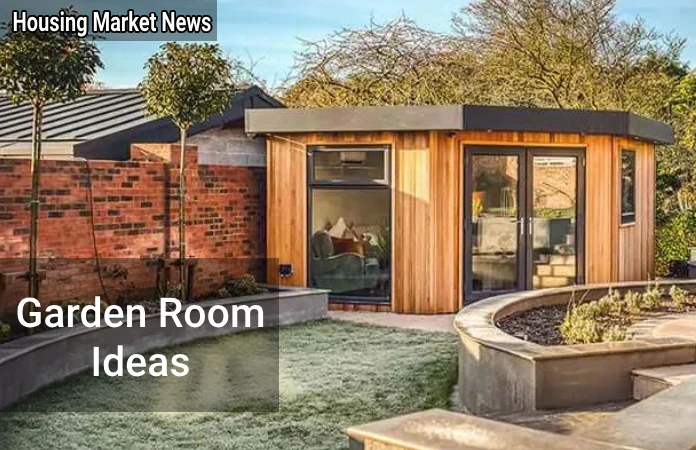
Garden rooms have become a popular trend in outdoor living, offering versatile spaces that combine functionality and aesthetics. Whether you’re looking to create a tranquil retreat, a productive workspace, or a vibrant entertaining area, a garden room can transform your outdoor space into a year-round haven. This article explores various garden room ideas, from practical designs to luxurious escapes, helping you craft the perfect addition to your home.

What is a Garden Room?

A garden room is a dedicated, enclosed space within your outdoor area that serves as an extension of your home. Unlike open patios or decks, garden rooms are fully insulated and temperature-controlled structures designed for year-round use. These spaces often feature large windows or bi-fold doors to maximize natural light and blend seamlessly with the surrounding environment. With endless design possibilities, garden rooms can cater to diverse needs, including workspaces, leisure areas, or creative studios.

Practical Garden Room Ideas

1. Garden Offices

With remote work becoming increasingly common, a garden office offers the perfect solution for separating work from home life. These spaces provide tranquility and focus while keeping distractions at bay. Key features include:

  • A desk with ample workspace.
  • Shelving and cabinets for storage.
  • Large windows for natural light and inspiring garden views.
  • Smart technology for Wi-Fi connectivity and climate control.

2. Workshops

For hobbyists or DIY enthusiasts, a garden workshop offers the space needed for creative projects. Whether you’re into woodworking, crafting, or mechanics, these rooms can be customized with:

  • Durable flooring to withstand heavy tools.
  • Built-in storage for equipment.
  • Adequate lighting for detailed tasks.

3. Storage Solutions

If your home lacks sufficient storage space, a garden room can double as an organized storage area. Unlike traditional sheds, these rooms offer better insulation and security for items such as:

  • Seasonal decorations.
  • Gardening tools and equipment.
  • Firewood or outdoor furniture.

Garden Room-Ideas

Leisure-Focused Garden Room Designs

1. Summer Houses

A summer house is ideal for enjoying warm weather in comfort. These spaces can serve as:

  • Outdoor dining areas with tables and chairs.
  • Cozy nooks for reading or relaxing.
  • Entertainment hubs for hosting barbecues or evening drinks.

2. Home Gyms

Skip expensive gym memberships by creating a personal fitness space in your garden room. Features to consider include:

  • Exercise equipment like treadmills or weights.
  • Mirrors to monitor form.
  • Rubber flooring for safety and durability.

3. Art Studios

For artists and creatives, a garden studio provides a private sanctuary to focus on their craft. These rooms benefit from:

  • Natural light through large windows or skylights.
  • Ample storage for art supplies.
  • Inspirational views of the outdoors.

Design Ideas for Cozy Garden Rooms

1. Comfortable Seating

Transform your garden room into a snug retreat by incorporating plush furniture such as armchairs or loveseats. Enhance the ambiance with:

  • Soft throw blankets and cushions.
  • A cozy rug underfoot.
  • Ambient lighting from pendant lights or table lamps.

2. Rustic Charm

For a simple yet charming look, opt for rustic design elements like:

  • Wooden furniture with natural finishes.
  • Earthy color palettes of beige, green, or brown.
  • Decorative touches like potted plants or vintage accessories.

Incorporating Natural Elements

Blurring the boundaries between indoors and outdoors is key to creating a harmonious garden room. Here’s how to integrate nature into your design:

  • Add greenery with potted plants or vertical gardens.
  • Use natural materials like wood or stone for cladding and flooring.
  • Install large windows or bi-fold doors to flood the space with sunlight.

Innovative Garden Room Structures

1. Orangeries

Orangeries combine glass elements with brickwork or stone to create elegant spaces that regulate temperature effectively. They are perfect for:

  • Expanding living areas.
  • Hosting indoor plants in style.

2. Conservatories

Conservatories offer panoramic views of your garden and can be used as:

  • Kitchen-diners with ample seating.
  • Living rooms filled with natural light.

3. Shepherd’s Huts

These vintage-inspired huts on wheels provide cozy retreats that can be outfitted with:

  • Traditional stoves for heating.
  • Simple furnishings for camping-style getaways.

Sustainable Garden Room Ideas

Eco-friendly designs not only reduce your carbon footprint but also enhance the natural appeal of your garden room. Consider these sustainable options:

  1. Use reclaimed wood or recycled materials in construction.
  2. Install solar panels to power lighting and heating systems.
  3. Incorporate energy-efficient insulation and windows.

Tips for Designing Your Dream Garden Room

To ensure your garden room is both functional and aesthetically pleasing, keep these tips in mind:

  1. Plan Your Purpose: Decide whether the space will be used for work, leisure, or multi-functional purposes before starting the design process.
  2. Maximize Space: Use modular furniture and built-in storage solutions to make the most of limited square footage.
  3. Focus on Lighting: Combine natural light with layered artificial lighting to create an inviting atmosphere day and night.
  4. Personalize the Décor: Choose colors, furniture, and accessories that reflect your style while complementing the surrounding landscape.

Conclusion

Garden rooms are versatile additions that enhance both the functionality and beauty of outdoor spaces. Whether you envision a productive office, a serene yoga retreat, or an entertainment hub, there’s no limit to what you can achieve with thoughtful design and planning. By incorporating natural elements, sustainable materials, and personalized touches, you can create a unique sanctuary that elevates your lifestyle year-round.

For more in-depth insights and the latest updates on the housing market, visit Housing Market News and stay informed about real estate trends, home improvement tips, and property news.

Creating a comfortable and personalized living space as a student doesn’t have to break the bank. With a bit of creativity and strategic planning, you can transform your dorm or apartment into a stylish haven that reflects your personality. Here are some budget-friendly home decor ideas tailored for students:

Maximize Space with Multifunctional Furniture

In compact student accommodations, every square foot counts. Investing in multifunctional furniture can significantly enhance both the functionality and aesthetics of your space.

  • Lofted or Bunk Beds: Elevate your sleeping area to free up space underneath for a desk or storage.
  • Storage Ottomans: These serve as seating, footrests, and hidden storage compartments, perfect for stashing books or blankets.
  • Folding Desks and Chairs: Compact and easy to store, they provide flexibility for study sessions and gatherings.

By choosing pieces that serve multiple purposes, you optimize your living area without overcrowding it.

Embrace DIY Wall Art and Decorations

Personalizing your walls doesn’t require expensive artwork. DIY projects not only save money but also add a unique touch to your decor.

  • Printable Art: Download free or affordable prints online and frame them to create an instant gallery.
  • Photo Collages: Display cherished memories using string lights and clothespins for a cozy ambiance.
  • Removable Wall Decals: Perfect for dorms, they allow you to decorate without causing damage.

Engaging in DIY projects fosters creativity and results in decor that truly reflects your style.

Utilize Lighting to Enhance Ambiance

Lighting plays a crucial role in setting the mood of your space. Affordable lighting solutions can dramatically transform your room’s atmosphere.

  • LED String Lights: Inexpensive and energy-efficient, they add warmth and charm.
  • Clip-on Desk Lamps: Provide focused lighting for study areas without occupying much space.
  • Smart Bulbs: Allow you to adjust brightness and color, adapting your room’s ambiance to different activities.

Thoughtfully chosen lighting not only illuminates but also elevates your decor.

Optimize Storage with Creative Solutions

Keeping your space organized enhances both functionality and visual appeal. Creative storage solutions can help maintain a clutter-free environment.

  • Under-Bed Storage Bins: Ideal for storing seasonal clothing or extra bedding.
  • Hanging Closet Organizers: Maximize vertical space for shoes, accessories, or folded clothes.
  • Over-the-Door Hooks: Perfect for hanging bags, jackets, or towels without drilling holes.

Efficient storage keeps essentials accessible while maintaining a tidy room.

Incorporate Textiles for Comfort and Style

Textiles like rugs, cushions, and curtains can add color, texture, and warmth to your space.

  • Throw Blankets and Pillows: Introduce patterns and colors that reflect your personality.
  • Area Rugs: Define different zones in your room and add coziness.
  • Curtains: Choose designs that complement your decor while providing privacy.

These elements make your space inviting and comfortable for both studying and relaxing.

Add Greenery with Low-Maintenance Plants

Plants bring life to any room and can improve air quality. Opt for low-maintenance varieties suitable for indoor environments.

  • Succulents: Require minimal watering and thrive in various light conditions.
  • Pothos: Known for their air-purifying qualities and resilience.
  • Spider Plants: Easy to care for and adapt well to indoor settings.

Incorporating greenery adds a refreshing touch to your decor.

Personalize with Thrifted and Upcycled Items

Decorating doesn’t have to involve brand-new items. Thrifting and upcycling are cost-effective and eco-friendly ways to personalize your space.

  • Thrifted Furniture: Find unique pieces that can be refurbished with a bit of paint or new hardware.
  • Upcycled Decor: Transform everyday items into decorative pieces, like turning glass jars into candle holders.

These practices not only save money but also result in one-of-a-kind decor.

Keep It Clutter-Free

A tidy space feels more open and inviting. Regularly declutter and organize to maintain a serene environment.

  • Regular Tidying: Set aside time each week to organize and clean your space.
  • Minimalist Approach: Keep only items that serve a purpose or bring joy.

A clutter-free room promotes relaxation and productivity.

By implementing these budget-friendly decor ideas, you can create a space that is both functional and reflective of your personal style. Remember, the goal is to make your living area a comfortable retreat that supports your academic endeavors and personal well-being.

For more in-depth insights and the latest updates on the housing market, visit Housing Market News and stay informed about real estate trends, home improvement tips, and property news.

Ed Sheeran, the renowned English singer-songwriter, has not only made a significant mark in the music industry but has also established an impressive residential complex in Suffolk, England. Affectionately dubbed “Sheeranville” by the media, this expansive estate reflects Sheeran’s dedication to creating a personalized haven that harmoniously blends luxury with rustic charm.

The Genesis of Sheeranville

In 2012, Ed Sheeran embarked on his property journey by acquiring a 16th-century Grade II-listed farmhouse known as Wynneys Hall for £1.1 million. This historic six-bedroom residence became the cornerstone of what would evolve into a sprawling estate. Over the years, Sheeran systematically purchased adjacent properties, expanding his domain and crafting a unique enclave that mirrors his eclectic tastes and interests.

Ed Sheeran - Celebrity Houses: 25 UNBELIEVABLE Pop Star Homes You Wish You Lived In - Capital

Architectural Ensemble

Sheeranville comprises a collection of distinct structures, each serving a specific purpose:

  • Wynneys Hall: The primary residence, a testament to 16th-century architecture, offers a glimpse into historical design blended with modern amenities.
  • Additional Residences: The estate includes multiple dwellings, such as a modern detached farmhouse with a billiards room and recording studio, a four-bedroom home, and a bungalow. Each property has been thoughtfully integrated into the estate, providing ample space for guests and family.
  • Treehouse: A notable feature is the expansive treehouse measuring 26 feet by 26 feet. This elevated retreat encompasses a living room, study area, and visual room, offering panoramic views of the surrounding farmland.
  • Four-Car Garage: A converted barn now serves as a garage, accommodating Sheeran’s collection of luxury vehicles while maintaining the estate’s rustic aesthetic.

Recreational Amenities

Sheeranville is equipped with an array of recreational facilities designed for relaxation and entertainment:

  • Wildlife Pond: A £500,000 wildlife pond graces the estate, initially intended to support local wildlife. Sheeran later adapted it for recreational use, including swimming. This adaptation sparked discussions among neighbors and local authorities regarding its intended purpose.
  • Lancaster Lock Pub: Demonstrating his appreciation for traditional British culture, Sheeran established a private pub named Lancaster Lock. This establishment features an underground tunnel connecting it to the main house, ensuring privacy and convenience. The pub also houses a 35-foot by 20-foot cinema, providing an intimate entertainment venue.
  • Chapel with Crypt: In a more personal addition, Sheeran constructed a chapel on the estate, complete with a crypt. He has expressed that this space is intended for personal reflection and, eventually, as his final resting place, underscoring his desire to have a lasting personal sanctuary.

Personal Touches

The interiors of Sheeranville reflect Ed Sheeran’s unique personality and interests:

  • Cinema Room: A dedicated cinema room is adorned with Pokémon-themed décor, including plush furnishings shaped like Pokémon characters. This space serves as a whimsical retreat for Sheeran and his family, particularly his daughters, Lyra and Jupiter.
  • Artistic Elements: The estate features various artistic touches, including a home studio where Sheeran can indulge in his passion for painting and music, further personalizing his living space.

Community and Controversies

While Sheeranville stands as a testament to Ed Sheeran’s success and personal tastes, its development has not been without controversy:

  • Planning Permissions: Several additions to the estate, such as the wildlife pond and the chapel, have faced scrutiny from local planning authorities and neighbors. Concerns have been raised about the scale of development and its impact on the local environment and community.
  • Local Engagement: Despite these challenges, Sheeran maintains a positive relationship with the local community. He often participates in local events and supports regional causes, reflecting his deep connection to his roots.

Conclusion

Ed Sheeran’s Sheeranville is more than just a residence; it is a manifestation of his journey, interests, and aspirations. The estate encapsulates his love for the English countryside, his commitment to creating a personal sanctuary, and his desire to blend modern luxury with traditional charm. As Sheeran continues to evolve as an artist and individual, Sheeranville stands as a dynamic testament to his legacy.

For more in-depth insights and the latest updates on the housing market, visit Housing Market News and stay informed about real estate trends, home improvement tips, and property news.

Commercial real estate (CRE) in the United States offers a lucrative avenue for investors seeking stable income and long-term growth. Unlike residential properties, CRE encompasses office spaces, retail centers, industrial facilities, and multifamily housing, each with unique opportunities and challenges. To succeed in this dynamic sector, investors must adopt well-informed strategies that align with their goals and risk tolerance. This article explores the top strategies for investing in U.S. commercial real estate, offering insights into market trends, risk management, and innovative approaches.

Understanding the U.S. Commercial Real Estate Market

The U.S. CRE market is poised for recovery in 2025 after a period of correction influenced by interest rate hikes and economic uncertainties. Investor sentiment is improving, with 70% of surveyed investors planning to increase their asset purchases this year. Multifamily and industrial properties remain the most preferred sectors, while retail is regaining favor. The market’s resilience and potential for growth make it an attractive option for both seasoned and new investors.

Core Investment Strategies

1. Core Investments

Core investments focus on acquiring high-quality, fully leased properties in prime locations, such as Class A office buildings or luxury multifamily units. These assets offer low risk and stable returns, making them ideal for conservative investors seeking predictable income streams. However, the returns are typically lower compared to other strategies.

2. Core Plus Investments

Core Plus investments involve properties that are mostly stable but may require slight renovations or operational improvements. These assets carry moderate risk and offer slightly higher returns than Core investments. For example, upgrading common areas or improving tenant services can enhance property value and rental income.

3. Value-Add Investments

Value-add strategies target underperforming properties with untapped potential. Investors make significant improvements—such as renovations or re-tenanting—to increase property value and rental rates. While this approach involves higher risk, it also offers substantial returns when executed effectively.

4. Opportunistic Investments

Opportunistic investments are high-risk ventures involving distressed assets or new developments. These projects require significant capital and expertise but can yield the highest returns if successful. Examples include ground-up developments or major redevelopments in emerging markets.

Market Analysis: A Foundation for Success

A thorough market analysis is essential for identifying profitable opportunities in CRE. Key factors to evaluate include:

  • Supply and Demand: Assess vacancy rates, rental trends, and local economic indicators.
  • Regulations: Understand zoning laws and local policies affecting real estate development.
  • Competitive Landscape: Analyze historical trends and future projections for property values.
  • Infrastructure: Evaluate transportation links, amenities, and other locational advantages.

Utilizing advanced tools like AI-driven analytics can streamline data collection and trend identification, enabling more informed decision-making.

Advanced Strategies for Maximizing Returns

1. Diversification

Diversification mitigates risks by spreading investments across different property types (e.g., office, retail, industrial) or geographic locations. For instance:

  • A mix of residential and commercial properties balances stable rental income with higher returns.
  • Geographic diversification protects against localized economic downturns.

2. Technology Integration

Technology plays a pivotal role in modern CRE investment strategies:

  • Property Management Software: Streamlines operations like rent collection and tenant communication.
  • IoT Devices: Enhances energy efficiency, security, and maintenance tracking.
  • Data Analytics Tools: Provides insights into market trends and financial performance.

These innovations reduce operational costs while improving tenant satisfaction and ROI.

3. Sustainable Investing

Sustainability is becoming a critical factor in CRE investments as tenants prioritize eco-friendly spaces. Incorporating energy-efficient systems or achieving green certifications can attract premium tenants while reducing utility costs.

4. Non-Traditional Financing

High entry costs often deter individual investors from entering the CRE market. Non-traditional financing methods offer alternatives:

  • Crowdfunding: Pools resources from multiple investors for smaller individual contributions.
  • REITs (Real Estate Investment Trusts): Provides passive income without direct property ownership.
  • Private Equity Partnerships: Leverages expertise and capital from experienced partners to reduce individual risk.

Risk Management

Effective risk management is crucial for long-term success in CRE investing:

  • Conduct due diligence to assess tenant stability, market risks, and financial factors.
  • Use sensitivity analysis to evaluate potential impacts of changes in occupancy rates or operating expenses on ROI.
  • Diversify your portfolio to minimize exposure to any single asset class or geographic region.

The CRE market is evolving with several notable trends:

  • Industrial Real Estate: Demand for logistics and warehousing facilities remains robust due to e-commerce growth.
  • Office Spaces: Tenants are increasingly favoring high-quality, sustainable offices as hybrid work models stabilize.
  • Retail Revival: Retail properties are gaining traction as consumer spending rebounds post-pandemic.

These trends highlight the importance of staying agile and adapting investment strategies to changing market conditions.

Conclusion

Investing in U.S. commercial real estate offers diverse opportunities for generating income and building wealth. By understanding core strategies like Core, Core Plus, Value-Add, and Opportunistic investments—and incorporating advanced approaches such as diversification, technology use, and sustainable investing—investors can maximize returns while mitigating risks.

The key to success lies in thorough market research, effective risk management, and aligning investment choices with financial goals. With the U.S. CRE market poised for recovery in 2025, now is an opportune time to explore this dynamic sector.

FAQs on Investing in U.S. Commercial Real Estate

Can foreigners buy commercial property in the USA?

Yes, foreigners and non-U.S. residents can purchase commercial properties in the United States without any restrictions related to citizenship or residency status. Foreign investors are not required to have a green card or permanent residency to buy real estate. However, they must comply with legal requirements, such as providing valid identification, proof of income, and filing tax returns under the Foreign Investment in Real Property Tax Act (FIRPTA). Many foreign investors also explore financing options like foreign national mortgages or programs like the EB-5 Immigrant Investor Program, which may offer immigration benefits alongside property investment.

Is it wise to invest in Commercial Real Estate?

Investing in commercial real estate (CRE) can be a wise decision for those seeking long-term income and asset appreciation. CRE offers several advantages, including higher rental yields, longer lease terms (often 5–10 years), and stable cash flow from creditworthy tenants. Additionally, CRE investments provide opportunities for diversification across property types such as office spaces, retail centers, and industrial facilities. However, success depends on thorough market research, understanding local economic conditions, and effective risk management. While CRE requires significant capital and expertise, it remains one of the most profitable and resilient investment options.

Is real estate a good investment in the USA?

Real estate is considered a strong investment in the U.S., offering stability and consistent returns over time. According to recent surveys, real estate remains a top choice for long-term investments among Americans. The U.S. market provides diverse opportunities across residential and commercial sectors, supported by a robust economy and legal protections for property owners. While high interest rates may pose challenges in the short term, falling rates or market corrections often present lucrative opportunities for investors. Whether through rental income, property appreciation, or tax benefits, real estate continues to be a reliable asset class.

What is the most profitable type of Commercial Real Estate?

Industrial properties are currently the most profitable type of commercial real estate due to high demand driven by e-commerce growth and supply chain optimization. These properties often yield annual returns of 6–8% or higher and boast occupancy rates exceeding 95%. Other profitable segments include:

  • Mixed-Use Developments: Combining residential, retail, and office spaces for diverse income streams.
  • Retail Spaces: High-footfall areas like tourist hubs offer cap rates of 5–7%.
  • Office Spaces: Prime locations with long-term leases maintain stable occupancy rates.
  • Short-Term Vacation Rentals: Dynamic pricing models can drive returns up to 15% annually.

Profitability depends on factors such as location, lease structures, tenant stability, and market trends.

For more in-depth insights and the latest updates on the housing market, visit Housing Market News and stay informed about real estate trends, home improvement tips, and property news.

Selecting the right mattress is a vital decision that directly impacts your sleep quality, physical health, and overall well-being. With numerous options available, understanding key factors like material, firmness, sleeping position, and personal preferences can make the process less overwhelming. This comprehensive guide explores essential tips to help you choose the perfect mattress.

1. Understanding Mattress Types

The type of mattress you choose determines its feel, support, and durability. Here are the most common types:

  • Innerspring Mattresses: These use steel coils for support and are often combined with layers of foam or fiber padding. They provide bounce and good airflow but may lack motion isolation.
  • Foam Mattresses: Made from memory foam or polyurethane foam, these mattresses contour to your body, offering excellent pressure relief and motion isolation. However, they tend to retain heat.
  • Hybrid Mattresses: Combining innerspring coils with foam or latex layers, hybrids offer the benefits of both types—support, durability, and pressure relief.
  • Latex Mattresses: These are made from natural or synthetic latex and provide a responsive feel with good cooling properties. They are durable but can be more expensive.
  • Adjustable Air Mattresses: These allow you to customize firmness by adjusting air levels. They are ideal for couples with different preferences but can be costly.

2. Mattress Firmness Levels

Firmness is a critical factor in ensuring comfort and spinal alignment. The right firmness depends on your sleeping position and body weight:

  • Soft Mattresses: Best for side sleepers as they cushion pressure points like shoulders and hips.
  • Medium-Firm Mattresses: Suitable for back sleepers, offering a balance of support and comfort to maintain spinal alignment.
  • Firm Mattresses: Ideal for stomach sleepers or heavier individuals to prevent sinking and maintain a neutral spine position.

3. Sleeping Positions and Their Impact

Your sleeping position plays a significant role in determining the best mattress:

  • Side Sleepers: Require softer mattresses with good contouring to reduce pressure on joints.
  • Back Sleepers: Benefit from medium-firm mattresses that support the natural curve of the spine.
  • Stomach Sleepers: Need firmer mattresses to prevent the lower back from sagging.

4. Material Preferences

Different materials cater to various needs:

  • Memory Foam: Offers excellent pressure relief and motion isolation but may feel warmer.
  • Spring Coils: Provide better airflow for cooler sleep but may transfer motion.
  • Latex Foam: Combines responsiveness with cooling properties, making it a versatile option.

Consider hybrid models if you want a balance of these features.

5. Health Considerations

If you experience back pain or other health issues, choosing the right mattress becomes even more critical:

  • Look for medium-firm mattresses that support spinal alignment while relieving pressure points.
  • Consult healthcare providers for personalized recommendations based on specific conditions like arthritis or degenerative disc disease.

6. Temperature Regulation

Hot sleepers should prioritize mattresses with cooling properties:

  • Opt for innerspring or hybrid mattresses that allow better airflow.
  • Look for cooling technologies like gel-infused foam or phase-change materials in memory foam mattresses.

7. Motion Isolation

If you share your bed with a partner, motion isolation is essential to avoid disturbances:

  • Foam mattresses are excellent at absorbing movement.
  • Hybrid models with pocketed coils also minimize motion transfer effectively.

8. Mattress Size

Choosing the right size ensures comfort for both solo sleepers and couples:

Mattress Size Dimensions (inches) Suitable For
Twin 38 x 75 Single sleepers
Full 54 x 75 Single sleepers needing space
Queen 60 x 80 Couples
King 76 x 80 Couples needing extra space

9. Testing Before Buying

Testing a mattress in-store or during a home trial period is crucial:

  • Spend at least 5–10 minutes lying in your usual sleeping position.
  • Bring your pillow to replicate your normal sleep environment.

Most retailers offer trial periods ranging from 30 to 120 days, allowing you to test comfort over time.

10. Maintenance Tips

To extend your mattress’s lifespan and maintain comfort:

  1. Rotate or flip it regularly (if applicable) to prevent uneven wear.
  2. Use a mattress protector to guard against spills and allergens.
  3. Ensure proper support with a sturdy bed frame or foundation.

11. Budget Considerations

Mattresses vary widely in price based on materials and features:

  • Set a budget before shopping but remember that quality sleep is an investment.
  • Look for seasonal sales or discounts to get the best value without compromising quality.

12. Warranty and Return Policies

Check warranty terms before purchasing:

  • Most warranties cover defects in materials or workmanship.
  • Understand return policies during trial periods to ensure satisfaction with your choice.

Final Thoughts

Choosing the right mattress involves balancing personal preferences with practical considerations like sleeping position, body type, and budget. By understanding different materials, firmness levels, and additional features such as cooling technologies or motion isolation, you can make an informed decision that enhances your sleep quality. Remember to test mattresses whenever possible and take advantage of trial periods for ultimate confidence in your choice.

Investing time in this process will reward you with restful nights and improved well-being—because great sleep starts with the perfect mattress!

For more in-depth insights and the latest updates on the housing market, visit Housing Market News and stay informed about real estate trends, home improvement tips, and property news.

Painting cabinets is a cost-effective and transformative way to refresh your kitchen or bathroom without undergoing a full remodel. However, achieving a professional-grade finish requires meticulous preparation, the right tools, and expert techniques. This article provides a detailed guide to cabinet painting, offering tips and techniques to ensure flawless and long-lasting results.

1. Preparation: The Foundation of Success

Proper preparation is the cornerstone of any successful cabinet painting project. Skipping this step can lead to uneven finishes, poor paint adhesion, and shorter durability.

  • Clean Thoroughly: Use a degreaser to remove grease, grime, and dirt from cabinet surfaces. Kitchen cabinets, in particular, tend to accumulate oil residue that can hinder paint adhesion.
  • Remove Hardware: Take off all cabinet doors, drawers, handles, and hinges. Store screws and small parts in labeled bags for easy reassembly.
  • Sand the Surface: Lightly sand the cabinets with medium-grit sandpaper (120–180 grit) to remove the glossy finish and create a surface that paint can adhere to. For stubborn finishes, consider using an orbital sander.
  • Repair Damage: Inspect cabinets for cracks or dents and fill them with wood filler before sanding again for a smooth surface.

2. Priming: The Key to Longevity

Priming is an essential step that ensures the paint adheres properly and provides a uniform base.

  • Choose the Right Primer: For wood cabinets, water-based primers work well. For laminate or hardwood surfaces, opt for shellac-based primers that adhere better to smooth surfaces.
  • Apply Evenly: Use a foam roller or synthetic bristle brush for streak-free application. Allow the primer to dry completely before moving on to painting.

3. Selecting the Right Paint

The type of paint you choose significantly impacts the durability and appearance of your cabinets.

  • Durable Paints: High-quality acrylic or oil-based paints are ideal for cabinets due to their durability and resistance to wear and tear. Look for paints labeled as “cabinet” or “trim” paint.
  • Finish Matters: Semi-gloss or gloss finishes are highly recommended as they are easier to clean and provide a polished look.
  • Chalk Paint Option: For a vintage or rustic look, chalk paint is an excellent choice. It adheres well without primer and is easy to distress for a shabby-chic aesthetic.

4. Painting Techniques for Flawless Results

To achieve a professional finish, use the right tools and methods during painting.

Brush Painting

  • Ideal for intricate details like corners and edges.
  • Use high-quality angled brushes for precision work.

Roller Painting

  • Foam rollers are perfect for broad surfaces like cabinet fronts.
  • Apply thin coats to avoid drips and achieve even coverage.

Spraying

  • For a factory-like finish, consider using a paint sprayer. This method provides smooth, even coverage but requires practice and proper masking of surrounding areas.

Thin Coats Are Key

  • Apply multiple thin layers instead of one thick coat. This prevents drips and ensures better durability.

5. Drying Time: Patience Pays Off

Allow each coat of paint to dry completely before applying the next layer. Rushing this process can lead to uneven finishes and reduced durability.

  • Wait at least 24 hours between coats.
  • Avoid reattaching hardware until the final coat has cured fully—this can take up to three weeks for professional-grade paints.

6. Adding a Protective Topcoat

A clear topcoat adds an extra layer of protection against scratches, stains, and moisture damage.

  • Choose a topcoat specifically formulated for painted surfaces.
  • Apply it evenly with a foam roller or brush after the final coat of paint has dried completely.

7. Creative Techniques for Unique Styles

Cabinet painting offers opportunities to experiment with colors and styles:

  • Two-Tone Color Schemes: Paint upper cabinets one color (e.g., white) and lower cabinets another (e.g., navy blue) for contrast.
  • Distressed Finish: Lightly sand edges after painting with chalk paint for a rustic look.
  • Bold Colors: Bright hues like teal or mustard yellow can add personality to your space while maintaining functionality.

8. Essential Tools Checklist

Gathering the right tools ensures efficiency during your project:

Tool/Material Purpose
Degreaser Removes grease and grime
Sandpaper (120–180 grit) Prepares surface for primer
Primer Ensures paint adhesion
Foam Roller Applies smooth coats on flat surfaces
Angled Brush Precision work on edges/corners
Tack Cloth Removes dust after sanding
Painter’s Tape Protects walls and appliances
Paint Sprayer Provides factory-like finish (optional)

9. Common Mistakes to Avoid

Avoid these pitfalls for better results:

  1. Skipping preparation steps like cleaning or sanding.
  2. Using low-quality paint or primer.
  3. Applying thick coats instead of thin layers.
  4. Not allowing sufficient drying time between coats.
  5. Neglecting protective measures like painter’s tape or drop cloths.

10. Final Touches

After completing your project:

  • Reattach hardware carefully to avoid scratching newly painted surfaces.
  • Consider replacing old handles or knobs with modern designs for an updated look.
  • Regularly clean painted cabinets with mild soap and water to maintain their appearance.

Painting cabinets is an art that combines preparation, technique, and creativity. By following these expert tips, you can achieve stunning results that transform your space while ensuring long-lasting durability. Whether you’re tackling this as a DIY project or hiring professionals, attention to detail will make all the difference in achieving a flawless finish!

For more in-depth insights and the latest updates on the housing market, visit Housing Market News and stay informed about real estate trends, home improvement tips, and property news.